Beisser – Alsterhaus occupies a prime address on Jungfernstieg, Hamburg's most prestigious retail and dining corridor, placing it inside the city's upper tier of destination restaurants. The setting alone signals intent: a room built for a deliberate, course-by-course experience rather than a casual drop-in. For Hamburg's fine-dining circuit, this address functions as both credential and context.
Pearl is the En Primeur Club membership app — saves, bookings, and concierge access live there. Same editors, same standards.
- Address
- Jungfernstieg 16-20, 20354 Hamburg, Germany
- Phone
- +494034993788
- Website
- beisser.de
- Directions
- Get directions
 Saves & bookings on Pearl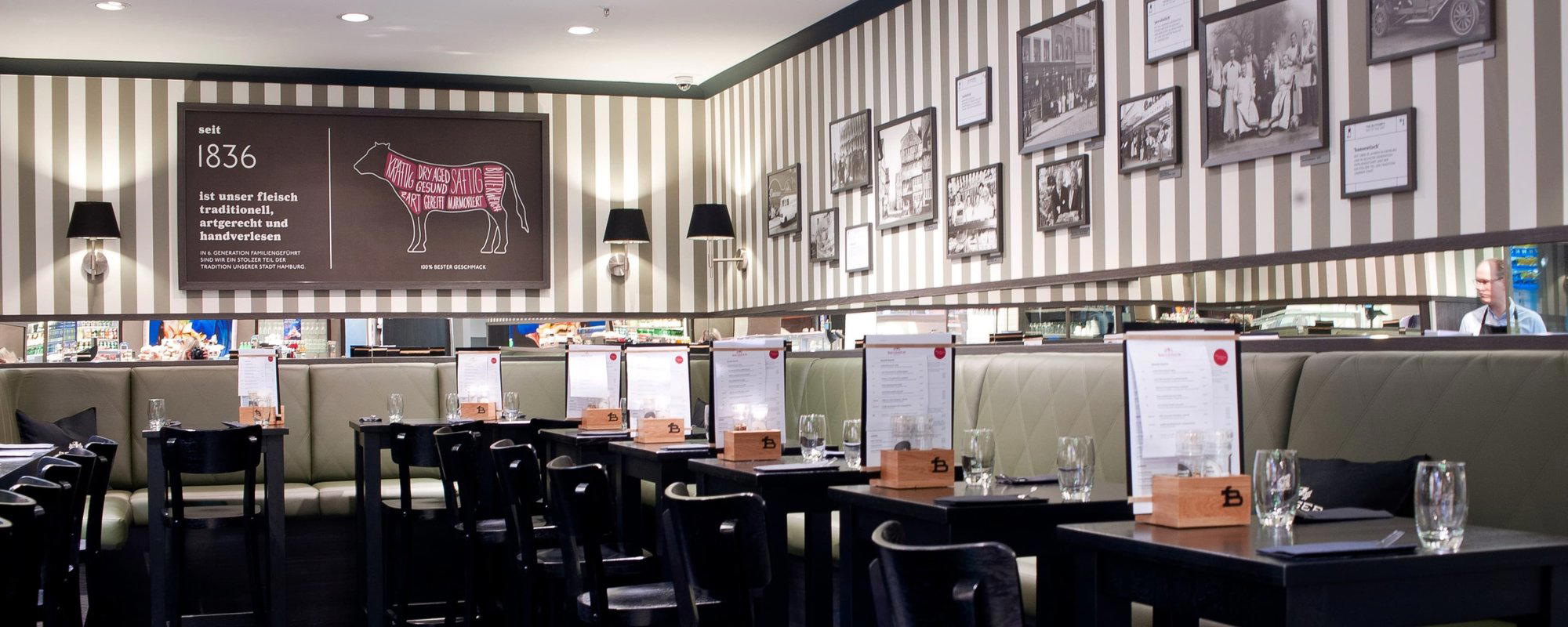
Jungfernstieg and the Architecture of a Hamburg Dining Address
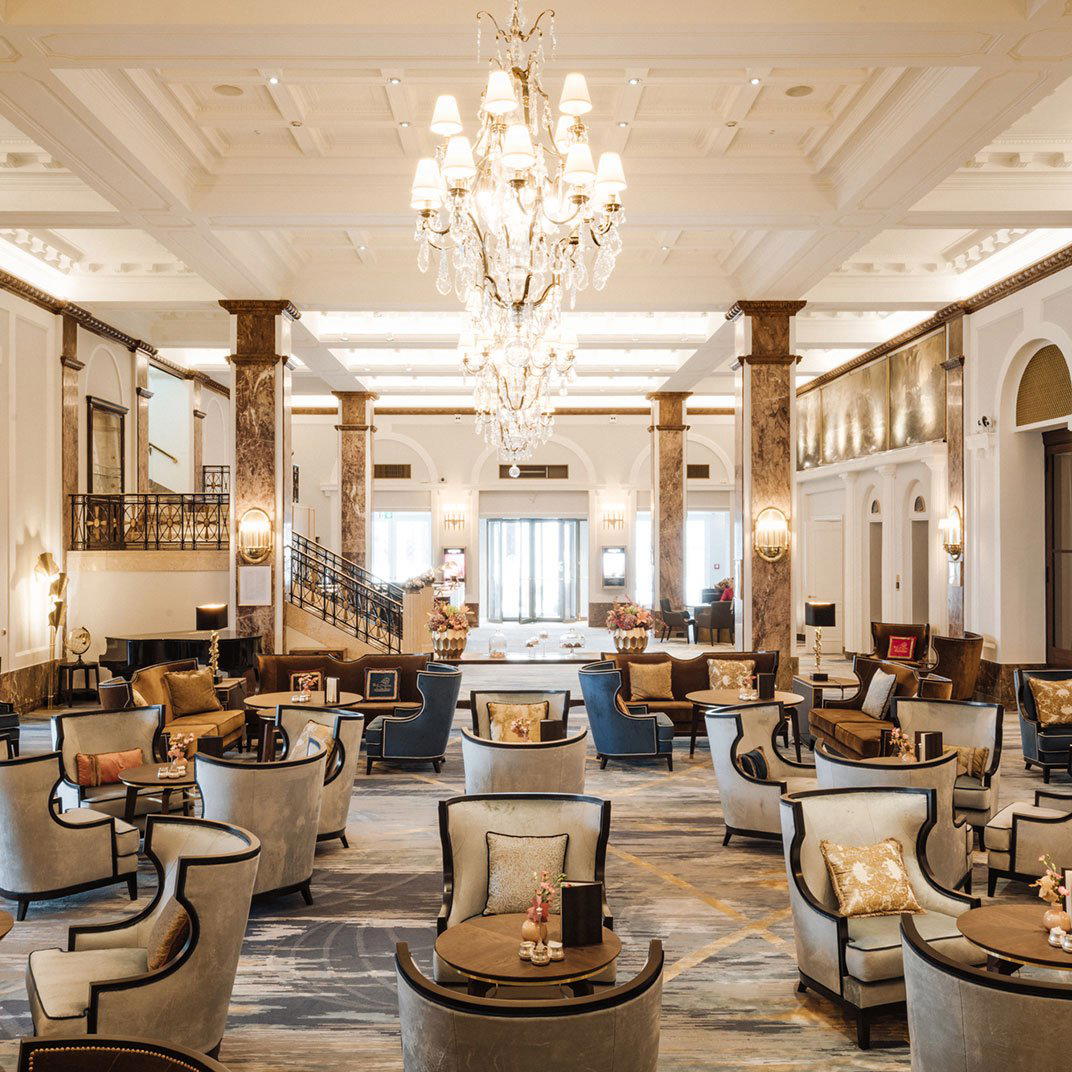
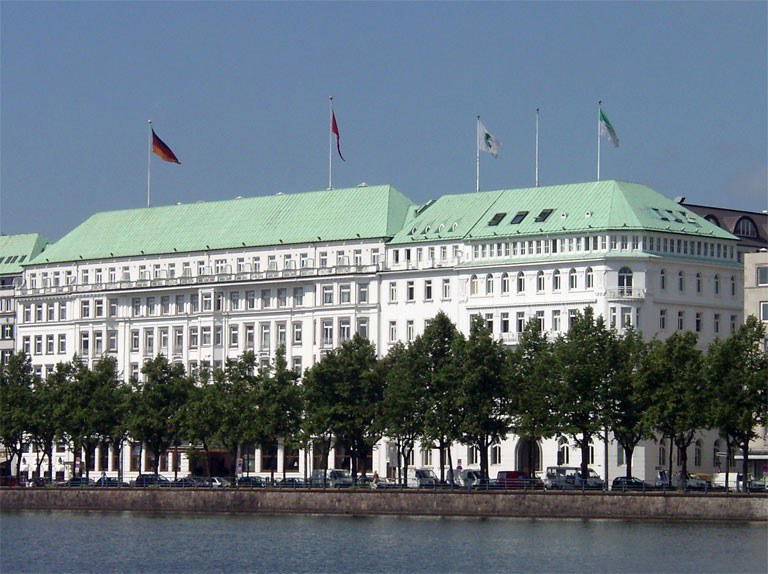
Hamburg's Jungfernstieg has operated as the city's most prominent shopping corridor for well over a century. The boulevard runs along the southern bank of the Binnenalster, flanked by department stores, flagship boutiques, and a handful of restaurants that understand their geography as a statement of positioning. Beisser – Alsterhaus, at Jungfernstieg 16-20, is one of those restaurants: its address inside the Alsterhaus, Hamburg's answer to a grand department store, a building that has housed premium retail since 1912, places it in a tier defined less by footfall and more by deliberate occasion dining. You arrive through a retail environment that suits a measured meal.
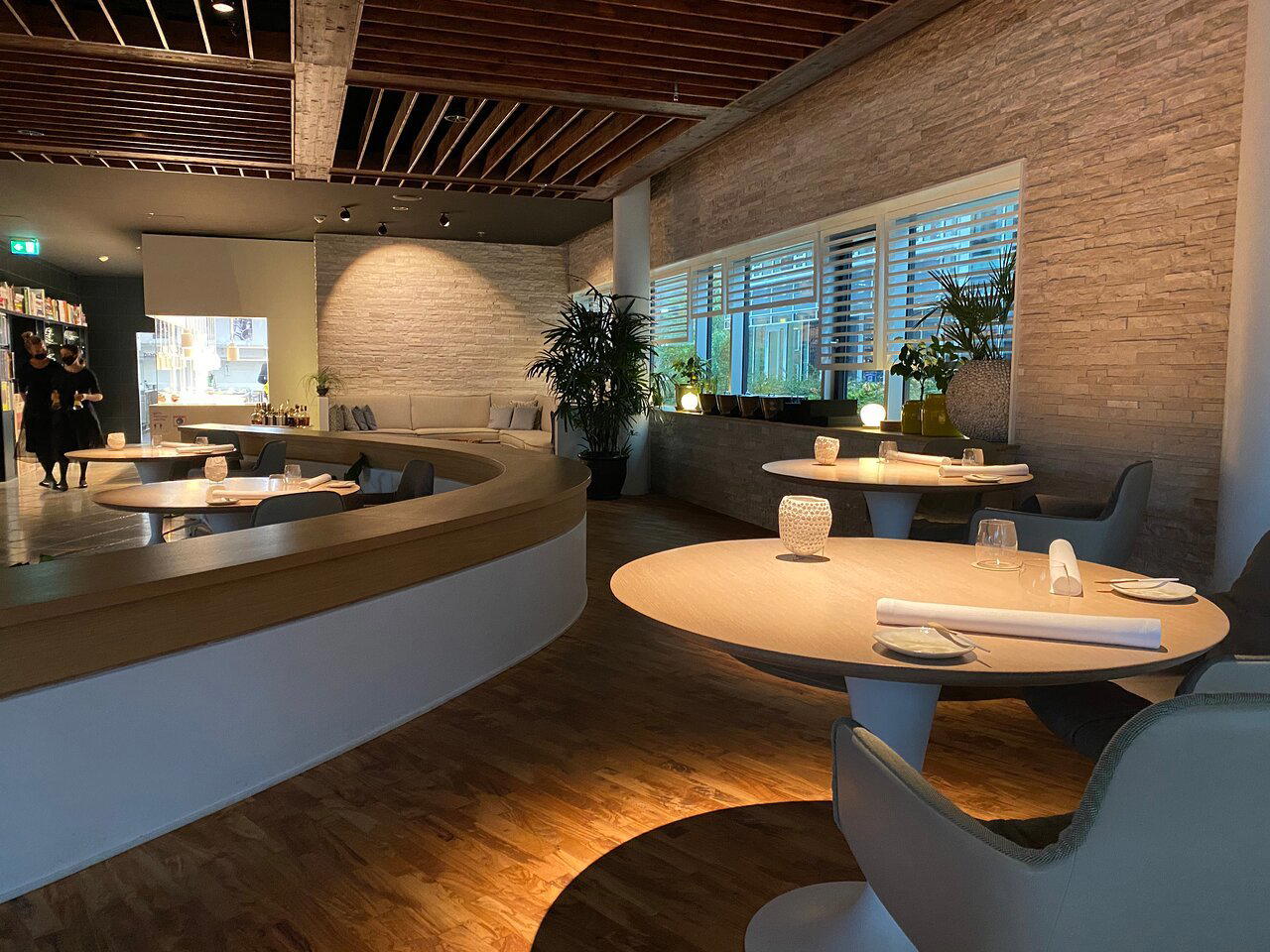
Hamburg's fine-dining spread has historically concentrated around the Harvestehude and HafenCity quarters, with the city's flagship, The Table Kevin Fehling, anchoring the upper edge of the creative category. Beisser operates in a different register from that counter-format intensity, but its Jungfernstieg address situates it firmly within the city's destination dining circuit rather than its neighbourhood bistro layer. That distinction matters when reading what the kitchen is attempting: this is a room that expects guests to have made a reservation, set aside an evening, and arrived with appetite for a structured progression rather than a spontaneous plate.
The Shape of the Meal: Sequence as Story
One useful way to read Beisser – Alsterhaus is through the logic of its progression. Restaurants anchored inside premium retail destinations across Germany, think of how the top-floor dining concept has evolved at luxury department stores in Munich, Berlin, and Düsseldorf, have increasingly moved toward tasting formats that justify the occasion, separating themselves from the floor-below café by offering a meal with a beginning, middle, and end. Beisser follows that pattern, building its identity around a course-by-course arc rather than à la carte assembly.
Within Hamburg's fine-dining comparable set, this places it in company with restaurants that prioritise sequencing over selection. Restaurant Haerlin, with its classical French architecture, operates on a similar premise of structured progression, though its register is more formal and its lineage more explicitly Michelin-tracked. 100/200 Kitchen approaches sequencing from a more experimental creative angle. Beisser's position in that spread, defined by its address, its retail-adjacent context, and its apparent pitch to a guest who has come to the Alsterhaus for a full evening, suggests a kitchen calibrated for accessible occasion dining rather than avant-garde statement-making.
Across Germany's broader fine-dining circuit, the tasting progression format has become the dominant mode at any restaurant operating above the casual tier. Venues like Schwarzwaldstube in Baiersbronn, Aqua in Wolfsburg, and Schanz in Piesport all demonstrate how the multi-course model functions as a vehicle for regional identity and technical ambition simultaneously. High on that format's range, Vendôme in Bergisch Gladbach and Victor's Fine Dining by Christian Bau in Perl set the benchmark against which other German tasting menus are implicitly measured. Internationally, the sequential meal has been refined at venues from Le Bernardin in New York City to Lazy Bear in San Francisco, both of which demonstrate how format discipline and kitchen narrative can sustain a full evening without relying on spectacle.
Hamburg's Mid-to-Upper Dining Tier: Where Beisser Sits
Hamburg's fine-dining scene has developed a reasonably clear stratification. At the leading, a small cluster of creative and classically-rooted restaurants operates with Michelin recognition and advance-booking lead times that reflect genuine demand. Below that, a broader mid-tier of occasion restaurants serves the city's professional and visiting dining public, guests who want more than a bistro but aren't necessarily targeting a three-hour tasting marathon. bianc, with its modern Mediterranean approach, and Lakeside, trading on its setting and German-inflected menu, both occupy variations of that mid-upper band. Beisser – Alsterhaus, by virtue of its Jungfernstieg address and department store context, occupies a comparable position: a restaurant where the occasion is built into the geography as much as the menu.
That positioning has parallels elsewhere in Germany's restaurant geography. JAN in Munich operates on a similar premise of occasion dining with serious kitchen intent. ES:SENZ in Grassau demonstrates how strong addresses can anchor ambitious cooking even outside major city centres. And Waldhotel Sonnora in Dreis shows how destination dining built around place, not just plate, sustains long-term relevance. In each case, the restaurant's physical context does meaningful work in shaping guest expectation before the first course arrives.
Planning a Visit: Practical Notes
The restaurant sits inside the Alsterhaus at Jungfernstieg 16-20, a building that is straightforwardly reachable from Hamburg's central S-Bahn and U-Bahn hub at Jungfernstieg station, placing it under a two-minute walk from interchange lines including U1, U2, and U4. The address is central enough that arriving by public transport is one practical option; the Binnenalster waterfront immediately adjacent provides a natural pre-dinner walk along one of Hamburg's more composed urban stretches. Given the building's retail context, timing an arrival for early evening allows a pass through the Alsterhaus floors before the restaurant's service begins. For broader orientation across Hamburg's restaurant options, the EP Club Hamburg guide covers the full range of the city's dining tiers. Those exploring Germany's dessert-forward creative category should also note CODA Dessert Dining in Berlin and Bagatelle in Trier as points of comparison for format experimentation within the tasting progression model.
At a Glance
Comparable venues nearby, for context on price, style, and recognition.
| Venue | Cuisine | Price | Notes |
|---|---|---|---|
| Beisser – AlsterhausThis venue — the venue you are viewing | Neustadt, Steakhouse & Grill | $$$ | Not listed |
| MASH Hamburg | Altona-Altstadt, American Steakhouse | $$$$ | Not listed |
| brasserie TORTUE | Not listed | $$$ | Neustadt, German-inspired French Brasserie |
| Schifferbörse Restaurant | Not listed | $$$ | St. Georg, Traditional Northern German Seafood |
| Das Pfeiffers | Not listed | $$$ | Treudelberg, Creative German & Sushi with Premium Seafood |
| Estancia Steaks | Not listed | $$$$ | Hamburg-Altstadt, Argentinean-Inspired Steakhouse |
Continue exploring
More in Hamburg
Restaurants in Hamburg
Browse all →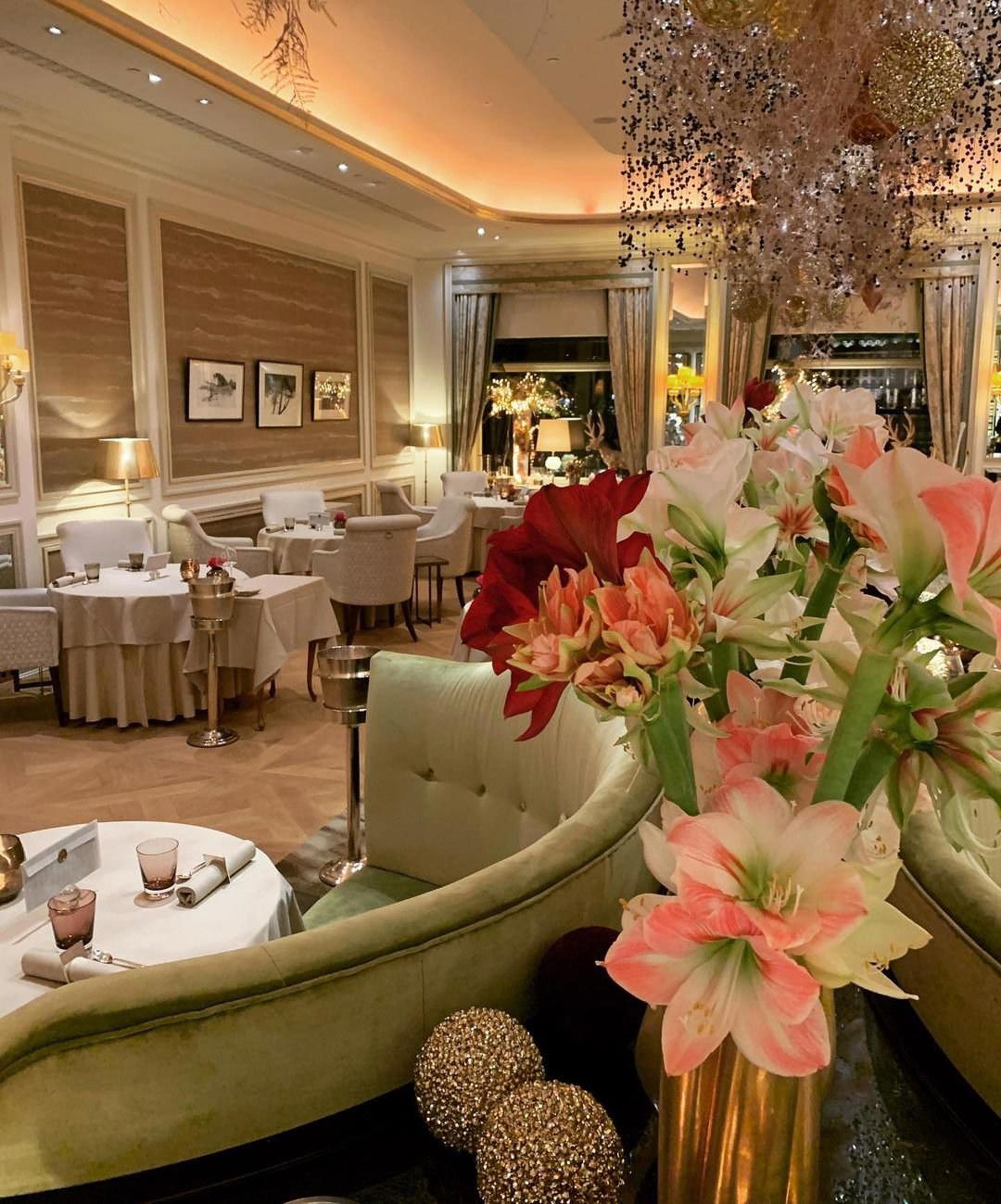
At a Glance
- Classic
- Elegant
- Business Dinner
- Special Occasion
- Group Dining
- Hotel Restaurant
- Local Sourcing
Current opening hours
- Monday
- 10 AM–8 PM
- Tuesday
- 10 AM–8 PM
- Wednesday
- 10 AM–8 PM
- Thursday
- 10 AM–8 PM
- Friday
- 10 AM–8 PM
- Saturday
- 10 AM–8 PM
- Sunday
- Closed
Hours can change for holidays and private events. Last verified .
Classic steakhouse atmosphere in a department store setting with focus on high-quality meat displays and grill experience.