Current status is under verification; live venue details are withheld until a current primary source confirms them.
Pearl is the En Primeur Club membership app — saves, bookings, and concierge access live there. Same editors, same standards.
- Address
- Via Eroi del Mare, 4, 72015 Torre Canne BR, Italy
- Phone
- +39 347 560 3024
- Website
- larotonda2darosa.com
- Directions
- Get directions
 Saves & bookings on Pearl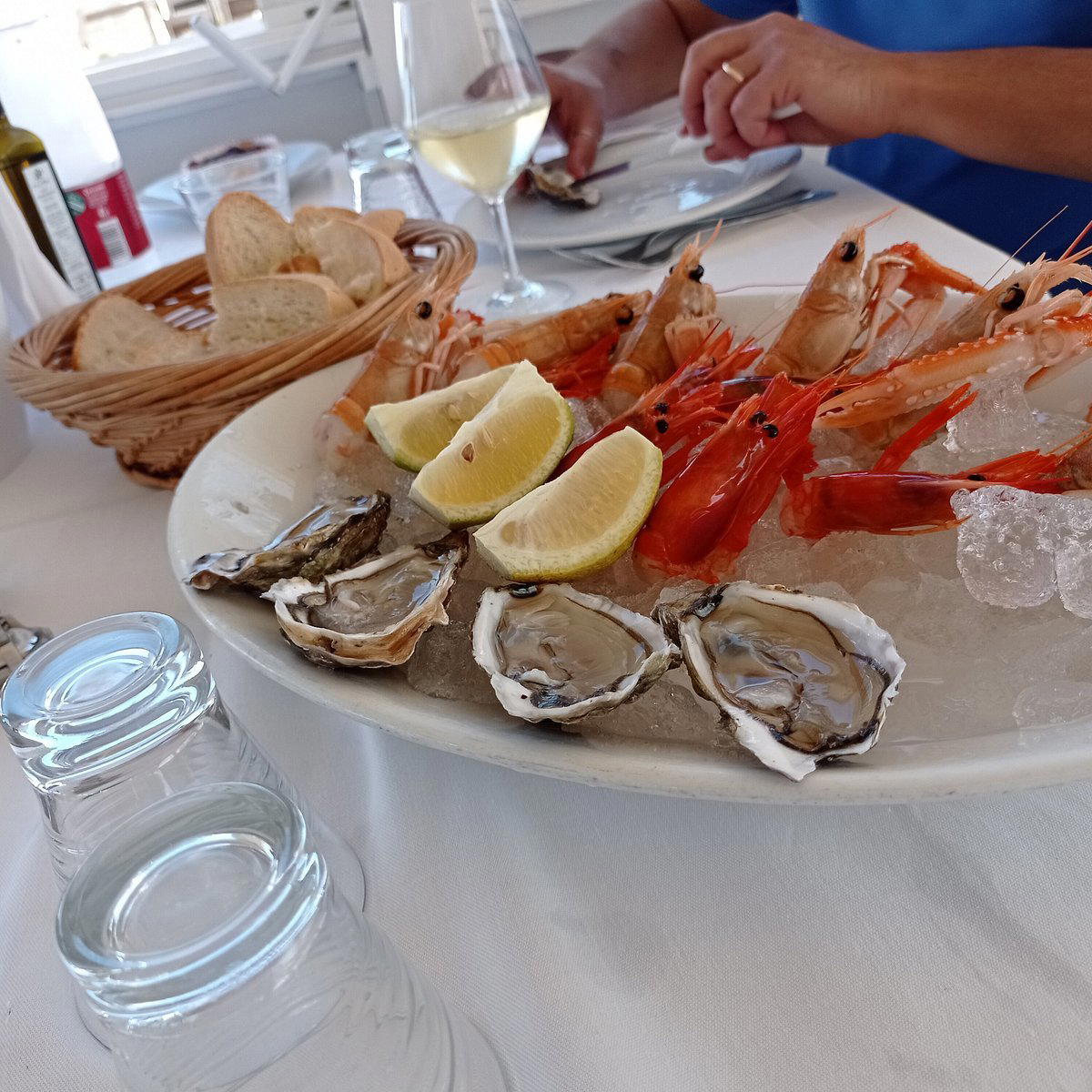
Where the Adriatic Meets the Valle d'Itria Table
The stretch of Apulian coastline running south from Monopoli toward Brindisi carries a particular atmospheric weight in the early evening. The SP90 road through Torre Canne passes olive groves old enough to predate most European nations, and the air shifts between salt and earth depending on which direction the wind comes from. La Rotonda sits on this route in the Savelletri locality, within the Fasano municipality, at a point where the Adriatic is close enough to define the ingredient conversation but the agricultural interior is equally present. It is a casual Apulian seaside seafood restaurant, with reservations recommended, at SP90 Torre Canne, 72015 Savelletri BR, Italy. That dual pull, sea and land, coast and valley, is the defining tension of serious Apulian cooking, and it is what makes this part of Brindisi province worth understanding before you consider any individual restaurant within it.
Puglia produces roughly forty percent of Italy's olive oil, grows durum wheat across vast tracts of the Tavoliere and Murge plateaus, and harvests orecchiette-sized portions of cultural identity from every village along its length. The Valle d'Itria corridor specifically, which connects the trulli towns of Alberobello, Locorotondo, and Cisternino before opening toward the coast at Fasano and Savelletri, functions as one of southern Italy's most self-contained food systems. Local masserie supply lamb, dairy, and seasonal vegetables to kitchens operating within a short radius. Fishermen working out of the small harbour at Savelletri bring in ricci di mare, cozze, and whatever the season permits from the shallower Adriatic shelf. The raw material quality in this corridor is genuinely high by any Italian standard, not just by southern Italian standards.
The Sourcing Logic of Apulian Coastal Cooking
Ingredient sourcing in this part of Puglia follows a pattern that Italian coastal regions elsewhere have largely abandoned in favour of centralised wholesale supply. The proximity of working farms to the coast here means kitchens can operate on shorter ingredient cycles than their counterparts in more urbanised stretches of the Adriatic. Sea urchin arrives the same morning it is harvested. Ricotta forte, the aged, pungent Apulian condiment made from fermented sheep's milk ricotta, comes from dairies within the province. Burrata originates from Andria less than an hour north. This geography creates conditions where provenance is a practical fact rather than a marketing position.
That distinction matters when assessing any restaurant operating in the Savelletri-Fasano zone. The baseline ingredient quality raises the floor for what a serious kitchen here can achieve, which is partly why this stretch of coastline has attracted investment from the Fasano hotel group and drawn visitors who would otherwise direct their Apulian itineraries entirely toward Lecce or Ostuni. Quattro Passi in Marina del Cantone and Uliassi in Senigallia demonstrate how Italian coastal kitchens at the upper tier translate hyper-local marine sourcing into formally recognised cooking. The Adriatic southern shoreline is a different animal from the Campanian or Marchigian coasts, but the sourcing logic runs parallel.
Fasano's Position in the Italian Fine Dining Conversation
Fasano as a dining destination sits in an interesting category within Italy's restaurant hierarchy. It is not a major city with multiple Michelin-starred addresses competing for the same clientele, as Milan or Rome would be. Nor is it a single-destination pilgrimage site in the mould of Osteria Francescana in Modena or Dal Pescatore in Runate. It occupies a middle tier: a quality coastal destination where the dining scene is shaped by seasonal visitors, a strong agritourism infrastructure, and a handful of serious kitchen operations positioned to serve guests who have come primarily for the landscape and the coast rather than for the restaurants themselves.
This positioning has advantages. Kitchens here are not performing for a metropolitan critic circuit in the way that Enrico Bartolini in Milan or La Pergola in Rome must. The cooking can be more locally anchored, less obligated to the gestures of international fine dining. That said, the visitor base in peak summer months, late June through August, includes a high proportion of international travellers with sophisticated dining expectations, which keeps quality pressure in the system. The shoulder seasons, particularly May and September, bring a different crowd: Italians from the north, long-haul visitors extending Puglia trips, and food-focused travellers who specifically avoid the August crush. For readers planning around ingredient quality and kitchen focus rather than social calendar, those shoulder windows are the more productive choice.
Pentole e Provette represents the town's more technically oriented modern cuisine offering. Visitors building a serious Fasano itinerary will find that the two addresses serve different moments in a day or a stay.
Planning a Visit to the Savelletri Strip
The SP90 corridor between Fasano and Torre Canne is not walkable in any practical sense; independent transport is required. Guests staying at Borgo Egnazia or the Masseria Torre Canne properties will find La Rotonda within a short drive. For visitors based in Ostuni or Monopoli, the journey along the coastal road takes between twenty and forty minutes depending on direction. The address places the restaurant at Savelletri di Fasano, coordinates within the Brindisi province, a detail relevant for navigation apps which sometimes struggle with this stretch of SP90. Arriving slightly before the dinner service is advisable in summer, when parking on the SP90 adjacent roads fills quickly.
Reale in Castel di Sangro and Atelier Moessmer Norbert Niederkofler in Brunico represent the upper range of regionally rooted Italian cooking that uses local sourcing as a structural principle rather than an aesthetic garnish. Closer to home in scale and coastal context, Piazza Duomo in Alba, Le Calandre in Rubano, and Da Vittorio in Brusaporto anchor the northern end of the Italian formal dining spectrum that Puglia's leading kitchens are increasingly in conversation with. For Italian coastal cooking benchmarks that reach across the Atlantic, Le Bernardin in New York City and Lazy Bear in San Francisco show how marine sourcing discipline translates into different cultural contexts. Other Italian reference points in our coverage include Enoteca Pinchiorri in Florence, Villa Crespi in Orta San Giulio, and Casa Perbellini 12 Apostoli in Verona.
Comparison Snapshot
Comparable venues nearby, for context on price, style, and recognition.
| Venue | Cuisine | Price | Awards | Notes |
|---|---|---|---|---|
| La RotondaThis venue — the venue you are viewing | Apulian Seaside Seafood | $$ | Not listed | Not listed |
| Pentole e Provette | Modern Apulian Seafood | $$$ | Michelin Plate | Fasano |
| Lido Bianco - Ristorante Monopoli | Mediterranean Seafood | $$$ | Not listed | Monopoli |
| Trattoria Ca' D'Oro - Cucina Tipica Veneziana | Traditional Venetian Trattoria | $$ | Not listed | Cannaregio |
| Gelateria Centrale | Italian Gelato | $$ | Not listed | Riomaggiore |
| La Vecchia Osteria da Totu | Traditional Salento Trattoria | $$ | Not listed | Porta Napoli |
At a Glance
- Scenic
- Lively
- Casual
- Casual Hangout
- Celebration
- Group Dining
- Date Night
- Waterfront
- Terrace
- Private Dining
- Standalone
- Local Sourcing
- Waterfront
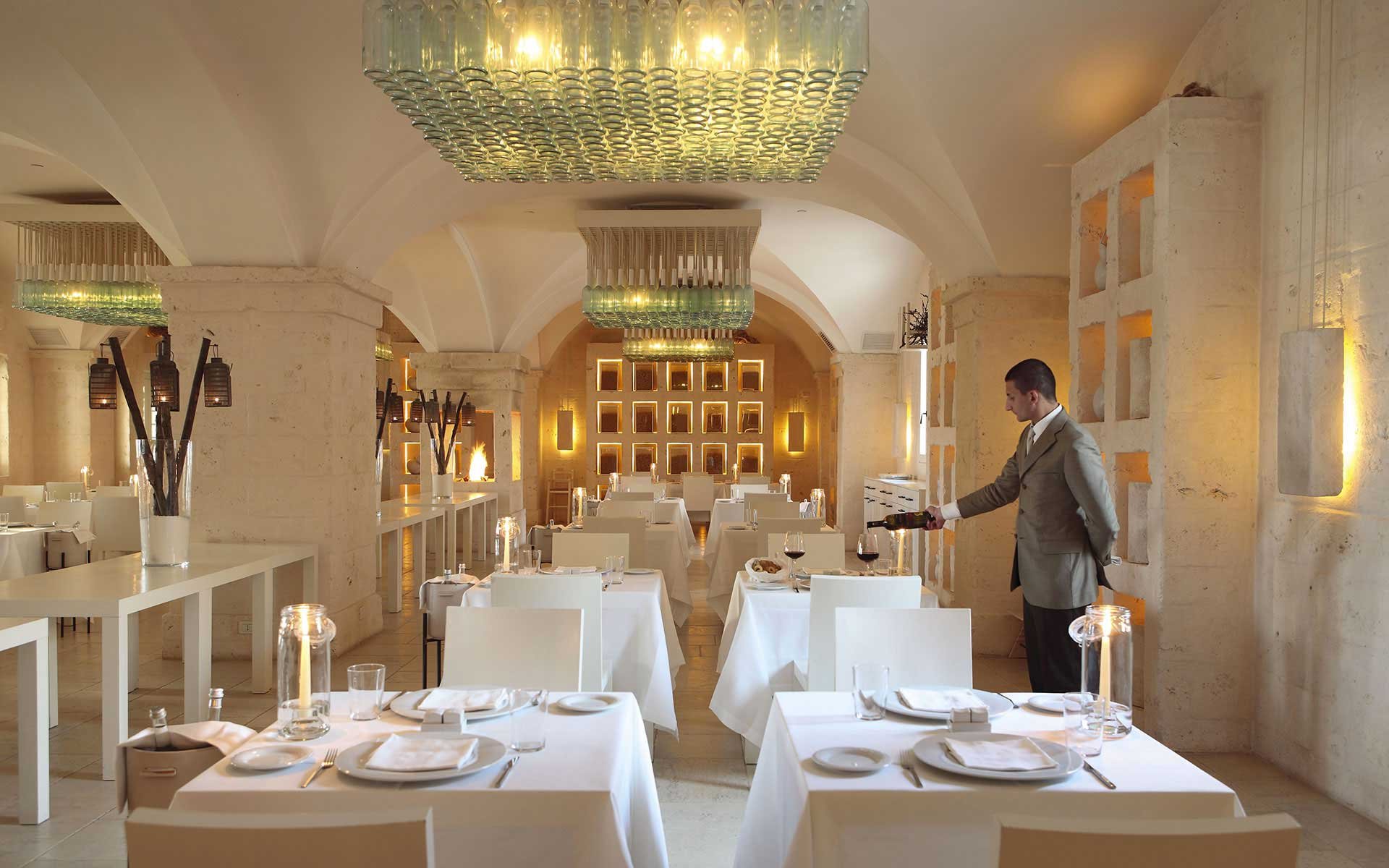
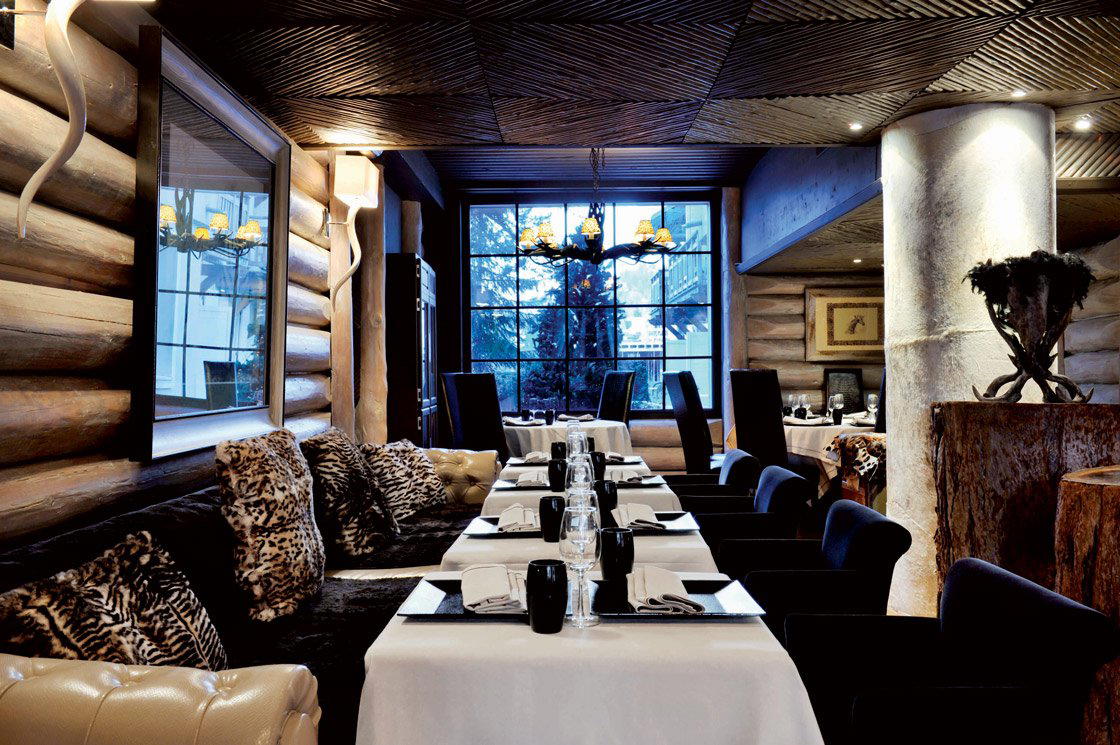
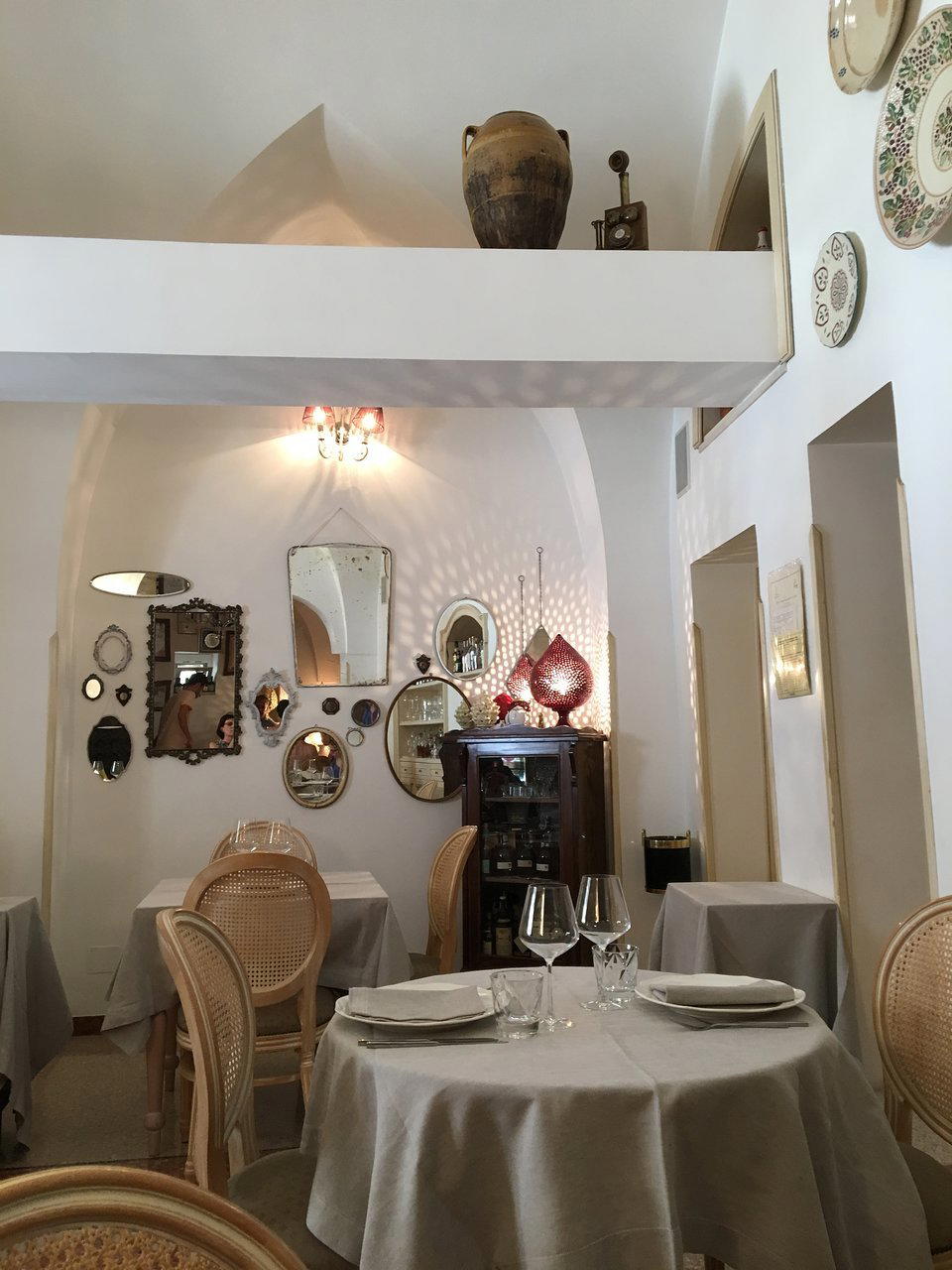
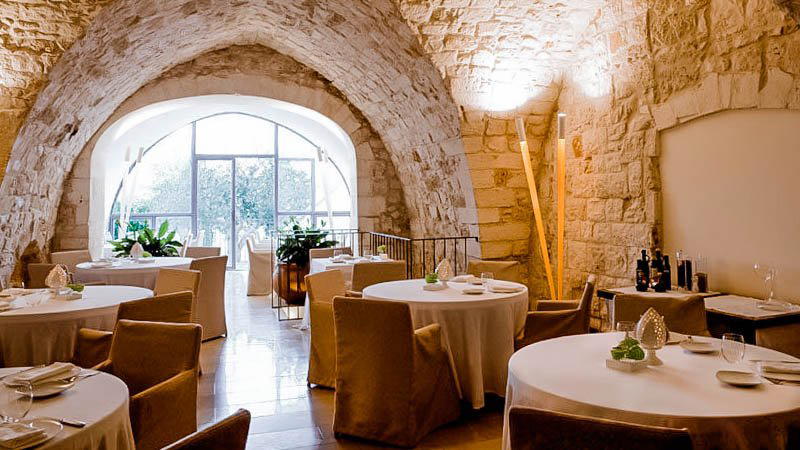
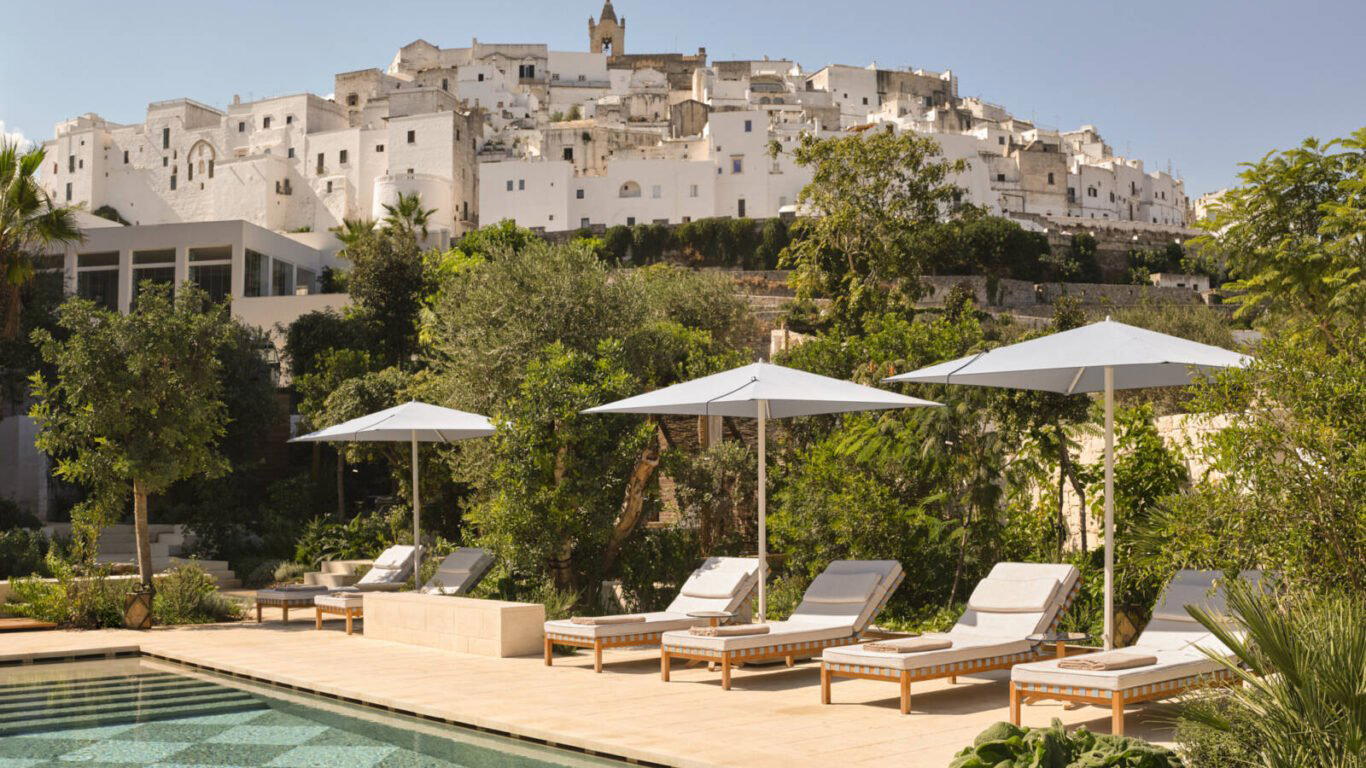
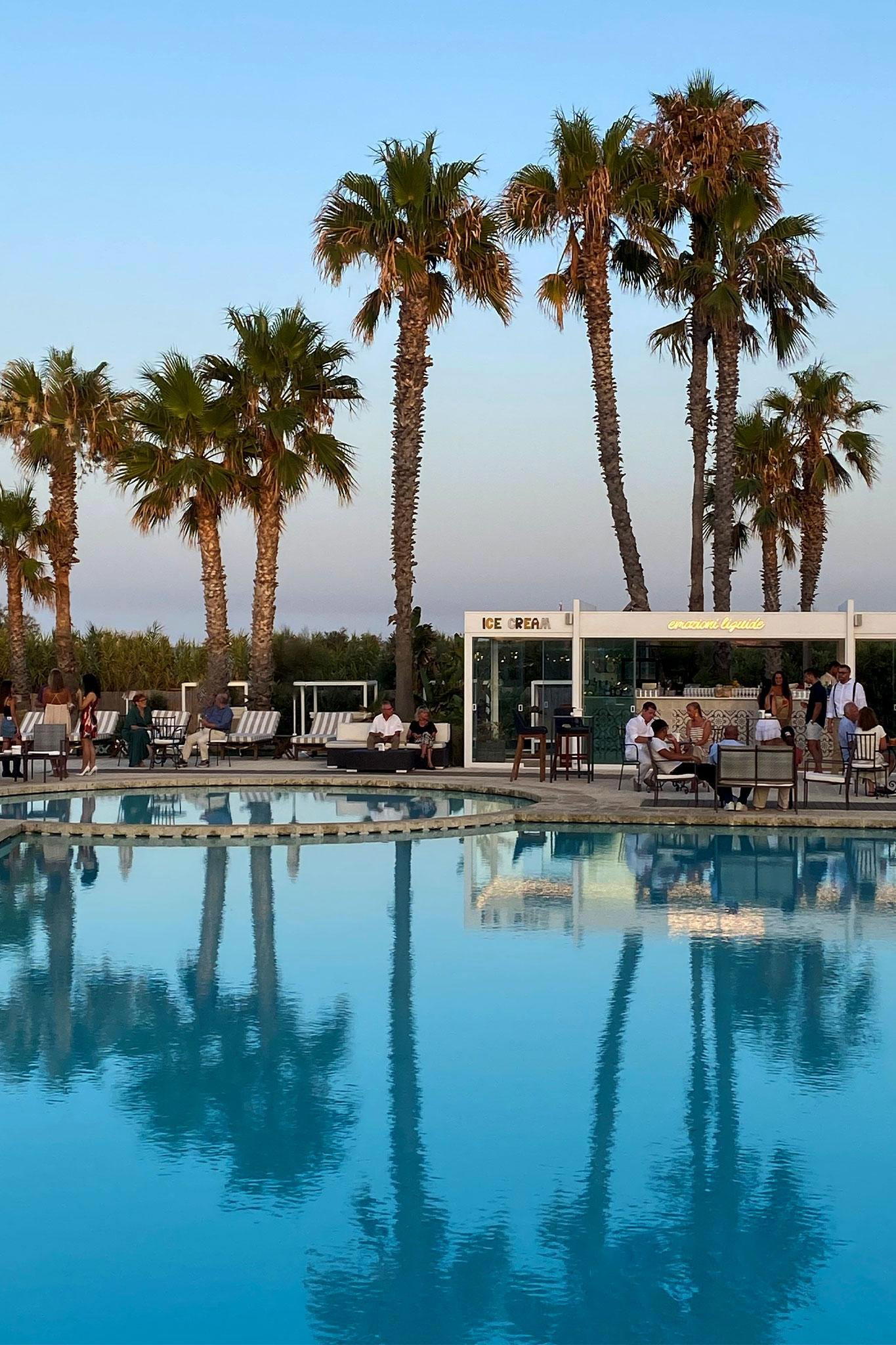
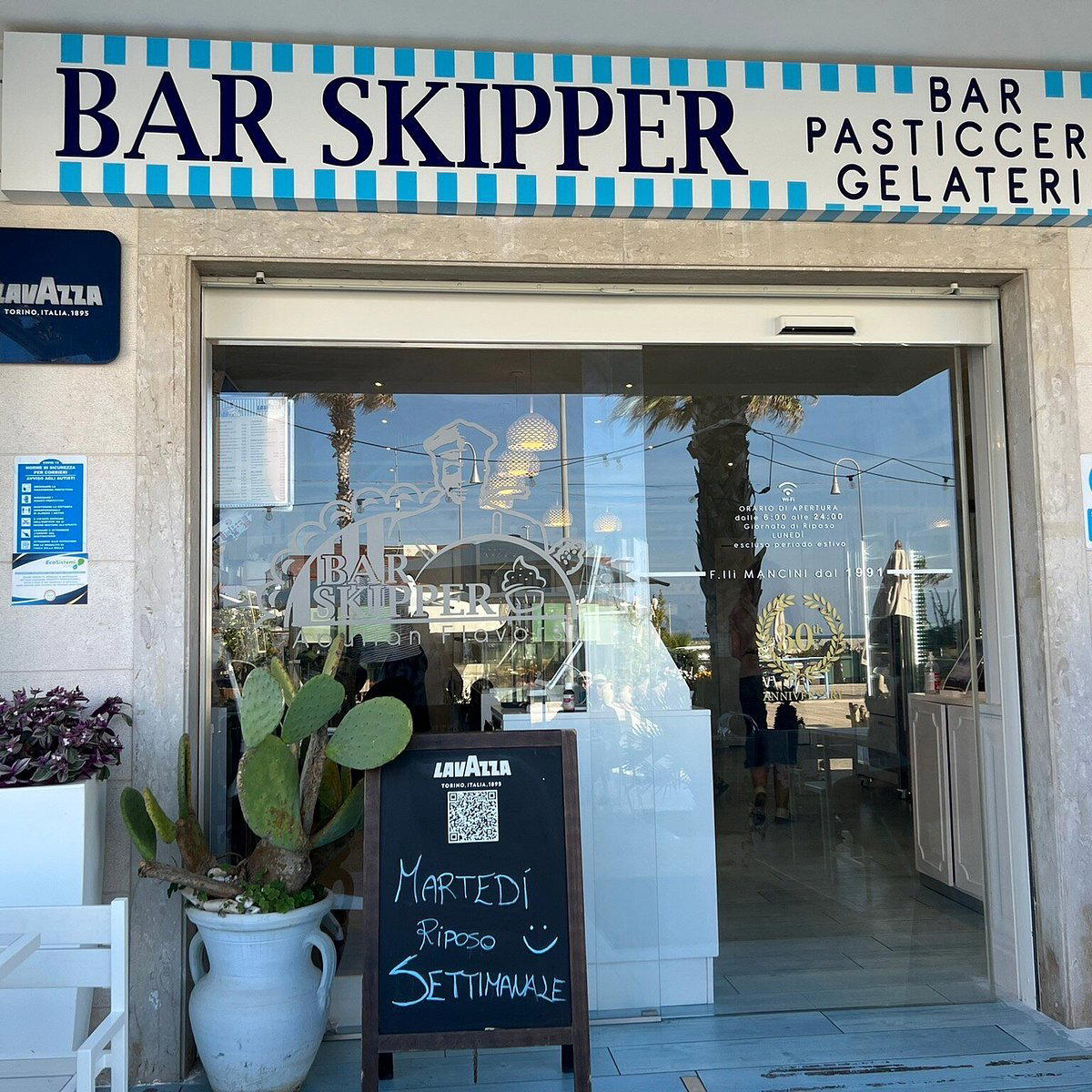
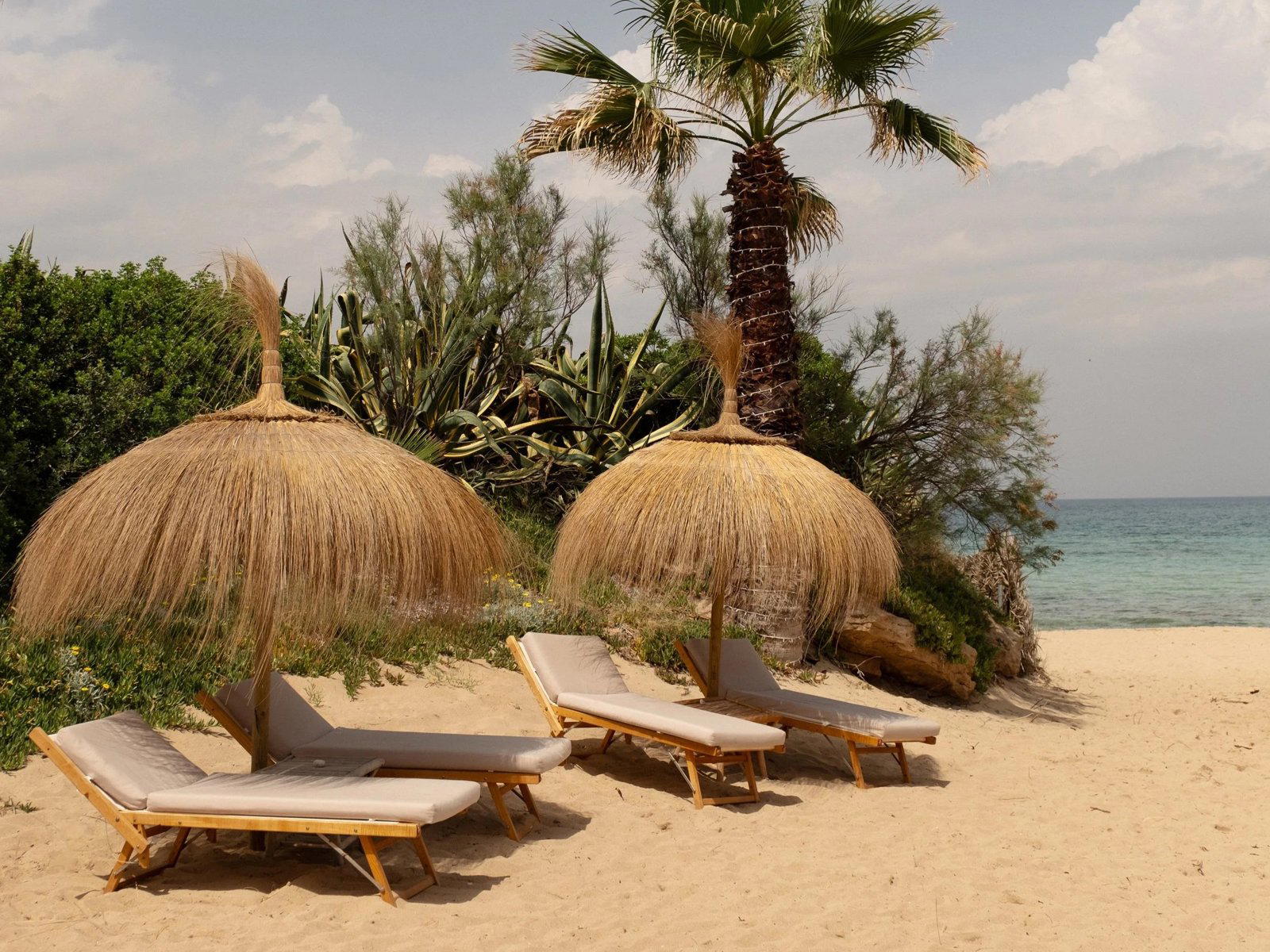
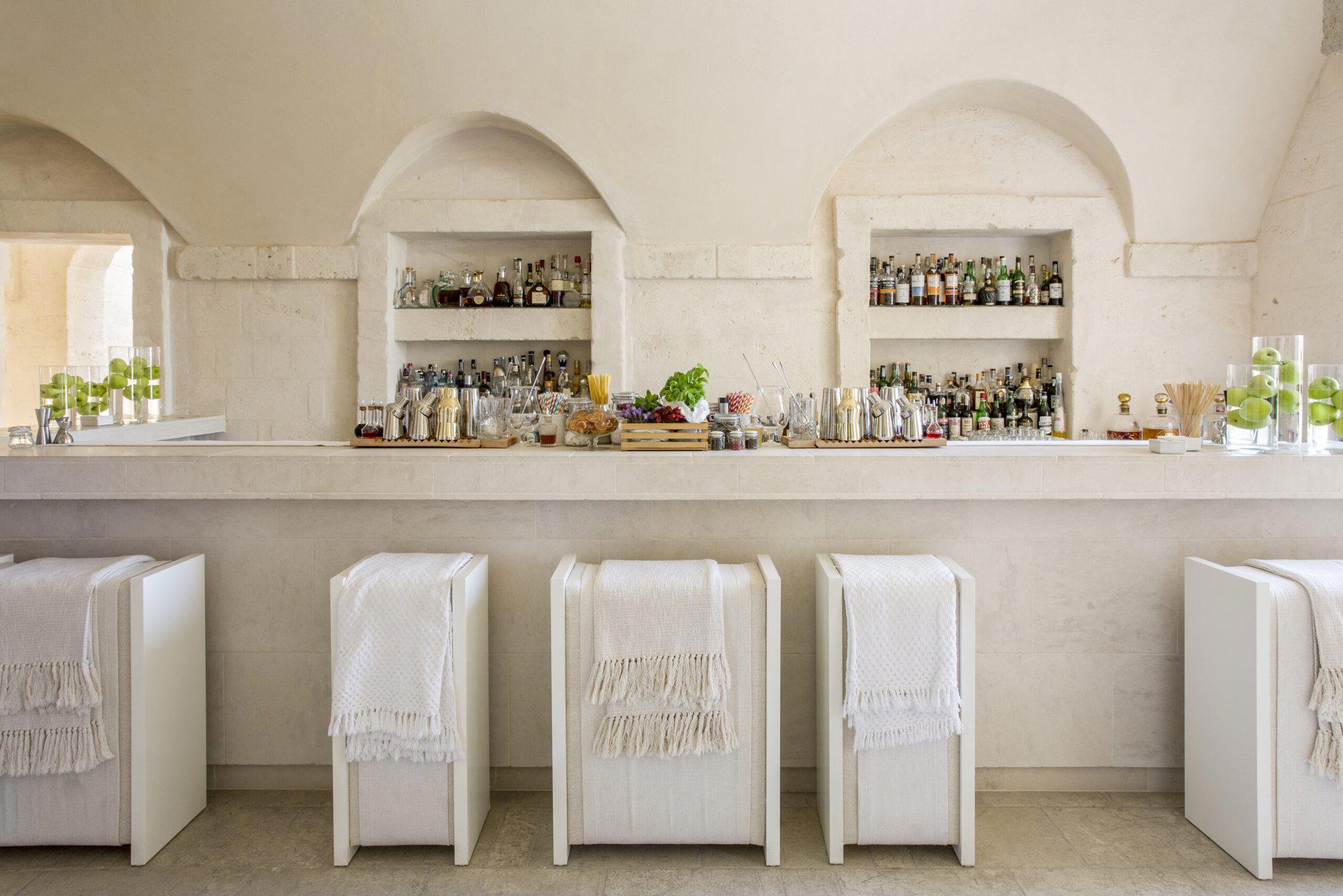
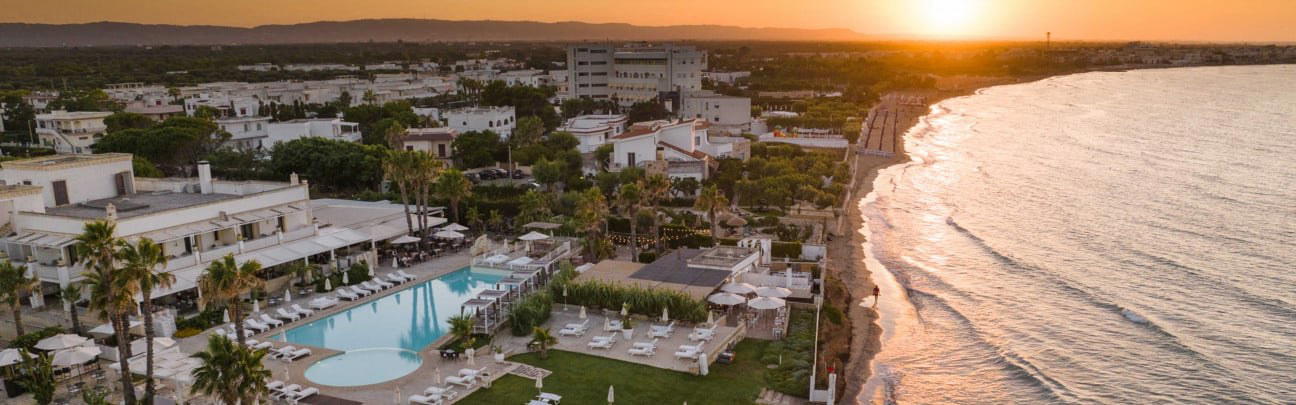
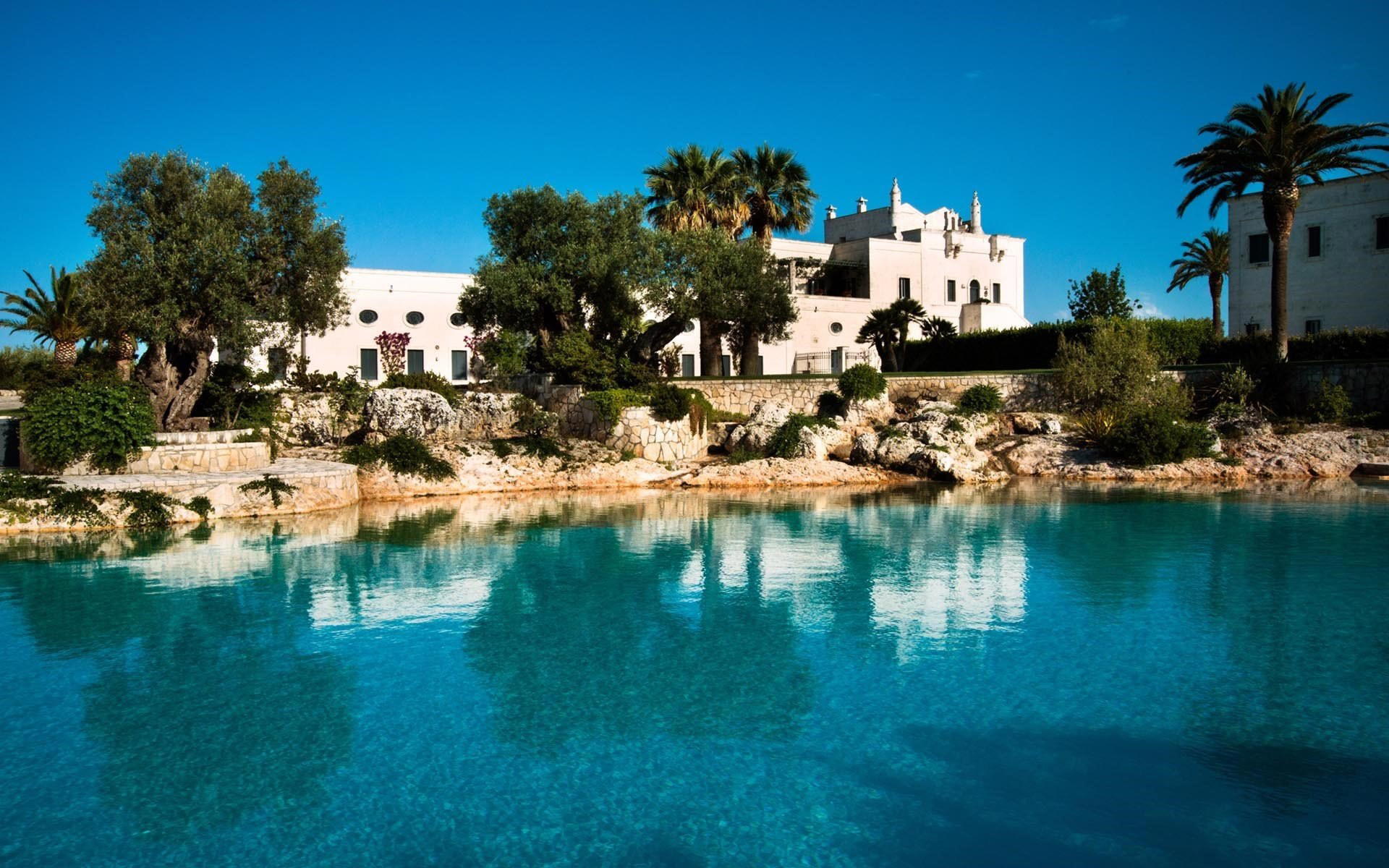
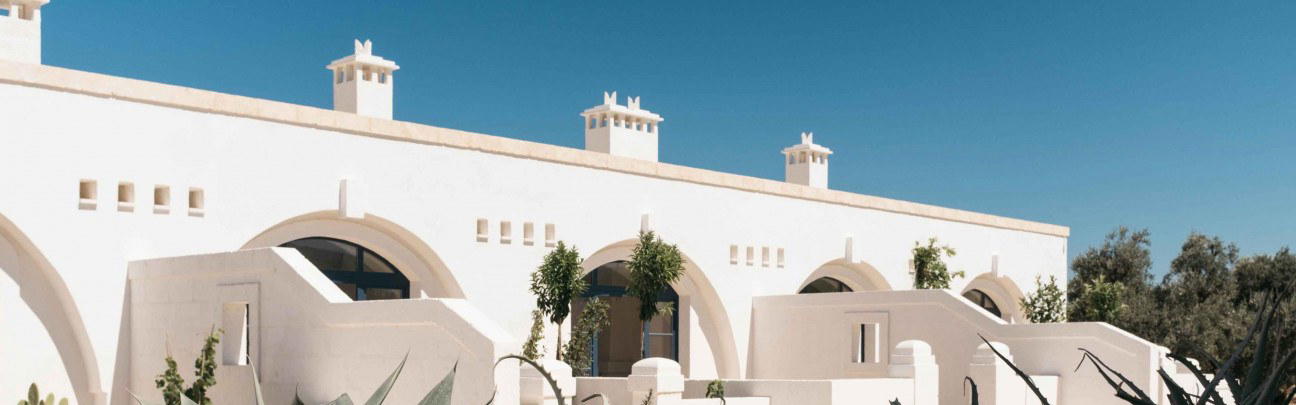
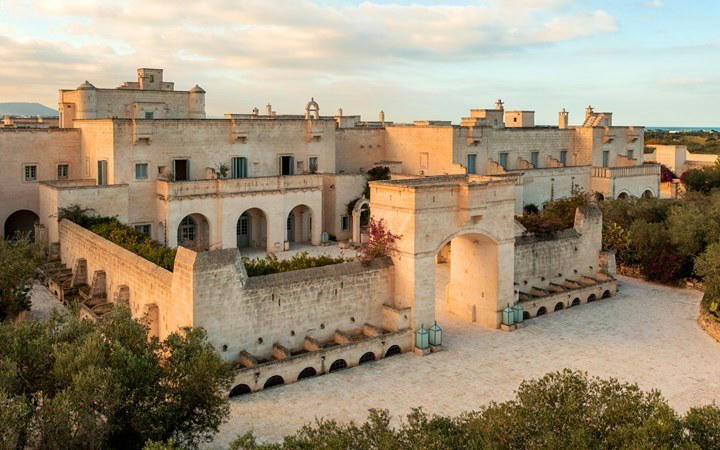
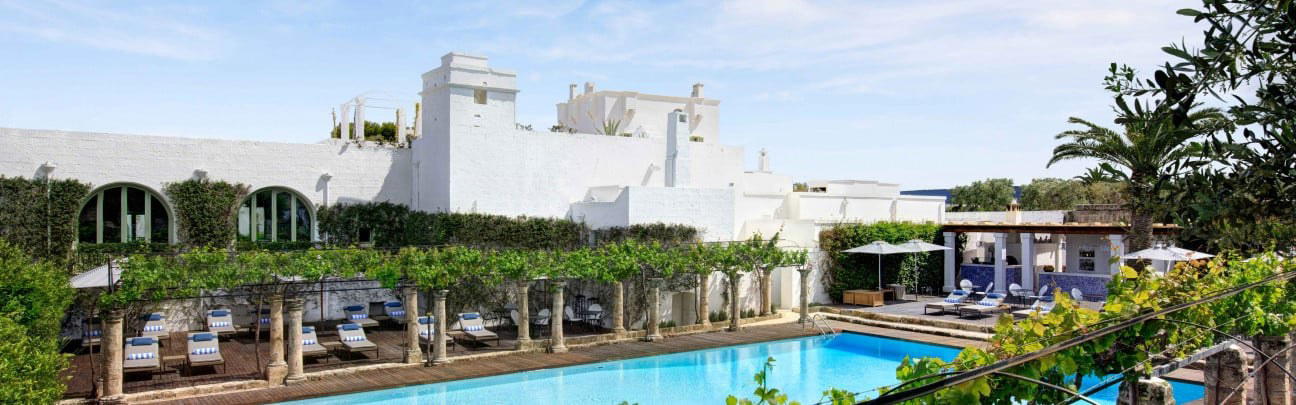
Casual and lively coastal atmosphere with sea-facing seating and a relaxed Puglian seaside feel.