
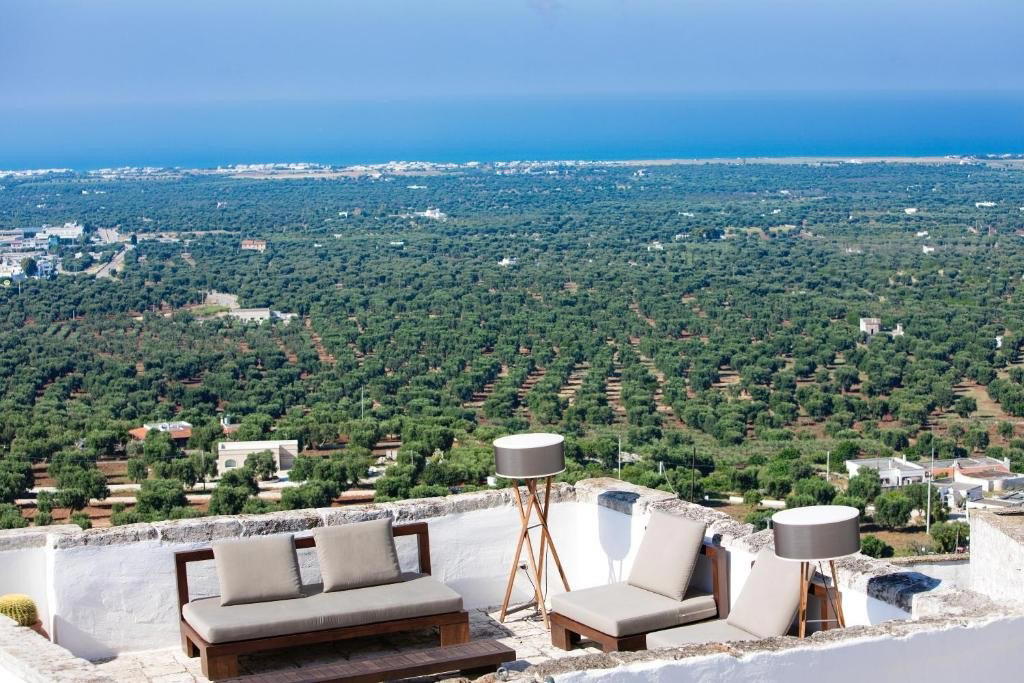
Set within Vista Ostuni, a hotel converted from a former tobacco factory, Berton al Vista brings chef Andrea Berton's modern technique to Puglian ingredients, with rooftop aperitivo and panoramic views of the White City and the Adriatic as backdrop. The kitchen frames Mediterranean cooking through the sourcing logic of the region's farming and fishing traditions, placing it in the upper tier of Ostuni's dining scene.
Pearl is the En Primeur Club membership app — saves, bookings, and concierge access live there. Same editors, same standards.
- Address
- Via Giosuè Pinto 60/A, 72017, Ostuni, 72017, Italy
- Directions
- Get directions
 Saves & bookings on Pearl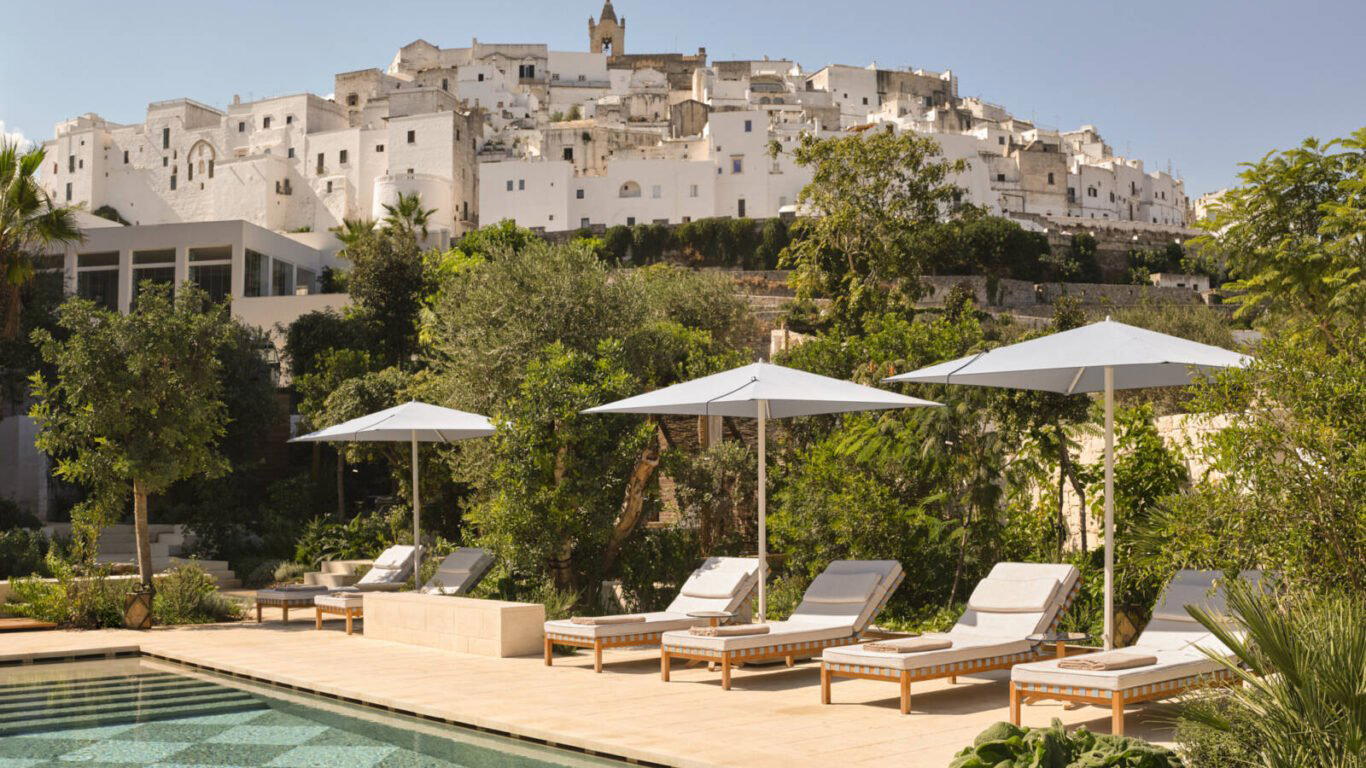
Where the Trulli Coast Meets a Converted Factory Floor
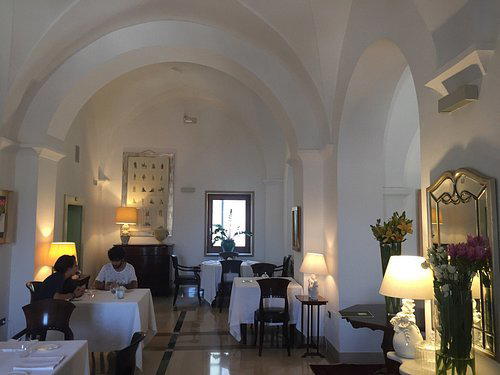
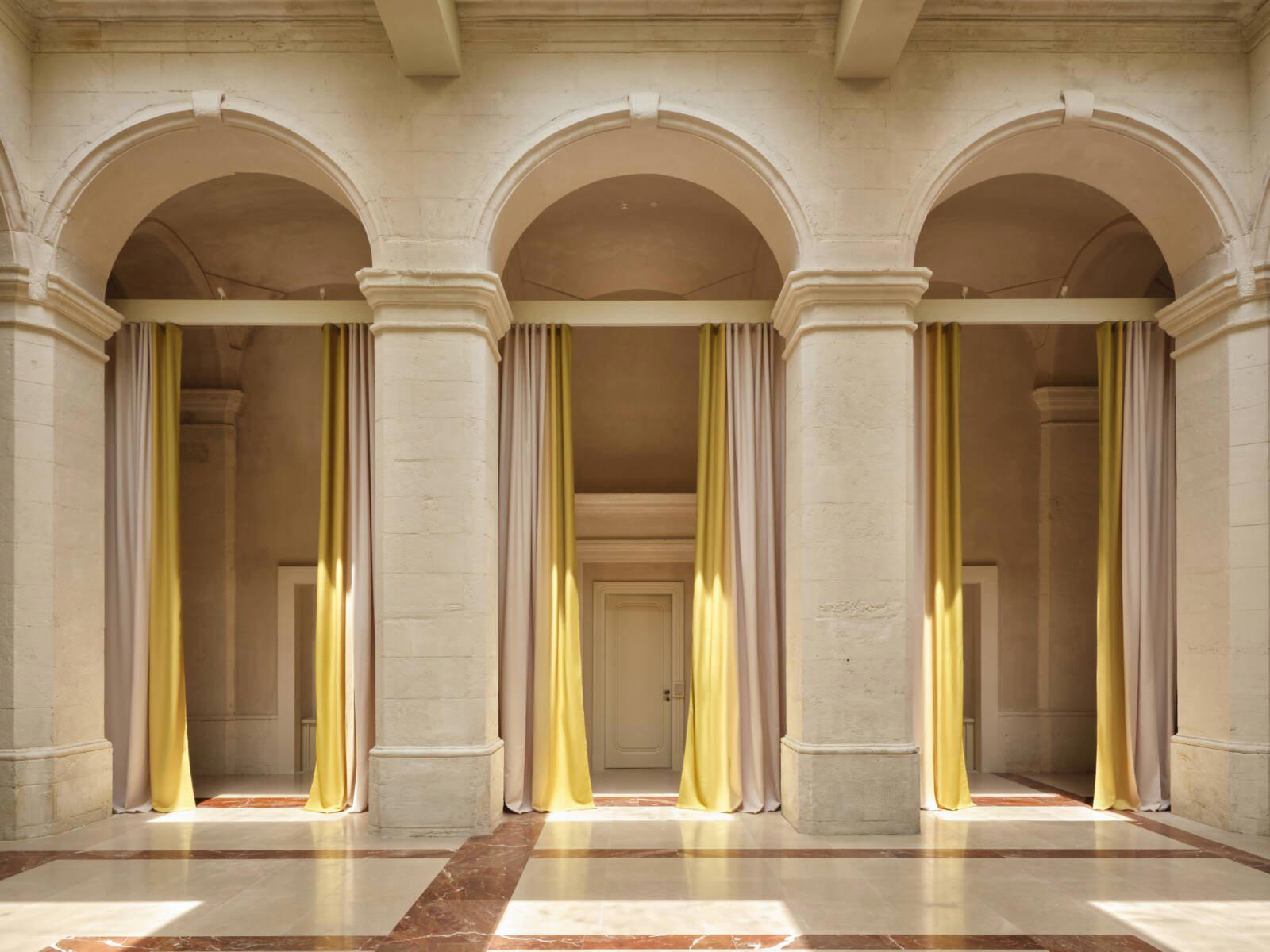
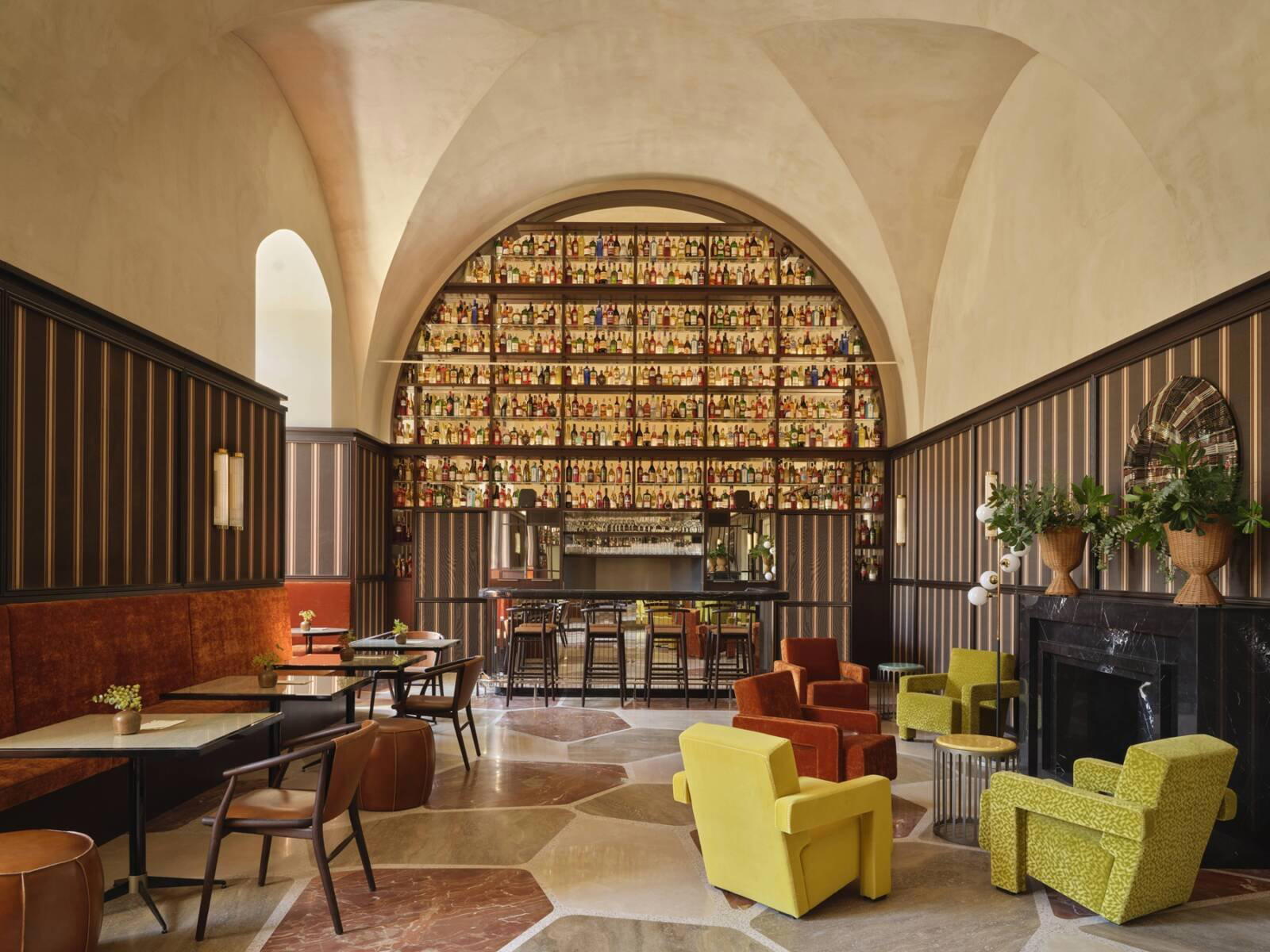
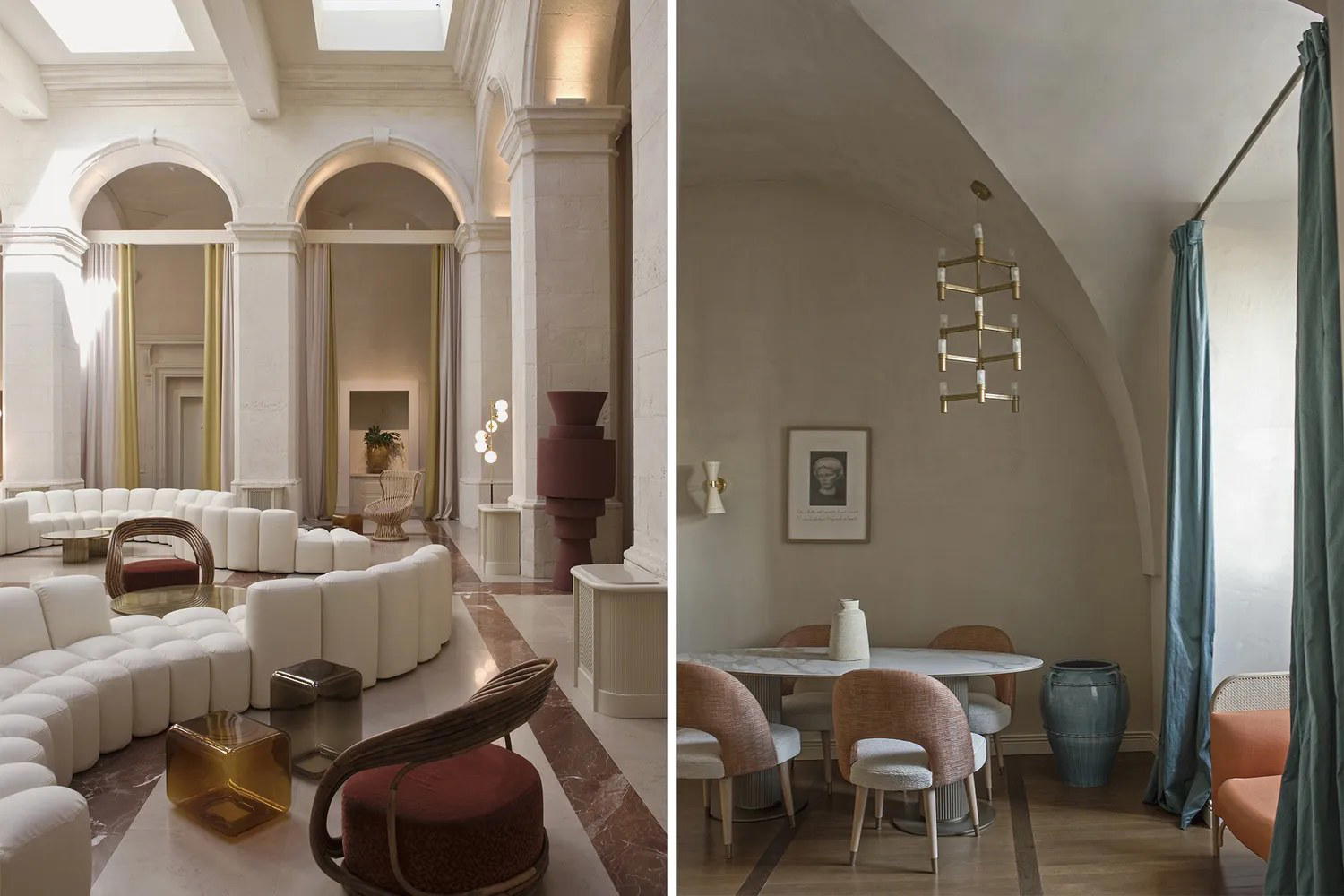
Approaching the historic centre of Ostuni from the Valle d'Itria, the whitewashed city rises on its limestone hill against the sky. The scent of wild fennel and sun-warmed stone is real. The former tobacco factory that now houses Vista Ostuni sits at the edge of that hillside world, a building with industrial bones softened by a considered restoration that preserves the original structure's weight and scale. Berton al Vista occupies this setting as a dining room designed around the particular quality of light that falls across the Adriatic from that vantage point at dusk. The rooftop aperitivo hour is the preamble to what follows inside.
Puglia as a Sourcing Argument
The logic behind contemporary Puglian cooking at this tier is essentially an argument about provenance. The region's agricultural identity is among the more concentrated in southern Italy: the Murgia plateau supplies some of the country's oldest olive oil traditions, the Adriatic yields orata, ricci di mare, and calamaretti at volumes that support both working-class trattorias and modern technique kitchens. Burrata, produced here before it became a global cliché, still tastes structurally different within twenty kilometres of its production zone, where the fior di latte has the right fat content and the cream filling hasn't been stabilised for transport. For a kitchen operating under Andrea Berton's direction, that supply chain is less a marketing point than a practical constraint that shapes what appears on the plate.
Andrea Berton's presence in this context is worth placing in its broader Italian culinary frame. Berton is a Michelin-decorated figure whose primary base is in Milan, and his work at Ristorante Berton there has established his standing in a tier that includes peers at restaurants like Enrico Bartolini in Milan and, further up the peninsula, Le Calandre in Rubano. What his involvement signals at Berton al Vista is a willingness to apply formal modern technique to southern Italian sourcing rather than northern Italian product. That shift in raw material changes the outcomes considerably: the flavours are less architectural, more immediate.
Mediterranean Cooking Through a Technical Lens
The style of cooking at Berton al Vista sits at the intersection that has defined Italian hotel dining over the past decade: Mediterranean in its ingredient set, contemporary in its execution. This is neither the trattoria model, where cucina povera is the selling point, nor the destination-dining model, where technique becomes the story. It occupies the middle distance, where a kitchen takes Puglia's fishing port hauls and masseria-grown produce and processes them with enough precision to hold together across multiple courses without sacrificing the directness that makes southern Italian food compelling in the first place.
For comparison within Ostuni itself, the positioning becomes clearer. Osteria Piazzetta Cattedrale at the €€ tier anchors the traditional Apulian register. Osteria Ricanatti occupies the €€€ modern cuisine band. At the €€€€ level, Berton al Vista shares a bracket with Cielo and Masseria Moroseta, the latter of which operates from a working farm and makes provenance its central architectural decision. The restaurant's differentiator within that upper band is the hotel setting and the specific credential of Berton's established culinary practice, which gives it a slightly different competitive identity to the agrituristico-influenced masseria format.
Elsewhere in Italy's fine dining firmament, the relationship between chef-signed hotel restaurants and their source territories has produced some of the country's most interesting work. Atelier Moessmer Norbert Niederkofler in Brunico uses Alpine sourcing with similar rigour. Dal Pescatore in Runate treats the Po Valley's ingredients with a generational seriousness. The restaurant belongs to that tradition of chef-led dining that treats regional sourcing as a discipline rather than a decorative claim.
The Rooftop as a First Chapter
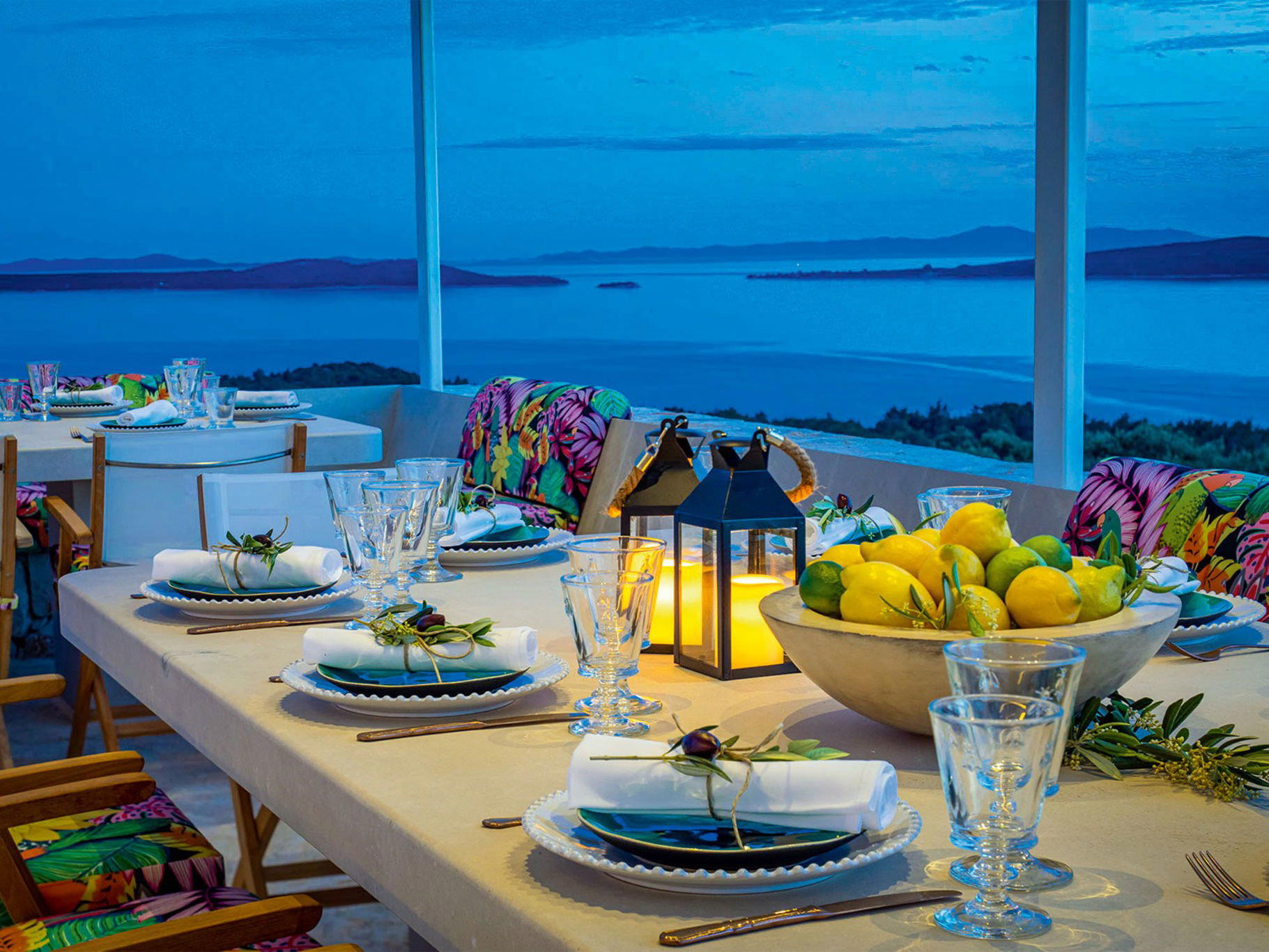
The aperitivo on the rooftop terrace deserves separate attention because it functions as something more than a pre-dinner ritual. At a restaurant positioned around Mediterranean views, the rooftop sets the interpretive frame for the meal: this is cooking that knows where it is geographically, and the panorama of Ostuni's white rooftops dropping toward the Adriatic below is not incidental staging. The hour spent there before descending to the dining room conditions the palate and the mood in a way that straight-to-table hotel dining rarely achieves.
For travellers planning around this kind of experience, timing matters. The Salento and Valle d'Itria corridor runs warmest from late June through August, when Ostuni's population swells significantly and the rooftop aperitivo becomes a competitive proposition. Shoulder season, particularly May and September, offers the better combination of warmth, light quality, and manageable visitor numbers. The hotel context at Vista Ostuni means that non-resident guests should consider reservations well ahead during high season; hotel guests naturally have structural priority in a dining room of this scale.
Where Berton al Vista Sits in the Ostuni Picture
Ostuni's dining scene has matured steadily over the past decade, moving from a base of solid traditional trattorias toward a broader range that now includes seafood specialists like Pescheria Nautilas Ostuni and modern kitchens working with the same Puglian larder from different angles.
The combination of a chef with serious credentials, a converted heritage building, and a sourcing philosophy anchored to a specific agricultural zone has produced consistently strong fine dining. Restaurants like Osteria Francescana in Modena and Enoteca Pinchiorri in Florence operate at a different scale and with a different award history, but the underlying logic of territory-as-ingredient-library connects. For readers whose frame of reference extends further, the discipline of sourcing-driven modern technique finds parallels as far as Le Bernardin in New York City, where ingredient quality functions as the kitchen's primary argument, or Atomix in New York City, where a specific regional tradition is reinterpreted through contemporary technique.
The restaurant addresses a gap in Ostuni's offer: a hotel dining room where the kitchen operates at a level that justifies the destination and where the sourcing decision to work with Puglian produce is treated as a culinary commitment.
Planning Your Visit
The restaurant is located at Via Giosuè Pinto 60/A within Vista Ostuni. Given the hotel-within-a-converted-factory format and the refined price positioning, non-resident dinner reservations are worth arranging in advance, particularly from June through August. The rooftop aperitivo format makes the visit work leading as a two-stage experience rather than a straight dinner booking. Those combining this with broader Ostuni exploration should allow enough time to explore both the dining scene and the surrounding Valle d'Itria.
Comparable Spots, Quickly
Comparable venues nearby, for context on price, style, and recognition.
| Venue | Cuisine | Price | Awards | Notes |
|---|---|---|---|---|
| Berton al VistaThis venue — the venue you are viewing | Modern Italian Fine Dining | $$$$ | Michelin Plate | Not listed |
| Pescheria Nautilas Ostuni | Fresh Seafood Pescheria Bistrot | $$$ | Not listed | Ostuni |
| Restaurant 700 | Contemporary Puglian Fine Dining | $$$$ | Michelin Plate | historic centre |
| Masseria Moroseta | Mediterranean Farm-to-Table | $$$$ | Michelin Plate | Contrada San Giovanni, near Ostuni |
| Cielo | Modern Puglian Fine Dining | $$$$ | Michelin Plate | Ostuni historic center |
| Osteria Ricanatti | Italian | $$$ | Michelin Plate | Ostuni |
Recognition history
Dated appearances from independent guides and award organizations, with the underlying list record or original source where available.
Michelin Plate
Michelin

At a Glance
- Elegant
- Sophisticated
- Scenic
- Modern
- Special Occasion
- Date Night
- Rooftop
- Panoramic View
- Historic Building
- Hotel Restaurant
- Extensive Wine List
- Local Sourcing
- Skyline
- Waterfront
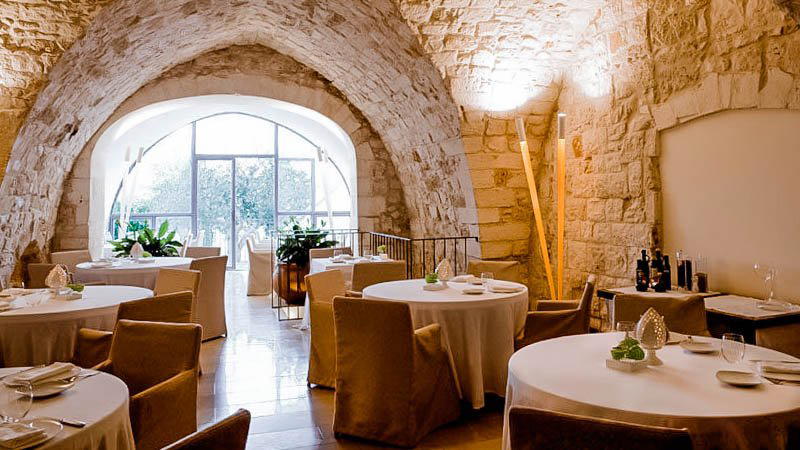
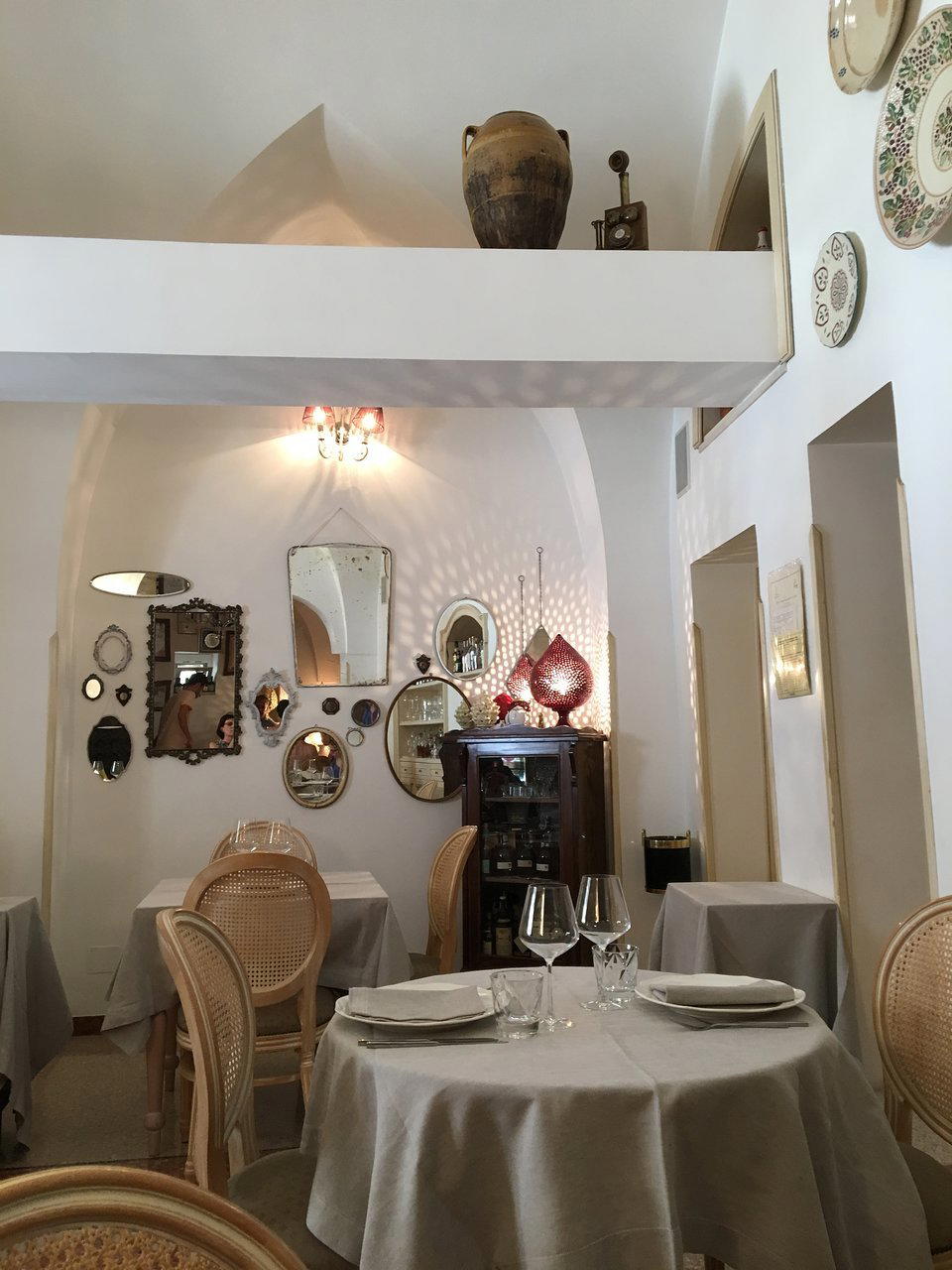
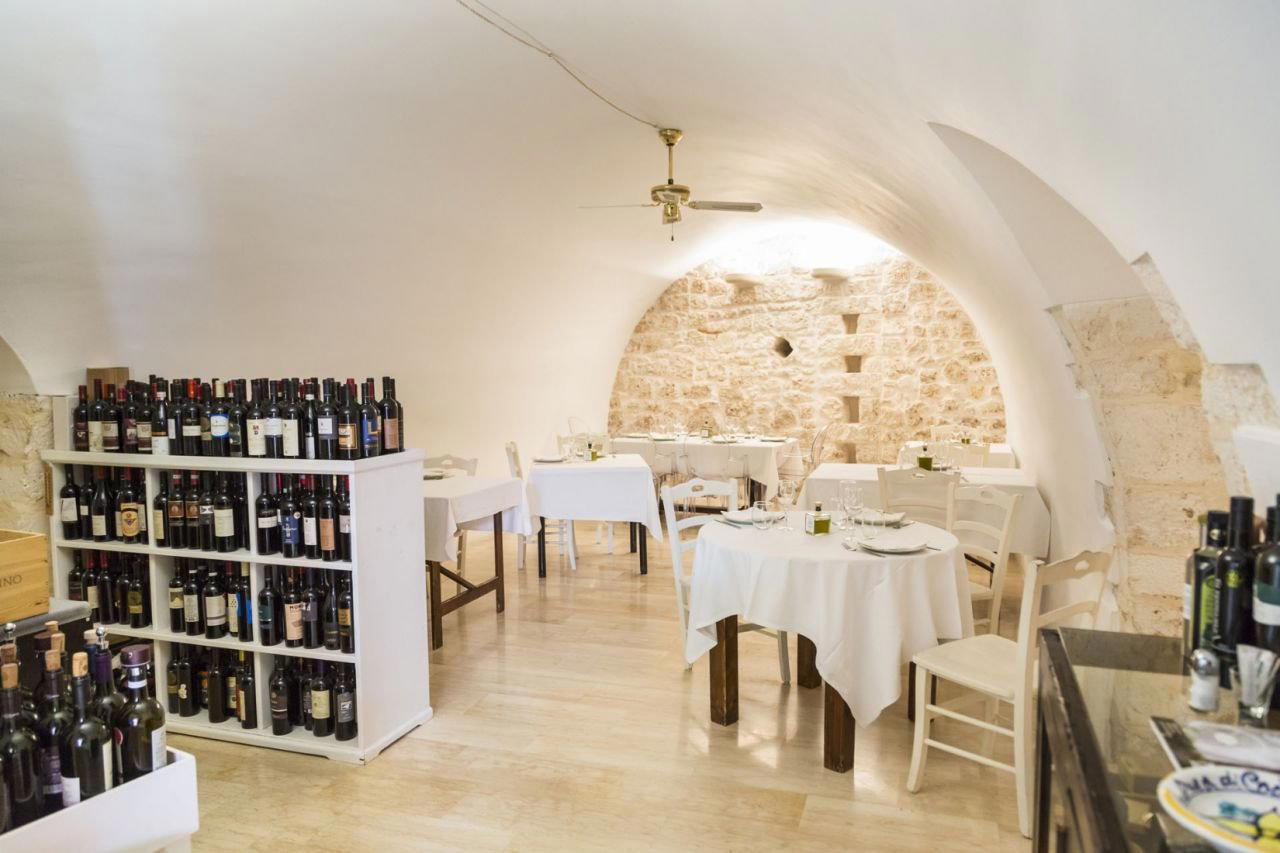
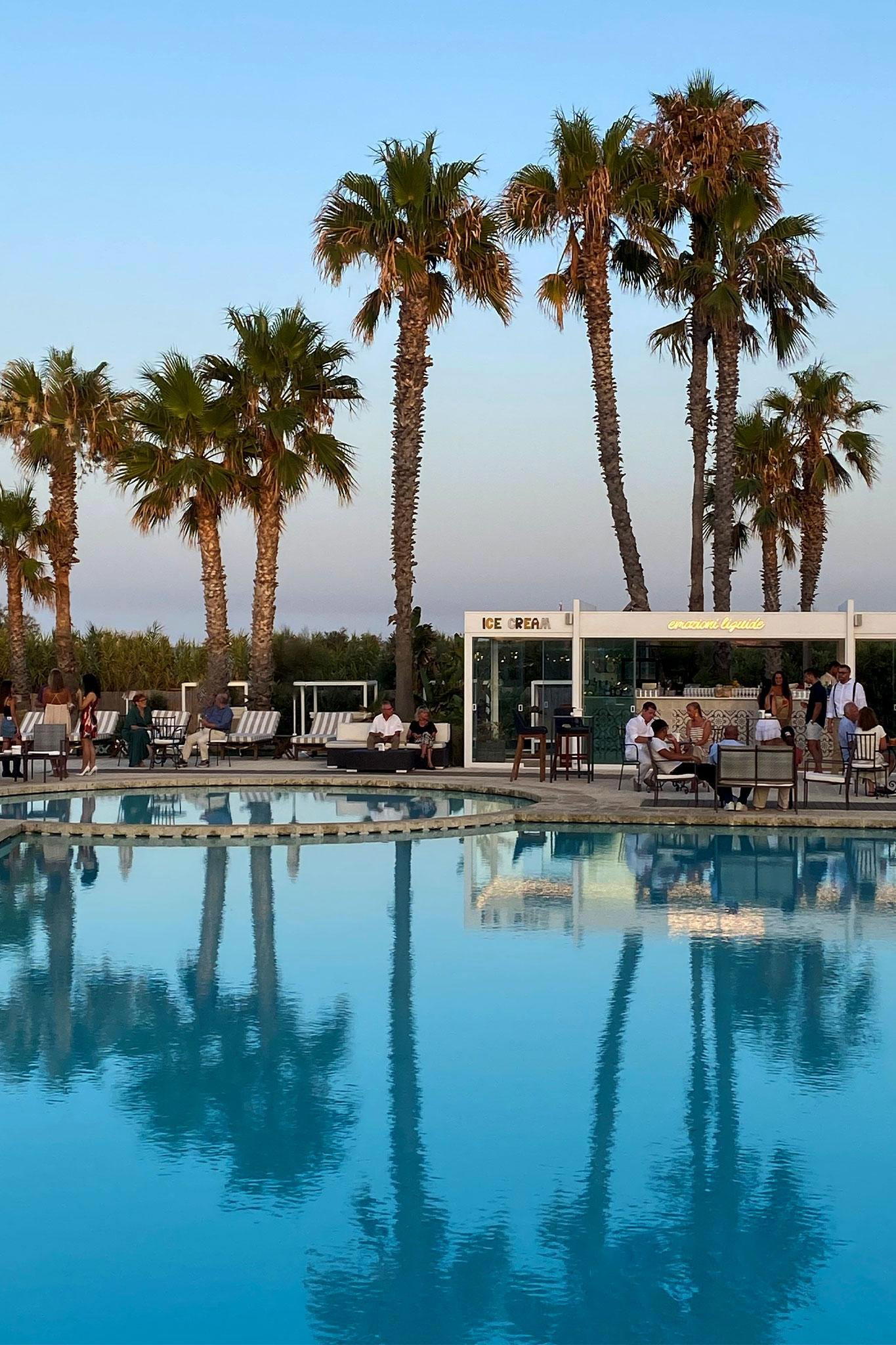
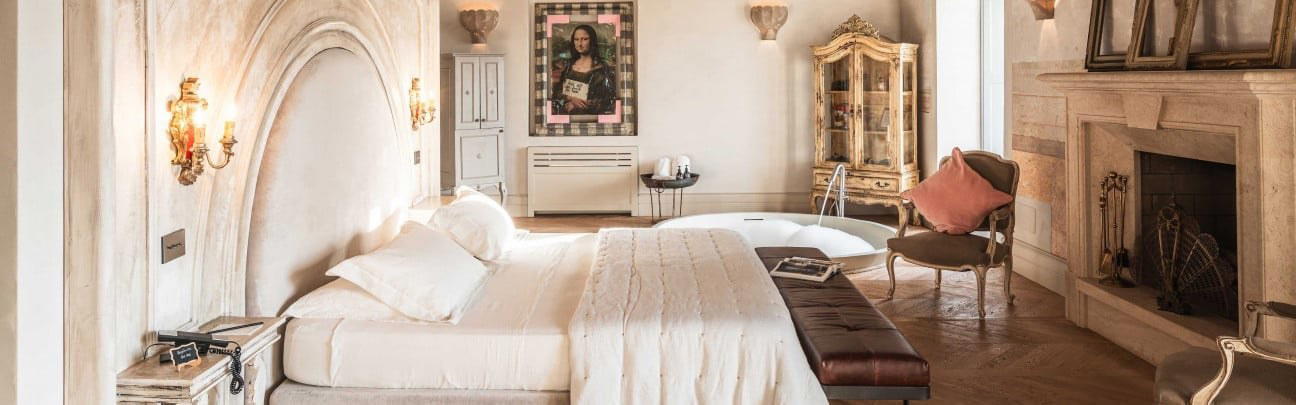
Timeless and enchanting setting with large windows framing sea and city views, creating a suspended space filled with natural light and historic charm.