La Vecchia Osteria da Totu is a Traditional Salento Trattoria in a historic building in Lecce, serving orecchiette pasta, ciceri e tria, and pezzi di cavallo.
Pearl is the En Primeur Club membership app — saves, bookings, and concierge access live there. Same editors, same standards.
- Address
- Viale Francesco Lo Re, 9, 73100 Lecce LE, Italy
- Phone
- +39832308057
- Website
- lavecchiaosteriatotu.it
- Directions
- Get directions
 Saves & bookings on Pearl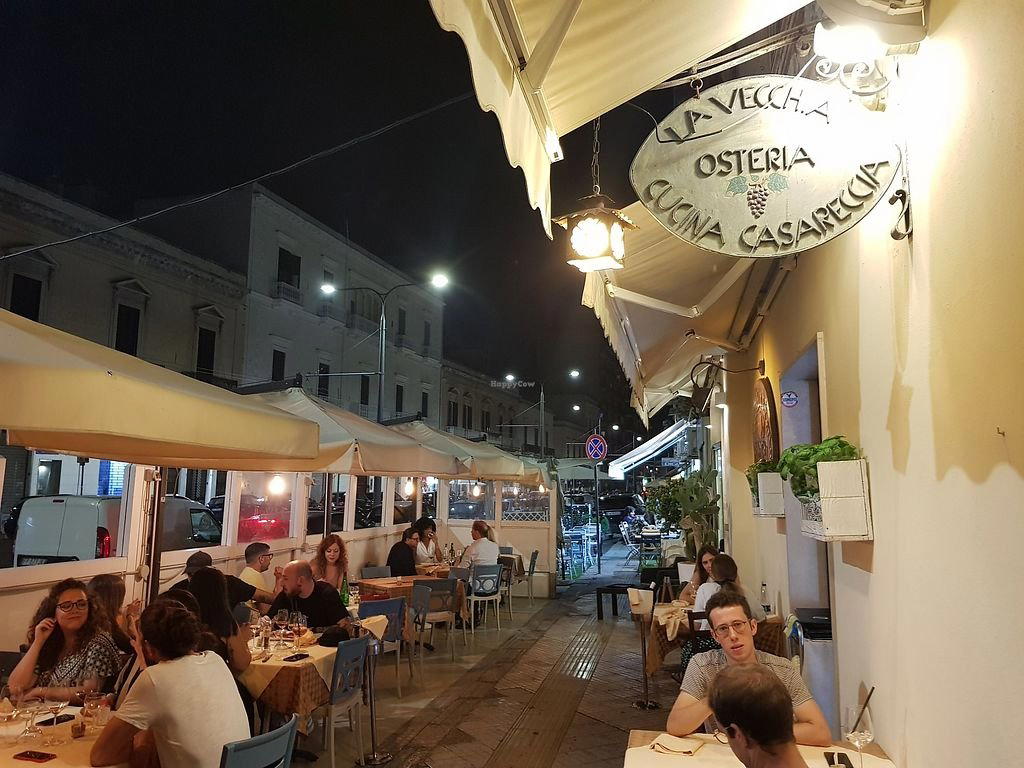
Where the Old City Still Eats
On Viale Francesco Lo Re, a street that runs along the outer edge of Lecce's historic core, the signage at La Vecchia Osteria da Totu announces itself with the kind of restraint that, in southern Italy, tends to mean the kitchen does the talking. The neighbourhood sits at the interface between the baroque city centre and the residential quarters that most visitors never reach, which places this address in a particular category of Leccese dining: local by default, not by design.
Lecce operates a different dining logic from the tourist-facing trattorias around Piazza del Duomo. The city's older osteria tradition is rooted in Salentine hospitality, a culture shaped by agricultural poverty and abundance in equal measure. The cuisine of the Salento peninsula, the heel of Italy's boot, draws from a larder that is narrow in protein diversity but deep in technique: ciceri e tria (fried and boiled pasta with chickpeas), fave e cicoria (broad bean puree with wild chicory), pittule (fried dough), orecchiette pulled by hand. These are dishes that predate restaurant culture by centuries, dishes that families ate because the land supplied them, not because a chef composed them. Osterie like La Vecchia Osteria da Totu inherit that lineage.
The Salentine Table and Its Logic
Understanding what an osteria in Lecce actually represents requires separating it from its northern Italian equivalent. In Bologna or Florence, the osteria format has been largely absorbed into the broader trattoria category, softened for tourism. In Puglia, and in Lecce specifically, the osteria still carries its original social function: a place where local food is served without ceremony, where the wine comes from regional producers, and where the menu follows what is seasonal and available. The format is anti-theatrical by design.
Salentine cooking is structured around legumes, wild greens, olive oil, and cured meats in a way that reflects the Mediterranean diet at its most literal. Puglia produces more olive oil than any other Italian region, and the oil used in osterie at this end of the peninsula is typically local, often unfiltered, and applied with a generosity that distinguishes the cooking from its more restrained Campanian or Sicilian counterparts. For visitors accustomed to the lighter register of, say, coastal Campania or the seafood focus of Amalfi, the Salentine table can feel denser, more grounded, built for endurance rather than occasion. That density is a feature, not a limitation.
This regional dining character sets La Vecchia Osteria da Totu apart from the contemporary Apulian restaurants that have emerged in Lecce's dining scene in recent years. Venues operating at the €€€ tier, like Duo Ristorante with its Apulian-contemporary format, and those with a Mediterranean-contemporary angle like Primo Restaurant, represent a different thesis about what Puglia's cuisine can become. The osteria tradition represents what it has always been. Both are legitimate. They are not competing.
Lecce in Its Broader Italian Context
Puglia's dining reputation has climbed steadily over the past decade. The region now appears on international itineraries that once stopped at Naples or Rome without going further south, and Lecce in particular has attracted attention as the baroque capital of the Mezzogiorno. That visibility has created a bifurcated restaurant scene: a growing tier of contemporary, destination-oriented restaurants on one hand, and a surviving layer of old-format osterie on the other.
Italy's highest-profile restaurants, including Osteria Francescana in Modena, Le Calandre in Rubano, and Piazza Duomo in Alba, operate in a conceptual space that has little to do with the osteria tradition. The same is true of Italy's technically ambitious coastal restaurants, such as Uliassi in Senigallia or Quattro Passi in Marina del Cantone, and long-established institutions like Dal Pescatore in Runate or Enoteca Pinchiorri in Florence. These are venues where the dining experience is the primary event. An osteria like La Vecchia Osteria da Totu exists in a different register entirely: the food is the primary event, the experience is incidental, and that is precisely the point.
For international travellers whose reference points include Le Bernardin in New York City or Atomix in New York City, the shift in register requires a deliberate recalibration. An address like this one rewards visitors who arrive without expectations imported from those contexts.
Placing the Address in Lecce's Dining Map
Lecce's restaurant options span a range that includes neighbourhood trattorias, the contemporary Apulian kitchen, pizza destinations like 400 Gradi, wine-led dining at venues such as Classé La Dogana Restaurant, and smaller format addresses like Alex and 3 Rane. The restaurant sits at the traditional end of that range, which in the Salento context is the end with the deepest local roots.
The street address on Viale Francesco Lo Re places it outside the dense tourist circuit, which functions as a natural filter.
Planning Your Visit
The restaurant is located at Viale Francesco Lo Re, 9, in Lecce. The restaurant is recommended for reservations and is open Tuesday through Sunday from 12:30 to 2:30 PM and 7:30 to 11:30 PM, with Monday closed. The surrounding area is accessible on foot from Lecce's historic centre, and the address is a practical choice for evenings when the baroque core's more tourist-adjacent restaurants feel too dense with summer visitors.
Price and Recognition
Comparable venues nearby, for context on price, style, and recognition.
| Venue | Cuisine | Price | Notes |
|---|---|---|---|
| La Vecchia Osteria da TotuThis venue — the venue you are viewing | Not listed | $$ | Not listed |
| La Succursale | Pizza & Cucina | Not listed | $$ | Near Lecce University, Neapolitan Pizza & Italian Trattoria |
| 400 Gradi | Neapolitan Pizza | $$ | Not listed |
| Il Pizzicotto | centro storico, Italian Pizza al Taglio | $ | Not listed |
| Classé La Dogana Restaurant | Not listed | $$$ | Viale Libertà, Modern Seafood and Sushi with Apulian Influences |
| 3 Rane | Not listed | $$$ | centro storico, Modern Italian Fine Dining |
Continue exploring
More in Lecce
Restaurants in Lecce
Browse all →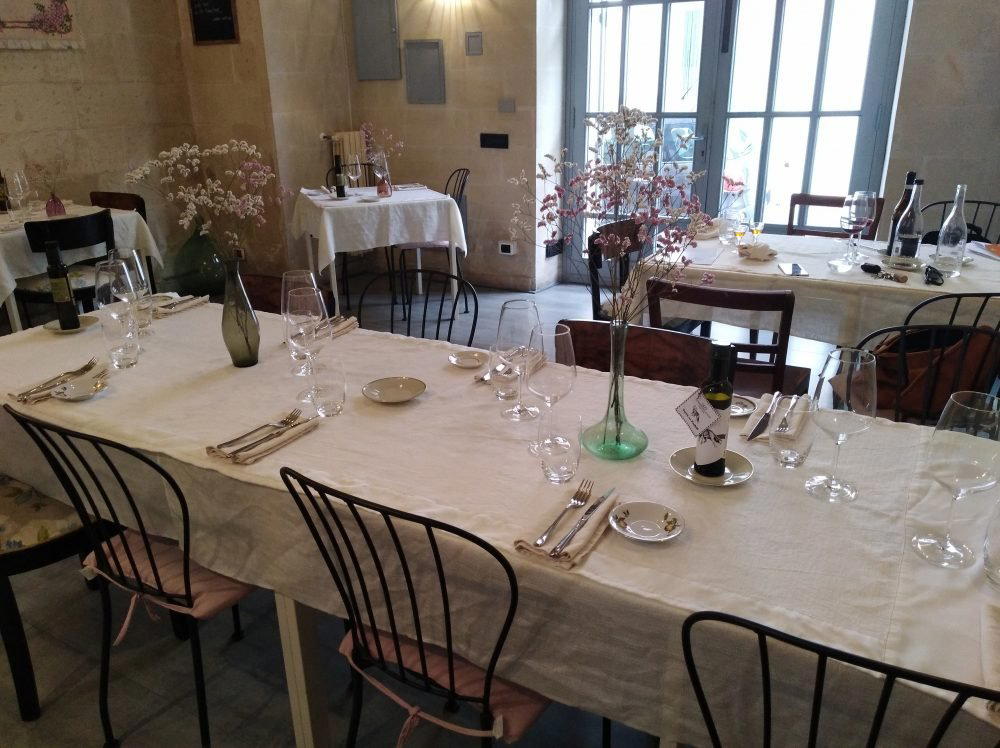
Bars in Lecce
Browse all →
Hotels in Lecce
Browse all →


At a Glance
- Rustic
- Cozy
- Classic
- Family
- Casual Hangout
- Historic Building
- Local Sourcing
Current opening hours
- Monday
- Closed
- Tuesday
- 12:30–2:30 PM, 7:30–11:30 PM
- Wednesday
- 12:30–2:30 PM, 7:30–11:30 PM
- Thursday
- 12:30–2:30 PM, 7:30–11:30 PM
- Friday
- 12:30–2:30 PM, 7:30–11:30 PM
- Saturday
- 12:30–2:30 PM, 7:30–11:30 PM
- Sunday
- 12:30–2:30 PM, 7:30–11:30 PM
Hours can change for holidays and private events. Last verified .
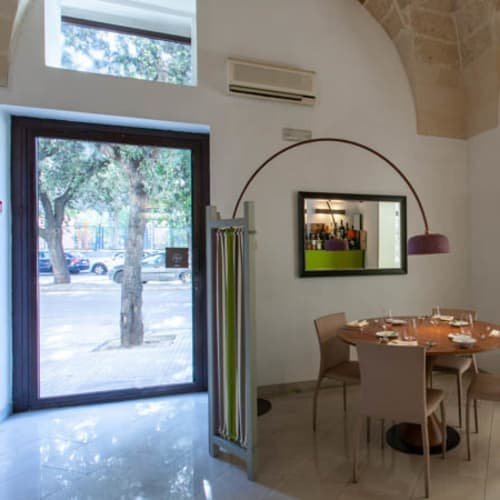
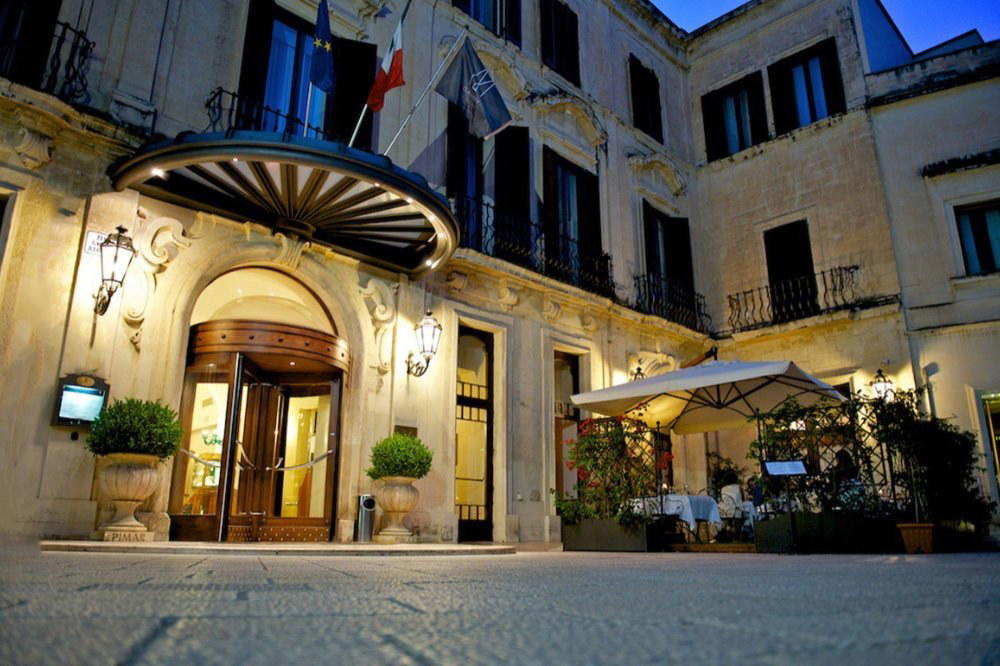
Cozy and welcoming with rustic stone walls, convivial and peaceful atmosphere blending past and present.