On the Adriatic coast at Via Procaccia 4, Lido Bianco sits within Monopoli's small but serious dining scene, where the sourcing of local seafood and Puglian produce shapes every menu decision. The restaurant draws visitors looking for coastal Italian cooking rooted in the ingredients arriving from the surrounding land and sea, positioning it inside a town that rewards those who look beyond its more-visited neighbours on the Adriatic arc.
Pearl is the En Primeur Club membership app — saves, bookings, and concierge access live there. Same editors, same standards.
- Address
- Via Procaccia, 4, 70043 Monopoli BA, Italy
- Phone
- +39 080 512 7433
- Website
- ristorantelidobianco.com
- Directions
- Get directions
 Saves & bookings on Pearl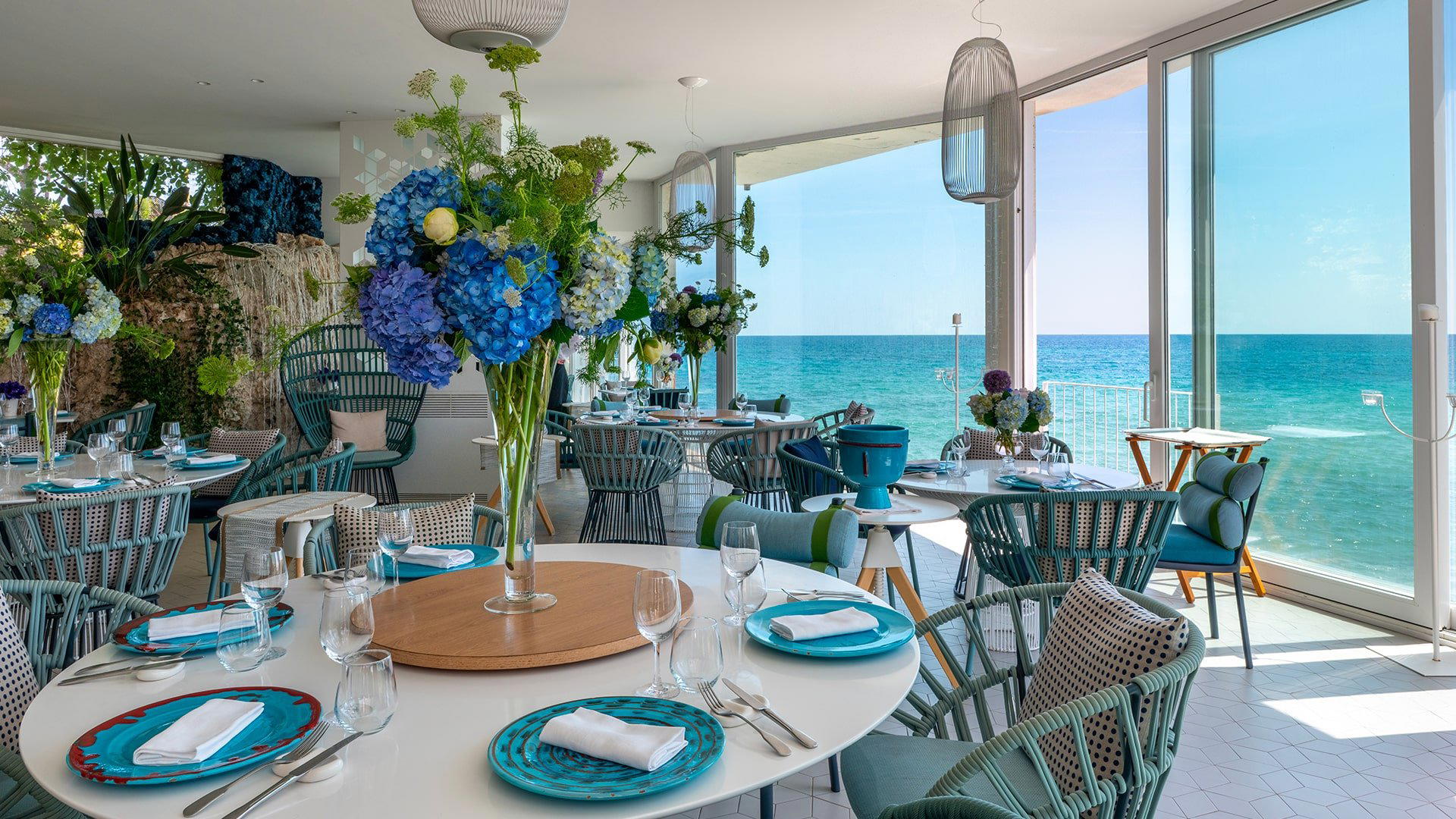
Where the Adriatic Arrives on the Plate
Monopoli occupies a stretch of the Adriatic coast in the province of Bari where the architecture is low, the harbour is working rather than decorative, and the distance from the tourist infrastructure of nearby Alberobello or Polignano a Mare gives the town a different register. Dining here is conditioned by geography in direct sense: fishing boats leave the old port before dawn, the olive groves begin almost where the coastal promenade ends, and the supply chain between sea or field and kitchen is short enough to be legible on any honest menu. Lido Bianco, a Mediterranean seafood restaurant at Via Procaccia 4 in Monopoli, sits within that context rather than apart from it.
The address itself is informative. A lido in the Italian tradition is a place where the sea is the central fact, not a backdrop, and a ristorante attached to one inherits that orientation by default. The physical setting orients the experience before a single dish arrives: you approach with salt air and the texture of the Apulian coast already framing your expectations. That sensory situation is the starting condition for a particular style of Italian coastal cooking, one that has its own logic distinct from the more theatrical expressions found at restaurants with larger profiles and international footprints.
The Sourcing Logic of the Adriatic South
Southern Adriatic cooking operates on a principle that its northern counterparts sometimes approximate but rarely achieve by default: proximity. In Puglia, the distance between primary producer and professional kitchen is compressed to a degree that affects what is possible on the plate. The orecchiette served in a masseria twenty kilometres inland uses wheat grown in the Murge plateau. The sea bass landed at Monopoli's port travels a few kilometres to reach a restaurant on the same waterfront. This is not a marketing proposition for this region; it is the structural condition of its food economy.
That condition shapes what kitchens along this coast can credibly do. Particularly coherent menus in towns like Monopoli, Polignano, and Trani are not those built on technique borrowed from northern Italian or French fine dining, but those organised around what the local catch and harvest make available on a given week. In that framework, the menu becomes a document of the season and the sea rather than a fixed statement of a chef's signature. Italy's most awarded coastal restaurants have learned this discipline in different ways: Uliassi in Senigallia built its reputation on the Adriatic's northern seafood with creative precision; Quattro Passi in Marina del Cantone draws on the Tyrrhenian and the Amalfi hinterland. The southern Adriatic version has its own character, less codified, often more austere in presentation, and more dependent on what the water offers.
Monopoli's Dining Position in the Regional Picture
Among Apulian towns of comparable size, Monopoli occupies a middle position in the regional dining hierarchy. Bari to the north carries most of the institutional dining weight in the province, while Lecce anchors the southern end of the regional prestige corridor. Monopoli sits between those poles, with a dining scene that has developed incrementally and without the same volume of food-media attention. That relative quietness is not a deficit; it is the condition that allows a restaurant like Lido Bianco to operate within a local logic rather than performing for an external audience.
Within the town itself, the range runs from direct trattorie in the old quarter to more considered coastal restaurants on or near the waterfront. Orto and Radimare represent the more contemporary end of Monopoli's current restaurant offer. Lido Bianco sits within that same coastal-town bracket, where the sea and local produce are the organising principle rather than a branding choice. For a fuller picture of where different restaurants sit in the town's dining scene, the EP Club Monopoli restaurants guide maps the options against each other.
The broader Italian fine dining conversation proceeds at some distance from this context. Particularly decorated tables in the country, from Osteria Francescana in Modena to Piazza Duomo in Alba and Enoteca Pinchiorri in Florence, operate with completely different premises: multi-course tasting menus, substantial wine programs, and the infrastructure of internationally recognised award programmes. Coastal Puglia, including Monopoli, operates on different terms, where the value of a meal is measured against ingredient quality and regional authenticity rather than technique and complexity. Both registers are legitimate; they address different needs and different readers.
Planning a Visit
Monopoli is accessible by regional train from Bari Centrale, with the journey running under an hour on most services, making it a practical trip from Bari or a standalone stop on a longer Puglia itinerary. The town's old quarter and harbour area are walkable from the station, and Via Procaccia is within reach of the coastal edge of the centre. As with most restaurants in smaller southern Italian towns, visiting outside the high summer months of July and August tends to mean shorter waits, more consistent availability, and a dining room that reflects local rather than tourist patterns. Spring and early autumn are the periods when coastal Puglian produce is at its most varied, and when the Adriatic catch shifts with the season in ways that tend to produce more interesting menus.
Reservations are recommended, and the restaurant is typically open Tuesday to Saturday for lunch and dinner, with Sunday lunch service and Monday closed. The restaurant's position on the coastal edge of Monopoli makes it most rewarding when visited with enough time to take in the setting, rather than as a quick stop between other sites.
In Context: Similar Options
Comparable venues nearby, for context on price, style, and recognition.
| Venue | Cuisine | Price | Awards | Notes |
|---|---|---|---|---|
| Lido Bianco - Ristorante MonopoliThis venue — the venue you are viewing | Mediterranean Seafood | $$$ | Not listed | Not listed |
| Orto | Puglian Fine Dining | $$$ | Michelin Plate | Contrada Tortorella |
| Radimare | Modern Mediterranean Seafood | $$$ | Michelin Plate | Monopoli |
| La Rotonda | Apulian Seaside Seafood | $$ | Not listed | Savelletri |
| Da Tuccino | Italian Seafood & Crudo | $$$ | Not listed | Polignano a Mare |
| Renzo | Contemporary Italian | $$$ | Not listed | Cadenabbia di Griante |
At a Glance
- Elegant
- Romantic
- Scenic
- Sophisticated
- Date Night
- Special Occasion
- Business Dinner
- Group Dining
- Waterfront
- Terrace
- Panoramic View
- Standalone
- Extensive Wine List
- Sommelier Led
- Local Sourcing
- Sustainable Seafood
- Waterfront
Current opening hours
- Monday
- Closed
- Tuesday
- 12:30–3 PM, 7:30–10:30 PM
- Wednesday
- 12:30–3 PM, 7:30–10:30 PM
- Thursday
- 12:30–3 PM, 7:30–10:30 PM
- Friday
- 12:30–3 PM, 7:30–10:30 PM
- Saturday
- 12:30–3 PM, 7:30–10:30 PM
- Sunday
- 12:30–4:30 PM
Hours can change for holidays and private events. Last verified .
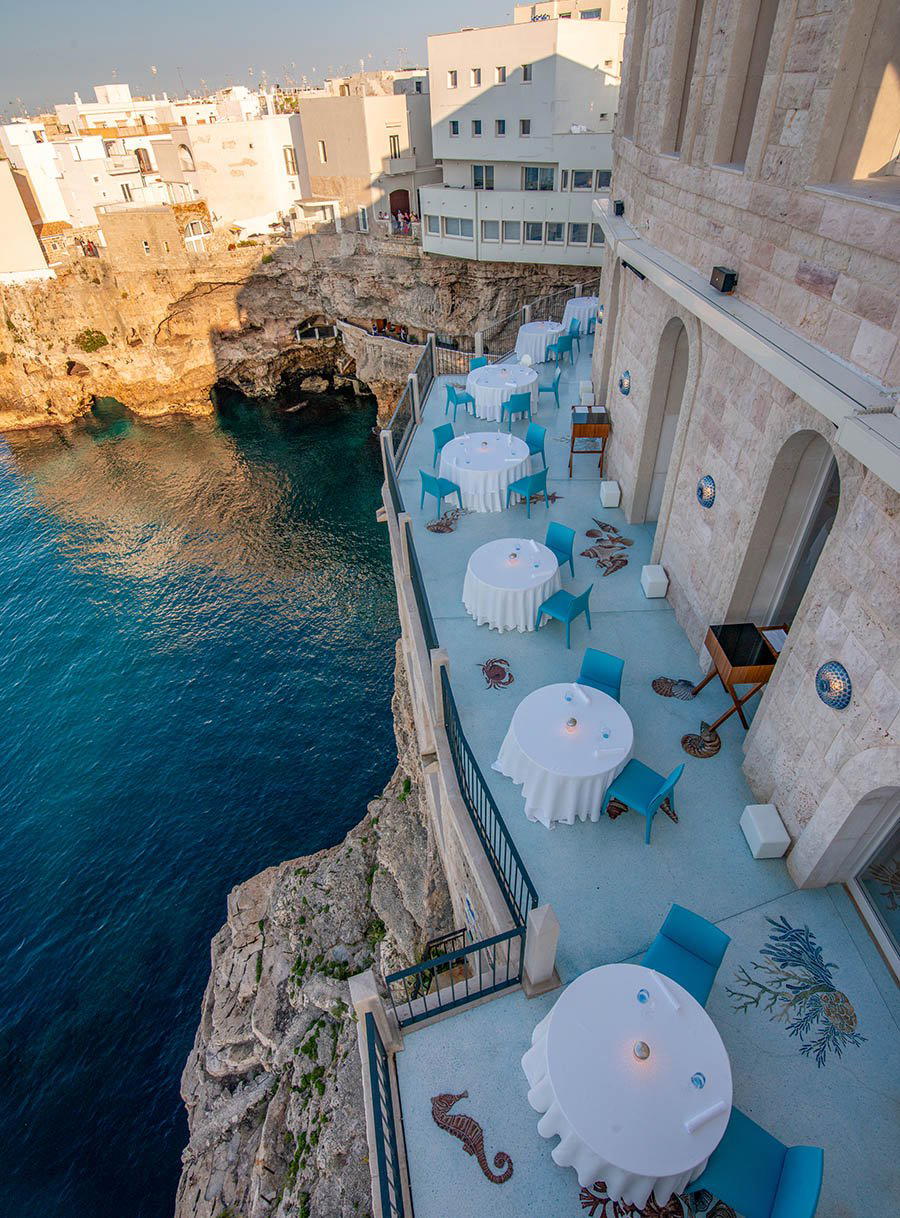
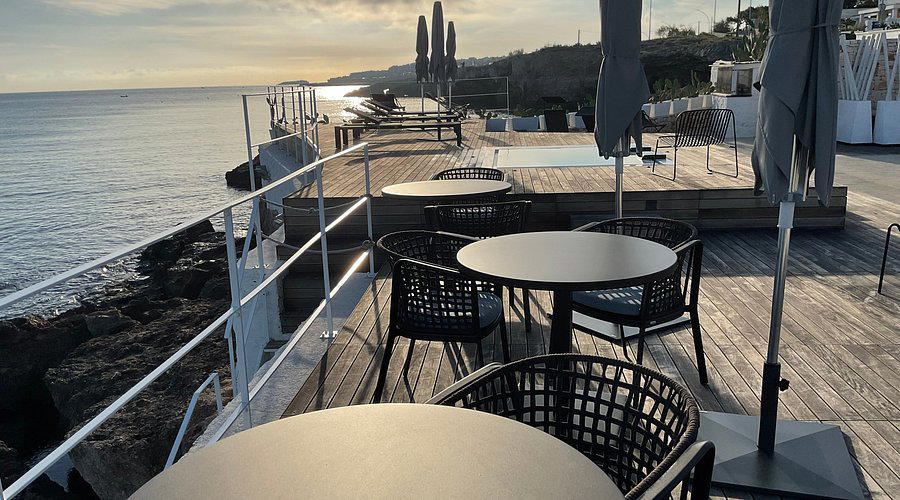
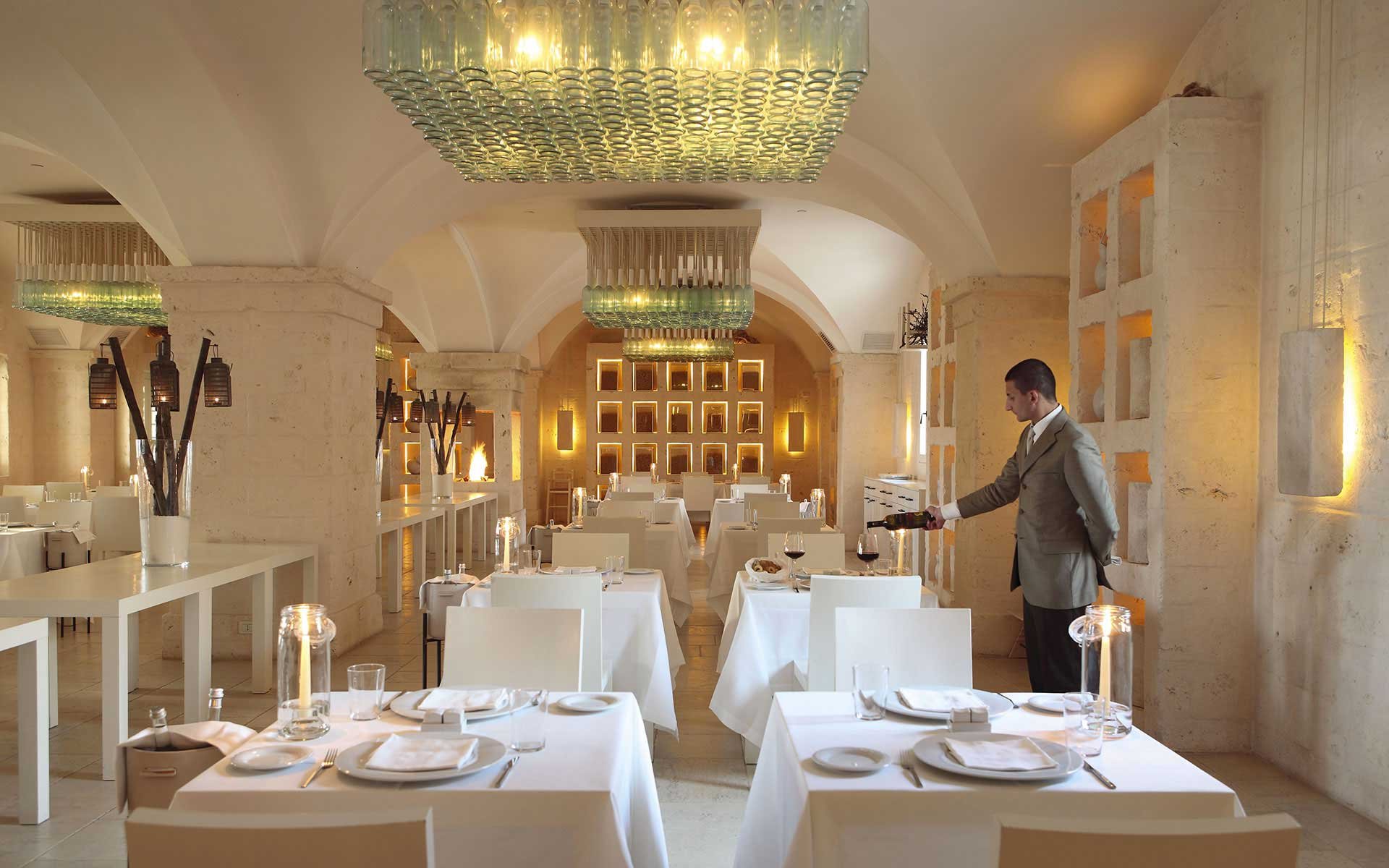
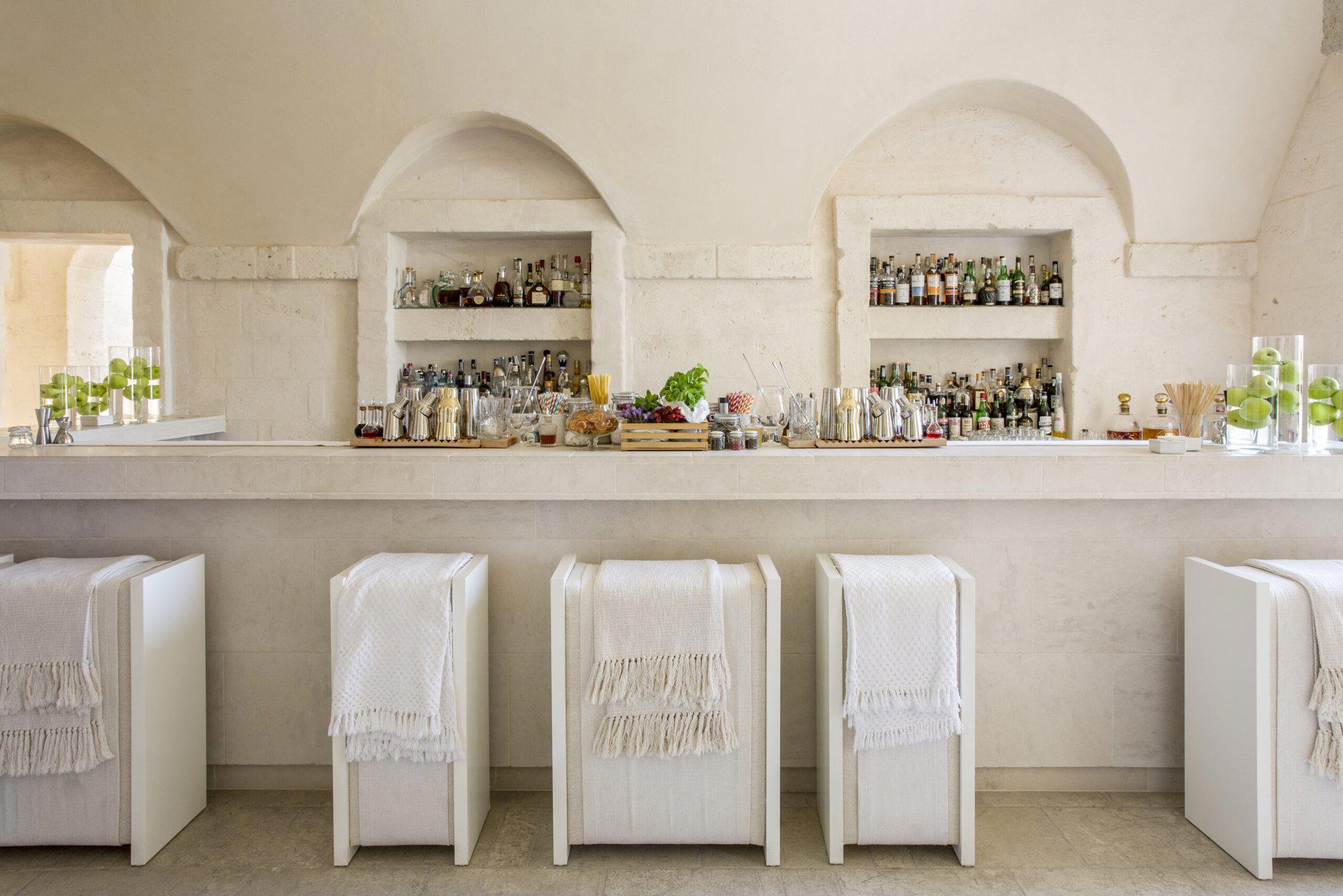
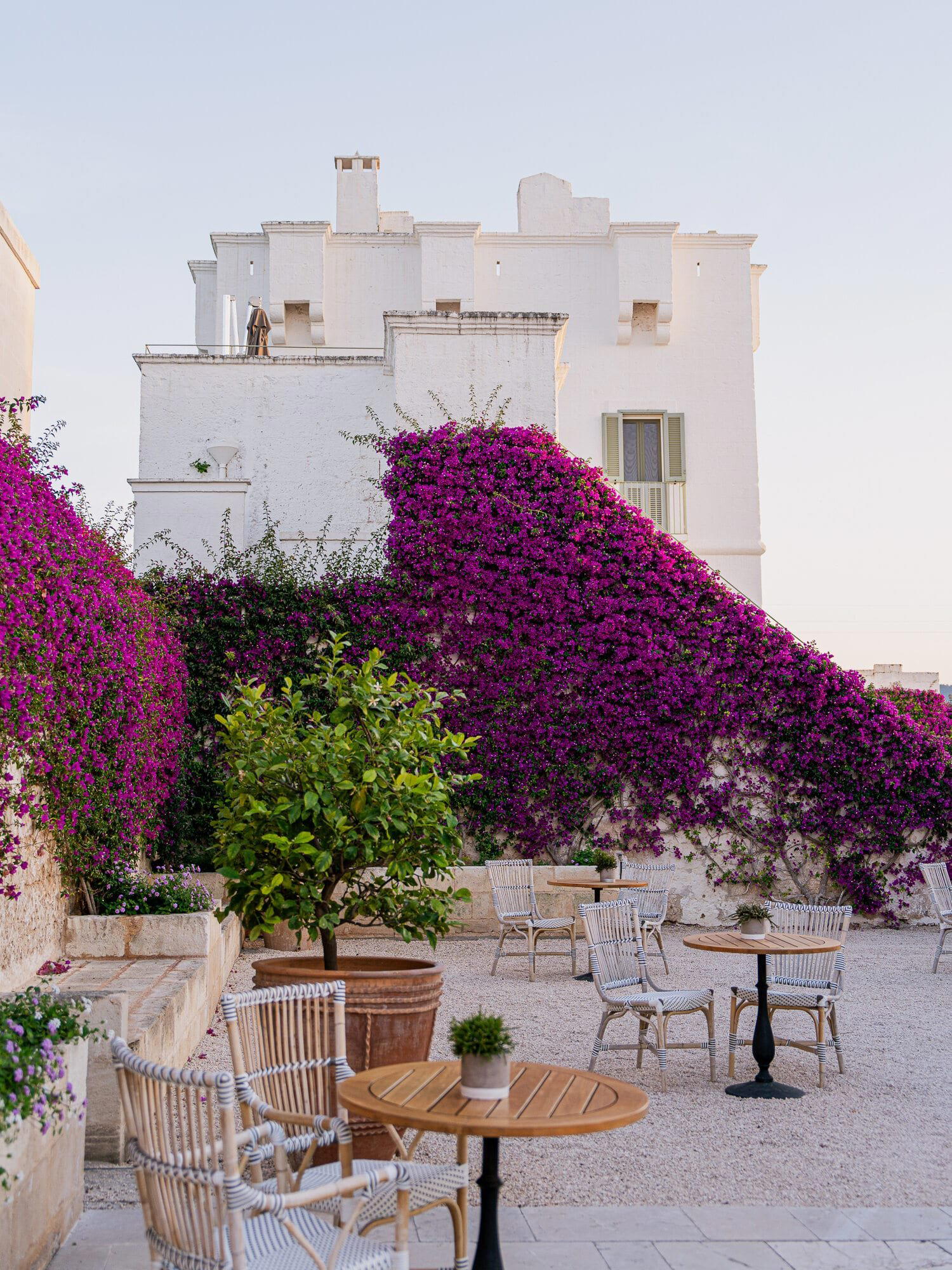
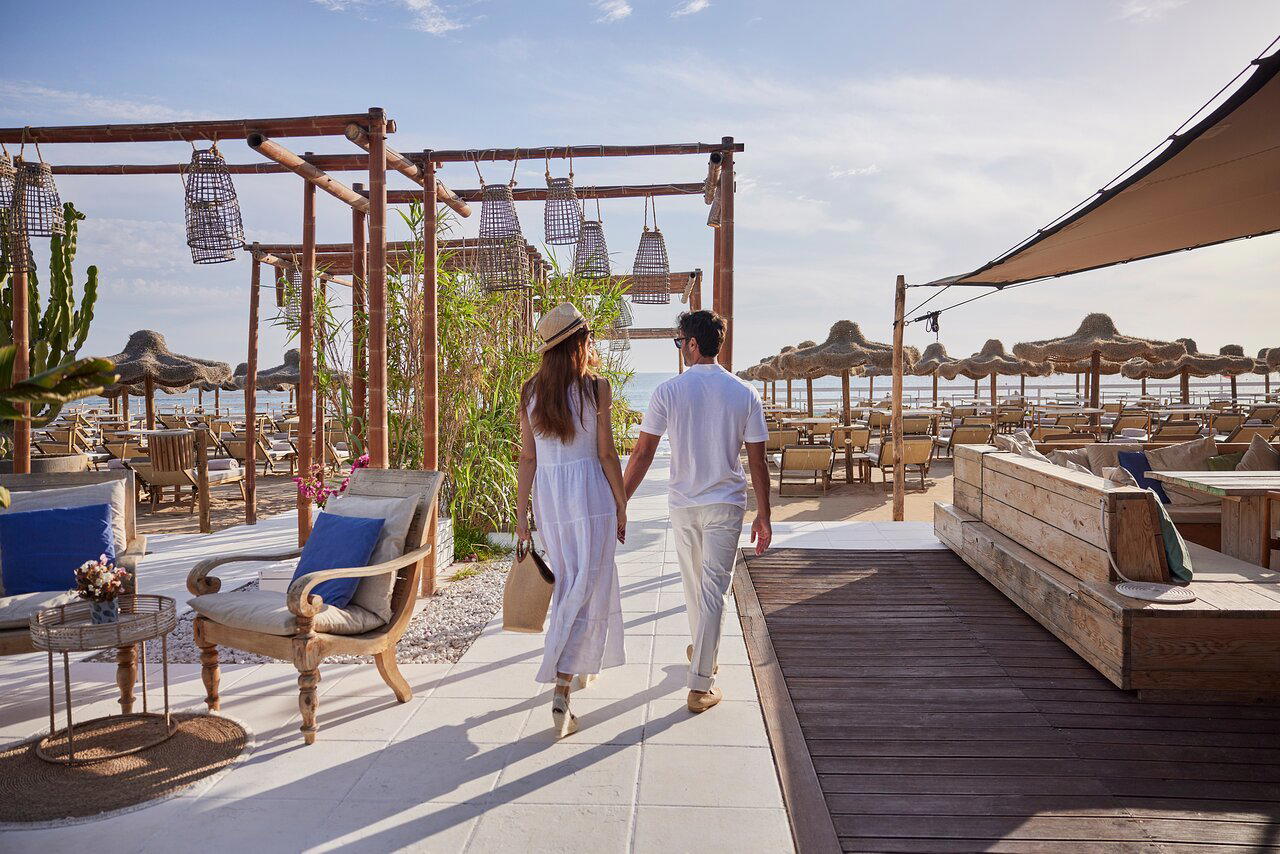
Elegant and modern with floor-to-ceiling windows framing the Adriatic Sea, creating a refined, relaxed atmosphere enhanced by the sound of waves and warm, attentive service.