Apero Bar
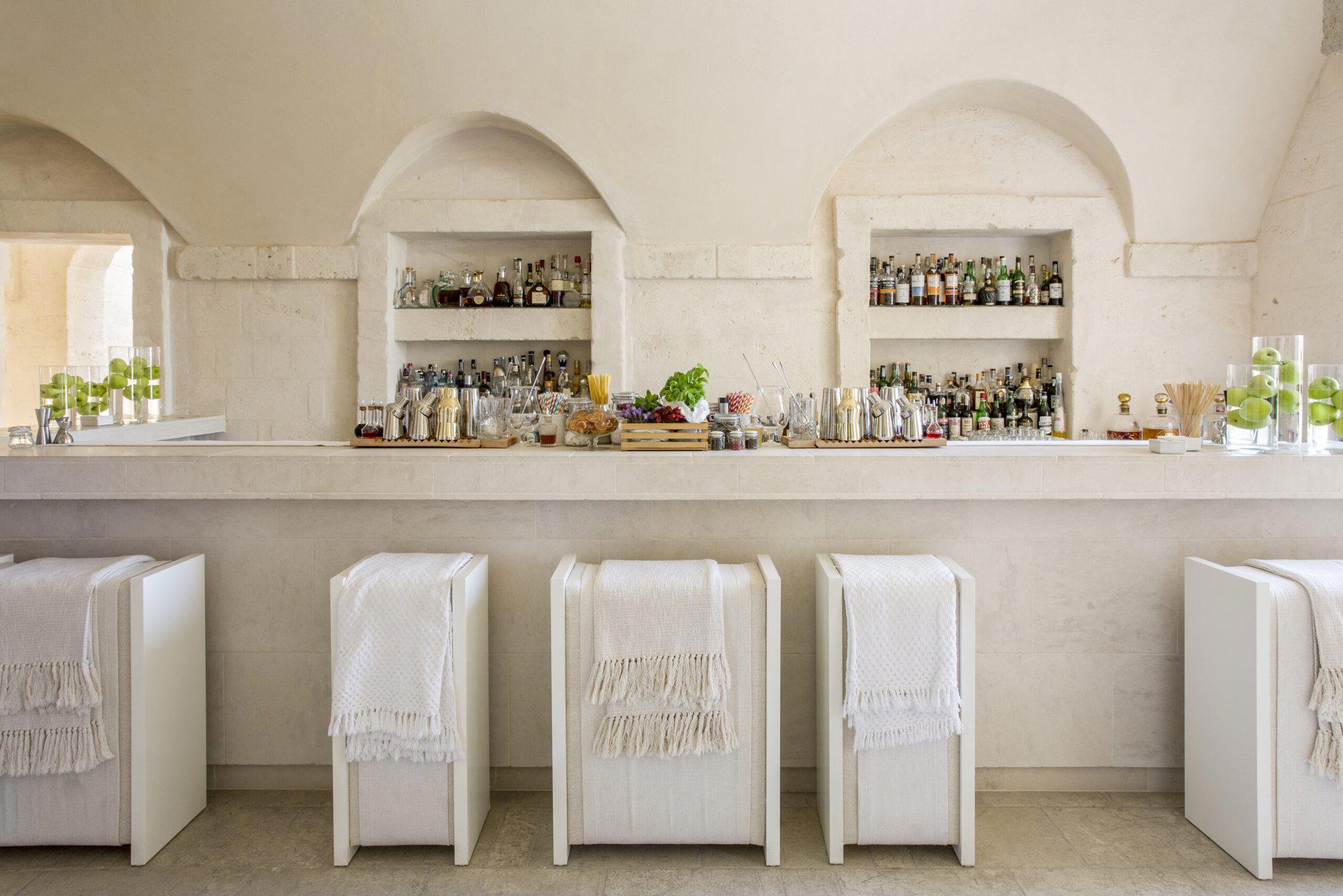
Where the Adriatic Hour Begins Savelletri di Fasano sits at the point where the Valle d'Itria meets the Adriatic coast, a stretch of Puglia that has drawn serious hospitality investment over the past two decades without losing the rhythm of its fishing-village origins. The aperitivo tradition here is not the spritz-and-crisps shorthand that spread northward and then outward across Europe. It is slower, tied to the late-afternoon light off the water, and anchored in local spirits and vermouth pours that reflect the region's agricultural character. Apero Bar, addressed at Strada Comunale Sarzano 12/A, positions itself within that local ritual rather than importing a format from somewhere else. The approach to the bar along Sarzano has the quality of many coastal Puglian addresses: the density of the surrounding landscape gives way gradually to open sky, and the light shifts in the hour before sunset in ways that make the timing of your arrival feel deliberate. Southern Italian bar culture tends to reward that kind of attentiveness to the clock. The aperitivo is not a flexible concept in this part of Italy; it occupies a specific window, and the leading bars in the region are built around that window rather than around an all-hours service model. The Cocktail Programme in Context Across the south of Italy, the cocktail bar conversation has moved in two directions simultaneously. In Naples, venues like L'Antiquario have built internationally recognised programmes around archival spirits and long-maceration techniques. In Rome, Salotto 42 operates in a different register, where the drinks are secondary to the social architecture of the room. The gap between those two models, the technically ambitious and the socially ambient, is where most southern Italian bars actually operate, and Apero Bar in Savelletri sits in that space. Puglia's contribution to the Italian drinks canon runs through its amaro production, its Primitivo-based spirits, and the fig and almond flavour profiles that appear repeatedly in regional liqueurs. A bar working seriously with local ingredients in this part of the country has a substantial larder to draw from, one that distinguishes it from the Campari-and-prosecco defaults that define the lower end of the aperitivo market. The question worth asking of any Puglian bar at this level is whether the programme reflects the surrounding agricultural context or simply replicates a generic Italian aperitivo format in a coastal setting. Italy's cocktail bar scene has been developing a stronger regional identity since around 2015, with bars in cities like Milan (see Moebius Milano) and Florence (see Gucci Giardino) building nationally recognised programmes. The south has followed more slowly, with individual venues rather than city-wide movements carrying that ambition. Savelletri's seasonal tourism profile, which peaks sharply in July and August when the Adriatic coast draws visitors from across Europe, creates a particular kind of bar economics: the window for building a serious reputation is compressed, and the audience changes faster than in a year-round urban setting. The Southern Italian Aperitivo Against Its Peers Comparing bar culture across the Mediterranean coast of Italy and beyond produces useful coordinates. Lost and Found in Nicosia operates within a different island logic, where the drinks programme is partly an act of cultural assertion. Cugini di Torino in Nizza Monferrato and Caffé Al Bicerin in Turin both represent northern Italy's relationship with vermouth and bitter liqueurs, a tradition that runs deeper and longer than the south's but that lacks the agricultural immediacy of Puglian production. The further south you travel in Italy, the more the bar programme becomes an expression of what grows nearby rather than what was historically traded or manufactured. In Ruffano, further south in Salento, Farmacia dei Sani has built a concept around botanical and medicinal local ingredients. That kind of hyper-local specificity is increasingly the differentiator in the southern Italian bar scene, where access to distinctive raw materials is a genuine competitive advantage over bars working in more urban, ingredient-neutral environments. Savelletri's proximity to both coast and countryside puts a bar in this location in an interesting position relative to that trend. Visiting Savelletri: Practical Coordinates Savelletri di Fasano is most easily reached from Brindisi airport, roughly 35 kilometres to the south, or from Bari airport to the north. The town is part of the Fasano municipality and sits within easy reach of the Valle d'Itria's major towns, including Alberobello, Ostuni, and Locorotondo. The coastal strip here is at its busiest between mid-June and early September, when accommodation along the Adriatic side of Puglia fills quickly and the aperitivo hour at any bar worth visiting will have a crowd attached to it. Visiting outside that window gives a different read on the town's character: quieter, more local in its pace, and with a hospitality scene that shifts toward the inland agricultural towns rather than the beach-facing strip. For those building a broader Puglian itinerary that includes serious bar visits, the region now supports that kind of programme at a level it did not ten years ago. The bar culture of the Salento peninsula, the Valle d'Itria hill towns, and the Adriatic coastal strip each has a different character, and a trip that samples across those zones gives a more accurate picture of southern Italian drinking culture than a focus on any single location. Our full Savelletri di Fasano restaurants guide covers the broader dining and drinking context for the area. For reference points further afield, Ristorante Da Adolfo in Positano and Bistro del Borgo in Verona each illustrate how Italian coastal and inland venues handle the transition between food-led and drink-led experiences. The comparison with Café La Trova in Miami is instructive in a different way: both venues operate within a strong local cultural context where the drinks serve a social function that is older and more specific than the cocktail bar format that globalised out of London and New York in the 2010s. Frequently Asked Questions What's the general vibe of Apero Bar?Apero Bar sits within Savelletri di Fasano's coastal aperitivo tradition, where the late-afternoon drink is a structured part of the day rather than a precursor to something else. The setting on Strada Comunale Sarzano, on the Adriatic-facing edge of Fasano, gives it a character rooted in the pace of a Puglian coastal town rather than the higher-energy format of urban Italian bar culture. Pricing in this part of Puglia tends to reflect the seasonal tourism economy, with the peak July-to-August period commanding higher rates across accommodation and hospitality venues in the area. at Apero Bar?Without a published menu to reference, the most useful guidance comes from the regional context: Puglia's bar culture has a strong tradition of amaro and local bitter liqueurs, and any bar in this area working with regional producers will likely offer something that reflects the fig, almond, and botanical flavour profiles characteristic of southern Italian production. Aperitivo formats in this part of Italy often lean toward locally produced vermouth and lower-alcohol serves suited to the heat of the coastal evening.Is Apero Bar a good stop for visitors exploring the Valle d'Itria?For visitors moving through the Valle d'Itria and the Adriatic coastal strip, Savelletri di Fasano functions as a natural point of connection between the inland hill towns and the coast. A bar at this address on Strada Comunale Sarzano sits on that route in a way that suits an early-evening stop. The aperitivo hour in this part of Puglia typically falls between 6pm and 8pm, and the bar's coastal-town setting makes it a different experience from the enoteca-and-piazza format that defines the aperitivo in the Valle d'Itria's inland towns like Locorotondo or Ostuni.

Pearl is the En Primeur Club membership app — saves, bookings, and concierge access live there. Same editors, same standards.
- Address
- Strada Comunale Sarzano, 12/A, 72015 Fasano BR, Italy
- Phone
- +39 080 433 4340
- Website
- masseriacalderisi.com
- Directions
- Get directions
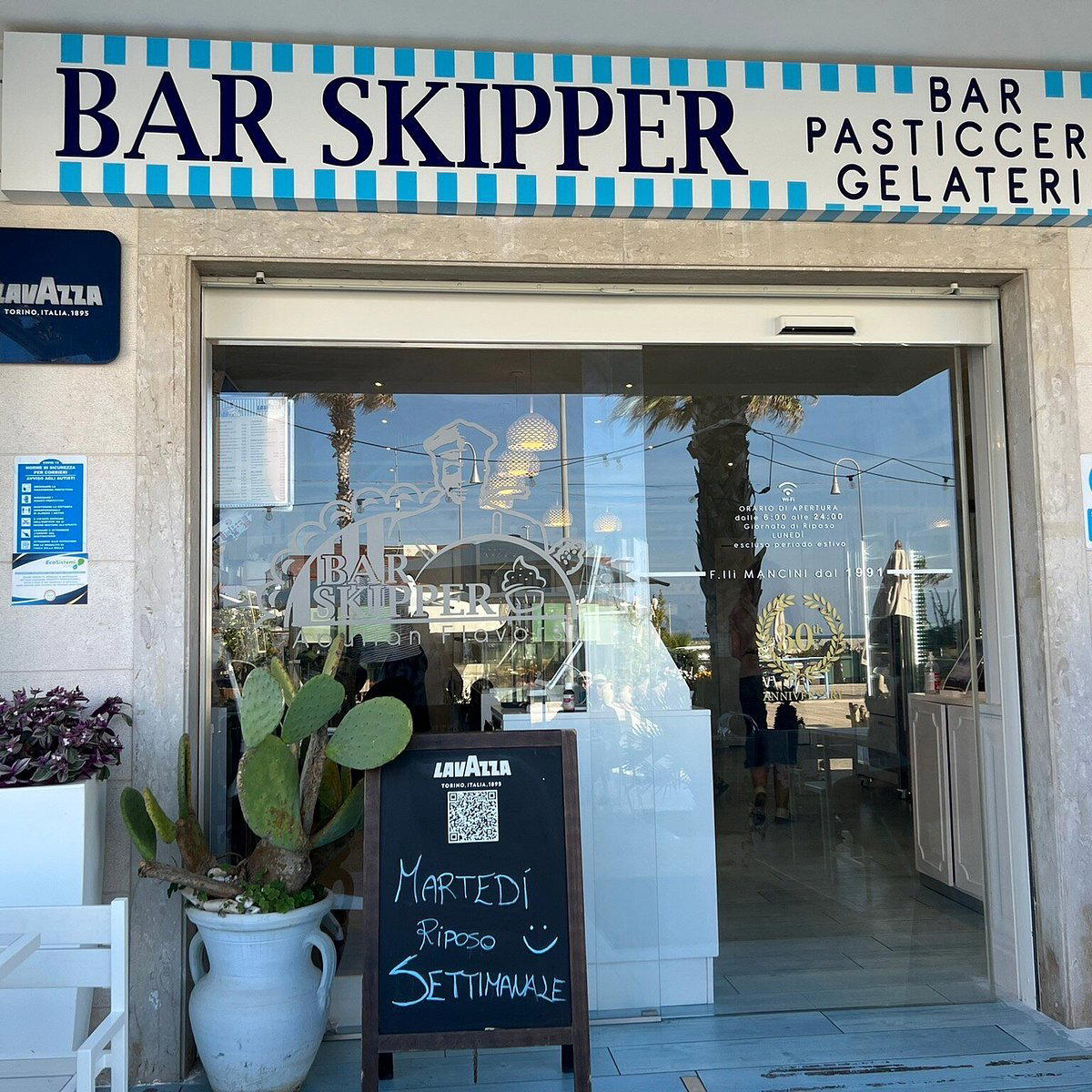
Where the Adriatic Hour Begins
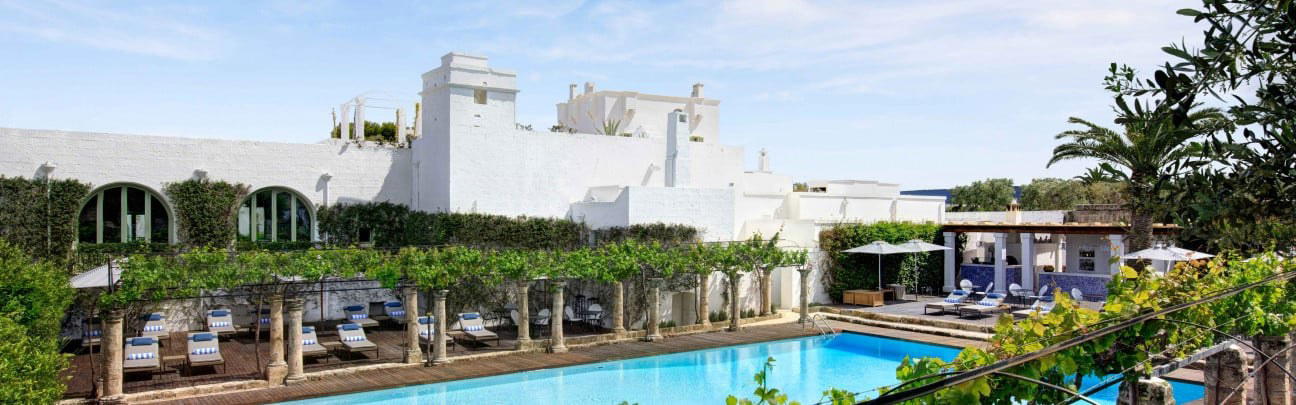
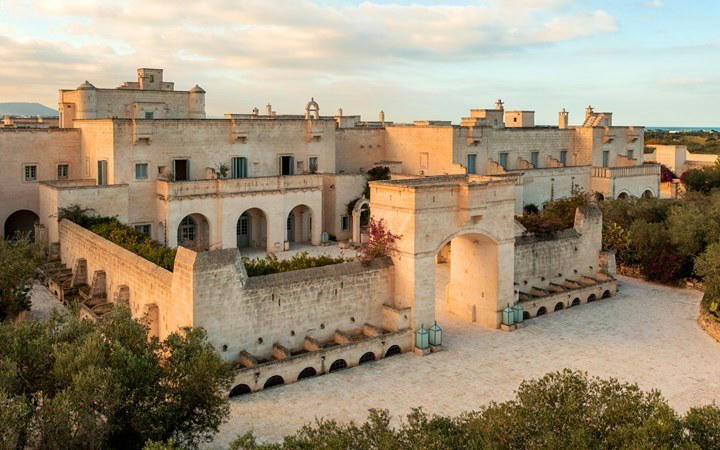
Savelletri di Fasano sits at the point where the Valle d'Itria meets the Adriatic coast, a stretch of Puglia that has drawn serious hospitality investment over the past two decades without losing the rhythm of its fishing-village origins. The aperitivo tradition here is not the spritz-and-crisps shorthand that spread northward and then outward across Europe. It is slower, tied to the late-afternoon light off the water, and anchored in local spirits and vermouth pours that reflect the region's agricultural character. Apero Bar, addressed at Strada Comunale Sarzano 12/A, positions itself within that local ritual rather than importing a format from somewhere else.
The approach to the bar along Sarzano has the quality of many coastal Puglian addresses: the density of the surrounding landscape gives way gradually to open sky, and the light shifts in the hour before sunset in ways that make the timing of your arrival feel deliberate. Southern Italian bar culture tends to reward that kind of attentiveness to the clock. The aperitivo is not a flexible concept in this part of Italy; it occupies a specific window, and the leading bars in the region are built around that window rather than around an all-hours service model.
The Cocktail Programme in Context
Across the south of Italy, the cocktail bar conversation has moved in two directions simultaneously. In Naples, venues like L'Antiquario have built internationally recognised programmes around archival spirits and long-maceration techniques. In Rome, Salotto 42 operates in a different register, where the drinks are secondary to the social architecture of the room. The gap between those two models, the technically ambitious and the socially ambient, is where most southern Italian bars actually operate, and Apero Bar in Savelletri sits in that space.
Puglia's contribution to the Italian drinks canon runs through its amaro production, its Primitivo-based spirits, and the fig and almond flavour profiles that appear repeatedly in regional liqueurs. A bar working seriously with local ingredients in this part of the country has a substantial larder to draw from, one that distinguishes it from the Campari-and-prosecco defaults that define the lower end of the aperitivo market. The question worth asking of any Puglian bar at this level is whether the programme reflects the surrounding agricultural context or simply replicates a generic Italian aperitivo format in a coastal setting.
Italy's cocktail bar scene has been developing a stronger regional identity since around 2015, with bars in cities like Milan (see Moebius Milano) and Florence (see Gucci Giardino) building nationally recognised programmes. The south has followed more slowly, with individual venues rather than city-wide movements carrying that ambition. Savelletri's seasonal tourism profile, which peaks sharply in July and August when the Adriatic coast draws visitors from across Europe, creates a particular kind of bar economics: the window for building a serious reputation is compressed, and the audience changes faster than in a year-round urban setting.
The Southern Italian Aperitivo Against Its Peers
Comparing bar culture across the Mediterranean coast of Italy and beyond produces useful coordinates. Lost and Found in Nicosia operates within a different island logic, where the drinks programme is partly an act of cultural assertion. Cugini di Torino in Nizza Monferrato and Caffé Al Bicerin in Turin both represent northern Italy's relationship with vermouth and bitter liqueurs, a tradition that runs deeper and longer than the south's but that lacks the agricultural immediacy of Puglian production. The further south you travel in Italy, the more the bar programme becomes an expression of what grows nearby rather than what was historically traded or manufactured.
In Ruffano, further south in Salento, Farmacia dei Sani has built a concept around botanical and medicinal local ingredients. That kind of hyper-local specificity is increasingly the differentiator in the southern Italian bar scene, where access to distinctive raw materials is a genuine competitive advantage over bars working in more urban, ingredient-neutral environments. Savelletri's proximity to both coast and countryside puts a bar in this location in an interesting position relative to that trend.
Visiting Savelletri: Practical Coordinates
Savelletri di Fasano is most easily reached from Brindisi airport, roughly 35 kilometres to the south, or from Bari airport to the north. The town is part of the Fasano municipality and sits within easy reach of the Valle d'Itria's major towns, including Alberobello, Ostuni, and Locorotondo. The coastal strip here is at its busiest between mid-June and early September, when accommodation along the Adriatic side of Puglia fills quickly and the aperitivo hour at any bar worth visiting will have a crowd attached to it. Visiting outside that window gives a different read on the town's character: quieter, more local in its pace, and with a hospitality scene that shifts toward the inland agricultural towns rather than the beach-facing strip.
For those building a broader Puglian itinerary that includes serious bar visits, the region now supports that kind of programme at a level it did not ten years ago. The bar culture of the Salento peninsula, the Valle d'Itria hill towns, and the Adriatic coastal strip each has a different character, and a trip that samples across those zones gives a more accurate picture of southern Italian drinking culture than a focus on any single location. Our full Savelletri di Fasano restaurants guide covers the broader dining and drinking context for the area.
For reference points further afield, Ristorante Da Adolfo in Positano and Bistro del Borgo in Verona each illustrate how Italian coastal and inland venues handle the transition between food-led and drink-led experiences. The comparison with Café La Trova in Miami is instructive in a different way: both venues operate within a strong local cultural context where the drinks serve a social function that is older and more specific than the cocktail bar format that globalised out of London and New York in the 2010s.
Continue exploring
More in Savelletri di Fasano
Bars in Savelletri di Fasano
Browse all →
Restaurants in Savelletri di Fasano
Browse all →
Hotels in Savelletri di Fasano
Browse all →

Details
- Elegant
- Romantic
- Rustic
- Sophisticated
- Date Night
- Casual Hangout
- Garden
- Historic Building
- Hotel Bar
- Lounge Seating
- Outdoor Terrace
- Garden
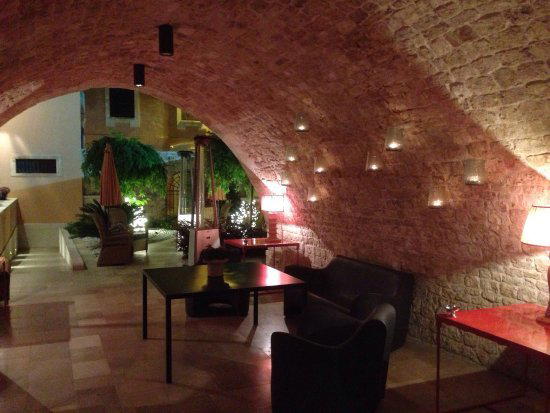
Cozy and elegant with decorative lanterns and chill-out soundtrack evoking a Moroccan roof terrace