Masseria San Domenico



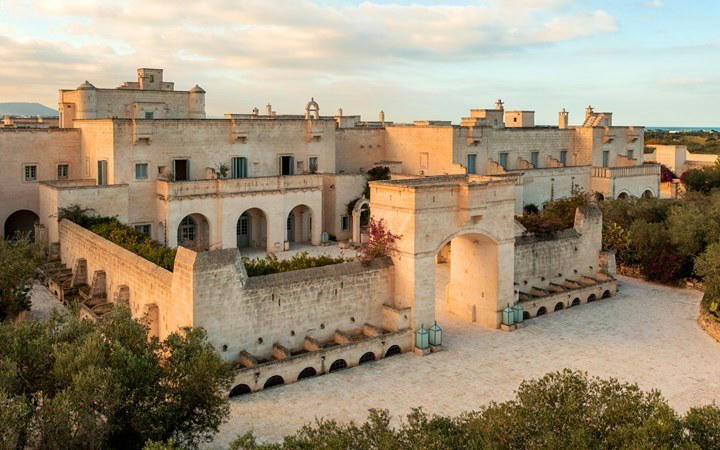
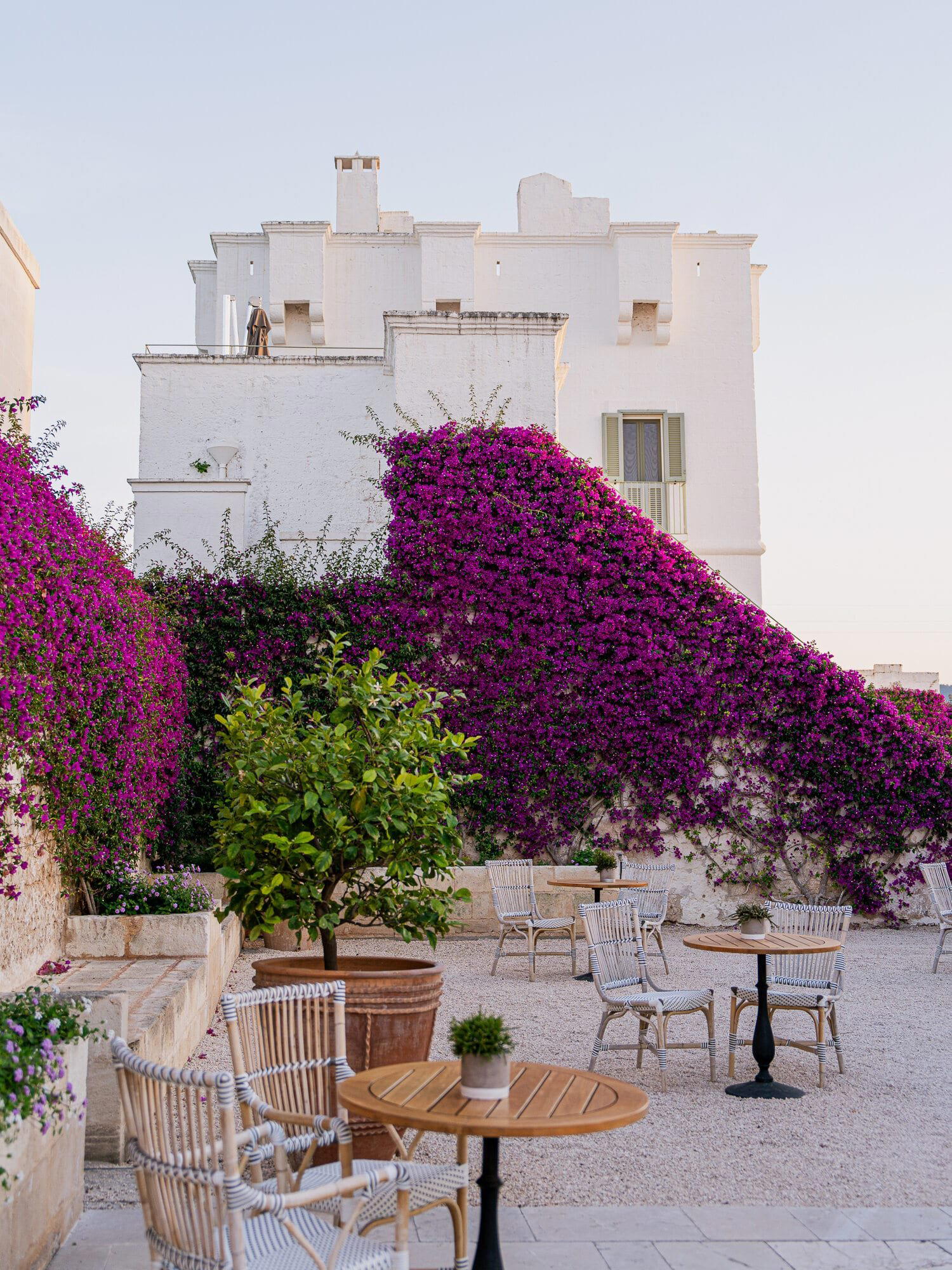
A 15th-century fortified tower converted into a Leading Hotels of the World property, Masseria San Domenico sits among century-old olive groves within 700 metres of the Adriatic coast. The 40-room adults-oriented resort anchors its dining programme in Apulian produce grown on surrounding land, and houses one of southern Italy's more medically rigorous thalassotherapy spas.
Pearl is the En Primeur Club membership app — saves, bookings, and concierge access live there. Same editors, same standards.
- Address
- SP90, 72015 Savelletri, Fasano BR
- Phone
- 390804827769
- Directions
- Get directions
 Saves & bookings on Pearl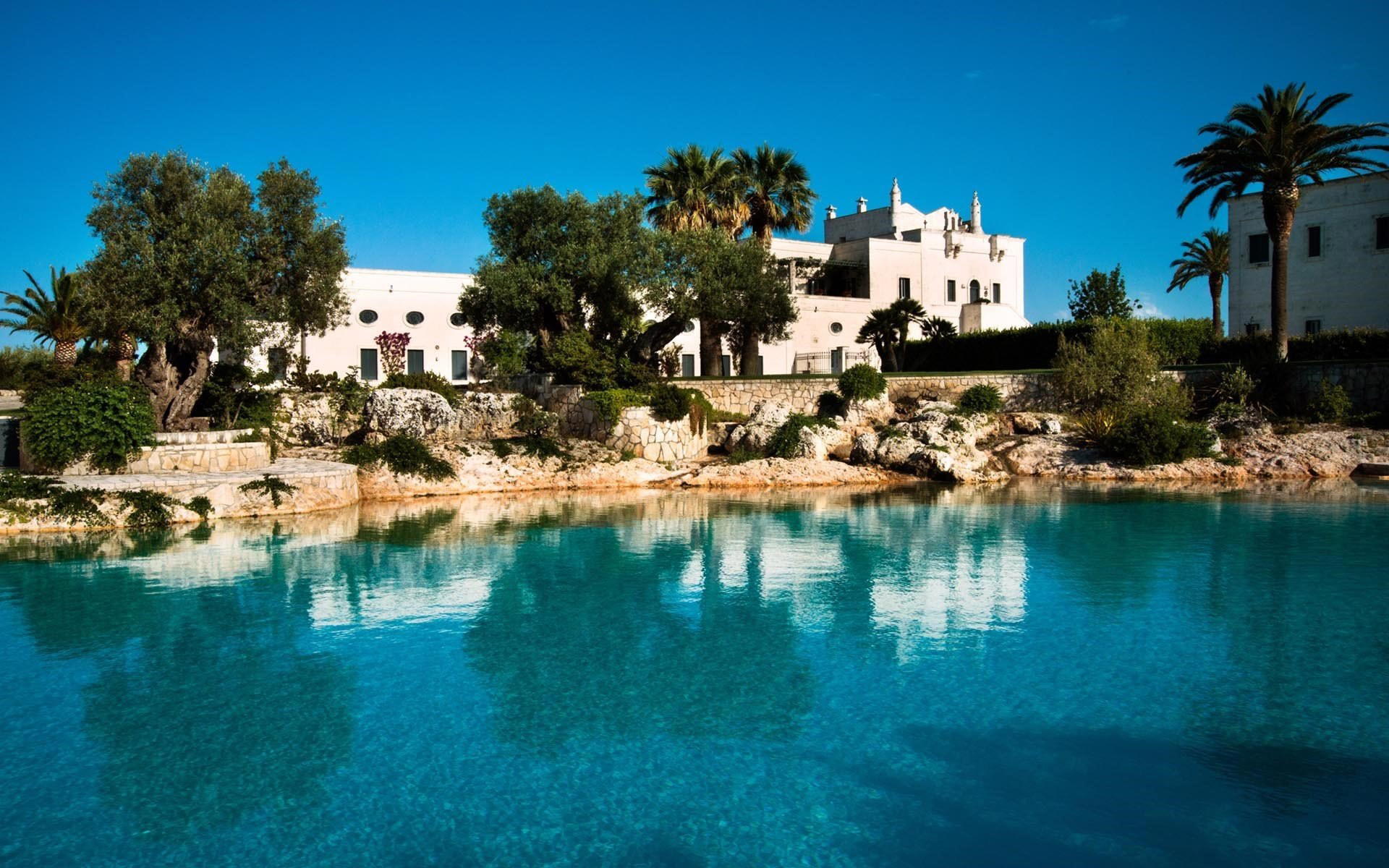
Stone, Olive Groves, and the Logic of the Puglian Masseria
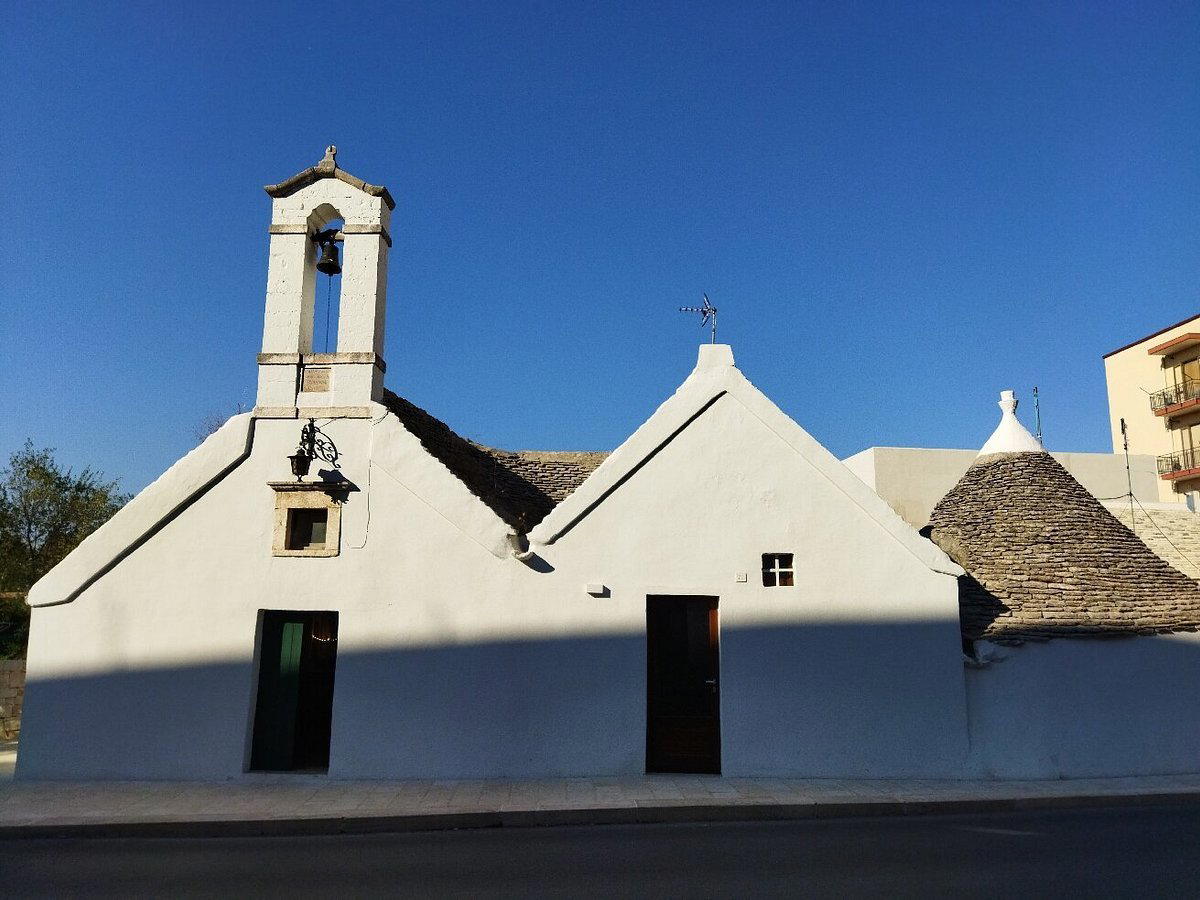
The masseria tradition in Puglia is not a design concept imported for tourism, it is a working-farm typology that predates modern hospitality by centuries. These fortified agricultural estates, built to protect harvests and communities from coastal raids, are now the dominant format through which the Fasano strip delivers luxury. Masseria San Domenico occupies the older end of that spectrum: the original structure is a 15th-century defensive tower, and the conversion that produced the current resort was carried out with the original stonework and building materials retained rather than replaced. The whitewashed exteriors, the drystone boundary walls, and the irregular geometry of the grounds are not styling decisions, they are what remained after restoration.
The property sits in Savelletri di Fasano, the coastal pocket of the Valle d'Itria that has accumulated the highest density of premium masseria conversions in the region. Borgo Egnazia, Masseria Torre Coccaro, Masseria Torre Maizza, and Masseria Calderisi all operate within a few kilometres, each working a slightly different position in the market. San Domenico's place in that comparable set is defined by its Leading Hotels of the World membership, its thalassotherapy infrastructure, and a dining approach rooted in produce the estate itself controls. For the broader context of eating and staying in this part of Puglia, our full Savelletri di Fasano guide maps the area's options in detail.
The Dining Programme: Apulian Produce as Architecture
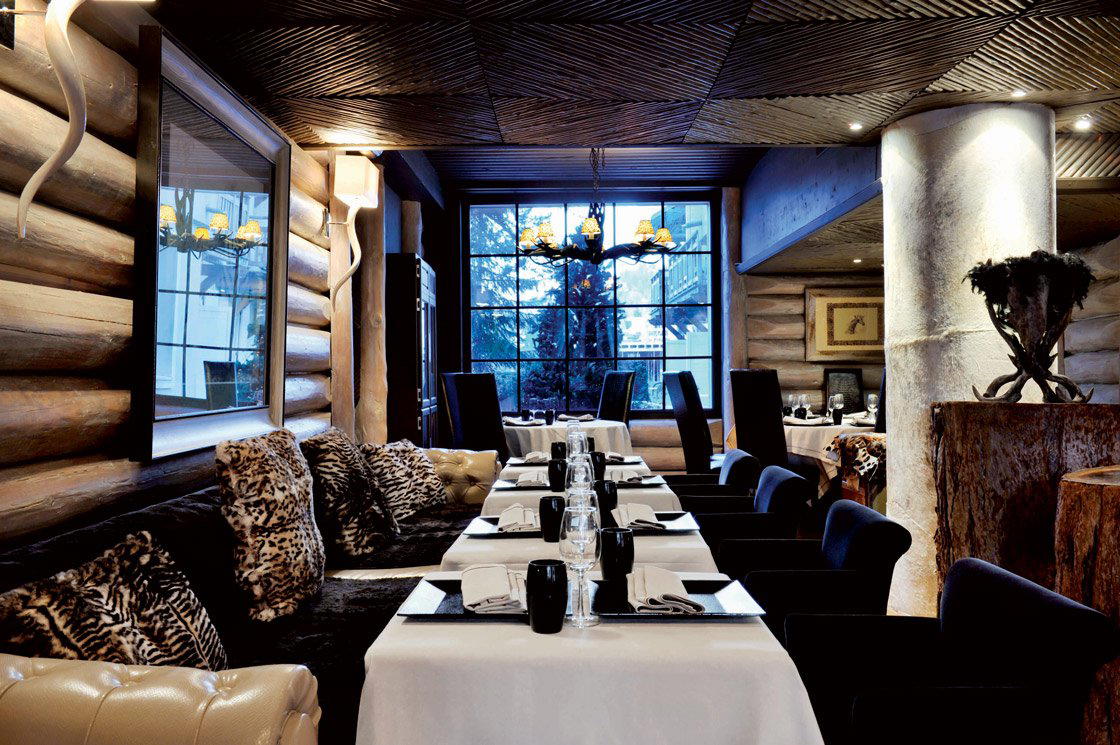
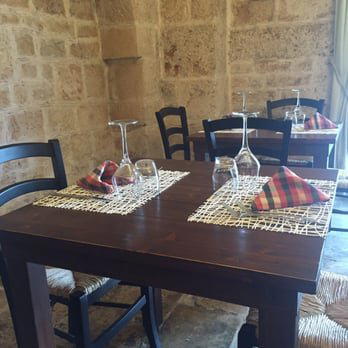
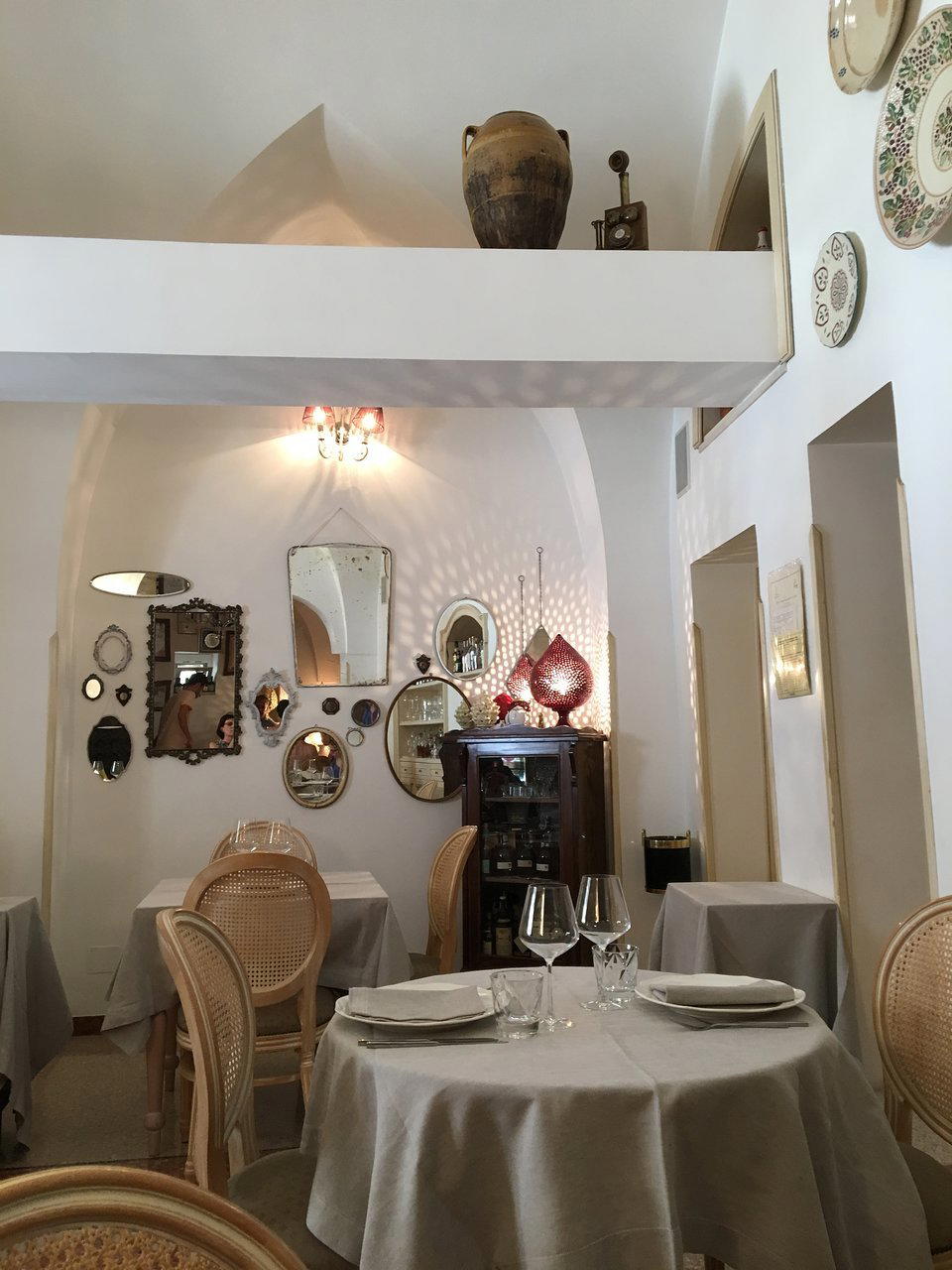
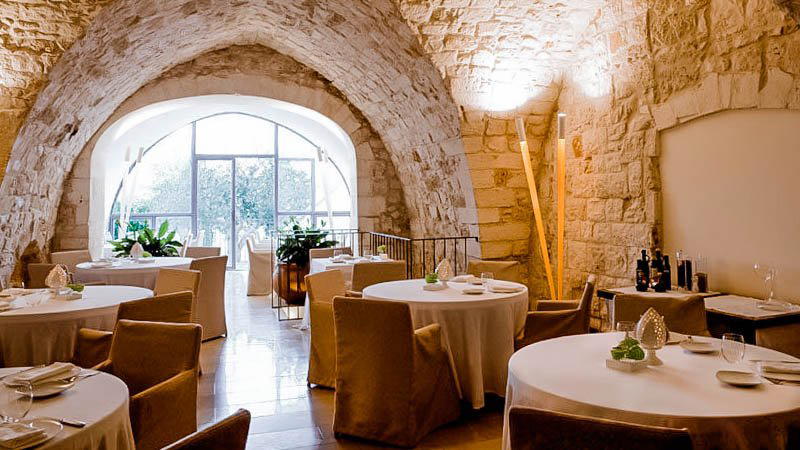
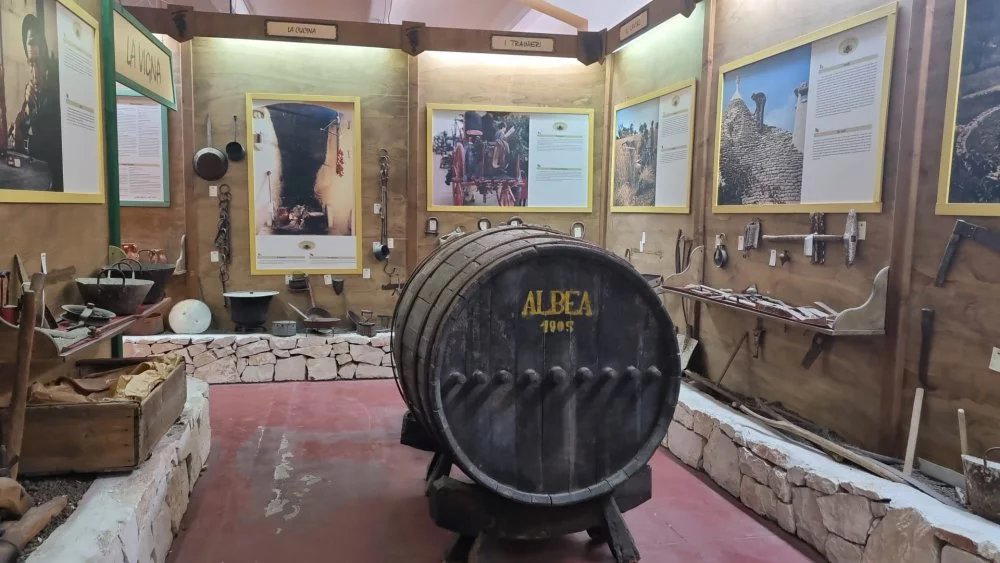
Food tradition in this part of Puglia is built on a short ingredient list executed with considerable depth: legumes, local vegetables, hand-rolled pasta, olive oil pressed nearby, and fish from the Adriatic a few hundred metres away. San Domenico's primary restaurant, operating under the San Domenico name, does not attempt to reinterpret this tradition through a modernist lens. The menu draws on vegetables grown on surrounding properties belonging to the masseria, and the kitchen produces its own extra virgin olive oil, a detail that reflects the property's original function as a working olive mill. That origin is not incidental; it shapes what ends up on the plate.
A second food operation, La Nassa, sits in a separate seafood-focused structure attached to the property's waterfront position. The focus is the local catch: fish and shellfish from the same Adriatic coastline that defines the resort's geography. In Puglia's coastal dining culture, this kind of dedicated seafood format, separate from the main restaurant, positioned close to the water, has become a reliable signal of a property taking its food programme seriously rather than consolidating everything into one venue for operational convenience.
Italian rural luxury properties elsewhere in the country that have pursued this model with similar commitment include Casa Maria Luigia in Modena and Rosewood Castiglion Del Bosco in Montalcino, both of which anchor dining in estate-controlled ingredients. The difference at San Domenico is the southern Italian pantry: the heat, the seafood access, and a vegetable tradition that predates most northern Italian equivalents by several centuries.
Rooms and the Question of Views
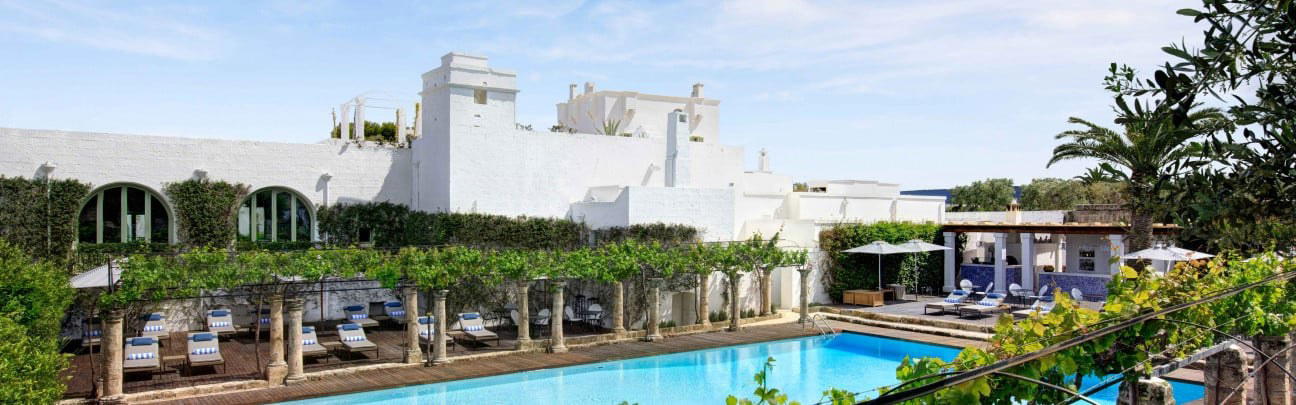
The property holds 40 keys in total: 24 doubles and junior suites, plus 16 full suites. All rooms are furnished with antiques and locally crafted pieces, and the décor sits closer to archival southern Italian than to the pared-back minimalism that dominates newer properties in the area. Views split between the olive groves and, from the upper rooms and suites, sight lines to the sea in the distance. The pool, shaped irregularly around rocks and plantings rather than cut into a geometric tile format, sits within the olive grove itself, a spatial decision that keeps the agricultural character of the estate legible even at the property's leisure core.
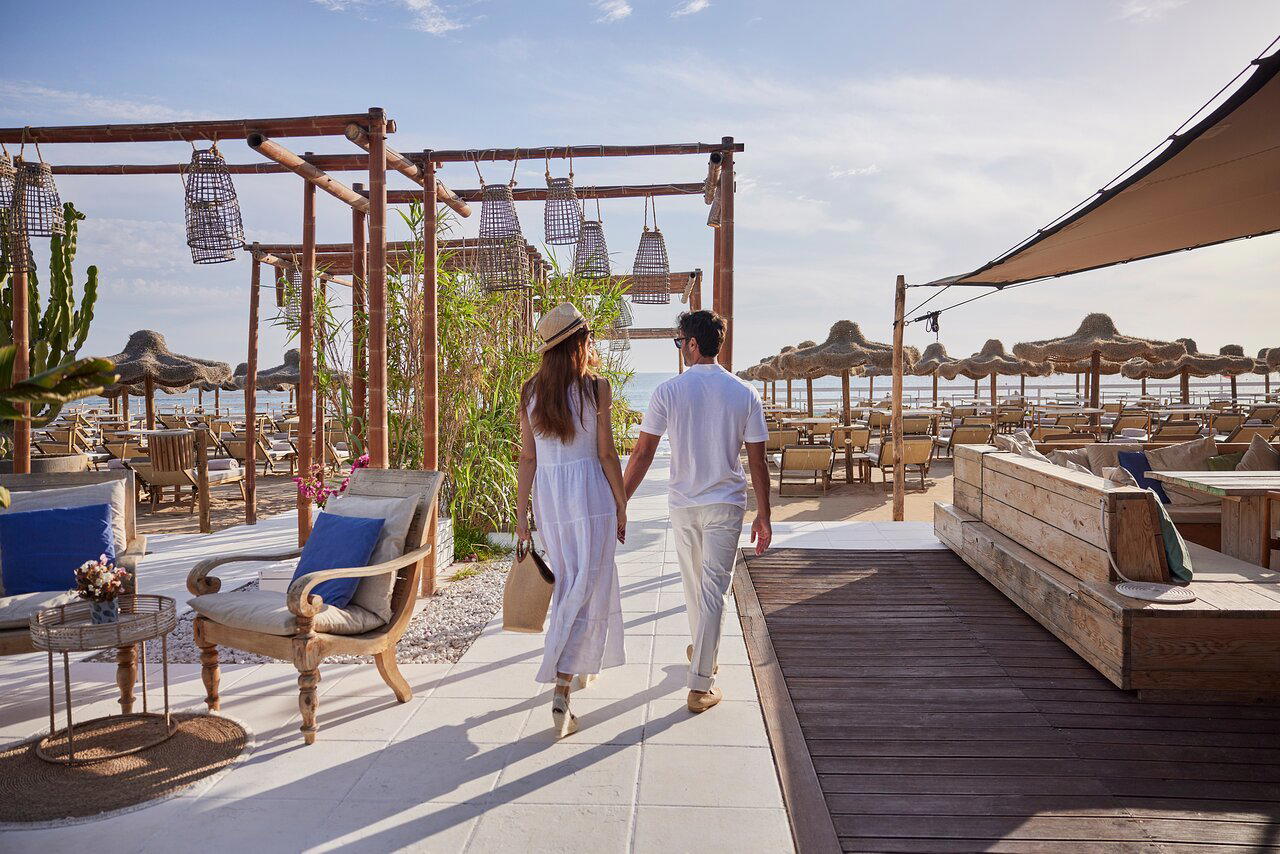
The rocky Adriatic coast is 700 metres from the main building. The hotel maintains two private beach areas, one sandy, one rocky, which substantially reduces the crowd exposure that affects public access points along this stretch of coastline in July and August.
The Spa and the Thalassotherapy Claim
San Domenico's spa occupies a specific position in Italian resort spa culture. Thalassotherapy, seawater-based treatment using filtered and heated marine water, seaweed, and marine sediment, requires proximity to a clean source and the infrastructure to process it properly. With the Adriatic 500 metres away, the property's claim to a medically grounded thalasso programme is logistically credible in a way it would not be for an inland resort deploying the same terminology. The spa draws on seawater and seaweed from the nearby coast and operates as a structured treatment facility rather than a relaxation suite with a hydrotherapy pool attached. For guests whose primary purpose in visiting is the spa rather than the dining or the beach, this distinction matters.
Sport and Infrastructure
The resort's amenity stack extends to two tennis courts and an 18-hole golf course with sea views, a configuration that places it in the upper tier of self-contained Puglian resorts. Not every masseria conversion in the area can offer this range within the property boundary; many rely on partnerships with nearby courses. The golf course's coastal position means conditions vary significantly with the Adriatic wind, which should be factored into planning, particularly in spring and autumn.
Planning a Stay
San Domenico operates on an adults-oriented model but accommodates guests aged 14 and over, which places it in a middle category between strictly adults-only resorts and family-welcoming properties. The Apulian high season runs from late June through early September, when the coast is at its warmest and most active. May, early June, and October offer the better conditions for outdoor dining and spa use without the August density, and room availability during those shoulder months tends to be more flexible. Guests interested in the thalassotherapy programme should plan treatments in advance, as the spa operates on a scheduled rather than drop-in basis at properties of this type.
The Leading Hotels of the World membership provides a booking channel and quality benchmark that aligns San Domenico with a global comparable set. Comparable Italian properties operating under similar frameworks include Il Pellicano in Porto Ercole, Passalacqua in Moltrasio, and Il San Pietro di Positano, all properties where the physical setting and operating philosophy take precedence over brand scale.
Price and Recognition
Comparable venues nearby, for context on price, style, and recognition.
| Venue | Price | Awards | Notes |
|---|---|---|---|
| Masseria San DomenicoThis venue — the venue you are viewing | $$$$ | 5-Star | Not listed |
| Masseria Torre Coccaro | $$$$ | Michelin 1 Key | Savelletri di Fasano, Historic fortified masseria blending authenticity and luxury |
| Masseria Torre Maizza | $$$$ | Michelin 1 Key | Savelletri di Fasano, Renovated 16th-century Puglian masseria with modern luxury |
| Masseria Calderisi | $$$$ | Michelin 1 Key | Savelletri di Fasano, Restored 17th-century Puglian masseria blending authentic rustic charm with contemporary luxury. |
| Borgo Egnazia | $$$$ | Michelin 2 Key | Savelletri di Fasano, Fairy-tale Puglian village resort |
| Hilton Turin Centre | $$$$ | 5-Star | Centro, Urban 5-star flagship Hilton in a restored historic building with full-service spa and extensive meetings and events facilities in central Turin. |
Recognition history
Dated appearances from independent guides and award organizations, with the underlying list record or original source where available.
Virtuoso Luxury Hotel Partner
Virtuoso
Leading Hotels of World Member
Leading Hotels of World
Michelin Selected
Michelin
Continue exploring
More in Savelletri di Fasano
Hotels in Savelletri di Fasano
Browse all →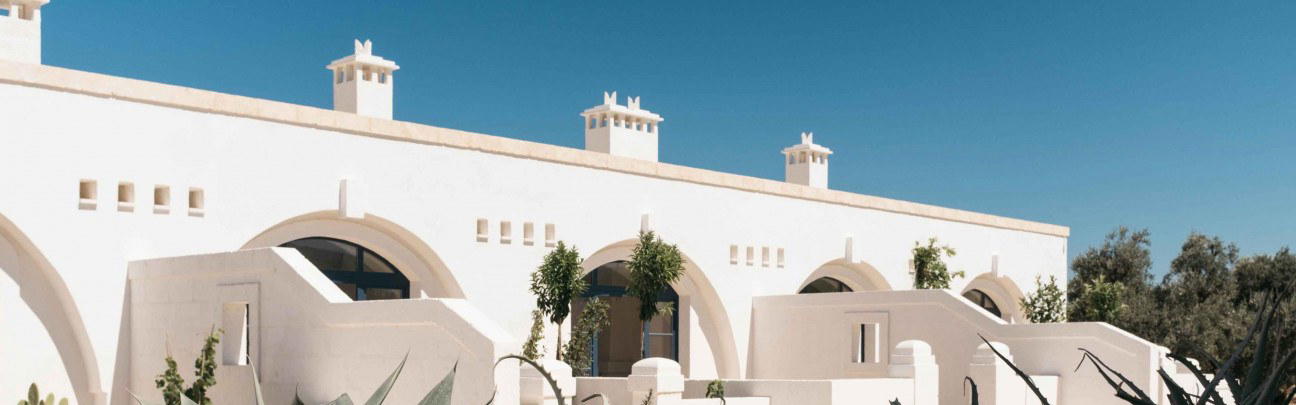
Bars in Savelletri di Fasano
Browse all →
Restaurants in Savelletri di Fasano
Browse all →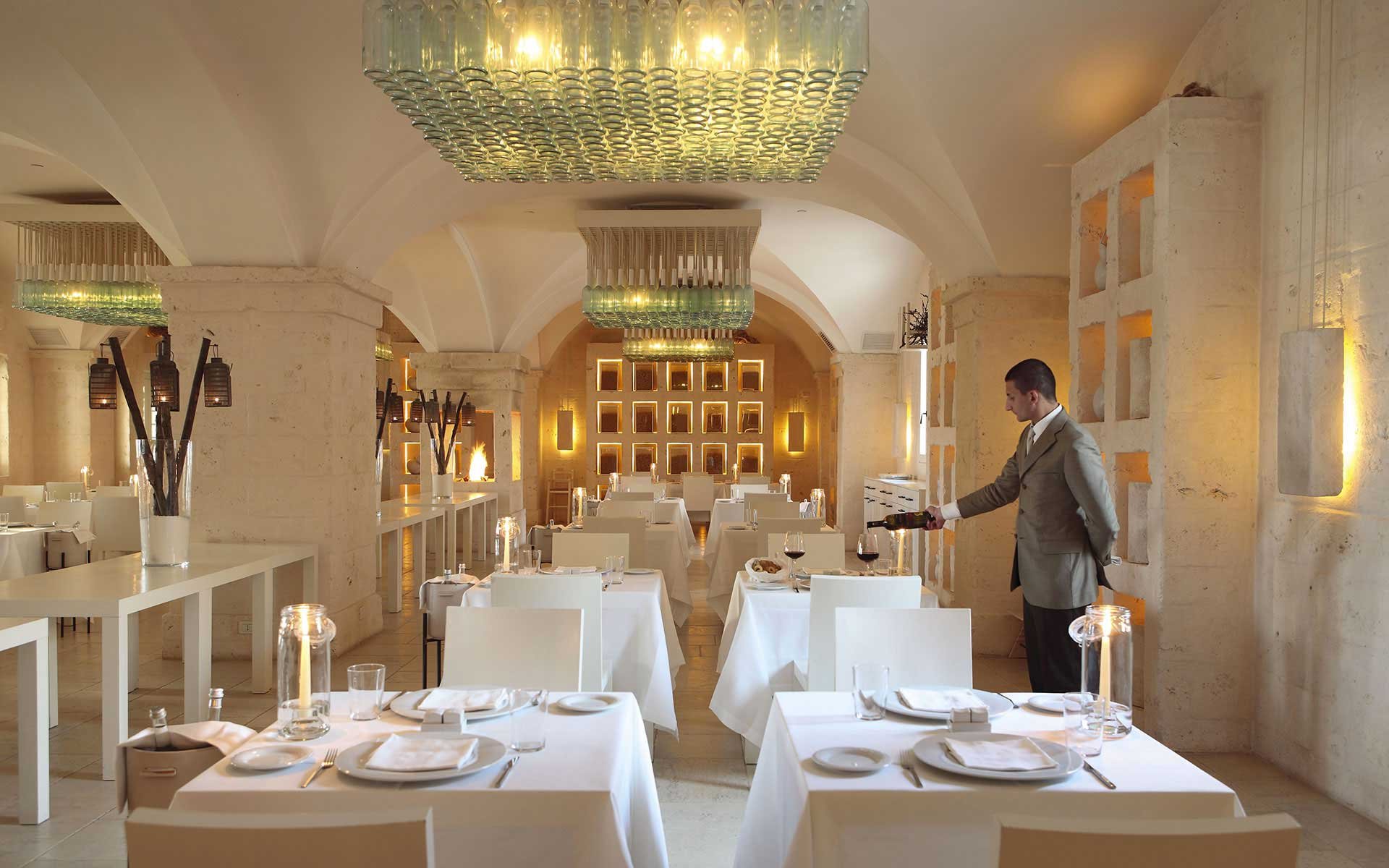

At a Glance
- Romantic
- Quiet
- Elegant
- Rustic
- Scenic
- Sophisticated
- Ornate
- Honeymoon
- Romantic Getaway
- Wellness Retreat
- Anniversary
- Weekend Escape
- Beachfront
- Golf Course
- Destination Spa
- Historic Building
- Pool
- Spa
- Fitness Center
- Room Service
- Concierge
- Wi Fi
- Tennis
- Golf Course
- Beach Access
- Sauna
- Restaurant
- Bar
- Waterfront
- Garden
- Pool
- Spa
- Fitness Center
- Room Service
- Concierge
- Wi Fi
- Tennis
- Golf Course
- Beach Access
- Sauna
- Restaurant
- Bar
Relaxed and elegant with a sense of timeless tranquility amid ancient olive trees, featuring soft lighting in vaulted dining spaces and serene poolside areas praised for peace and privacy.