
Tokyo’s serious pizza culture has moved well beyond casual Neapolitan imitation, and Fakalo pizza gallery belongs to the small-format, reservation-led tier. The 14-seat Kojima address pairs pizza with a wine-minded format, vegetable focus, and Tabelog Pizza 100 recognition in 2023 and 2025, making it a useful marker of how Tokyo treats pizza as craft dining rather than fast comfort food.
Pearl is the En Primeur Club membership app — saves, bookings, and concierge access live there. Same editors, same standards.
- Address
- 東京都台東区小島2-2-5 歌代ビル 1F
- Website
- tabelog.com
 Saves & bookings on Pearl
On the quieter side of Taito, away from the denser restaurant traffic of central Ueno and Asakusa, Tokyo’s pizza scene takes on a more deliberate rhythm. The room is small, the meal is planned rather than improvised, and the category is treated with the seriousness usually reserved for sushi counters, tempura bars, and French tasting rooms. Fakalo pizza gallery sits inside that shift: a 14-seat pizza address in Kojima where the draw is not abundance, but control.
Pizza in Tokyo has followed a particular arc. The city first absorbed Neapolitan technique with almost obsessive discipline: imported ovens, soft-rimmed dough, Italian flour, restrained toppings. The more interesting recent development is local editing. Vegetable-led toppings, wine pairing logic, reservation systems, and compact rooms have pushed the form closer to Tokyo’s broader counter-dining culture. A place such as Fakalo pizza gallery matters because it shows pizza being judged by the same standards of pacing, ingredient choice, and booking discipline that shape higher-end Japanese dining.
Tokyo pizza treated as a small-room craft format
The useful comparison is not the casual slice shop. It is the city’s broader habit of compressing ambition into limited seats. Tempura specialists, yakitori counters, and omakase sushi rooms all rely on narrow capacity to make timing part of the product. In that context, a pizza restaurant with 14 seats and a reservation-only structure belongs to a recognizable Tokyo pattern: fewer covers, more control, and less tolerance for walk-in spontaneity.
The Tabelog Pizza 100 selections in 2023 and 2025 place the restaurant within Japan’s most closely watched pizza category. Tabelog’s Hyakumeiten lists are not casual popularity badges; they function as a national map of category specialists, particularly useful in genres where Michelin coverage is uneven or absent. A 3.99 Tabelog score also signals a demanding local audience, because Japanese diners often use the platform with a sharper grading culture than many international review sites.
What separates this tier from ordinary destination pizza is the surrounding format. Wine is a stated part of the experience, vegetarian options are explicitly accommodated, and vegetables are given enough emphasis to shift the expectation away from meat-heavy indulgence. That matters in Tokyo, where Italian cooking often succeeds when it stops trying to reproduce Italy wholesale and starts acting like a Japanese restaurant with Italian grammar.
For readers building a wider Tokyo eating itinerary, this is a different lane from the seafood-and-charcoal pull of . 鮪と炭火焼き うお炭 秋葉原店, the urban casual energy around 12/10 Shinjuku ten, or the skewered precision of 124. KAGURAZAKA (Yakitori). It also differs from visual-concept stops such as 2D Cafe and curry specialists like 3 Chome no Curry Ya San. Pizza here belongs in the serious-dining column, not the novelty column.
Why Kojima and Shin Okachimachi suit this kind of meal
Kojima is a useful location for this format because it sits between several Tokyo identities without being swallowed by any single one. Kuramae brings design stores and coffee culture, Okachimachi brings market movement and everyday retail, and Asakusa adds old-city tourism just beyond the immediate radius. Shin Okachimachi is quieter, which suits a restaurant built around planned attendance rather than street-level volume.
That geography changes the decision for travelers. This is not a place to tack onto a shopping day by accident. It works better as the anchor for an east-side evening, especially for diners already spending time around Kuramae, Ueno, or Asakusa. Compared with Tokyo comparison venues such as Tempura Shimomura, KOTARO Hasegawa DOWNTOWN CUISINE, Yashima, and Kabuki, the restaurant’s appeal is category-specific: it is for diners who want to see how far Tokyo has pushed pizza into the language of craft dining.
The cultural point is larger than one address. Japan has a long history of adopting foreign forms, narrowing their variables, and then holding them to domestic standards of detail. Pizza is a clean example. Dough, oven, tomato, cheese, vegetables, wine: the framework remains Italian, but the operating logic becomes Tokyo. Small capacity, reservation discipline, non-smoking rooms, cashless payment options, and a defined service rhythm all make the experience feel closer to the city’s modern specialist restaurants than to a trattoria template.
Planning the meal around Tokyo's broader dining map
Fakalo pizza gallery is a stronger choice for diners who already understand that Tokyo rewards advance planning. The restaurant moved toward an even more structured course-only model from April 2026, which aligns it more closely with the city’s reservation-led dining culture. That change also clarifies the audience: diners looking for a casual pie at short notice should look elsewhere; diners interested in pizza as a composed meal will understand the appeal.
The price band places it above everyday pizza and below the city’s highest spend counters. That middle-premium zone is where Tokyo can be especially persuasive, because technique and sourcing often matter more than luxury signaling. The presence of vegetarian options gives the restaurant another useful distinction in a city where serious dining can still be difficult for non-meat eaters, though the format remains compact enough that expectations should be set before committing.
To place it within a broader trip, use Our full Tokyo restaurants guide for nearby meals, Our full Tokyo hotels guide for east-side base decisions, Our full Tokyo bars guide for post-dinner drinking, Our full Tokyo wineries guide for wine-focused planning, and Our full Tokyo experiences guide for non-restaurant days. For regional contrast, compare how Japanese dining formats shift at -Grilled beef Sukiyaki- KAMAKURA TANUKIAN 鎌倉 たぬき庵 in Kamakura.cafe in Osaka.know in Kumamoto, (Shoku) Vietnam in Kawasaki, [Curry Senmon Ten] Maruyama Kyoju. in Sapporo, and [ki:] in Kyoto. The same Japanese attention to format travels abroad in different ways at Jōdo Saké Bar in Los Angeles and Onigiri Time in Pasadena.
A Credentials Check
Comparable venues at the same tier for side-by-side context.
| Venue | Cuisine | Price | Notes |
|---|---|---|---|
| Fakalo pizza galleryThis venue — the venue you are viewing | Neapolitan-style Pizza & Seasonal Course Menu | $$$ | Not listed |
| Kurodino | Italian-Japanese Fusion Fine Dining | $$$ | Chūō |
| Cuore Azzurro | Authentic Regional Italian | $$$ | Meguro |
| タヴェルナマルコポーロ | Italian Trattoria | $$$ | Chūō |
| タヴェルナ・グスタヴィーノ | Traditional Italian Trattoria | $$$ | Chūō |
| La Sfoglina | Italian Pasta Restaurant | $$$ | Minato |
Recognition history
Dated appearances from independent guides and award organizations, with the underlying list record or original source where available.
Tabelog 100 #56 · No. 56
Tabelog · Tabelog 100 - Pizza - 2025



At a Glance
- Cozy
- Modern
- Trendy
- Intimate
- Date Night
- Family
- Special Occasion
- Casual Hangout
- Group Dining
- Design Destination
- Standalone
- Extensive Wine List
- Natural Wine
- Local Sourcing
- Organic
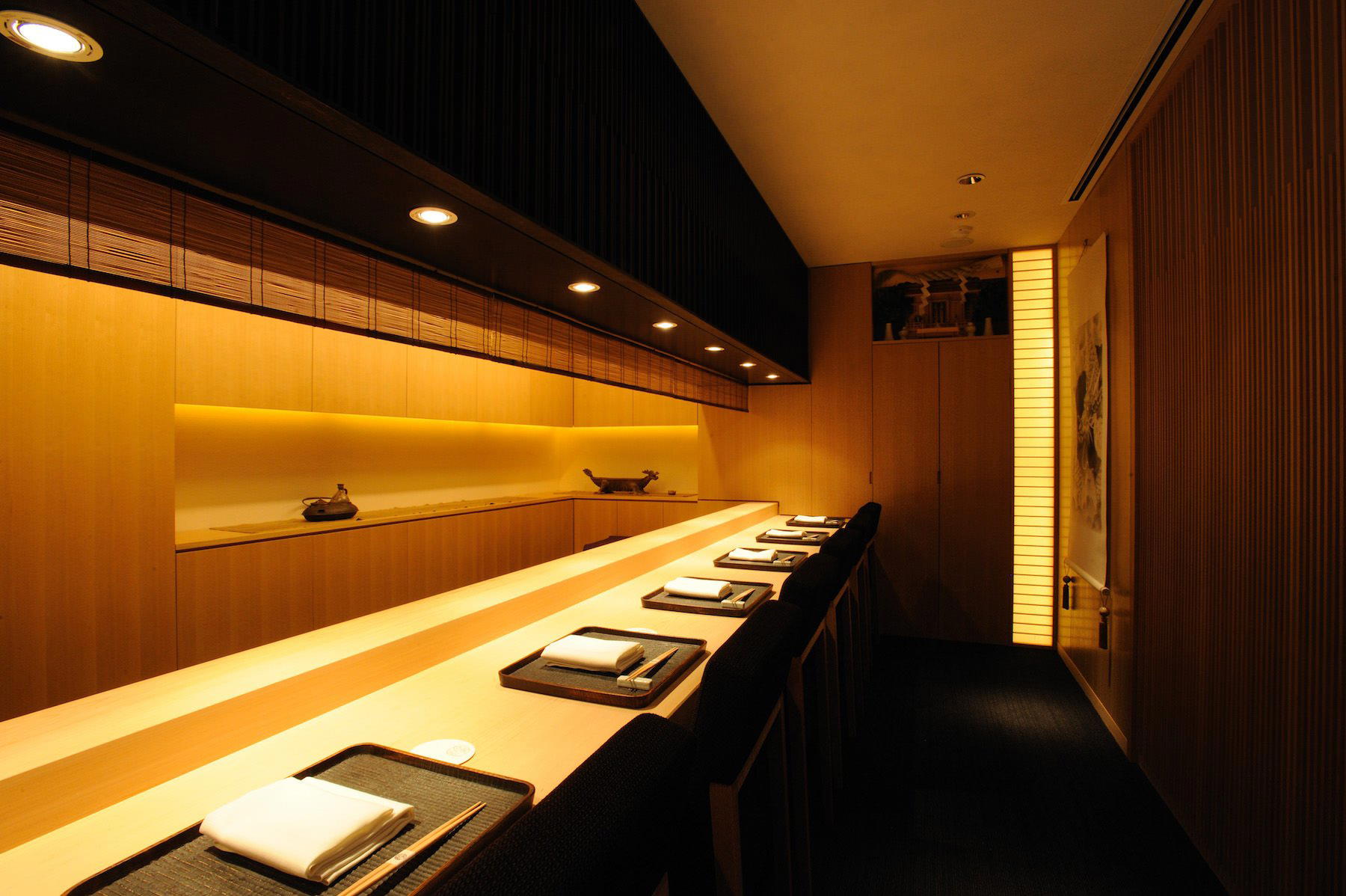
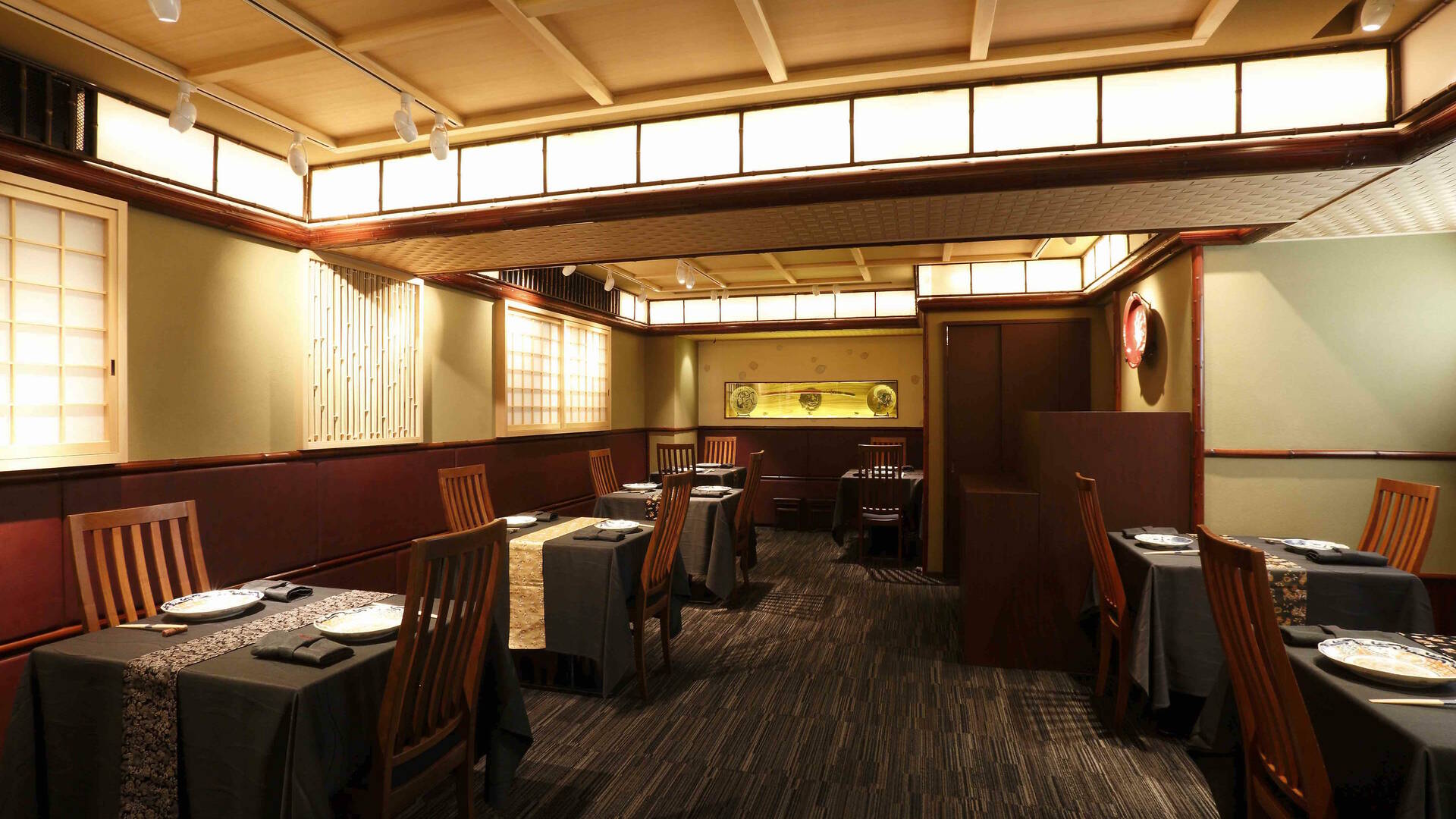
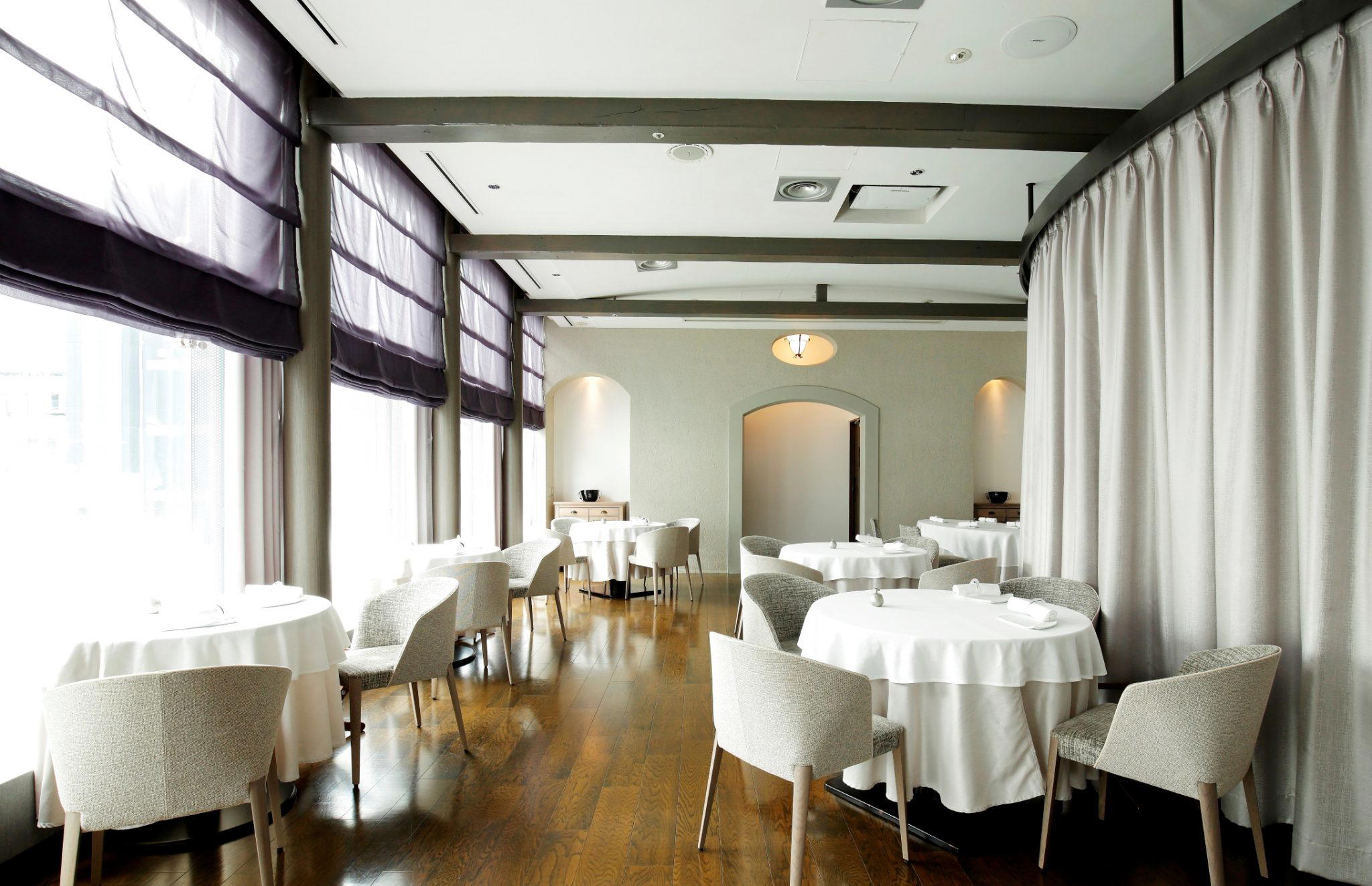
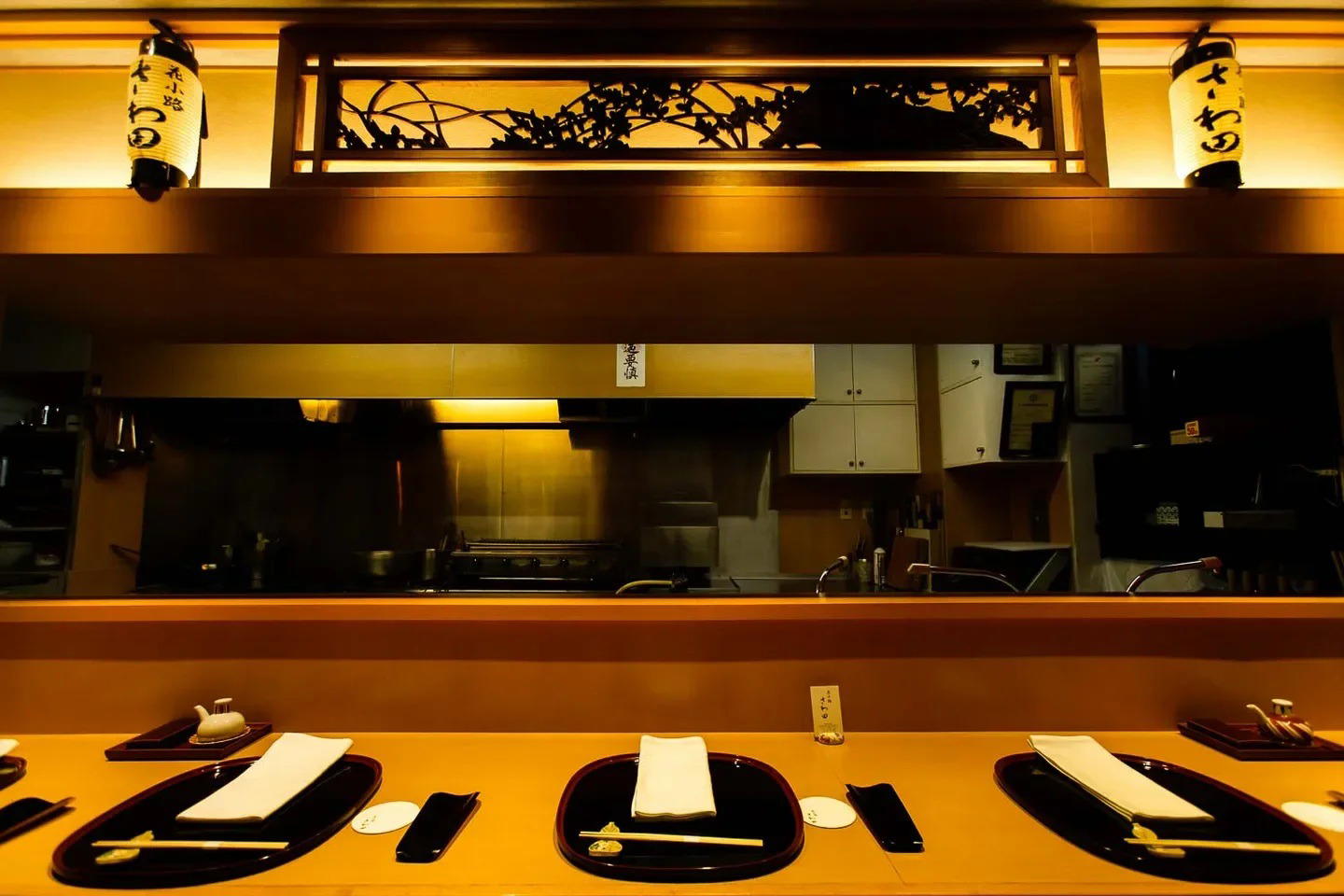
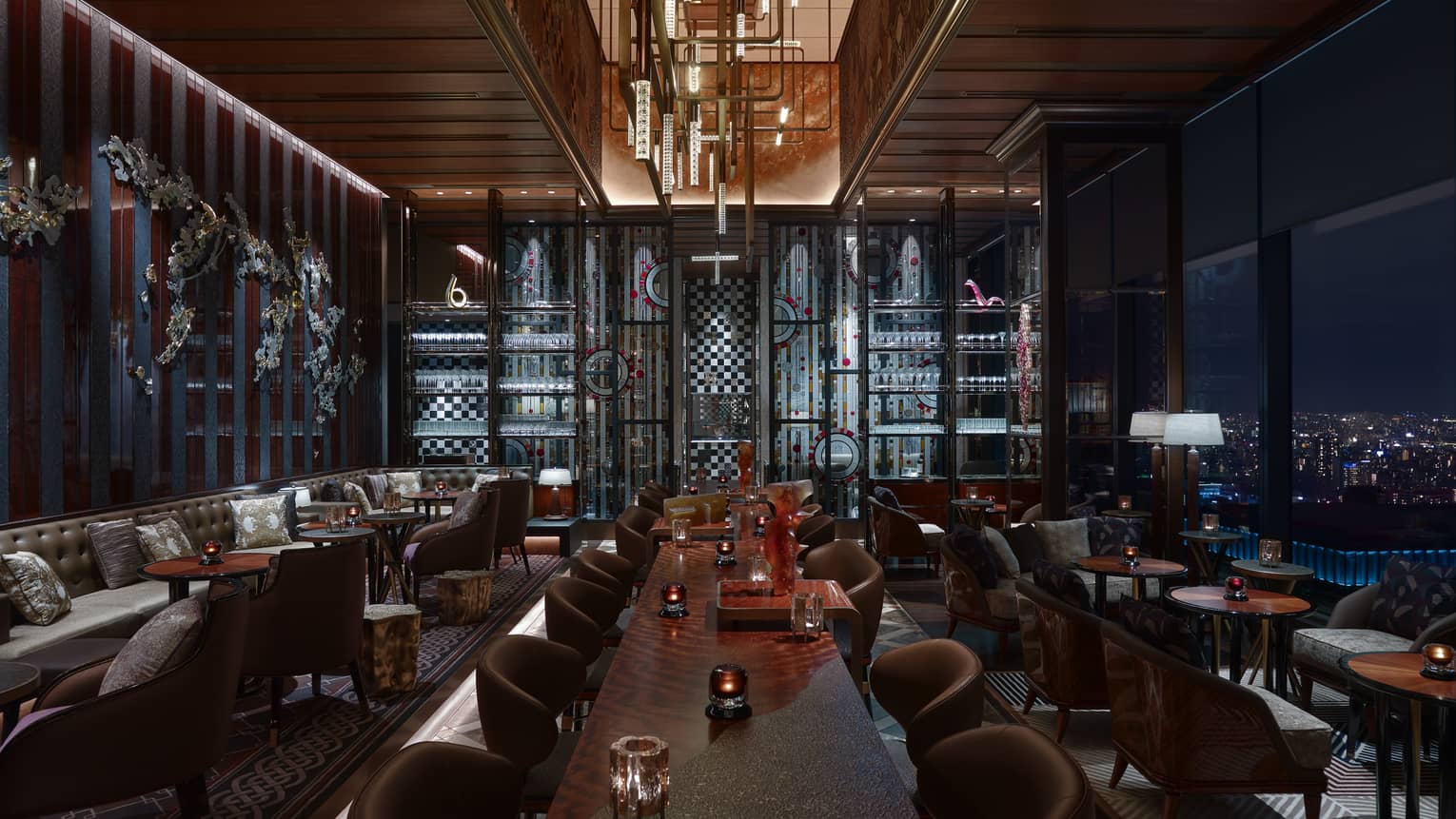
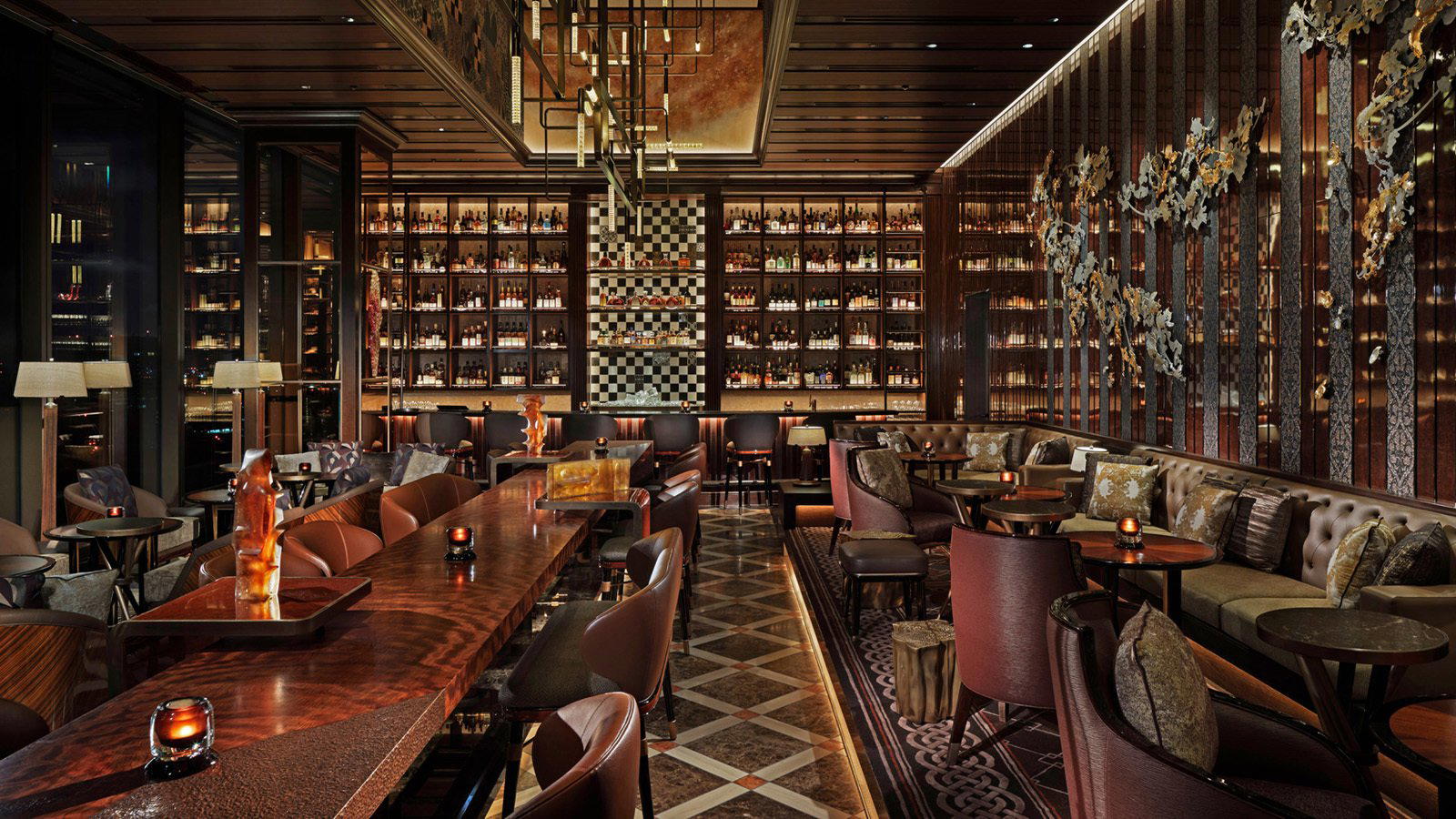
A small, stylish and relaxed pizza gallery with a modern, cozy interior; art-forward but unpretentious, where guests linger over slow-fermented, wood-fired pizzas and a seasonal course menu in a calm, conversational atmosphere.