Bistrot des Rosiers
A neighbourhood bistrot on Rue de Zurich, Bistrot des Rosiers sits within Strasbourg's broader tradition of Alsatian hospitality: hearty, regional, and rooted in produce rather than performance. It occupies the quieter end of the city's dining register, where the cooking is expected to do the talking without the scaffolding of a formal tasting menu or a celebrated kitchen lineage.
Pearl is the En Primeur Club membership app — saves, bookings, and concierge access live there. Same editors, same standards.
- Address
- 68 Rue de Zurich, 67000 Strasbourg, France
- Phone
- +33365671948
- Website
- bookings.zenchef.com
- Directions
- Get directions
 Saves & bookings on Pearl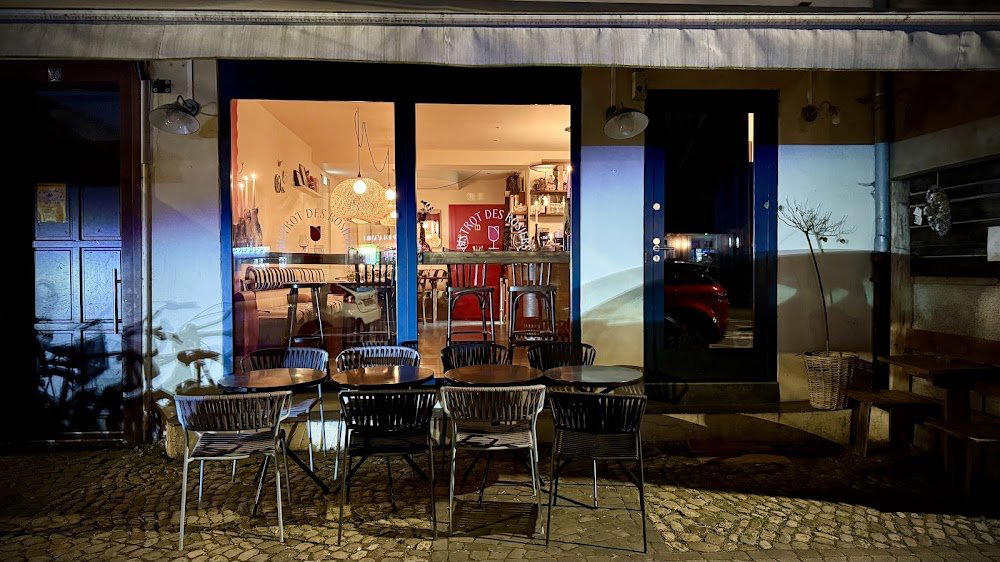
Where Strasbourg Keeps Its Everyday Appetite
Rue de Zurich runs through a residential stretch of Strasbourg that most visitors walk past on their way to the cathedral quarter or the canal-laced lanes of Petite France. That geography matters. The bistrot tradition in Alsace has always operated at two registers: the grand maisons that carry the region's formal prestige, and the neighbourhood rooms where locals eat without ceremony. Bistrot des Rosiers belongs to the second category, and the distinction is worth understanding before you visit.
In Strasbourg, the formal register runs from rooms like Au Crocodile to destination addresses such as 1741 and the creative programs at de:ja. Below that tier, at Les Funambules and Umami, the approach shifts toward the personal and the modern. Bistrot des Rosiers occupies a different slot again: the kind of address that predates tasting-menu culture entirely, where the room is small, the menu is short, and the cooking is framed by whatever makes sense that week in Alsace.
Reading the Menu as an Editorial Document
In French bistrot cooking, the menu is not merely a list of options. It is an argument: for a season, a region, a way of spending an evening. A well-considered bistrot menu in Alsace will typically position choucroute garnie not as a rustic fallback but as the dish around which everything else is calibrated. The sourness of fermented cabbage, the weight of pork across its various cuts, the quiet support of Riesling in the braising liquid, these elements constitute a structural logic that a kitchen either commits to or softens for outside tastes.
Alsatian bistrot menus of this type tend to be short by design. Four or five starters, a similar count of mains, two or three desserts. That compression is deliberate. It signals a kitchen working with a small team and a tight supply relationship rather than a large brigade cycling through a modernist rotation. When Flocons de Sel in Megève or Mirazur in Menton offer long tasting sequences, they are doing something fundamentally different: building an argument through accumulation. The bistrot argument is built through subtraction, through what is left off the menu as much as what appears on it.
At an address like Bistrot des Rosiers, the practical consequence of that compression is that the menu changes with supply. Diners who visit in autumn will encounter game preparations and mushroom-driven starters that disappear entirely by spring. This is not a novelty positioning; it is simply how kitchens of this size have always operated in the region. The broader French tradition that runs from Troisgros in Ouches through Bras in Laguiole to Auberge de l'Ill in Illhaeusern is one of seasonal attentiveness, and the bistrot is its most compressed expression.
The Alsatian Frame and Its Demands
Strasbourg sits at the intersection of French culinary instinct and German structural influence, and that duality shows up in the food. Alsatian kitchens tend to cook heavier than their counterparts in Lyon or Bordeaux: more pork, more cream, more sauerkraut, more baeckeoffe. This is not a limitation but a character, one that institutions like Paul Bocuse's Auberge du Pont de Collonges and Georges Blanc in Vonnas handle through classical French technique applied to richer regional materials.
At the neighbourhood bistrot level, that character is less filtered. The cooking is not trying to reconcile the regional with the national; it is simply Alsatian, which means the wine list will lean on local Rieslings and Pinot Gris rather than anything from Burgundy, and the bread basket will likely include a pretzel alongside the baguette. These are not details, they are the operating premise of the room.
For comparison, consider the distance between what the restaurant represents and what you would encounter at Alléno Paris au Pavillon Ledoyen or Les Prés d'Eugénie in Eugénie-les-Bains. Those rooms are about French cuisine as an architecture of ideas. A Strasbourg bistrot is about French cuisine as a function of place and season. Neither position is superior; they serve different reading of what dinner is for.
Strasbourg Without the Stage Design
Part of what makes a room like this worth finding is the absence of the apparatus that surrounds destination dining. There is no sommelier theatre, no amuse-bouche sequence, no printed menu biography of the chef. The room at Rue de Zurich operates in the way that Strasbourg's neighbourhood dining has always operated: a modest physical space, tables close enough to hear the conversation at the next one, and cooking that does not feel the need to explain itself.
That register is increasingly rare in French cities. As tasting menus have multiplied and even mid-tier rooms have adopted modernist plating conventions, the plain bistrot has contracted. In Paris, genuine neighbourhood rooms of this type now sit primarily in the outer arrondissements. In Strasbourg, the survival of the form into the present city is worth noting. It is not nostalgia; it is a specific dining offer that the formal rooms in the city, however accomplished, cannot replicate.
Diners comfortable with La Table du Castellet or the technical ambition of Le Bernardin in New York or Lazy Bear in San Francisco will find the restaurant a different proposition entirely, which is precisely the point. The bistrot is the format that those institutions consciously departed from. Returning to it requires a recalibration of expectation, and that recalibration is usually one interesting part of the meal.
Planning Your Visit
The restaurant is at 68 Rue de Zurich in the southern residential band of Strasbourg, away from the tourist-facing centre. That location implies a local clientele and, practically, means you will not stumble across it.
Recognition Snapshot
Comparable venues nearby, for context on price, style, and recognition.
| Venue | Cuisine | Price | Notes |
|---|---|---|---|
| Bistrot des RosiersThis venue — the venue you are viewing | Seasonal French Neo-Bistro | $$ | Not listed |
| Muensterstuewel | Traditional Alsatian Winstub | $$ | Centre |
| Au Brasseur | Traditional Alsatian Brasserie | $$ | Centre |
| Madeleine | Modern Alsatian-Breton Bistro | $$ | Bourse-Esplanade-Krutenau |
| Honesty | Contemporary French Gastropub | $$$ | Centre |
| Le Bistrot d'Antoine | Traditional French Bistro | $$ | Centre |
Continue exploring
More in Strasbourg
Restaurants in Strasbourg
Browse all →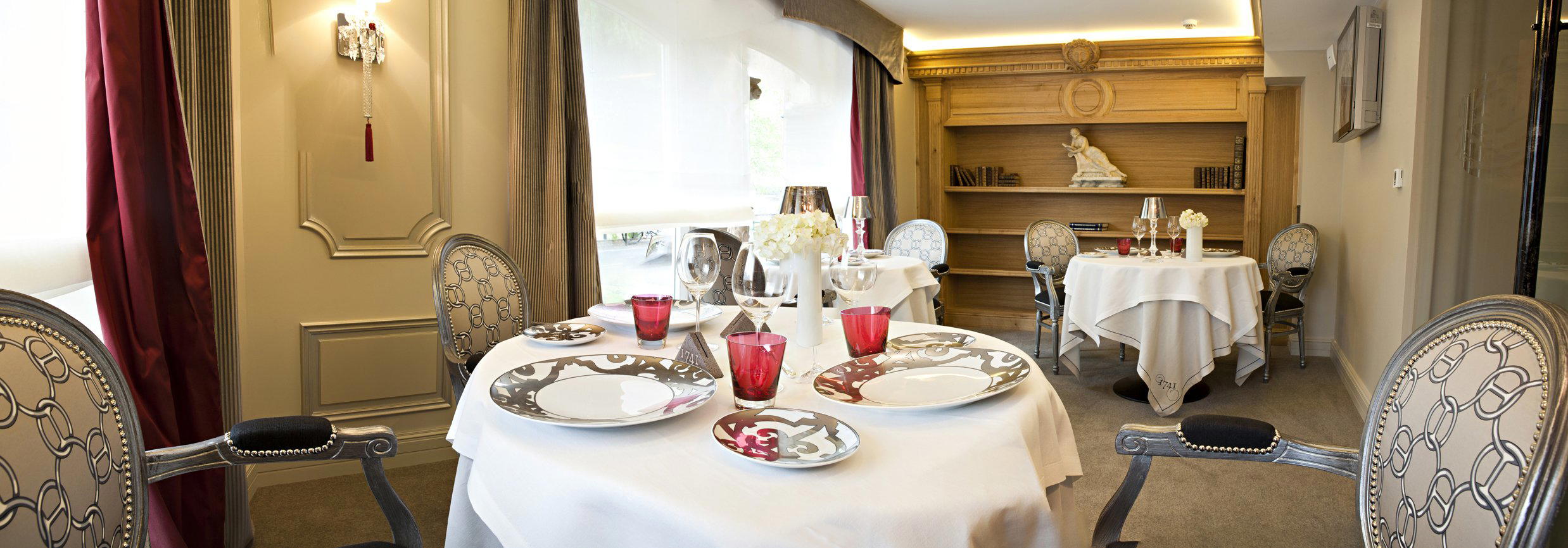

Bars in Strasbourg
Browse all →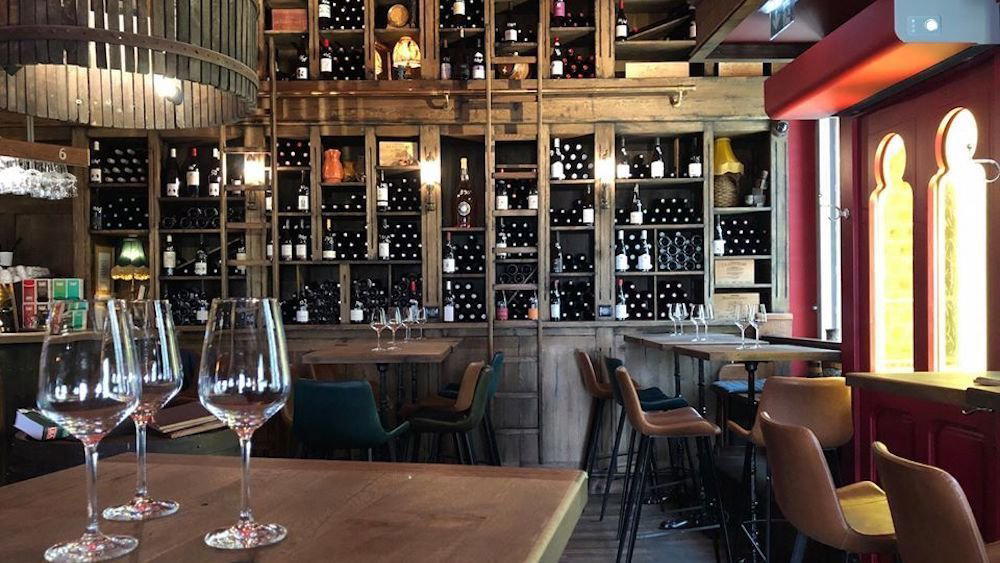


Hotels in Strasbourg
Browse all →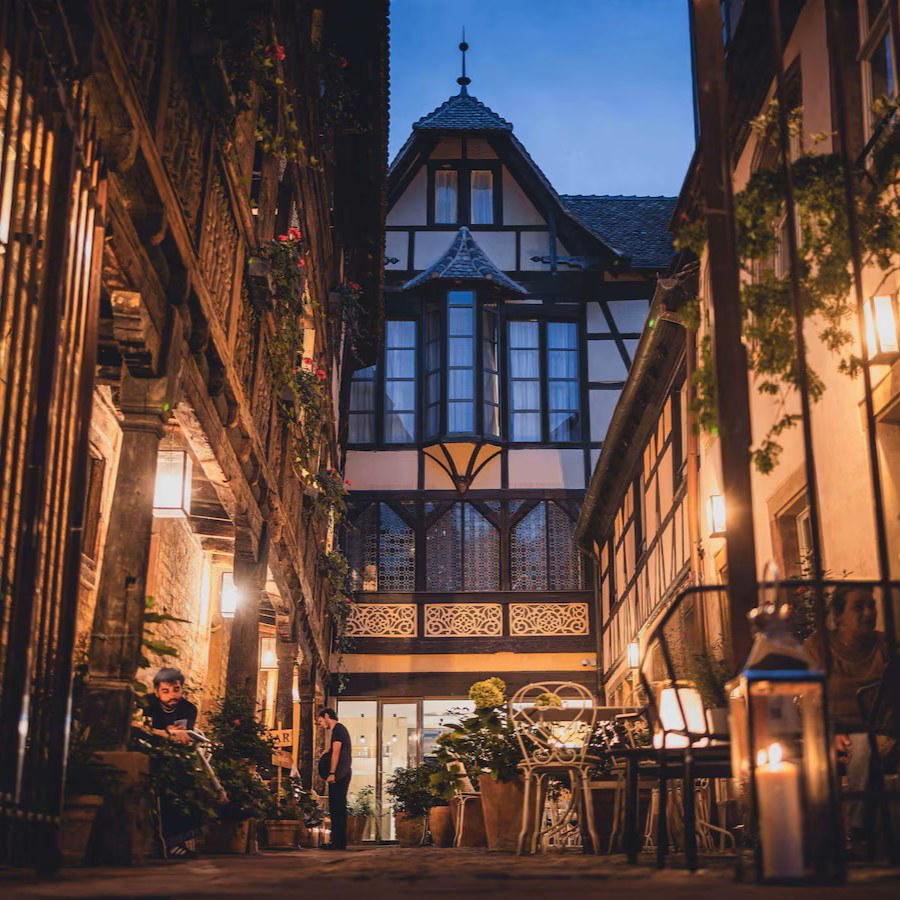
At a Glance
- Cozy
- Rustic
- Bohemian
- Intimate
- Date Night
- Casual Hangout
- Terrace
- Natural Wine
- Local Sourcing
- Street Scene
Current opening hours
- Monday
- 12–3 PM
- Tuesday
- 12–3 PM
- Wednesday
- 12–3 PM
- Thursday
- 12–3 PM, 7–11:30 PM
- Friday
- 12–3 PM, 7–11:30 PM
- Saturday
- Closed
- Sunday
- Closed
Hours can change for holidays and private events. Last verified .
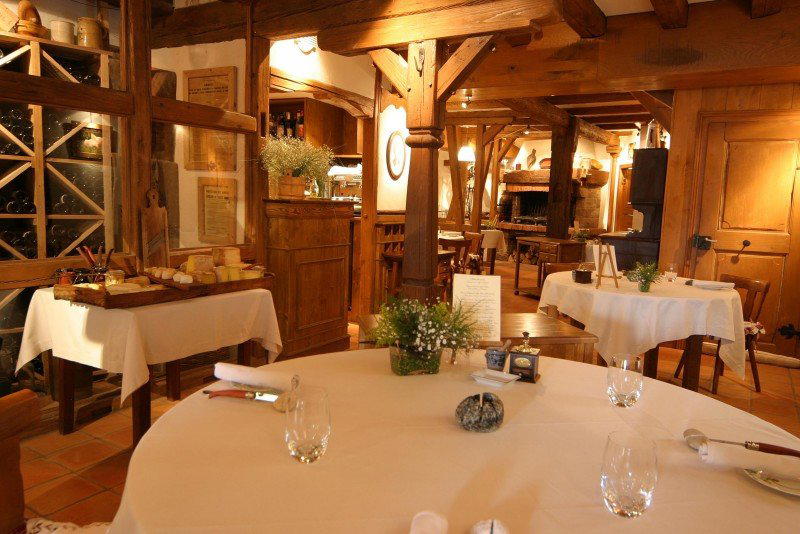
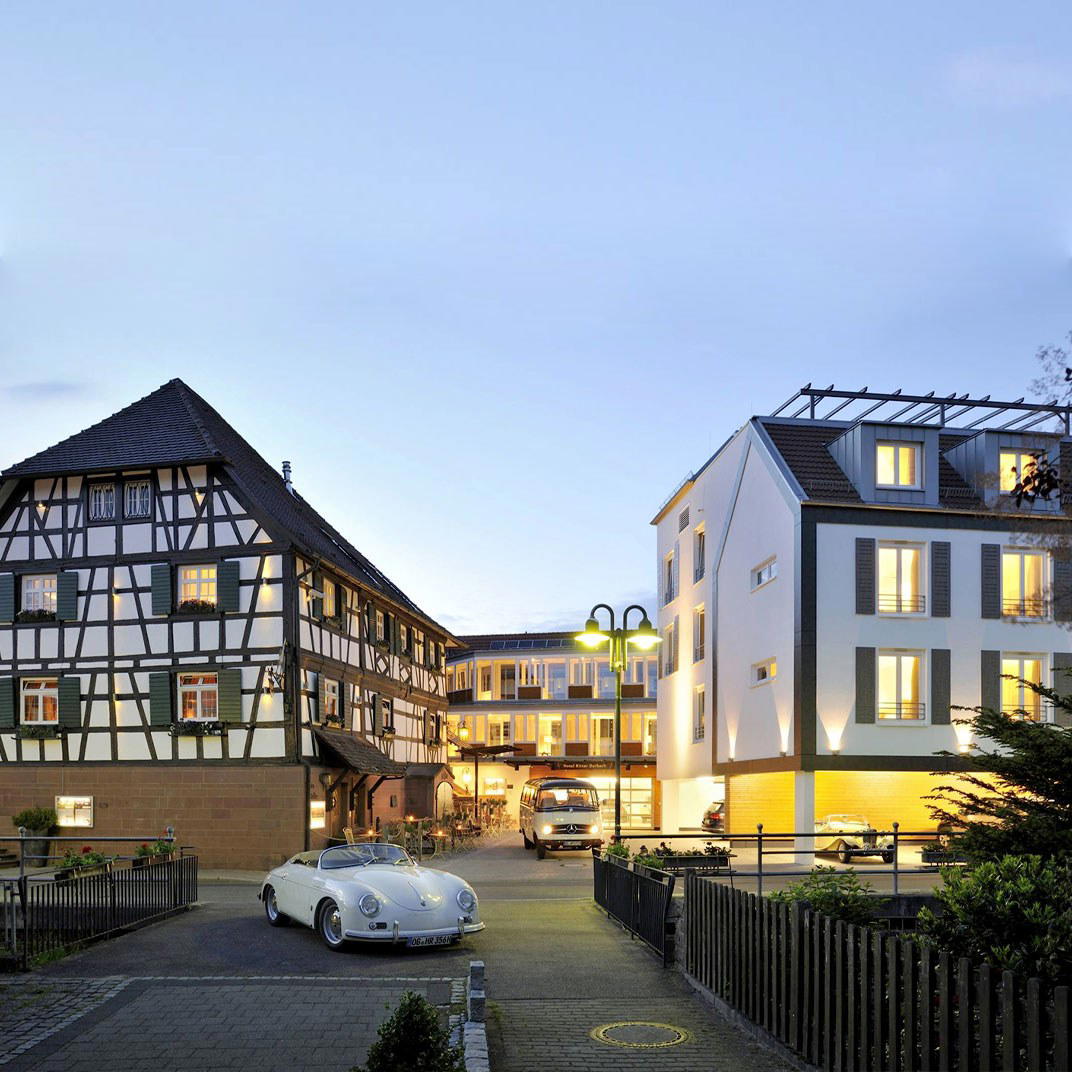
Charming space with vintage furniture, small flower-covered terrace, minimalist bohemian style, and attentive service creating a cozy, convivial atmosphere.