Le Bistrot d'Antoine
Le Bistrot d'Antoine occupies a quiet address at 3 Rue de la Courtine in Strasbourg's old city, operating in the tradition of the Alsatian neighbourhood bistrot rather than the grander winstub circuit. The kitchen draws on regional ingredients and classic French technique, positioning it closer to the everyday end of Strasbourg's mid-range dining tier than the tasting-menu houses nearby. Book ahead, particularly for weekend dinner service.
Pearl is the En Primeur Club membership app — saves, bookings, and concierge access live there. Same editors, same standards.
- Address
- 3 Rue de la Courtine, 67000 Strasbourg, France
- Phone
- +33390249325
- Website
- lebistrotdantoine.com
- Directions
- Get directions
 Saves & bookings on Pearl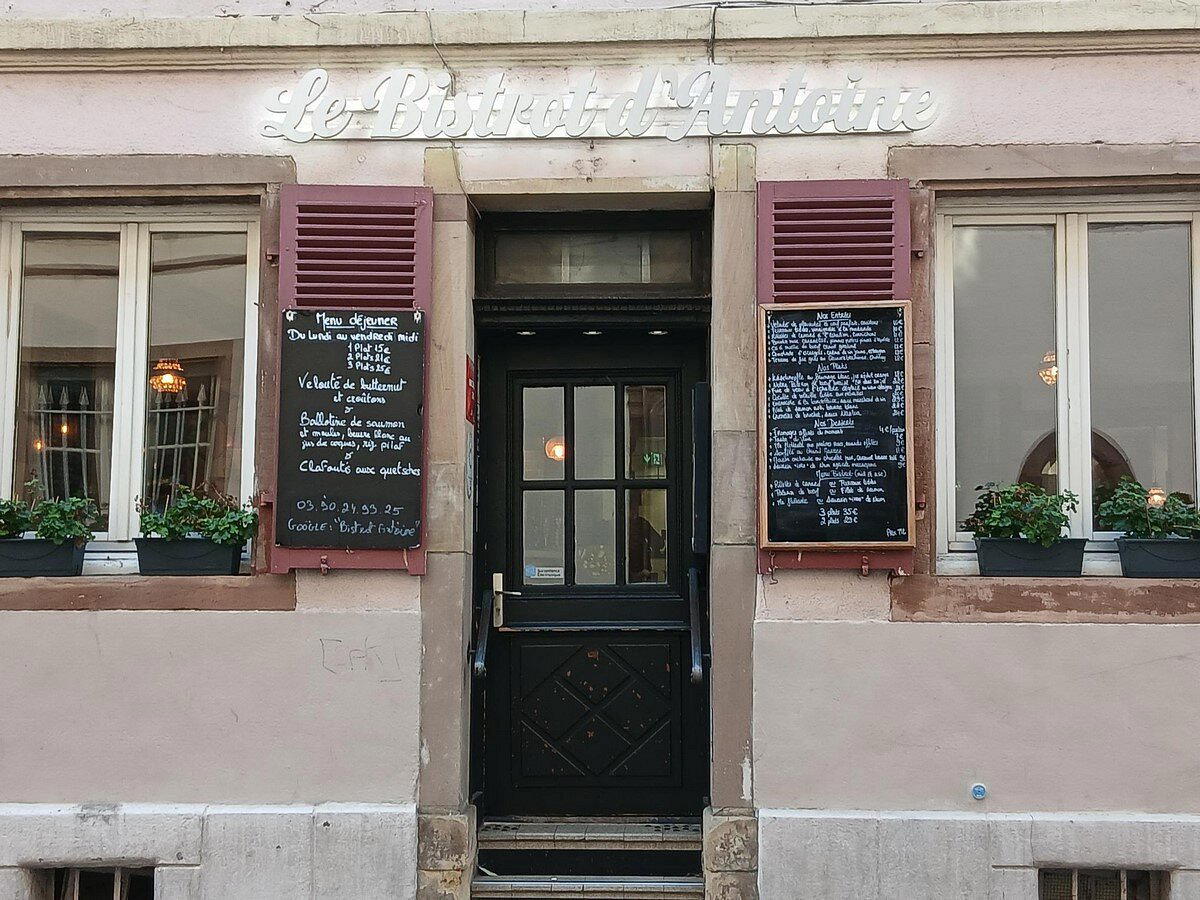
Where the Bistrot Tradition Still Holds
Strasbourg's dining scene divides more cleanly than most French cities of its size. At the leading sit the tasting-menu restaurants, several of them in the €€€€ bracket: Au Crocodile, 1741, and de:ja all belong to that upper tier, where the format is fixed, the pacing is deliberate, and the bill lands north of what most locals spend on a Tuesday. Below that, and much harder to do well, is the honest bistrot: a shorter menu, a market-driven rotation, and a room that expects to turn tables without theatre. Le Bistrot d'Antoine at 3 Rue de la Courtine operates in that second category. It is not competing with Michelin-starred neighbours on ambition; it is competing on consistency, which is a different and more demanding test.
That context matters because Strasbourg has a real tradition of the neighbourhood address that outlasts trends. The winstub culture, with its tartes flambées, choucroute, and communal benches, has sustained the city's culinary identity for generations. The bistrot sits one register above that, a little more considered in its sourcing and plating, but governed by the same logic: food that earns repeat custom rather than destination visits. Le Bistrot d'Antoine positions itself in that space, drawing from the same Alsatian larder while working in a French bistrot idiom rather than a strictly regional one.
Lunch and Dinner: Two Different Propositions
The lunch versus dinner divide is sharper at a bistrot than at any other format. At tasting-menu addresses like Les Funambules or Umami, the format is essentially fixed regardless of hour. The bistrot, by contrast, tends to run a leaner midday service built around a plat du jour or a short formule, and a more expansive evening carte that invites slower eating and a second glass of Alsatian Pinot Gris.
At Le Bistrot d'Antoine, daytime service reflects the working rhythms of the neighbourhood. The crowd at lunch skews local and purposeful: people who want a proper plate and a glass of wine without committing two hours. The value equation at lunch in this tier of Strasbourg dining is generally sharper than at dinner, with formule pricing that brings the per-head spend closer to €20-30 than the €40-60 range that evening à la carte tends to produce in comparable houses. That gap is worth factoring into how you plan your visit.
Evening shifts the mood. The room has more time to breathe; the kitchen has latitude to run dishes that require longer preparation, and the wine order tends to extend beyond a single glass. For first-time visitors to Strasbourg who want to understand the city's mid-market dining character without the formality of a tasting menu, a weeknight dinner at a bistrot like this one is a more instructive experience than a weekend lunch. The pace is unhurried in a way that reveals whether the kitchen actually has a point of view.
The Alsatian Kitchen at Mid-Range
Alsatian cuisine operates on a logic that rewards the bistrot format more than most French regional traditions. The larder is generous: charcuterie from the Vosges foothills, freshwater fish from the Rhine plain, riesling and pinot gris from vineyards thirty minutes south, and a dairy tradition that gives the region its characteristic richness. A kitchen that sources well and applies sound French technique does not need to reach for complexity to produce food worth eating. The risk in this tier is complacency, a menu that stops changing because the regulars are happy with what they know.
The broader French bistrot revival of the past decade, visible in Paris and in provincial cities alike, has re-established that the format requires genuine kitchen discipline. Houses like Paul Bocuse's Auberge du Pont de Collonges and the more restrained tradition represented by Auberge de l'Ill in nearby Illhaeusern have long demonstrated what classical French-Alsatian cooking looks like at its most considered. The bistrot borrows from that tradition without the ceremony, which means the technique has to carry the room on its own terms. Strasbourg's position on the Franco-German border adds a further dimension: the leading kitchens in this city do not treat their regional identity as a constraint but as a competitive advantage, and the bistrot format is where that identity is most naturally expressed.
Placing Le Bistrot d'Antoine in the Strasbourg Tier
Strasbourg's mid-range dining tier sits between the winstub circuit and the €€€€ tasting-menu houses, and it is more thinly populated than the city's reputation might suggest. Several addresses in this space have closed or repositioned upward over the past five years, a pattern visible in French provincial cities generally as labour costs and post-pandemic overheads have made the middle of the market harder to sustain. The restaurants that have held in this tier tend to do so through a combination of loyal local clientele, disciplined food costs, and a refusal to chase the tasting-menu format that currently attracts critical attention.
The restaurant, at its address on Rue de la Courtine in the historic centre, operates with the neighbourhood proximity that sustains this kind of house. The old city's density means regulars can walk rather than plan an evening around a taxi, and the address is accessible from the main tourist corridors without sitting directly on them, which keeps the room from tipping into the tourist-trap dynamics that affect some winstubs closer to the cathedral. For context on how Strasbourg's dining tier compares to the broader French scene, the city sits a register below the three-star concentration you find around Lyon or along the Troisgros belt in the Loire, and considerably below the density of recognition available to restaurants like Mirazur in Menton or Alléno Paris au Pavillon Ledoyen. That is not a criticism of the city; it reflects Strasbourg's role as a regional capital with a strong local dining culture rather than a destination-dining circuit built on international draw.
Planning Your Visit
The restaurant is at 3 Rue de la Courtine, 67000 Strasbourg, in the city's historic core, walkable from the cathedral and the main tram lines. For dinner, particularly on Fridays and Saturdays, booking ahead is advisable; weekday lunch typically offers more flexibility. The practical advice that applies to most Strasbourg bistrots applies here: arrive at the posted opening rather than an hour in, and plan for a full two hours at dinner if you want to eat at the room's natural pace rather than compress it.
Cuisine Lens
Comparable venues nearby, for context on price, style, and recognition.
| Venue | Cuisine | Price | Notes |
|---|---|---|---|
| Le Bistrot d'AntoineThis venue — the venue you are viewing | Traditional French Bistro | $$ | Not listed |
| Au Brasseur | Traditional Alsatian Brasserie | $$ | Centre |
| La Table de Christophe | French Bistronomique | $$ | Centre |
| Pfifferbriader | Traditional Alsatian Winstub | $$ | Centre |
| Zuem Strissel | Traditional Alsatian Winstub | $$ | Centre |
| Bistrot des Rosiers | Seasonal French Neo-Bistro | $$ | Bourse-Esplanade-Krutenau |
Continue exploring
More in Strasbourg
Restaurants in Strasbourg
Browse all →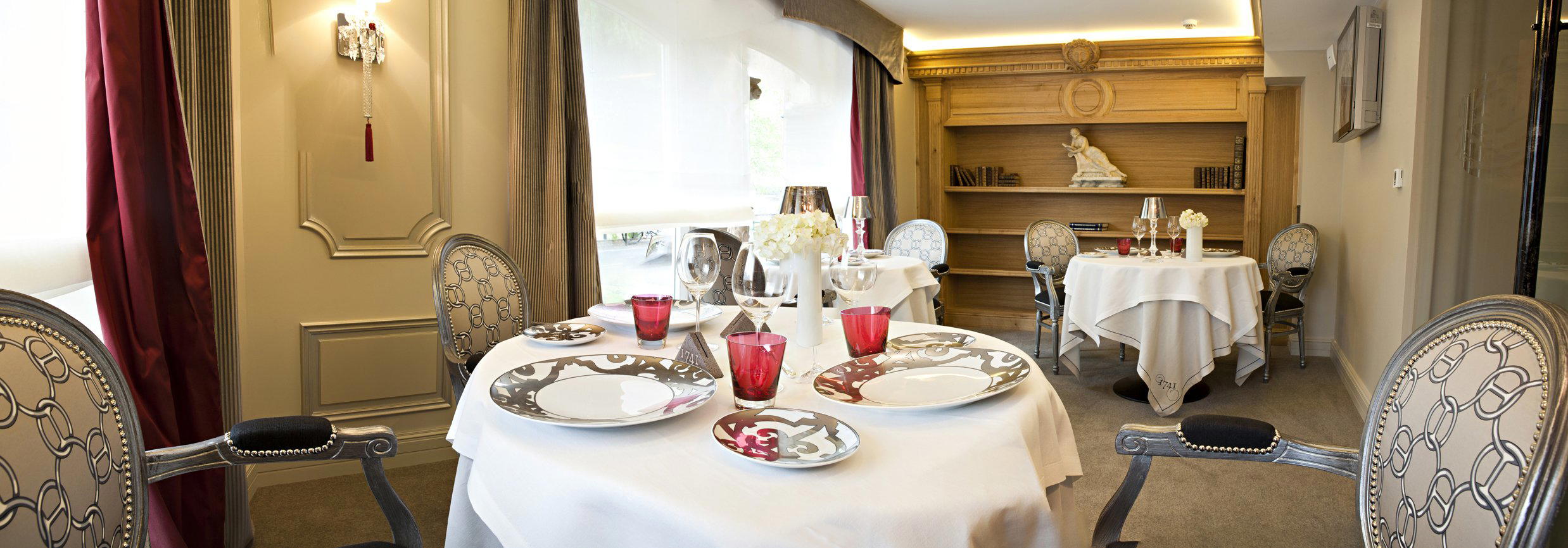

Bars in Strasbourg
Browse all →


Hotels in Strasbourg
Browse all →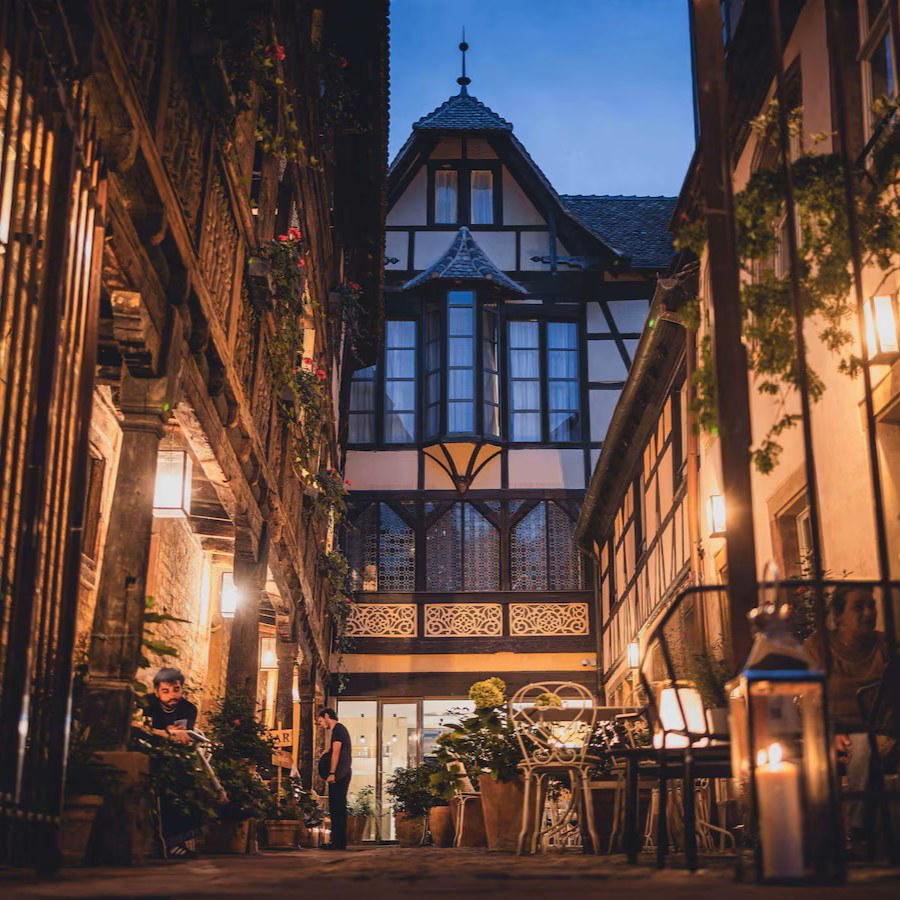
At a Glance
- Cozy
- Classic
- Intimate
- Date Night
- Casual Hangout
- Historic Building
- Local Sourcing
Current opening hours
- Monday
- 12–2:30 PM, 7–10:30 PM
- Tuesday
- 12–2:30 PM, 7–10:30 PM
- Wednesday
- 12–2:30 PM, 7–10:30 PM
- Thursday
- 12–2:30 PM, 7–10:30 PM
- Friday
- 12–2:30 PM, 7–10:30 PM
- Saturday
- 12–2:30 PM, 7–10:30 PM
- Sunday
- 12–2:30 PM, 7–10:30 PM
Hours can change for holidays and private events. Last verified .
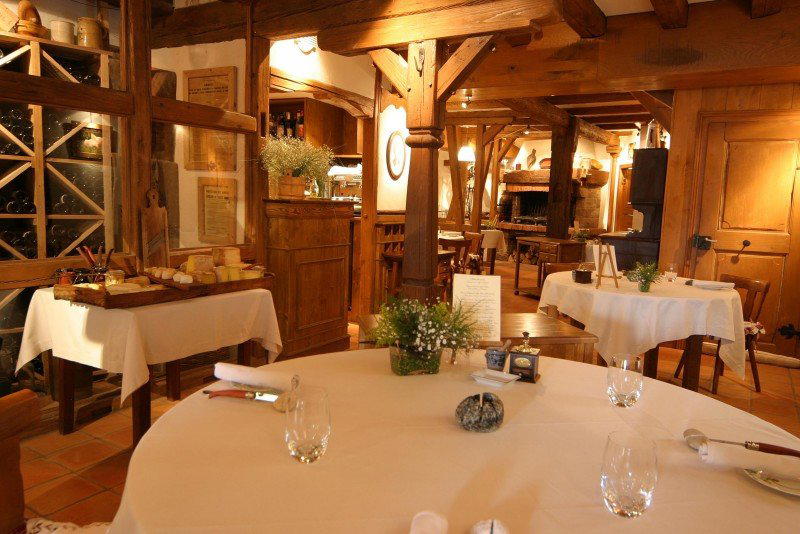
Warm, convivial, and intimate atmosphere with historic walls, creating a cozy neighborhood bistro feel where guests feel at home.