
La Retasca serves Traditional Madrid Tavern Tapas on C. de Ibiza in Retiro, with calamari sandwich and Tortilla Capel on the menu and a 2026 Macarfi 6.8 Food Rating.
Pearl is the En Primeur Club membership app — saves, bookings, and concierge access live there. Same editors, same standards.
- Address
- C. de Ibiza, 38, Retiro, 28009 Madrid, Spain
- Phone
- +34910607230
- Website
- laretasca.com
- Directions
- Get directions
 Saves & bookings on Pearl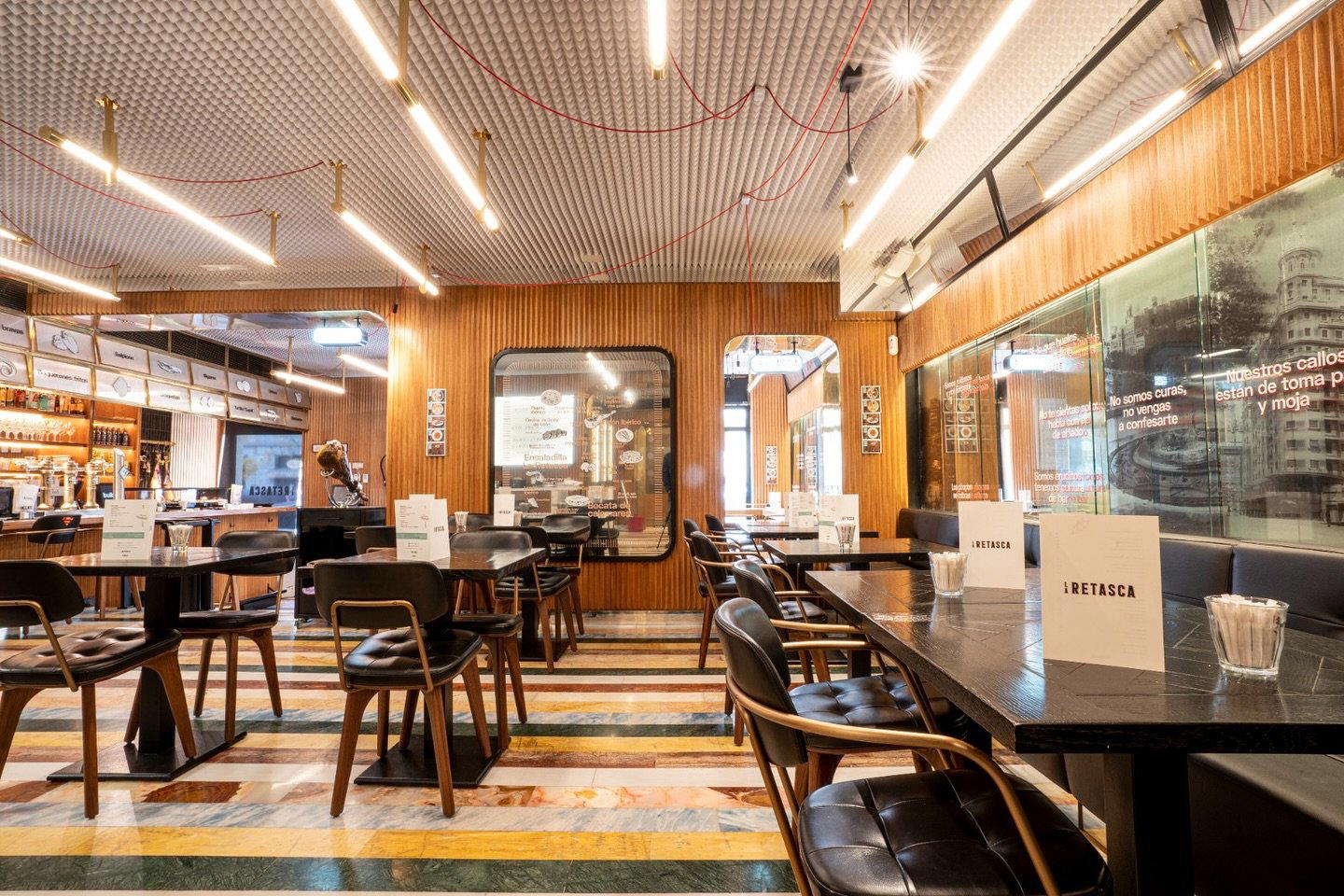
La Retasca is a restaurant in Madrid's Retiro district, serving Traditional Madrid Tavern Tapas at about $35 per person. Calle de Ibiza cuts through the Retiro district with the quiet confidence of a neighbourhood that has never needed to announce itself. The streets here are wide enough for afternoon shade, the buildings hold their pre-war proportion, and the restaurants that survive more than a season do so on the loyalty of residents rather than the churn of tourism. La Retasca sits in this context: a Retiro address that places it closer to the Sunday market crowd at El Rastro's northern edge and the families circling the park than to the tasting-menu circuit concentrated further northwest around Castellana. That geography shapes expectations before a dish arrives.
Retiro's Dining Register
Madrid's restaurant map has a pronounced centre of gravity. The three-Michelin-star tier clusters around specific postcodes: DiverXO operates at the far end of the creative spectrum in its own gravity field, while Coque, Deessa, DSTAgE, and Paco Roncero anchor a belt of high-technique, high-investment dining in the centre and north. Retiro's eating culture is different in register: neighbourhood-scaled, oriented toward the traditions of Spanish taberna and casa de comidas, and less interested in the performance of the tasting menu as a format. Restaurants here earn their standing through repetition and consistency over years, not through a single season of critical attention.
That mode of earning credibility aligns naturally with sustainability-conscious approaches to sourcing and kitchen practice. When a restaurant's reputation is built on return visits from the same postcodes, the relationship with suppliers becomes visible to regulars in ways it never would to a rotating tourist audience. Provenance claims are tested by people who shop the same markets. Seasonal menus are noticed when they shift. This accountability structure creates a different kind of pressure on kitchens than the awards circuit does. For the broader Spanish dining conversation around ethics and sourcing, one reference point is Azurmendi in Larrabetzu, where environmental integration has been built into the physical structure of the restaurant itself. That is a different scale and investment, but the underlying principle, that a kitchen's relationship with its supply chain is an editorial statement, has filtered into smaller neighbourhood formats across the country.
The Sustainability Frame in Spanish Dining
Spain's most discussed environmentally conscious kitchens tend to operate at the tasting-menu end of the market. Aponiente in El Puerto de Santa María has made marine waste and overlooked species central to its three-Michelin-star identity. Mugaritz in Errenteria has long positioned foraging and natural process as conceptual tools. At the other end of the formality spectrum, neighbourhood restaurants in Madrid, Barcelona, and the Basque Country have quietly maintained farm-direct sourcing and nose-to-tail approaches not as a marketing position but as the economic logic of running a tight kitchen. The Madrid taberna tradition has always depended on minimising waste: offal dishes, pulse-heavy stews, and preparations that transform secondary cuts into the core of a menu are structural features of cocina de aprovechamiento, the Spanish kitchen philosophy of using what you have fully before ordering more.
That tradition is worth foregrounding when reading any Retiro restaurant operating in the casa de comidas register. The ecological argument and the economic argument converge in the same cooking practices. El Celler de Can Roca in Girona has formalised this as an institutional commitment, publishing sourcing data and running documented sustainability programs alongside its three-star kitchen. For venues operating at neighbourhood scale, the practice predates the policy language.
Elsewhere in Spain, the sourcing-as-identity model has strong regional variants. Arzak in San Sebastián has maintained Basque producer relationships across generations. Ricard Camarena in València has built menus explicitly around the vegetable growers of the Valencian huerta. Quique Dacosta in Dénia works within the marine geography of the Costa Blanca. Each of these represents a formalised, high-visibility version of a sourcing relationship that smaller restaurants replicate at lower volume and without the awards infrastructure. Martin Berasategui in Lasarte-Oria and Cocina Hermanos Torres in Barcelona complete the picture of a Spanish fine dining tier where producer identity has become a standard credential. Atrio in Cáceres adds the Extremaduran producer network to that map.
What a Retiro Address Signals
Retiro is not a dining destination in the way that Chueca or Malasaña function. It draws fewer first-time visitors and more sustained local traffic. The implication for a restaurant on Calle de Ibiza is that its quality floor is tested more continuously and its format has to work for weekday lunches as reliably as for weekend evenings. Spanish lunch culture, with its menu del día structure, is an economic and cultural institution that functions as a daily quality audit in a way that dinner-only formats never face. Restaurants that maintain standing across both services, in a neighbourhood with high repeat-visit rates, are operating under conditions that reward consistency over spectacle.
For readers cross-referencing against the international fine dining tier, the contrast in format is useful: venues like Le Bernardin in New York City or Atomix in New York City operate in a single, premium-tier register with a single audience type. The neighbourhood taberna format in Madrid serves several audience types simultaneously, across price points, and that operational range is its own kind of discipline.
Know Before You Go
Planning Notes
- Address: C. de Ibiza, 38, Retiro, 28009 Madrid, Spain
- Neighbourhood: Retiro, east of the park, residential character
- Getting there: Ibiza metro station (Line 9) is one direct approach; the address sits within a short walk of the station exit
- Booking: Reservations are recommended
- Hours: Mon: 1 PM-12 AM; Tue: 1 PM-12 AM; Wed: 1 PM-12 AM; Thu: 1 PM-12 AM; Fri: 1 PM-12:30 AM; Sat: 12:30 PM-12 AM; Sun: 12:30 PM-12 AM
- Price range: About $35 per person
- Seasonal note: Madrid's summer heat shifts eating patterns significantly; many neighbourhood restaurants adjust lunch hours or close for August. Confirm directly before planning a July or August visit.
Nearby-ish Comparables
Comparable venues nearby, for context on price, style, and recognition.
| Venue | Cuisine | Price | Notes |
|---|---|---|---|
| La RetascaThis venue — the venue you are viewing | Traditional Madrid Tavern Tapas | $$ | Not listed |
| La Casa del Abuelo GOYA | Traditional Spanish Tapas | $$ | Recoletos |
| La Vanduca | Modern Spanish Mediterranean with Andalusian Touches | $$ | Recoletos |
| La Vaquería Montañesa | Traditional Spanish Mediterranean Market Cuisine | $$ | Almagro |
| Salamar | Spanish Seafood and Paella | $$ | Prosperidad |
| La Taberna de La Copla | Traditional Spanish Tapas | $$ | Malasana |
Recognition history
Dated appearances from independent guides and award organizations, with the underlying list record or original source where available.
Macarfi 6.8 Food Rating
Macarfi
Continue exploring
More in Madrid
Restaurants in Madrid
Browse all →
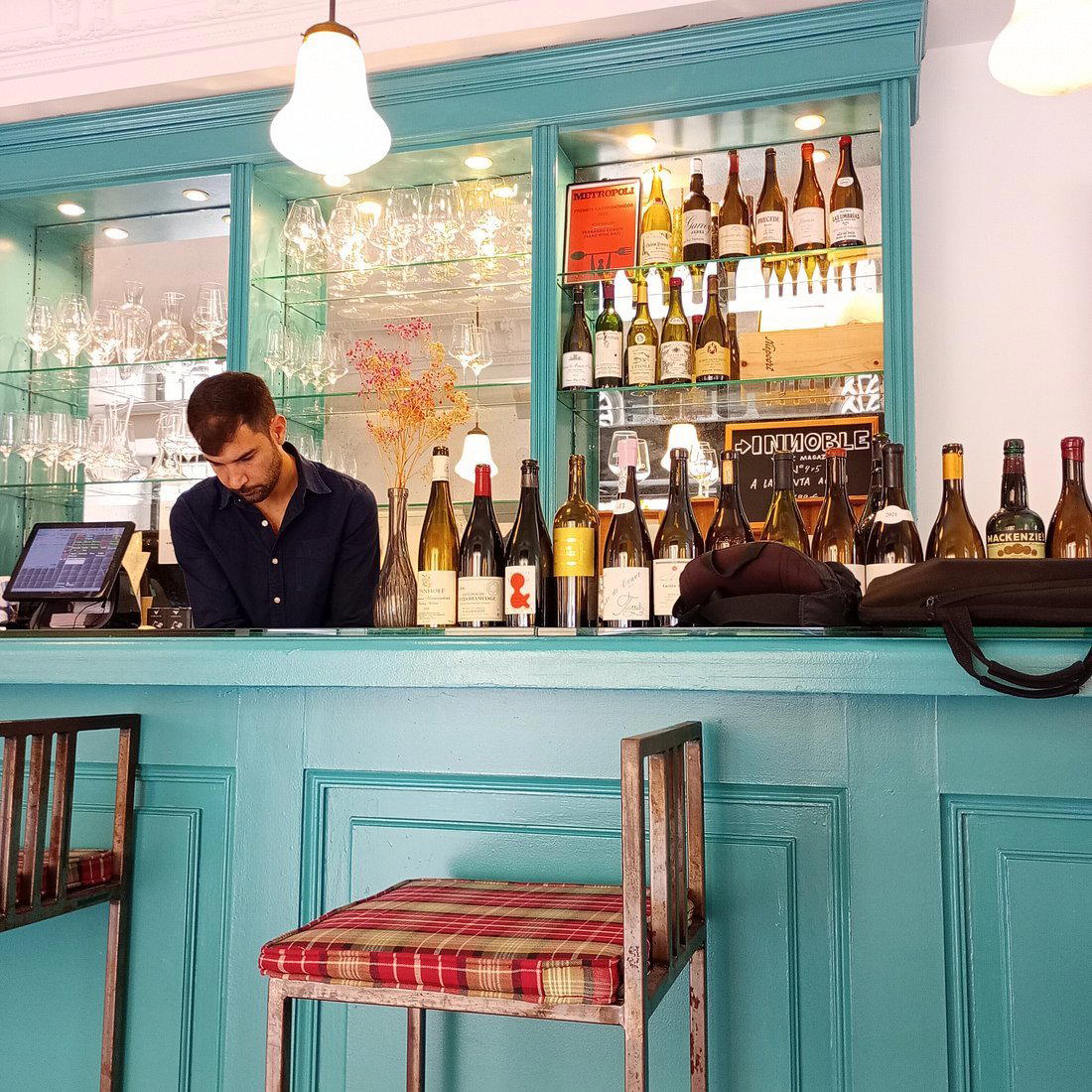
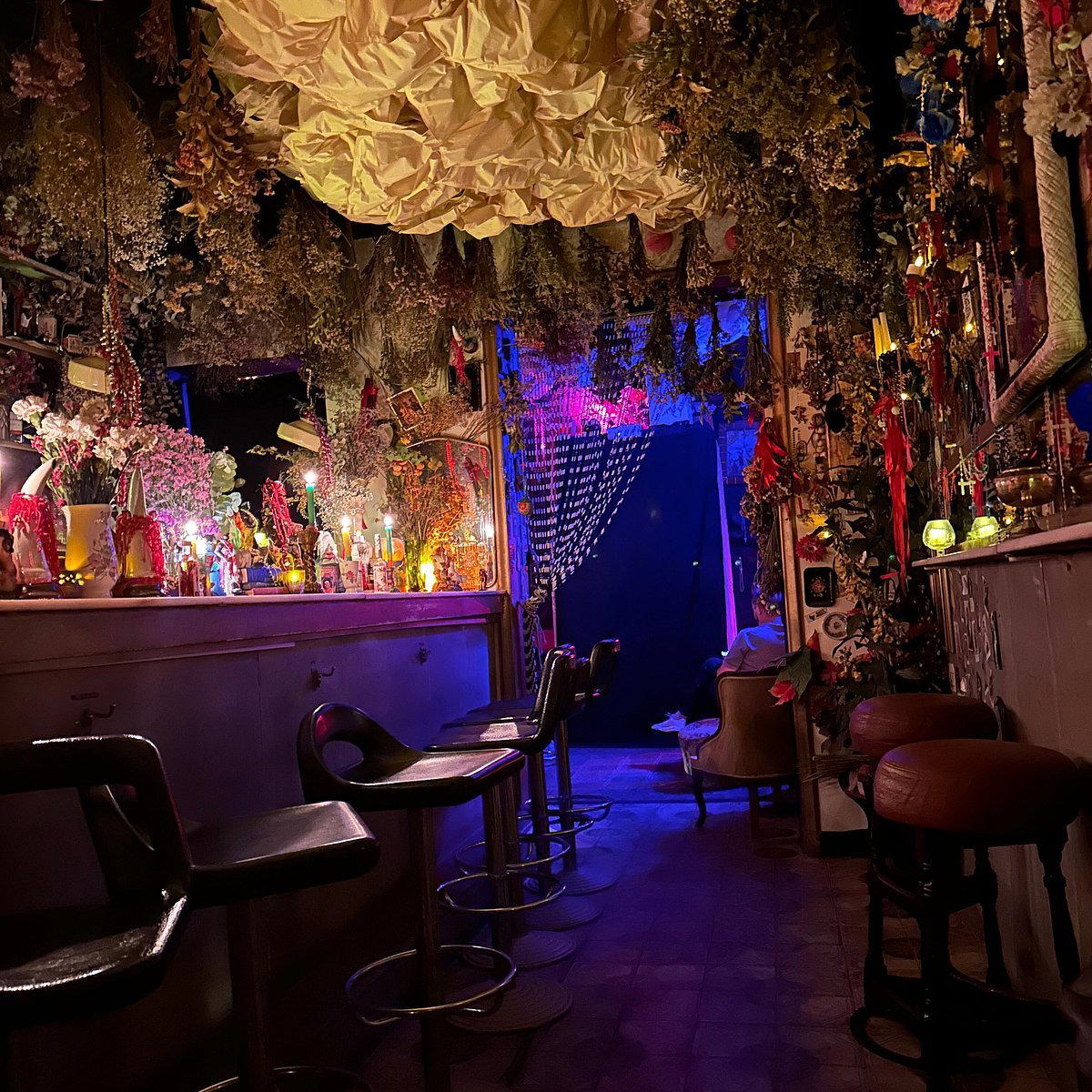
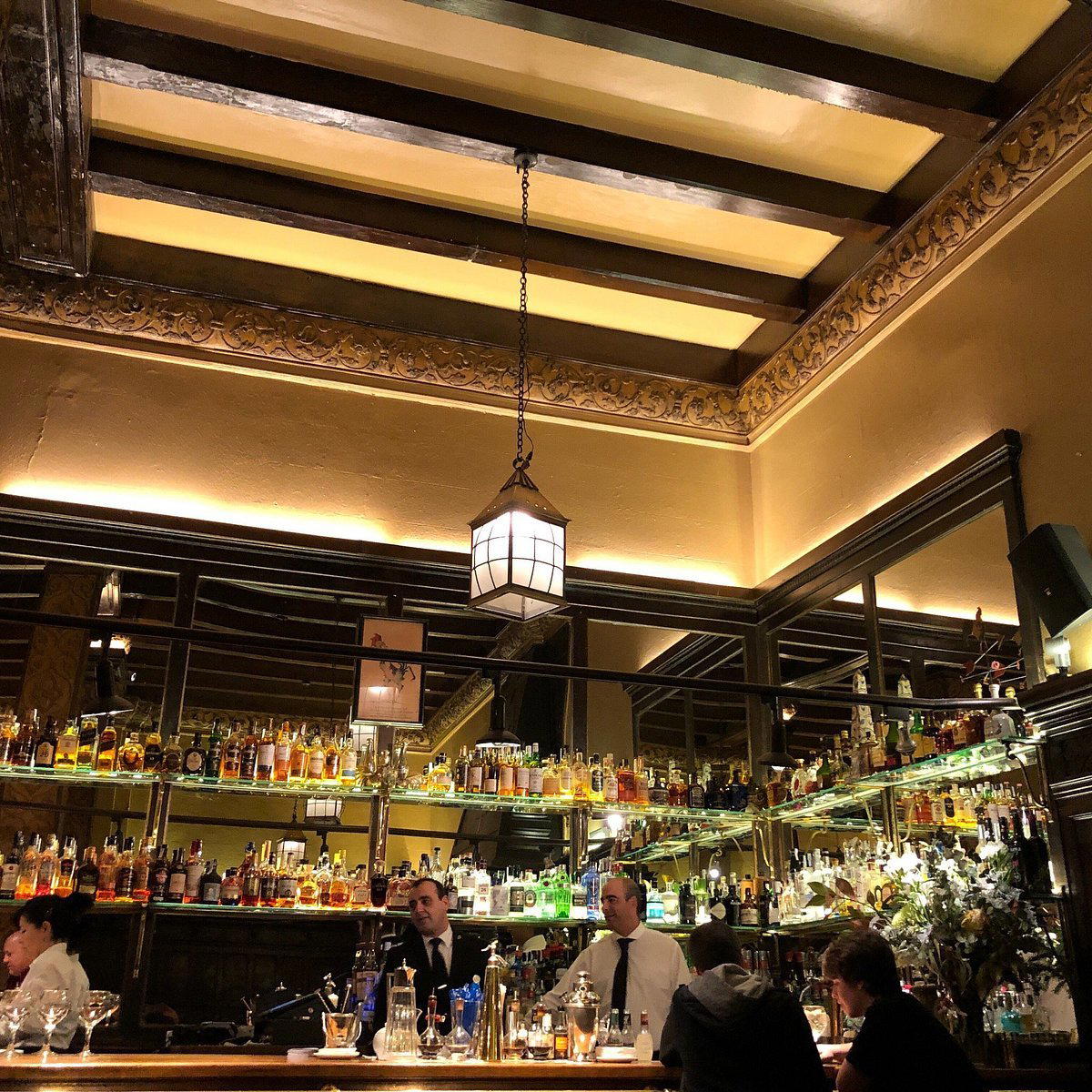
Bars in Madrid
Browse all →
Hotels in Madrid
Browse all →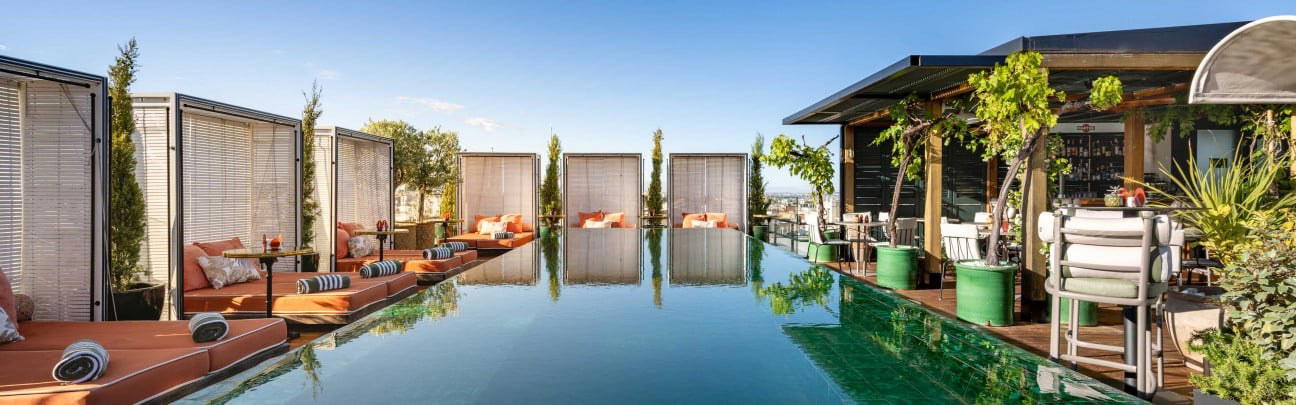




At a Glance
- Classic
- Rustic
- Cozy
- Casual Hangout
Current opening hours
- Monday
- 1 PM–12 AM
- Tuesday
- 1 PM–12 AM
- Wednesday
- 1 PM–12 AM
- Thursday
- 1 PM–12 AM
- Friday
- 1 PM–12:30 AM
- Saturday
- 12:30 PM–12 AM
- Sunday
- 12:30 PM–12 AM
Hours can change for holidays and private events. Last verified .
No-frills, informal tavern atmosphere ideal for conversation with classic Madrid castizo flavors.