La Casa del Abuelo GOYA sits on Calle de Goya in Madrid's Salamanca district, continuing a century-old Madrid tradition of gambas al ajillo and house-poured red wine at marble-topped bars. The Goya branch carries the brand's deep-rooted association with the capital's tavern culture, where the ritual of standing shoulder-to-shoulder over hot prawns is as much the point as the food itself.
Pearl is the En Primeur Club membership app — saves, bookings, and concierge access live there. Same editors, same standards.
- Address
- Calle de Goya, 57A, Salamanca, 28001 Madrid, Spain
- Phone
- +34 910 00 01 33
- Website
- lacasadelabuelo.es
- Directions
- Get directions
 Saves & bookings on Pearl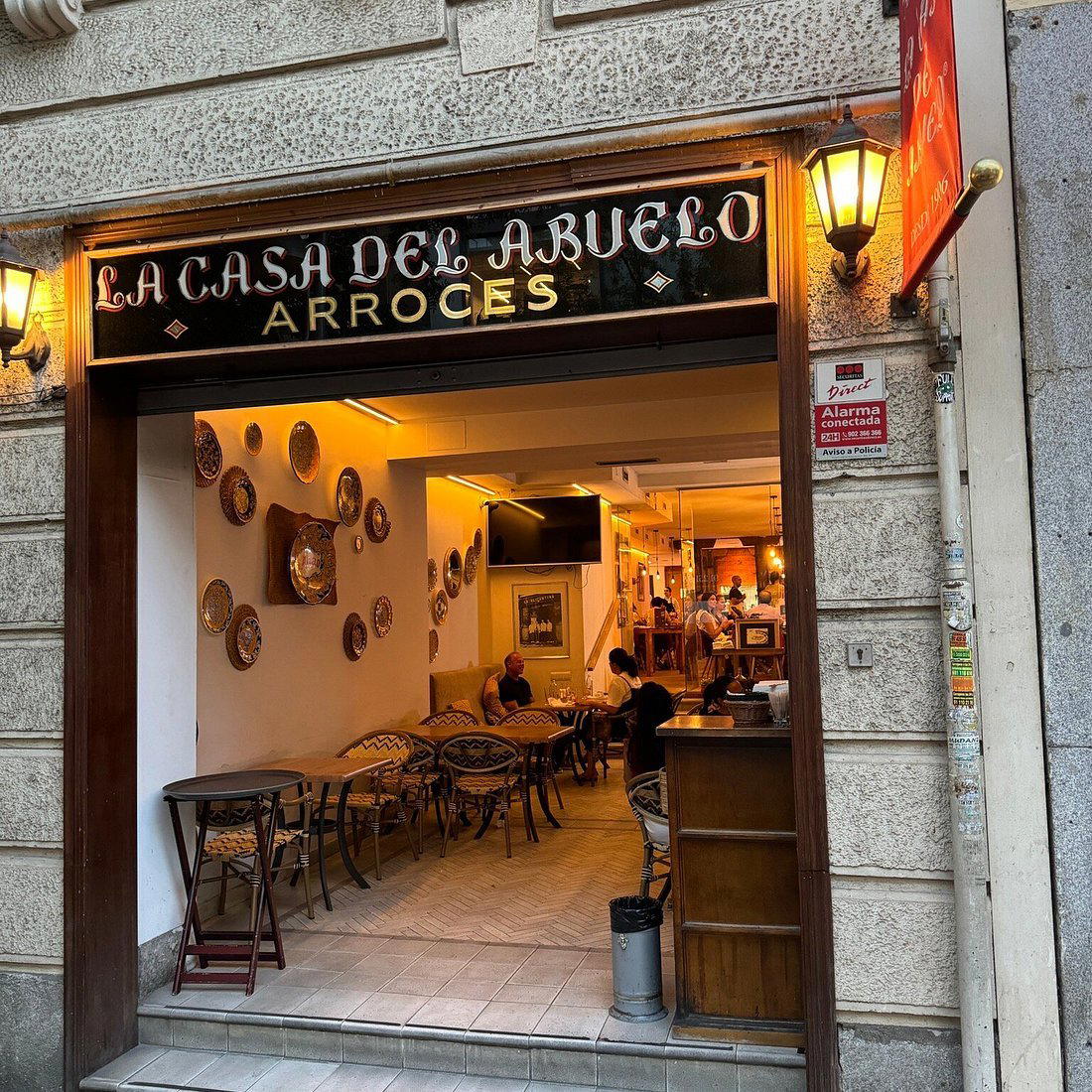
Salamanca's Bar Counter and What It Represents
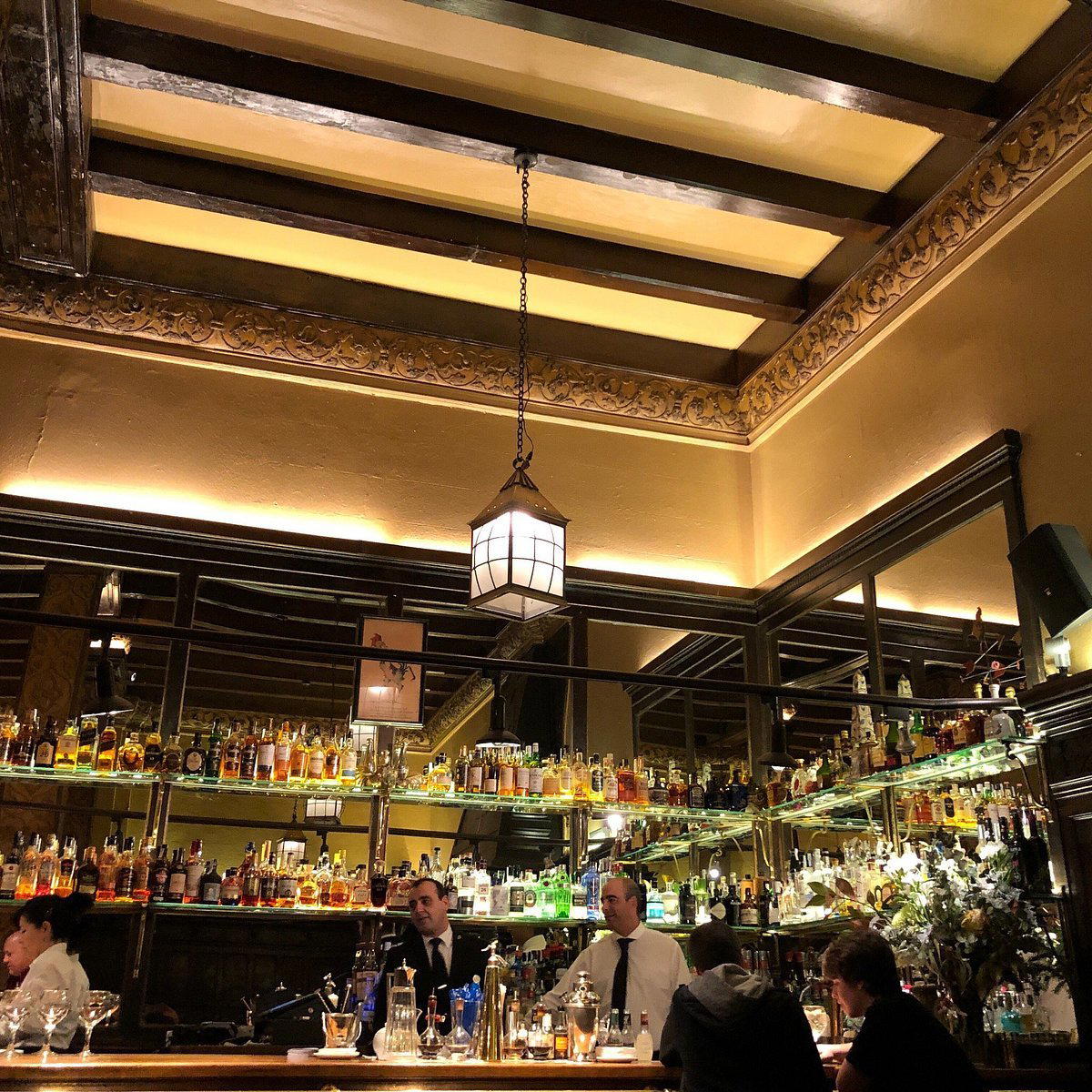
Madrid's Salamanca district runs a dual identity that few neighbourhoods manage without contradiction. Its tree-lined streets between Calle de Serrano and Calle de Goya house some of the city's most expensive fashion retail and a residential population that skews older, wealthier, and more conservative than the crowds you find in Malasaña or Lavapiés. Yet threading through those same blocks is a network of traditional bars and tabernas that belong to a completely different Madrid: the Madrid of tile-panelled walls, zinc counters, and a glass of house red poured without ceremony. La Casa del Abuelo GOYA is a traditional Spanish tapas restaurant in Madrid’s Salamanca district, at Calle de Goya, 57A, with casual dress and recommended reservations. It sits at that intersection. The address places it squarely in one of the capital's most affluent shopping corridors, but the format it belongs to has nothing to do with the boutiques on either side.
A Century of Gambas and What That Continuity Means
The Casa del Abuelo name carries a lineage that is documented rather than mythologised. The original branch on Calle de la Victoria, close to the Puerta del Sol, opened in 1906 and established the house formula. The model it established, a narrow bar built around gambas al ajillo and gambas a la plancha served alongside a proprietary sweet red wine called El Abuelo, has remained structurally unchanged for over a century. That consistency is not inertia; it is the product of a specific Spanish bar philosophy that treats the house speciality as a fixed point, something to be executed with discipline rather than reinvented with each generation.
In a city where avant-garde restaurants attract considerable international attention, venues like DiverXO, Coque, Deessa, DSTAgE, and Paco Roncero represent the €€€€ tier of Madrid's dining ecosystem. The Casa del Abuelo model sits at the opposite end of that spectrum, not as a lesser category but as a parallel one. The tavern bar in Spain operates by different rules: the measure of success is fidelity of the product and the repeatability of the ritual.
The Cultural Logic of Gambas al Ajillo
Gambas al ajillo is one of those dishes that looks simple on paper and reveals its entire character through execution. Prawns cooked in olive oil with garlic and guindilla pepper, served in a small earthenware cazuela still bubbling at the table: the technical requirements are few, but the margin for error is also narrow. The oil temperature, the garlic colour, the freshness of the prawns, the ratio of heat from the pepper, each element is legible to anyone who has eaten the dish more than twice. This is precisely why the format works as a benchmark. A bar that has been doing this since 1906 has refined a single recipe under significant commercial pressure for an audience that returns specifically to verify that nothing has changed.
The same dish appears across Spain in varying forms. In Andalusia, the garlic tends to be heavier and the pepper more present. In the Basque Country, the approach leans cleaner and the olive oil more restrained. Madrid's version, as established by houses like Casa del Abuelo, is generous with the oil and calibrated toward a rich, deeply savoury finish. The bread served alongside, used to collect the oil from the cazuela, is as considered a part of the experience as the prawns themselves. Spain's broader restaurant scene, including multi-starred operations like Aponiente, Arzak, Azurmendi, and El Celler de Can Roca, regularly draws on the same tavern culture as a reference point. The gambas al ajillo is not the starting material for a modernised dish; it is the dish.
Where the Goya Branch Fits in the Madrid Picture
The Goya branch reflects a pattern common to established tavern brands in the capital. The original location near Sol carries the weight of historical association; the Salamanca branch on Calle de Goya operates on a different logic, serving a neighbourhood population and the considerable foot traffic generated by the Goya shopping strip. This kind of neighbourhood extension does not dilute the original if the core product holds. The test for a visitor is whether the oil arrives still crackling and the garlic reads gold rather than brown: quality signals that hold across locations when the kitchen discipline is consistent.
Salamanca as a district positions the Goya branch within easy reach of a cluster of the city's more serious restaurants. The neighbourhood also connects to the broader Madrid dining geography covered in our full Madrid restaurants guide. For travellers moving between categories, the practical contrast is useful: a midday stop at a counter bar for gambas and house wine costs a fraction of an evening reservation at any of the tasting-menu addresses in the city, and the two experiences occupy completely different parts of Spanish food culture without competing with each other.
Planning Your Visit
The Calle de Goya address places the bar within walking distance of the Goya metro station on Lines 4 and 2, making it accessible from most central Madrid neighbourhoods without a taxi or ride. The tavern format means seating is limited and primarily bar-counter or small standing areas rather than a full table-service dining room; arriving at off-peak hours, before the 2pm–4pm Madrid lunch rush or after 7pm when the early evening tapa circuit begins, gives you a stronger chance of space at the counter. The house wine, El Abuelo, is the drink of record here: ordering it alongside the gambas is not optional from an experiential standpoint. For visitors comparing Spain's tavern culture against its high-end restaurant scene, Martin Berasategui, Quique Dacosta, Mugaritz, Ricard Camarena, Cocina Hermanos Torres, and Atrio represent the formal end of the spectrum, while the Casa del Abuelo model is a walk-in bar counter experience.
Cost and Credentials
Comparable venues nearby, for context on price, style, and recognition.
| Venue | Cuisine | Price | Notes |
|---|---|---|---|
| La Casa del Abuelo GOYAThis venue — the venue you are viewing | Recoletos, Traditional Spanish Tapas | $$ | Not listed |
| Arquibar Goya | Goya, Spanish Cafe-Bar with Brunch | $$ | Not listed |
| Café Central | Not listed | $$ | Barrio de las Letras, Spanish Tapas & Jazz |
| El Café de la Ópera | Palacio, Traditional Spanish with Opera | $$ | Not listed |
| Café de la Galería | Not listed | $$ | Palacio, Traditional Spanish with Creative Touches |
| Restaurante Cuadrilla | Not listed | $$ | Montecarmelo, Traditional Spanish Mediterranean |
Continue exploring
More in Madrid
Restaurants in Madrid
Browse all →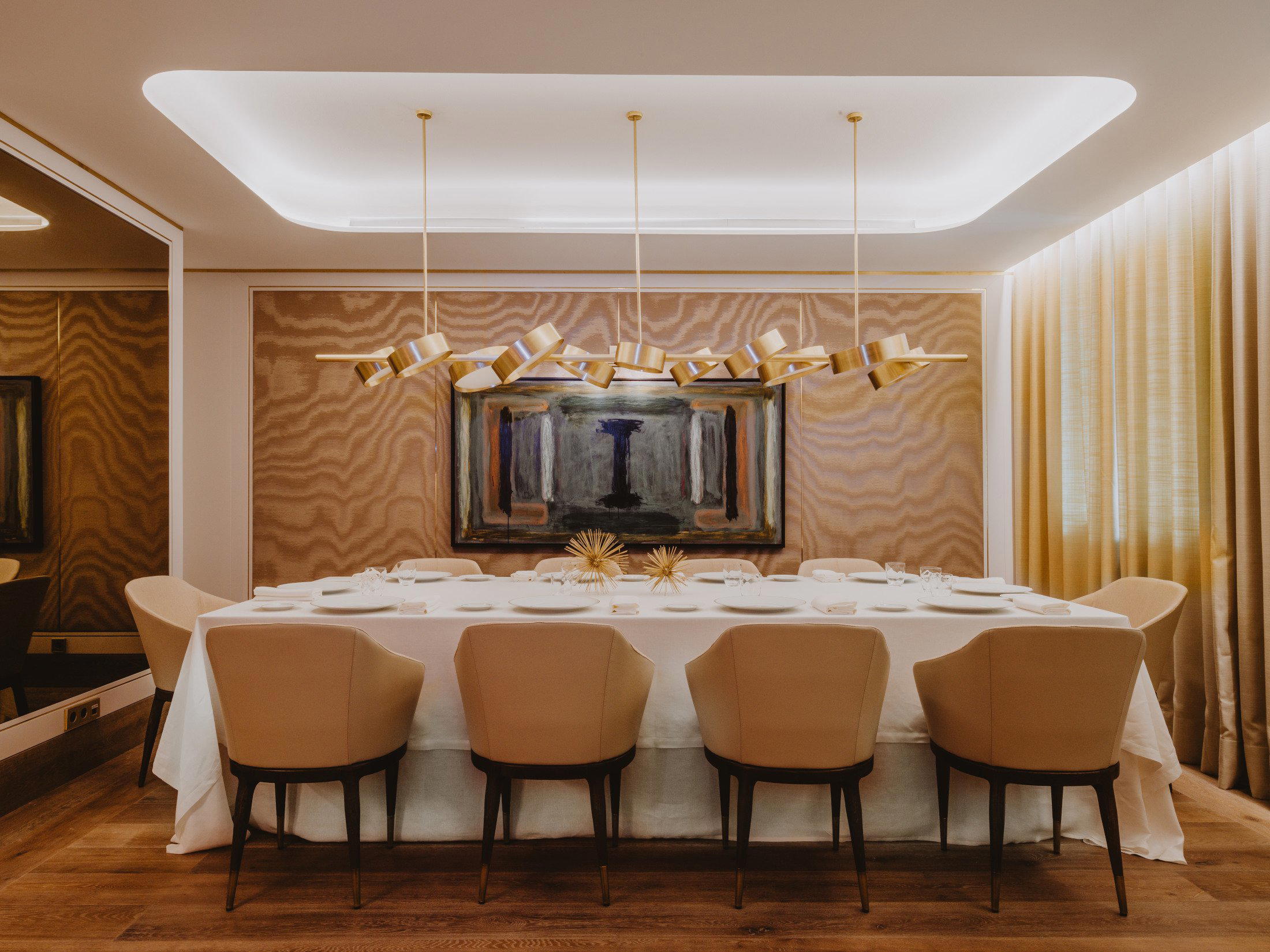
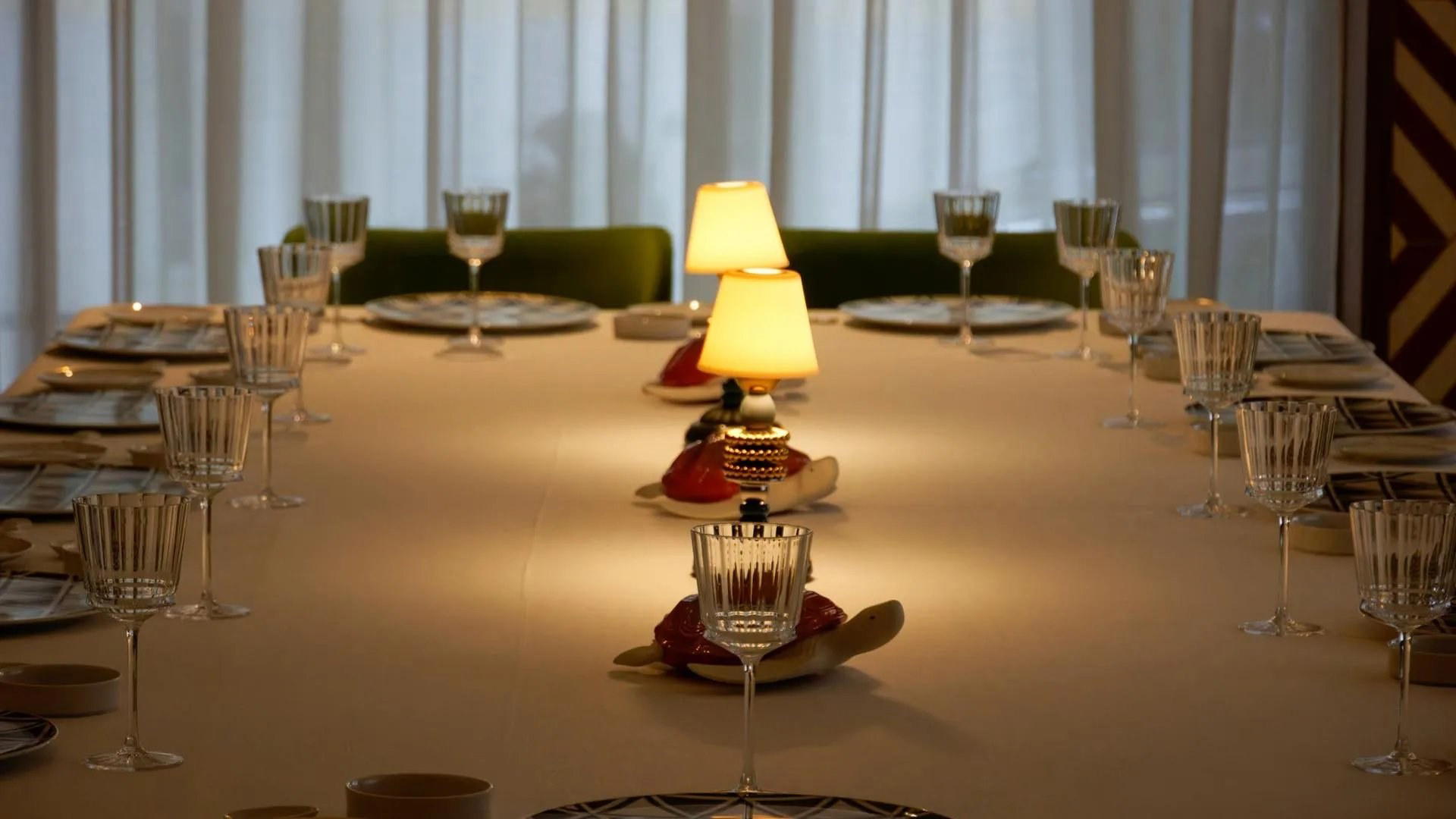
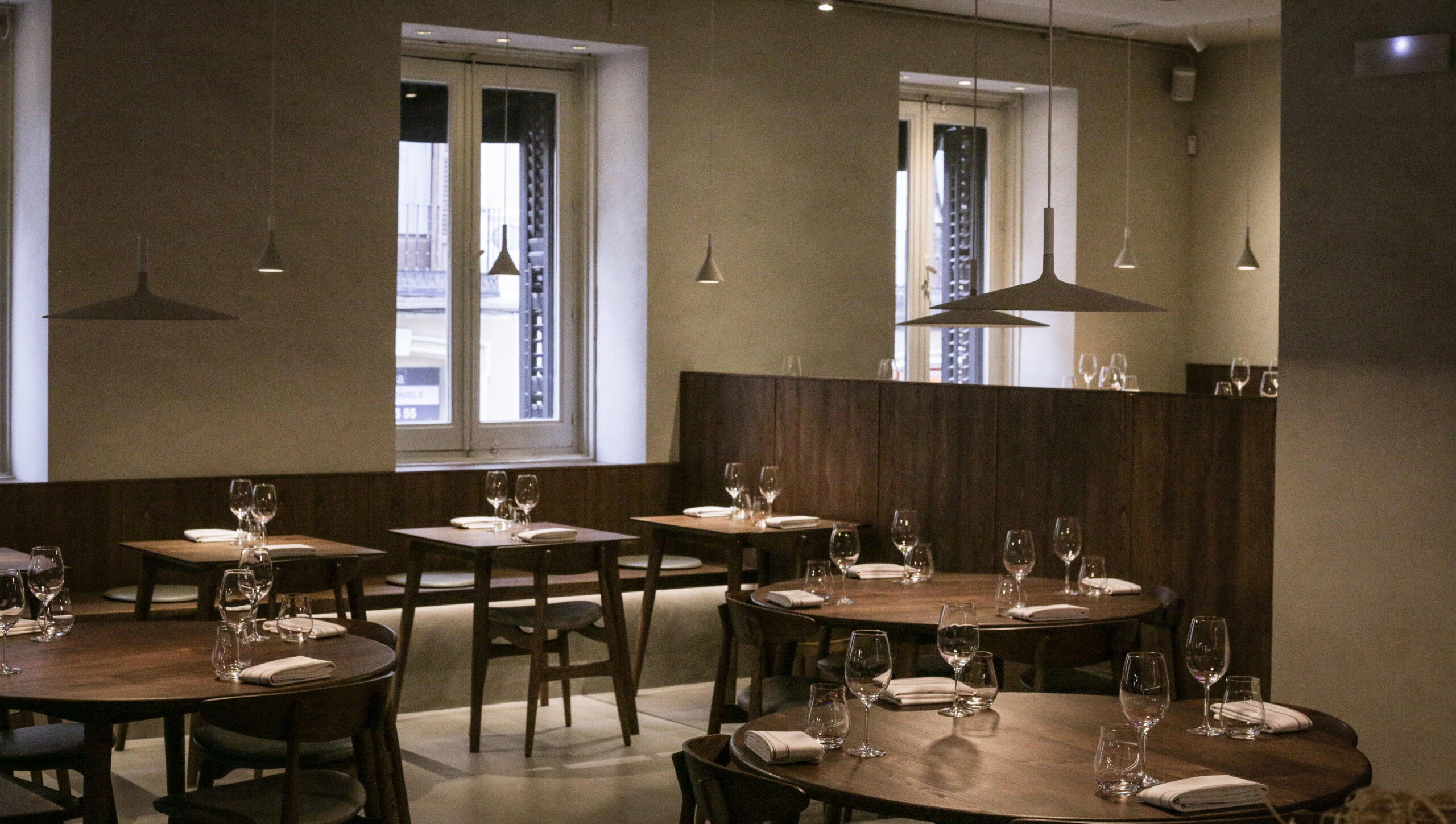
Bars in Madrid
Browse all →
Hotels in Madrid
Browse all →

At a Glance
- Classic
- Rustic
- Well Known
- Casual Hangout
- Group Dining
- Historic Building
- Extensive Wine List
Current opening hours
- Monday
- 8:30 AM–11 PM
- Tuesday
- 8:30 AM–11 PM
- Wednesday
- 8:30 AM–11 PM
- Thursday
- 8:30 AM–11 PM
- Friday
- 8:30 AM–11 PM
- Saturday
- 11 AM–12 AM
- Sunday
- 11 AM–11 PM
Hours can change for holidays and private events. Last verified .
Traditional tavern atmosphere with a classic, authentic feel true to its over 100-year history.