La COCO operates from a residential address in Gràcia, one of Barcelona's most self-contained barrios, where neighbourhood dining operates at a different register than the city's Michelin-tracked flagship circuit. Without a public phone or website, it functions on the quiet end of the reservation spectrum, the kind of place that spreads by word of mouth rather than algorithm. For a city where creative dining at the summit tier runs to fixed menus above €200, La COCO occupies a markedly different position.
Pearl is the En Primeur Club membership app — saves, bookings, and concierge access live there. Same editors, same standards.
- Address
- Carrer d'Aulèstia i Pijoan, 6, Gràcia, 08012 Barcelona, Spain
- Phone
- +34931682264
- Website
- opentable.com
- Directions
- Get directions
 Saves & bookings on Pearl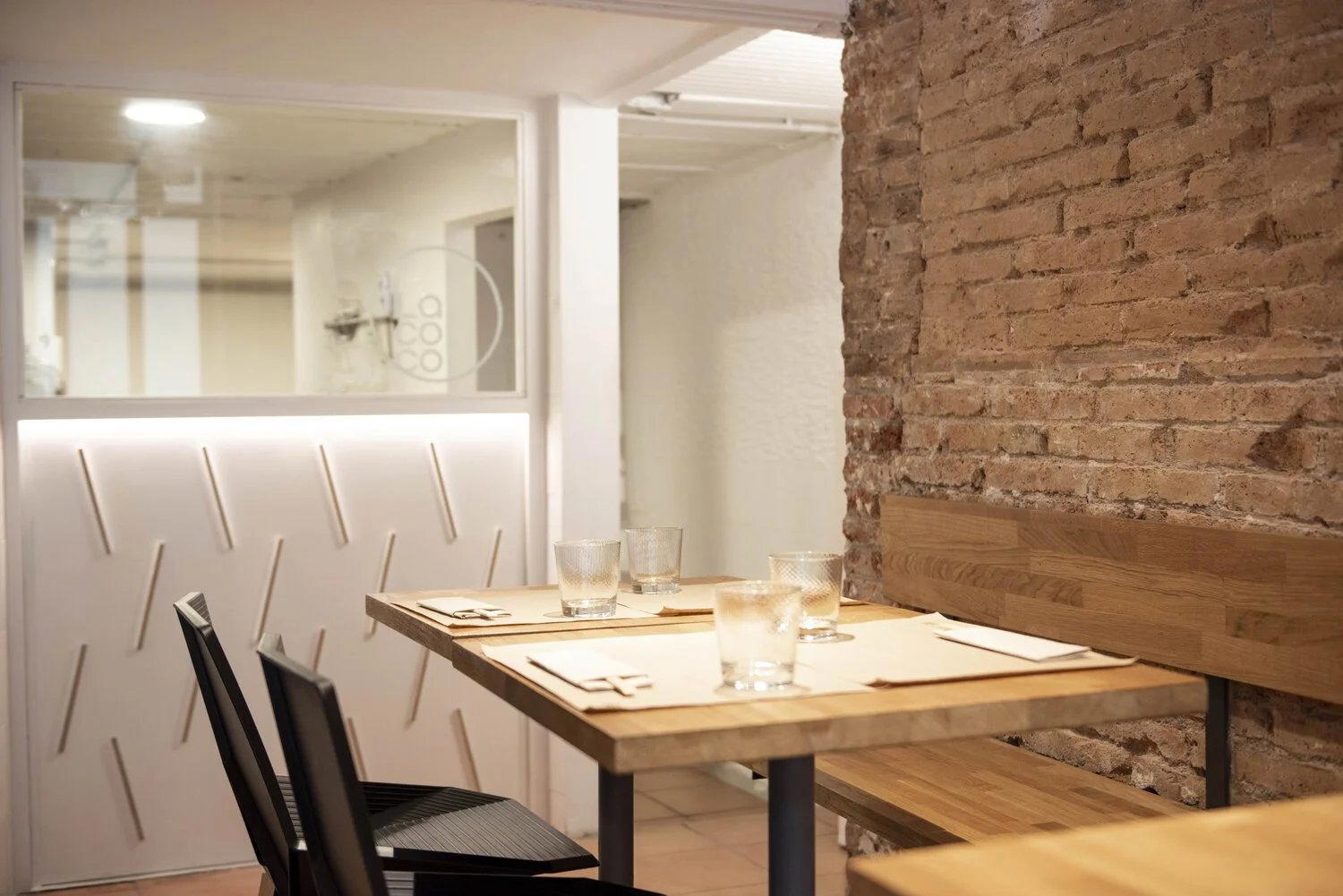
A Gràcia Address in a City That Rewards Knowing Where to Look
Barcelona's dining identity is often narrated through its headline circuit: the multi-Michelin counters of Disfrutar, the theatrical architecture of Enigma, the double-starred ambition of Cocina Hermanos Torres. But the city also sustains a parallel dining culture, particularly in Gràcia, where the barrio's village-within-a-city character shapes restaurants that operate on personal scale rather than institutional ambition. La COCO is a restaurant in Gràcia, Barcelona, serving Japanese-Mediterranean Fusion at a price tier around $25 per person. La COCO, at Carrer d'Aulèstia i Pijoan 6, sits inside that second category: a residential-street address in one of the city's most local-feeling neighbourhoods, at a remove from the tourist circuits that define the Eixample and the Barceloneta waterfront.
Gràcia has long functioned as a corrective to central Barcelona's more performative dining. Its squares fill early with neighbours rather than visitors, its restaurants tend toward consistency over spectacle, and the streets that run between Passeig de Gràcia and Park Güell carry a density of everyday neighbourhood places that rarely surface in international coverage. La COCO arrives in that context, and understanding the neighbourhood is inseparable from understanding what the restaurant represents.
How Neighbourhood Restaurants Evolve in Barcelona
The arc that neighbourhood restaurants follow in Barcelona's established barrios has a recognisable shape. A place opens quietly, builds a local following over years, and then faces a choice: scale toward the city's competitive creative dining scene or deepen into what it already does well. The restaurants that endure in Gràcia have generally chosen the second path, refining rather than pivoting, and becoming more themselves over time rather than chasing the recognition frameworks that govern the flagships.
This pattern runs across Spanish dining at every tier. At the high end, kitchens like El Celler de Can Roca in Girona and Martin Berasategui in Lasarte-Oria built reputations over decades through accumulation rather than reinvention. At the opposite end of the formality spectrum, neighbourhood places in city barrios earn their durability through repetition and community trust rather than critical cycle. The restaurant, given its address and the absence of a public digital footprint, appears to follow the latter model.
Barcelona's restaurant scene since 2015 has seen significant pressure on mid-tier and neighbourhood restaurants, as rising rents in Eixample and the Gothic Quarter pushed operators either upmarket or out of central locations. Gràcia absorbed some of that displacement, deepening its neighbourhood dining offer as a result. A restaurant on Carrer d'Aulèstia i Pijoan today operates in a barrio that has become more rather than less interesting for local dining over the past decade, even as it has stayed largely outside the international critical frame.
Where La COCO Sits in Barcelona's Wider Creative Scene
To understand what the restaurant is not is to understand what it might be. Barcelona's upper creative tier is among the more concentrated in Europe. Lasarte and ABaC operate at the formal end of progressive Spanish cooking. Disfrutar runs among the more technically demanding menus on the continent. These restaurants price and format accordingly: long tasting menus, advance booking required months out, dress codes implicit if not stated.
The neighbourhood restaurant in Gràcia operates in a different register entirely. Bookings, if required, typically run days rather than months ahead. The cuisine is Japanese-Mediterranean Fusion. The experience is measured in return visits and familiarity rather than occasion dining. Spain's broader restaurant culture supports this plurality: the same country that produces three-Michelin-star cooking at Aponiente, Azurmendi, and Mugaritz also sustains a dense culture of everyday restaurant going that is its own tradition.
At the international comparison level, the neighbourhood-scale restaurant with no website and a word-of-mouth booking method occupies a position not unlike certain New York addresses: Atomix operates at the high-concept end of that city's dining, while its counterparts in residential Brooklyn or Queens neighbourhoods run on community loyalty rather than critical recognition. The value systems are different but both are legitimate.
Gràcia as Context for the Dining Experience
Arriving at Carrer d'Aulèstia i Pijoan puts you in the upper Gràcia grid, the area above the main commercial strip of Carrer de Verdi and away from the set-piece squares of Plaça del Sol and Plaça de la Vila de Gràcia. This part of the barrio is quieter, more residential, and less trafficked by the weekend crowds that push south toward the Eixample. The street itself is the kind of address that rewards actually being in the neighbourhood rather than arriving specifically for a restaurant: the density of small bars, wine shops, and grocers on adjacent streets is part of what makes the experience legible.
Barcelona's equivalent in the Spanish dining conversation often sits below cities like San Sebastián, where Arzak anchors a culture of serious eating that runs from three-star kitchens all the way down to pintxos bars. But Barcelona's neighbourhood dining tradition, concentrated in Gràcia, Sarrià, and Poble Sec, has its own coherence. The city has consistently produced restaurants that work at human scale, and the restaurant's positioning on a residential street in Gràcia places it inside that tradition. For readers cross-referencing Spain's broader creative dining map, the contrasts with formal addresses like Quique Dacosta in Dénia, Ricard Camarena in València, DiverXO in Madrid, or Atrio in Cáceres are instructive. Those restaurants are destination propositions; the restaurant, by address and format signals, appears to be a neighbourhood one.
Know Before You Go
Address: Carrer d'Aulèstia i Pijoan, 6, Gràcia, 08012 Barcelona, Spain
Neighbourhood: Upper Gràcia, above Carrer de Verdi, residential and local in character
Getting there: Closest metro stops are Joanic (L4) and Fontana (L3), both within a short walk of the address
Booking: Advance enquiry recommended.
Leading timing: Gràcia operates on a later-than-central schedule; lunch service typically runs until mid-afternoon, dinner from 21:00
Price context: Neighbourhood-scale Gràcia restaurants typically price well below the city's flagship tasting-menu tier
Nearby-ish Comparables
Comparable venues nearby, for context on price, style, and recognition.
| Venue | Cuisine | Price | Notes |
|---|---|---|---|
| La COCOThis venue — the venue you are viewing | Japanese-Mediterranean Fusion | $$ | Not listed |
| Can Kenji | Japanese Izakaya with Mediterranean Fusion | $$ | la Dreta de l'Eixample |
| Nomo Galvany | Modern Japanese Sushi | $$$ | Sant Gervasi - Galvany |
| Robata | Modern Japanese Robatayaki with Mediterranean Fusion | $$$ | l'Antiga Esquerra de l'Eixample |
| Demo Gastrobar | Modern Spanish Gastrobar Tapas | $$ | la Vila de Gracia |
| Lateral Consell | Spanish & Catalan Tapas | $$ | la Dreta de l'Eixample |
Continue exploring
More in Barcelona
Restaurants in Barcelona
Browse all →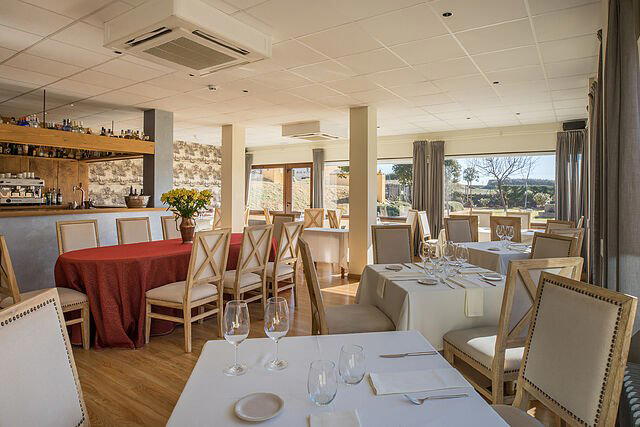
Bars in Barcelona
Browse all →

Hotels in Barcelona
Browse all →


At a Glance
- Cozy
- Romantic
- Intimate
- Rustic
- Sophisticated
- Date Night
- Casual Hangout
- Natural Wine
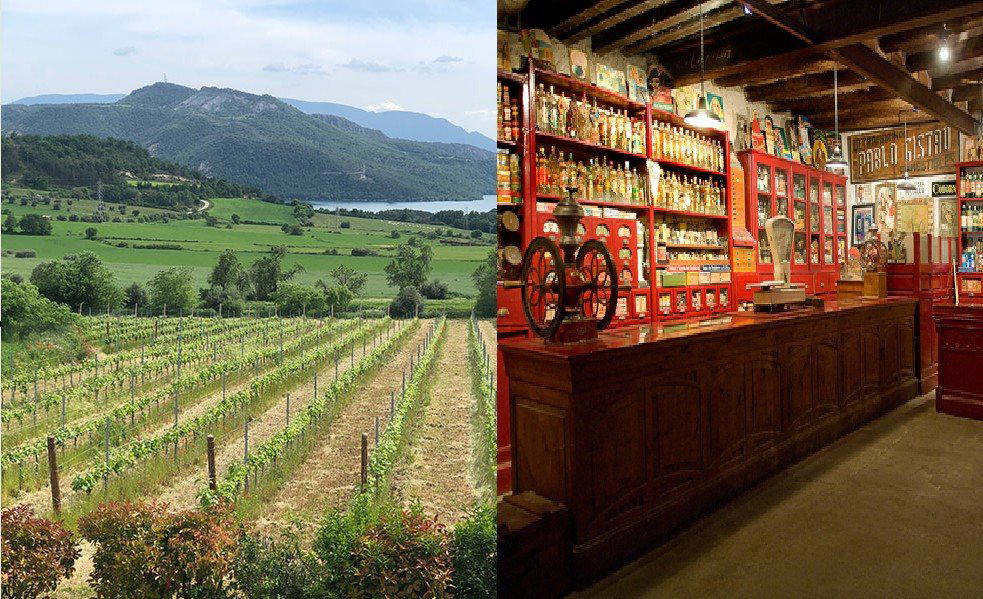
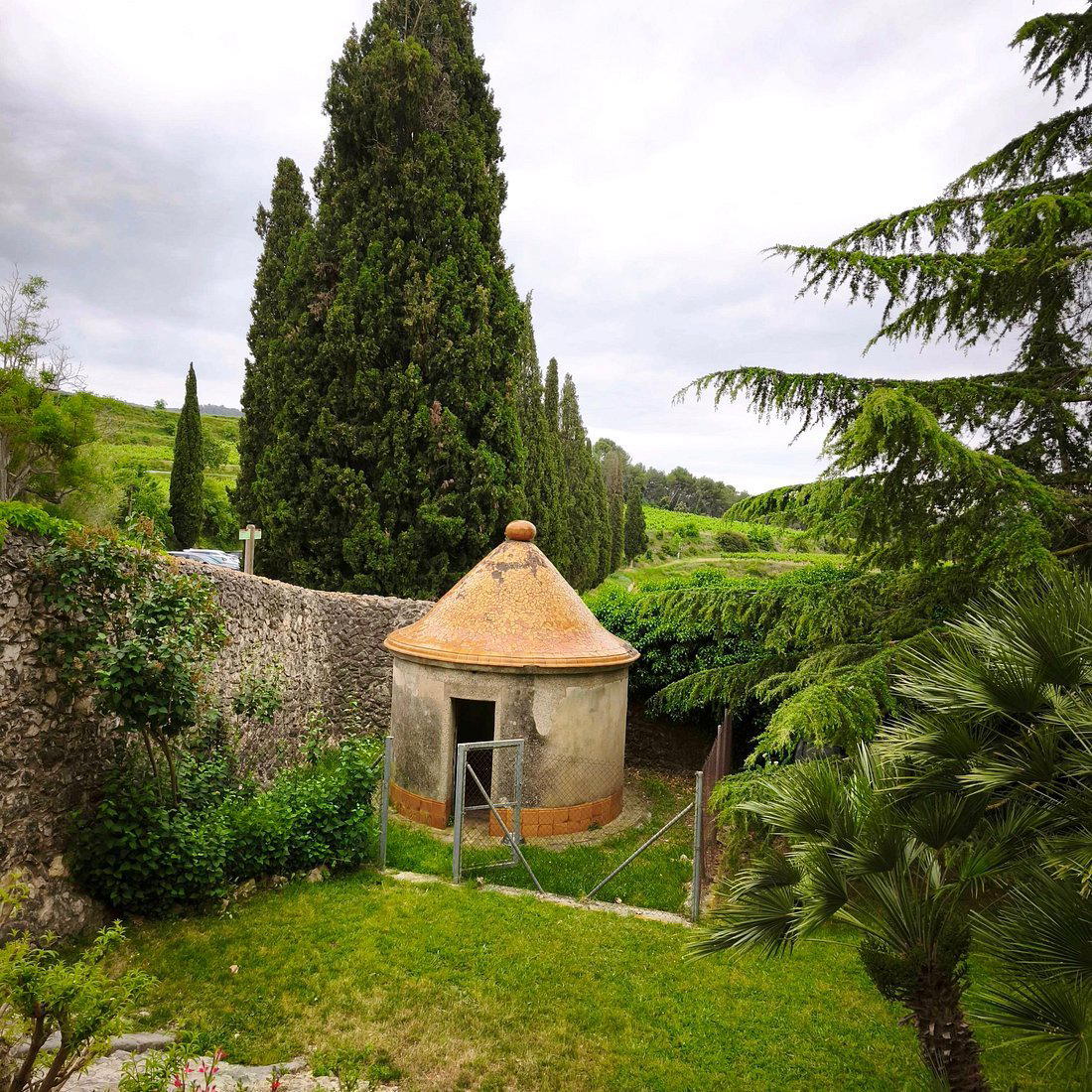
Rustic and bright space with cozy, sophisticated, and welcoming atmosphere.