
Tsukuba Ramen Onimonogatari places a nine-seat ramen counter inside Tsukuba’s quieter Enokido dining circuit, with ramen, tsukemen and dumplings priced in the JPY 1,000–1,999 range. Its selection for Tabelog 100 Ramen EAST 2025 puts it in a regional conversation where ingredient handling, broth discipline and small-counter pacing matter more than polish.
Pearl is the En Primeur Club membership app — saves, bookings, and concierge access live there. Same editors, same standards.
- Address
- 茨城県つくば市榎戸685-5
- Website
- tabelog.com
 Saves & bookings on Pearl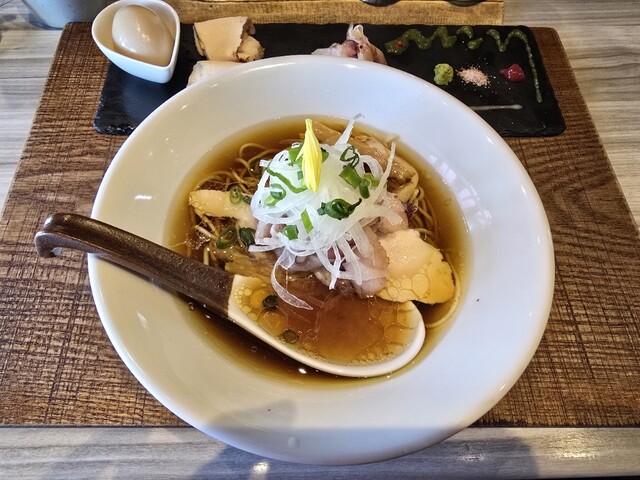
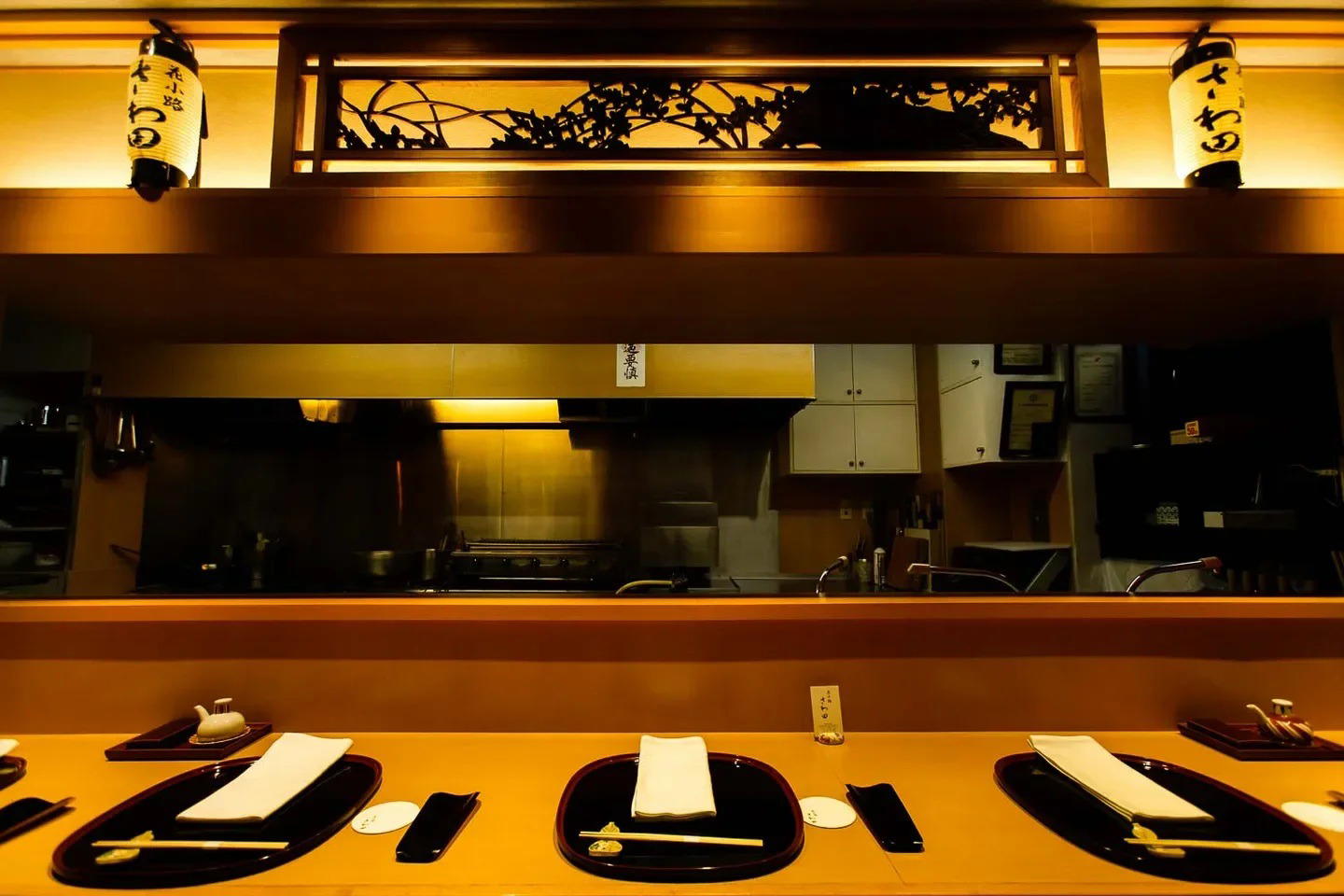
Approaching a house restaurant in Enokido reframes ramen. This is not a station-front quick bowl built for turnover, nor a department-store ramen floor for comparison shopping. The small, counter-led room is quiet in the way serious ramen rooms often are: attention narrows to the bowl, kitchen timing and the short distance between cooking and eating.
Tsukuba rewards that focus. Spread out, car-oriented and shaped by research campuses, residential pockets and destination eating rather than one dense restaurant quarter, the city makes ramen compete with bakeries, French-leaning bistros, family restaurants and specialist counters. A Tabelog 100 Ramen EAST 2025 selection therefore matters: it places Tsukuba Ramen Onimonogatari in an eastern Japan field where consistency and detail are judged against a large regional pool, not just local convenience.
A small Tsukuba counter built around ramen, tsukemen and dumplings
Read the address through format. Nine seats impose discipline. At that scale, broth, noodles and finishing work cannot hide behind atmosphere or a long menu. Ramen and tsukemen sit at the centre, with dumplings as support, a compact spread suited to a house restaurant rather than a high-volume noodle hall.
Ingredient sourcing is the key lens in contemporary Japanese ramen, even when suppliers are not public-facing. Over the past two decades, ramen has moved from comfort food into a craft category where wheat choice, broth base, tare balance, fat management and noodle texture define reputation. Tsukemen makes this clearer because dipping noodles expose chew and temperature differently from soup ramen. A small Tsukuba counter must make those choices legible in a short meal, without the theatre of a tasting menu.
The price band matters too. At JPY 1,000–1,999 for lunch and dinner, this stays in ramen’s democratic bracket rather than the premium set-menu economy, putting pressure on the bowl itself. In Tsukuba, comparison venues such as Trattoria Pizzeria Amici and Bon Gout reach higher dinner budgets, while Kuradashi Yakiimo Kaitsu Ka Tsukuba ten sits in a similarly accessible but different snack-and-sweets lane. Seiyo Ryori Ten Escoffier occupies a more formal Western cooking bracket. Against that mix, ramen’s appeal is precision at modest cost, not occasion dining.
Why the Tabelog 100 Ramen EAST 2025 signal matters
Ramen recognition in Japan is unusually granular. Tabelog’s Hyakumeiten lists divide by category and region, useful for travellers because the field is too broad for one national hierarchy. A 2025 Ramen EAST selection points to a shop that has cleared a serious regional threshold in a category shaped by obsessive local repeat customers as much as destination diners.
That context is more useful than treating the award as decoration. Eastern Japan’s ramen culture includes Tokyo’s dense specialist scene, suburban shops with loyal followings and prefectural counters that draw diners by car. Tsukuba fits the last pattern. Parking for more than 10 vehicles and the distance from Bampaku Kinenkoen Station underline the point: this is a destination ramen stop within the city’s spread-out geography, not a casual stumble-in between train transfers.
The counter format also suits solo dining, a strength in Japanese ramen culture. Eating alone is not a compromise; it is often the cleanest way to read the kitchen. Pacing is direct, the seat is functional and the meal needs no social architecture of courses, wine or shared plates. For travellers moving through Ibaraki, that makes the address more useful than many higher-budget restaurants with narrower scheduling demands.
Tsukuba’s broader food scene is worth mapping around this contrast. Bread specialists such as Backerei Brotzeit and david pain show the city’s appetite for everyday craft; Bon Gout sits in the bistro lane; DROOL DINER and heladiwa broaden the casual field. For planning beyond one bowl, use Our full Tsukuba restaurants guide, then cross-check the city through Our full Tsukuba hotels guide, Our full Tsukuba bars guide, Our full Tsukuba wineries guide and Our full Tsukuba experiences guide.
Planning the meal without treating it like a reservation restaurant
The rhythm is ramen-shop logic. Reservations are unavailable, the shop closes on Thursdays, and service is listed for lunch and dinner on other operating days, with opening able to end once supplies sell out. That last detail is not a footnote; it is part of the production model. Broth, noodles and prep are finite, so arrive earlier in a service rather than treating the final minutes as interchangeable with the first.
Payment is cash-oriented: credit cards, electronic money and QR code payments are not accepted. Private rooms and private use are unavailable, fitting the nine-seat counter. The non-smoking policy and solo-dining suitability make the room easier for a focused meal, though families should consider counter seating and waiting time, not price alone.
Access is suburban rather than central. From Tsukuba Station, the Tsukuba Bus South Shuttle toward Kajyu Kenkyujo Iriguchi leaves a short walk at the end; from Midorino Station or Banpaku Kinen Koen Station, taxi or car is cleaner. Parking is available for more than 10 vehicles, with marked restrictions around spaces reserved for apartment residents. In a city where dining rewards mobility, that matters.
For a wider Japan food itinerary, Tsukuba’s ramen counter sits in a different register from destination dining elsewhere: -Grilled beef Sukiyaki- KAMAKURA TANUKIAN 鎌倉 たぬき庵 in Kamakura. 鮪と炭火焼き うお炭 秋葉原店 in Tokyo.cafe in Osaka.know in Kumamoto, (Shoku) Vietnam in Kawasaki and [Curry Senmon Ten] Maruyama Kyoju. in Sapporo all show how specific Japan’s casual categories can become. Abroad, Jōdo Saké Bar in Los Angeles and Onigiri Time in Pasadena show how Japanese formats travel, though the Tsukuba version is rooted in the daily discipline of a small local counter.
In Context: Similar Options
Comparable venues by cuisine and price in the same metro.
| Venue | Cuisine | Price | Notes |
|---|---|---|---|
| Tsukuba Ramen OnimonogatariThis venue — the venue you are viewing | Japanese Ramen | $$ | Not listed |
| Sumibi Hamburger steak Nikuyaki Tei | Charcoal-grilled Japanese Hamburg & Beef Tendon Curry | $$ | Tsukuba |
| Ramen Kinoko | Japanese Ramen | $ | Inaoka |
| Niboshi Chuka Soba Ichikawa | Niboshi-focused ramen | $ | Amakubo |
| Hurricane Ramen Honten | Ramen & Tsukemen | $ | Tsukuba |
| La Cote d'Azurl Honten | French patisserie & café | $$ | Higashiarai |
Recognition history
Dated appearances from independent guides and award organizations, with the underlying list record or original source where available.
Tabelog 100 #20 · No. 20
Tabelog · Tabelog 100 - Ramen - EAST - 2025








At a Glance
- Cozy
- Modern
- Quiet
- Solo
- Casual Hangout
- Standalone
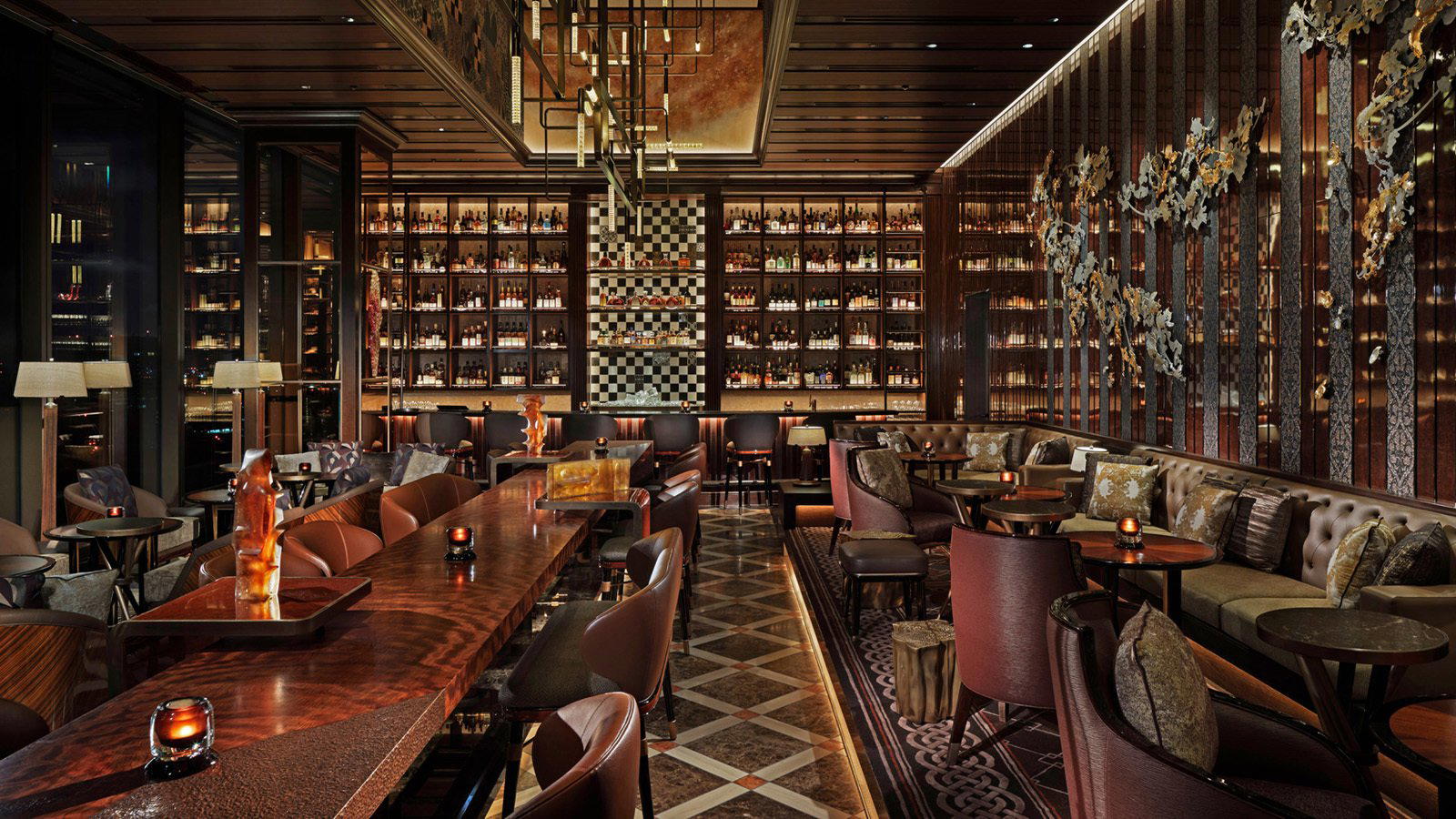
A small, refined, relaxed ramen shop atmosphere with a stylish, cozy feel that favors solo dining and a quieter meal.