On Place Notre Dame du Mont in Marseille's 6th arrondissement, BASKAWAÏ occupies a square where the neighbourhood's working-class past and its current creative energy meet. The address places it at the centre of a district that has grown into one of the city's more interesting dining pockets, positioned differently from the Michelin-heavy tier that defines Marseille's formal restaurant circuit.
Pearl is the En Primeur Club membership app — saves, bookings, and concierge access live there. Same editors, same standards.
- Address
- 4 Pl. Notre Dame du Mont, 13006 Marseille, France
- Phone
- +33602018045
- Website
- facebook.com
- Directions
- Get directions
 Saves & bookings on Pearl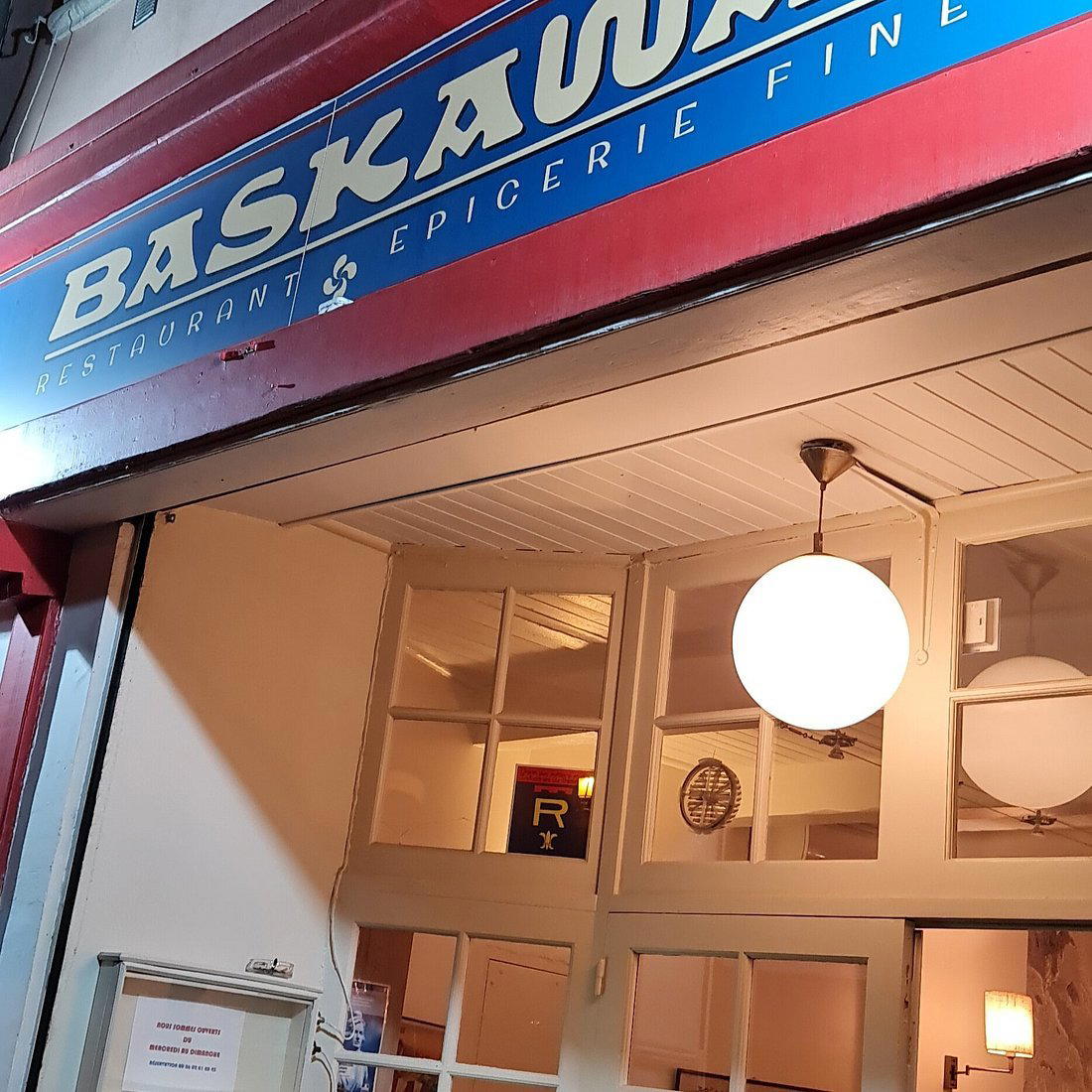
Place Notre Dame du Mont: A Square That Sets the Register
Marseille's 6th arrondissement operates on a different frequency from the port-facing postcard version of the city. The streets around Place Notre Dame du Mont run between Cours Julien and Notre-Dame-du-Mont metro station, a compact zone where independent bars, neighbourhood restaurants, and a persistent local crowd give the area a texture that the more tourist-facing districts have largely lost. Arriving at BASKAWAÏ means arriving at a square that has become a kind of barometer for this shift: the terraces here fill with people who live nearby rather than people who have come specifically to take photographs.
That address is not incidental. In a city where the dining conversation is often pulled toward the waterfront, toward Le Petit Nice's clifftop seafood or the creative ambition of AM par Alexandre Mazzia, a restaurant on Place Notre Dame du Mont is making a quieter claim. The claim is about neighbourhood rather than spectacle, about the kind of cooking and the kind of room that rewards proximity rather than occasion.
Where BASKAWAÏ Sits in the Marseille Dining Picture
Marseille's restaurant circuit has consolidated into recognisable tiers over the past decade. At the leading, the Michelin-recognised addresses like AM par Alexandre Mazzia and Une Table, au Sud operate at price points and formality levels that position them as destination dining rather than neighbourhood dining. Below that, the city sustains a cluster of mid-register addresses with strong local followings, where the cooking leans toward Mediterranean and Provençal traditions and the room tends to feel less constructed. BASKAWAÏ's position on Place Notre Dame du Mont places it geographically and tonally within this second group, closer in spirit to the neighbourhood bistro than to the tasting-menu circuit.
This is the tier where Marseille's dining character is most concentrated. The city's food identity has always been shaped as much by the bouillabaisse counter and the Provençal tratteur as by any formal fine-dining lineage, and the 6th arrondissement carries that inheritance forward in a contemporary register. For context, France's more formal institutions, from Paul Bocuse's Auberge du Pont de Collonges to Auberge de l'Ill or Bras in Laguiole, represent a different French dining tradition entirely, one built around destination travel and ceremonial meals. The neighbourhood restaurant in the 6th works from opposite assumptions: the cooking should fit the square, not the other way around.
The Notre Dame du Mont Quarter and What It Demands of a Restaurant
The neighbourhood around BASKAWAÏ has changed considerably since the late 2000s, when Cours Julien was primarily known for street art and low-rent creative studios. The current version of the district has retained some of that edge while adding a layer of restaurants and bars pitched at people with more spending power but the same aversion to formality. This is a quarter that resists the kind of polished, Instagram-optimised dining rooms that appeared in Paris's 10th and 11th arrondissements during the same period. The terraces on Place Notre Dame du Mont are for sitting, not staging.
A restaurant at this address inherits both the freedom and the constraint of that character. The freedom is that local clientele here will sustain a genuinely personal approach to cooking and service without requiring it to perform at a formal level. The constraint is that the same clientele will notice quickly if the offer feels calculated rather than genuine. The square has a local intelligence about it. Addresses like Alivetu and 1860 Le Palais represent different positions in the same neighbourhood conversation, and the diversity of approaches within a small geographic radius reflects how genuinely plural Marseille's mid-range dining has become.
Marseille in the Broader French Context
Marseille is underrepresented in the national and international fine-dining narrative relative to its size and culinary depth. Lyon carries the bouchon tradition as a brand; Paris monopolises the formal prestige tier; the Côte d'Azur claims its own luxury register through addresses like Mirazur in Menton. Marseille's contribution is harder to package: it is a port city with a genuinely mixed culinary inheritance, where North African, Italian, and Provençal influences layer onto each other in ways that don't resolve into a single exportable identity.
That complexity is more visible in the neighbourhood restaurant than in the destination address. The 6th arrondissement's dining scene carries traces of all of these currents, and a restaurant on Place Notre Dame du Mont is positioned to draw on that range in a way that a strictly formal room cannot. The comparison with places like Flocons de Sel in Megève, Les Prés d'Eugénie in Eugénie-les-Bains, or Georges Blanc in Vonnas illustrates the point by contrast: those addresses draw power from their remove, from the sense that you have made a specific journey. BASKAWAÏ's address draws power from the opposite condition, from being embedded in the city rather than apart from it.
The international frame makes this clearer still. A neighbourhood restaurant in a dense urban quarter, serving a local crowd on a terrace around a working square, has more in common functionally with Lazy Bear in San Francisco's communal-table approach or the neighbourhood-specific positioning of Le Bernardin in New York's Midtown context than it does with the rural destination institutions of provincial France. The city is the point. The address is the argument.
Planning Your Visit
Place Notre Dame du Mont is accessible via the Notre-Dame-du-Mont-Cours Julien metro stop on line 2, putting it within a short walk of the square. The 6th arrondissement is compact enough to combine BASKAWAÏ with other addresses in the area, and the neighbourhood rewards time spent on foot before or after eating. For a broader map of where BASKAWAÏ sits relative to Marseille's wider dining offer, Alléno Paris au Pavillon Ledoyen and Troisgros in Ouches provide useful reference points for understanding where formal French dining sits by comparison.
The Short List
Comparable venues nearby, for context on price, style, and recognition.
| Venue | Cuisine | Price | Notes |
|---|---|---|---|
| BASKAWAÏThis venue — the venue you are viewing | Notre Dame Du Mont, Basque Cuisine | $$ | Not listed |
| Caterine | Not listed | $$ | Notre Dame Du Mont, Modern Mediterranean French Bistro |
| Le Jardin Montgrand | Not listed | $$$ | Opera, Modern French Bistro with Mediterranean Influences |
| Le Relais Corse | Lodi, Authentic Corsican | $$$ | Not listed |
| La Piscine | Not listed | $$ | Hotel De Ville, Modern French Mediterranean Bistro |
| Bagnat | Saint Victor, Pan Bagnat Sandwiches | $ | Not listed |
Continue exploring
More in Marseille
Restaurants in Marseille
Browse all →
Bars in Marseille
Browse all →
Hotels in Marseille
Browse all →
At a Glance
- Cozy
- Trendy
- Date Night
- Family
- Casual Hangout
- Terrace
- Extensive Wine List
- Local Sourcing
- Street Scene
Current opening hours
- Monday
- 12–2 PM, 7–10 PM
- Tuesday
- Closed
- Wednesday
- Closed
- Thursday
- 12–2 PM, 7–10 PM
- Friday
- 12–2 PM, 7–10 PM
- Saturday
- 12–2 PM, 7–10 PM
- Sunday
- 12–2 PM, 7–10 PM
Hours can change for holidays and private events. Last verified .
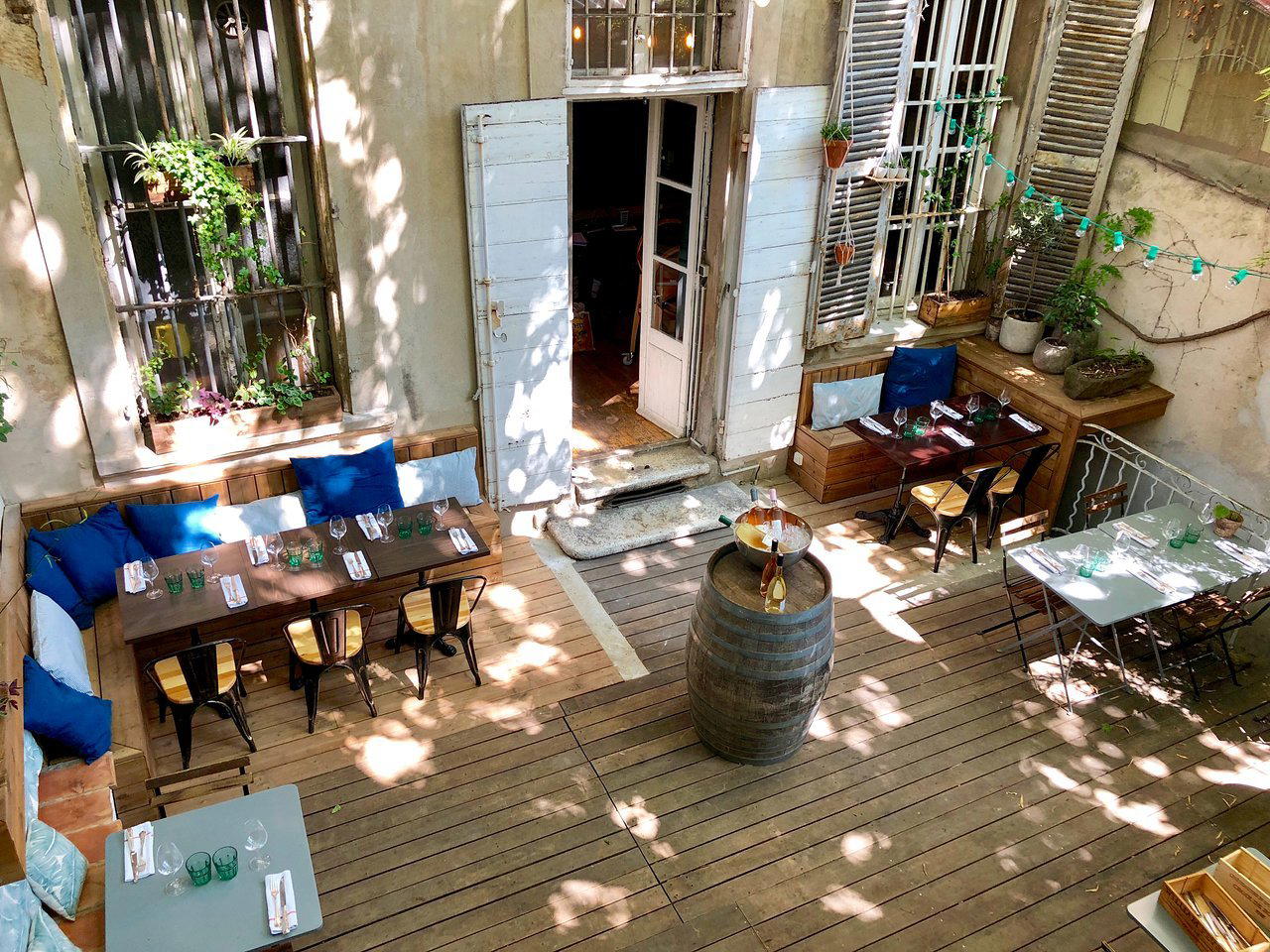
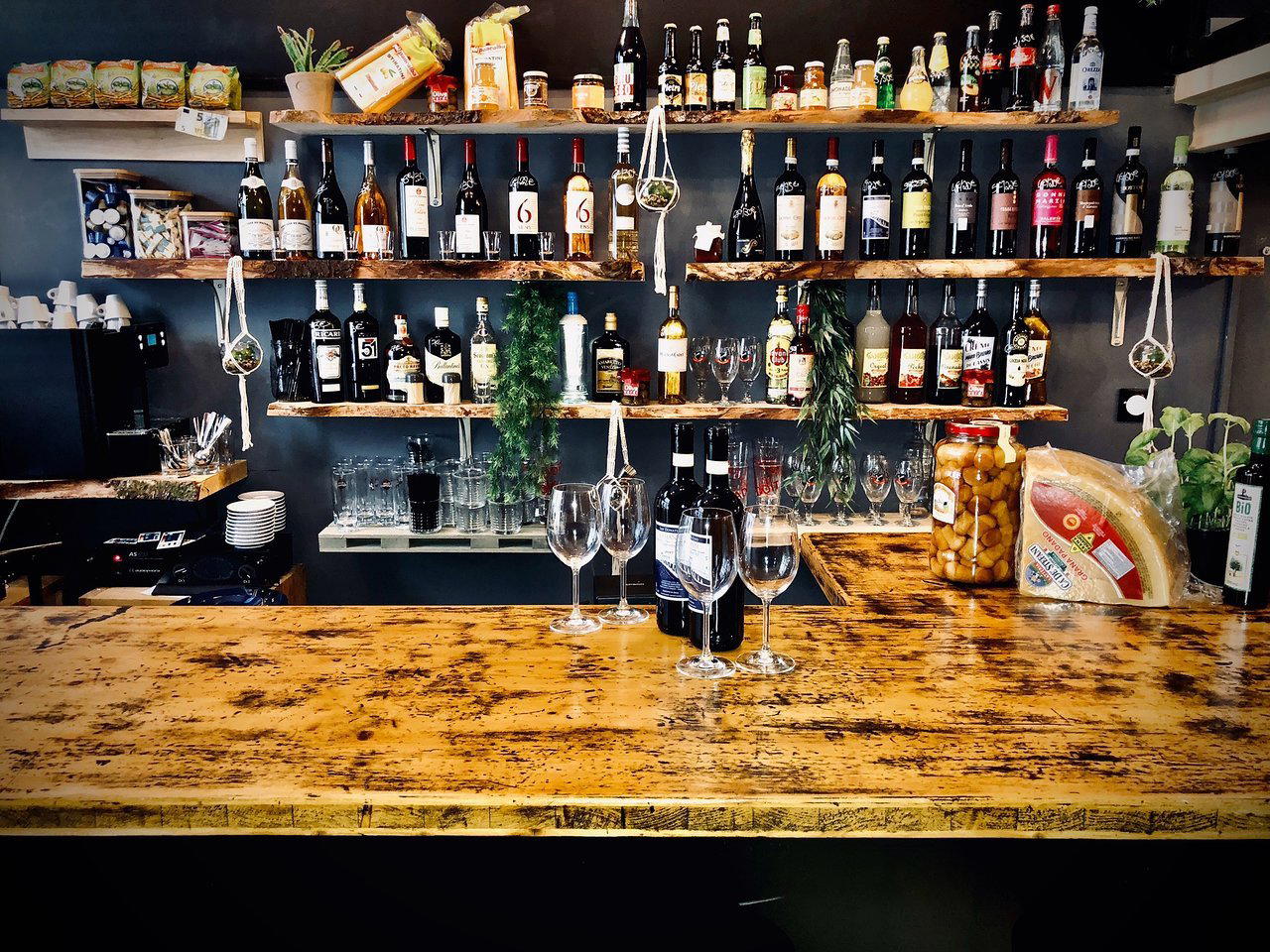
Charming and spacious interior with a beautiful terrace, offering a warm and friendly atmosphere praised by guests.