La Casita occupies a quietly residential corner of Hamburg's Schanzenviertel, where the city's more relaxed approach to dining takes shape in smaller, neighbourhood-rooted rooms. The address at Neuer Kamp 30 places it within walking distance of the quarter's independent bar and restaurant strip, making it a natural anchor for an evening that moves at its own pace. Hamburg's mid-tier dining scene rewards this kind of local specificity.
Pearl is the En Primeur Club membership app — saves, bookings, and concierge access live there. Same editors, same standards.
- Address
- Neuer Kamp 30, 20357 Hamburg, Germany
- Phone
- +491738210492
- Website
- instagram.com
- Directions
- Get directions
 Saves & bookings on Pearl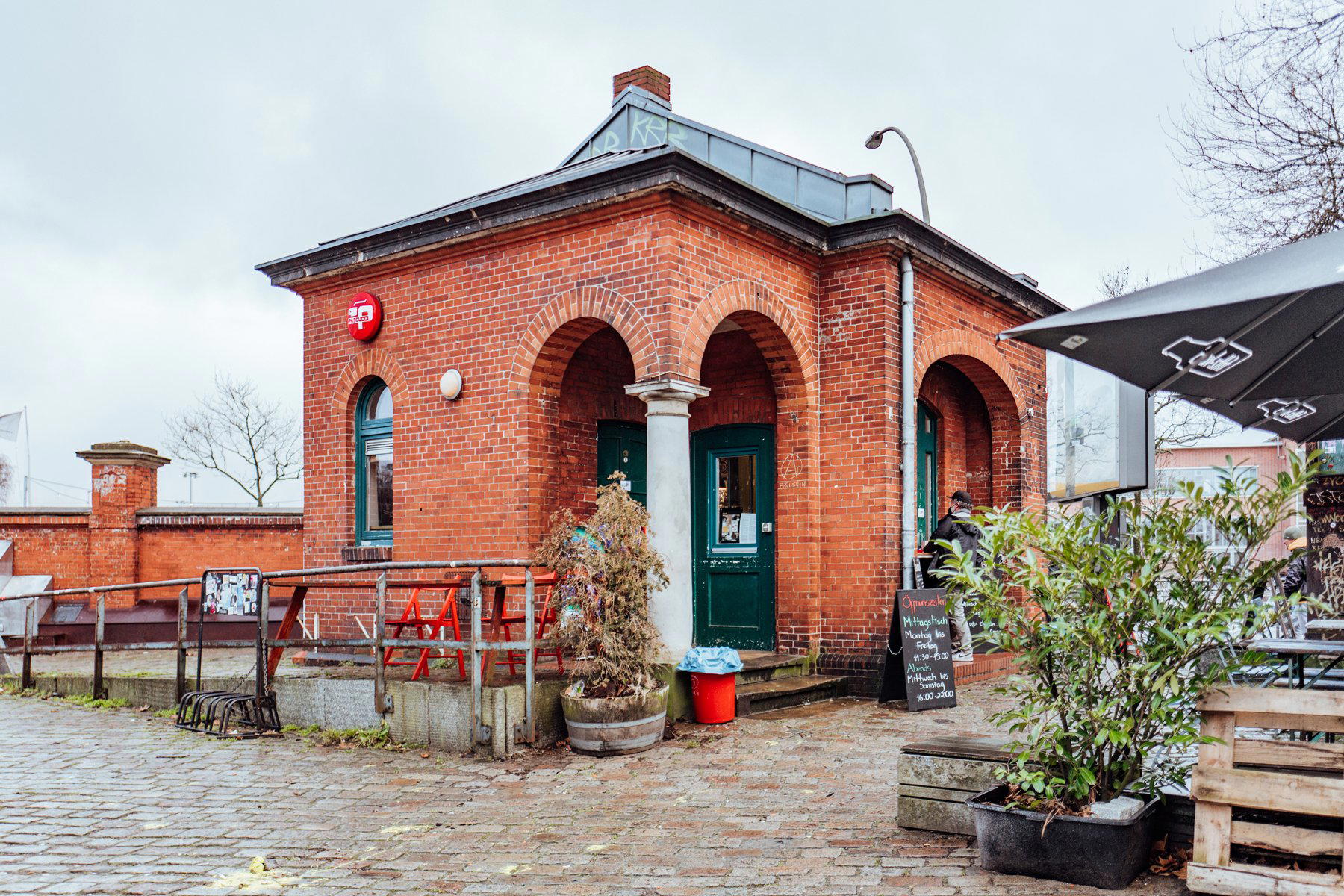
The Schanzenviertel Table: How Hamburg Eats When It's Not Trying to Impress
Hamburg's dining identity has always operated on two frequencies. The first is the formal register: the Restaurant Haerlin and The Table Kevin Fehling tier, where multi-course precision and Michelin recognition shape every decision. The second is quieter, more deliberate, and rooted in the character of specific neighbourhoods rather than in any competitive fine-dining race. La Casita at Neuer Kamp 30 belongs to that second frequency. The Schanzenviertel address is itself a statement: this is the part of Hamburg where residents eat rather than where visitors perform a dining itinerary.
The Schanzenviertel sits northwest of the Alster, its grid of pre-war apartment blocks and ground-floor independents defining a kind of unhurried civic dining culture that Hamburg does better than most German cities of comparable size. Where 100/200 Kitchen and bianc operate within a clearly competitive fine-dining framework, the Schanzenviertel's smaller rooms exist in a different economy of attention. Guests arrive without a reservation infrastructure built around scarcity. The room does not impose a ceremony. The meal proceeds at the pace of the table rather than the kitchen's orchestration.
Ritual Without Formality: How the Meal Moves Here
German dining culture has a specific relationship with pacing that differs from the French or Scandinavian formats that dominate international fine-dining conversation. The expectation is not that each course arrives as a theatrical event, but that the table is held long enough for conversation to structure the evening. In the Schanzenviertel context, this translates into something closer to the southern European model of eating as social infrastructure rather than sensory experience as end in itself. La Casita's name, with its Spanish-language diminutive, signals precisely this register: the small house, the comfortable room, the meal that is complete without being elaborate.
Across Germany's more relaxed mid-tier dining rooms, the sequence tends to prioritise arrival and departure over the middle sections of the meal. Drinks come with less ceremony than in a formal setting; sharing is more common; the dessert or digestif closes the evening on its own terms rather than as a staged conclusion. This rhythm is worth understanding before you sit down, because it requires a different posture from the guest. You are not being served a performance. You are occupying a room that happens to be producing food.
For comparison: the experience of eating at Lakeside involves a formal lakeside setting that places specific atmospheric demands on the guest. La Casita's Schanzenviertel address works in the opposite direction, removing those demands and asking for nothing beyond presence. Germany's most formally structured restaurants, from Aqua in Wolfsburg to Schwarzwaldstube in Baiersbronn, earn their Michelin recognition partly through the architecture of the meal itself. The neighbourhood room asks a different question: what does the meal become when all that scaffolding is removed?
Placing La Casita in Hamburg's Mid-Tier
Hamburg's mid-range dining tier operates with more variety than the city's fine-dining reputation sometimes suggests. The city's port history and its northern European pragmatism have always supported a strand of unfussy, ingredient-led cooking that does not require a starred framework to be worth taking seriously. Within the Schanzenviertel specifically, the density of independent venues means that individual rooms differentiate themselves less through category or concept and more through the specific character of the welcome and the reliability of execution over time.
The address at Neuer Kamp 30 is walkable from the S-Bahn at Sternschanze, which makes La Casita accessible without planning. That accessibility is part of the point. Fine-dining rooms like Vendôme in Bergisch Gladbach or Victor's Fine Dining in Perl require a degree of destination-commitment from the guest. La Casita occupies the opposite end of that spectrum: a room that earns its place in an evening through convenience of location and the specific texture of a neighbourhood rather than through the prestige of a detour.
Germany's broader restaurant scene has been undergoing a generational shift in how mid-tier rooms position themselves. JAN in Munich and CODA Dessert Dining in Berlin demonstrate how ambition in Germany's secondary tier now expresses itself through format innovation rather than classical credentialing. Hamburg's Schanzenviertel represents a quieter version of that shift: rooms that have defined themselves through neighbourhood loyalty rather than critical positioning.
What to Know Before You Go
Practical information on La Casita is sparse in the public record. No phone number, website, or confirmed hours appear in available data, which makes direct contact or a walk-in visit the most reliable approach for current information. The Neuer Kamp 30 address is confirmed. The Schanzenviertel's general evening rhythm runs later than central Hamburg, with most independent rooms filling from 19:00 onward and tables turning less frequently than in volume-driven venues. For confirmed booking details, visiting in person during the day to check posted hours is advisable given the limited online presence.
Hamburg's dining scene in the Schanzenviertel rewards the approach of arriving without a fixed itinerary and allowing the neighbourhood to set the pace. Rooms like this one exist alongside bars, wine shops, and late-night spots in a way that encourages the meal to be one movement in a longer evening rather than its centrepiece. That is a specific kind of value that the city's formal tier, however impressive, cannot replicate.
For those who want to map the full range of Hamburg's dining options, from the Schanzenviertel's neighbourhood rooms to the city's Michelin-tier counters, the EP Club Hamburg restaurants guide covers the competitive field in detail. For context on Germany's broader fine-dining geography, Schanz in Piesport, Waldhotel Sonnora in Dreis, ES:SENZ in Grassau, and Bagatelle in Trier represent the range of formats operating at the upper end. For international reference points on how a room's ritual architecture shapes the dining experience, Le Bernardin in New York City and Atomix in New York City offer useful contrasts at the formal end of the spectrum.
Continue exploring
More in Hamburg
Restaurants in Hamburg
Browse all →
Bars in Hamburg
Browse all →

Hotels in Hamburg
Browse all →
Wineries in Hamburg
Browse all →
At a Glance
- Cozy
- Rustic
- Casual Hangout
- Standalone
- Street Scene
Current opening hours
- Monday
- Closed
- Tuesday
- 12–10 PM
- Wednesday
- 12–10 PM
- Thursday
- 12–10 PM
- Friday
- 12–10 PM
- Saturday
- 12–10 PM
- Sunday
- Closed
Hours can change for holidays and private events. Last verified .
Sweet and charming outdoor atmosphere with beer benches and tables in a cozy little house.
Know Before You Go
- Getting there
- Neuer Kamp 30, 20357 Hamburg, Germany