Our verdict
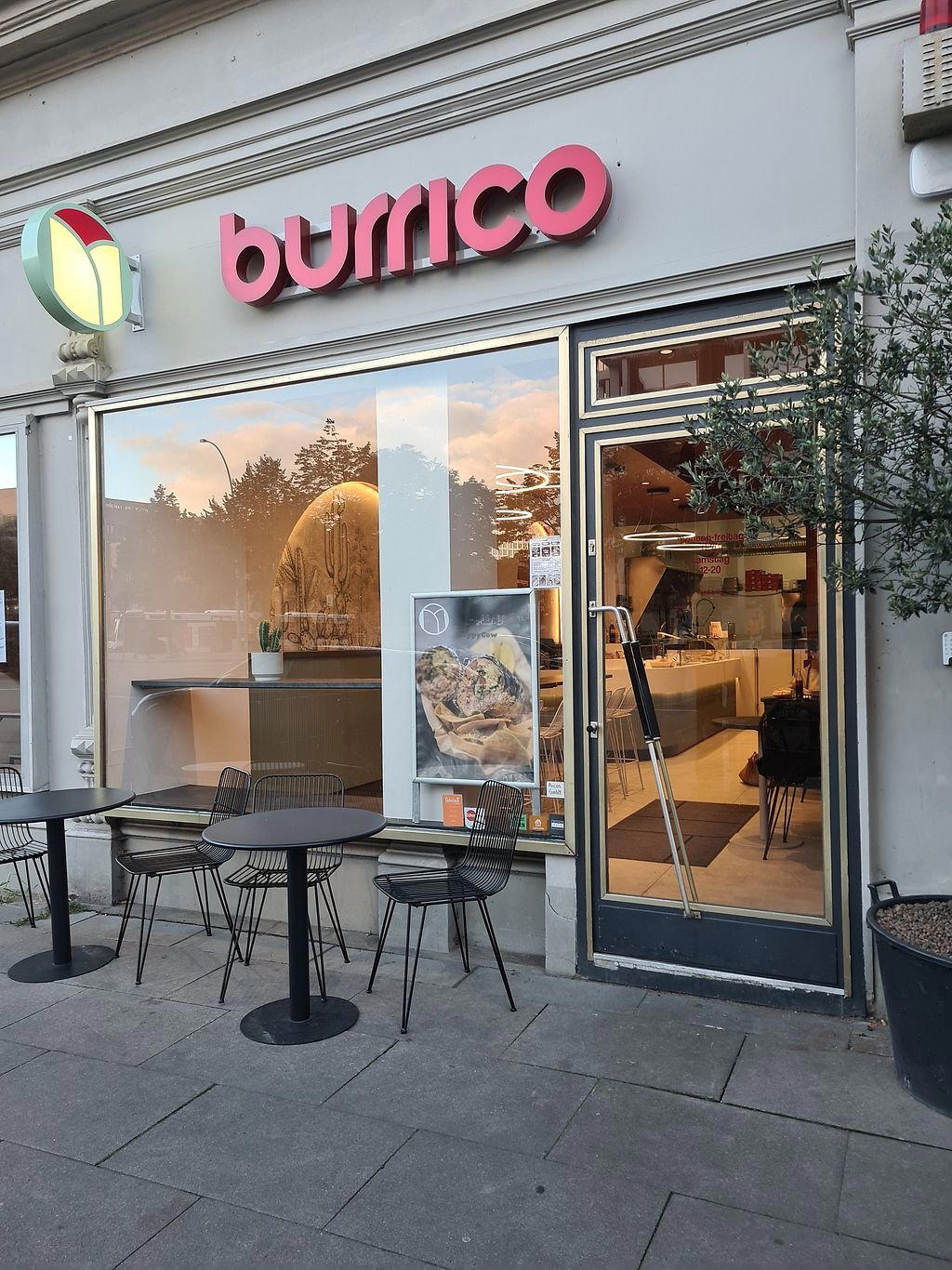
Burrico occupies a Speicherstadt-adjacent address on Brandstwiete in Hamburg's old warehouse district, where casual formats and serious cooking increasingly share the same postcode. The address places it within walking distance of the city's most discussed dining corridor, making it a practical reference point for anyone mapping Hamburg's mid-register eating scene against the high-end counters a few streets north.

Pearl is the En Primeur Club membership app, where members save venues, book tables and use the concierge.
The menu
What to order
- Burrito Chipotle Chicken
- Burrito Veggie
Brandstwiete and the Shifting Register of Hamburg Dining
Hamburg's eating scene has spent the better part of a decade sorting itself into tiers that feel less fixed than they once did. At the upper end, a cluster of formal restaurants, including Restaurant Haerlin (Creative French) and The Table Kevin Fehling (Creative), hold the city's Michelin-starred positions and price accordingly. Below that tier, a more fluid middle ground has opened up, where the format can be casual, the address can be central, and the cooking can still be serious. Brandstwiete 42-44 sits in that middle ground, a stretch of Hamburg that connects the Speicherstadt warehouse district to the HafenCity waterfront development, and which has accumulated a restaurant density that reflects both tourism pressure and genuine local appetite.
The address itself carries context. The old warehouse quarter was a working infrastructure of global trade before it became a UNESCO World Heritage Site and a draw for visitors wanting Hamburg in concentrated form. Restaurants that open here now do so knowing the foot traffic is mixed: office workers from HafenCity's new build-outs, tourists moving between the Miniatur Wunderland and the Elbphilharmonie, and local residents who treat the area as a neighbourhood rather than a destination. The dining formats that survive in this environment tend to be adaptable, capable of serving lunch volume and evening atmosphere without losing their identity across either.
How the Format Has Evolved
German cities have, in the last several years, seen a pattern play out in their mid-register dining: concepts that launched with a narrow identity, a single cuisine, a street-food format, a fast-casual structure, have either committed harder to that identity or broadened their offer to compete with the full-service restaurants now operating at similar price points. The ones that broadened often did so because their neighbourhood changed around them rather than because of any internal dissatisfaction with the original concept. Brandstwiete is precisely the kind of address where that external pressure is most visible: as HafenCity has filled in and the Speicherstadt has gentrified, the expectations of the dining public walking through have shifted upward.
For Burrico specifically, the evolution question is worth holding in mind when visiting. The name, a contraction that nods toward the burrito format without fully committing to it, suggests a concept that may have started closer to a single-item fast-casual offer and moved toward something more considered. That kind of evolution is common in Hamburg's casual segment: 100/200 Kitchen (Creative) and bianc (Modern Mediterranean) both represent Hamburg restaurants that have sharpened their identity over time, though in higher price brackets. At the accessible end, the trajectory tends to be toward more ingredient attention and less throughput focus, a shift that mirrors what Lakeside (German Lakeside) demonstrates at the premium register: that Hamburg diners now expect sourcing and preparation to be part of the story regardless of price tier.
The Speicherstadt Address as a Practical Frame
Booking, timing, and logistics at Brandstwiete-area restaurants follow a pattern shaped by the neighbourhood's dual nature. Lunch trade here can be brisk and tourist-weighted, meaning midday visits often compete with group bookings from nearby attractions. Evening service tends to draw a different crowd, more deliberate, more local, and the atmosphere changes accordingly as the day workers from HafenCity clear out and the waterfront quiets. For a venue operating in this postcode, the practical advice is consistent: weekday evenings offer the leading conditions for a considered meal, while weekend lunches carry the highest variability in pace and noise.
Germany's broader fine dining circuit provides useful orientation for anyone calibrating expectations here. At the highest end of German restaurant culture, houses like Schwarzwaldstube in Baiersbronn, Aqua in Wolfsburg, and Vendôme in Bergisch Gladbach set a reference for what serious formal cooking looks like in this country. Hamburg contributes its own entries at that level, but the city's more interesting development in the past few years has been the compression of quality downward into formats that don't require a jacket or a three-hour commitment. Burrico operates in that compressed space, which is where Hamburg's dining identity is currently most in motion.
Hamburg in a Wider German Context
Placing Hamburg's casual-to-mid dining within Germany more broadly, the comparison set includes cities where the casual format has been taken further: Berlin's CODA Dessert Dining demonstrates how a single-focus concept can earn formal recognition by committing fully to its premise. Munich's JAN shows how a chef-led casual format can carry Michelin weight. Hamburg has not yet produced a casual-register equivalent at that recognition level, but the conditions exist: the city has the dining public, the ingredient supply through its port connections, and the neighbourhood density to support it. Whether a concept on Brandstwiete becomes part of that story depends on the kind of commitment to evolution that distinguishes the category's survivors from its throughput operators.
Internationally, the reference points for this kind of format evolution include venues like Lazy Bear in San Francisco, which began as a pop-up supper club and formalised into a recognised dining room, and more distantly, Le Bernardin in New York City, which has maintained identity across decades by staying committed to a single-ingredient discipline. These are not direct comparisons to a Hamburg casual venue, but they illustrate the principle: concepts with a clear identity core, and the willingness to deepen rather than dilute it, tend to outlast those that respond to neighbourhood pressure by becoming generalist.
For anyone working through Hamburg's eating options, the full Hamburg restaurants guide provides the broader map, including how venues like ES:SENZ in Grassau, Schanz in Piesport, Waldhotel Sonnora in Dreis, Bagatelle in Trier, and Victor's Fine Dining by christian bau in Perl sit within the wider German dining picture that Hamburg visitors often use as a planning frame.
Frequently asked questions
What's the signature dish at Burrico?
The name points toward a wrapped or burrito-adjacent format as the concept's origin point, but how that has evolved in practice is best confirmed directly with the venue before visiting. Hamburg's mid-register casual segment has seen significant menu development across the board, and the offer at any given address can change substantially from one season to the next.
Do I need a reservation for Burrico?
Hamburg's Brandstwiete corridor draws consistent foot traffic from both HafenCity office workers and Speicherstadt visitors, and demand at accessible-price venues in this postcode can spike without warning, particularly on weekday lunches and weekend evenings. Checking current booking options directly with the venue is advised. For higher-demand Hamburg restaurants in the formal tier, reservation windows of four to eight weeks are standard.
What has Burrico built its reputation on?
Burrico's position on Brandstwiete in Hamburg's warehouse district provides the clearest signal: the address attracts a mixed, repeat clientele drawn by proximity to HafenCity and the Speicherstadt. In Hamburg's casual segment, reputation at this level tends to accumulate through consistency and neighbourhood loyalty rather than formal recognition, and the competitive pressure from the surrounding dining density has historically pushed venues in this corridor toward greater ingredient focus over time.
Is Burrico suitable for a quick solo lunch near the Speicherstadt?
The Brandstwiete 42-44 address puts Burrico within the Speicherstadt's immediate orbit, making it a practical option for visitors moving through Hamburg's warehouse district on a tighter schedule. Hamburg's casual restaurant formats in this corridor typically accommodate solo diners without a reservation during off-peak hours, though the specific seating setup and current hours at Burrico should be confirmed before visiting, as service patterns in HafenCity-adjacent venues shift with the working week.
Where It Fits
Comparable venues nearby, for context on price, style, and recognition.
| Venue | Cuisine | Price | Notes |
|---|---|---|---|
| BurricoThis venue (the venue you are viewing) | Mexican Burritos & Bowls | $10–20 | Not listed |
| San Burrito | Mexican Street Food | $10–20 | Neu Lokstedt |
| VINCENT | Vegan American Fast Food | $10–20 | St. Georg |
| Mexiko Strasse Taquería | Authentic Mexican Taqueria | $10–20 | St. Pauli |
| Tazzi Pizza | Authentic Neapolitan Pizza | $30–50 | St. Pauli |
| Pizza Bande | Creative Contemporary Pizza | $10–20 | St. Pauli |
Continue exploring
More in Hamburg
Restaurants in Hamburg
All restaurants in Hamburg →
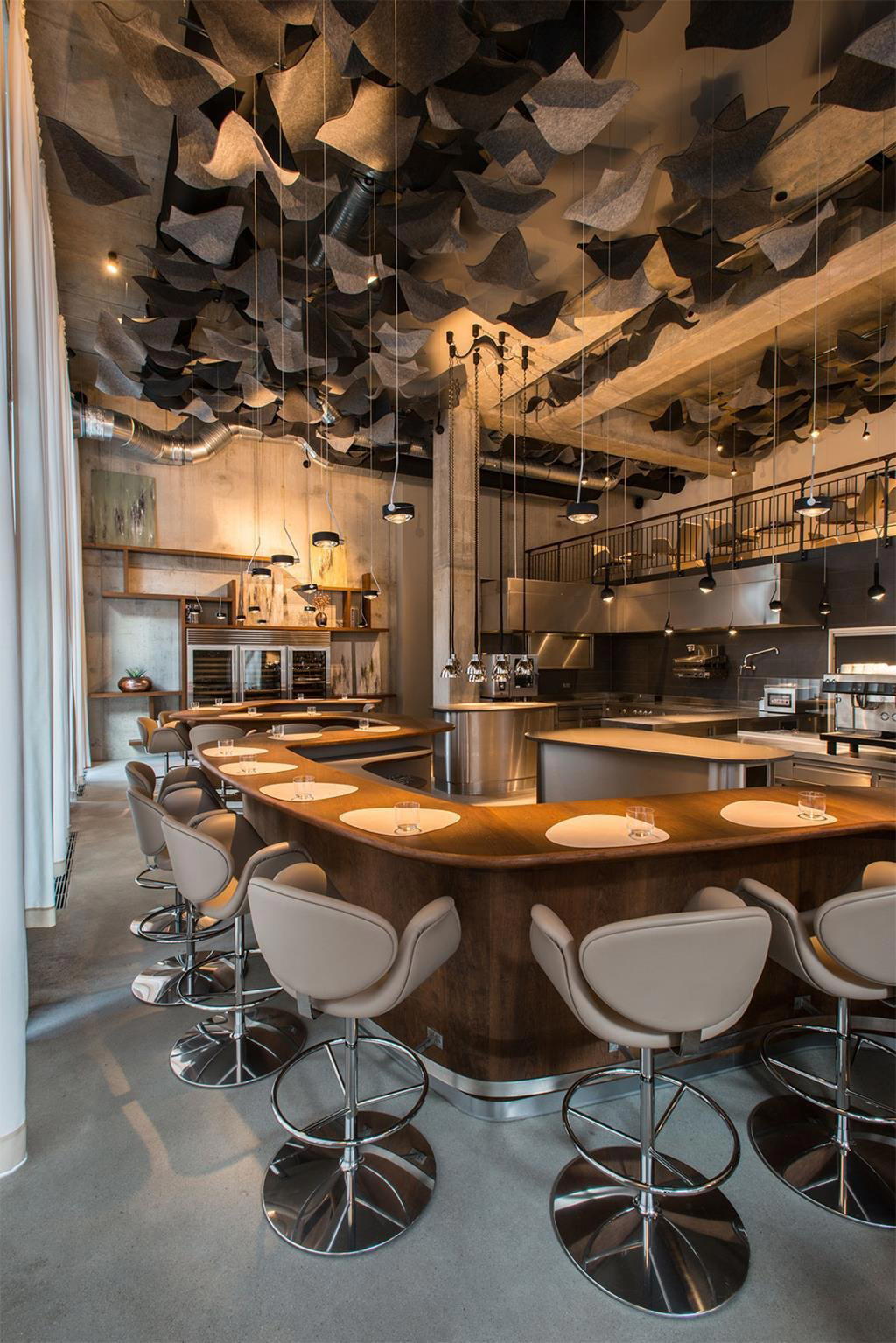
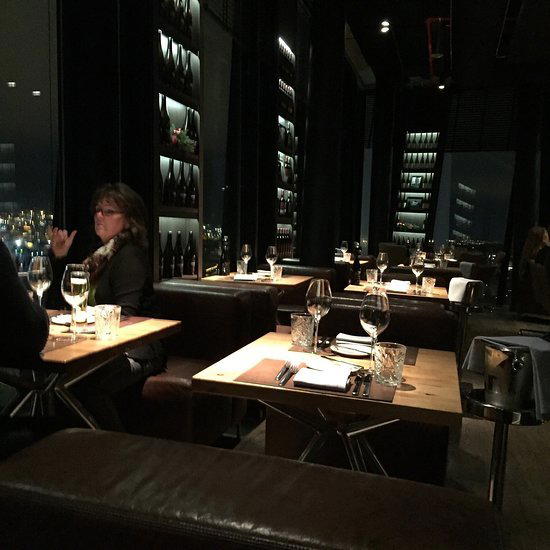
Bars in Hamburg
All bars in Hamburg →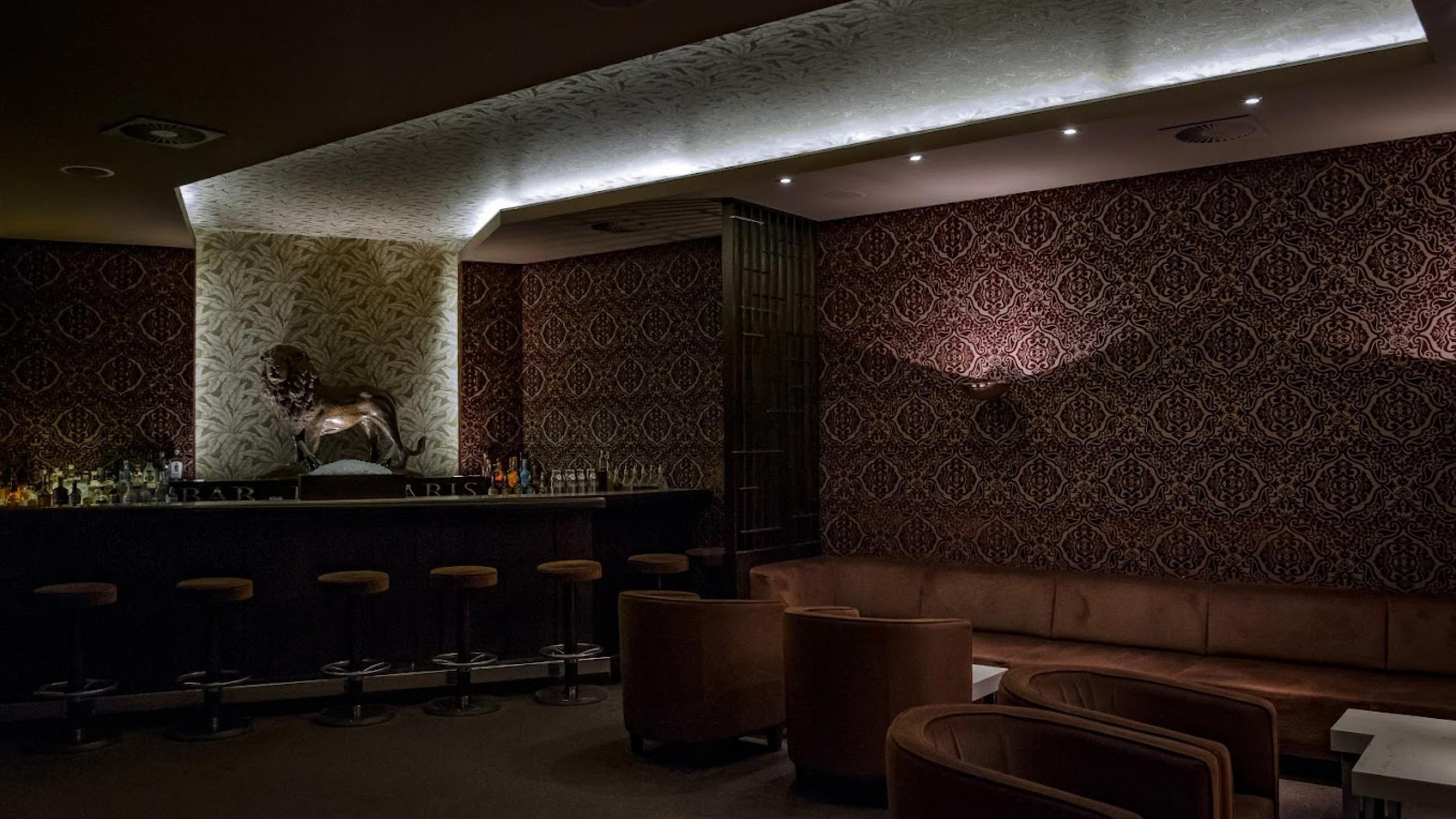
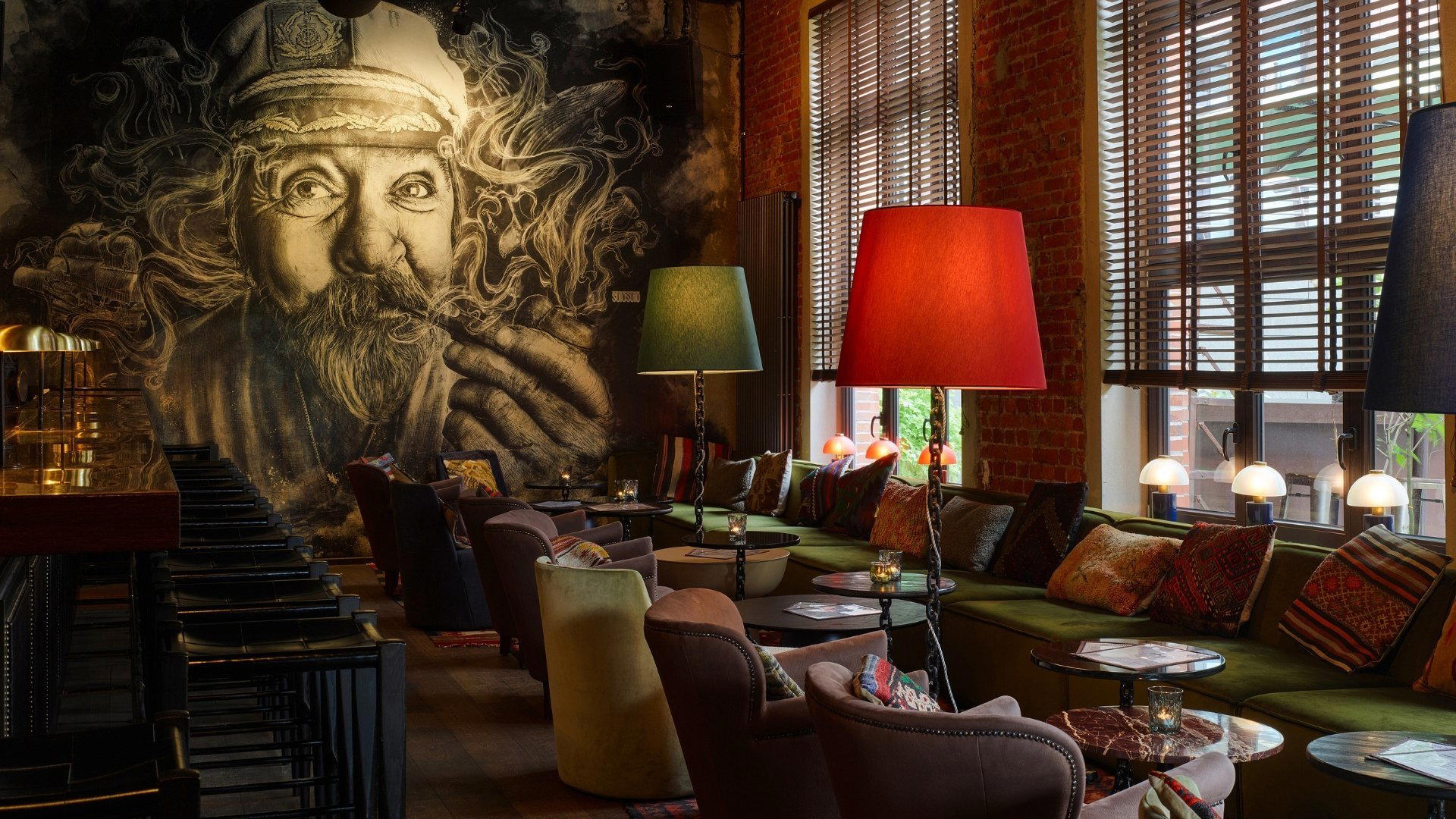
Hotels in Hamburg
All hotels in Hamburg →
Wineries in Hamburg
Browse all →
Details
- Modern
- Trendy
- Casual Hangout
- Open Kitchen
- A La Carte
- Vegetarian Friendly
- Vegan Options
Current opening hours
- Monday
- 11 AM–8 PM
- Tuesday
- 11 AM–8 PM
- Wednesday
- 11 AM–8 PM
- Thursday
- 11 AM–8 PM
- Friday
- 11 AM–8 PM
- Saturday
- 12–8 PM
- Sunday
- Closed
Hours can change for holidays and private events. Hours as of .
Modern and casual atmosphere with indoor and outdoor seating options.