Our verdict
Authentikka occupies a residential stretch of Schäferkampsallee in Hamburg's Eimsbüttel district, where the city's fine dining conversation tends to play out at a quieter register than the harbour-facing flagships. The restaurant sits in Hamburg's broader shift toward smaller, neighbourhood-anchored dining rooms that trade spectacle for precision, placing it alongside a growing cohort of addresses where the food does the signalling.

Pearl is the En Primeur Club membership app, where members save venues, book tables and use the concierge.

The menu
What to order
- Butter Chicken
- Chicken Tikka Masala
- Cauliflower Popcorn
A Neighbourhood Address in a City Rethinking Where Fine Dining Lives
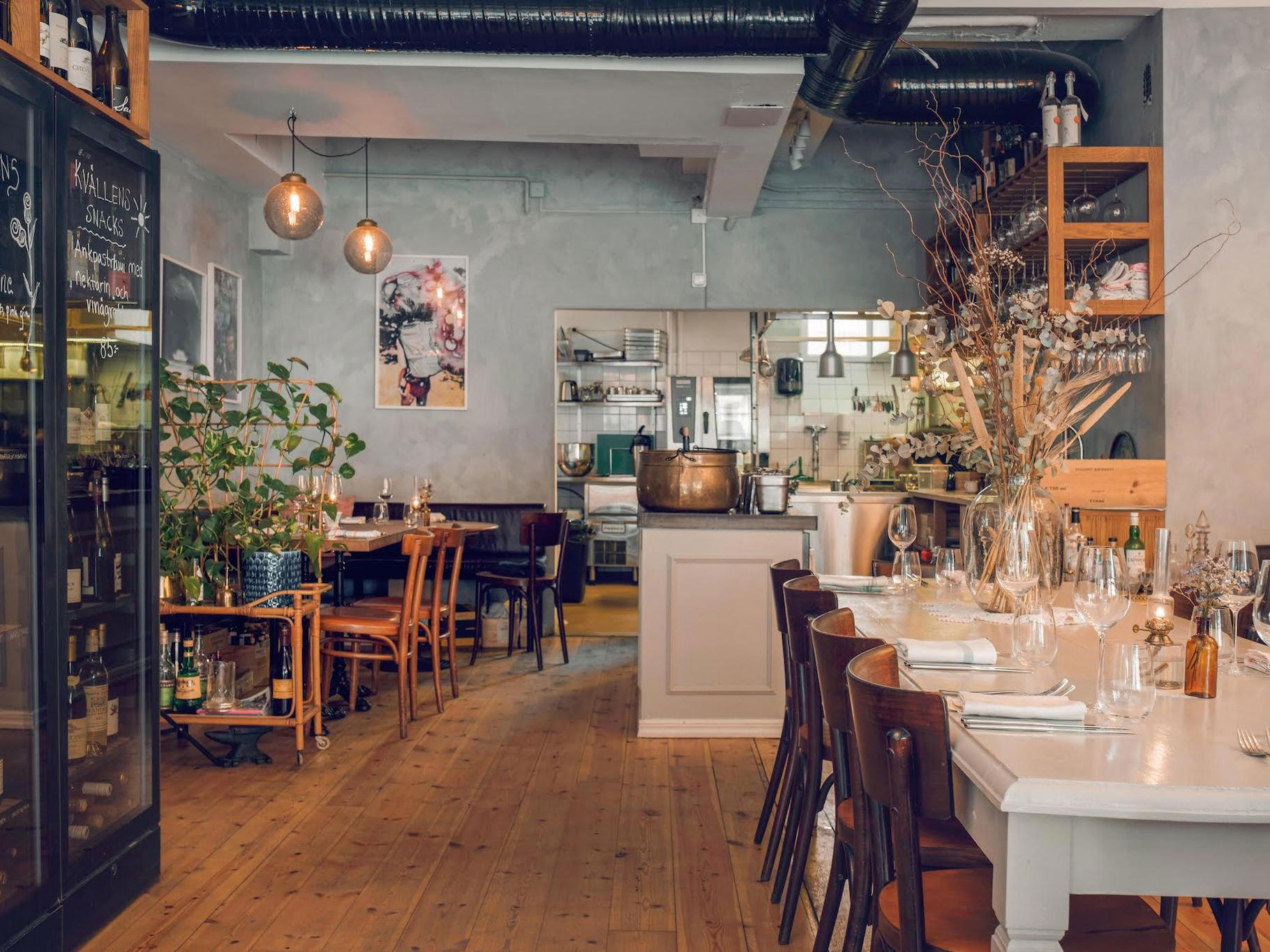
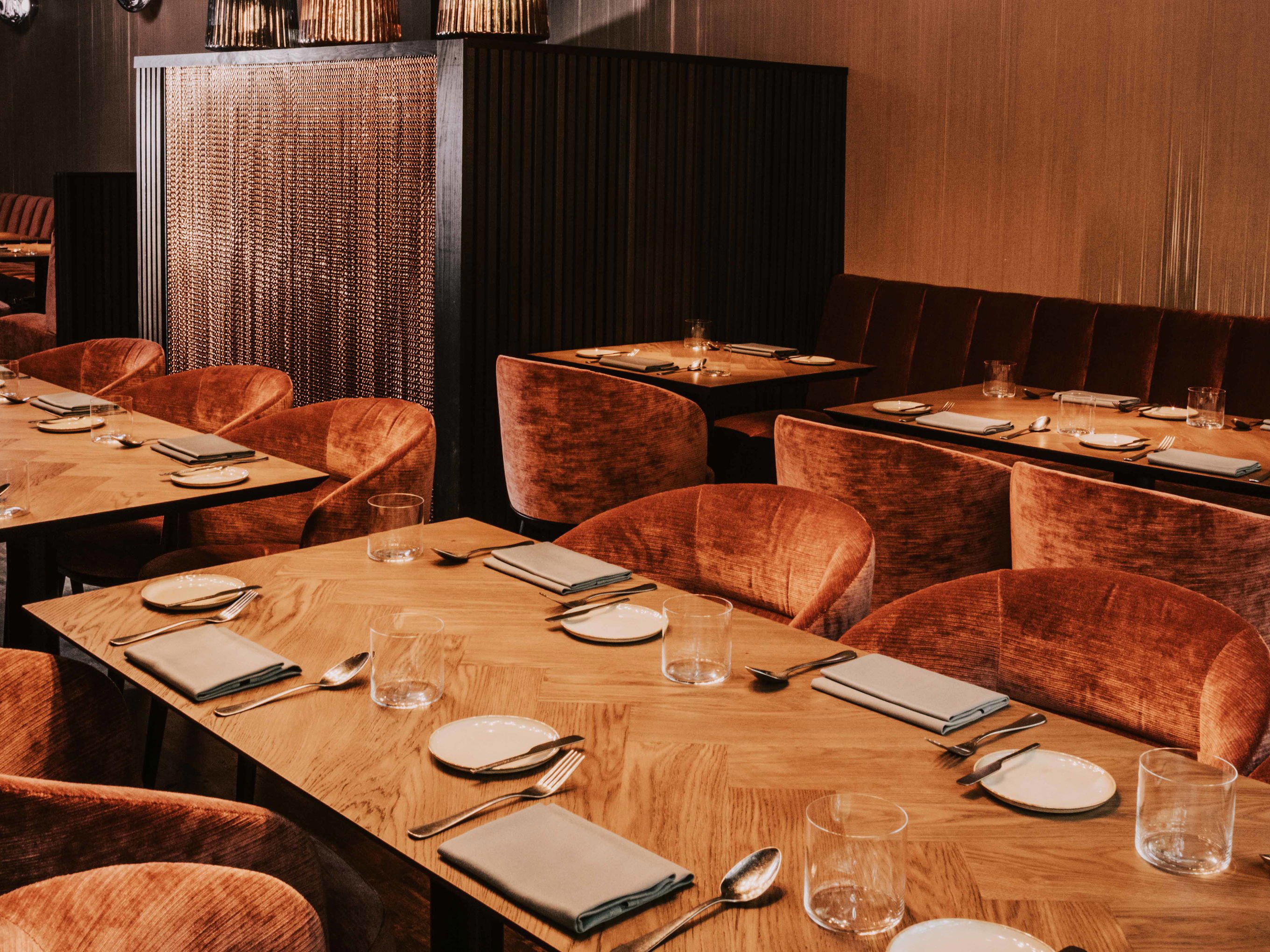
Schäferkampsallee runs through Eimsbüttel, one of Hamburg's denser residential quarters, far from the Alster waterfront and the harbour panoramas that frame the city's more visible dining institutions. The building facades here are late nineteenth-century stucco, the street-level rhythm one of small grocers, bicycle racks, and the occasional well-lit doorway that signals something worth pausing for. Authentikka sits in that register: a room that announces itself through restraint rather than spectacle, readable from the street as a place where the atmosphere is shaped by what's on the plate rather than the view behind it.
Hamburg's fine dining tier has, over the past decade, distributed itself unevenly across the city. The harbour-adjacent addresses, The Table Kevin Fehling and bianc among them, operate at the top of a price-and-prestige bracket that functions as the city's showpiece tier. A separate cohort, rooted in residential neighbourhoods and carrying lower profiles, has been building credibility through consistency and focus rather than accolades and architecture. Authentikka is part of that second cohort, on a street where the surrounding context keeps expectations calibrated to substance over ceremony.
The Sensory Logic of the Room
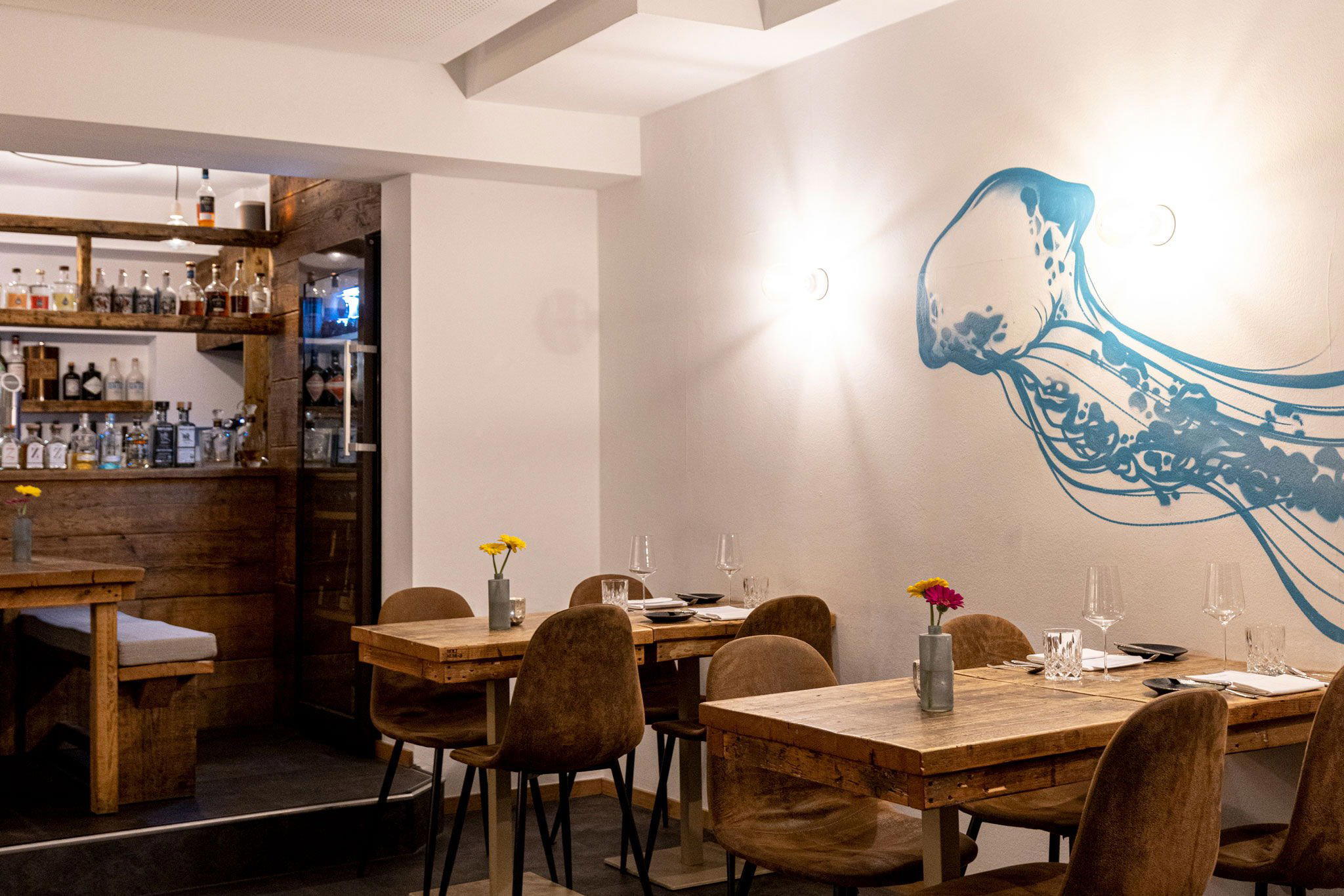
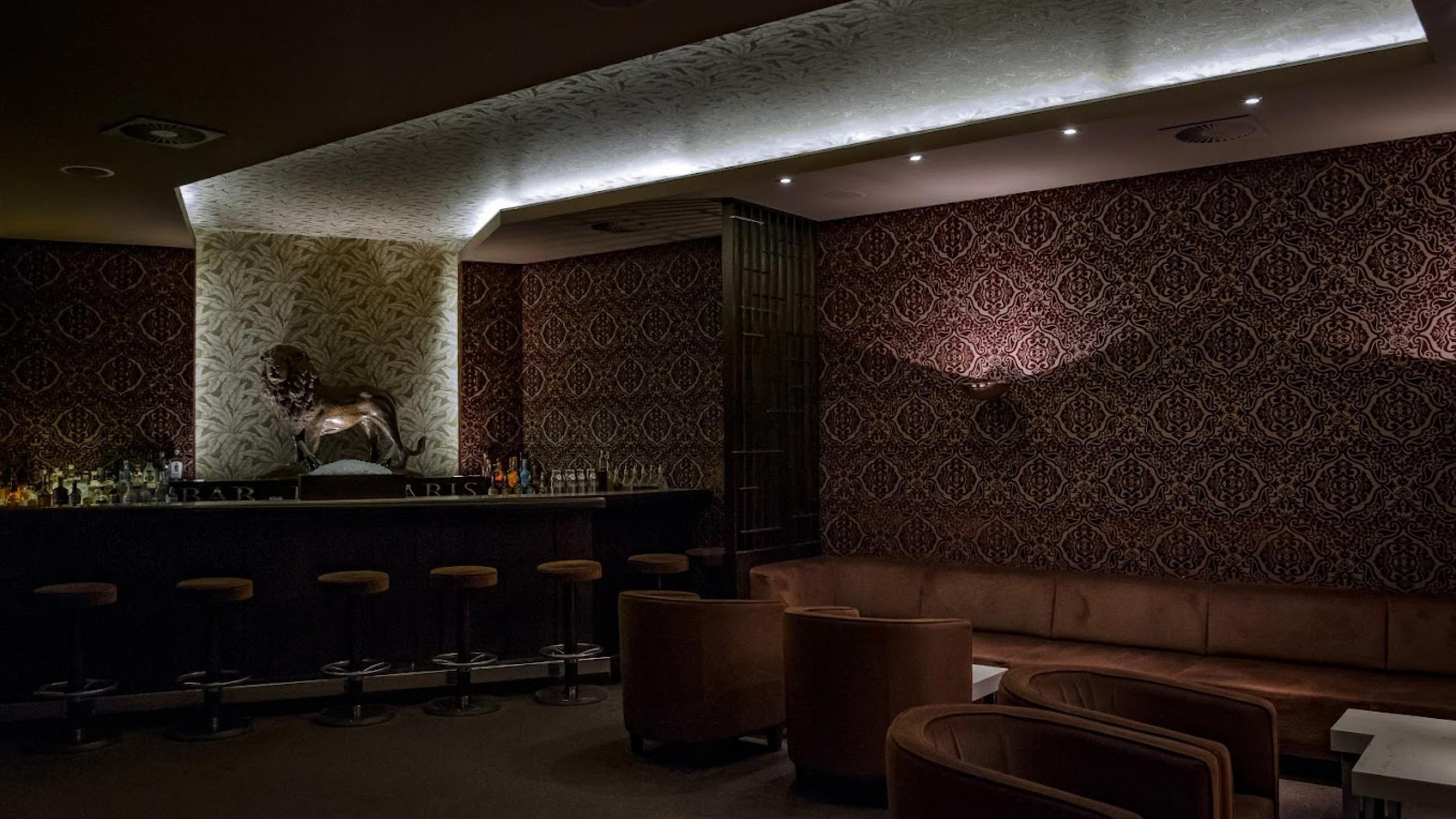
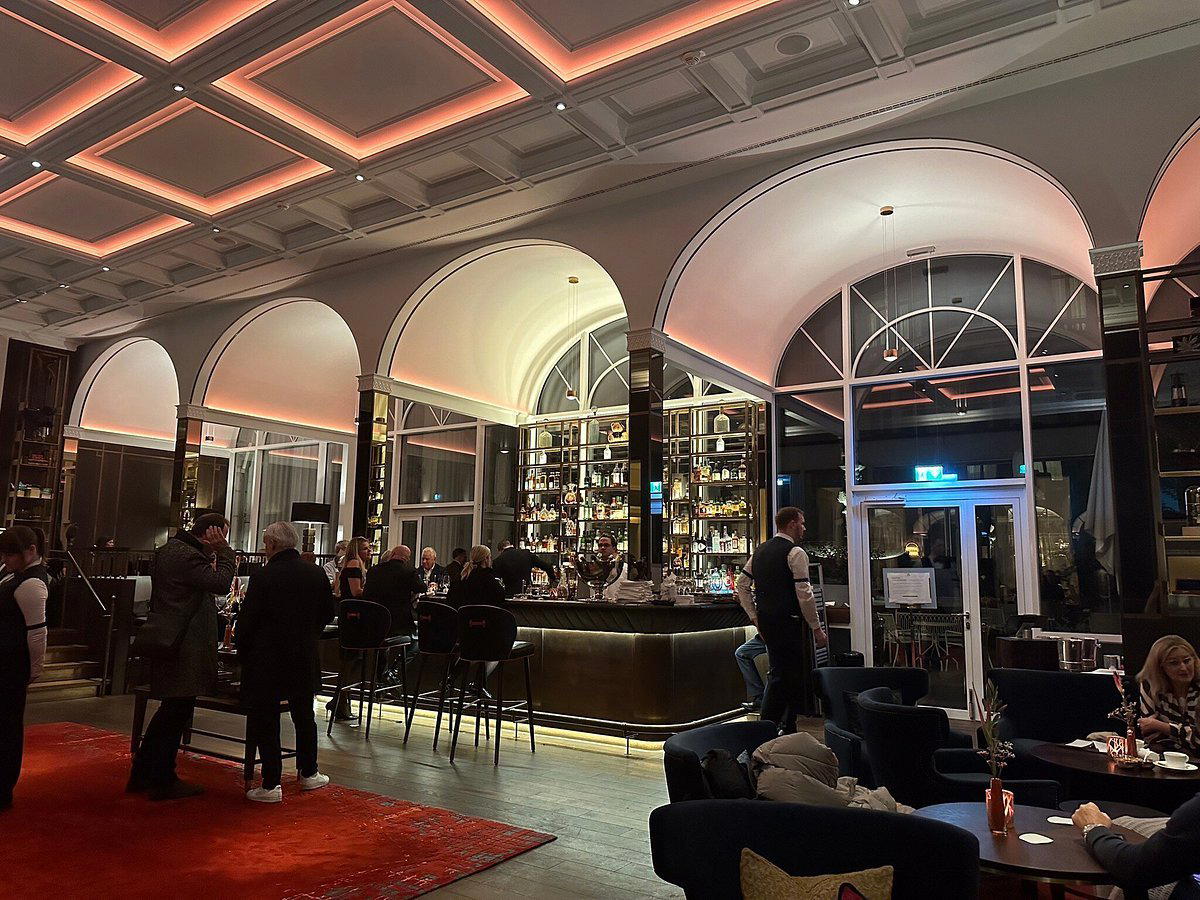
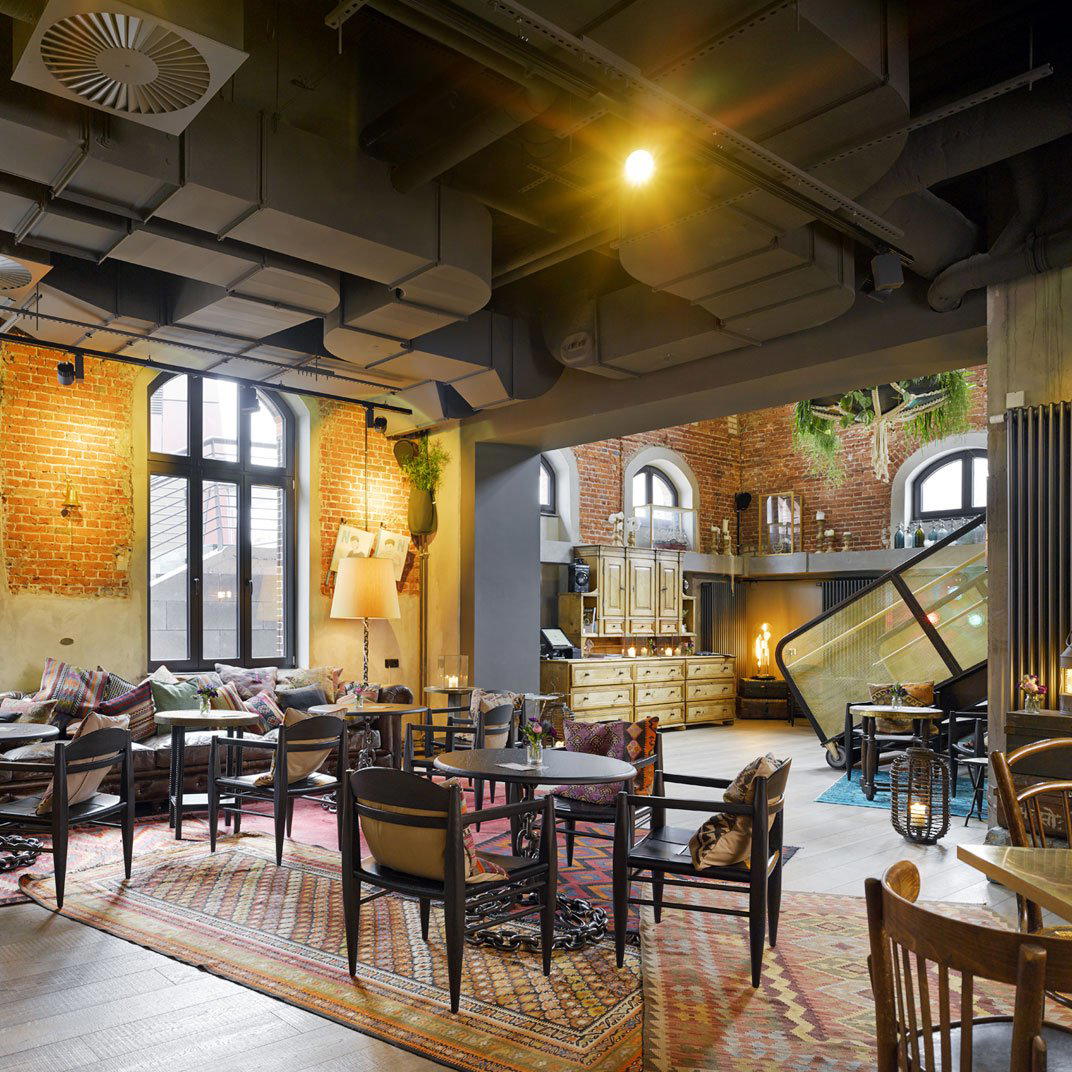
Eimsbüttel dining rooms in this register tend to share certain characteristics: moderate scale, warm light that doesn't overperform, a sound environment shaped by conversation rather than designed acoustic drama. The physical approach along Schäferkampsallee is unhurried, the kind of walk that puts a diner in the right frame of mind for a room that rewards attention. Inside, the atmosphere functions as context for the food rather than competition with it. This is a pattern visible across Hamburg's neighbourhood-serious dining addresses, where the investment is directed inward, toward kitchen discipline and sourcing, rather than outward toward surfaces and fit-out.
Germany's broader fine dining conversation has moved in this direction across several cities. In Berlin, CODA Dessert Dining built a Michelin-starred program around a format most rooms wouldn't attempt, demonstrating that an unconventional premise in an unshowy space can carry serious critical weight. In Hamburg, the same logic applies: the room at Schäferkampsallee 41 is less a statement of arrival than an invitation to pay attention to what's actually on the table.
Where Authentikka Sits in Hamburg's Competitive Field
Hamburg's restaurant field at the serious end runs from the €€€€ tier, anchored by Restaurant Haerlin and 100/200 Kitchen alongside The Table and bianc, down through a mid-tier where creative cooking and German ingredient focus intersect. Lakeside occupies a distinct position in that upper bracket with its lakeside setting providing a different kind of atmospheric argument. Authentikka operates in the more intimate, neighbourhood-embedded register, where the peer conversation is less about who holds which award and more about whether the room is cooking with genuine intent.
Across Germany, the venues that have held critical attention longest tend to share a commitment to place-specific identity. Schwarzwaldstube in Baiersbronn, Aqua in Wolfsburg, and Vendôme in Bergisch Gladbach all built durable reputations in locations that are not, in themselves, destinations. The location becomes irrelevant when the cooking justifies the journey. Authentikka on Schäferkampsallee is operating in a similar logic: the address is residential, the neighbourhood is local, and the question the kitchen answers is whether the food gives a diner reason to come back.
Hamburg as Context
Hamburg's dining culture has historically been shaped by its port identity: practical, international in appetite, and resistant to the kind of high-concept formalism that has occasionally stalled serious dining in other German cities. The city supported formats in Munich and held a specific interest in technique-led cooking that didn't abandon recognisable flavour. In Hamburg, the conversation tends to return to product quality and directness. Restaurants that over-explain their philosophy in menu text rarely hold Hamburg audiences as long as those that let the cooking make the case.
Eimsbüttel, specifically, draws a dining public that is educated about food without being performatively so. The neighbourhood's residents eat out with frequency and with relatively low tolerance for the gap between promise and execution. For a restaurant on Schäferkampsallee, that local audience functions as a calibration mechanism: you can't survive on a single strong review when the regulars are dining weekly.
Planning a Visit
Schäferkampsallee 41 is accessible from the centre of Hamburg without difficulty; Eimsbüttel is well-connected by U-Bahn and the walk from the Christuskirche area is short. For restaurants at this level of neighbourhood seriousness in Hamburg, booking ahead is worth doing: rooms of this scale and format don't carry the buffer capacity of large-format dining rooms. For those comparing across Hamburg's serious dining tier, the full Hamburg restaurants guide maps the field from the Michelin-holding flagships down through the neighbourhood addresses building their own case.
For context on how Germany's most sustained fine dining addresses operate outside major urban centres, Waldhotel Sonnora in Dreis, Schanz in Piesport, ES:SENZ in Grassau, Bagatelle in Trier, and Victor's Fine Dining by Christian Bau in Perl each represent a version of the destination-worthy neighbourhood address that Authentikka is operating within. Internationally, the comparison with Le Bernardin in New York City and Lazy Bear in San Francisco is instructive for understanding how serious cooking in an unfussy room reads across different dining cultures.
Frequently asked questions
Where exactly is Authentikka?
Authentikka is located at Schäferkampsallee 41, 20357 Hamburg, Germany, Hamburg.
How does Authentikka differ from Hamburg's central fine dining restaurants?
Where Hamburg's most-documented restaurants cluster around the Alster waterfront and the HafenCity area, Authentikka operates from Schäferkampsallee 41 in Eimsbüttel, a dense residential quarter with a local rather than visitor-facing clientele. That geographic separation tends to shape both atmosphere and pricing in Hamburg's neighbourhood dining tier, typically producing rooms that are less performative and menus that respond to a regular, repeat audience rather than one-off visitors.
What do people recommend at Authentikka?
Specific dish recommendations aren't publicly documented for Authentikka at this stage. Given the restaurant's address in Eimsbüttel, Hamburg, a residential quarter with a reputation for straightforward, ingredient-led cooking, the kitchen likely follows the neighbourhood pattern of focused, seasonally adjusted menus rather than sprawling à la carte lists.
Should I book Authentikka in advance?
Authentikka sits on Schäferkampsallee 41 in Eimsbüttel, a Hamburg quarter where dining rooms tend to be moderate in scale. Smaller rooms in this tier of the Hamburg restaurant field fill quickly, particularly on Thursday through Saturday evenings. Securing a reservation ahead of your visit is sensible rather than optional.
What do critics highlight about Authentikka?
No published critical reviews are currently catalogued for Authentikka in Hamburg. The restaurant occupies a part of the city, Eimsbüttel, away from the Alster waterfront and harbour venues, that receives less press attention than Hamburg's central dining corridor, which may account for the limited documented coverage rather than any absence of quality.
Do they accommodate allergies at Authentikka?
As a practical baseline, any restaurant in Hamburg operating at a considered level is required under EU food information regulations to disclose the 14 major allergens. check the venue's official channels at Schäferkampsallee 41 before your visit to confirm specific accommodations.
Is a meal at Authentikka worth the investment?
Price range data for Authentikka isn't currently documented, which makes a direct comparison with Hamburg's wider field, running from mid-market Eimsbüttel neighbourhood spots through to the €€€€ tier of Restaurant Haerlin and The Table, difficult to draw precisely. The address on Schäferkampsallee places it in a residential quarter where the ratio of quality to cost has historically been more competitive than in Hamburg's tourist-facing zones.
Awards and Standing
A quick snapshot of similar venues for side-by-side context.
| Venue | Cuisine | Price | Awards | Notes |
|---|---|---|---|---|
| AuthentikkaThis venue (the venue you are viewing) | Modern Indian | $20–30 | Not listed | Not listed |
| The Table Kevin Fehling | Avant-Garde Fusion Fine Dining | $200–300 | 3 Michelin Stars · La Liste Top Restaurants | Creative |
| bianc | Modern Mediterranean Fine Dining | $200–300 | 2 Michelin Stars · La Liste Top Restaurants | Modern Mediterranean, Mediterranean Cuisine |
| Lakeside | Modern European Fine Dining | $200–300 | 2 Michelin Stars · La Liste Top Restaurants | German Lakeside |
| Heimatjuwel | Modern Regional German Vegetarian Fine Dining | Not listed | 1 Michelin Star · We're Smart World 3 Radishes | German, Creative |
| Landhaus Scherrer | Michelin-Starred North German Fine Dining | $150–200 | 1 Michelin Star · Star Wine List | Modern European, Classic Cuisine |