La Braja

A Michelin Plate-recognised address in the Monferrato hills, La Braja delivers classical Piedmontese cooking with a regional focus built on hand-made agnolotti, seasonal white truffles, and a cheese trolley that reflects the breadth of northern Italian farmhouse tradition. Owner Giuseppe Palermino runs the elegant dining room with a quiet formality that suits both long family lunches and serious food travel.
Pearl is the En Primeur Club membership app — saves, bookings, and concierge access live there. Same editors, same standards.
- Address
- Via S. Giovanni Bosco, N.11, 14030 Montemagno Monferrato AT, Italy
- Phone
- +39 331 179 9615
- Website
- ristorantelabraja.it
- Directions
- Get directions
 Saves & bookings on Pearl
Monferrato on the Plate
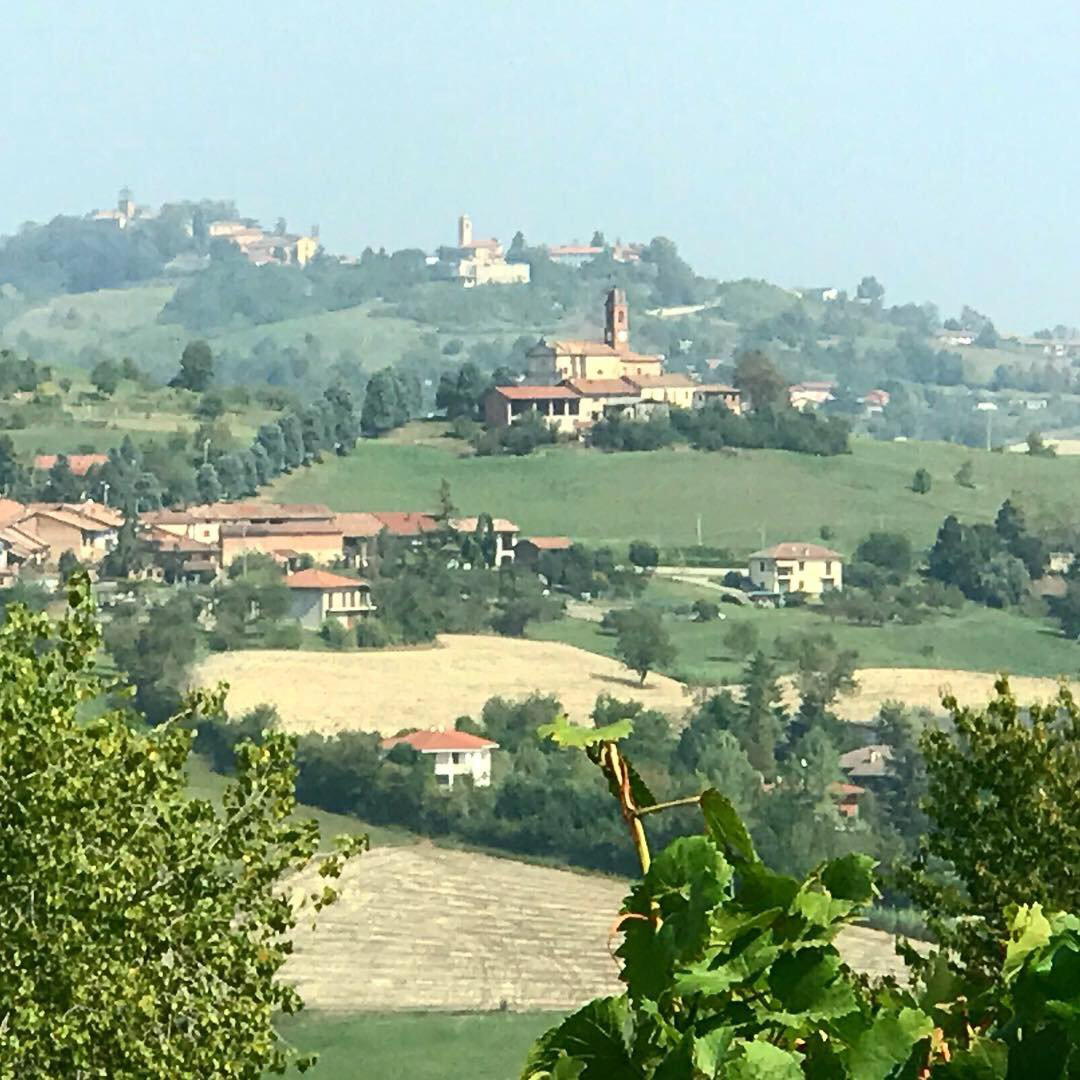
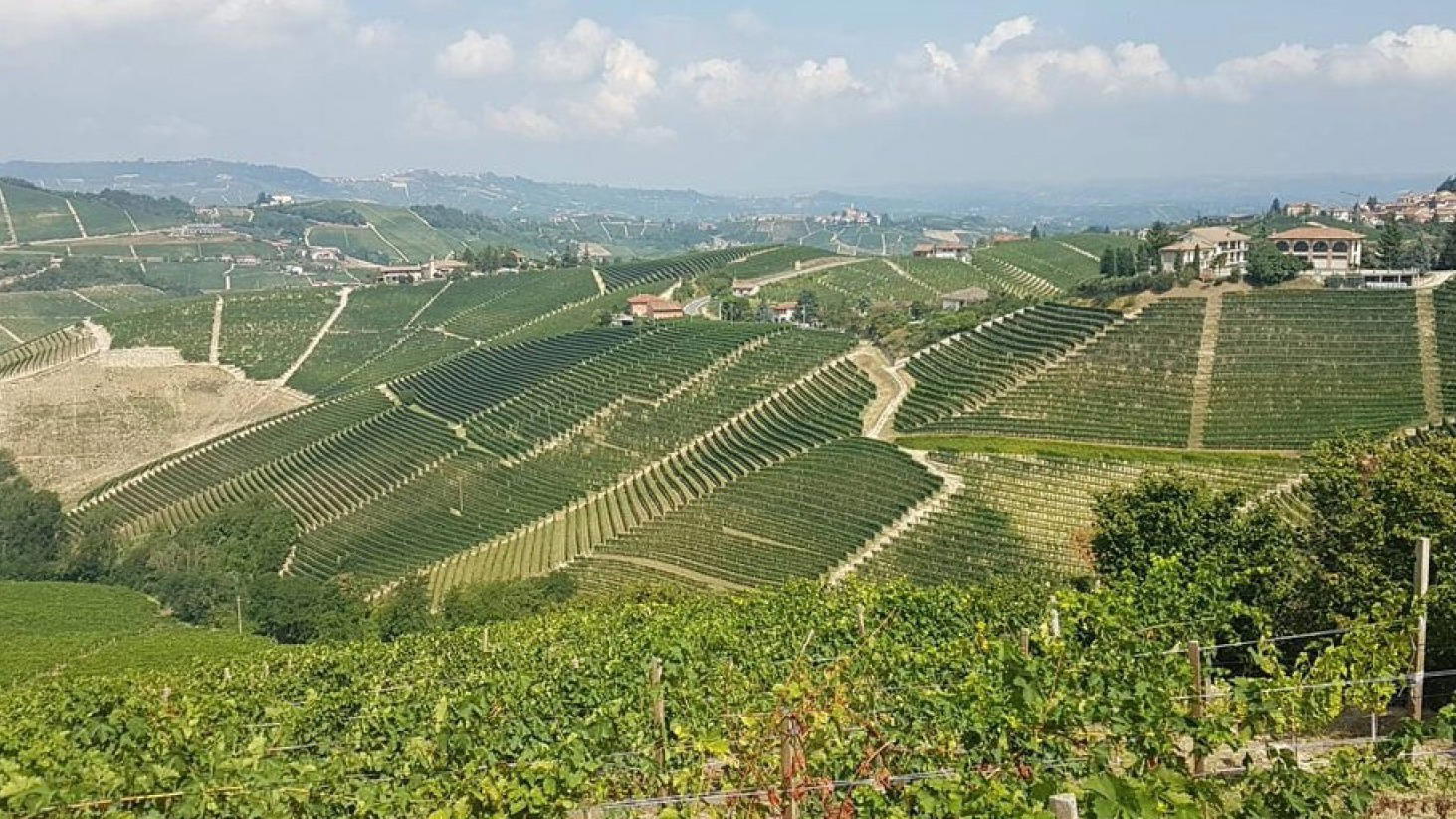
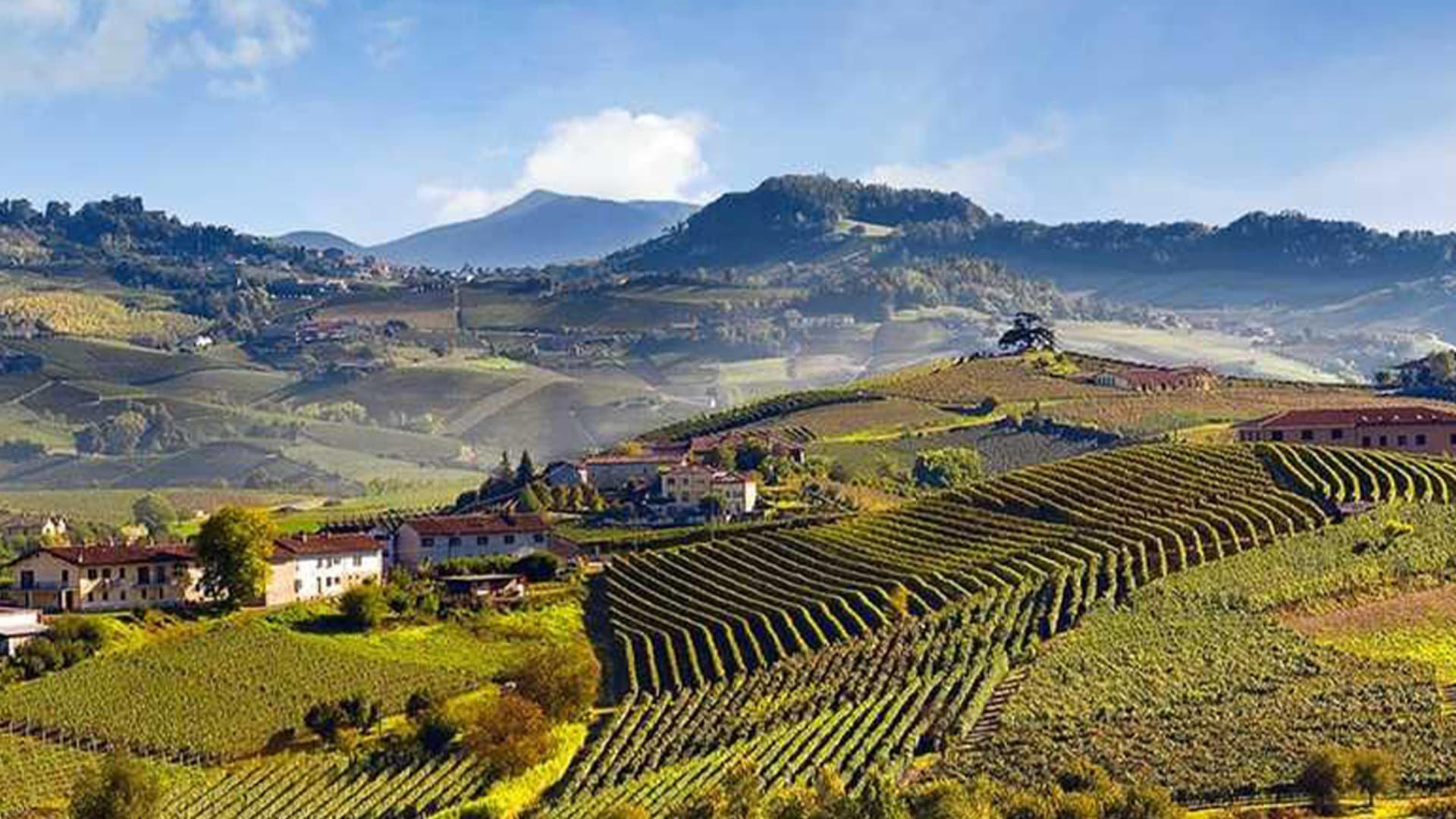
The Asti province of Piedmont operates at a remove from the better-publicised dining circuits of Alba and Turin, yet the hills around Montemagno carry the same raw material advantage: the same clay-heavy soils that make Barbera and Grignolino what they are also determine what ends up on the table. Restaurants here do not source dramatically differently from their more celebrated neighbours to the south. They simply do what the land offers, at a pace the land sets. La Braja, at Via S. Giovanni Bosco in the village of Montemagno Monferrato, sits inside that tradition and has held a Michelin Plate in both 2024 and 2025, a recognition that marks consistent kitchen quality without the price escalation of starred dining.
That distinction in tier matters for the region. Piedmont's high end clusters around Piazza Duomo in Alba and addresses like Antica Corona Reale in Cervere and Locanda Sant'Uffizio Enrico Bartolini in Cioccaro, where tasting menus price against the full international tier of Italian fine dining, the same competitive set as Osteria Francescana in Modena or Le Calandre in Rubano. La Braja operates at a €€€ price tier, a level that suits serious regional cooking.
What Arrives at the Table
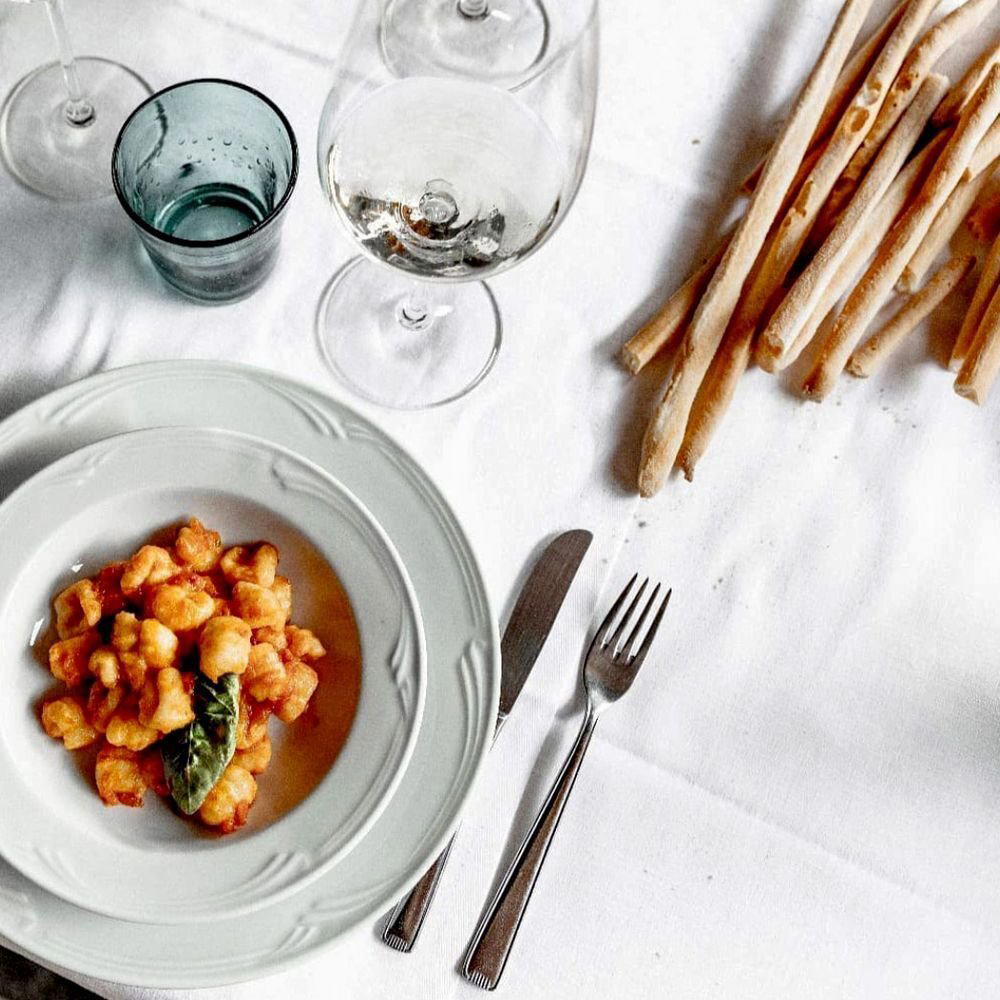
The sourcing logic of a kitchen like this one is legible in the menu structure itself. Agnolotti del plin, the small, pinched fresh pasta filled with braised meat, is Piedmont's most argued-over dish, the one every nonna, every trattoria, and every Michelin-starred kitchen claims authorship of. La Braja's version uses three types of meat in the filling, which aligns with the classic Langhe and Monferrato approach of combining braised beef, pork, and roasted rabbit or veal to produce a filling richer and more complex than any single protein alone. The pasta dough is made by hand, which at this price point and in this tradition is an expectation rather than a marketing point. What it signals, though, is a kitchen that has not replaced labour-intensive craft with industrialised shortcuts.
The cheese trolley tells a parallel sourcing story. Northern Italy's cheese geography is among Europe's most diverse: Piedmont alone produces Castelmagno, Murazzano, Bra, and Robiola di Roccaverano, all with protected designation status, alongside scores of smaller farmhouse productions that never reach export markets. A trolley format, as opposed to a plated selection, means the kitchen is managing a rotating cast of ripening wheels and soft rounds rather than ordering in fixed quantities to specification. It requires relationships with affineurs and producers, and it rewards diners who ask questions. At the restaurant, the trolley is specifically noted as a strength.
White truffle position is especially seasonally concentrated element. Truffles from the Langhe and Monferrato come into full production from October through December, with the Alba truffle fair anchoring the regional calendar each November. A kitchen in Montemagno has proximity to those supply chains that no urban restaurant in Milan or Rome can replicate regardless of budget. When truffles are in season, they take precedence at the restaurant, the menu reorients around them, which is the correct approach in a region where Tuber magnatum pico defines the cooking calendar more than any other single ingredient.
The Room and the Register
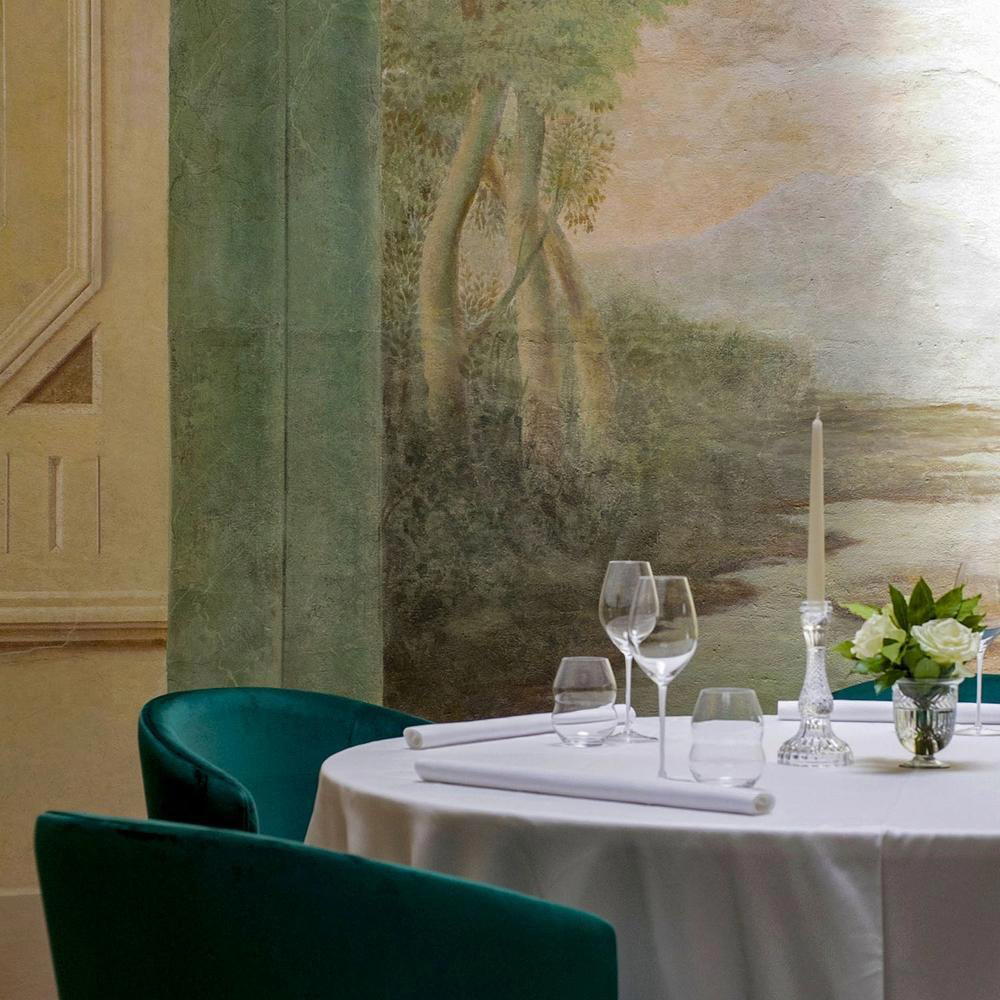
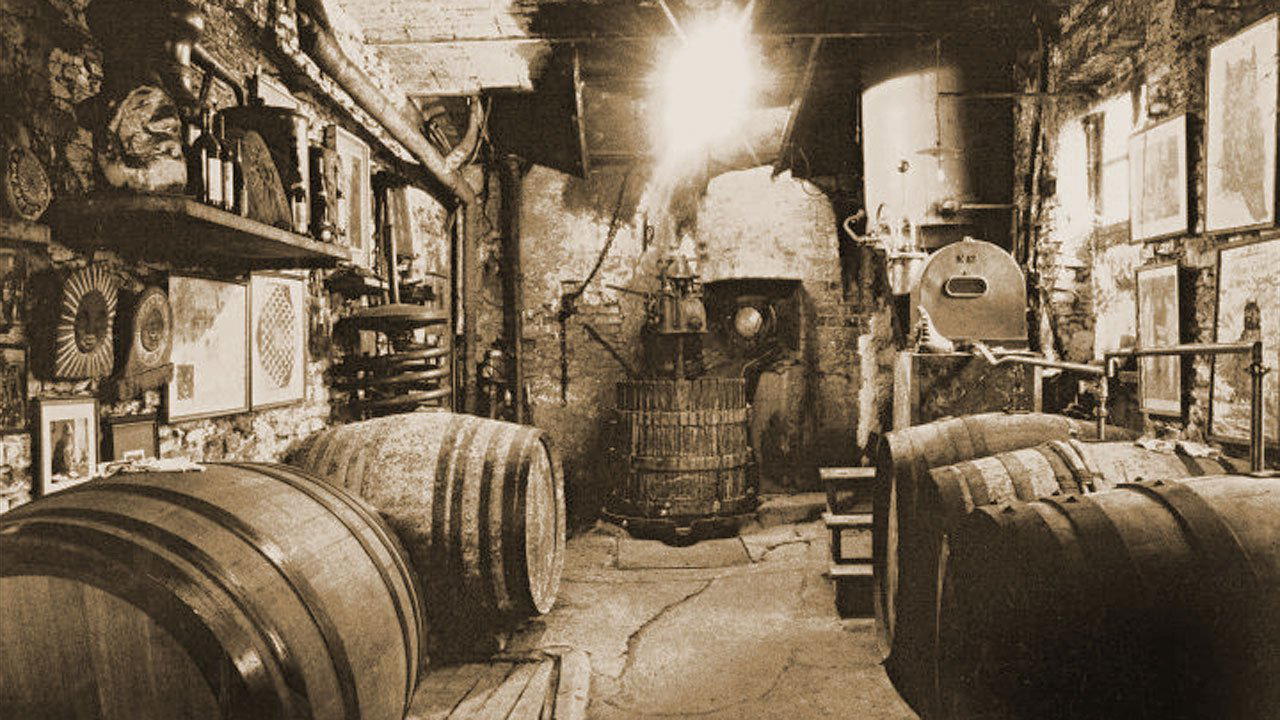
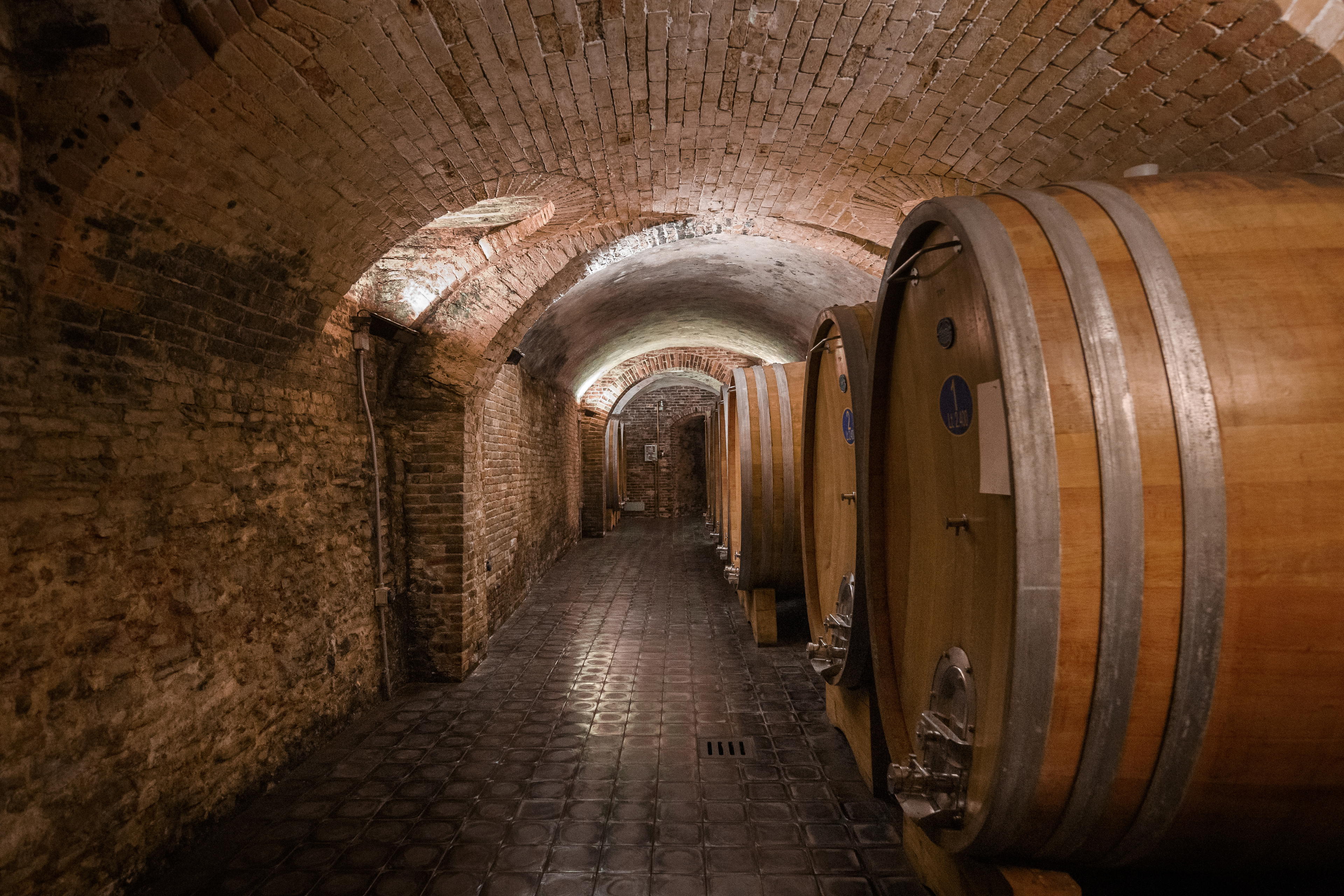
Approaching a village restaurant in the Monferrato hills, the physical setting does the first work: stone, low light, a dining room that has settled into itself over years of service rather than been designed to communicate ambition. The elegance at the restaurant is of that unhurried Piedmontese kind, white linen, considered spacing, a room that takes food seriously without theatricalising the experience. Owner Giuseppe Palermino manages the front of house with a formality that reads as genuine hospitality rather than performance, the kind of welcome that assumes you have come for the cooking and proceeds accordingly.
That register, classic, unhurried, regionally anchored, places the restaurant in a specific tradition of northern Italian dining that the country's most destination-driven restaurants have largely moved away from. The three-Michelin-starred tier, from Enoteca Pinchiorri in Florence to Enrico Bartolini in Milan to Dal Pescatore in Runate, operates in a mode of heightened ceremony and extended format. The restaurant offers something the top tier rarely does: the sense that the cooking exists to serve the ingredients and the guest rather than to advance a culinary argument.
The inclusion of fish and seafood alongside the predominantly land-based Piedmontese repertoire broadens the menu's range without diluting its regional character. Piedmont is landlocked, which means fish cookery here draws on a different sourcing logic than coastal addresses like Uliassi in Senigallia or Quattro Passi in Marina del Cantone. The presence of seafood on a traditionally Piedmontese menu reflects an older northern Italian habit, preserved anchovies and salt cod have long histories in the region's cooking, and suggests a kitchen confident enough to move across categories without abandoning its core identity.
Planning a Visit
Montemagno sits in the Asti province, in the Monferrato wine country east of Asti town. The €€€ price range positions the restaurant at a level where booking in advance is advisable, particularly during the autumn truffle season when demand across the entire region increases sharply. For the widest context on where else to eat and drink in the area,
For those using a Piedmont visit to track the region's full range, the comparison set is instructive. Creative destination restaurants like Atelier Moessmer Norbert Niederkofler in Brunico or Reale in Castel di Sangro and Casa Perbellini 12 Apostoli in Verona represent Italian fine dining in its most intellectually ambitious mode. The restaurant represents something the ambitious tier often sacrifices: deep fidelity to place, season, and the accumulated knowledge of a regional kitchen tradition that existed long before the modern fine dining template arrived to reframe it.
Comparable Spots, Quickly
Comparable venues nearby, for context on price, style, and recognition.
| Venue | Cuisine | Price | Awards | Notes |
|---|---|---|---|---|
| La BrajaThis venue — the venue you are viewing | Traditional Piedmontese Fine Dining | $$$$ | Michelin Plate | Not listed |
| La Corte Gourmet | Italian Seafood | $$$$ | Michelin Plate | Lainate |
| Da Annetta | Traditional Italian Fine Dining | $$$$ | Michelin Plate | Capolago |
| Borgia Milano | Modern Italian Fine Dining | $$$$ | Michelin Plate | Porta Magenta |
| I 5 Sensi | Modern Piemontese | $$$$ | Michelin Plate | Centro Storico |
| Coeur de Bois | Aosta Valley Italian Fine Dining | $$$$ | Michelin Plate | Cogne |
Recognition history
Dated appearances from independent guides and award organizations, with the underlying list record or original source where available.
Michelin Plate
Michelin
Michelin Plate
Michelin
Michelin Plate
Michelin
Continue exploring
More in Montemagno
Restaurants in Montemagno
Browse all →
Bars in Montemagno
Browse all →
Hotels in Montemagno
Browse all →
At a Glance
- Classic
- Elegant
- Cozy
- Special Occasion
- Family
- Date Night
- Historic Building
- Extensive Wine List
- Local Sourcing
Current opening hours
- Monday
- Closed
- Tuesday
- Closed
- Wednesday
- 12:30–1:30 PM, 7:30–8:30 PM
- Thursday
- 12:30–1:30 PM, 7:30–8:30 PM
- Friday
- 12:30–1:30 PM, 7:30–8:30 PM
- Saturday
- 12:30–1:30 PM, 7:30–8:30 PM
- Sunday
- 12:30–1:30 PM
Hours can change for holidays and private events. Last verified .
Elegant dining room with classical furniture, mustard yellow walls, candlelit intimacy, and a welcoming family atmosphere.