Our verdict
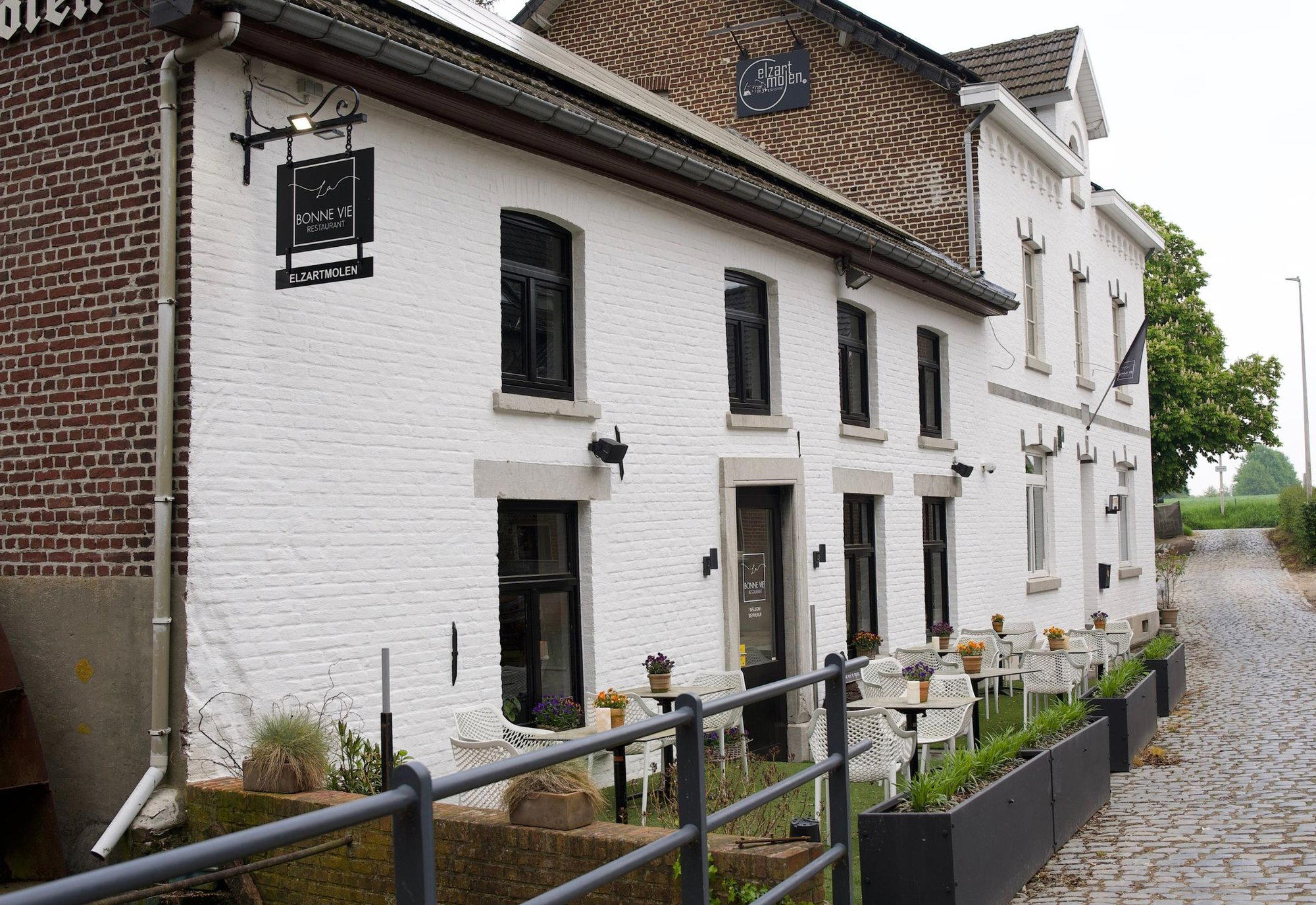
La Bonne Vie serves French fine dining in Hasselt with formal, leisurely service, an extensive wine list, and local sourcing for lunch or dinner.

Pearl is the En Primeur Club membership app — saves, bookings, and concierge access live there. Same editors, same standards.
- Address
- Herkkantstraat 58, 3512 Hasselt, Belgium
- Phone
- +32473403547
- Website
- la-bonne-vie.be
- Directions
- Get directions
- Booking
- Book on the venue's website
The menu
What to order
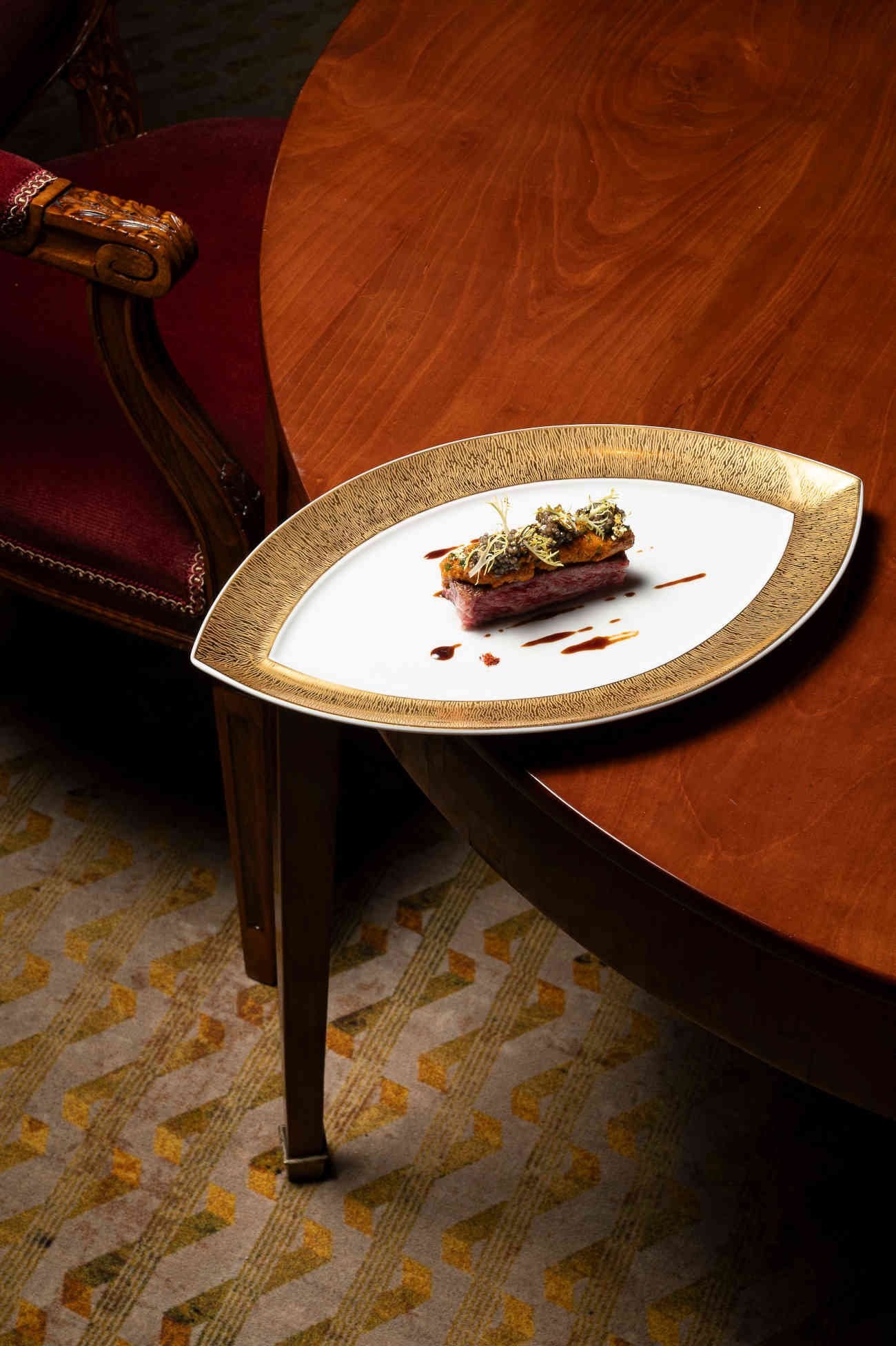
- Tartare de boeuf
- Ambachtelijke gerookte zalm with choucroute
- Magret de canard with mandarin sauce
- Scampi with fennel and Pernod
- Tournedos Charolais with fresh truffle
- Lobster from the homarium
A Street in Hasselt That Takes the Meal Seriously
Herkkantstraat, a residential address on the eastern fringe of Hasselt's city core, is not where you would expect a dining room to earn attention. Yet that peripheral quality is part of what defines a particular strain of Belgian restaurant culture: the conviction that seriousness of purpose does not require a central address or a decorated facade. La Bonne Vie sits at number 58 on that street, and the name itself, that most French of phrases for a life well lived, signals an intention about how time at the table should feel. Not rushed. Not performative. Measured.
Hasselt operates as a mid-sized Flemish city with a dining culture that punches above its scale. The city has historically attracted restaurants oriented toward craft and longevity rather than trend, a pattern visible across venues like JER, which applies modern cuisine techniques at the €€€ tier, and Ogst, working the modern French register at the same price bracket. La Bonne Vie occupies a comparable tier in this city map, where the meal is understood to be a structured event with its own internal logic, not a service transaction.
The Rhythm of the Meal
Belgian dining at this level tends to follow a particular grammar. There is an expectation of sequence: an arrival that allows you to settle, an amuse-bouche phase that functions as a tuning fork for what follows, courses that arrive at intervals long enough to permit conversation, and a closing stretch that is never hurried. This is not a cultural accident. It reflects a Flemish interpretation of the Franco-Belgian table tradition, where the meal is a social contract between kitchen and guest, and pace is part of the hospitality itself.
That tradition is what La Bonne Vie's name invokes. In the Belgian context, la bonne vie does not mean excess; it means the correct allocation of time, attention, and pleasure. Restaurants that understand this grammar signal it in small ways: in how bread arrives, in whether the water is refilled without being asked, in the gap between courses that feels deliberate rather than accidental. These are the details that separate a room with good food from a room with a coherent dining ritual.
Across Hasselt's €€€ tier, that ritual is taken seriously. 't Genoegen represents the traditional strand of this sensibility, while venues like Arlecchino and ArtChoc each occupy distinct registers within the city's offer. La Bonne Vie addresses the same audience: guests who treat a dinner booking as a commitment, not a contingency.
Where Hasselt Sits in Belgium's Broader Table
Belgium's restaurant culture is disproportionately dense with serious kitchens relative to its population. Flanders in particular has accumulated Michelin recognition at a rate that surprises visitors expecting Paris or Copenhagen to dominate the conversation. Restaurants like Hof van Cleve in Kruishoutem and Boury in Roeselare have established that Flemish kitchens can compete at the highest European tier. Zilte in Antwerp and Willem Hiele in Oudenburg have extended that argument along different stylistic lines. The coastal register gets its own articulation through Bartholomeus in Heist.
What this means for a city like Hasselt is that the regional competition is genuine. Guests who care about the quality of their table have access to a national circuit of serious restaurants, and the expectation they bring to any booking reflects that awareness. A Hasselt resident who has eaten at Castor in Beveren or De Jonkman in Sint-Kruis carries a calibrated frame of reference. La Bonne Vie operates within that frame.
Beyond Belgium, the Franco-Belgian table tradition connects outward to rooms like L'air du temps in Liernu and d'Eugénie à Emilie in Baudour, both of which work the same general sensibility of technique-led cooking delivered through a structured meal format. At the international end of this tradition, Bozar Restaurant in Brussels demonstrates how that sensibility translates to a capital-city context, while rooms as different as Le Bernardin in New York and Atomix in New York each show how the structured tasting format evolves when transplanted to a different culinary culture.
Planning Your Visit
La Bonne Vie is located at Herkkantstraat 58, 3512 Hasselt, a short distance from the city centre and accessible by car or taxi from Hasselt railway station. Given that Belgian restaurants at this tier typically require advance booking, particularly for weekend sittings, it is worth confirming availability well ahead. Dress codes at Hasselt's comparable rooms run from smart casual to more formal, and a similar assumption is reasonable here.
For a fuller picture of where La Bonne Vie sits among its peers, our full Hasselt restaurants guide maps the city's dining tiers, from traditional Belgian brasserie to modern creative formats, and identifies where each venue addresses a distinct kind of evening.
Frequently asked questions
What's La Bonne Vie's location?
La Bonne Vie is located at Herkkantstraat 58, 3512 Hasselt, Belgium, Hasselt.
Is La Bonne Vie a good choice for a special occasion dinner in Hasselt?
The name and address point toward a format built around occasion: a structured meal sequence, measured pacing, and the kind of setting that warrants a reservation rather than a casual drop-in. Hasselt sits within Flanders, a region that carries a disproportionately dense concentration of serious Belgian kitchens, which sets a high baseline for what occasion dining in the city tends to mean. For confirmed details on pricing and availability, reaching the venue directly is the most reliable route.
What's the signature dish at La Bonne Vie?
What the address in Hasselt and the name signal is a kitchen built around the grammar of Belgian seasonal cooking: structured, produce-led, and oriented toward the full meal rather than any single plate. For current menu specifics, check the venue's official channels or check for updated listings before your visit.
Can I walk in to La Bonne Vie?
At Belgian restaurants of this positioning in a city like Hasselt, walk-in availability for dinner is rare and unreliable for lunch. Herkkantstraat 58 is a residential-fringe address, which means the dining room is likely small and paced around reserved sittings. Booking ahead is the practical approach.
Cuisine and Credentials
| Venue | Cuisine | Price | Awards | Notes |
|---|---|---|---|---|
| La Bonne VieThis venue — the venue you are viewing | French Fine Dining | $50–100 | Not listed | Not listed |
| JER | Modern French Fine Dining | $150–200 | 1 Michelin Star | Modern Cuisine |
| Ogst | Modern French Fine Dining | $50–100 | 1 Michelin Star · We're Smart World 1 Radish | Modern French |
| Brasserie Rongese | Traditional Belgian Brasserie | $50–100 | Michelin Plate | Traditional Cuisine |
| De Kwizien | Modern Belgian Seafood | $100–150 | Michelin Plate | Creative French |
| Moretti | Modern Italian Osteria | $50–100 | Michelin Plate · Star Wine List | Italian |
Continue exploring
More in Hasselt
Restaurants in Hasselt
Browse all →
Bars in Hasselt
Browse all →
Hotels in Hasselt
Browse all →

Details
- Elegant
- Sophisticated
- Classic
- Special Occasion
- Date Night
- Business Dinner
- Celebration
- Standalone
- Extensive Wine List
- Local Sourcing
- Set Menu
- A La Carte
- Wine
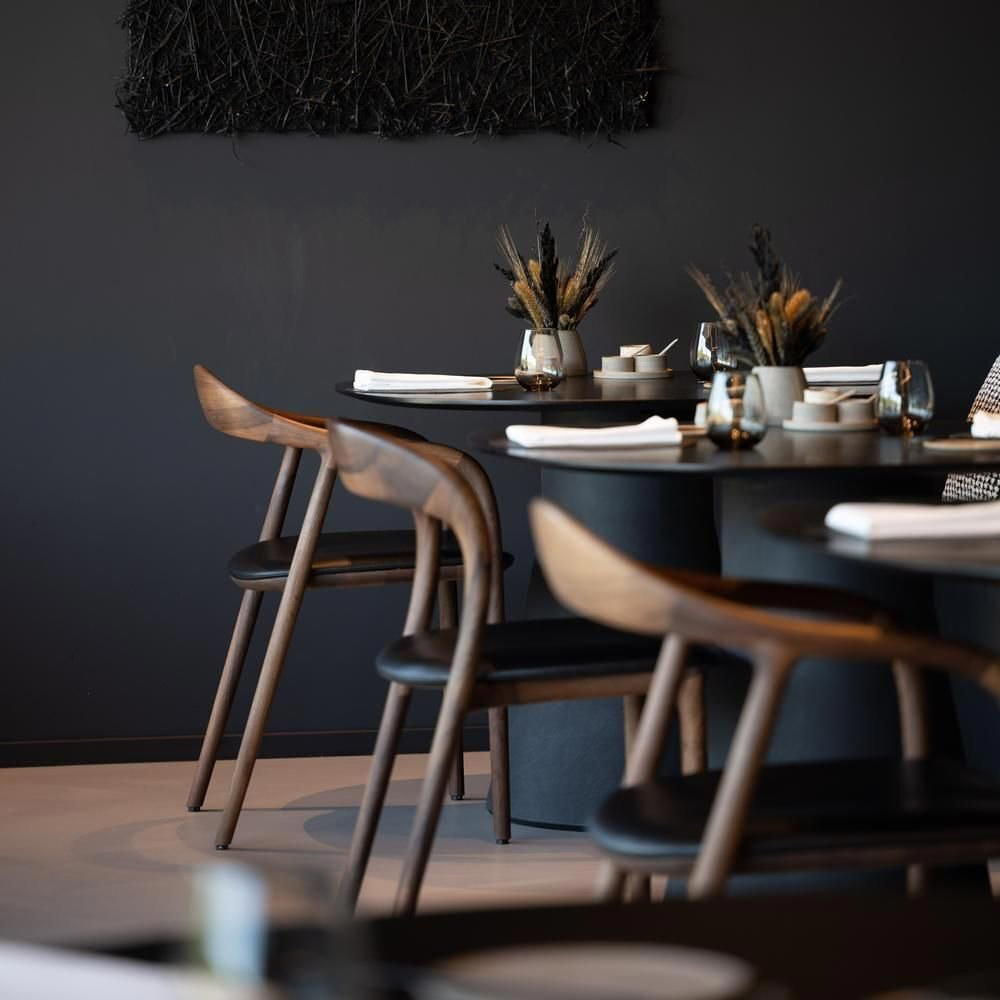
An unforced French atmosphere with a refined, comfortable feel; service is described as formal and leisurely while the room remains conversational rather than noisy.