

1 Michelin Star · We're Smart World 1 Radish
Our verdict
Ogst holds a Michelin star in Hasselt's compact fine-dining tier, pairing Modern French technique with organic produce sourced from local Belgian farmers. The Scandinavian-inflected interior keeps ceremony to a minimum while the kitchen pursues combinations of real precision, Jerusalem artichoke with squid and piquillo pepper, Landes chicken with Chinese artichoke and Albufera sauce. A focused, unpretentious address in a city that rewards those who look beyond Brussels.

Pearl is the En Primeur Club membership app, where members save venues, book tables and use the concierge.
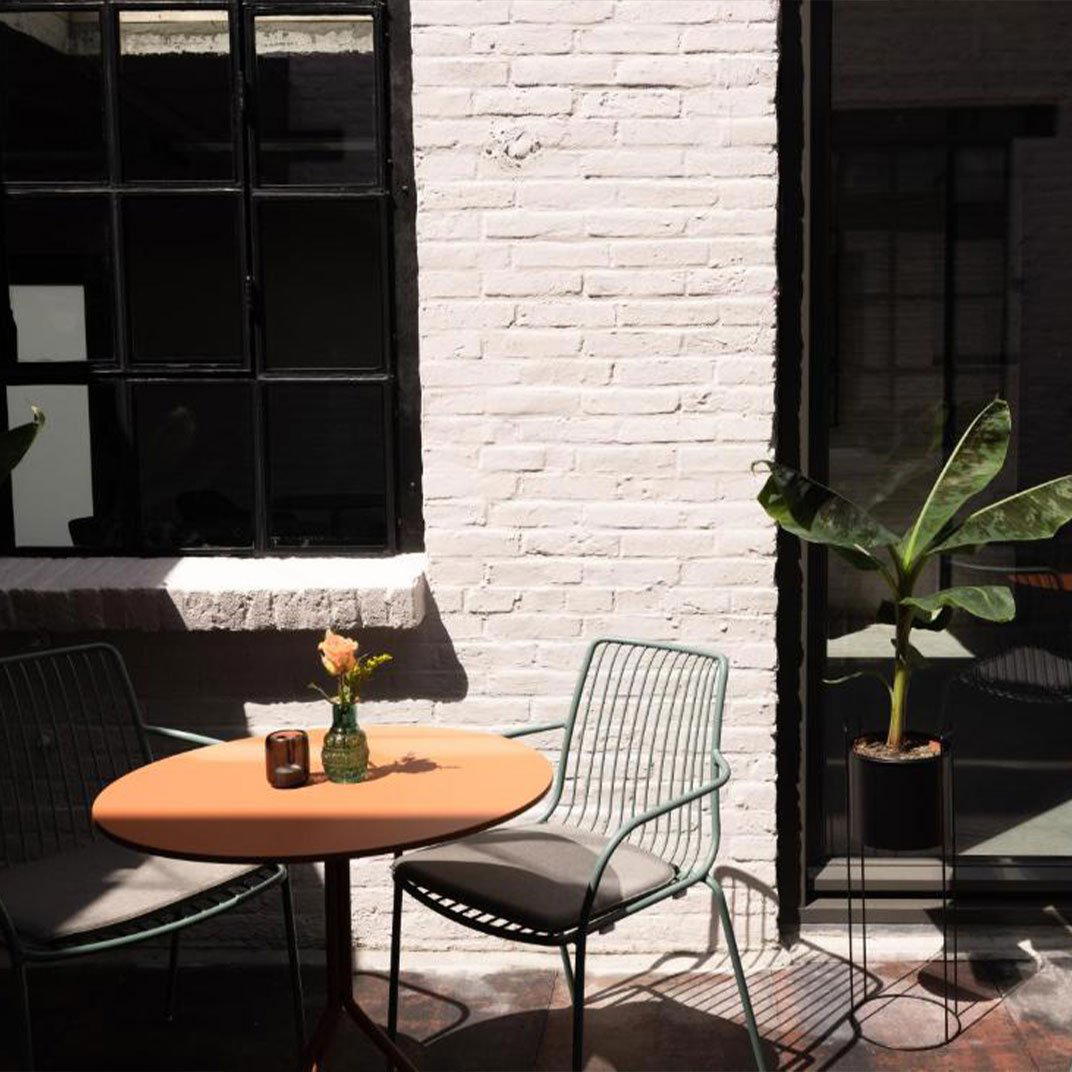
The menu
What to order
- Beef tartare with watermelon and buckwheat
- Landes duck on the bone
- Challans chicken with foie gras Albufera sauce
- Smoked eel with potato and apple
Hasselt's Fine-Dining Register and Where Ogst Sits Within It
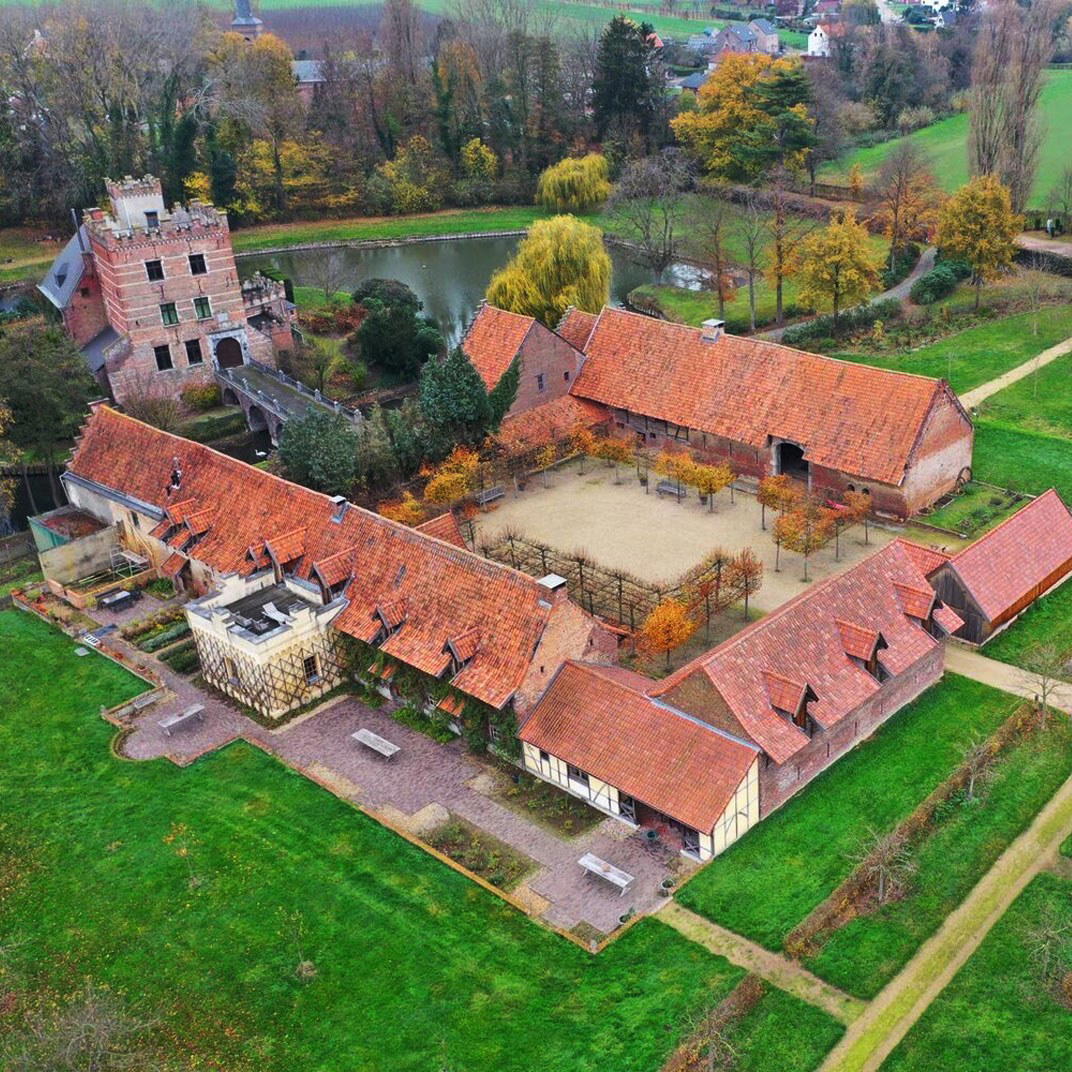
Belgium's Michelin map tends to read as a story about Flanders rather than any single city, with recognised addresses scattered across Ghent, Bruges, the coast, and the Antwerp corridor. Hasselt, the capital of Limburg province, holds a quieter position in that geography, close enough to the Dutch border to feel distinct from the Brussels-centred gravitational pull, and with a dining culture that has historically punched above what its population size would suggest. Within that setting, the Michelin one-star tier in Hasselt is a small, competitive bracket. Ogst occupies it alongside Leeuw, while the city's wider €€€ fine-dining range includes JER (Modern Cuisine), Brasserie Rongese (Traditional Cuisine), and De Kwizien (Creative French). For a city of this size, the concentration is notable.
Ogst arrived from the partnership of Sébastien Wijgaerts and Diederik Herbots, two figures who met while working in starred kitchens and subsequently went their separate ways before returning to open together on Ridder Portmansstraat. The editorial point here is not their individual biography but what their formation inside that starred-kitchen circuit means for the food: a technical floor set at a level above most regional addresses, applied deliberately without the white-tablecloth formality that often accompanies it.
The Interior as a Statement About Intent
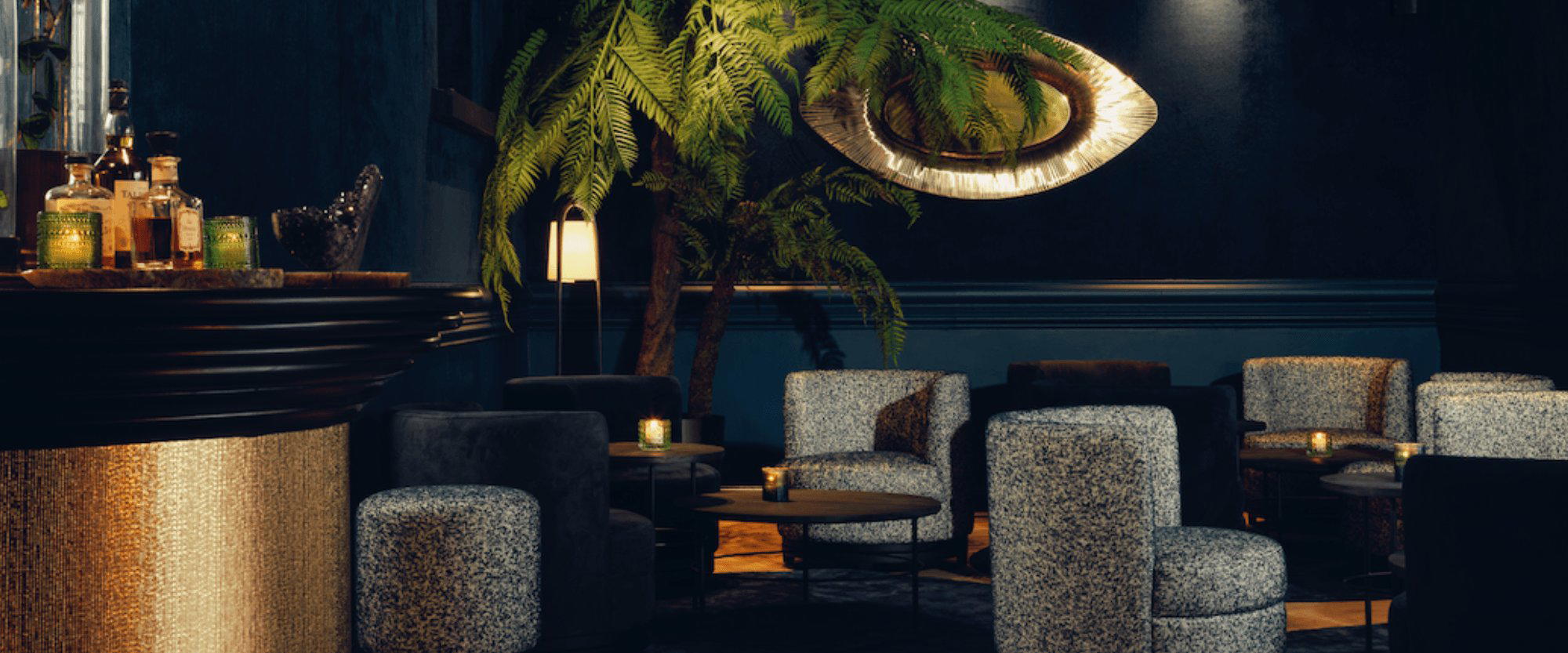
The Scandinavian-looking interior at Ogst is not an aesthetic accident. Across northern Europe, the Nordic design register, pale wood, clean lines, deliberate material restraint, has become a legible shorthand for a particular type of fine-dining seriousness: one that deprioritises theatrical décor in favour of focusing attention on the plate. In Belgium, this has been a growing counterpoint to the country's older tradition of formal dining rooms with heavy drapes and silver service. Boury in Roeselare and Willem Hiele in Oudenburg operate in comparable registers of deliberate material restraint. Ogst positions itself firmly within that current rather than against it.
What this means in practice is that Ridder Portmansstraat 4 reads as a room where the ceremony is stripped back without the warmth being removed. The explicit goal, as articulated around the restaurant's opening, was to be wary of stiff fuss, a phrase that neatly describes a broader movement in Belgian fine dining away from the formality that once defined the category. For the guest, this translates into a space where the focus lands on the cooking rather than on the architecture of service.
The Kitchen's Relationship with Produce
Modern French cooking, as practiced in Belgium's one-star tier, has moved firmly toward sourcing as a primary editorial statement. Where a decade ago the menu structure was the point, classical saucing, French regional references, composed plates, today the provenance and seasonality of produce carries equal or greater narrative weight. Ogst is a clear example of this shift. The kitchen sources vegetables from organic farmers in the Limburg area, and the menu is built around combinations that reflect what that relationship with local agriculture makes possible in a given season.
The documented pairings, Jerusalem artichoke with squid and piquillo pepper; chicken from the Landes with Chinese artichoke and Albufera sauce, show a kitchen thinking across registers simultaneously. The Jerusalem artichoke and squid combination works with the earthy sweetness of the root against the mineral character of cephalopod, with piquillo providing acid and heat. The Landes chicken with Albufera sauce is a reference to the classical French tradition (Albufera, a derivative of velouté enriched with cream and truffle butter, is among the more demanding of the mother-sauce-adjacent preparations), positioned here alongside Chinese artichoke, a root vegetable with a nutty, slightly bitter profile that adds textural contrast. The French classical vocabulary is present, but it is not the primary subject of the dish. These are combinations, not recitations.
This approach sits in an interesting middle position within the Modern French category in Belgium. It is less austere than the hyper-local-only formats found at addresses like Bartholomeus in Heist, and less theatrically complex than what Bozar Restaurant in Brussels represents in the urban fine-dining context. Ogst's version of Modern French is grounded and purposeful, sourcing discipline applied through a French technical lens, without either becoming the master of the other.
Ogst in the Wider Belgian and European One-Star Conversation
Michelin one-star addresses in Belgium operate in a compressed market where the distance between recognition and genuine critical standing is narrower than in France or the UK. The 2024 and 2025 star retentions at Ogst confirm consistency rather than novelty, which in Michelin's framework is the more demanding standard. At peer addresses outside Hasselt, the pattern is similar: Schanz in Piesport and Sketch, The Lecture Room and Library in London both illustrate how the Modern French category sits across different national markets, and how a room's design language and sourcing philosophy signal which conversation it is participating in. Ogst is participating in the Flemish regional conversation, not the metropolitan one, and it does so without apparent ambition to reframe itself otherwise.
Within Hasselt's own dining map, the Italian option at Moretti and the city's broader range sit at a different tier of formality and price. The €€€ bracket that Ogst occupies is a specific commitment: a multi-course format with professional service and wine pairing options, at a price point that requires forward planning rather than spontaneous booking. For visitors to the city, the full picture is covered in our full Hasselt restaurants guide, with additional resources available across our full Hasselt hotels guide, our full Hasselt bars guide, our full Hasselt wineries guide, and our full Hasselt experiences guide.
Planning a Visit
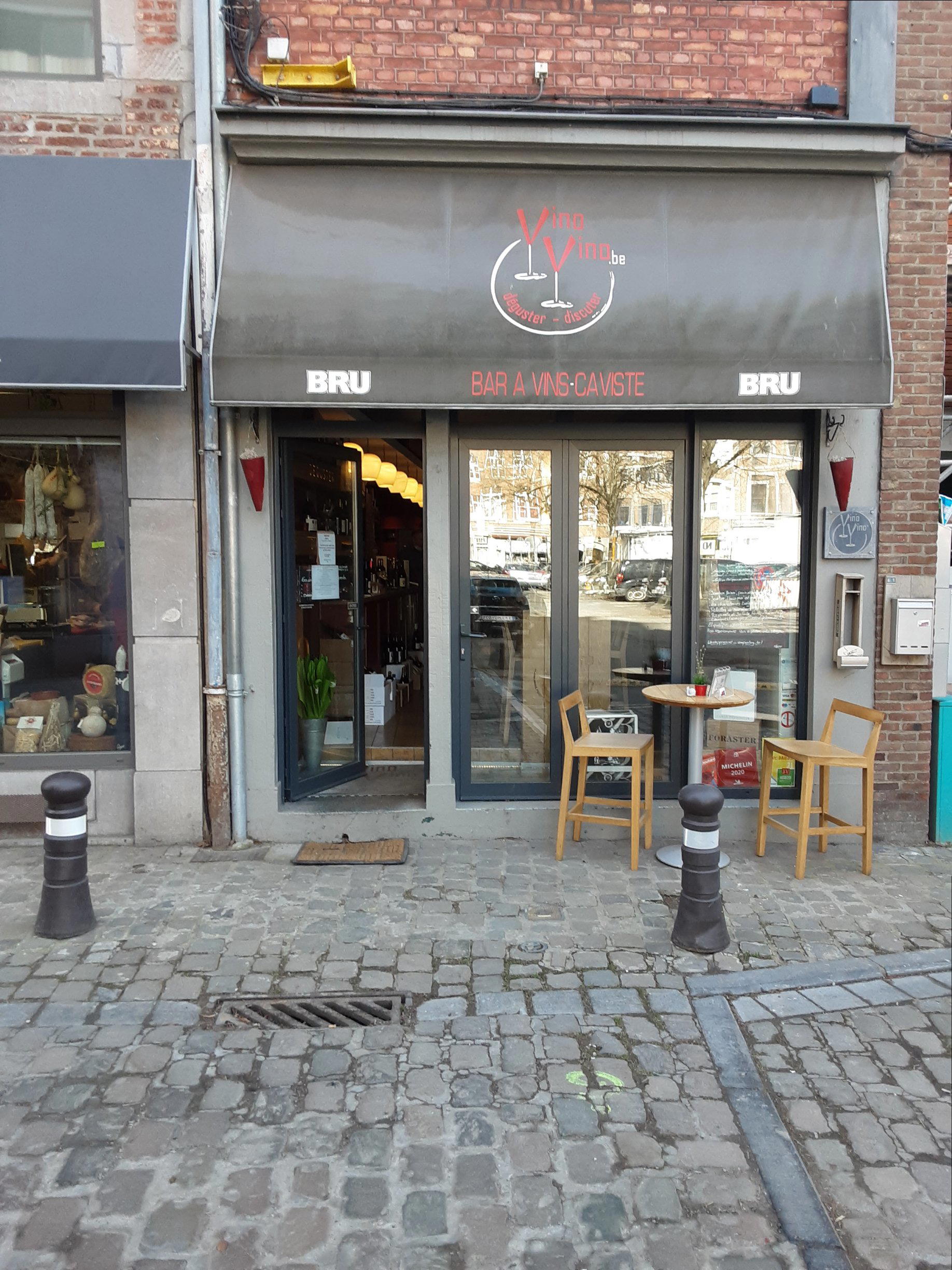
Ogst is located at Ridder Portmansstraat 4, 3500 Hasselt, in the city centre. At the €€€ price range with Michelin recognition, reservations are advisable well in advance, particularly for weekend evenings when demand across Hasselt's fine-dining tier concentrates. The Scandinavian-leaning room and the kitchen's deliberately unfussy service register mean there is no formal dress requirement implied, though the meal structure and price point suit a considered approach. Contact and booking details are most reliably confirmed through current local listings, as direct booking channels were not available at time of publication.
Frequently asked questions
What's the must-try dish at Ogst?
The documented preparations provide two clear reference points. The Jerusalem artichoke with squid and piquillo pepper is a vegetable-led combination that reflects the kitchen's sourcing relationship with local organic farmers, structured around contrast between earthiness, oceanic character, and acidity. The Landes chicken with Chinese artichoke and Albufera sauce demonstrates the kitchen's command of classical French technique, with Albufera among the more demanding preparations in the French sauce canon. Both dishes illustrate the core approach at Ogst: French technical rigour applied to produce combinations that read as specific to this kitchen rather than to a generic fine-dining template. Given the kitchen's stated philosophy of surprising preparations, the menu changes seasonally, so the exact dishes available will vary. The broader principle, however, holds: the kitchen works well where a local or regional vegetable acts as structural counterpoint to a high-quality protein, framed through a classical sauce tradition. Chef Fabrice Idiart's background in starred kitchens underpins the technical execution on which that combination depends.
Awards and Standing
| Venue | Cuisine | Price | Awards | Notes |
|---|---|---|---|---|
| OgstThis venue (the venue you are viewing) | Modern French Fine Dining | $50–100 | 1 Michelin Star · We're Smart World 1 Radish | Not listed |
| JER | Modern French Fine Dining | $150–200 | 1 Michelin Star | Modern Cuisine |
| Brasserie Rongese | Traditional Belgian Brasserie | $50–100 | Michelin Plate | Not listed |
| De Kwizien | Modern Belgian Seafood | $100–150 | Michelin Plate | Not listed |
| Leeuw | Contemporary Belgian | Not listed | Michelin Plate | Not listed |
| Otoro | French Contemporary Fine Dining | Not listed | Michelin Plate | Not listed |
Recognition history
Dated appearances from independent guides and award organizations, with the underlying list record or original source where available.
Michelin 1 Star
Michelin
We're Smart World 1 Radish
We're Smart World
Full recognition history (4 entries)
Michelin 1 Star
Michelin
Michelin 1 Star
Michelin
Continue exploring
More in Hasselt
Restaurants in Hasselt
All restaurants in Hasselt →
Bars in Hasselt
All bars in Hasselt →


Ogst
The wine
- Wine program
- Deep wine list
- Extensive wine list
- Sommelier-led
- Natural wine
Details
- Minimalist
- Elegant
- Quiet
- Sophisticated
- Cozy
- Date Night
- Special Occasion
- Celebration
- Open Kitchen
- Standalone
- Extensive Wine List
- Natural Wine
- Sommelier Led
- Local Sourcing
- Farm To Table
- Natural Wine
- Tasting Menu
- Set Menu
- Natural Wine
- Wine Pairing
- Vegetarian Friendly
- Gluten Free Options
- Allergy Accommodating
Current opening hours
- Monday
- Closed
- Tuesday
- 12–1:30 PM, 7–9 PM
- Wednesday
- 12–1:30 PM, 7–9 PM
- Thursday
- 12–1:30 PM, 7–9 PM
- Friday
- 12–1:30 PM, 7–9 PM
- Saturday
- 7–9 PM
- Sunday
- Closed
Hours can change for holidays and private events. Hours as of .
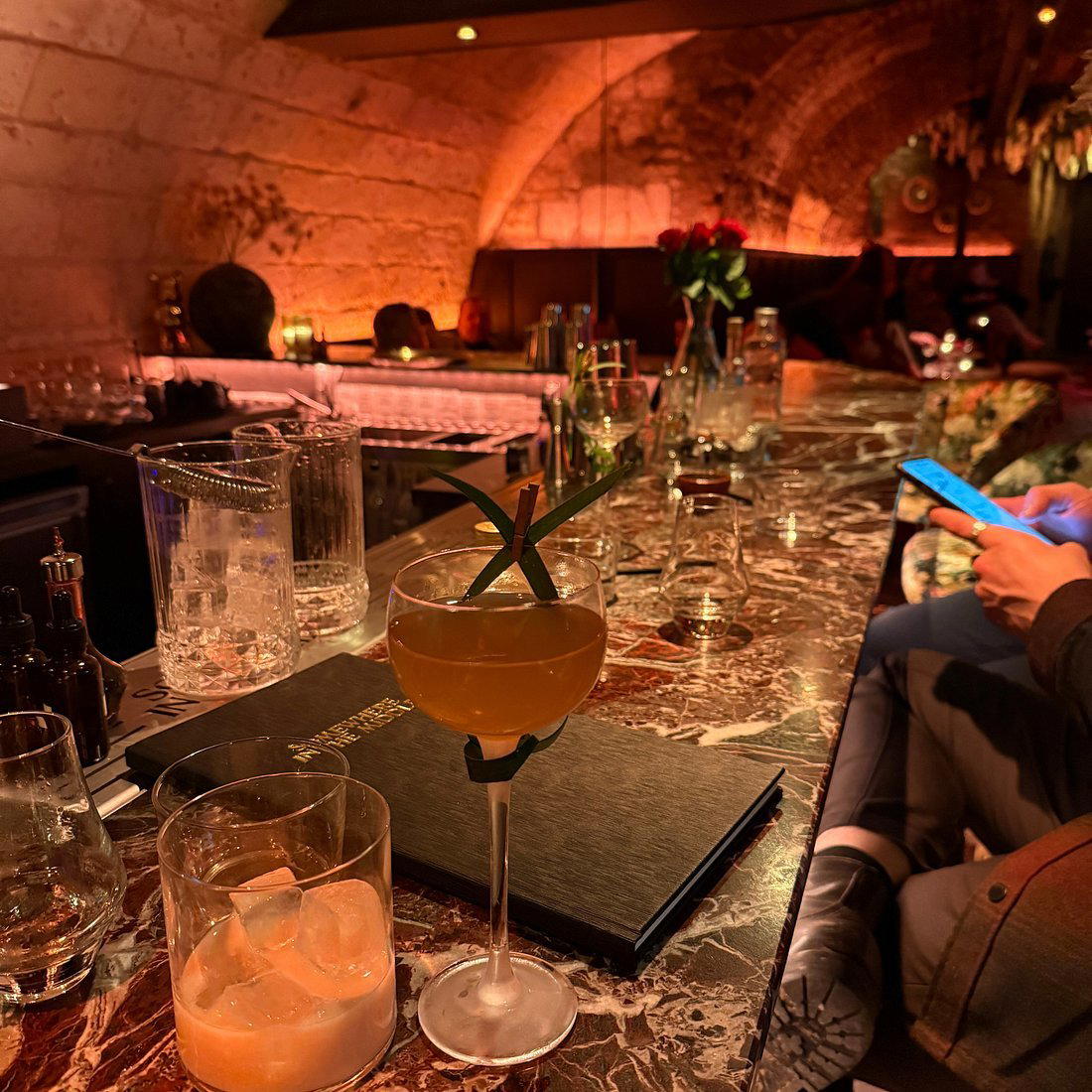
Warm, casual, and sober Scandinavian-inspired decor with muted colors and wabi-sabi aesthetic; intimate and relaxed atmosphere that feels like home despite fine dining caliber.