Arlecchino occupies a quietly considered address on Minderbroedersstraat in Hasselt's historic centre, where the city's appetite for ingredient-driven cooking finds one of its more deliberate expressions.
Pearl is the En Primeur Club membership app — saves, bookings, and concierge access live there. Same editors, same standards.
- Address
- Minderbroedersstraat 9/11, 3500 Hasselt, Belgium
- Phone
- +3211227616
- Website
- arlecchino.be
- Directions
- Get directions
 Saves & bookings on Pearl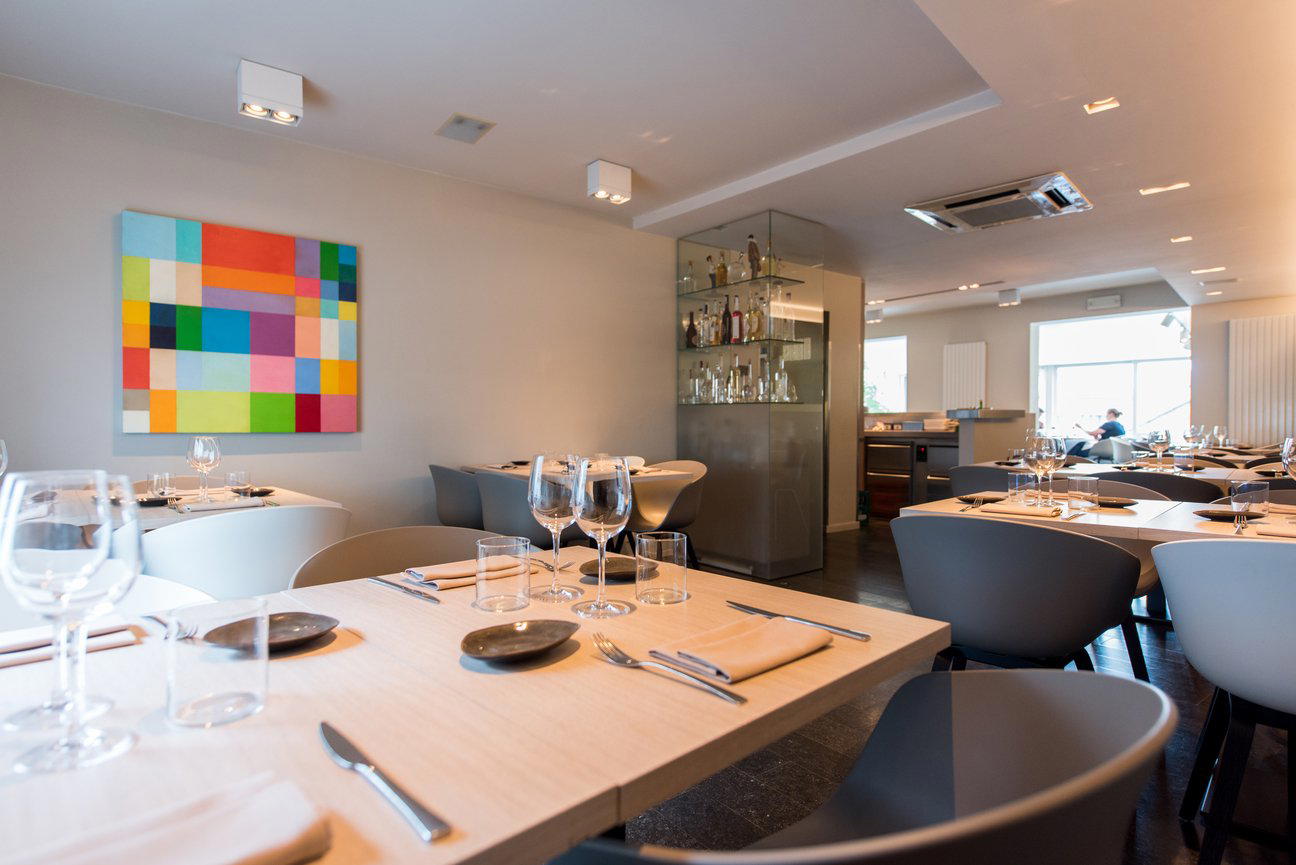
Hasselt's Ingredient-Driven Dining Scene and Where Arlecchino Fits
Hasselt has spent the better part of the last decade building a restaurant culture that punches well above what a city of its scale might be expected to sustain. The capital of Limburg province draws on a regional agricultural tradition — the Flemish Ardennes to the south, the fruit orchards and livestock farms of the broader Limburg plateau — that gives its better kitchens a genuine sourcing advantage. The question, for any serious restaurant operating here, is whether that proximity to produce is treated as a logistical convenience or as an actual culinary commitment. At Arlecchino on Minderbroedersstraat 9/11, the address itself signals something: a side street in the medieval core of the city, away from the busier commercial drag, where the restaurants that tend to care most about what arrives on the plate have historically chosen to operate.
That geography matters in a city like Hasselt, where the dining scene has split broadly into two registers: restaurants that trade on atmosphere and volume, and those that treat the kitchen as the primary argument. Understanding Arlecchino requires understanding that competitive context first.
The Sourcing Argument at the Centre of the Menu
Across Belgium's most closely watched kitchens, from Hof van Cleve in Kruishoutem to Zilte in Antwerp, the restaurants that have attracted sustained critical attention in the past five years share a common thread: they treat ingredient sourcing as an editorial decision, not a marketing note. The provenance of a piece of fish or a cut of aged beef shapes the structure of the dish rather than appearing as a footnote on a menu card. This shift has moved Belgian fine dining away from the classical French-technique-first model that dominated through the 1990s and early 2000s, toward a kitchen logic where seasonal availability determines the menu rather than the menu determining what gets sourced.
Arlecchino operates within that broader shift. The Limburg region provides a meaningful local sourcing radius: the province's orchards, its river systems, and its proximity to the Dutch border, where market-garden cultivation is dense, give kitchens here a different raw-material profile than, say, a coastal restaurant like Willem Hiele in Oudenburg, which works from a North Sea ingredient logic, or Boury in Roeselare, which draws on the agricultural wealth of the West Flemish interior. The inland, orchard-and-pasture character of Limburg produces its own sourcing identity, and restaurants in Hasselt that pay attention to it are working from a genuinely distinct larder.
The Room and the Experience
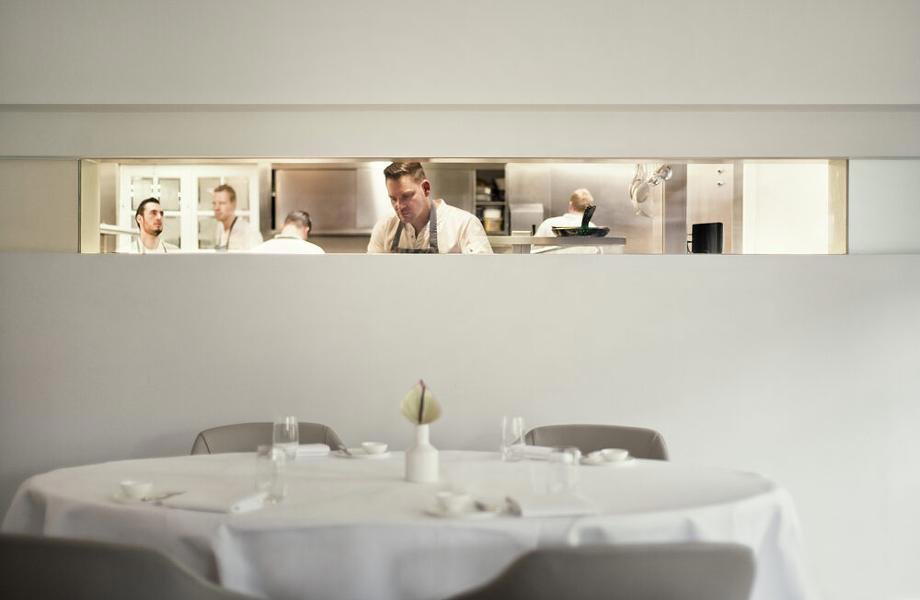
Minderbroedersstraat runs through one of the better-preserved sections of Hasselt's historic centre, a street where the built environment is compact and the pace is noticeably slower than the main shopping thoroughfares a few hundred metres away. The address at number 9/11 places Arlecchino in a building stock that is characteristic of this part of the city: narrow-fronted, with the depth and proportion that older Flemish urban architecture tends to produce. That physical context shapes the dining experience before a dish arrives, smaller rooms, a sense of enclosure, a remove from the city's commercial noise.
Among Hasselt's current restaurant field, this format positions Arlecchino alongside venues like 't Genoegen and BLEND by RAUW, which similarly occupy the city's older building stock and treat the intimacy of a smaller dining room as a feature rather than a constraint. The contrast with higher-volume operations, or with the louder end of the Belgian brasserie tradition, is deliberate. It signals a kitchen that expects the table to stay for a full evening rather than turn quickly.
Hasselt in Its Belgian Context
Placing Hasselt within Belgium's broader dining geography is useful for understanding what Arlecchino is competing against and what it is trying to do. The city sits roughly equidistant between Antwerp and Liège, two cities with established and well-documented restaurant cultures. It does not have Ghent's density of critically recognised kitchens, venues like Vrijmoed in Gent operate in a city where the competition for critical attention is considerably more intense, nor does it have Brussels's institutional weight, represented by addresses such as Bozar Restaurant in Brussels. What Hasselt has is a mid-sized city audience with genuine purchasing power, Limburg's prosperity relative to other Belgian provinces is well-documented, and a dining public that has become increasingly sophisticated over the past decade.
That context rewards restaurants like Arlecchino that operate at a considered level without requiring the critical infrastructure of a major metropolitan market to sustain them. The comparison set in Belgium's secondary and tertiary cities includes places like La Durée in Izegem, Cuchara in Lommel, Ralf Berendsen in Neerharen, and d'Eugénie à Emilie in Baudour, restaurants that have built reputations without the benefit of a major-city address. Arlecchino belongs to that cohort: serious cooking in a city that supports it without demanding the volume throughput of a capital-city operation.
For travellers mapping Belgium's dining circuit beyond the standard Brussels-Bruges-Ghent triangle, Hasselt represents a logical extension, and Arlecchino is one of the addresses worth building an itinerary around. The city is accessible by rail from Brussels in under an hour, and the concentration of worthwhile restaurants within walking distance of the historic centre, including the broader ArtChoc and the venues already noted, makes a dedicated visit a reasonable proposition rather than a detour.
Planning Your Visit
Arlecchino is located at Minderbroedersstraat 9/11, 3500 Hasselt, in the historic core of the city and within comfortable walking distance of the main train station. Given the limited data currently available through public channels, the most reliable approach to confirming current opening hours, booking availability, and any dietary accommodation is to contact the restaurant directly on arrival or via any current listing the venue maintains. For wider context on the Hasselt dining scene and to compare options at a similar level, the full Hasselt restaurants guide covers the current field in detail. Travellers arriving from further afield who want to calibrate Arlecchino against Belgium's broader benchmark operations would do well to cross-reference with international reference points such as Le Bernardin in New York City or Lazy Bear in San Francisco for a sense of the format register those kitchens occupy, ingredient-first, structured, unhurried, which maps reasonably onto what Hasselt's more considered restaurants are attempting at a different scale.
Continue exploring
More in Hasselt
Restaurants in Hasselt
Browse all →
Bars in Hasselt
Browse all →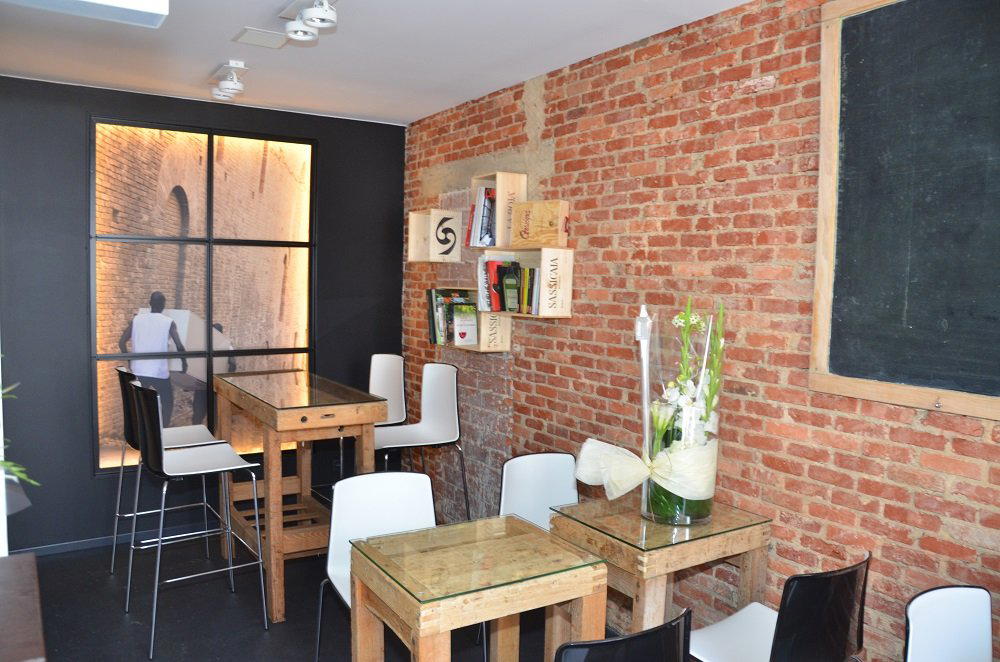
Hotels in Hasselt
Browse all →

At a Glance
- Cozy
- Intimate
- Classic
- Date Night
- Family
- Business Dinner
Current opening hours
- Monday
- 12–2 PM, 6–10:30 PM
- Tuesday
- Closed
- Wednesday
- Closed
- Thursday
- Closed
- Friday
- 12–2 PM, 6–10:30 PM
- Saturday
- 6–10:30 PM
- Sunday
- 12–2 PM, 6–10:30 PM
Hours can change for holidays and private events. Last verified .
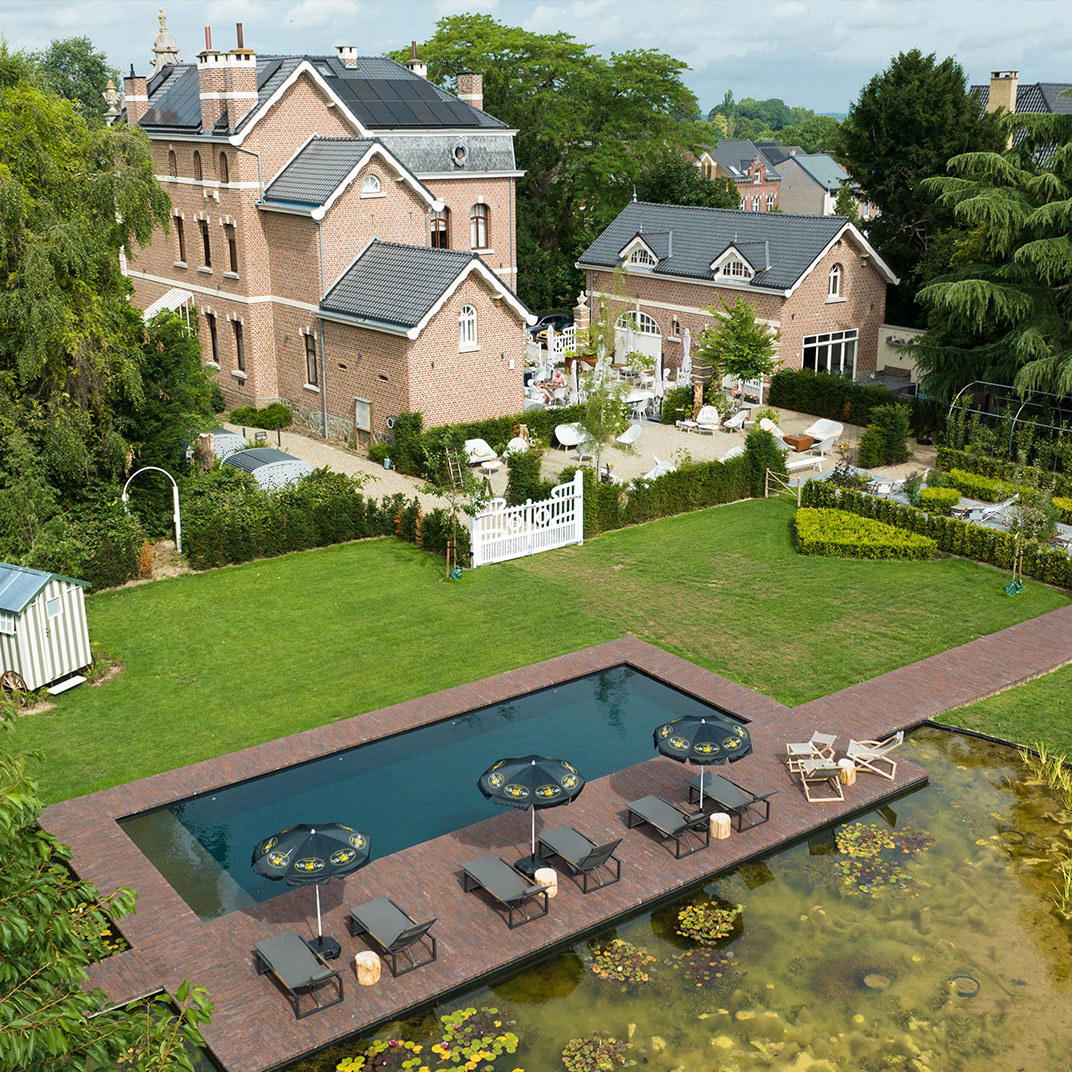
Cozy and refined with a warm, homey Italian feel, featuring neat and atmospheric decor.
Know Before You Go
- Getting there
- Minderbroedersstraat 9/11, 3500 Hasselt, Belgium