't Genoegen occupies a quiet address on Raamstraat in central Hasselt, a city that has built a credible dining identity well beyond its size. The restaurant sits within a local scene where traditional Flemish hospitality and more contemporary cooking approaches share the same postal code, making it a reference point for visitors trying to read the city's restaurant culture from the inside.
Pearl is the En Primeur Club membership app — saves, bookings, and concierge access live there. Same editors, same standards.
- Address
- Raamstraat 3, 3500 Hasselt, Belgium
- Phone
- +3211225703
- Website
- restauranthetgenoegen.be
- Directions
- Get directions
 Saves & bookings on Pearl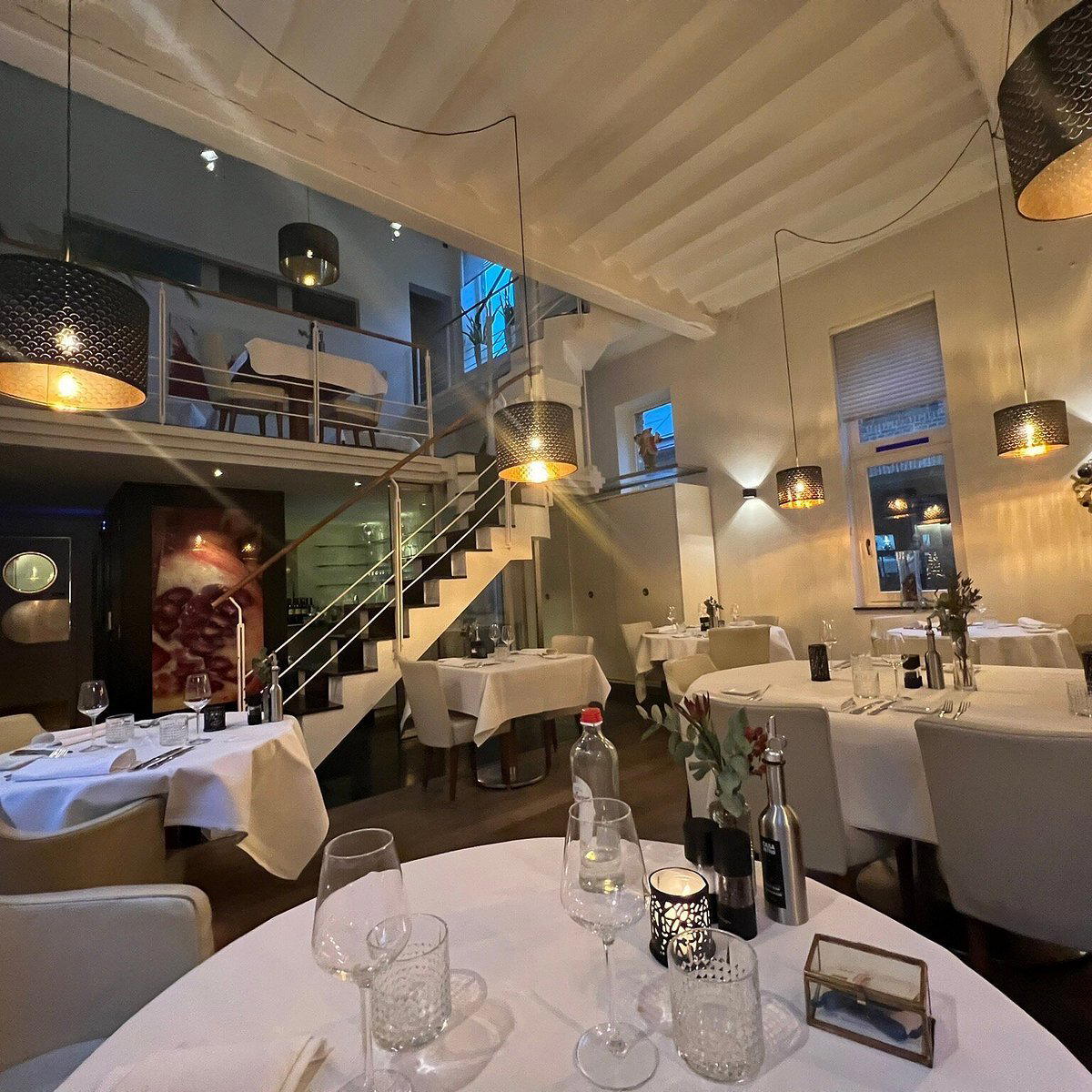
Raamstraat and the Dining Logic of Hasselt
Hasselt is not a city that announces its restaurants loudly. The Limburg capital of roughly 80,000 people has accumulated a dining culture that rewards the visitor who looks past the main shopping streets and follows the smaller lanes toward quieter facades. Raamstraat is exactly that kind of address. 't Genoegen sits at number 3, in a stretch of the city where the pace drops and the architecture holds a domestic scale that the broader Belgian restaurant tradition has always used to its advantage. Entering a room-sized dining space in a historic Flemish townhouse carries a particular grammar: the proportions are deliberately human, the noise level self-regulates, and the table spacing reflects a premise that eating well and eating privately are not separate ambitions.
The city's restaurant scene has split into recognisable tiers over the past decade. At the formal end, places like JER and Ogst operate modern cuisine and modern French formats at the €€€ price point, while Arlecchino and ArtChoc occupy more specialist niches. BLEND by RAUW signals the city's appetite for contemporary format experimentation. 't Genoegen's position within this map is defined less by headline ambition and more by the kind of civic dining role that Flemish towns have historically reserved for the neighbourhood table: a place where occasion and regularity coexist without friction.
Menu Architecture as a Statement of Intent
The most useful thing a menu can communicate is what a kitchen has decided not to do. Belgium's stronger restaurants have increasingly moved toward shorter, more disciplined menus that reflect both seasonal availability and the honest scope of a kitchen's capabilities, a pattern visible in how the country's Hof van Cleve and Boury in Roeselare have structured their offerings relative to their peer sets. A menu that refuses to sprawl is itself an editorial act.
In the broader Flemish tradition, this restraint has roots in the brasserie and café-restaurant hybrid that Hasselt has maintained more consciously than many Flemish cities. The region's cooking historically drew on Limburg's agricultural identity: game from the Kempen, freshwater fish, root vegetables, and a preference for sauce work that built depth over time rather than through technique spectacle. A menu that respects those materials tends to be structured around two or three logical progressions rather than a catalogue of options designed to absorb every possible preference. When 't Genoegen's format is read against that tradition, the address on Raamstraat reads less as modest and more as deliberate.
Belgian dining at this register typically offers a set menu alongside a shorter à la carte selection, a structure that gives the kitchen narrative control while preserving flexibility for guests who arrive without an appetite for a full procession. The discipline this requires is rarely acknowledged but is structurally significant: it means the kitchen commits to a through-line rather than hedging across a wide range of preparations. That commitment is, in practice, the most reliable signal of a kitchen's actual confidence in its sourcing and its technique.
Hasselt in the Wider Belgian Context
Belgium's dining geography is not dominated by Brussels alone. The country has a documented pattern of strong regional tables operating at distance from the capital, a pattern that Zilte in Antwerp, Willem Hiele in Oudenburg, Bartholomeus in Heist, and Castor in Beveren all represent in different ways. Hasselt sits within this distribution rather than outside it. Limburg's position in the eastern part of Flanders, roughly equidistant from Antwerp, Liège, and the Dutch border, gives it a culinary position that is neither derivative of the capital nor isolated from the national conversation.
For context on what serious Belgian cooking looks like at the highest tier, Bozar Restaurant in Brussels, d'Eugénie à Emilie in Baudour, De Jonkman in Sint-Kruis, and L'air du temps in Liernu each represent a different regional expression of the country's cooking ambition. Hasselt's restaurants, including 't Genoegen, operate at a different register of that same national character: one where the room size, the price point, and the format reflect a city that takes eating seriously without requiring occasion to justify it. Internationally, the question of how a mid-sized city builds a credible dining identity is addressed differently at places like Le Bernardin in New York City or Atomix in New York City, where institutional scale and intense critical visibility define the format. The Flemish model is the inverse: institution through repetition and neighbourhood belonging rather than through critical ceremony.
Planning a Visit to 't Genoegen
't Genoegen is located at Raamstraat 3, 3500 Hasselt. Hasselt's compact centre means the address is walkable from the main rail station in under fifteen minutes, and the city's parking infrastructure around the ring road makes arrival by car equally direct. The restaurant's position on Raamstraat places it within easy reach of Hasselt's broader centre, which is relevant for visitors combining lunch or dinner with the city's retail and cultural offering. For those building a Hasselt itinerary around food, the full Hasselt restaurants guide provides a mapped view of the city's dining options across formats and price tiers. Given the restaurant's scale and the booking patterns typical of Hasselt's better-regarded tables, contacting the venue directly in advance is advisable, particularly for weekend visits or larger parties.
Recognition, Side-by-Side
Comparable options at a glance, pulled from our tracked venues.
| Venue | Cuisine | Price | Awards |
|---|---|---|---|
| 't GenoegenThis venue — the venue you are viewing | Not listed | Not listed | Not listed |
| JER | Modern Cuisine | €€€ | Michelin 1 Star |
| Ogst | Modern French | €€€ | Michelin 1 Star |
| Brasserie Rongese | Traditional Cuisine | €€€ | Not listed |
| De Kwizien | Creative French | €€€ | Not listed |
| Moretti | Italian | €€€ | Not listed |
Continue exploring
More in Hasselt
Restaurants in Hasselt
Browse all →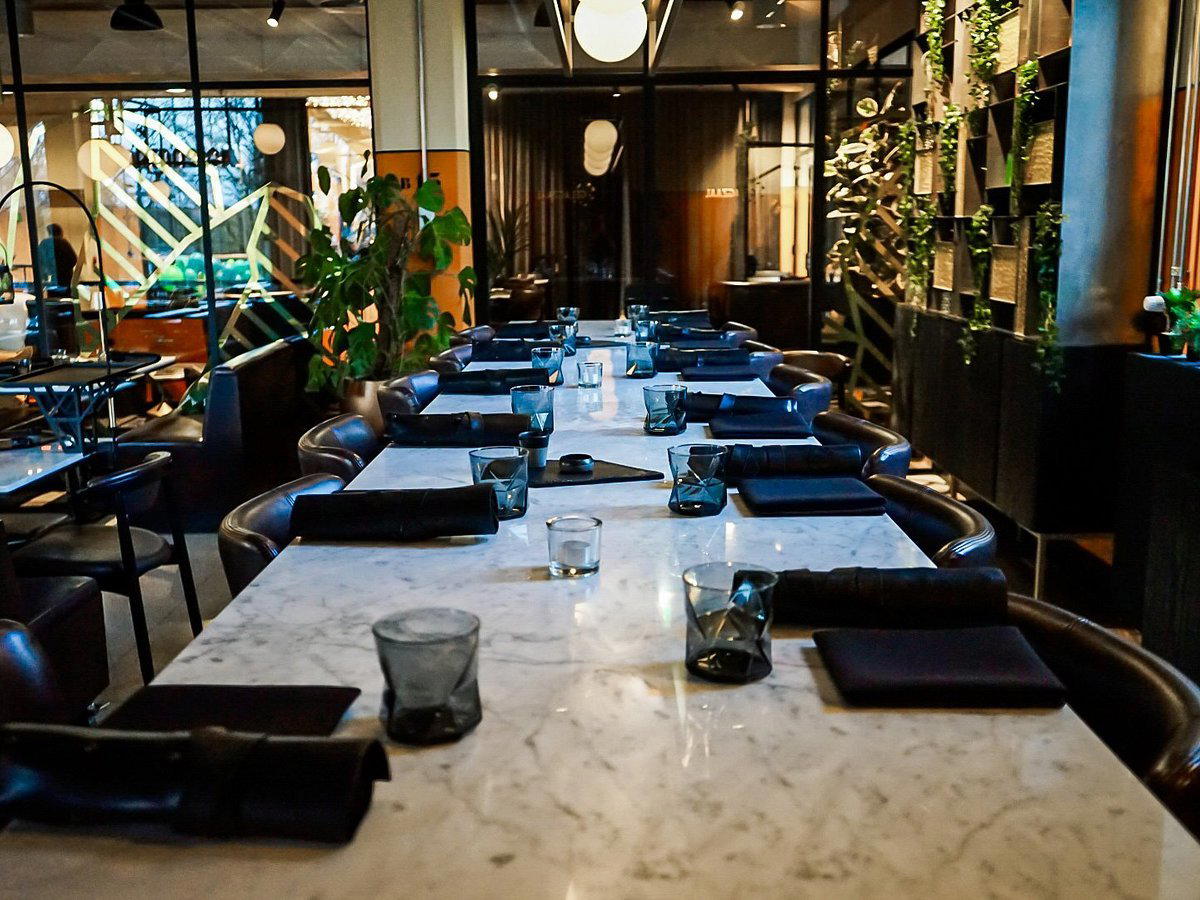
Bars in Hasselt
Browse all →
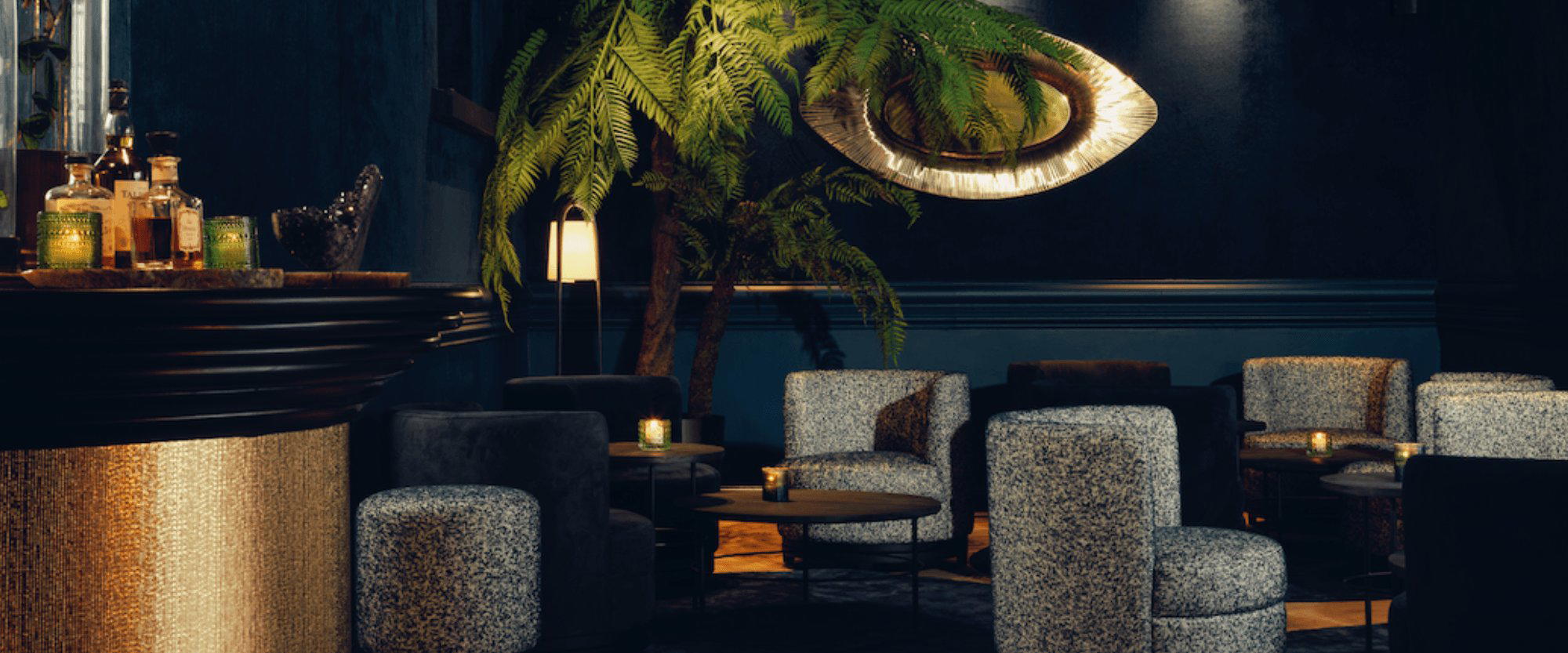
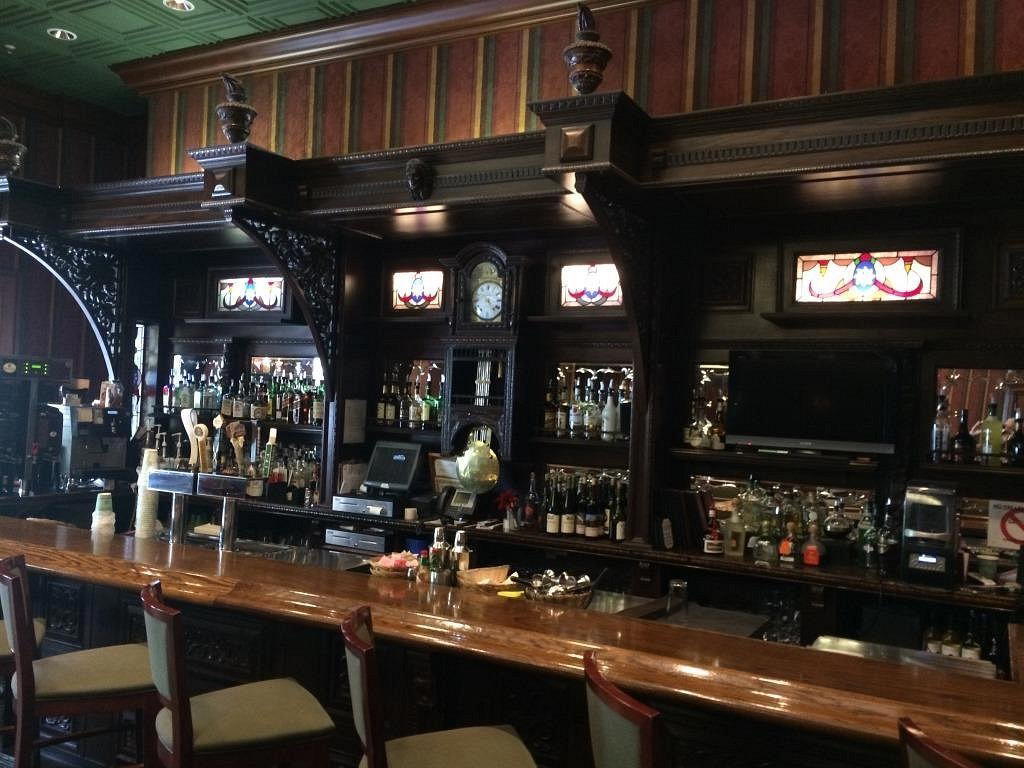
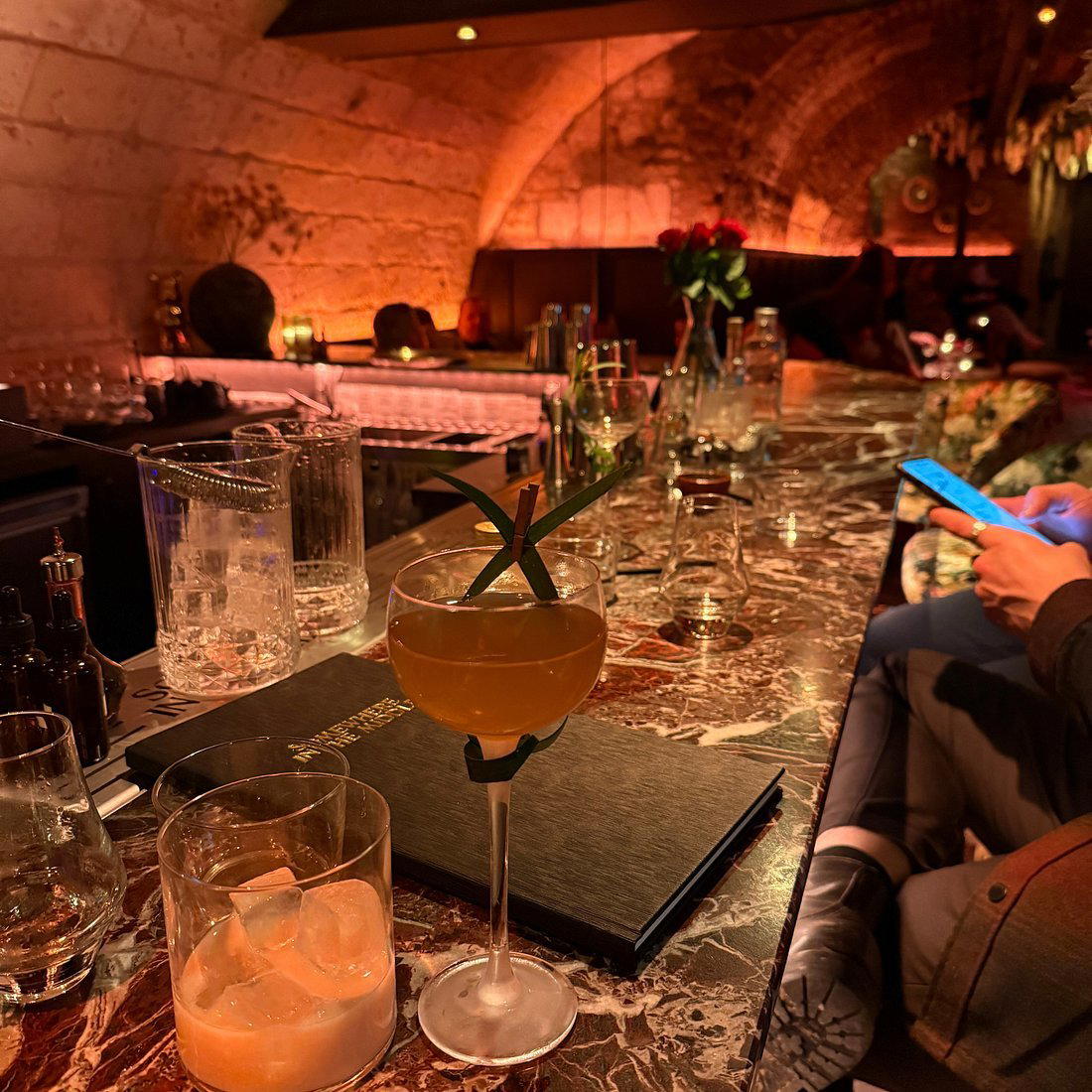
Hotels in Hasselt
Browse all →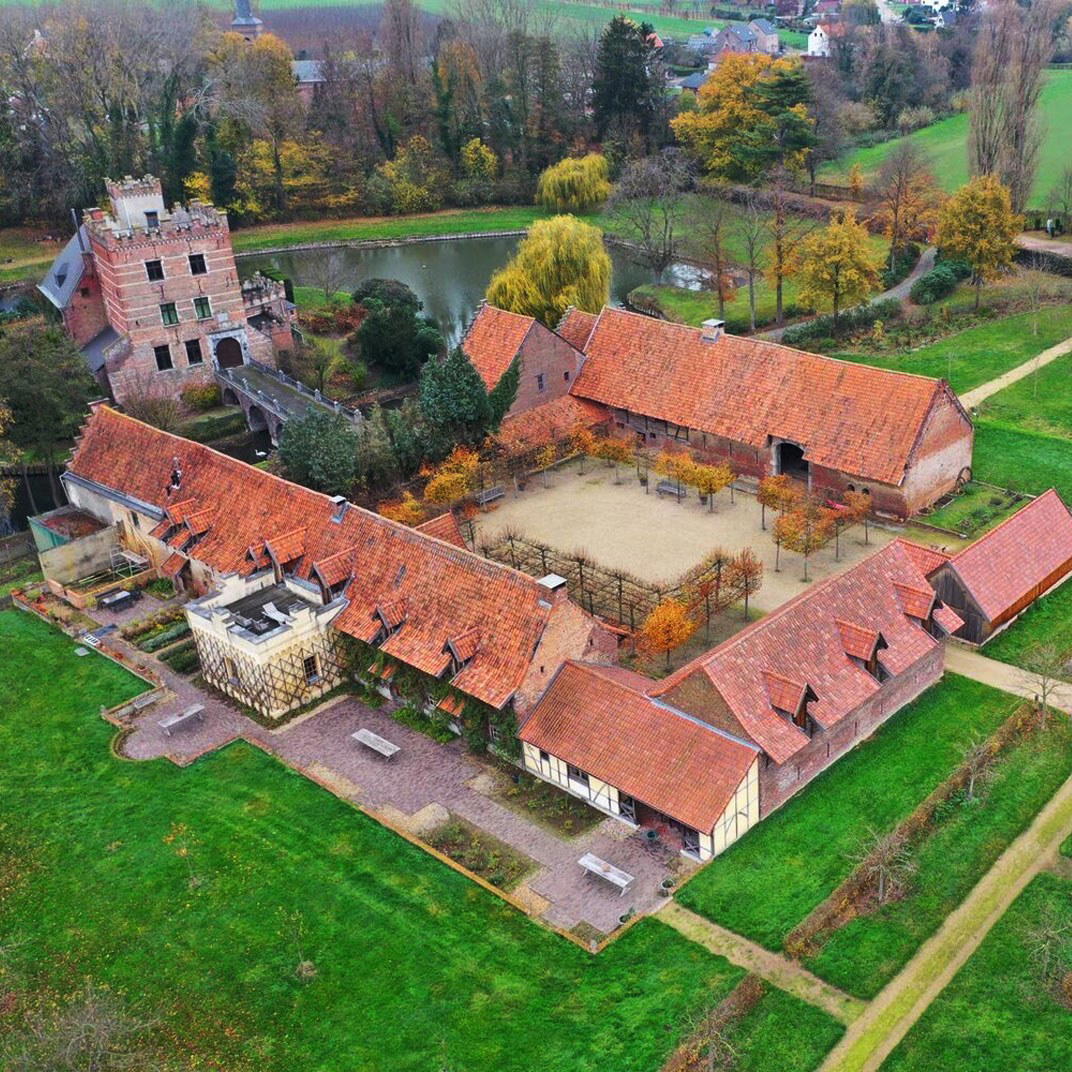

At a Glance
- Classic
- Cozy
- Elegant
- Intimate
- Date Night
- Business Dinner
- Special Occasion
- Historic Building
- Extensive Wine List
- Local Sourcing
Current opening hours
- Monday
- Closed
- Tuesday
- Closed
- Wednesday
- 6–11 PM
- Thursday
- 12–11 PM
- Friday
- 12 PM–12 AM
- Saturday
- 12 PM–12 AM
- Sunday
- Closed
Hours can change for holidays and private events. Last verified .
Pleasantly quiet atmosphere in a modern-classic interior with sunny lightness.
Know Before You Go
- Getting there
- Raamstraat 3, 3500 Hasselt, Belgium