



1 Michelin Star · Star Wine List · We're Smart World 2 Radishes
Our verdict
Alter holds a Michelin star and an Opinionated About Dining ranking at Bilzersteenweg 366, on the rural edge between Tongeren and Borgloon. Chef Jo Grootaers, Gault & Millau's Best Young Chef of Flanders 2018, runs tight sittings across four days a week, building four- and five-course menus around vegetables, fish, and meat in proportion. The wine list carries a Star Wine List White Star recognition.

Pearl is the En Primeur Club membership app, where members save venues, book tables and use the concierge.
Where Hesbaye Agriculture Meets the Starred Counter
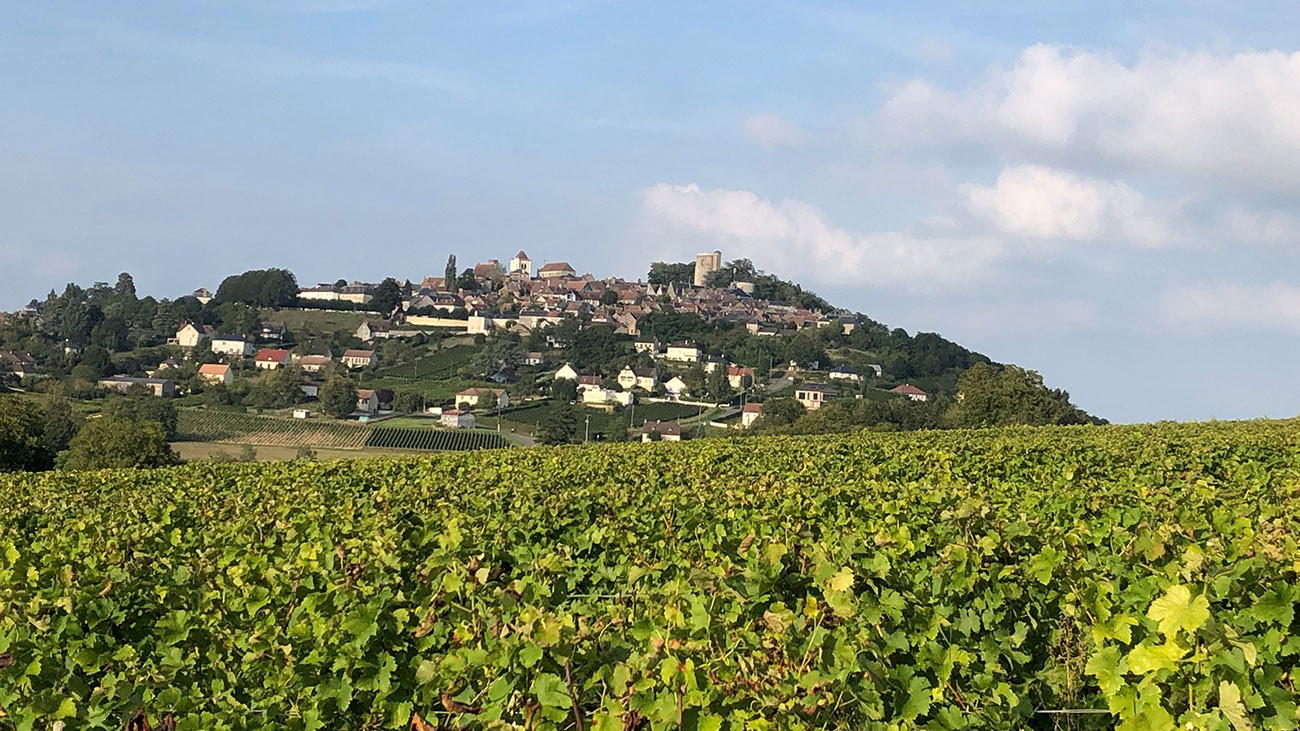
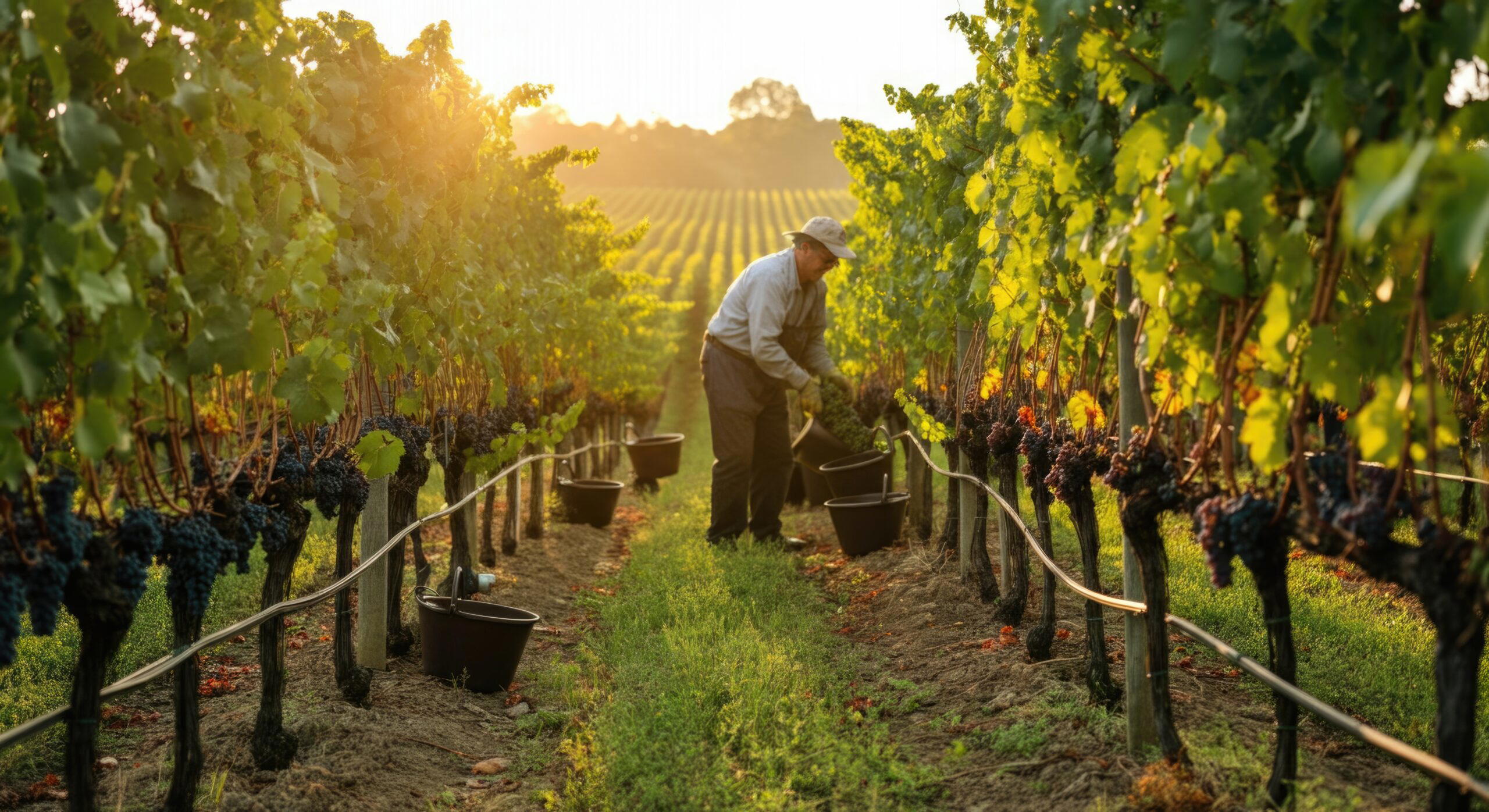
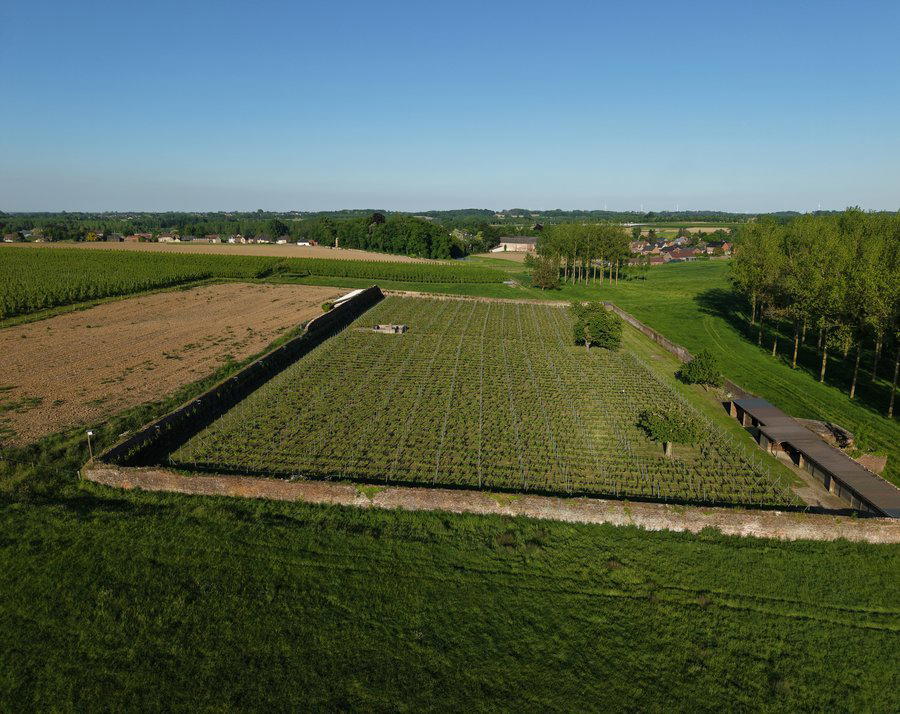
The road between Tongeren and Borgloon runs through some of the most productive agricultural land in Belgian Limburg. Orchards and field crops press close to the asphalt, and the villages here have supplied Flemish kitchens for centuries. Alter sits along that road at Bilzersteenweg 366, in a setting that makes the sourcing logic of its menus feel less like a marketing choice and more like a practical reality. This is fruit-belt country, and the kitchen leans into that geography.
That regional grounding is the defining character of the most interesting Flemish one-star cooking right now. Across the tier, from Boury in Roeselare to Willem Hiele in Oudenburg, the pattern is consistent: chefs who trained rigorously in classical French technique and then turned that precision onto local produce rather than imported luxury. Alter belongs firmly in that cohort. The French and Progressive American threads in its cuisine classification are the scaffolding; the Hesbaye produce is the content.
The Menu Format and What It Signals
Alter offers a four- or five-course menu built to the kitchen's seasonal inspiration rather than a fixed card. That format carries a specific meaning in the context of Belgian fine dining at this price tier (€€€€): the chef controls the arc of the meal, sourcing drives what appears, and the vegetable component is not a concession to dietary preference but a structural element of the menu itself. Grootaers gives vegetables equal standing alongside fish and meat, which is less common than it sounds at the starred level, where protein-centred tasting menus remain the default.
The cuisine classification, French, Progressive American, Creative, is worth unpacking. The French foundation is direct: classical technique, sauce-led construction, disciplined flavour combinations. The Progressive American thread speaks to a willingness to treat vegetables and grains with the same seriousness historically reserved for animal proteins, a sensibility that migrated from American farm-to-table cooking into European fine dining over the past fifteen years. At restaurants like Atomix in New York City, that philosophy manifests through fermentation and Korean pantry traditions; at Alter, it surfaces through the Limburg agricultural calendar. The Creative designation covers the latitude Grootaers takes in combining those influences without defaulting to either tradition wholesale.
Gault & Millau named Grootaers Leading Young Chef of Flanders in 2018, when he was still in his early twenties and had already converted a brasserie format into a gourmet restaurant. Michelin confirmed a first star, maintained through 2024 and 2025, which places Alter inside the Belgian one-star tier rather than the accessible-bistro bracket. Opinionated About Dining tracked the restaurant's trajectory from a Recommended listing in 2023 to a ranked position at #387 in Classical in Europe in 2024, a signal that the critical community beyond Michelin has also taken note. The Star Wine List White Star recognition, published in July 2025, adds a wine-programme dimension that separates Alter from kitchens where the cellar is an afterthought.
That combination of credentials positions Alter in a specific competitive set: the younger generation of Belgian starred restaurants where the chef is both the creative engine and the public identity, operating outside the large culinary capitals. Comparable reference points in Flanders and Wallonia include La Durée in Izegem and d'Eugénie à Emilie in Baudour, kitchens where creative French-Belgian cooking happens at a remove from the main urban dining circuits. The distance from Antwerp or Brussels is not incidental; it reflects a pattern in Belgian fine dining where destination restaurants cluster in agricultural regions with direct producer access, rather than in the densest population centres. Hof van Cleve in Kruishoutem is the senior example of that model.
Tongeren as a Dining Destination
Tongeren is Belgium's oldest city by historical record, and its restaurant scene reflects the town's character: small in scale, unhurried, and increasingly serious at the upper end. Alter is not the only destination-level address here. De Mijlpaal (French, Creative) and Magis (Modern Cuisine) represent the same shift toward considered cooking in a city better known for its antiques market than its tables. Together, they give the town a dining identity disproportionate to its size (experiences guide).
For those building a longer itinerary in Belgium's starred circuit, Zilte in Antwerp, Bartholomeus in Heist, and Bozar Restaurant in Brussels are natural companions depending on direction. L'Eau Vive in Arbre provides a Wallonian counterpoint in the French-modern register. Le Bernardin in New York City represents the classical French technical tradition that underpins Alter's approach from a transatlantic perspective.
Planning a Visit
Alter operates Thursday through Sunday, with lunch sittings at a narrow 12–1pm window and dinner from 7–8pm on Thursday, Friday, and Sunday; Saturday is dinner only. Monday and Tuesday are closed. That compressed schedule, typical of serious Belgian kitchens at this level, where the team works intensively over fewer service days, means availability is limited and advance booking is worth prioritising, particularly for weekend dinner. The address at Bilzersteenweg 366 is on the Tongeren-Borgloon road and is most practical by car; the setting is suburban-rural rather than pedestrian city-centre. The €€€€ price range aligns with Belgian one-star benchmarks: a meal including aperitif, matched wines, and service will typically reach the upper end of that band.
What Defines the Experience
The farm-to-table designation is overused in contemporary restaurant marketing, but at Alter it describes something structurally real: menus that change with the agricultural moment, vegetables treated as primary rather than supporting material, and a kitchen in direct proximity to the producers supplying it. That proximity, the orchards along the Borgloon road, the fields of Hesbaye, is not a story the restaurant tells so much as a condition the restaurant operates inside. The Michelin star and OAD ranking confirm that the execution matches the concept. For a reader choosing between this and a comparable-tier urban address, the case for Alter is the specificity of place: the cooking tastes of where it is, and where it is happens to be one of Belgium's most productive growing regions.
At a Glance
- Address: Bilzersteenweg 366, 3700 Tongeren-Borgloon, Belgium
- Price tier: €€€€
- Awards: Michelin 1 Star (2024, 2025); Gault & Millau Leading Young Chef of Flanders 2018; OAD Classical in Europe #387 (2024); Star Wine List White Star (2025)
- Open: Thursday–Friday 12–1pm & 7–8pm; Saturday 7–8pm; Sunday 12–1pm & 7–8pm; closed Monday–Tuesday
- Menu format: 4 or 5 courses, seasonal and inspiration-driven
Frequently asked questions
What's the vibe at Alter?
Alter sits on the agricultural road between Tongeren and Borgloon, which signals the register before you arrive: a destination meal in a rural setting, not a city-centre bistro. At the €€€€ price tier with a Michelin star and tightly structured sittings, the atmosphere runs focused and unhurried. The surrounding Hesbaye farmland isn't scenery so much as context for what arrives on the plate.
What should I order at Alter?
Choose the five-course option over the four-course if you want the fullest read on what the kitchen is doing. Jo Grootaers, Gault & Millau's Best Young Chef of Flanders 2018, builds menus to seasonal inspiration rather than a fixed card, so the extra course adds meaningful range. Vegetables hold equal standing alongside fish and meat, which makes the longer format worth it for the full picture.
At-a-Glance Comparison
| Venue | Cuisine | Price | Awards | Notes |
|---|---|---|---|---|
| AlterThis venue (the venue you are viewing) | Modern French-Belgian Fine Dining | Not listed | 1 Michelin Star · Star Wine List | Not listed |
| Boury | Creative French Fine Dining | $300–500 | 3 Michelin Stars · La Liste Top Restaurants | Modern Frlemish, Creative French |
| Comme chez Soi | French - Belgian, Classic Cuisine | Not listed | Michelin 1 Star | Not listed |
| Hertog Jan at Botanic | Modern Japanese Omakase Fine Dining | Not listed | 2 Michelin Stars · La Liste Top Restaurants | Modern Flemish, Creative |
| L'Eau Vive | Modern French Fine Dining | $150–200 | 2 Michelin Stars · La Liste Top Restaurants | French, Modern French |
| La Durée | Modern French Fine Dining | $150–200 | 2 Michelin Stars · La Liste Top Restaurants | French-Belgian, Creative |
Recognition history
Dated appearances from independent guides and award organizations, with the underlying list record or original source where available.
Michelin 1 Star
Michelin
Star Wine List
Star Wine List
We're Smart World 2 Radishes
We're Smart World
Opinionated About Dining Classical in Europe Ranked #387
Opinionated About Dining
Full recognition history (7 entries)
Michelin 1 Star
Michelin
Michelin 1 Star
Michelin
Opinionated About Dining Classical in Europe Recommended
Opinionated About Dining
Continue exploring
More in Tongeren
Restaurants in Tongeren
All restaurants in Tongeren →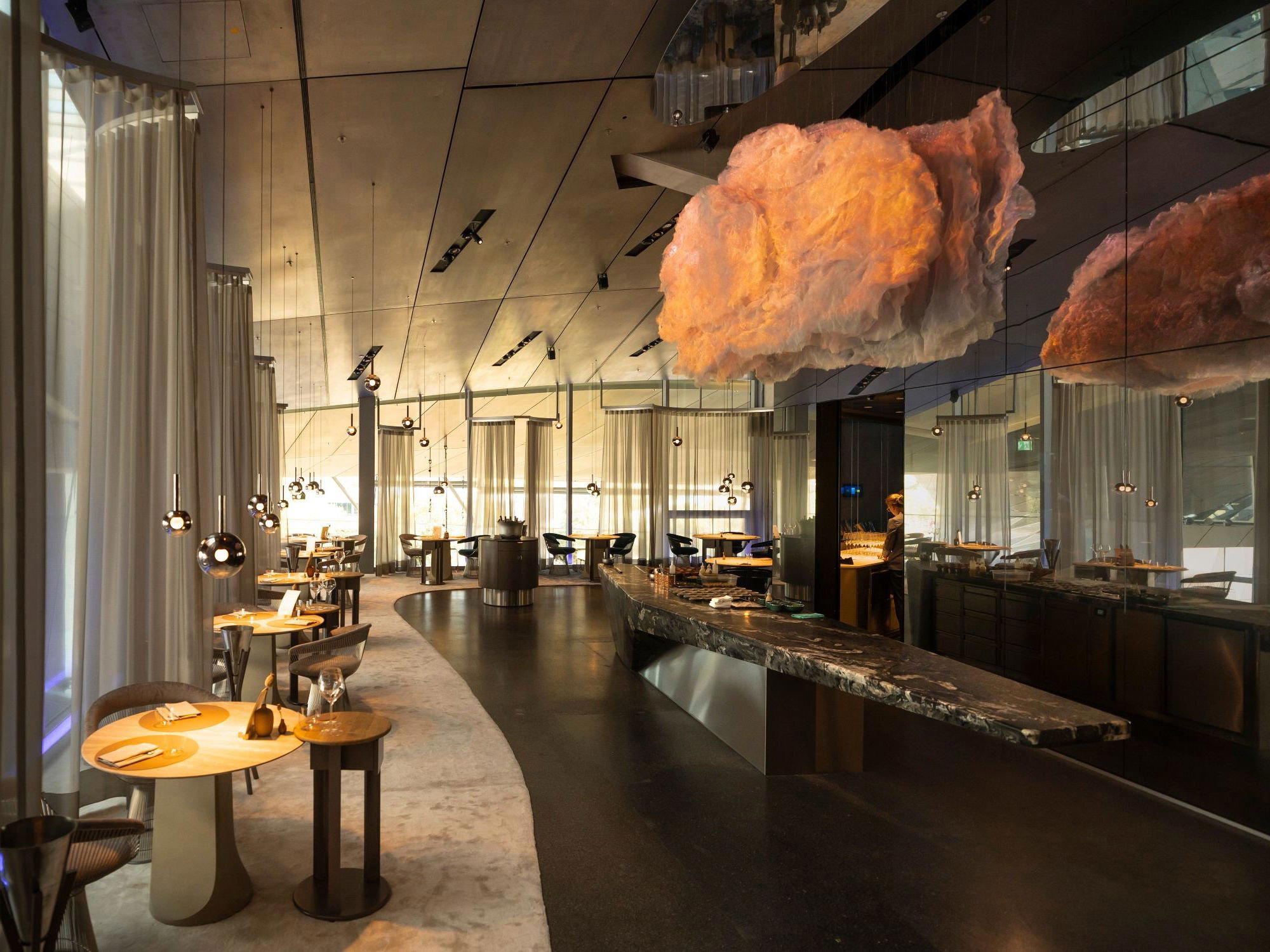
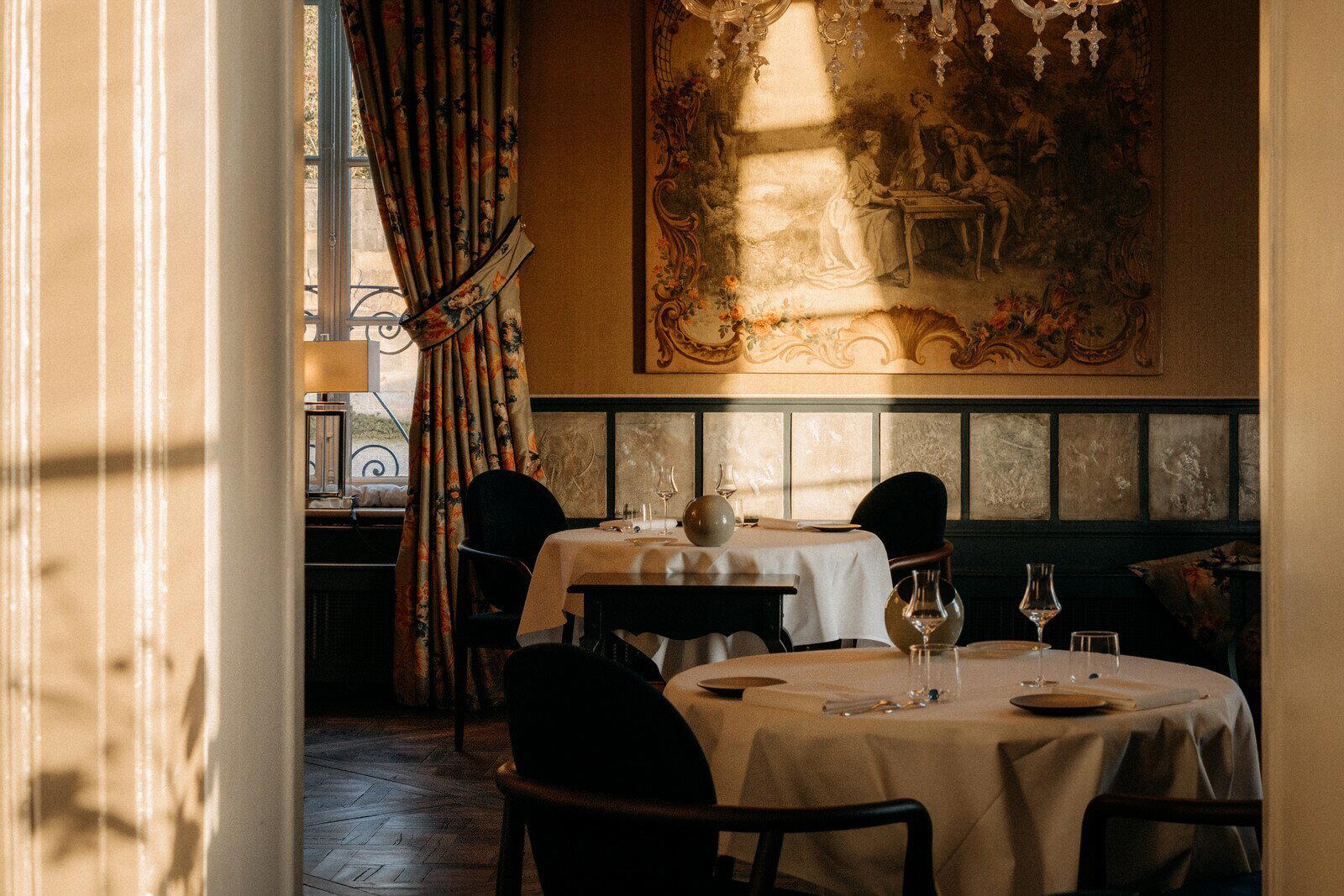
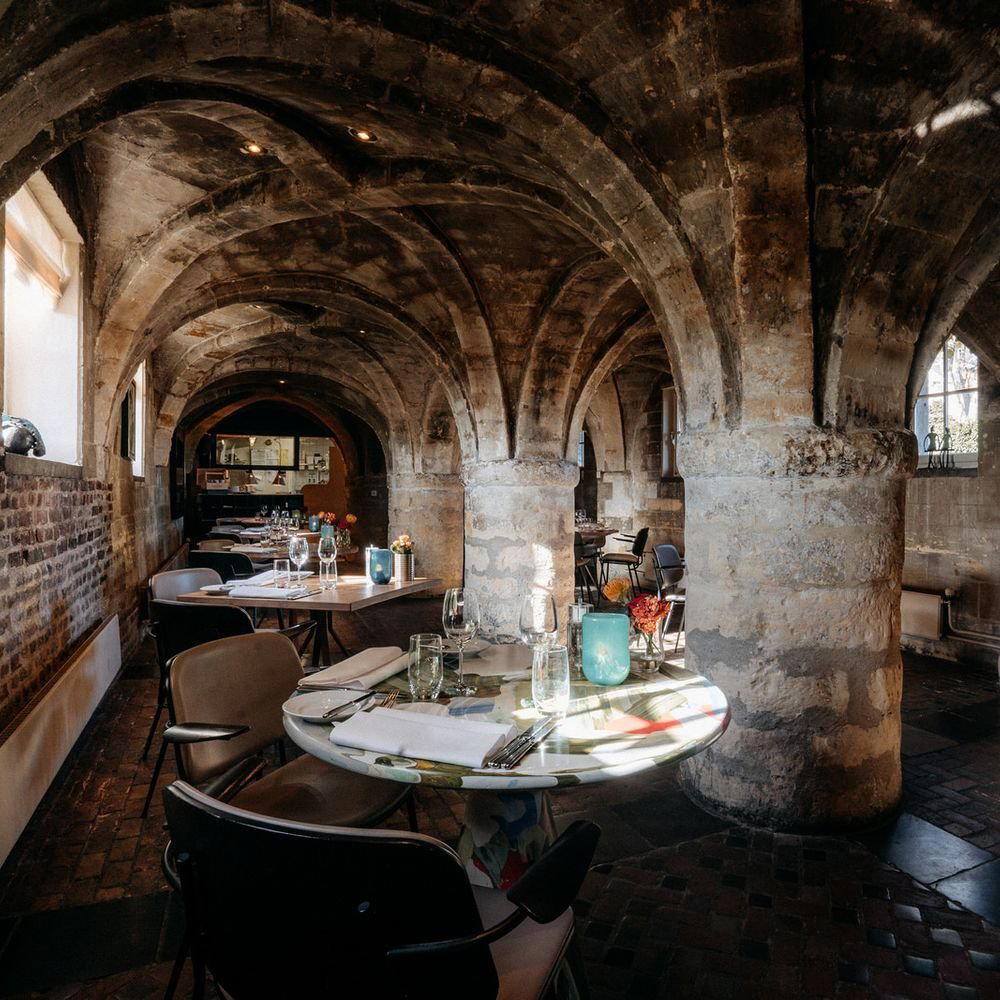
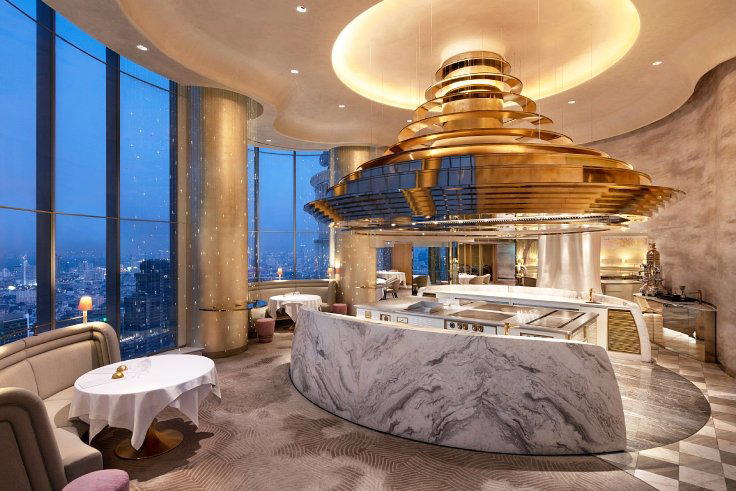
Bars in Tongeren
Browse all →

Details
- Modern
- Elegant
- Cozy
- Sophisticated
- Date Night
- Special Occasion
- Open Kitchen
- Extensive Wine List
- Sommelier Led
- Local Sourcing
- Tasting Menu
- Vegetarian Friendly
- Gluten Free Options
Current opening hours
- Monday
- Closed
- Tuesday
- Closed
- Wednesday
- Closed
- Thursday
- 12–1 PM, 7–8 PM
- Friday
- 12–1 PM, 7–8 PM
- Saturday
- 7–8 PM
- Sunday
- 12–1 PM, 7–8 PM
Hours can change for holidays and private events. Last verified .
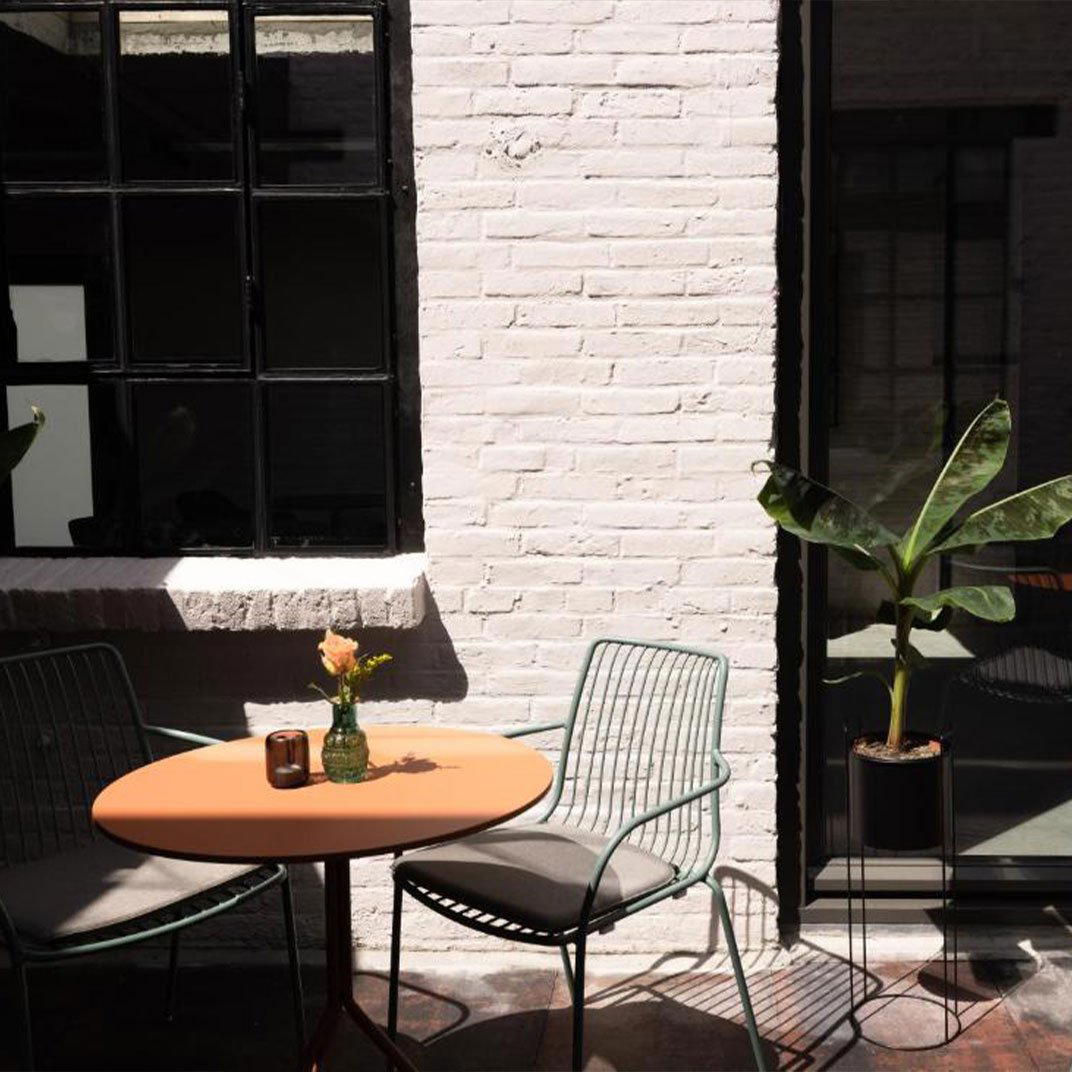
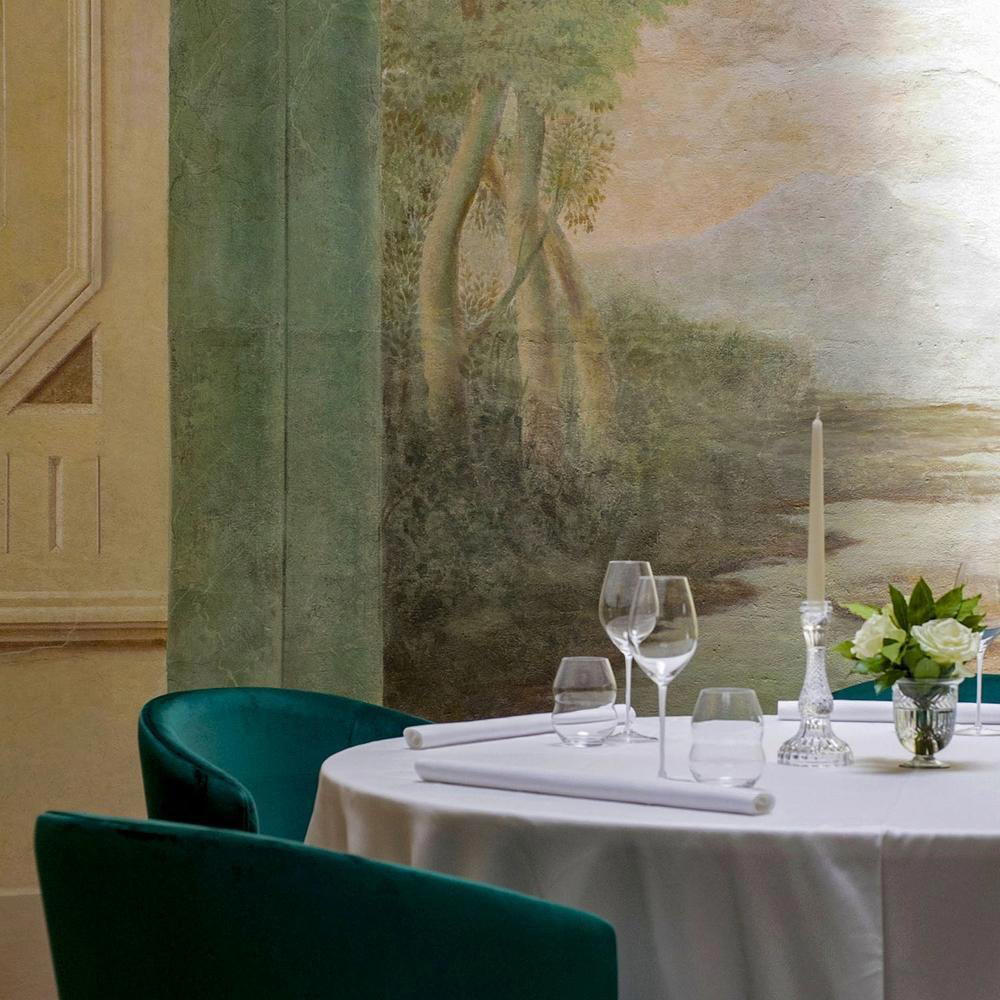
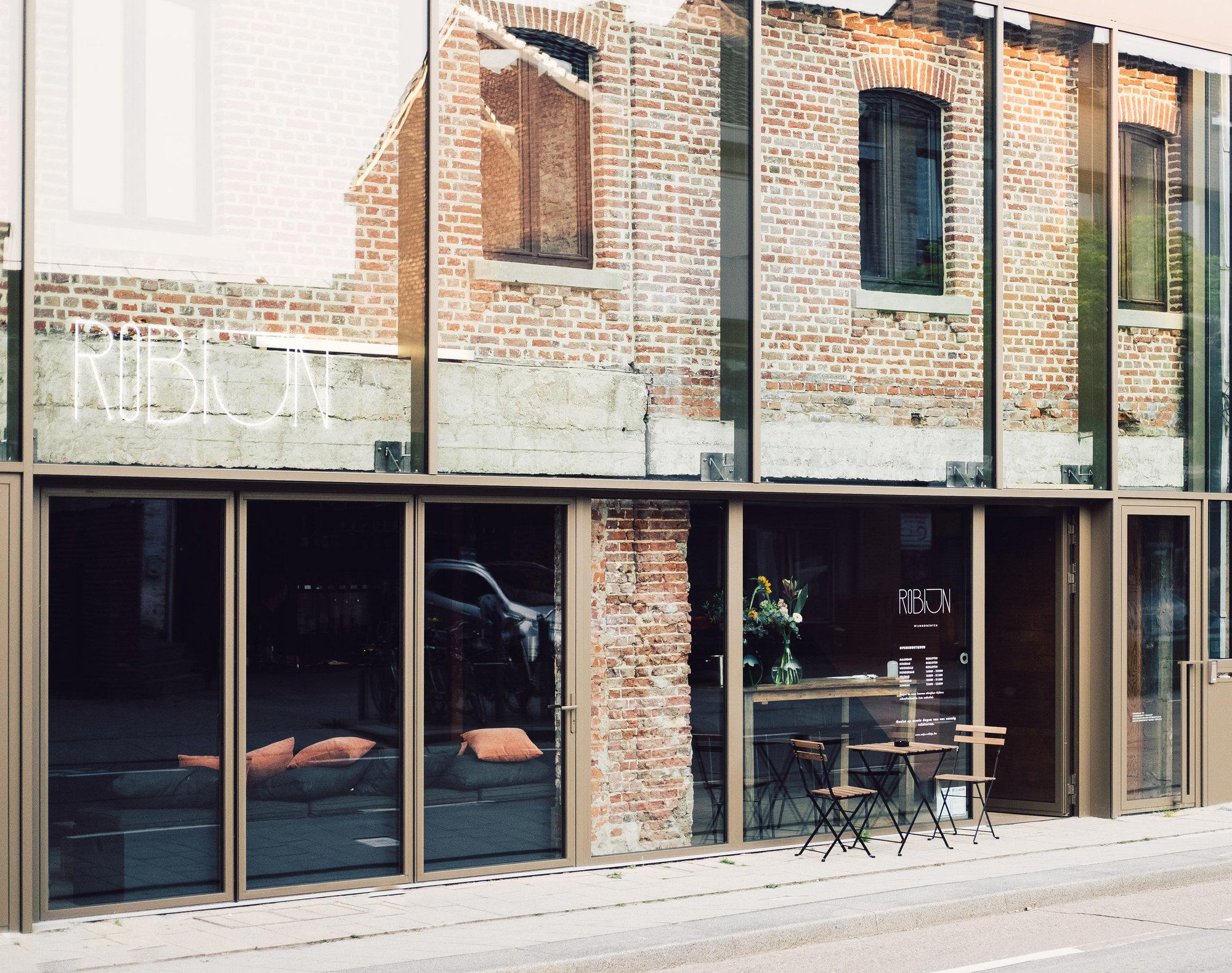
Sleek modern interior with large windows for ample light, cozy and refined atmosphere blending historic charm with trendy elegance.