Perched above the old port at 16 Rue Fort du Sanctuaire, La Bonne Mère occupies one of Marseille's most historically charged addresses, steps from the Notre-Dame de la Garde basilica. The kitchen draws on the port city's deep Mediterranean sourcing traditions, positioning it within a scene defined by proximity to the sea and Provençal markets rather than by fine-dining formality.
Pearl is the En Primeur Club membership app — saves, bookings, and concierge access live there. Same editors, same standards.
- Address
- 16 Rue Fort du Sanctuaire, 13006 Marseille, France
- Phone
- +33491582205
- Website
- pizzeria-labonnemere.fr
- Directions
- Get directions
 Saves & bookings on Pearl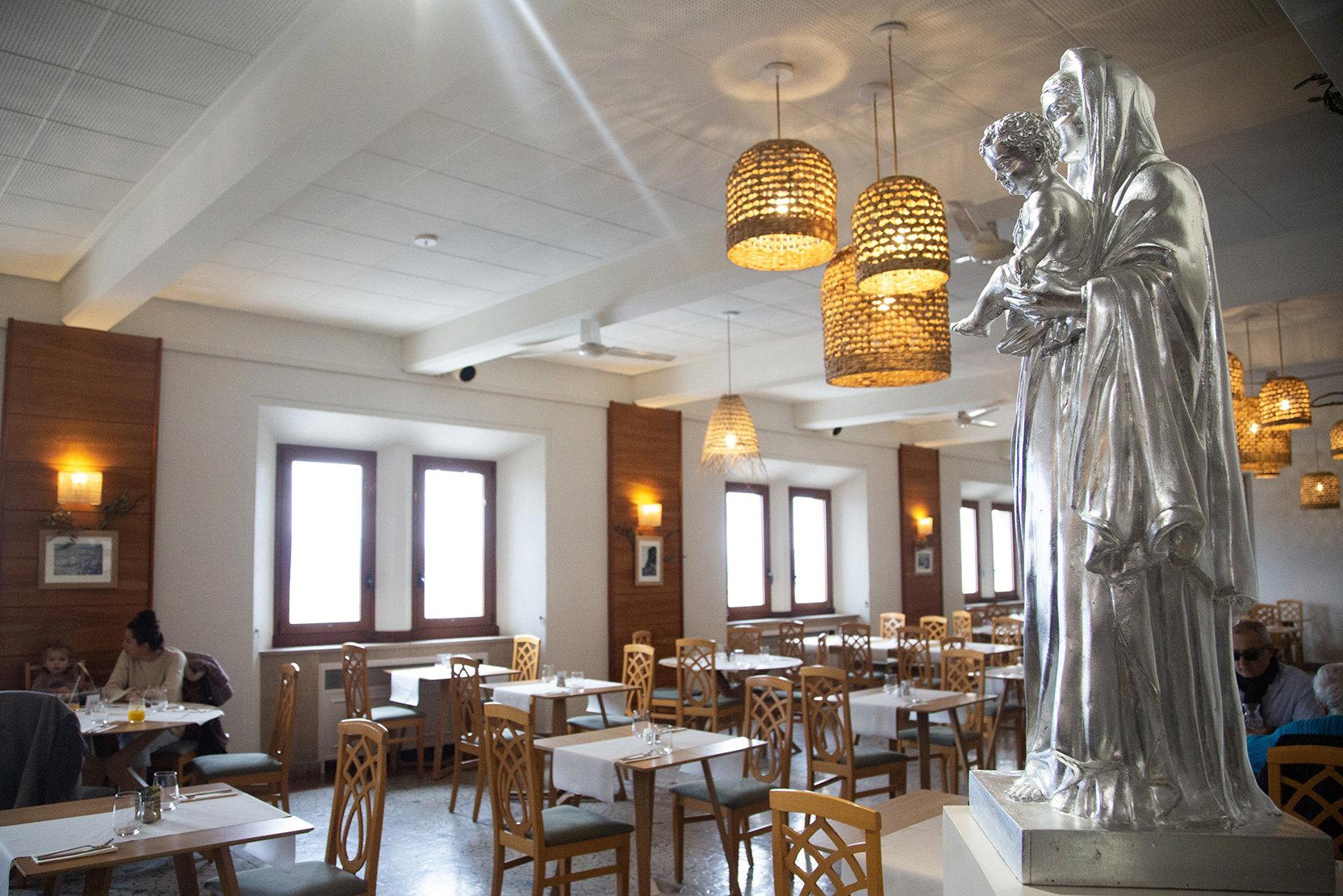
The Approach: Stone, Sea Wind, and the Weight of Place
La Bonne Mère is a restaurant in Marseille, France, at 16 Rue Fort du Sanctuaire, serving Authentic Neapolitan Pizza. The street sits in the shadow of Notre-Dame de la Garde, the basilica that Marseillais call la Bonne Mère, the good mother, a nickname that has folded into the city's vocabulary so thoroughly that it now names everything from fishing boats to neighbourhood tables. The view back down toward the Vieux-Port frames why Marseille's food culture developed the way it did: the sea is not backdrop here, it is supply chain. What arrives on plates at tables in this quartier reflects what the port received that morning, a logic that predates modern sourcing trends by several centuries.
Ingredient Sourcing and the Port City Tradition
Marseille sits at the intersection of two defining ingredient geographies. From the sea, the fishing fleet operating out of the Vieux-Port brings rascasse, grondin, saint-pierre, and the smaller rockfish species that form the backbone of Provençal fish cookery. From the land, the markets at Noailles and the Marché du Prado carry produce from the Bouches-du-Rhône plain and the Var hinterland: tomatoes, courgettes, wild herbs, and the aioli-essential garlic from around Lautrec and the local Ail Rose de Provence. This dual sourcing axis is what separates Marseille's dining tradition from that of Lyon or Paris. The city's cooks have always worked close to primary producers, the fisherman, the market gardener, rather than through extended distribution networks, and that proximity shapes both the flavour register and the seasonal rhythm of menus across the city.
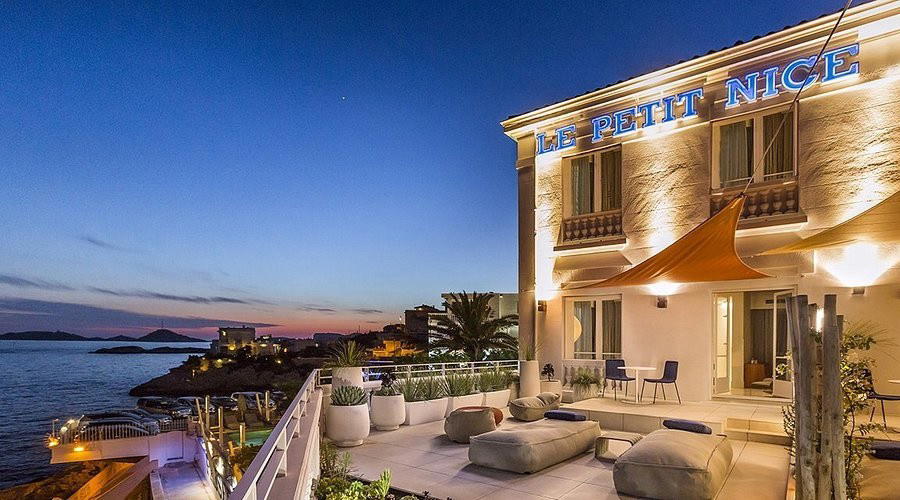
La Bonne Mère's address, immediately adjacent to the basilica, places it within a neighbourhood that functions as one of the city's more historically grounded quartiers rather than a gastronomy destination in the sense that the 7th arrondissement now carries. That context matters: tables here operate against a different competitive logic than, say, Le Petit Nice, Gérald Passédat's three-Michelin-star seafood house on the Corniche, or AM par Alexandre Mazzia, which pursues a creative contemporary register at the €€€€ tier. The sourcing instinct in the Bonne Mère neighbourhood operates at a more direct, market-to-table frequency.
Bouillabaisse and the Dish That Defines a City
Any serious engagement with Marseille's food traditions routes through bouillabaisse, and understanding the dish requires understanding its sourcing requirements. The Charte de la Bouillabaisse Marseillaise, formalised by a group of Marseille restaurateurs in the 1980s, specifies the fish species, the cooking sequence, and the presentation format, rouille and croutons served alongside the broth, the fish presented whole before being returned to the kitchen and filleted. The charter exists precisely because the dish had been diluted across French and international menus to the point of abstraction. The authentic version requires rockfish species that are difficult to source outside the Mediterranean and impossible to fake with substitutes. Rascasse, scorpionfish, is non-negotiable. It contributes both the gelatinous body and the particular mineral depth that separates a correctly made bouillabaisse from a fish soup that merely aspires to the name.
Marseille's mid-tier and neighbourhood tables, operating at lower price points than the charter-certified restaurants, often adapt the tradition without claiming the full certification. This is not evasion; it reflects the practical reality that sourcing all seven required species fresh on a given day is a logistical commitment that scales with kitchen infrastructure. The city's broader restaurant scene, from Une Table, au Sud at the contemporary end to the traditional bistrot tables in Le Panier, negotiates this sourcing reality differently at each price tier.
Where La Bonne Mère Sits in the Marseille Scene
Marseille's dining scene has diversified considerably since the city's 2013 European Capital of Culture year accelerated investment in hospitality infrastructure. Below them, the city maintains a dense layer of neighbourhood restaurants and brasseries that operate on the kind of daily market discipline that defines southern French cooking at its most honest. The restaurant's location, at 16 Rue Fort du Sanctuaire in the 13006 postcode, places it within walking distance of the basilica and accessible from the Vieux-Port on foot in fifteen to twenty minutes via the Rue Sainte corridor.
Against the wider French dining context, Marseille operates at a remove from the prestige circuits centred on Paris and Lyon. The three-star addresses that define French fine dining at the national level, Alléno Paris au Pavillon Ledoyen, Troisgros - Le Bois sans Feuilles, Paul Bocuse - L'Auberge du Pont de Collonges, Auberge de l'Ill, Bras in Laguiole, Flocons de Sel in Megève, Mirazur in Menton, Assiette Champenoise in Reims, Au Crocodile in Strasbourg, and Auberge du Vieux Puits in Fontjoncouse, belong to a different culinary register than the port city's neighbourhood-anchored tables. Marseille's strength is not institutional prestige but sourcing proximity: the Mediterranean is forty metres from the fish stalls, and that fact still matters in the kitchen.
Planning Your Visit
Visitors to this part of the city should build their itinerary around the morning market rhythm: the Vieux-Port fish market operates early and closes by mid-morning, and the neighbourhood restaurants that depend on it tend to structure lunch service accordingly. The 13006 arrondissement is walkable from the Vieux-Port, and the climb to the basilica quarter rewards time spent in both directions, down toward the port and its markets, up toward the views that explain the city's relationship with the sea.
Quick Comparison
Comparable venues nearby, for context on price, style, and recognition.
| Venue | Cuisine | Price | Notes |
|---|---|---|---|
| La Bonne MèreThis venue — the venue you are viewing | Authentic Neapolitan Pizza | $$ | Not listed |
| Otto | Modern Italian-Mediterranean | $$ | Saint Giniez |
| OAÏ | Provençal Mediterranean Bistro | $$ | Opera |
| Sauver | Classic Italian Pizzeria | $$ | Noailles |
| La Boîte à Sardine | Mediterranean Seafood Bistro | $$ | Chapitre |
| La Bonne Mer | Mediterranean Seafood & Pizza | $$ | Vauban |
Continue exploring
More in Marseille
Restaurants in Marseille
Browse all →
Bars in Marseille
Browse all →
Hotels in Marseille
Browse all →
At a Glance
- Cozy
- Classic
- Intimate
- Casual Hangout
- Date Night
- Open Kitchen
- Local Sourcing
- Organic
Current opening hours
- Monday
- 6–10 PM
- Tuesday
- 6–10 PM
- Wednesday
- 6–10 PM
- Thursday
- 6–10 PM
- Friday
- 11 AM–2 PM, 6–10 PM
- Saturday
- 11 AM–2 PM, 6–10 PM
- Sunday
- 6–10 PM
Hours can change for holidays and private events. Last verified .
Warm and cozy with eclectic decor of mementos and art on the walls, mismatched tables, and a giant pizza oven in the back.