On a narrow street in central Marseille, Coquille represents the city's growing appetite for seafood-led dining rooted in ethical sourcing and coastal stewardship. The address at 8 Rue Euthymènes places it within easy reach of the Vieux-Port, and the restaurant's approach connects directly to Marseille's centuries-old relationship with Mediterranean fishing traditions rather than treating the sea as mere backdrop.
Pearl is the En Primeur Club membership app — saves, bookings, and concierge access live there. Same editors, same standards.
- Address
- 8 Rue Euthymènes, 13001 Marseille, France
- Phone
- +33491541413
- Website
- bookings.zenchef.com
- Directions
- Get directions
 Saves & bookings on Pearl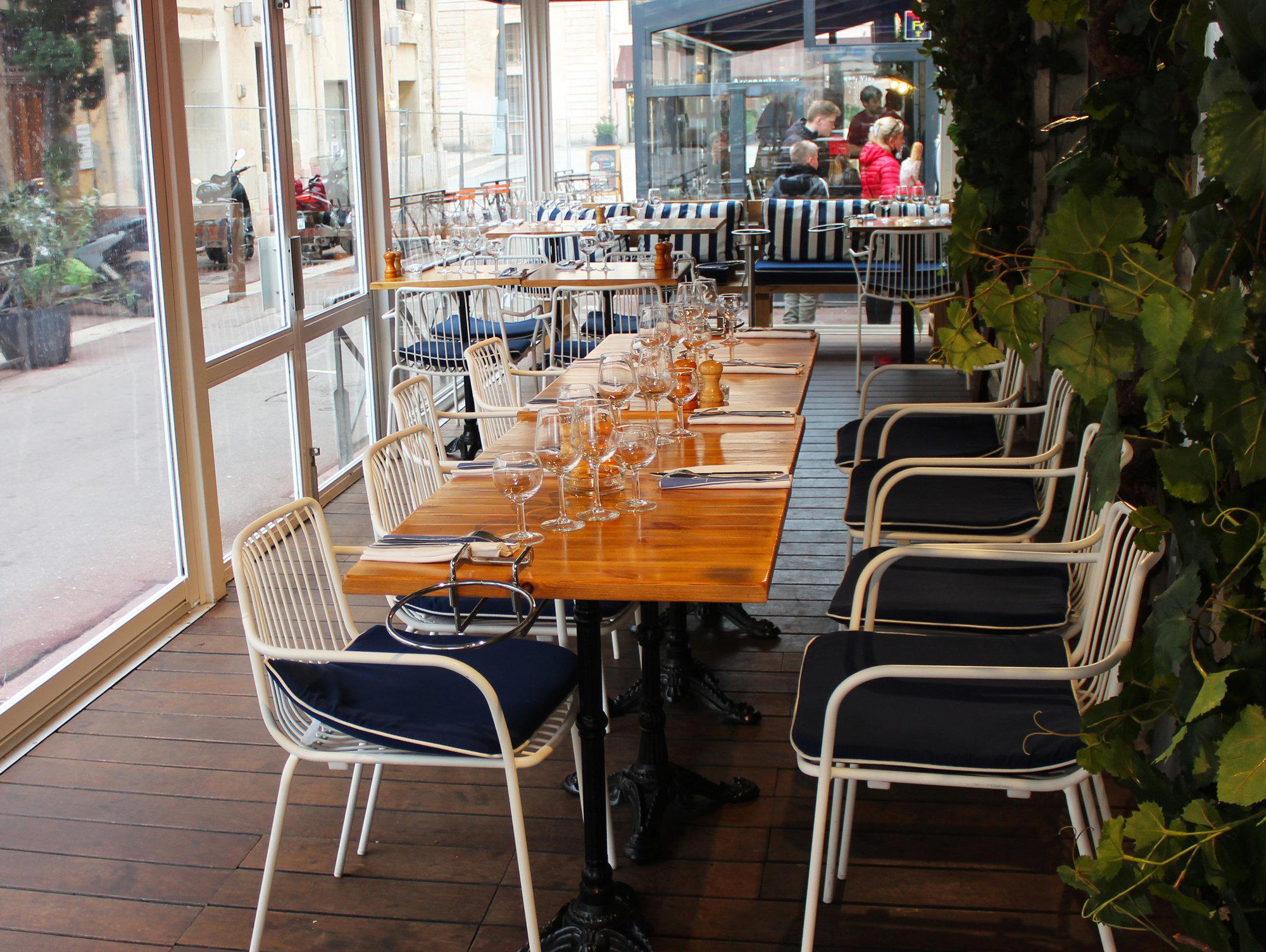
Where the Mediterranean Begins on the Plate
The streets around the 1st arrondissement of Marseille carry a particular density of culinary ambition. Walk far enough from the Vieux-Port's tourist perimeter and the restaurants shift register: fewer laminated menus, more chalkboards, and a clientele that arrives knowing what it wants. Coquille, at 8 Rue Euthymènes, occupies this quieter register. The name itself, the French word for shell, signals both the ingredient set and the sensibility: a Provençal seafood bistro oriented around what the Mediterranean gives up rather than what global supply chains can deliver overnight.
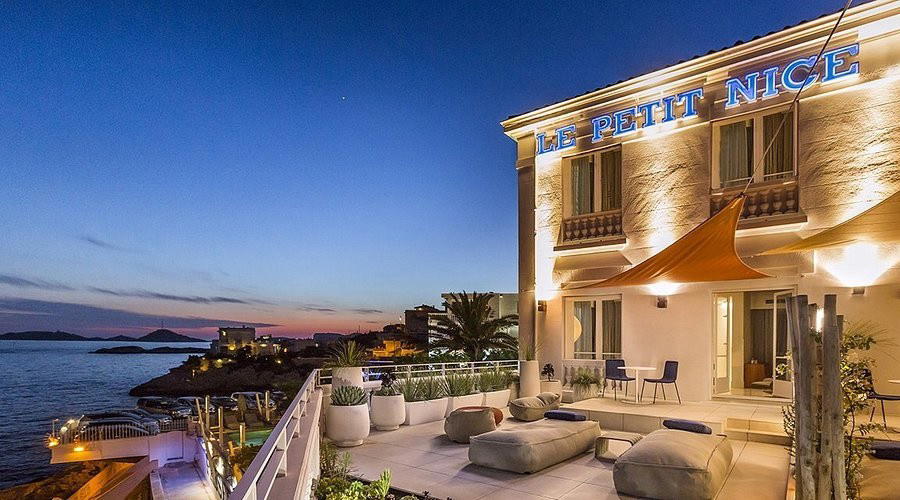
Marseille's dining identity has long been divided between the ceremonial grandeur of places like Le Petit Nice, where tasting menus track the arc of a chef's career, and the neighbourhood bistros where bouillabaisse is cooked the way it has been for generations. Coquille sits at a third point on that triangle: considered without being precious, rooted in the sea without nostalgia, and attentive to sourcing in a way that reflects how serious French coastal restaurants have repositioned themselves over the past decade. Ethical procurement is no longer a differentiator at this level; it is the baseline from which everything else is built.
A City That Earns Its Seafood Reputation
France's relationship with coastal cuisine runs deep across its Mediterranean and Atlantic edges, from the Basque country to the Camargue. But Marseille's claim is particular. The city's fishermen have worked the same waters for over 2,600 years, and the local catch tradition, small-boat day fishing, species sold directly at the quayside Marché du Poisson, creates a supply logic that a restaurant committed to ethical sourcing can actually follow. The challenge for modern kitchens is translating that raw material advantage into something that reads as a considered dining experience rather than a simple fish counter.
That translation is where Marseille's more ambitious tables have focused their energy. AM par Alexandre Mazzia, the city's three-Michelin-star address, approaches the Mediterranean larder through a highly personal creative lens. Une Table, au Sud brings modern technique to southern French ingredients at the upper price tier. Coquille operates below that formal register but within the same sourcing ethic: the sea as the primary reference point, and the producer relationship as the foundation of the menu rather than an afterthought on the back page.
Sustainability as Structure, Not Statement
Across French fine dining, sustainability rhetoric has become common. What separates restaurants that genuinely operate on ecological principles from those that market them is structural: whether sourcing decisions shape the menu or the menu shapes the sourcing. Kitchens working within the former model deal with ingredient unavailability, seasonal gaps, and the discipline of cooking around what arrived rather than what was planned. Restaurants along the French coast have faced particular pressure to demonstrate this, as Mediterranean fish stocks have come under sustained scrutiny from marine biologists and environmental bodies over the past two decades.
The shells and crustaceans that anchor a restaurant named Coquille represent one of the more defensible positions in that argument. Bivalves, mussels, oysters, clams, scallops, filter seawater as they grow, require no feed inputs, and can be sourced from certified French producers operating under strict quotas. France's shellfish aquaculture, concentrated in the Atlantic bays of Brittany and the Bassin de Thau near Sète, supplies restaurants across the country and has become a model for low-impact seafood production within Europe. A kitchen built around this category is making a structural choice about environmental accountability, not just a culinary one. For a wider map of how French restaurants at various tiers are handling these questions, venues like Bras in Laguiole and Les Prés d'Eugénie in Eugénie-les-Bains have established long-running sourcing frameworks that have influenced how the next generation of French chefs approaches ingredient procurement.
Marseille's Mid-Tier as the Interesting Tier
Consequential dining decisions in any city often happen in the middle of the price range. Marseille's upper end is well documented: Le Petit Nice holds three Michelin stars and commands corresponding prices; AM par Alexandre Mazzia holds three stars as well and operates a tasting format that runs to multiple courses. These are reference points, not weekly propositions. What happens in the tier below them, where Alivetu and 1860 Le Palais also operate, is where a city's dining character is actually shaped day to day.
Coquille fits the profile of a restaurant that local regulars return to with frequency rather than occasion. The address on Rue Euthymènes is close enough to the Vieux-Port to be accessible but not positioned to draw casual tourist traffic. This is a relevant distinction: the clientele that finds a restaurant on that street has already made a considered choice, and the kitchen can cook accordingly. Across France, this kind of address, neighbourhood-adjacent to a tourist centre, legible to informed visitors, not dependent on passing trade, tends to produce one consistent cooking over time. The comparisons worth drawing are less to Marseille's Michelin tier and more to what places like Flocons de Sel in Megève or La Table du Castellet represent in their respective contexts: serious kitchens that operate slightly outside the marquee circuit without compromising on material quality.
Planning a Visit
Coquille is located at 8 Rue Euthymènes in the 1st arrondissement of Marseille, within walking distance of the Vieux-Port and the Noailles neighbourhood. Current hours, pricing, and reservation policy are Mon: 12–2 PM, 7:30–10 PM; Tue: 12–2 PM, 7:30–10 PM; Wed: 12–2 PM, 7:30–10 PM; Thu: 12–2 PM, 7:30–10 PM; Fri: 12–2 PM, 7:30–10 PM; Sat: 12–2 PM, 7:30–10 PM; Sun: 12–2 PM, 7:30–10 PM; about $45 per person; and reservations are recommended. Given Marseille's compressed weekend dining traffic, particularly in warmer months when the city draws visitors from across Provence and the coast, arriving with an advance booking is the practical default at any restaurant operating at this level.
What's the must-try dish at Coquille?
What the restaurant's name and coastal positioning suggest, however, is a kitchen oriented around shellfish and the daily Mediterranean catch, which in Marseille means ingredients sourced from one of France's most active small-boat fishing ports. For documented menu specifics, visitors should check directly with the restaurant. Nearby references for seafood-forward cooking in the city include Le Petit Nice, where the three-Michelin-star kitchen offers a fully documented tasting format built around the same waters.
Is Coquille reservation-only?
Reservations are recommended. In Marseille, restaurants at the considered mid-tier typically operate with reservations as the norm rather than the exception, particularly on weekends and during summer months when demand across the city's better addresses runs ahead of capacity. Given that context, treating a booking as necessary rather than optional is the lower-risk approach. reservations are recommended.
How does Coquille's approach to sourcing compare to other seafood-focused restaurants in southern France?
Coquille's positioning in Marseille places it within a broader coastal French tradition of restaurants built around day-boat fishing and low-impact shellfish sourcing, a category that has grown more defined as Mediterranean sustainability pressures have increased. Across the south of France, this sourcing ethic connects restaurants from the Bassin de Thau oyster beds near Montpellier to the fishing quays of Marseille itself.
- Roasted mussels with parmesan butter
- Fresh oyster platters
- Marinated sardines with Espelette pepper
- Grilled fish (tuna, hake)
- Mussels and fries
- Whole roasted seabass
A Tight Comparison
Comparable venues nearby, for context on price, style, and recognition.
| Venue | Cuisine | Price | Notes |
|---|---|---|---|
| CoquilleThis venue — the venue you are viewing | Opera, Provençal Seafood Bistro | $$ | Not listed |
| La Boîte à Sardine | Chapitre, Mediterranean Seafood Bistro | $$ | Not listed |
| Tumulte | Not listed | $$$ | Notre Dame Du Mont, Seafood & Vegetarian Bistro |
| La Bonne Mer | Vauban, Mediterranean Seafood & Pizza | $$ | Not listed |
| KO-ISHI | Not listed | $$ | Opera, Authentic Japanese Izakaya Street Food |
| PEPERE | Not listed | $$ | Prefecture, Mediterranean Cocktail Bar with Tapas |
Continue exploring
More in Marseille
Restaurants in Marseille
Browse all →
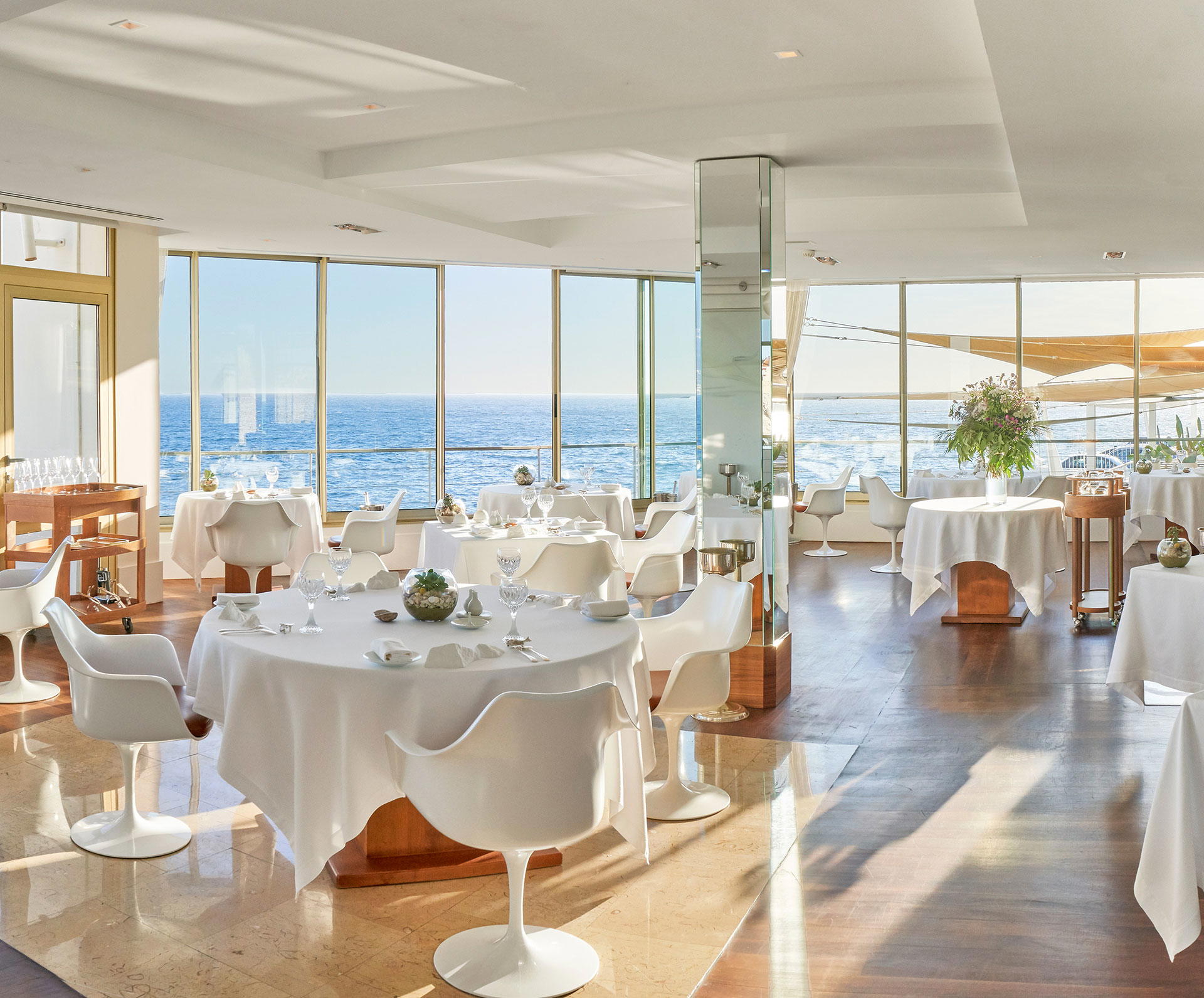
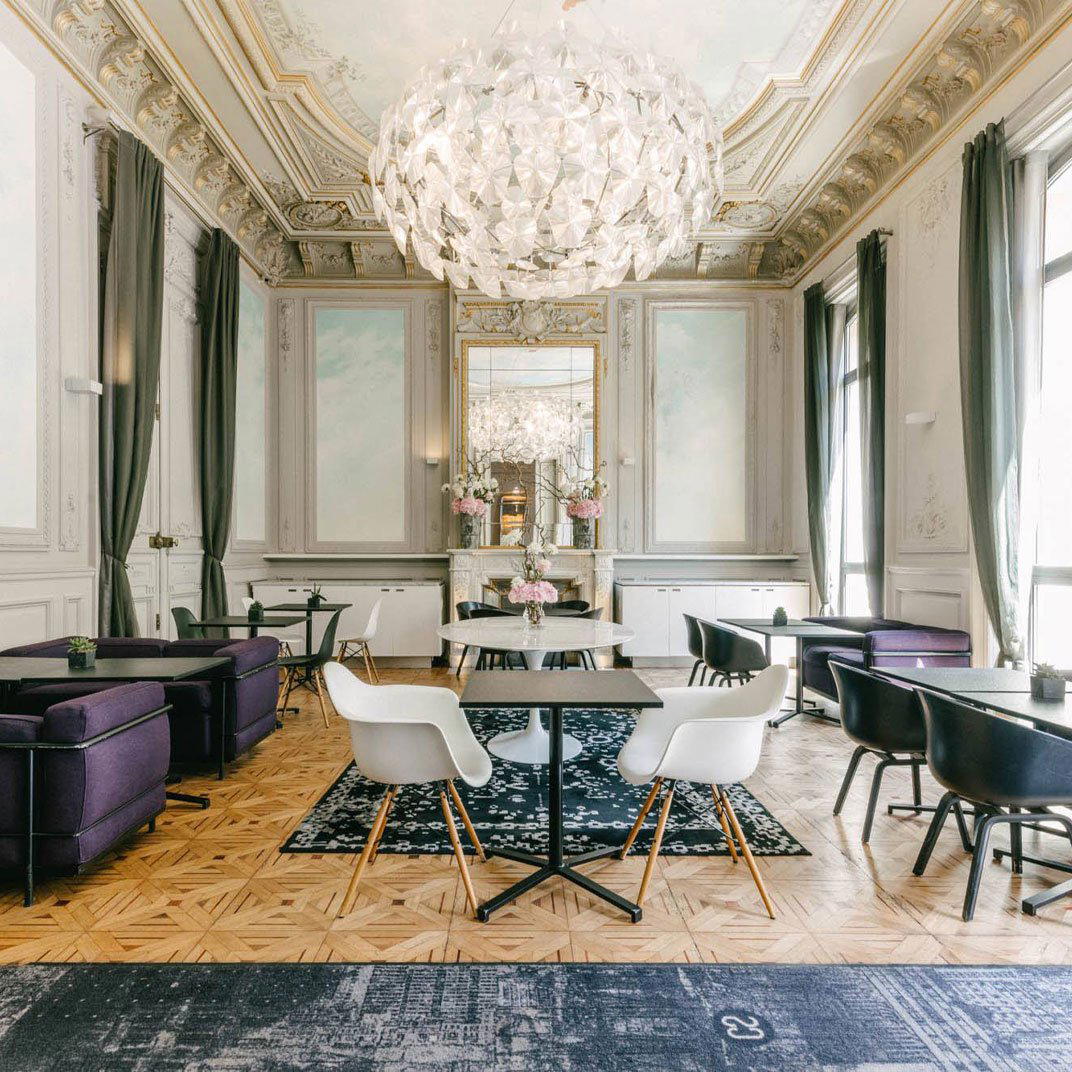
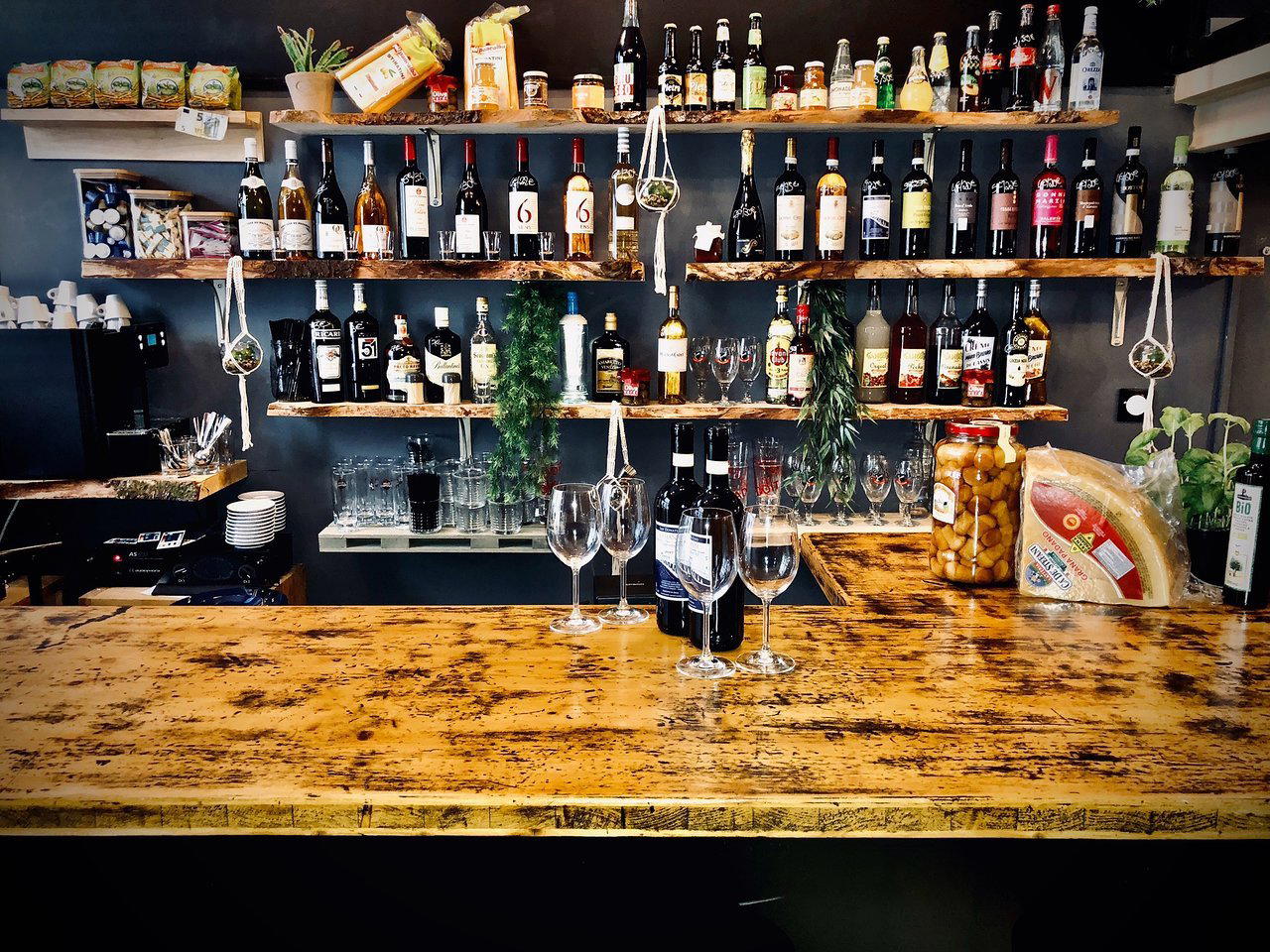
Bars in Marseille
Browse all →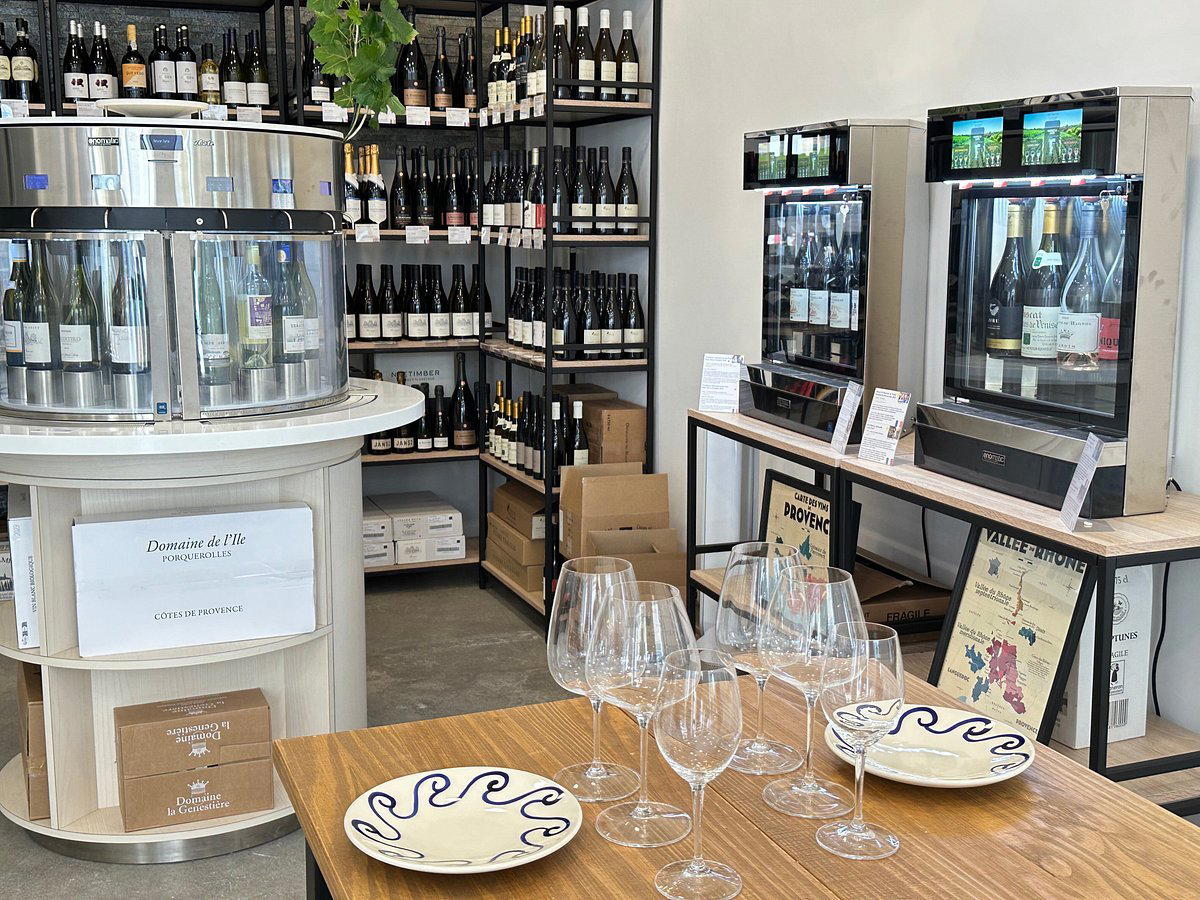
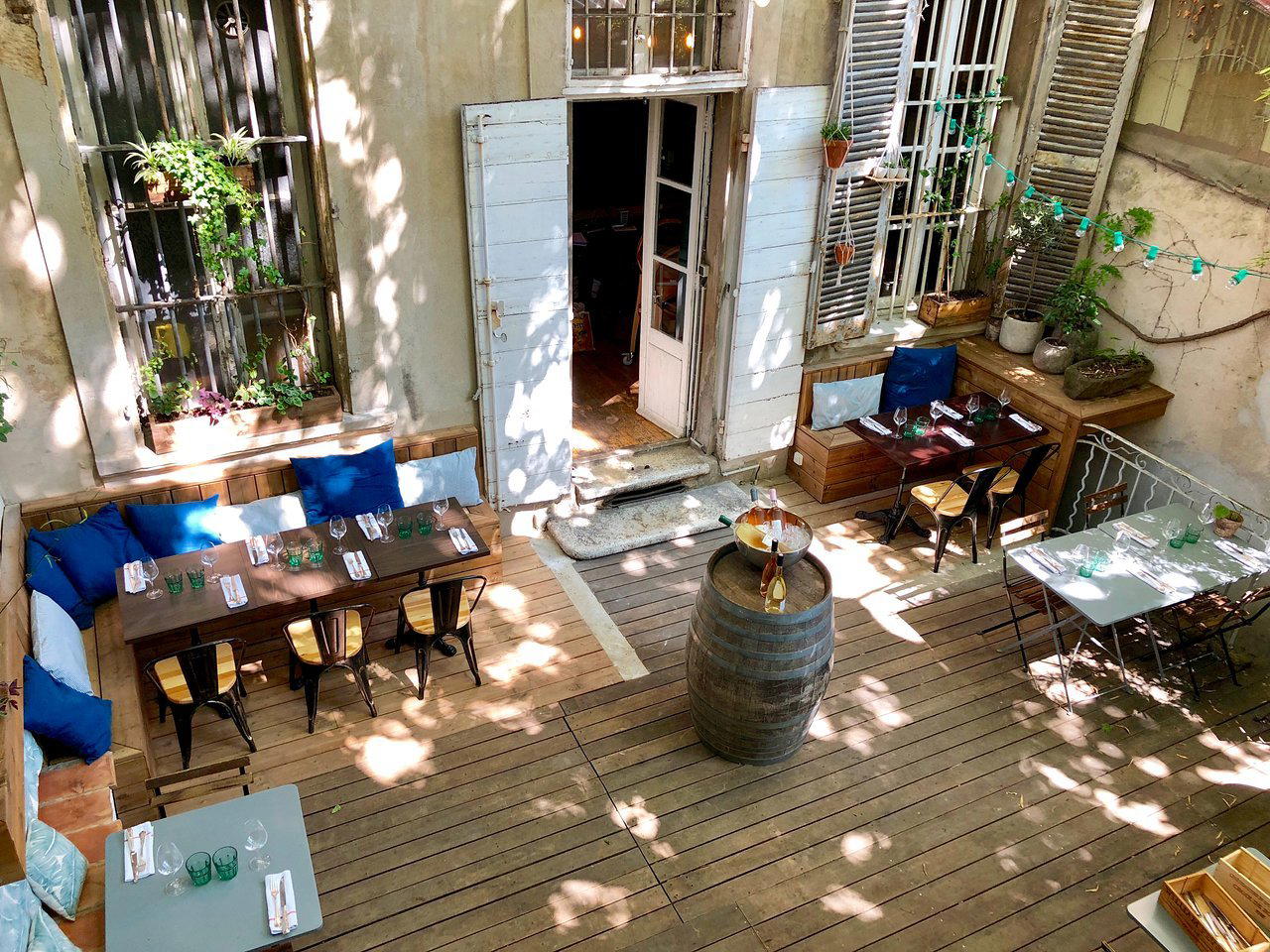
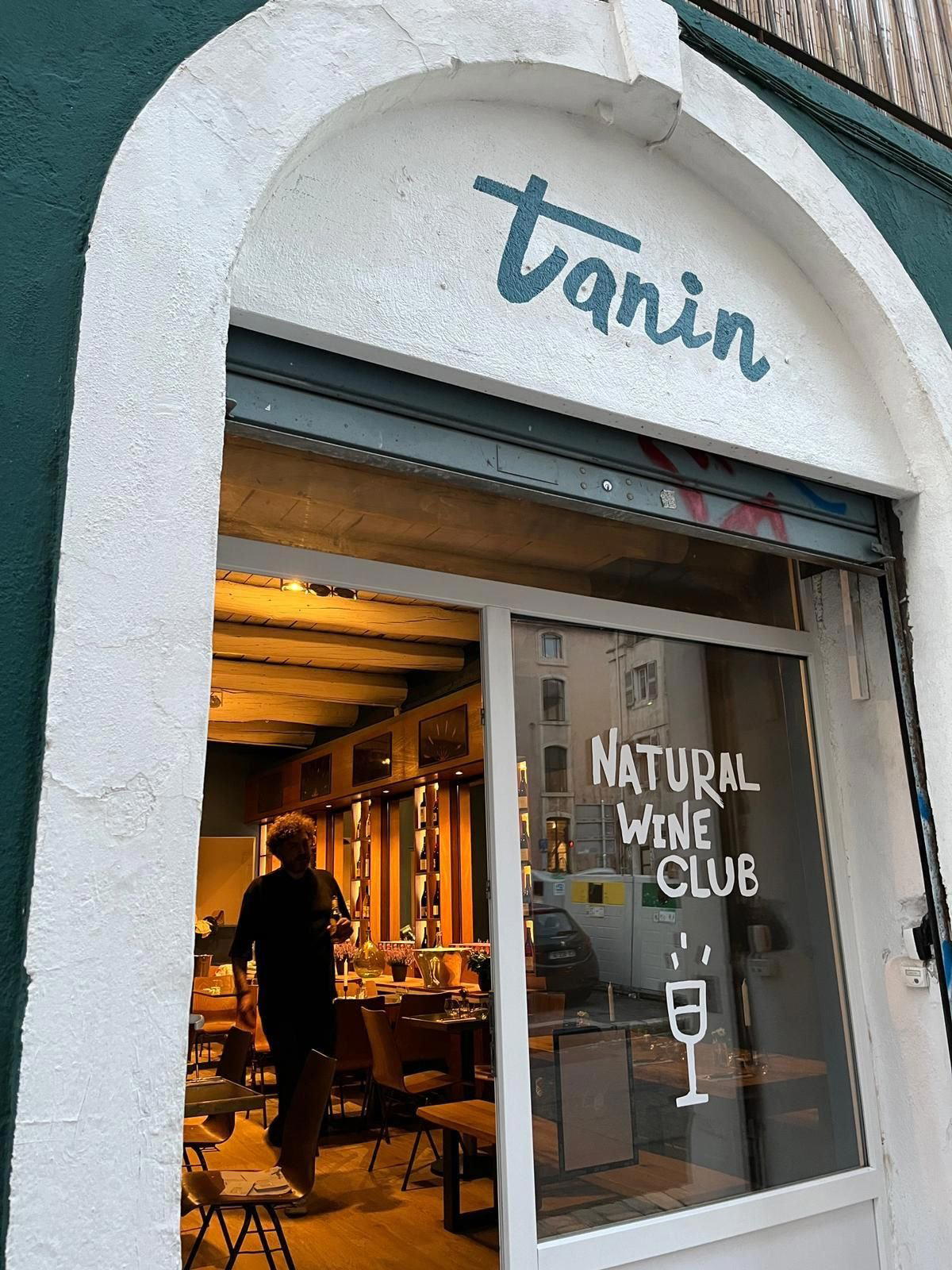
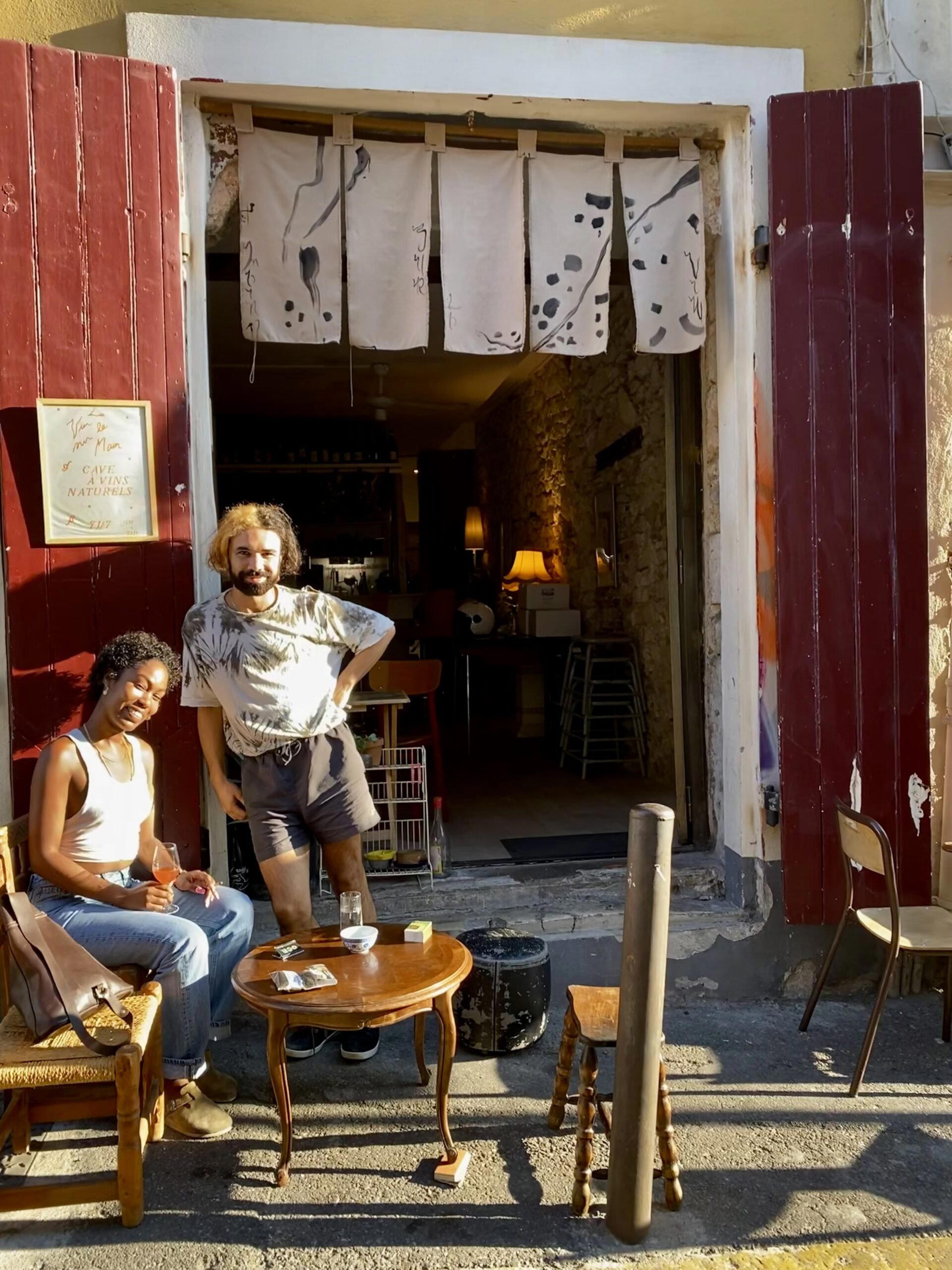
Hotels in Marseille
Browse all →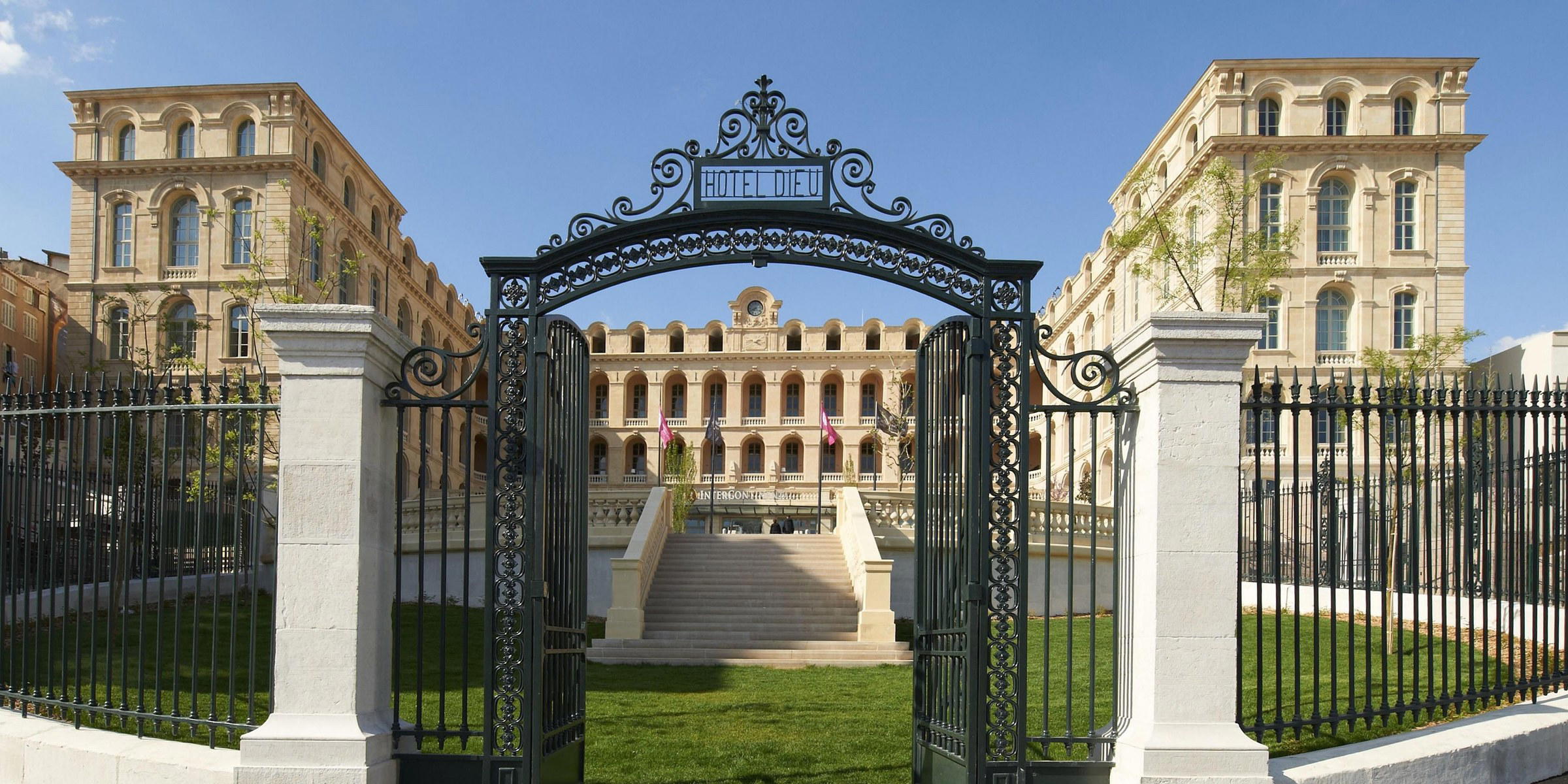
At a Glance
- Casual
- Cozy
- Lively
- Rustic
- Casual Hangout
- Group Dining
- Date Night
- Terrace
- Open Kitchen
- Beer Program
- Local Sourcing
- Sustainable Seafood
Current opening hours
- Monday
- 12–2 PM, 7:30–10 PM
- Tuesday
- 12–2 PM, 7:30–10 PM
- Wednesday
- 12–2 PM, 7:30–10 PM
- Thursday
- 12–2 PM, 7:30–10 PM
- Friday
- 12–2 PM, 7:30–10 PM
- Saturday
- 12–2 PM, 7:30–10 PM
- Sunday
- 12–2 PM, 7:30–10 PM
Hours can change for holidays and private events. Last verified .
Cheeky-chic decor with a convivial, sharing-focused atmosphere; warm lighting from the preserved fireplace of the former pizzeria; fresh oceanic aromas throughout