La Bocca sits on Dob utca 21 in Budapest's VII. district, a street that anchors the city's densest concentration of casual dining and neighbourhood restaurants. The address places it squarely inside the Jewish Quarter, where Italian-inflected kitchens operate alongside Hungarian bistros and wine bars, competing on proximity and value rather than ceremony.
- Address
- Budapest, Dob u. 21, 1074 Hungary
- Phone
- +36307906619
- Website
- labocca.hu
- Directions
- Get directions
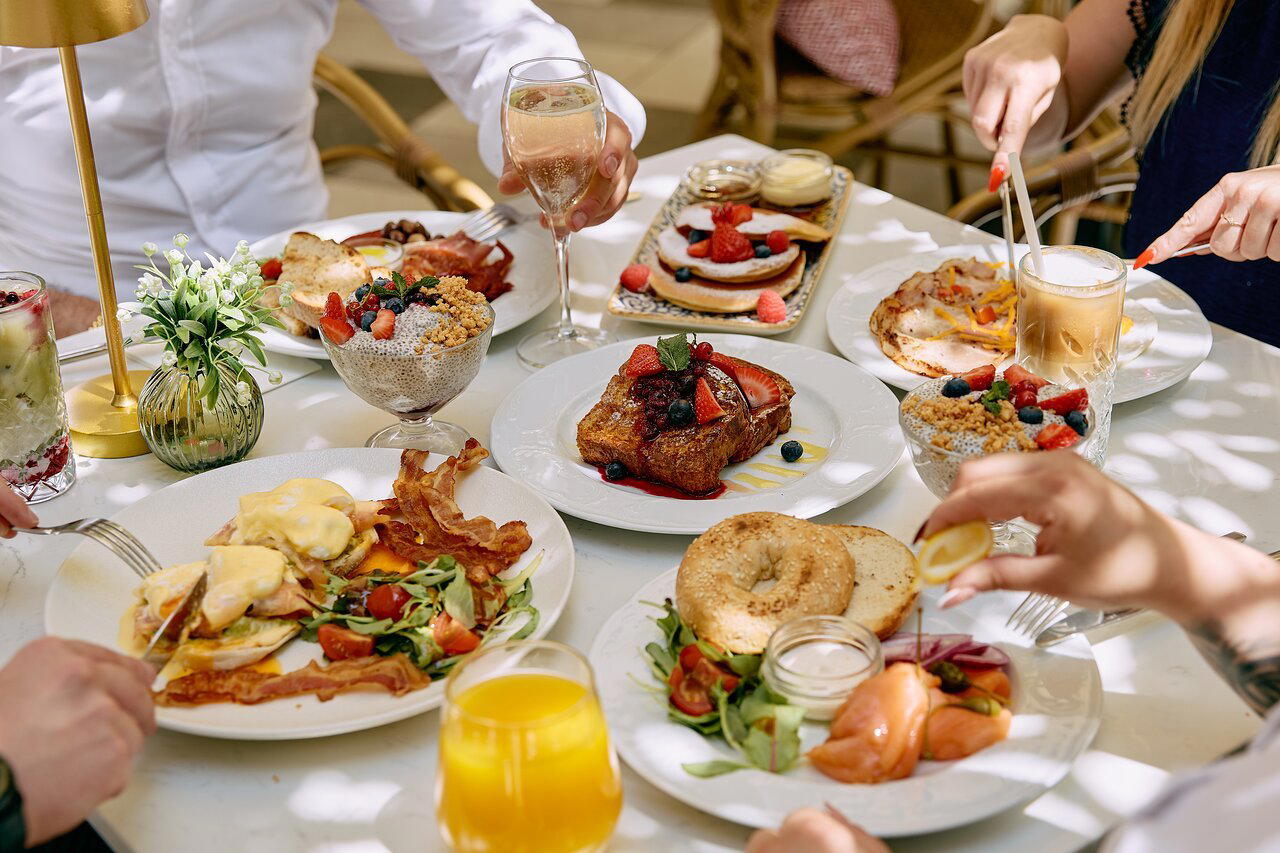
Dob Utca and the VII. District's Dining Character
Budapest's VII. district, the old Jewish Quarter, has accumulated more restaurants per block than any other neighbourhood in the city. The streets radiating from Klauzál tér and running toward the Nagykörút carry a dense mix of formats: wine bars, Hungarian bistros, international kitchens, and the kind of mid-casual Italian operations that have taken root in European city centres wherever rents remain accessible and foot traffic stays high. Dob utca sits near the middle of this grid, and it is on this street that La Bocca Budapest operates at number 21.
That address matters more than it might seem. The VII. district is not where Budapest puts its most formal dining ambitions. Those tend to cluster around Andrássy út, the Belváros, and the Buda side for larger hotel-linked operations. What the Jewish Quarter offers instead is a dining public that mixes locals, long-stay visitors, and tourists who have moved past the ruin-bar circuit and want to eat rather than drink. Italian kitchens fit that audience well: familiar enough to require no explanation, capable enough in their better versions to reward genuine attention.
Italian Cooking in Central Europe: The Broader Pattern
The presence of Italian restaurants in Budapest is not incidental. Across Central and Eastern European capitals, Prague, Warsaw, Vienna's outer districts, Italian cuisine has become the dominant international format at the mid-casual price point. The reasons are structural: pasta and pizza scale efficiently, ingredient sourcing is manageable even without access to highly specialised local suppliers, and the format allows kitchens to operate without the brigade complexity that Hungarian fine dining requires.
What separates the stronger Italian operations in Budapest from the generic ones is sourcing rigour and pasta craft. In cities like New York, Italian influence tends to appear as technique absorbed into broader menus. At the neighbourhood level in Budapest, it shows up as standalone trattoria-style restaurants where the kitchen's command of dough, sauce reduction, and regional Italian reference points determines whether the experience holds up. La Bocca's position on Dob utca places it in that neighbourhood Italian tier, where the competition is immediate and the guest's comparison set is the previous three Italian meals they have eaten in the city.
The VII. District Context: What to Expect Approaching the Address
Dob utca runs parallel to Király utca and connects the ruin-bar heartland near Kazinczy utca to the broader residential fabric of the district. The street has a lived-in quality: apartment buildings with interior courtyards, a mix of ground-floor retail and food operations, and the particular noise profile of a neighbourhood that is neither tourist-facing in an organised way nor fully local-only. Approaching number 21, the setting is consistent with this character, urban, mid-density, without the self-conscious staging that marks the more design-forward openings further into the quarter.
That physical context shapes what kind of restaurant La Bocca functions as. The VII. district rewards operations that feel embedded rather than performative. A kitchen that reads as part of the neighbourhood, rather than a concept dropped into it, tends to build the repeat-visit customer base that sustains a restaurant on a street like Dob utca over time.
Where La Bocca Sits in Budapest's Wider Restaurant Tier
Budapest's fine dining tier is defined by a cluster of Michelin-recognised restaurants operating at the €€€€ price point. Stand and Babel represent the modern Hungarian cooking approach at that level, while Costes and essência occupy similar ceremonial territory. Borkonyha Winekitchen operates at the €€€ tier with a wine-forward modern Hungarian identity that has earned consistent Michelin recognition.
La Bocca operates well below that ceremonial band. Its comparable set is the city's neighbourhood Italian market, not the tasting-menu circuit. That is not a criticism. The quality of the city's mid-casual Italian operations matters considerably to the overall dining experience visitors take away. For those building a multi-day Budapest itinerary, understanding the distinction between the city's formal restaurants and its neighbourhood kitchens is the more useful planning frame.
Beyond Budapest: Hungarian Regional Dining Worth Knowing
Visitors who spend enough time in Hungary to venture beyond the capital will find that the country's regional dining is considerably less documented than Budapest's Michelin circuit. Platán Gourmet in Tata represents the kind of serious regional cooking that operates without metropolitan visibility. Pajta in Őriszentpéter works within a farm-to-table framework grounded in the Western Transdanubia landscape. Wine-region dining adds another layer: Halasi Pince Panzió in Villány connects table to cellar in Hungary's most internationally recognised red wine zone, and BoriMami in Gyöngyös anchors the Mátra wine district's dining offer.
The Eger region carries both culinary and wine interest: Forst-Ház Étterem és Kávézó operates in a city where Bull's Blood remains the internationally known reference point but where the broader table culture deserves attention in its own right. Day-trip distance from Budapest adds further options: Aranysárkány Vendéglő in Szentendre operates in the riverside town that draws the largest share of Budapest's day visitors. Further afield, Classic Grill Serbian Restaurant Underground in Szeged reflects the Balkan culinary influence that runs through Hungary's southern cities, while Astro Tea & Kávéház in Győr anchors the café culture of Hungary's third city. For those tracking Italian cooking across the country, La Pizza Del Lupo in Onga and Almalomb in Hosszúhetény show how Italian formats have dispersed into Hungary's smaller towns and rural settings.
Planning a Visit
La Bocca Budapest is located at Dob utca 21, 1074 Budapest, in the VII. district. The address is walkable from Deák Ferenc tér and Blaha Lujza tér metro stations, and sits within the core of the Jewish Quarter's restaurant concentration. For the VII. district specifically, walk-in availability is often higher than in the city's formal dining tier, but evening demand on the Dob utca corridor can be considerable, particularly on weekends.
Budget Reality Check
Comparable venues nearby, for context on price, style, and recognition.
| Venue | Cuisine | Price | Notes |
|---|---|---|---|
| La Bocca BudapestThis venue — the venue you are viewing | Belvaros, Italian Brunch and Pizza | $$ | Not listed |
| Jamie's Italian Budapest | Not listed | $$ | Varhegy, Italian Classics & Artisan Pizza |
| Toscana | Belvaros, Authentic Tuscan Trattoria | $$ | Not listed |
| Pomodoro | Varhegy, Traditional Italian Trattoria | $$ | Not listed |
| Szimply | Belvaros, Modern European Brunch | $$ | Not listed |
| KIOSK Budapest | Belvaros, Modern Hungarian | $$ | Not listed |
Continue exploring
More in Budapest
Restaurants in Budapest
Browse all →
Bars in Budapest
Browse all →
Hotels in Budapest
Browse all →

At a Glance
- Trendy
- Cozy
- Elegant
- Brunch
- Date Night
- Family
- Terrace
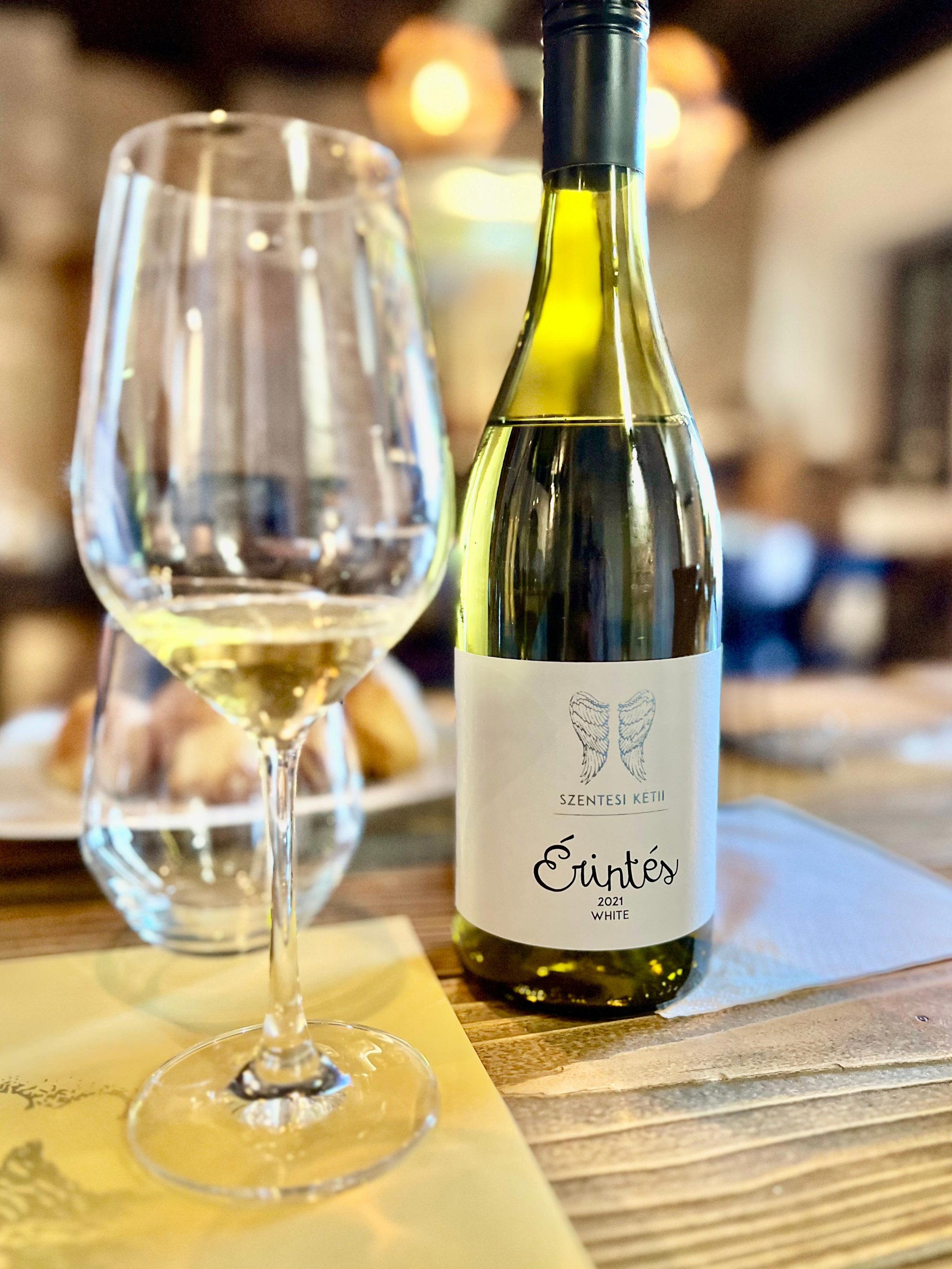
Stylish yet welcoming with a cozy, elegant atmosphere praised for its beautiful design and sensory Italian appeal.