On a quiet stretch of Carrer de Sardenya in the Eixample, La Bendita operates within a Barcelona neighbourhood dining tradition that prizes sourcing discipline over spectacle. The restaurant sits at a remove from the city's Michelin circuit, offering a format where ingredient provenance and restrained technique carry the editorial weight. For visitors moving between Barcelona's creative fine-dining tier and its everyday table culture, La Bendita represents a middle register worth attention.
Pearl is the En Primeur Club membership app — saves, bookings, and concierge access live there. Same editors, same standards.
- Address
- Carrer de Sardenya, 321, Eixample, 08025 Barcelona, Spain
- Phone
- +34930313329
- Website
- labenditabcn.cat
- Directions
- Get directions
 Saves & bookings on Pearl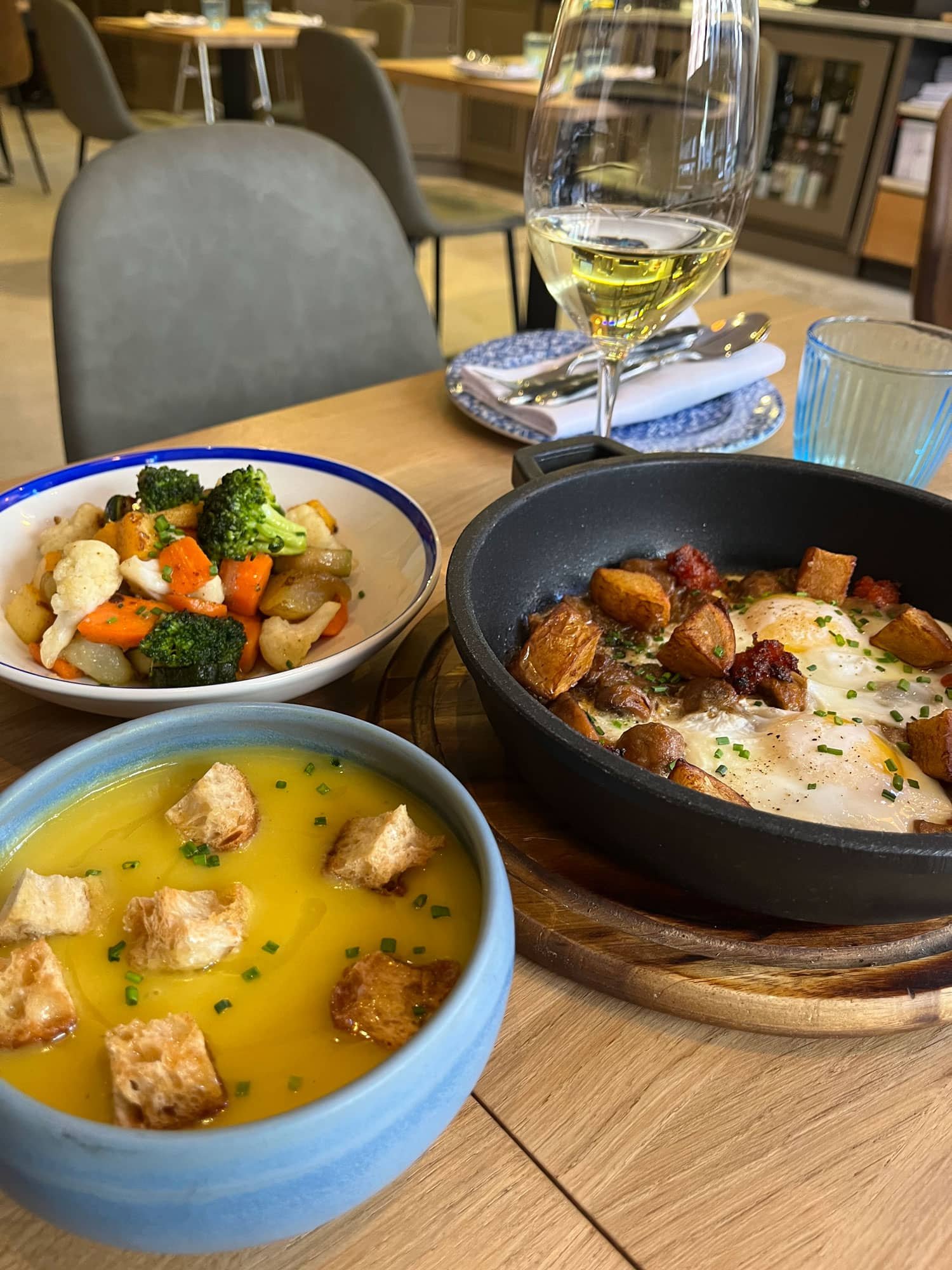
Eixample's Quieter Dining Register
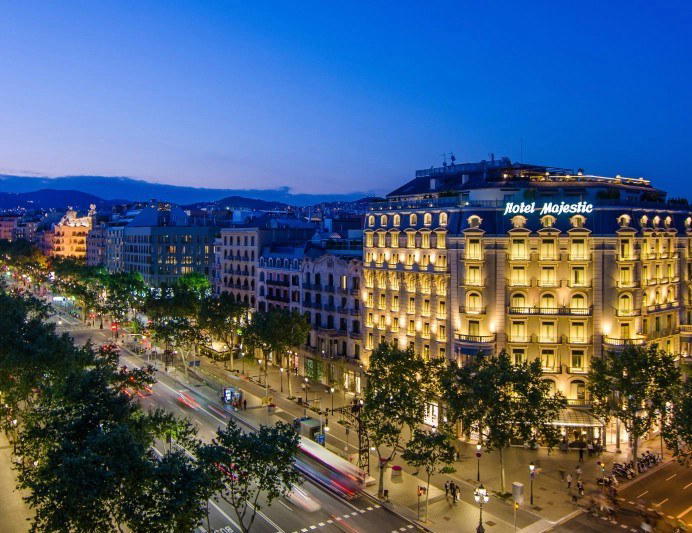
Barcelona's restaurant conversation defaults quickly to its Michelin tier: the technical ambition of Disfrutar, the scale and precision of Cocina Hermanos Torres, the long-established authority of Lasarte. But the Eixample grid holds a parallel dining culture: neighbourhood restaurants with serious sourcing commitments and none of the tasting-menu apparatus. La Bendita, on Carrer de Sardenya in the upper Eixample, sits within that quieter register. The street itself is residential rather than commercial, which shapes the room's character before you sit down: this is not a space designed to announce itself.
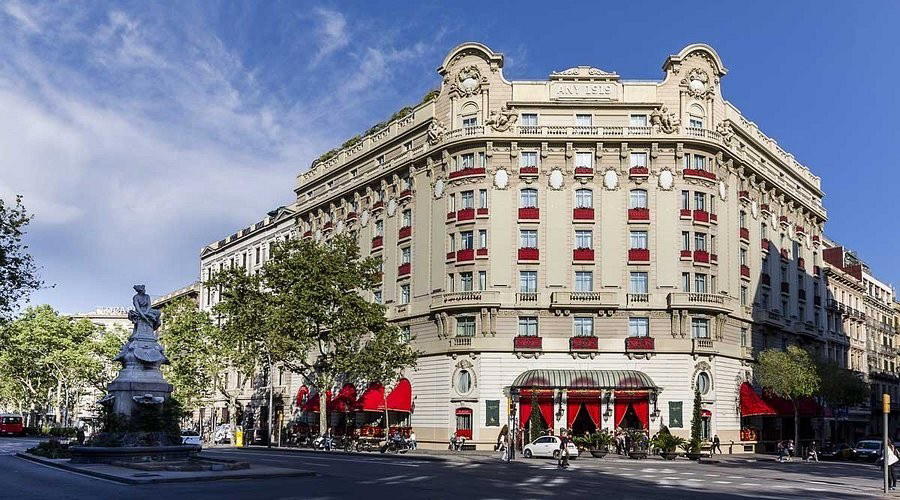
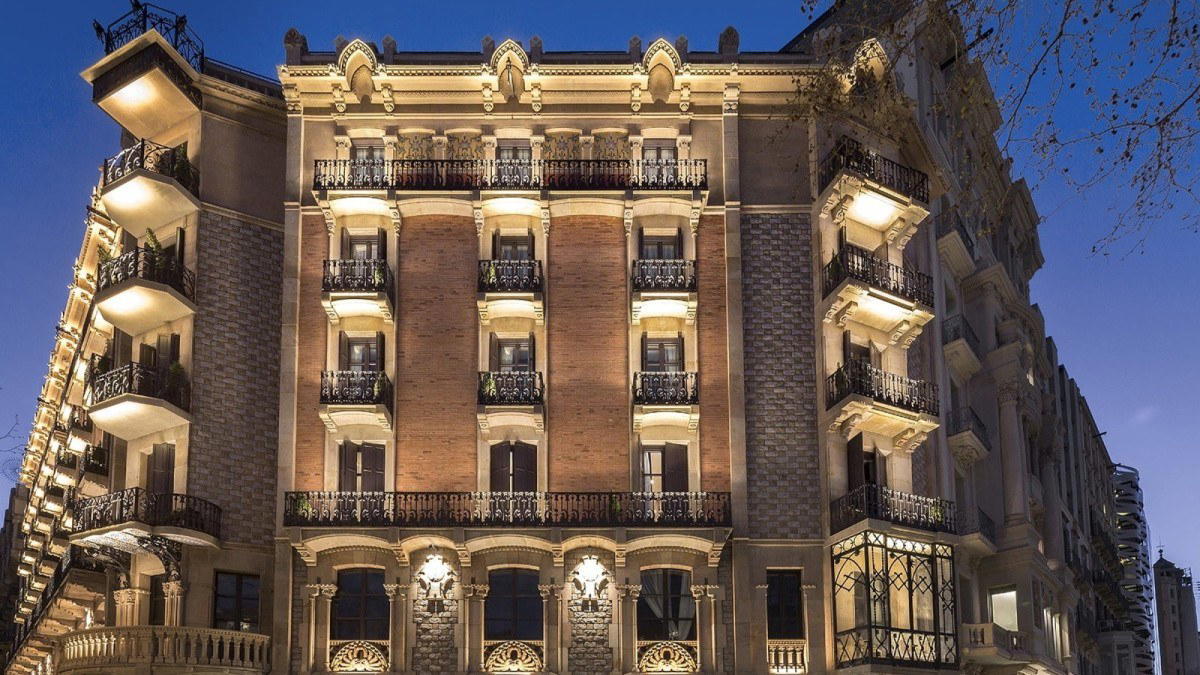
The physical approach matters here. Carrer de Sardenya at this point in the Eixample runs through a section of the district less trafficked by visitors than the blocks closer to Passeig de Gràcia. The buildings are late-nineteenth-century Catalan residential, and the restaurant occupies ground-floor space in a way that reads as local institution rather than destination address. That positioning inside the neighbourhood fabric is itself an editorial statement about what the restaurant is attempting.
Where the Food Comes From, and Why That Framing Holds
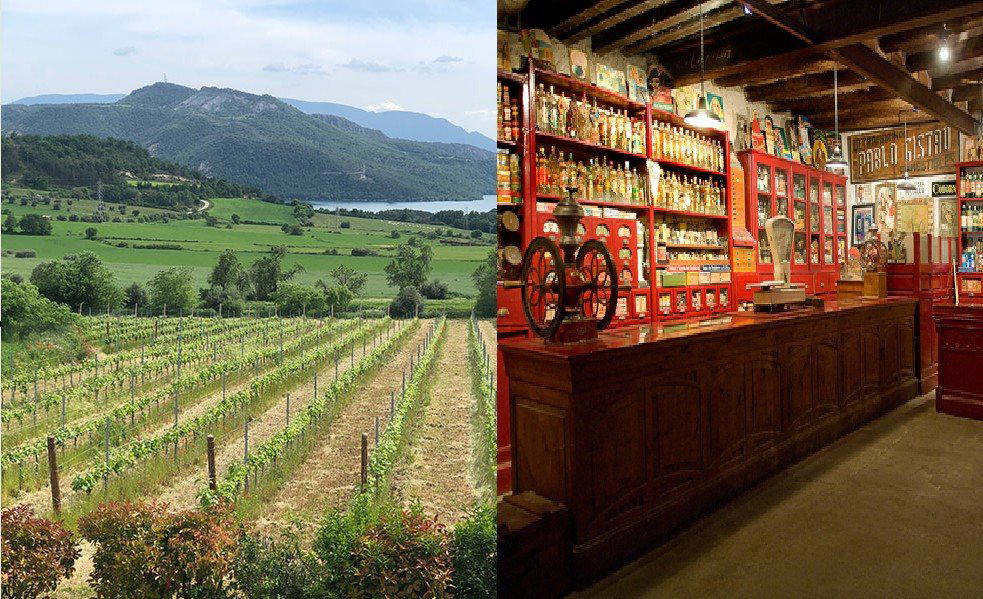
One useful way to read Barcelona's mid-tier dining culture is through sourcing geography. Catalonia's agricultural and coastal infrastructure is among the more varied in Spain: the Empordà inland for vegetables, game, and charcuterie; the Costa Brava and Delta de l'Ebre for seafood with genuine traceability; the Pyrenean foothills for lamb and aged cheeses. Restaurants that build menus around these supply chains occupy a distinct position from those working with generic European produce, and the distinction shows on the plate in ways that go beyond marketing language.
La Bendita's address in the Eixample places it within reach of the Mercat de l'Abaceria in Gràcia and the larger logistics network feeding Barcelona's kitchens. This matters because ingredient quality in Barcelona's neighbourhood tier has risen considerably over the past decade, driven partly by the overflow effect from the city's fine-dining culture: producers who built relationships with three-Michelin-star kitchens now supply a broader set of restaurants. The competitive pressure from venues like ABaC and Enigma has had a measurable effect on what sourcing standards look like across the city's dining tiers.
Spain's broader fine-dining conversation reinforces this point. Houses such as El Celler de Can Roca in Girona and Aponiente in El Puerto de Santa María have made ingredient provenance central to their identities for years. That emphasis has filtered down through the industry, so that a neighbourhood restaurant in the Eixample now operates in an environment where sourcing claims are scrutinised rather than taken at face value. The same is true across Spain's serious dining cities: Ricard Camarena in València and Azurmendi in Larrabetzu both demonstrate how regional-sourcing discipline can define a restaurant's competitive identity at any price point.
The Barcelona Neighbourhood Restaurant as a Category
Understanding La Bendita requires placing it against the category it belongs to rather than the city's headline venues. Barcelona's neighbourhood restaurant tier is large, competitive, and increasingly capable. The city's density means that a single postal district can contain multiple kitchens working at a genuinely high level, and the Eixample is among the more contested areas. Restaurants in this category typically run shorter menus with higher ingredient turnover, respond to market availability rather than fixed seasonal programmes, and price against local regulars as much as visiting diners.
This contrasts with the model at, say, Martin Berasategui in Lasarte-Oria or Mugaritz in Errenteria, where the tasting-menu format and destination-restaurant economics require different sourcing strategies and different relationships with producers. The neighbourhood model is more reactive, which can be a liability in inconsistent markets but an advantage when the kitchen is responsive enough to use it well. For the diner, it means the experience tracks the season more honestly than a fixed tasting menu allows.
Barcelona's position as a city with serious gastronomic infrastructure but also a dense, food-literate local population means that the neighbourhood tier is held to standards that equivalent venues in smaller cities would not face. A restaurant on Carrer de Sardenya competes not only with its immediate neighbours but with the accumulated knowledge of a dining public that also visits Quique Dacosta in Dénia or reads coverage of DiverXO in Madrid. That context raises the floor on what passes for acceptable sourcing, technique, and service.
Planning Your Visit
The restaurant's location on Carrer de Sardenya, 321 in the Eixample places it within walking distance of several metro lines, and the upper Eixample is direct to reach from most central Barcelona hotels. The restaurant's hours run Monday through Saturday from 12:30 PM to midnight, with Sunday service from 12:30 to 6:30 PM. Reservations are recommended.
For visitors building a Barcelona dining itinerary across multiple price points, the restaurant fits logically as a counterpoint to the city's tasting-menu circuit. Our full Barcelona restaurants guide maps the city's dining tiers in more detail, including where venues like this sit relative to the Michelin cluster. Internationally minded diners who also track venues such as Le Bernardin in New York City or Atomix in New York City will find Barcelona's neighbourhood tier offers a different but genuinely serious register of dining. Similarly, Arzak in San Sebastián and Atrio in Cáceres represent the Spanish fine-dining tradition at its most accomplished, against which the neighbourhood model in Barcelona reads as a deliberate and considered alternative.
Quick Comparison
Comparable venues nearby, for context on price, style, and recognition.
| Venue | Cuisine | Price | Notes |
|---|---|---|---|
| La BenditaThis venue — the venue you are viewing | Spanish Tapas and Paella | $$ | Not listed |
| Els Pinxus | Basque-Style Tapas and Pinxus | $$ | Sant Gervasi - Galvany |
| La Terrasseta del Lesseps | Spanish Tapas & Mediterranean Café | $$ | Vallcarca i els Penitents |
| Can Ramonet | Traditional Catalan Seafood and Rice | $$ | la Barceloneta |
| Denassus | Modern Catalan Tapas & Natural Wine | $$ | Sant Antoni |
| Bodega Alaparra | Spanish Wine Bar with Tapas | $$ | el Poblenou |
Continue exploring
More in Barcelona
Restaurants in Barcelona
Browse all →
Bars in Barcelona
Browse all →
Hotels in Barcelona
Browse all →
At a Glance
- Modern
- Cozy
- Trendy
- Casual Hangout
- Family
- Group Dining
- Terrace
- Open Kitchen
- Extensive Wine List
- Local Sourcing
Current opening hours
- Monday
- 12:30 PM–12 AM
- Tuesday
- 12:30 PM–12 AM
- Wednesday
- 12:30 PM–12 AM
- Thursday
- 12:30 PM–12 AM
- Friday
- 12:30 PM–12 AM
- Saturday
- 12:30 PM–12 AM
- Sunday
- 12:30–6:30 PM
Hours can change for holidays and private events. Last verified .
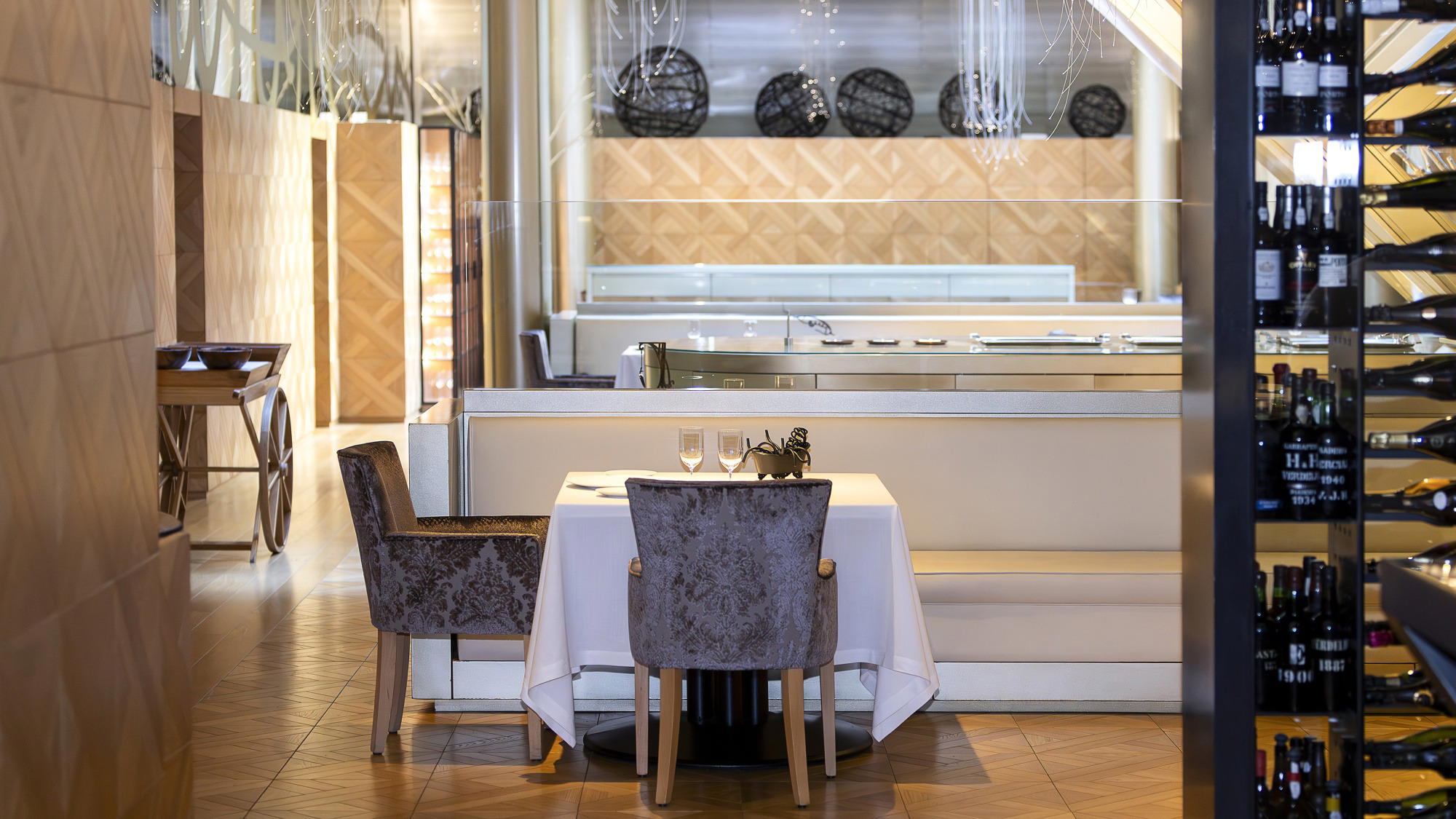
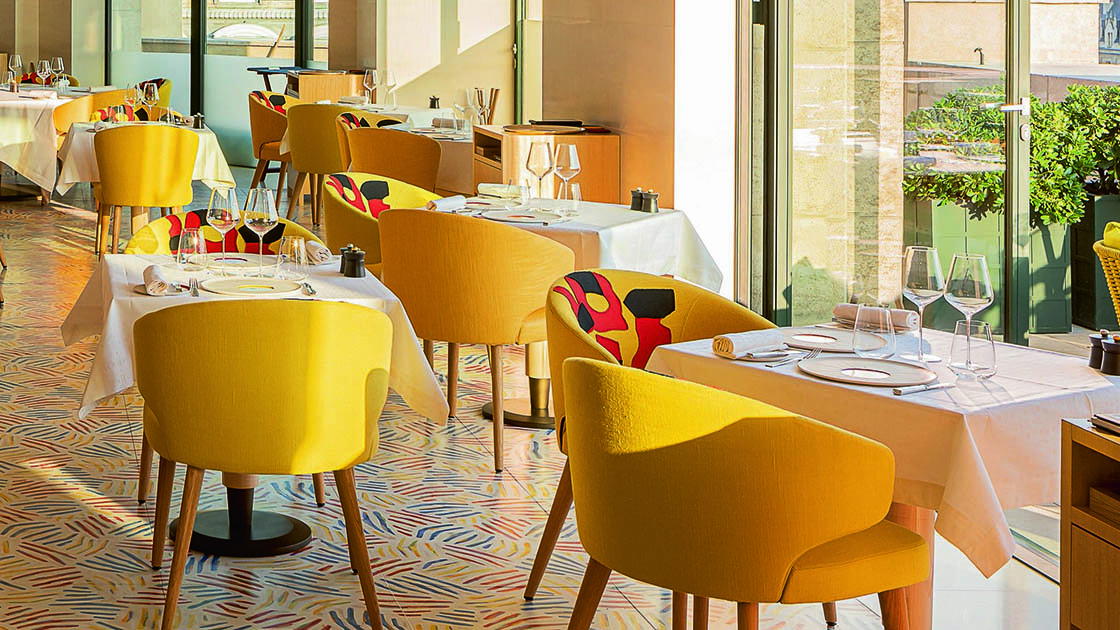
Minimalist and modern interior with wooden furniture, lamps of different sizes, pleasant on two floors, cozy and welcoming atmosphere.