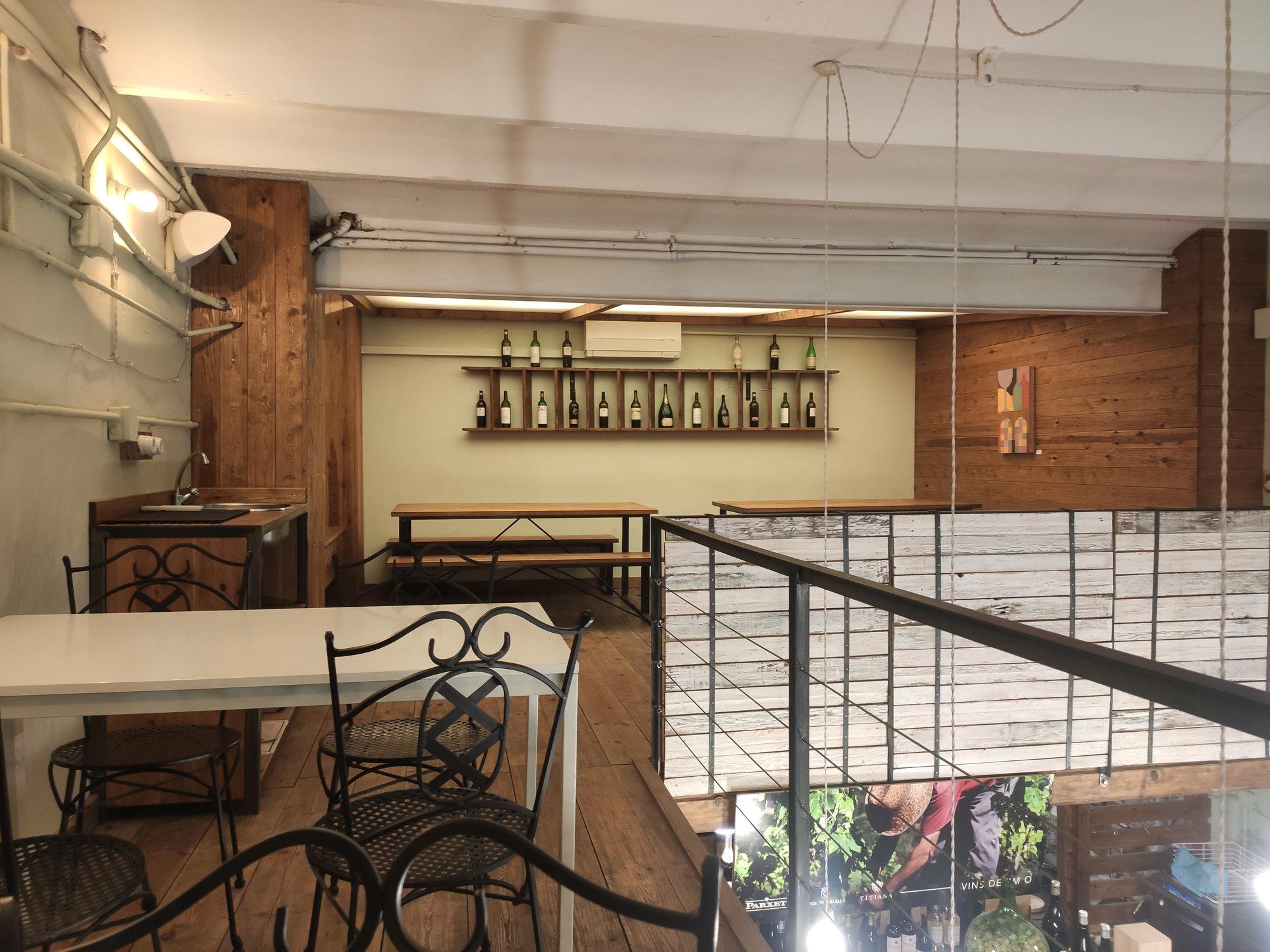
A neighbourhood bodega in Sant Martí's Passatge de Mas de Roda, Bodega Alaparra occupies the quieter, more local end of Barcelona's dining spectrum. The format leans on Catalan market sourcing and wine-bar tradition rather than tasting-menu architecture. For visitors tracking the city's creative fine-dining circuit, it serves as a useful counterpoint to the €€€€ tier.
- Address
- Passatge de Mas de Roda, 2, Sant Martí, 08005 Barcelona, Spain
- Phone
- +34 693 76 08 05
- Website
- bodega-alaparra.eatbu.com
- Directions
- Get directions
A Passage Through Sant Martí
Passatge de Mas de Roda sits in the part of Sant Martí that most visitors pass through rather than stop in. The neighbourhood runs east from the Eixample grid toward the Rambla del Poblenou, and the streets here are narrower, quieter, and more residential than the dining corridors that cluster around Gràcia or the Gothic Quarter. A bodega in this context functions as it did before the word was repurposed by wine-bar marketing: a neighbourhood anchor where local sourcing and a short, rotating list define the offer, not a formal kitchen brigade or tasting-menu choreography.
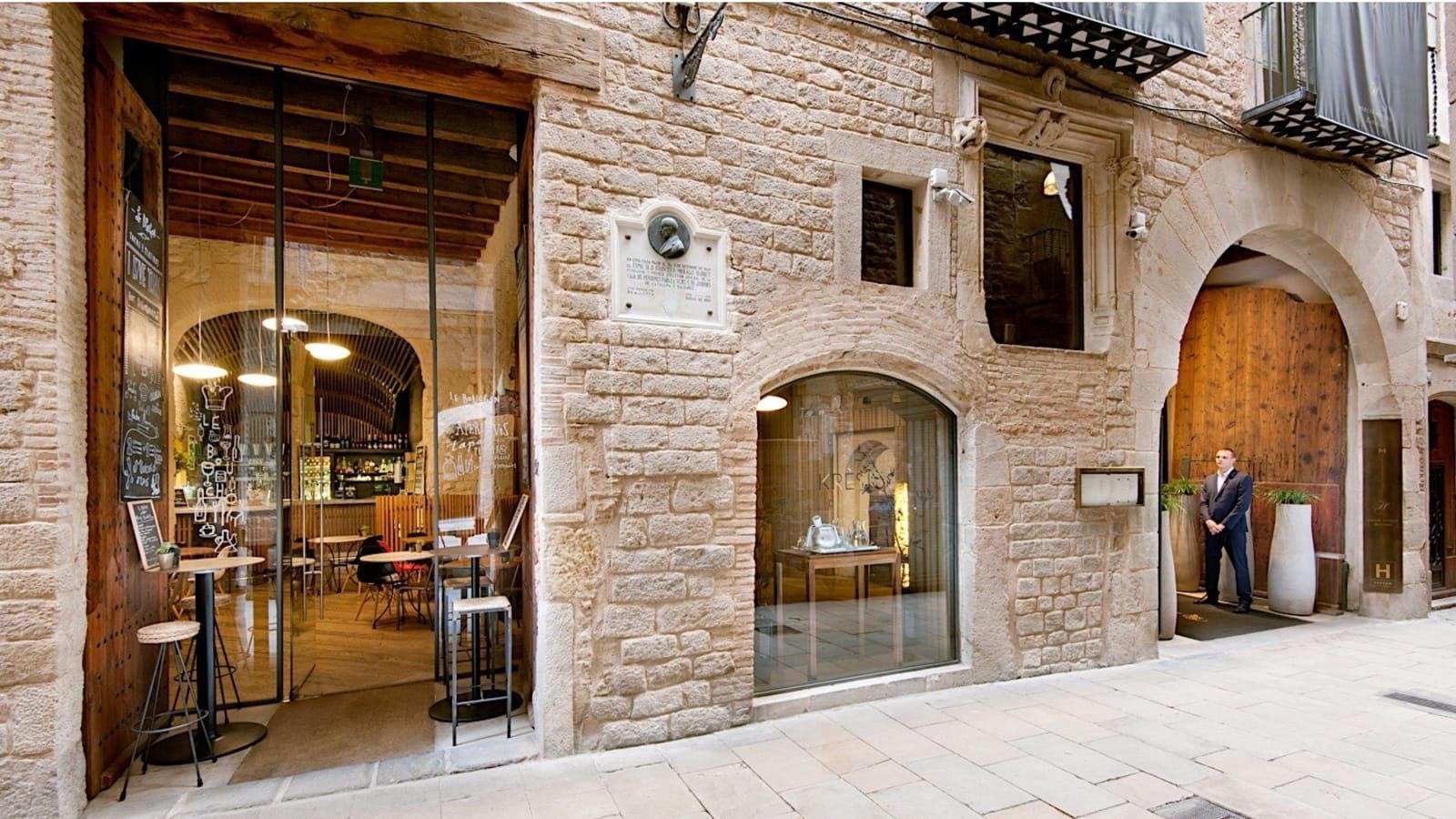
Bodega Alaparra addresses that street-level tradition directly. The address itself, a passatge, a pedestrian lane, signals scale before you arrive. Barcelona's passatges are architectural holdovers from the nineteenth century, narrow cuts through the city block that once served tradespeople and now house a mix of studios, small restaurants, and residents who chose them precisely because the tour buses cannot follow. Approaching the space through one of these lanes sets a particular register: unhurried, tactile, closer to how the city actually eats than to how it performs eating for visitors.
Where Barcelona Eats When It Is Not Performing
Barcelona's dining identity in international press is dominated by a small group of technically ambitious kitchens: Disfrutar, currently ranked among the world's most discussed progressive restaurants; Cocina Hermanos Torres, operating in a converted former factory; and ABaC, Lasarte, and Enigma, all anchored at the €€€€ tier. These kitchens are drawing from a wider Spanish fine-dining tradition that includes El Celler de Can Roca in Girona, Mugaritz in Errenteria, and Arzak in San Sebastián, all of which have reshaped what diners expect from a kitchen at that level.
But Barcelona also runs a parallel register, one that the city's own residents rely on daily: market-driven bodegas, neighbourhood wine bars, and corner taverns where the sourcing story is written on a chalkboard rather than a printed menu card. Bodega Alaparra belongs to this second category. Its competitive set is not the Michelin-tracked creative houses but the neighbourhood spots that regulars defend against the question of whether they are worth a detour. The answer, in Sant Martí, usually involves proximity to the Mercat de la Barceloneta or the Mercat dels Encants and the produce flows that pass through them.
Sourcing as the Editorial Argument
Spain's most discussed restaurants have, over the past two decades, made ingredient provenance a formal part of the dining argument. At Quique Dacosta in Dénia, the Mediterranean coastline is the sourcing premise. At Aponiente in El Puerto de Santa María, the sourcing extends into tidal marsh biology. At Azurmendi in Larrabetzu, Basque terroir is both the ingredient source and the conceptual frame. These kitchens have formalised what bodega culture has always done informally: let the supply chain shape the plate.
The bodega format works differently. Rather than a named farm on a printed card, it operates through the less documented but equally disciplined logic of market relationships, seasonal availability, and the knowledge that certain fish arrive on certain days from certain ports. Barcelona sits at the convergence of Catalonia's interior agricultural zones and the Mediterranean fishing grounds, which means that a kitchen paying attention to those supply lines has access to a range of ingredients that requires no theatrical framing to justify. Clams from the Delta de l'Ebre, anchovies from l'Escala, tomatoes from the Maresme coast in summer: these are not boutique discoveries but the standard grammar of Catalan cooking when it is done with attention to calendar and geography.
For a venue like Bodega Alaparra, this means the sourcing argument is embedded in the format itself. A wine list that skews toward Catalan producers, a daily selection shaped by what the market offered that morning, and a physical space calibrated for a two-hour meal rather than a three-course theatrical event: these are the markers of the bodega register, and they carry their own credibility within the city even when no external award system has formalised them.
Placing It in the Broader Spanish Dining Map
For visitors coming to Barcelona from a wider itinerary that includes Martin Berasategui in Lasarte-Oria, DiverXO in Madrid, Ricard Camarena in València, or Atrio in Cáceres, the bodega format offers a structural contrast. After several consecutive high-production meals, the lower register of a neighbourhood wine bar recalibrates palate and expectation in ways that high-format dining cannot. The comparison is not unfair to either end of the spectrum; they are simply doing different things. The restaurant is not competing with Barcelona's creative kitchens, and the reader planning a week's eating in the city should not frame it as a compromise. It is a different argument about what a meal can do.
For context from outside Spain, the comparison might run to Le Bernardin in New York City or Lazy Bear in San Francisco, both venues where format discipline and sourcing seriousness operate at the high end of their respective categories. The bodega equivalent of that discipline is less visible because it does not announce itself through a tasting menu structure, but the underlying logic of knowing your supply chain and respecting its seasonal limits is the same.
Planning a Visit
The restaurant is at Passatge de Mas de Roda, 2, in Sant Martí, a short walk from the Llacuna metro station on Line 4. The area is primarily residential, which means the rhythms of service here follow neighbourhood patterns more than tourist hours. Arriving at a conventional Barcelona dinner hour, which runs considerably later than northern European equivalents, with 9pm or later being standard, is the practical recommendation.
In Context: Similar Options
Comparable venues nearby, for context on price, style, and recognition.
| Venue | Cuisine | Price | Notes |
|---|---|---|---|
| Bodega AlaparraThis venue — the venue you are viewing | Spanish Wine Bar with Tapas | $$ | Not listed |
| Casa Pepi | Traditional Spanish Tapas | $$ | el Clot |
| Calabrasa | Modern Catalan Tapas | $$ | Sant Pere, Santa Caterina i la Ribera |
| Pepa Tomate Parlament | Modern Catalan Tapas | $$ | Sant Antoni |
| Restaurant L'Aliança del Poble Nou | Traditional Spanish Mediterranean | $$ | el Poblenou |
| SAGARDI BCN Gòtic | Traditional Basque Pintxos & Tapas | $$ | Sant Pere, Santa Caterina i la Ribera |
Continue exploring
More in Barcelona
Restaurants in Barcelona
Browse all →
Bars in Barcelona
Browse all →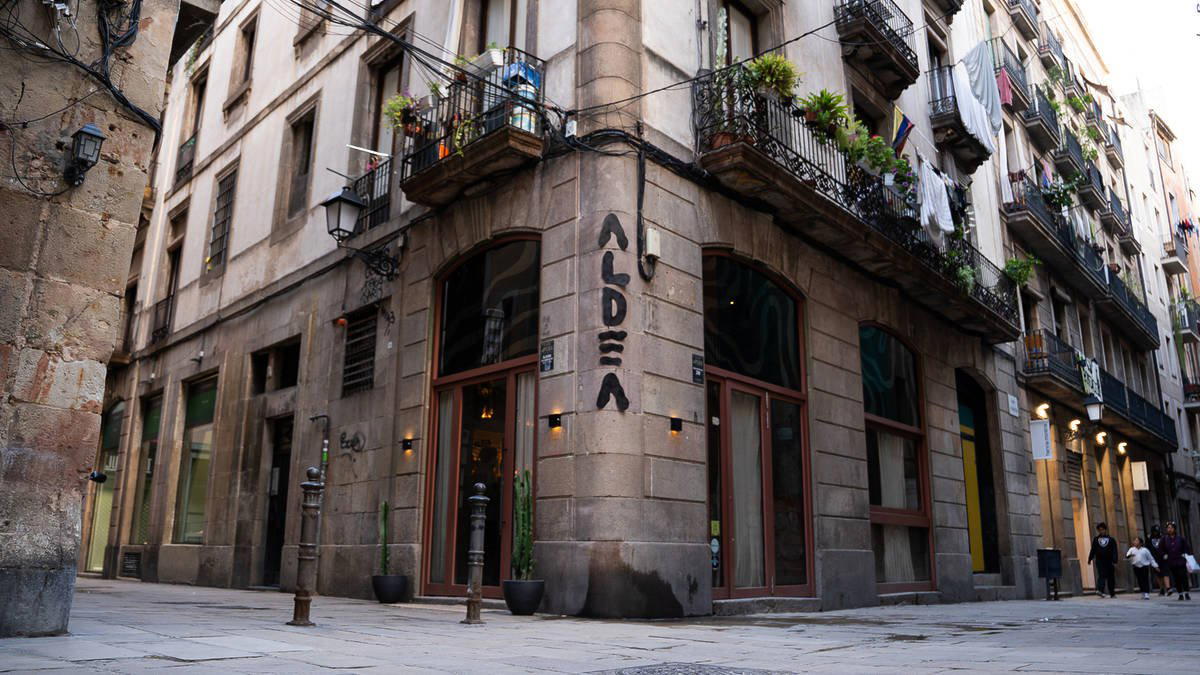
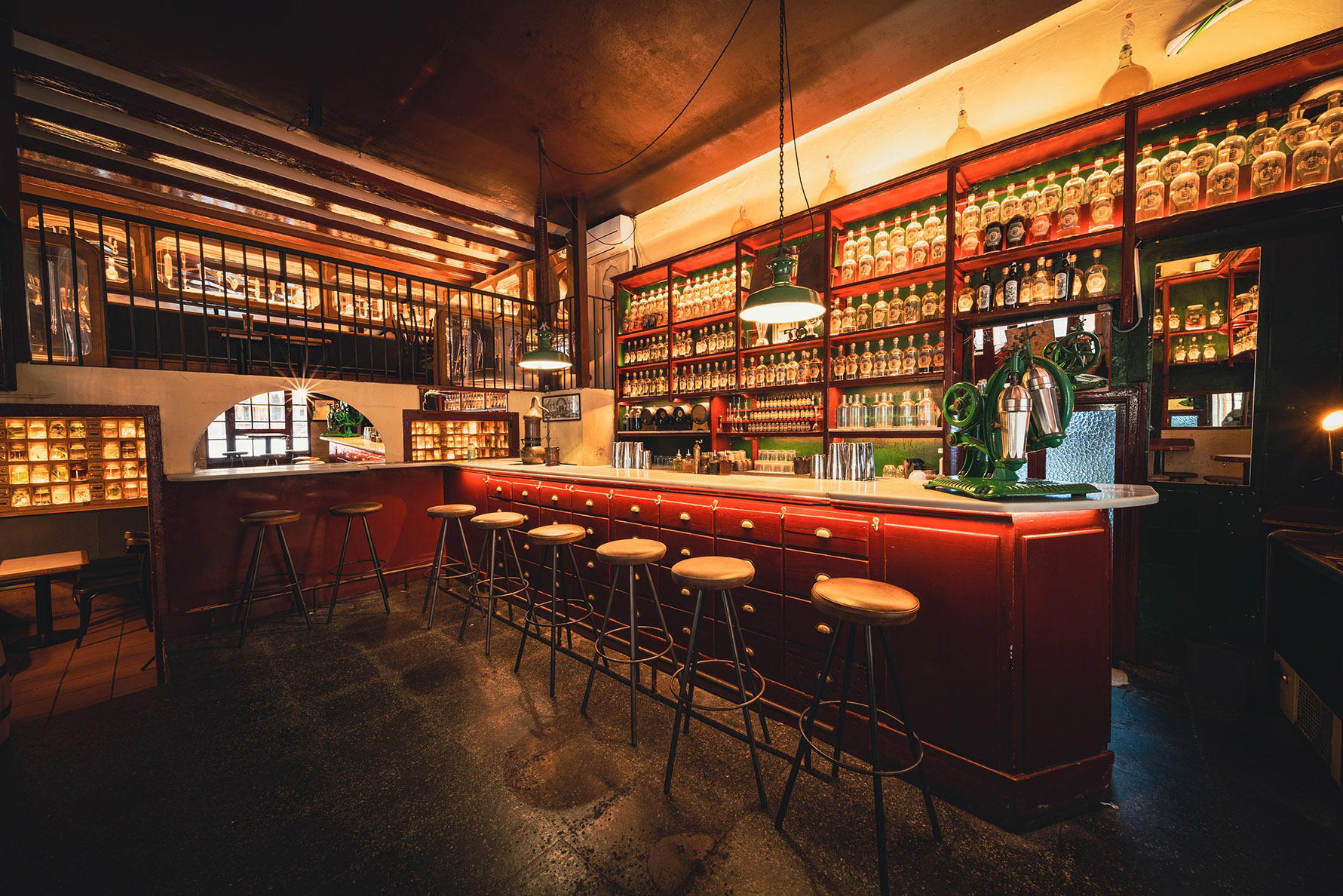
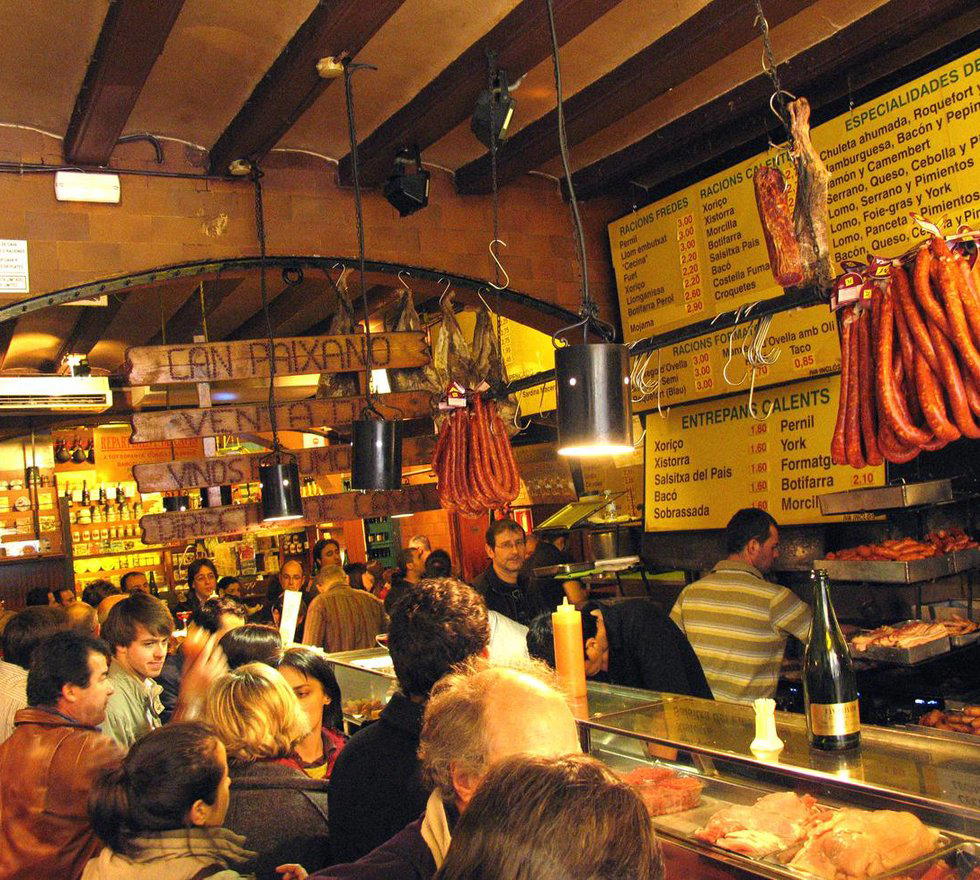
Hotels in Barcelona
Browse all →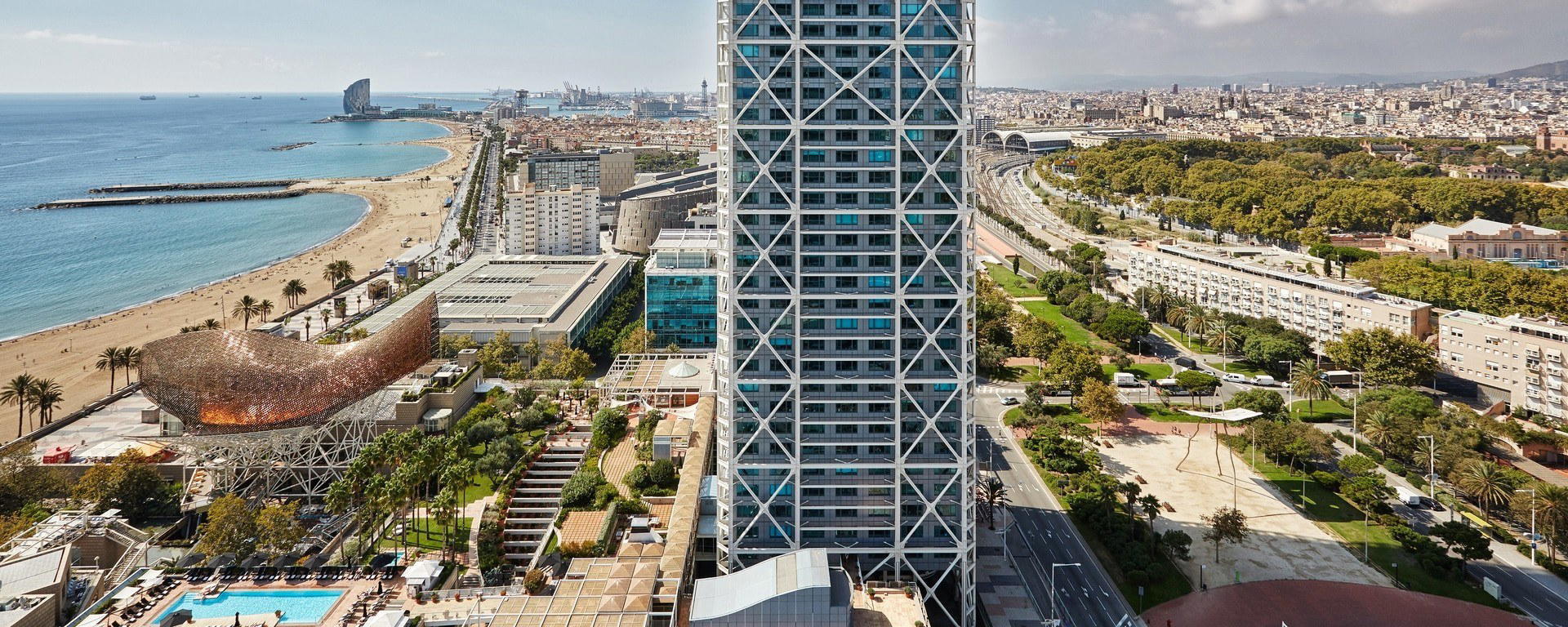
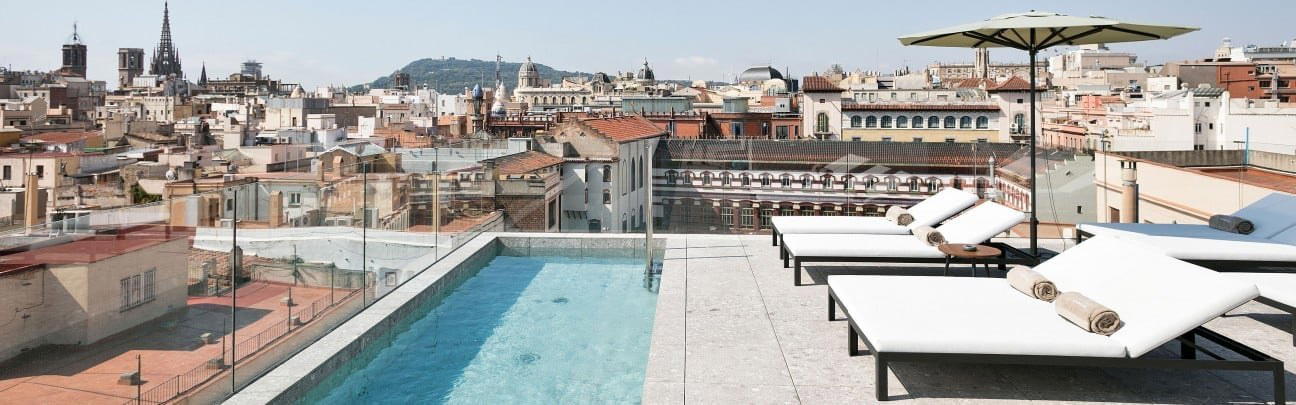
At a Glance
- Cozy
- Rustic
- Casual Hangout
- Date Night
- Wine Cellar
- Extensive Wine List
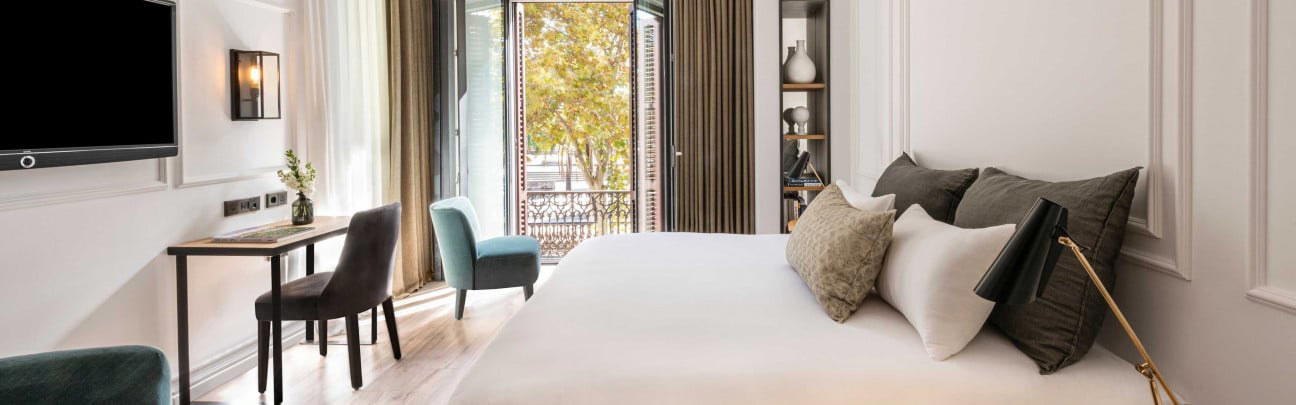
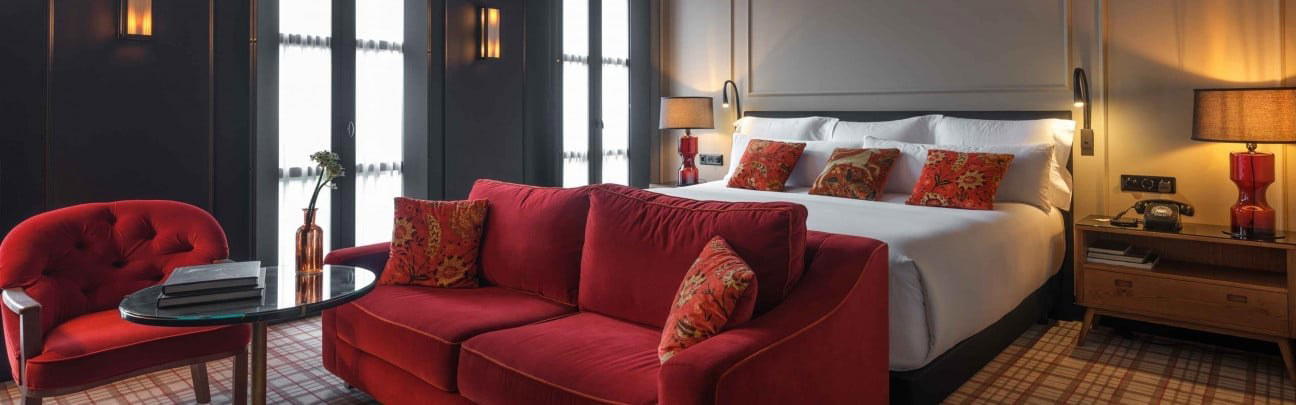
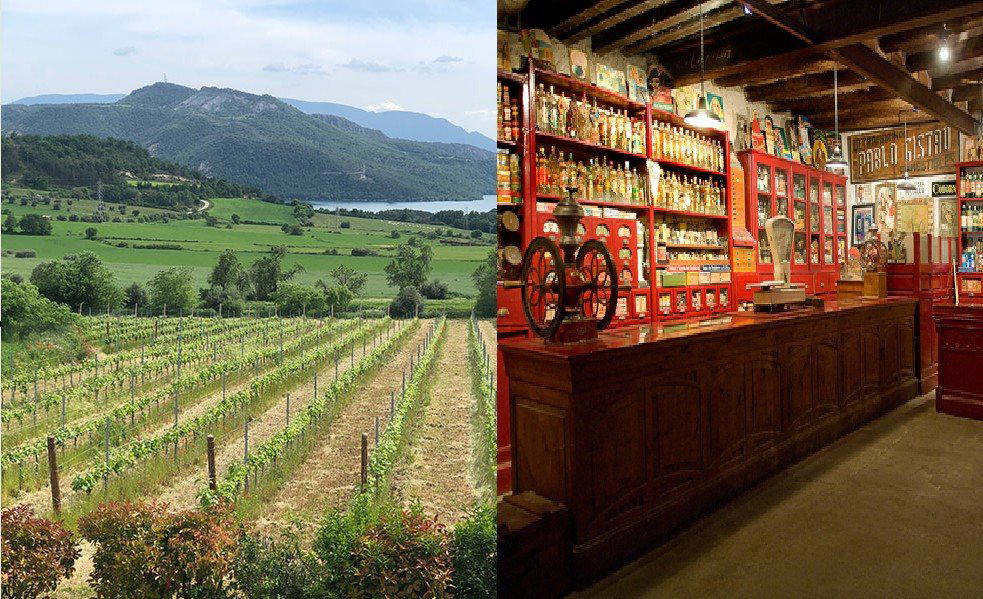
Cozy winery atmosphere ideal for relaxed wine and cheese sampling.