

Star Wine List · Macarfi 7.4 Food Rating
Our verdict
On Carrer de Blai, the street that defines Sants-Montjuïc's pintxos culture, Denassus occupies a position worth tracking in Barcelona's broader neighbourhood dining conversation. With Blai's characteristic mix of casual energy and genuine local traffic, it sits in a tier of bars and restaurants that locals return to on weekday evenings rather than special occasions. A practical address for those exploring the city's less-toured southern flank.

Pearl is the En Primeur Club membership app, where members save venues, book tables and use the concierge.

Carrer de Blai and the Neighbourhood It Defines
There is a specific kind of street in Barcelona that resists the glossy treatment that Eixample restaurants and Gothic Quarter terraces tend to attract. Carrer de Blai, running through Sants-Montjuïc at the southern edge of the city, is one of them. The street operates almost entirely on foot traffic from the surrounding residential blocks, with a rhythm shaped by working hours and weekend appetites rather than hotel concierge recommendations. By early evening, the pavement fills with groups moving between bars, drinks in hand, grazing on pintxos at the pace that suits them. It is a format with deep roots in Basque culture, transplanted and adapted here into something distinctly Barcelonan.
Denassus, at number 53 on that street, sits inside this ecosystem. Understanding what the address means is more useful than any single dish description: Blai is not where Barcelona's Michelin-decorated kitchens operate. It is where the city eats on its own terms, without ceremony and without the pricing structures that come with it. The comparison venues that define Barcelona's formal creative dining, including Disfrutar (Progressive, Creative), ABaC (Creative), and Lasarte (Progressive Spanish, Creative), each priced at €€€€ and requiring advance reservation, belong to a structurally different tier from anything along Blai. That is not a criticism of either tier; it is simply a useful map.
The Sensory Character of the Street
Approaching Carrer de Blai from the Paral·lel metro exit, the shift in register is immediate. The broad avenue gives way to a narrow pedestrian lane where the smell of bread, olive oil, and grilled protein layers over the ambient noise of conversation. Bars along the strip tend toward open frontages, counter service, and minimal interior depth, a format that keeps energy on the street itself rather than drawing it inside. Sound carries differently here than in a formal dining room: the clink of small glasses, orders called across zinc-topped bars, the background bass of a city neighbourhood rather than a curated playlist.
This sensory profile matters because it shapes expectations for any venue on the strip. Denassus occupies a space defined by these conditions. The experience of eating on Blai is partly about the specific food in front of you and partly about the accumulated effect of the street as a whole, the ability to move, to compare, to pause and continue. That is the pintxos tradition at its most functional, and it is worth arriving at Blai with that flexibility built into the plan.
Barcelona's Neighbourhood Dining in Context
Barcelona's food reputation rests disproportionately on a handful of high-profile creative kitchens. Cocina Hermanos Torres (Creative) and Enigma (Creative) represent the kind of format-driven, technique-heavy dining that generates international attention. But the city also sustains a parallel dining culture that is less photographed and considerably more frequented by residents: neighbourhood bars and casual restaurants operating in areas like Sants-Montjuïc, Gràcia, and Poblenou, where prices reflect local incomes and menus reflect local habits.
This split is not unique to Barcelona. Across Spain's major cities, the venues that attract critical attention and the venues that attract daily diners occupy largely separate orbits. DiverXO in Madrid and El Celler de Can Roca in Girona define Spain's fine-dining reputation internationally, while the actual dining frequency of most Spanish households runs through something much closer to what Carrer de Blai represents. Understanding where a venue sits within that structure is the first step toward visiting it on the right terms.
For readers who want the broader spectrum of Spain's serious kitchens, options extend well beyond Barcelona's city limits. Arzak in San Sebastián, Mugaritz in Errenteria, Azurmendi in Larrabetzu, and Martin Berasategui in Lasarte-Oria represent a northern cluster with significant award density. In the south, Aponiente in El Puerto de Santa María and Quique Dacosta in Dénia operate at a similarly rarefied level, as does Atrio in Cáceres in Extremadura. Ricard Camarena in València offers another reference point for Spanish creative cooking outside the Basque-Catalan axis. Internationally, Le Bernardin in New York City and Lazy Bear in San Francisco show how communal-format dining and chef-driven tasting menus operate in different cultural contexts.
Planning a Visit to Blai
The practical logistics of eating on Carrer de Blai differ from those of Barcelona's reservation-heavy fine dining. The pintxos format rewards arrival before the main dinner surge, typically between 19:00 and 20:30, when selection is at its widest and standing space at the counter is still available. The street compresses significantly on Friday and Saturday evenings, when it draws a mix of locals and visitors; midweek visits offer a less crowded read of the neighbourhood's genuine character.
| Venue | Format | Price Tier | Booking Required |
|---|---|---|---|
| Denassus (Carrer de Blai 53) | Neighbourhood bar/restaurant | Not confirmed | Not confirmed |
| Cocina Hermanos Torres | Creative tasting menu | €€€€ | Yes, advance required |
| Disfrutar | Progressive creative tasting menu | €€€€ | Yes, advance required |
| Lasarte | Progressive Spanish tasting menu | €€€€ | Yes, advance required |
For a broader overview of where Denassus and Blai fit within Barcelona's dining geography, see our full Barcelona restaurants guide.
Frequently asked questions
Is Denassus child-friendly?
Carrer de Blai's structure suits families more readily than formal dining. The open street access, casual service cadence, and absence of a fixed seated format mean there is less pressure than you'd find at Barcelona's tasting-menu venues. Sants-Montjuïc is a residential neighbourhood, so the foot traffic on Blai skews local rather than tourist-exclusive, which generally keeps the atmosphere low-key.
What kind of setting is Denassus?
Denassus is on Carrer de Blai, a narrow pedestrian lane in Sants-Montjuïc that operates at street level, open frontages, consistent foot traffic, and the kind of ambient noise that comes from a working neighbourhood rather than a curated dining room. The street format means the setting is shaped as much by what's happening outside as inside. This is the antithesis of Barcelona's reservation-heavy creative kitchens in Eixample.
How does Denassus compare to Barcelona's pintxos bars in the Gothic Quarter?
Carrer de Blai in Sants-Montjuïc draws a predominantly local crowd rather than the tourist-heavy foot traffic that dominates Gothic Quarter pintxos spots. The street runs parallel to the Paral·lel arts corridor, which gives it a neighbourhood character that the old city rarely sustains. For visitors arriving from the Paral·lel metro, Blai functions as a working residential eating street rather than a preserved attraction.
What's the must-try dish at Denassus?
The street is Barcelona's most concentrated pintxos corridor, so the format that surrounds it leans toward counter-served small plates priced individually. Until specific menu details are confirmed, ordering based on what's freshly displayed at the counter is the standard approach on Blai.
Where is Denassus located?
Denassus is located at Carrer de Blai, 53, Sants-Montjuïc, 08004 Barcelona, Spain, Barcelona.
Peers You’d Cross-Shop
Comparable venues nearby, for context on price, style, and recognition.
| Venue | Cuisine | Price | Awards | Notes |
|---|---|---|---|---|
| DenassusThis venue (the venue you are viewing) | Modern Catalan Tapas & Natural Wine | Not listed | Star Wine List · Macarfi 7.4 Food Rating | Not listed |
| Casa Lola | Modern Spanish Tapas | Not listed | Not listed | la Dreta de l'Eixample |
| Rambla 92 | Spanish Tapas | $30–50 | Not listed | la Dreta de l'Eixample |
| El Mercat | Traditional Spanish Tapas | $30–50 | Macarfi 7 Food Rating | la Dreta de l'Eixample |
| Bardot @bardotbarcelona | Sophisticated Catalan Tapas | Not listed | Not listed | l'Antiga Esquerra de l'Eixample |
| El Glop Gaudí | Traditional Catalan | $20–30 | Not listed | la Sagrada Familia |
Recognition history
Dated appearances from independent guides and award organizations, with the underlying list record or original source where available.
Star Wine List
Star Wine List
Macarfi 7.4 Food Rating
Macarfi
Continue exploring
More in Barcelona
Restaurants in Barcelona
All restaurants in Barcelona →
Bars in Barcelona
All bars in Barcelona →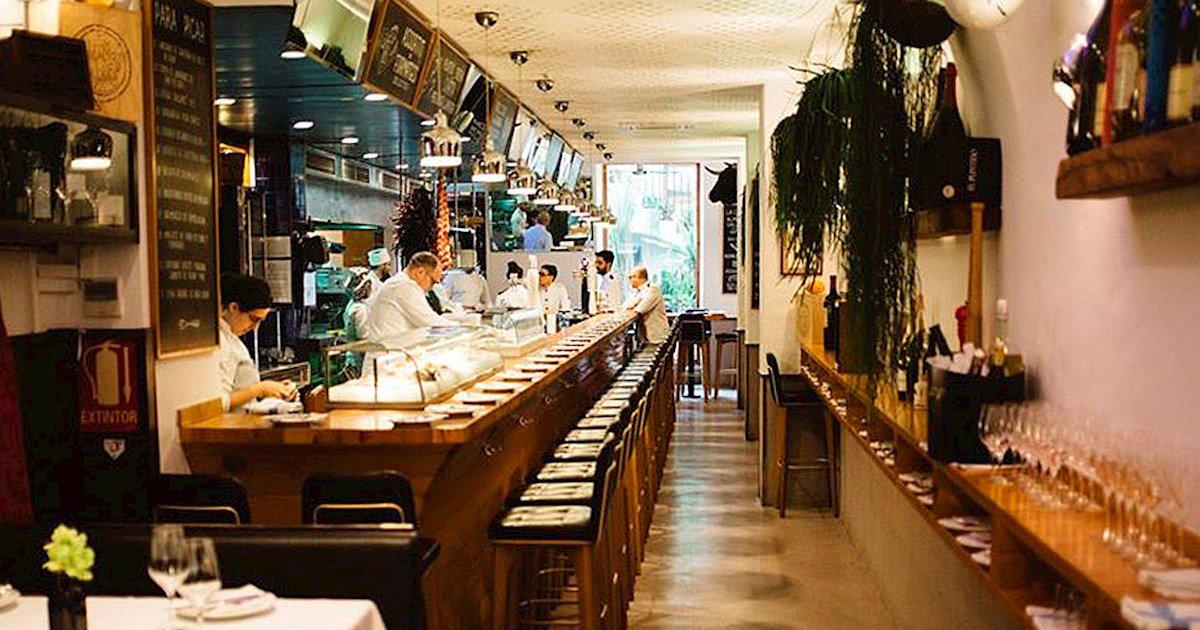


Denassus
The wine
- Wine program
- Deep wine list
- Sommelier-led
- Natural wine
Details
- Lively
- Cozy
- Trendy
- Date Night
- Casual Hangout
- Terrace
- Open Kitchen
- Natural Wine
- Sommelier Led
- Local Sourcing
- Street Scene
- Small Plates
- A La Carte
- Natural Wine
- Vegetarian Friendly
- Gluten Free Options
Current opening hours
- Monday
- 1–11 PM
- Tuesday
- Closed
- Wednesday
- 1–11 PM
- Thursday
- 1–11 PM
- Friday
- 1 PM–12 AM
- Saturday
- 1 PM–12 AM
- Sunday
- 1–11 PM
Hours can change for holidays and private events. Hours as of .
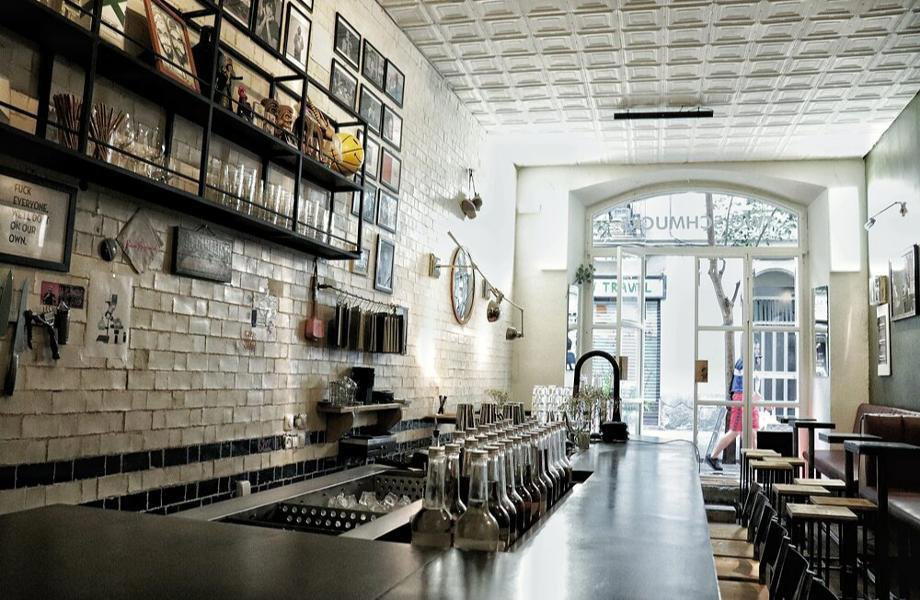
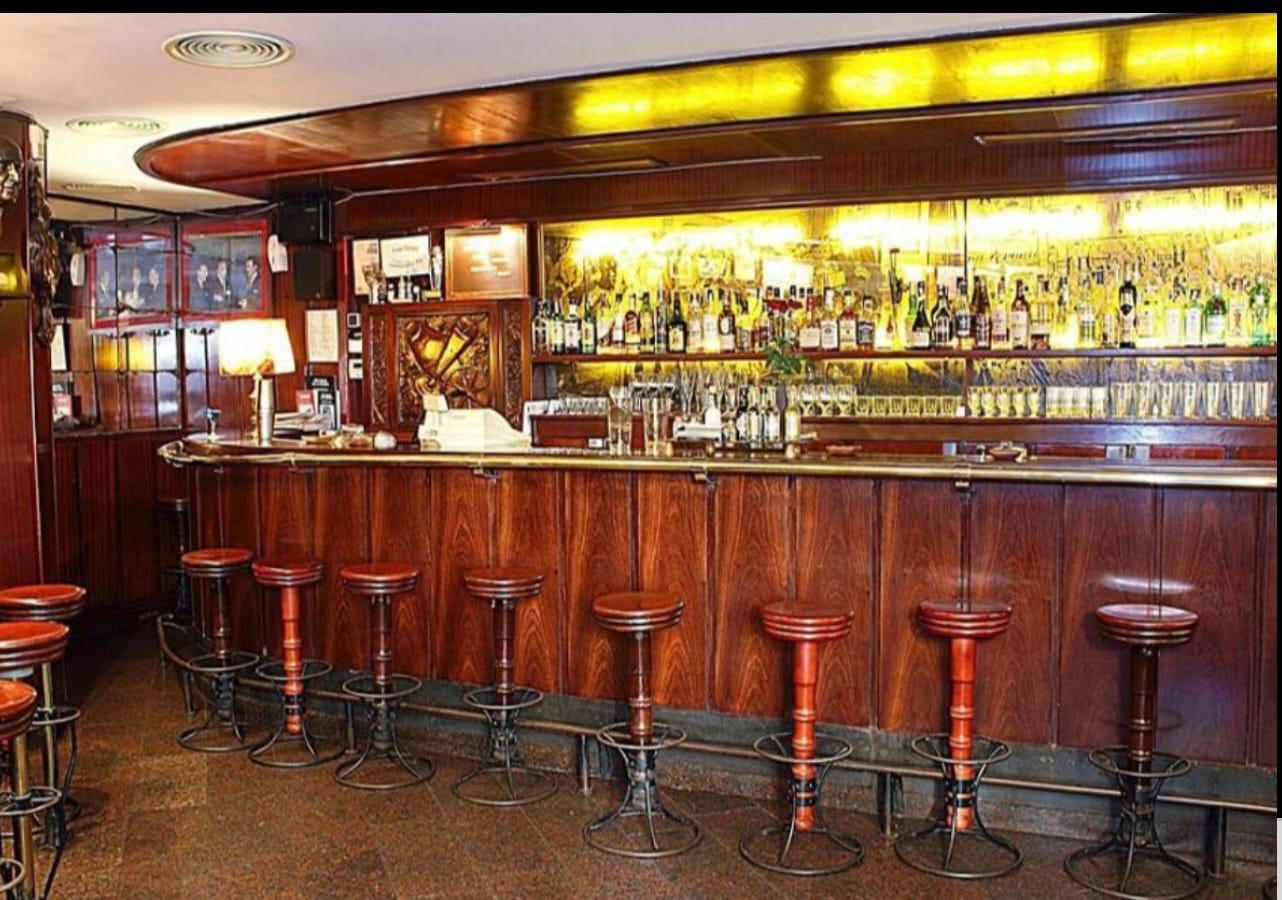
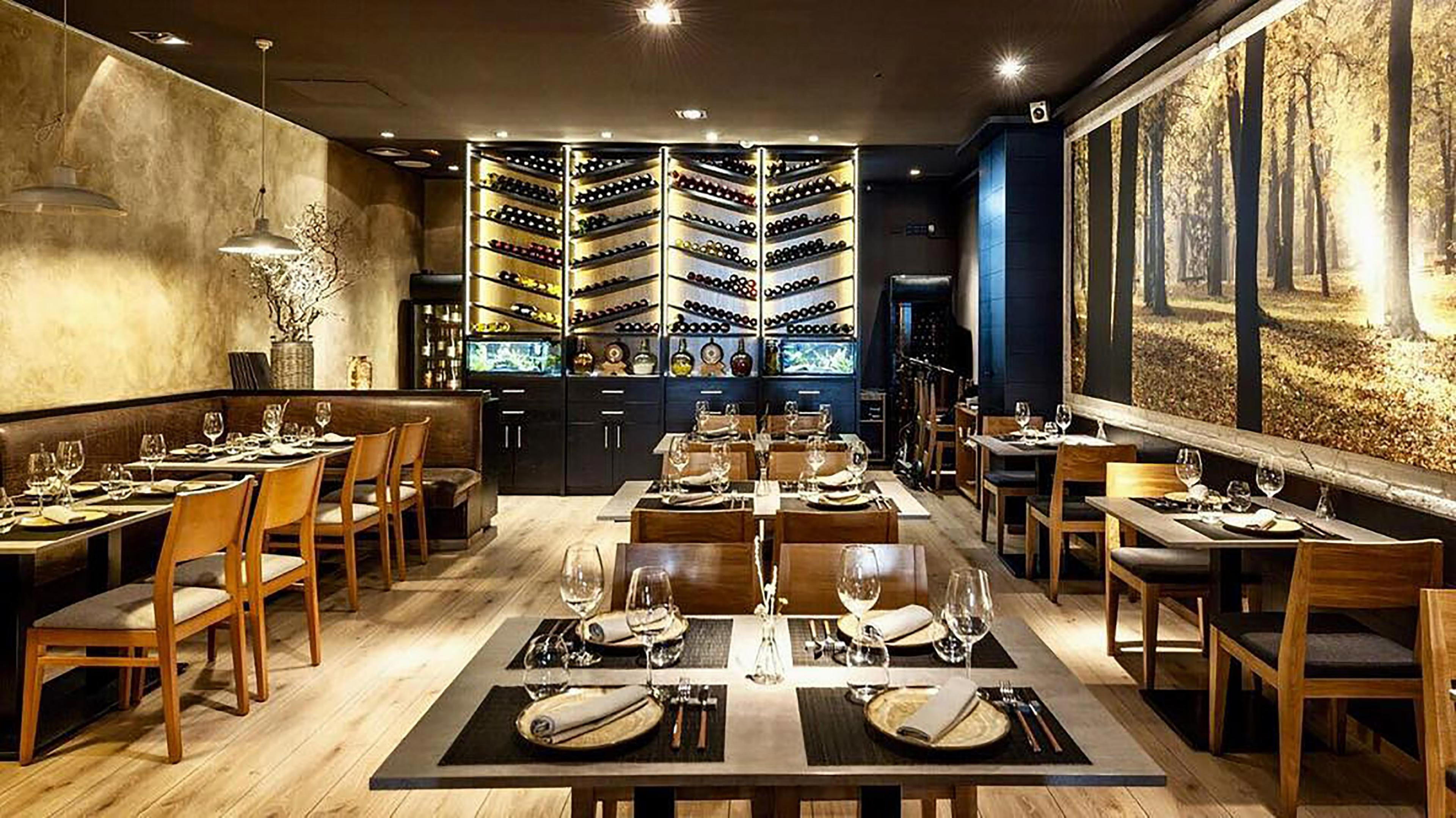
Free and easy atmosphere with a lively terrace soul, long bar, high tables, and welcoming vibe.