
Gambero Rosso 1 Forchetta
Our verdict
La Bella Vita occupies a Xuhui District address on Anping Branch Road, placing it within Shanghai's densely layered dining corridor where European-influenced concepts compete with heavyweight Chinese fine dining. The Italian name signals a positioning that sits somewhere between neighbourhood trattoria warmth and the grander ambitions of the city's premium Western restaurant tier, a category that has grown considerably as Shanghai's appetite for European cuisine has deepened.

Pearl is the En Primeur Club membership app, where members save venues, book tables and use the concierge.
The menu
What to order
- Neapolitan-style pizza
- Grilled squid
- Grilled lamb chops
- Seafood salad
The Physical Address and What It Signals
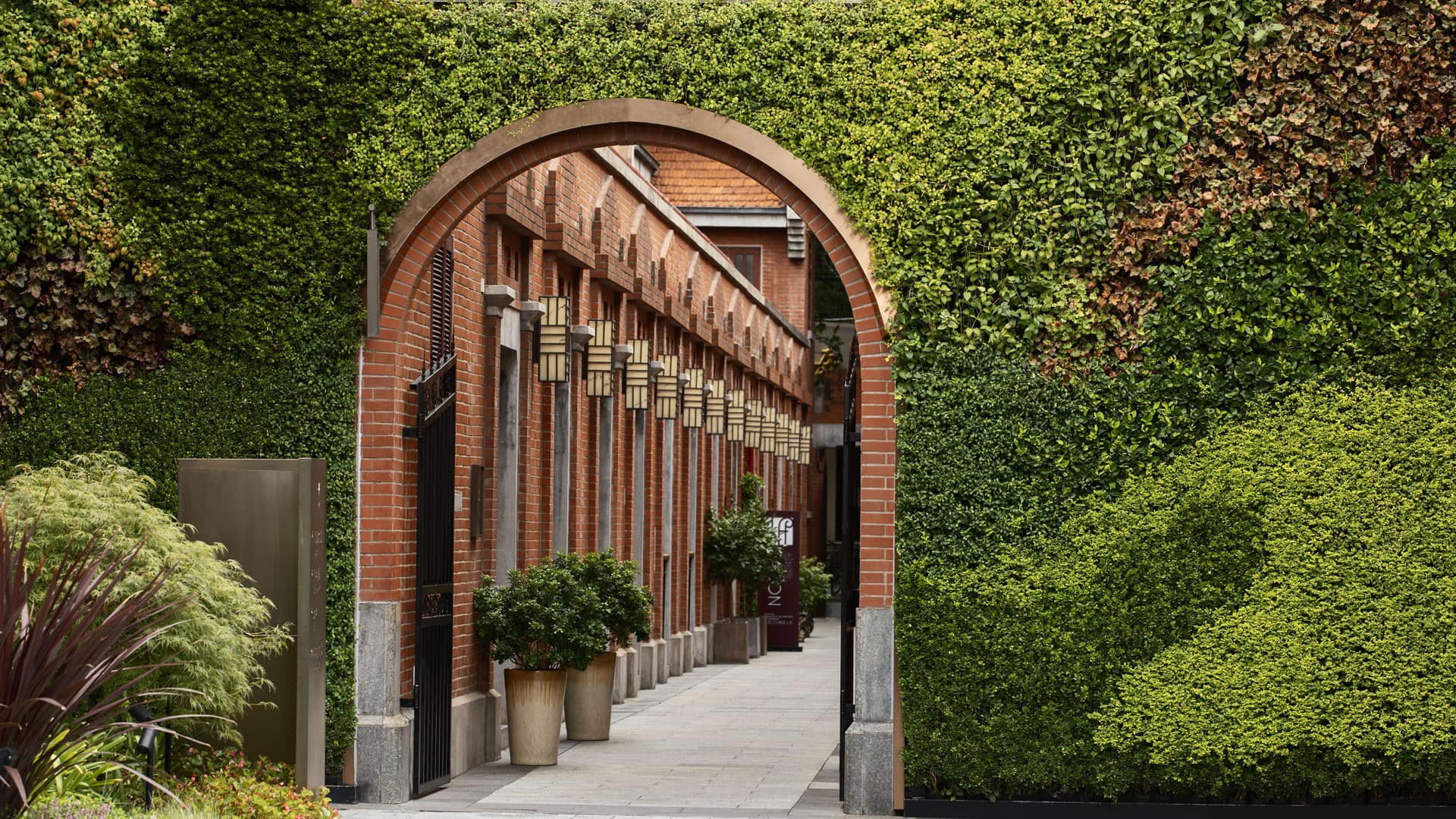
Xuhui District has long been one of Shanghai's more architecturally layered neighbourhoods, where lane houses from the Republican era sit against mid-century Soviet-inflected blocks and newer commercial insertions. Anping Branch Road, near Anfu Road, is part of a residential-commercial weave that defines this part of Xuhui: quieter than the Xintiandi circuit to the north, less aggressively touristic than the Bund corridor, and populated by a mix of long-established local restaurants and the kind of European-inflected dining rooms that have taken root here over the past two decades. La Bella Vita's address places it in this context, where the physical environment does much of the editorial work before a guest even steps inside.
Italian restaurants in Shanghai occupy a complicated position in the city's dining hierarchy. At the top of that tier sits 8 1/2 Otto e Mezzo Bombana, a Michelin-recognised operation that has set the benchmark for Italian fine dining in mainland China for over a decade. Below that, a broader mid-market has developed, spanning everything from fast-casual pasta counters to more considered trattoria formats. La Bella Vita's name, translated literally as "the beautiful life," is a well-worn phrase in Italian-restaurant branding globally, but in a Shanghai context it invokes a particular kind of European warmth, the suggestion of convivial, unhurried dining, that sits in deliberate contrast to the high-ceremony formats of the city's tasting-menu establishments like Taian Table.
Space as Argument: What the Room Communicates
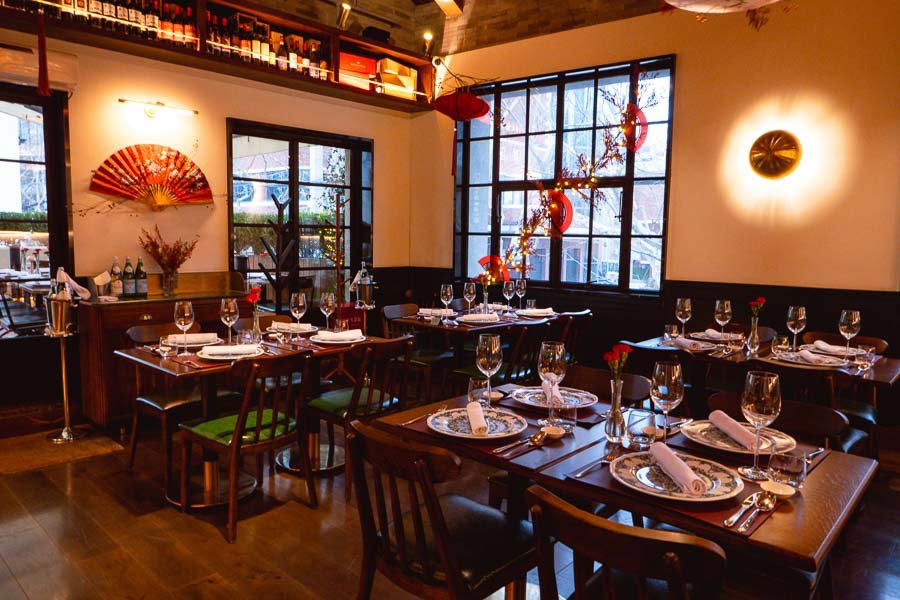
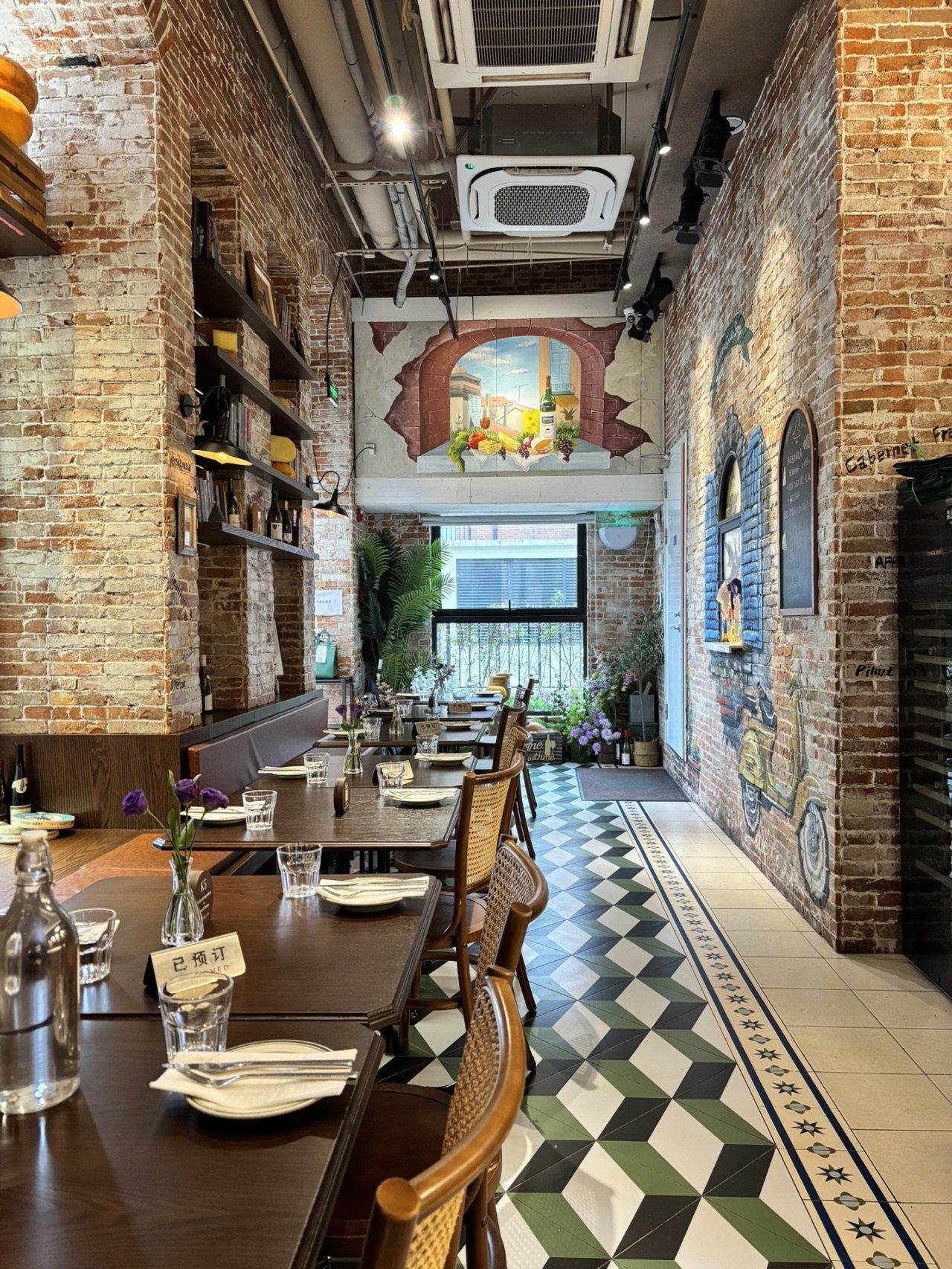
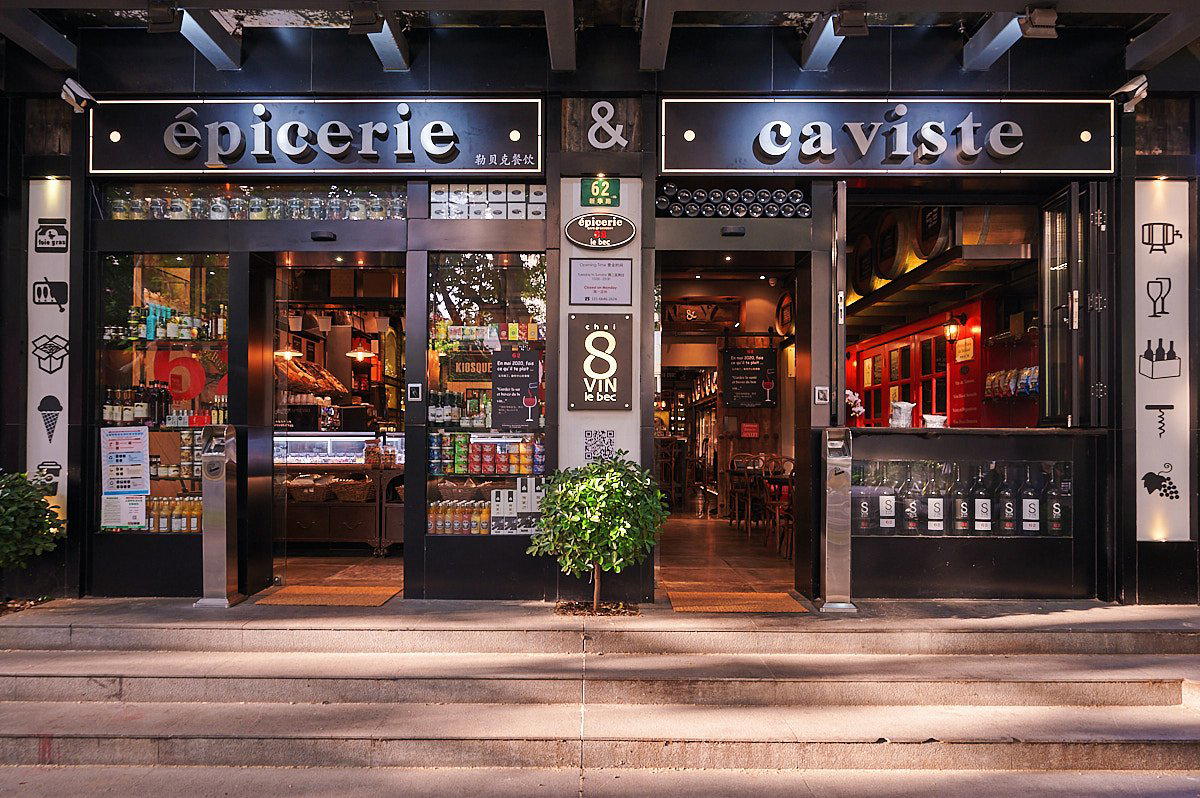
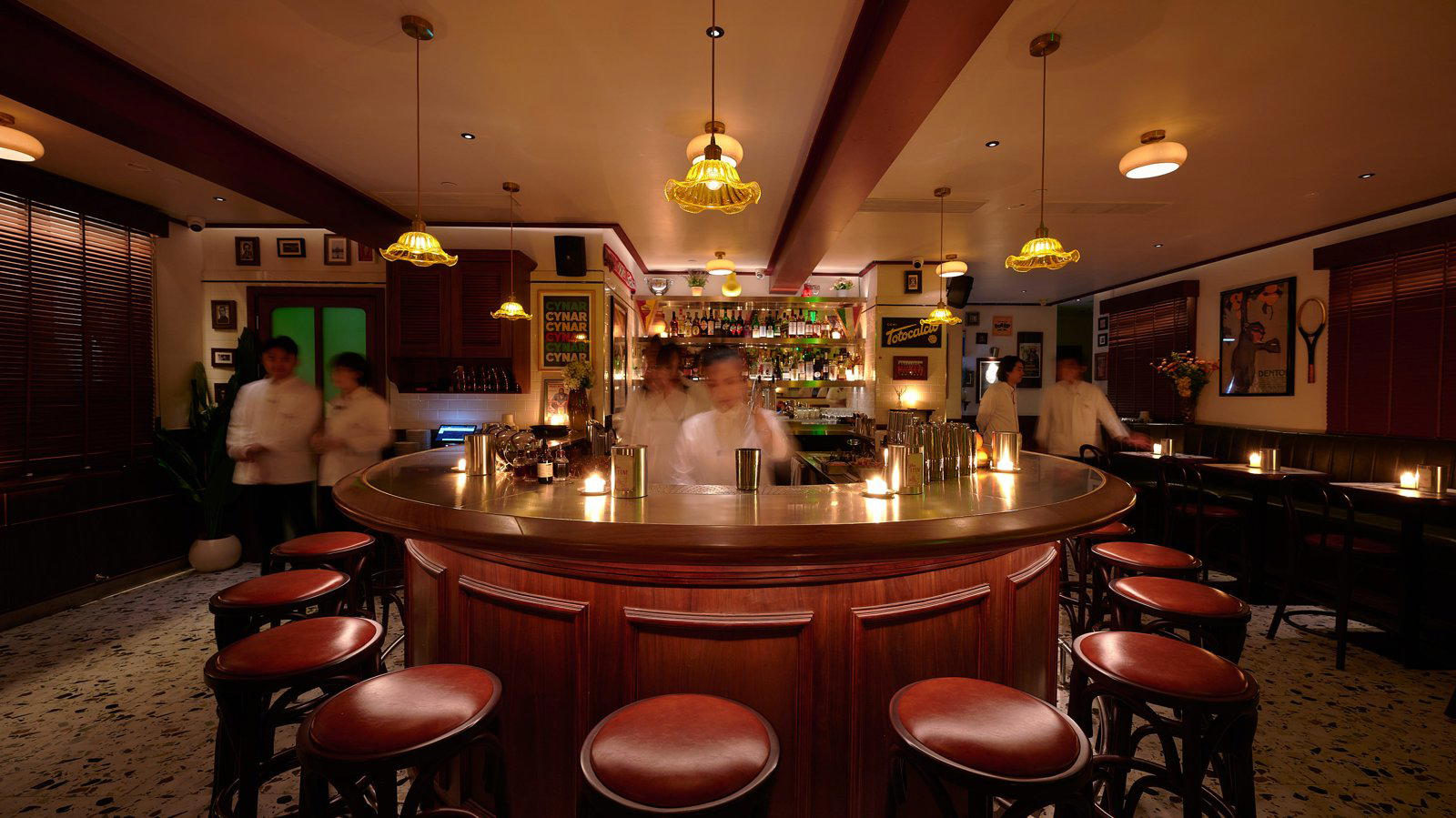
In a city where restaurant interior design has become as competitive as the food itself, the physical container of a dining room makes a statement before the menu arrives. Shanghai's European-cuisine segment has split broadly between two design philosophies: the deliberately spare, Nordic-influenced minimalism that many contemporary fine-dining rooms have adopted, and a warmer, materials-led approach that draws on the European vernacular, exposed brick, timber, soft lighting, the accumulated texture of a room that reads as inhabited rather than curated. The Italian trattoria tradition belongs to the second category, and restaurants working in that idiom use space to communicate accessibility, longevity, and a kind of hospitality that is as much about atmosphere as plate.
The Xuhui lane-house typology, when adapted for dining, tends to support this warmer approach well. The street-level access, the human scale of the buildings, and the neighbourhood residential character all reinforce a sense that you are eating in a place that belongs to its surroundings rather than performing against them. This is meaningfully different from the branded-lobby formality of hotel dining rooms, where European cuisine has historically found its most institutional expression in Chinese cities. For context on how that hotel-adjacent fine-dining model operates elsewhere in the region, Chef Tam's Seasons in Macau and Shang Palace in Yangzhou represent the grander, banquet-inflected end of the spectrum.
Where La Bella Vita Sits in Shanghai's Western Dining Tier
Shanghai currently sustains a wider range of European restaurants than any other Chinese city, a function of its historical cosmopolitanism, its expatriate population, and a domestic dining public that has developed specific literacy around French, Italian, and modern European formats. The French side of that market has its own defined hierarchy, with venues like Polux operating at an accessible price point and more formal French concepts anchoring the upper tier. Italian cuisine has followed a comparable pattern: a broad base of casual pasta and pizza operations, a smaller mid-tier of more serious trattoria-style restaurants, and a thin leading layer represented by the Bombana benchmark.
Chinese fine dining in the same city operates on a different logic entirely. Fu He Hui, one of Shanghai's most-discussed vegetarian restaurants, and 102 House, working in the Cantonese register, both represent the kind of Chinese-cuisine investment that has increasingly drawn international critical attention away from the Western segment. Xin Rong Ji on West Nanjing Road brings the Taizhou seafood tradition to a premium urban format. Against this competition for the same high-spending dining public, European restaurants in Shanghai have had to articulate their value proposition more precisely than in earlier years, when novelty alone was sufficient.
La Bella Vita's positioning in Xuhui suggests a different competitive set from the Bund-adjacent fine-dining corridor. The neighbourhood draws a clientele that tends to weight atmosphere and comfort alongside culinary ambition, and that calculus tends to favour the trattoria model over the tasting-menu format. For readers who have tracked comparable neighbourhood-anchored Italian concepts in other markets, the dynamic is familiar: think of the sustained relevance of neighbourhood Italian in New York, where restaurants like Le Bernardin represent the formal apex but a thriving mid-tier sustains the culture. In Shanghai, the Italian mid-tier is still relatively underdeveloped compared to its New York equivalent, which creates room for well-executed neighbourhood operations.
Planning a Visit: Practical Notes
La Bella Vita is located at 366 Anping Branch Road in Xuhui District, near Anfu Road. The neighbourhood is accessible via the Changshu Road metro station on Lines 1 and 7, placing it within reach of central Shanghai without requiring a taxi from the Bund or Jing'an corridors. Anfu Road is a well-established dining and bar street, which means the surrounding block has foot traffic and complementary options for a longer evening. Given the neighbourhood character and the restaurant's scale, this is likely a venue where walk-in availability is more feasible than at the high-demand counter-format restaurants elsewhere in the city, though calling ahead remains advisable for weekend evenings.
For broader context on where La Bella Vita sits within Shanghai's full restaurant picture, the EP Club Shanghai restaurants guide maps the city's dining options across price tiers and cuisine categories. Readers planning a wider China itinerary might also reference comparable fine-dining formats in neighbouring cities: Ru Yuan in Hangzhou, Dingshan Jiangyan in Suzhou, and Imperial Treasure in Guangzhou each represent strong regional alternatives for the same travelling diner. For those extending to other cities, Xin Rong Ji in Beijing, Xin Rong Ji in Chengdu, Dai Yuet Heen in Nanjing, Jiangnan Wok Rong in Fuzhou, and Fleurs Et Festin in Xiamen represent a regional survey of serious dining across the broader Chinese dining corridor. For those approaching from a Korean fine-dining reference, Atomix in New York illustrates how the tasting-menu format has evolved at the technical end of the global spectrum.
Frequently asked questions
Is LA BELLA VITA better for a quiet night or a lively one?
La Bella Vita sits on Anping Branch Road in Xuhui, a neighbourhood where lane-house streets tend to set a more considered pace than the louder dining corridors around the Bund or Xintiandi. The room's character leans toward relaxed rather than high-energy, making it a reasonable choice when conversation is the priority. That said, atmosphere shifts with the evening and the crowd, so weekend evenings may read differently than a Tuesday.
Where is LA BELLA VITA in Shanghai?
LA BELLA VITA is located at China, Shanghai, Xuhui District, å®å¹³åè·¯366å·ï¼è¿æåè·¯ï¼, Shanghai.
How does La Bella Vita's Xuhui location compare to other Italian restaurants in Shanghai's former French Concession area?
La Bella Vita sits at 366 Anping Branch Road, close to the Anfu Road corridor, which places it within the cluster of European-leaning restaurants that have grown up around Xuhui's Republican-era streetscape. Shanghai sustains a wider range of Italian restaurants than any other Chinese city, and the former French Concession neighbourhoods are where much of that concentration plays out. The Changshu Road metro station gives La Bella Vita solid accessibility compared to some of the more removed lane-house addresses in the same district.
What dish is LA BELLA VITA famous for?
No single signature dish is documented in available editorial records for La Bella Vita. The restaurant operates in Shanghai's Italian dining tier, where the kitchen's approach to a particular region of Italian cuisine or a recurring preparation tends to define reputation over time.
Do they take walk-ins at LA BELLA VITA?
The Anfu Road corridor in Xuhui is a competitive dining stretch, and many restaurants in the area fill on weekend evenings without advance notice. Contacting the venue ahead of your visit is the practical approach to avoid arriving without a table.
Can LA BELLA VITA accommodate dietary restrictions?
Italian kitchens in Shanghai's mid-to-upper dining tier generally handle common requests such as gluten-free pasta or dairy-free preparations, but the specifics vary by kitchen. Reaching out to La Bella Vita at their Xuhui location before booking is the clearest way to confirm what is possible.
The Minimal Set
Comparable venues nearby, for context on price, style, and recognition.
| Venue | Cuisine | Price | Awards | Notes |
|---|---|---|---|---|
| LA BELLA VITAThis venue (the venue you are viewing) | Casual Italian Pizzeria | $30–50 | Gambero Rosso 1 Forchetta | Not listed |
| Hui Ji | Traditional Anhui Cuisine | Not listed | Black Pearl 1 Diamond | Not listed |
| Xing Guo Lu | Shanghainese | Not listed | Not listed | Xujiahui, Shanghainese |
| Fuchun Xiaolong | Traditional Shanghainese Xiao Long Bao | $10–20 | Not listed | Jing An Si, Traditional Shanghainese Xiao Long Bao |
| Si Ji Xuan | Cantonese & Shanghainese Chinese | Not listed | Not listed | Chinese |
| Capri By Bottega | Italian Pizza & Southern Italian | $20–30 | Gambero Rosso 3 Spicchi | Xintiandi, Italian Pizza & Southern Italian |
Recognition history
Dated appearances from independent guides and award organizations, with the underlying list record or original source where available.
Gambero Rosso 1 Forchetta
Gambero Rosso
Continue exploring
More in Shanghai
Restaurants in Shanghai
All restaurants in Shanghai →
Bars in Shanghai
All bars in Shanghai →
Details
- Casual
- Cozy
- Elegant
- Casual Hangout
- Group Dining
- After Work
- Standalone
- Local Sourcing
- A La Carte
- Vegetarian Friendly
Playful and welcoming with colorful Italian contemporary pop art adorning the walls, creating character without clutter.