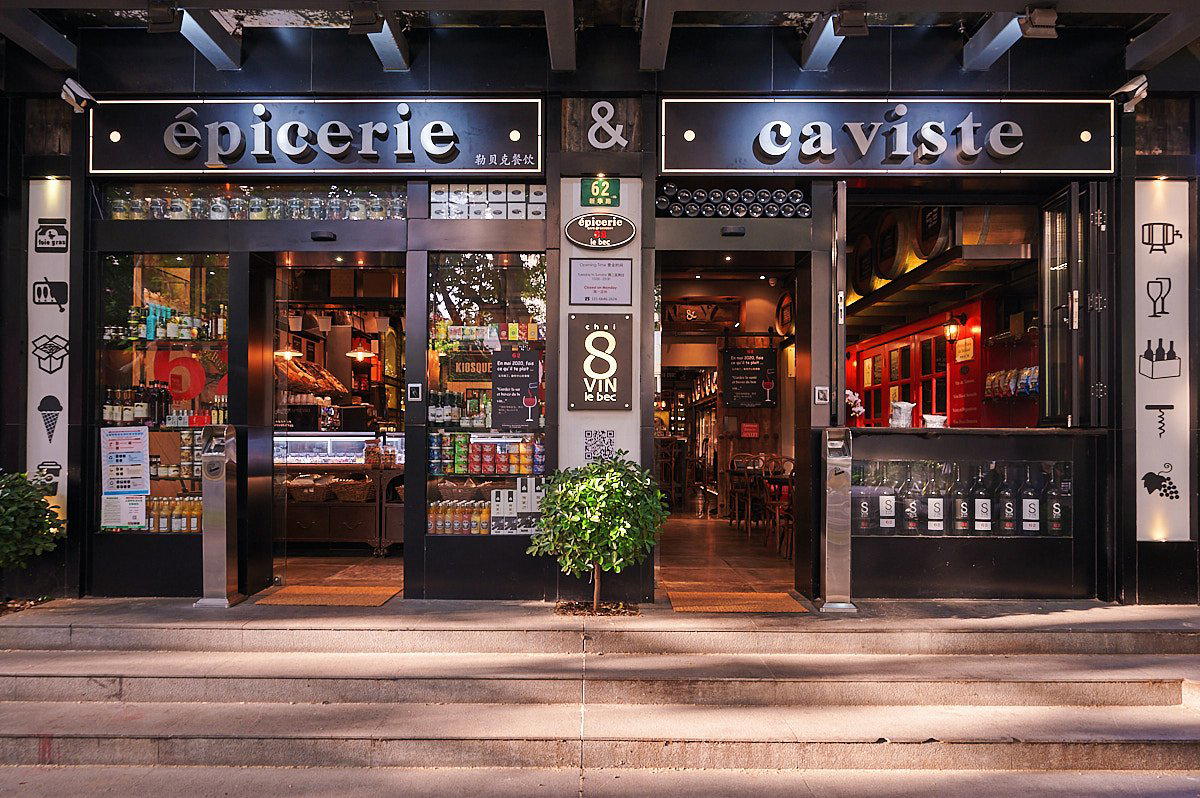
Xing Guo Lu sits in the Xuhui district of Shanghai, a tree-lined address that frames some of the city's more considered dining. The street's reputation rests on a combination of heritage architecture and serious restaurant programming that places it closer to the French Concession's quieter dining culture than to the louder commercial strips of Jing'an or the Bund.
Pearl is the En Primeur Club membership app — saves, bookings, and concierge access live there. Same editors, same standards.
- Address
- Shanghai, China, 200031
- Directions
- Get directions
 Saves & bookings on Pearl
A Street That Sets the Tone
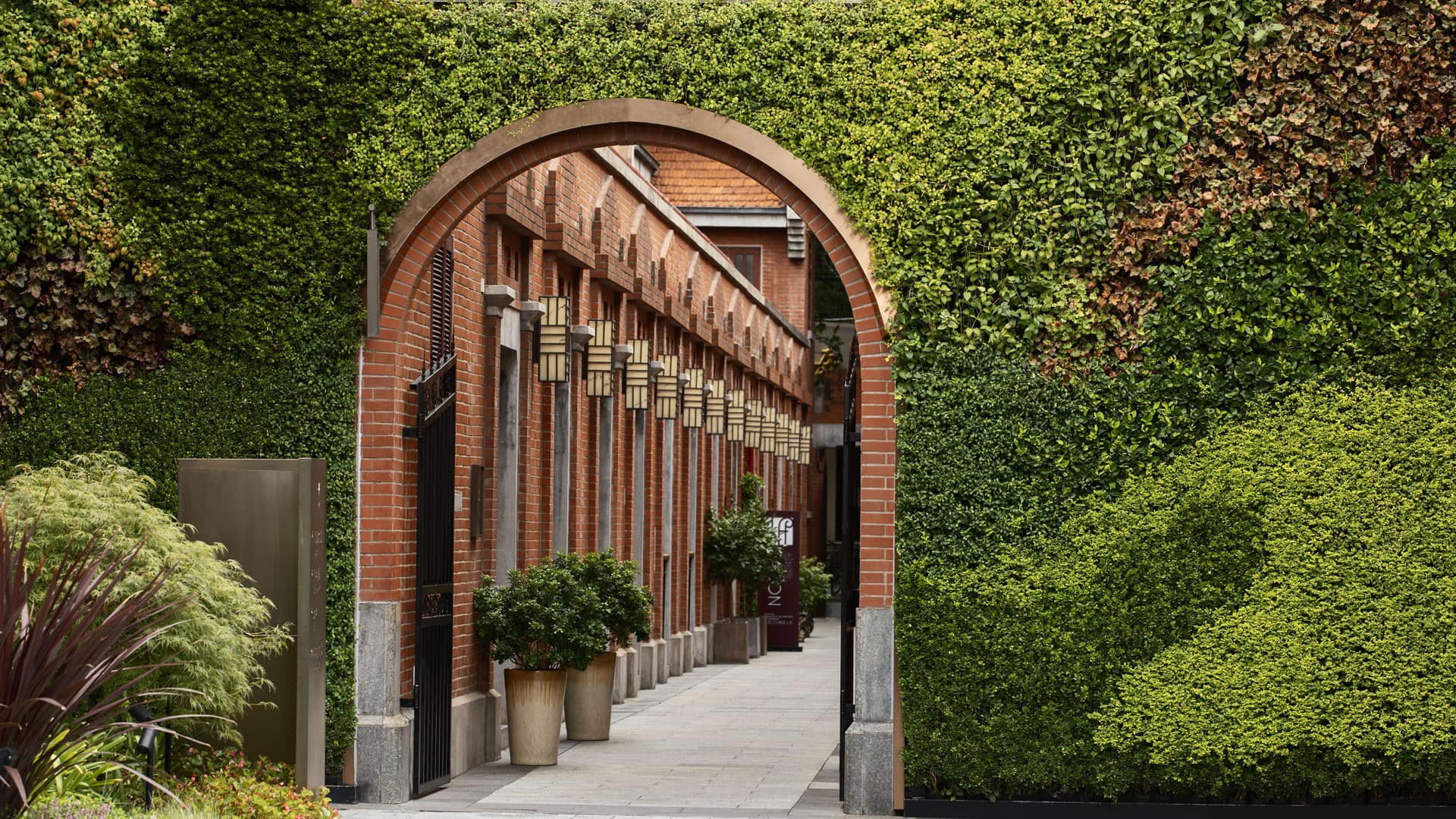
In Shanghai, address still carries weight. Xing Guo Lu, running through the former French Concession in Xuhui district, belongs to a category of streets where the plane trees overhead and the pre-war lane housing alongside create a particular dining mood: unhurried, residential in scale, resistant to the kind of high-volume restaurant formats that dominate the Bund waterfront or West Nanjing Road. That physical character is not incidental. It filters the type of food programming that takes root here and the kind of guest who seeks it out.
The Concession's dining scene has always operated on a different register from central Shanghai. Where Lujiazui reaches for spectacle and the Bund for international cachet, this corridor of Xuhui runs quieter and, in many cases, more technically serious. Restaurants here tend to prioritise craft over theatre, and the streets themselves act as a kind of self-selection mechanism.
Where This Address Sits in Shanghai's Dining Geography
Shanghai's restaurant geography has stratified considerably over the past decade. The city now supports multiple distinct tiers of fine dining: the internationally recognised flagship operations concentrated near the waterfront, a mid-tier of serious independent Chinese restaurants spread across Jing'an and Changning, and a smaller cohort of precision-focused venues embedded in residential neighbourhoods where rents and foot traffic patterns allow for longer culinary development cycles. Xing Guo Lu sits in that third category.
Within that broader picture, the Xuhui French Concession pocket represented by Xing Guo Lu occupies a specific niche: legacy address, lower commercial pressure, and a dining culture that rewards repeat visits over destination tourism. Compare this positioning to venues like Taian Table, Stefan Stiller's modern European operation that has held consistent recognition for its counter-format tasting menu, or Fu He Hui, the vegetarian house in Changning that brought refined plant-based cooking into serious fine dining conversation in China. Both are precise comparators for the kind of intentional dining that Shanghai's non-Bund neighbourhoods now produce.
The Wine Question in Shanghai Fine Dining
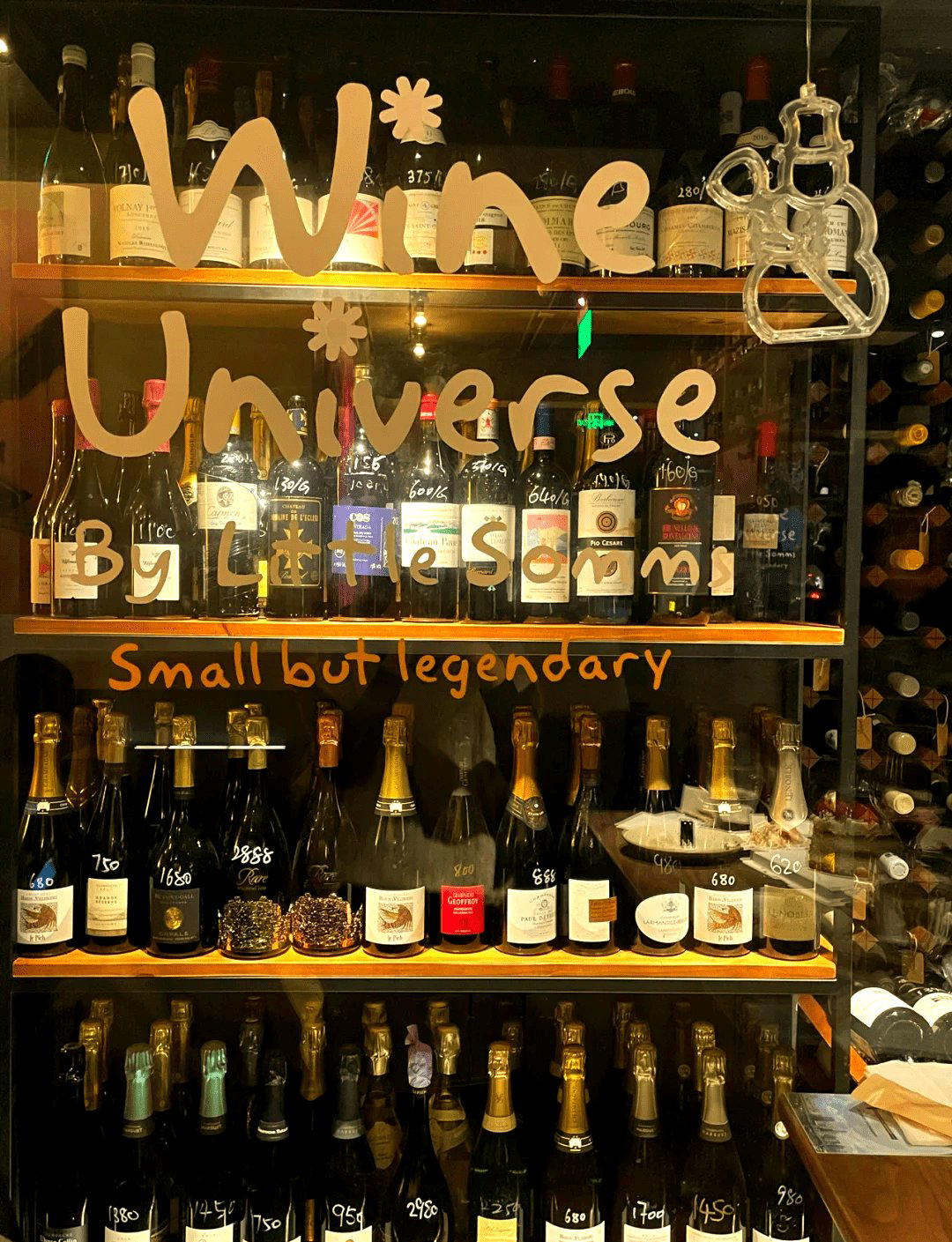
Wine programming in Shanghai's serious restaurants has matured significantly since the early 2010s. What was once a perfunctory gesture toward imported Bordeaux has evolved, at the upper tier, into genuine cellar depth: aged Burgundy, serious German Riesling, and an increasing willingness to hold back allocation-level bottles rather than turn them immediately for margin. The city's most considered restaurants now treat the wine list as editorial content, a statement of values rather than a revenue mechanism.
In the French Concession in particular, where international influence runs deep and the diner profile skews toward well-travelled professionals, wine lists have had to meet a higher standard of curation. Sommelier expertise at this level is less about matching food to wine in a prescriptive sense and more about reading the room: knowing when a guest wants to be guided and when they want to drive the decision themselves. The leading cellars in this part of Shanghai hold bottles that reward that kind of conversation.
Venues like 8½ Otto e Mezzo Bombana, the Italian flagship that brought Umberto Bombana's Hong Kong operation to Shanghai, have set a benchmark for wine list depth in the city's premium tier.
Regional Chinese Dining as a Reference Point
Any serious dining destination in Shanghai must also be read against the city's Chinese restaurant landscape, which has expanded in ambition and technical range in the past five years. Cantonese operations like 102 House and Taizhou specialists like Xin Rong Ji on West Nanjing Road represent the kind of serious regional Chinese cooking that now competes on equal terms with European fine dining for the attention of Shanghai's most experienced diners.
That shift matters for how a venue on the restaurant positions itself. The assumption that fine dining in this city defaults to European formats no longer holds. Chinese cuisine at the premium tier, whether Cantonese, Shanghainese, or regional speciality, has built its own credibility infrastructure through awards, media recognition, and consistent kitchen discipline. For comparison across the region, Chef Tam's Seasons in Macau and Imperial Treasure Fine Chinese Cuisine in Guangzhou illustrate how Chinese culinary traditions are being presented at formal fine dining standards across the Pearl River Delta and beyond. Closer to Shanghai, Pingjiangsong in Suzhou and Ru Yuan in Hangzhou show how Yangtze Delta cuisine specifically is finding more precise and considered presentation formats.
Planning Your Visit
The restaurant is in Xuhui district, reachable from Jiaotong University metro station on Line 11 or Xujiahui on Lines 1 and 3. The French Concession's residential character means street parking is constrained and rideshare drop-off is the practical norm. Evening dining in this part of the city tends to fill earlier than central Shanghai, with the professional dining crowd often seated by 6:30pm, so booking ahead is advisable for any venue operating at a serious level on this street. Contact and booking details for specific restaurants are best confirmed directly, as individual venue policies vary and may not be captured in third-party aggregators.
International comparators for the kind of precise, neighbourhood-embedded fine dining this street represents include Lazy Bear in San Francisco, which similarly built its reputation on a residential-neighbourhood counter format, and Le Bernardin in New York City, a long-tenured operation where technical discipline rather than trend-following defines the proposition.
In Context: Similar Options
Comparable venues nearby, for context on price, style, and recognition.
| Venue | Cuisine | Price | Notes |
|---|---|---|---|
| Xing Guo LuThis venue — the venue you are viewing | Shanghainese | $$ | Not listed |
| Linhu Vegetarian | Modern Vegetarian Chinese | $$ | Xujiahui |
| Old Jesse Restaurant | Authentic Shanghainese Home-Style | $$ | Xuhui |
| upper club | Modern Chinese Hot Pot | $$$ | Jing'an |
| 馋三尺蟹粉小笼 | Shanghai Crab Roe Xiaolongbao | $$ | Yang Jia Du |
| MOOSE | Michelin-starred Huaiyang & Jiangzhe Banquet Cuisine | $$$ | Changning |
At a Glance
- Dinner