
Tabelog 100 #81
Our verdict
Positioned steps from Kyoto Station in Shimogyo Ward, Kyōto Hyōto Kyōto Ekimae Honten sits at the intersection of accessibility and Kyoto's deep kaiseki tradition. The Ekimae location places it within the city's broader network of serious Japanese dining, where seasonal precision and multi-course sequencing define the meal rather than any single dish. An address worth noting for travellers entering or departing the ancient capital.

Pearl is the En Primeur Club membership app, where members save venues, book tables and use the concierge.
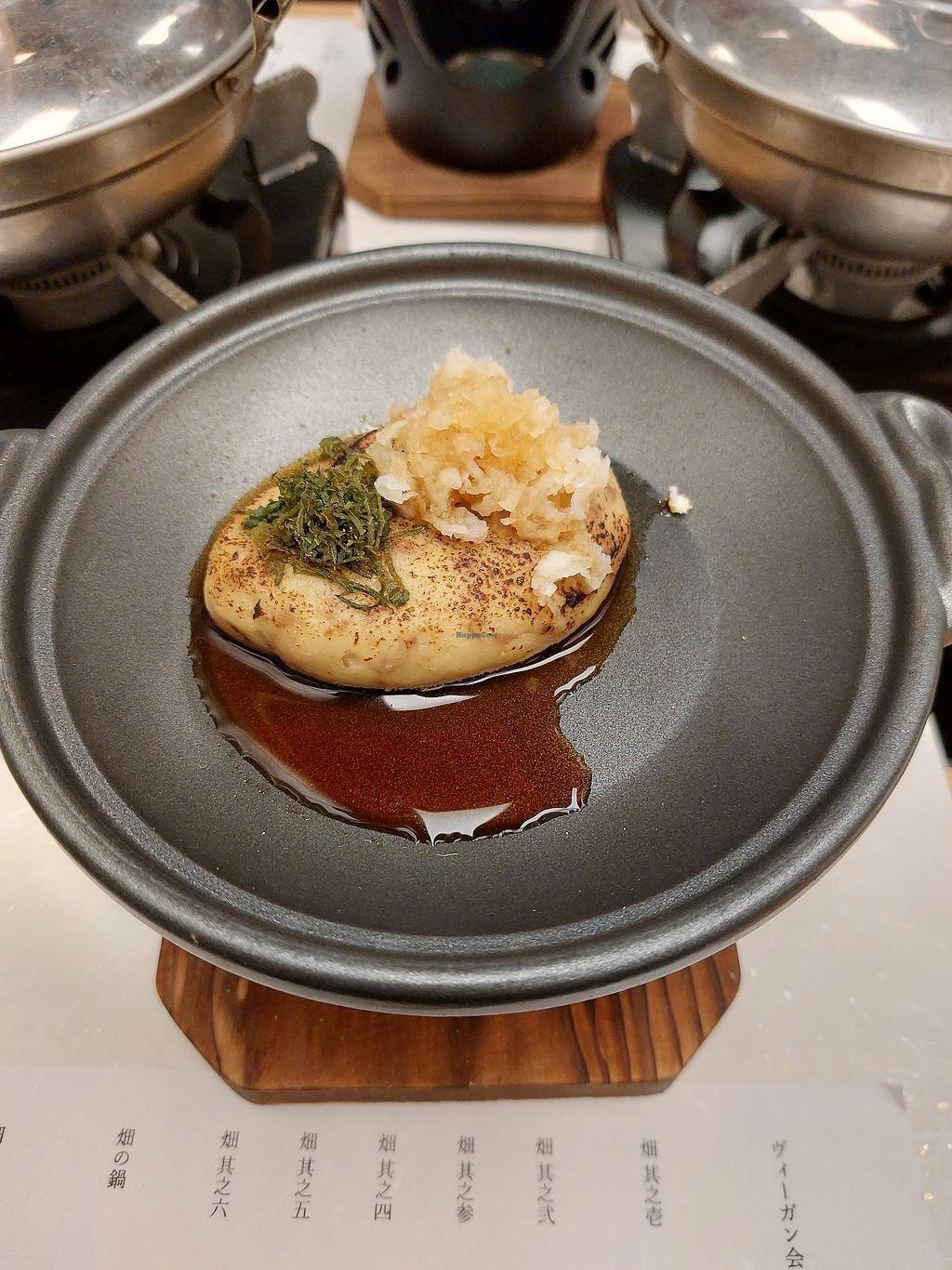
Where the Station District Meets Kyoto's Dining Discipline
Shimogyo Ward, the administrative zone that contains Kyoto Station, is not where most visitors expect to find serious Japanese dining. The gravitational pull of Gion, Higashiyama, and the canal-side streets of the city's older quarters tends to draw attention north and east. Yet the station precinct has always served a different function in Kyoto's food culture: it is where the city reveals itself to those arriving by shinkansen, and increasingly, where a tier of restaurants operates at the junction of convenience and craft. Kyōto Hyōto Kyōto Ekimae Honten occupies that position at 607-12 Higashishiokojicho, Shimogyo Ward, a location that signals a deliberate choice to serve both travellers and residents without the premium rents and rarefied atmosphere of the city's older dining districts.
The name itself warrants a brief note of orientation. "Ekimae" in Japanese means "in front of the station," and "Honten" designates a main or flagship branch. Both terms are precise, functional labels common in Japanese dining culture, signalling that this is the primary location of an established operation rather than a spin-off or satellite. In a city where lineage and provenance are taken seriously across every tier of the food scene, the Honten designation carries weight.
The Architecture of a Kyoto Meal
To understand any restaurant operating in Kyoto's dining environment, it helps to understand the city's relationship with sequential eating. Kaiseki, the multi-course tradition that developed from the tea ceremony and was codified across generations of Kyoto kitchens, remains the dominant structural logic of serious dining here. Venues like Hyotei, one of the city's most historically grounded kaiseki addresses, and Kikunoi Honten have operated across multiple generations with the same underlying commitment to seasonal progression, each course building on the last in temperature, texture, and flavour register. That tradition informs how any serious Kyoto dining room thinks about pacing, even those not formally presenting kaiseki.
The tasting progression format, in which courses arrive in a predetermined arc, is not merely a delivery mechanism in Kyoto restaurants. It is the editorial argument of the meal itself. An opening course of something light and seasonal establishes a key. Middle courses build density and contrast. A rice or noodle course grounds the sequence before it resolves into something sweet and spare. Visiting Gion Sasaki or Mizai, two kaiseki addresses with Michelin recognition in Kyoto, makes the architecture of this logic apparent quickly: the meal has a shape, and every element within it is chosen to preserve that shape. The ideal way to experience any Kyoto dining room operating within this tradition is to surrender to the sequence rather than interrogate individual courses in isolation.
Shimogyo Ward and the Station Quarter's Role in Kyoto's Food Map
The area immediately surrounding Kyoto Station has undergone considerable development over the past two decades. The station building itself, designed by Hiroshi Hara and completed in 1997, is a piece of architecture that deliberately broke from Kyoto's low-profile aesthetic consensus, a decision that remains contested locally. The dining and retail infrastructure built around it followed a similar logic of scale and volume, serving the tens of millions of visitors who pass through annually. Within that context, restaurants in the Ekimae zone operate against a backdrop of high footfall and constant turnover, conditions that demand operational consistency above all.
That said, Shimogyo Ward is not purely a transit zone. The ward extends south from the station toward the older commercial fabric of Kyoto, where the relationship between food, craft, and neighbourhood identity is more layered. For travellers using Kyoto Station as a base, the area provides access to the city's major dining corridors within twenty to thirty minutes by bus or subway, while also offering a functional tier of local eating that the city's more touristic areas cannot replicate at the same price-to-quality ratio. Comparable regional dining in other Japanese cities, such as Goh in Fukuoka or HAJIME in Osaka, operates in similarly dense urban zones where accessibility and culinary seriousness coexist without apology.
Planning a Visit: What the Address Tells You
The Higashishiokojicho address places Kyōto Hyōto Kyōto Ekimae Honten within immediate walking distance of the station's central exit, making it one of the more logistically direct dining options in this part of the city. For visitors arriving by shinkansen from Tokyo, Osaka, or Nara, the proximity removes the usual friction of navigating unfamiliar bus routes or taxi queues after a journey. Nearby alternatives for day-trip reference include akordu in Nara, which operates roughly forty minutes south by train and represents a European-technique approach to local ingredients, and Isshisoden Nakamura, one of Kyoto's oldest established Japanese dining names for those wishing to compare the station quarter with the city's more deeply historied addresses.
As with most serious Japanese dining rooms, contacting the venue directly before arrival is advisable, particularly for visits during peak sakura season in late March and early April, or the autumn foliage period in November, when Kyoto's dining and accommodation capacity is tested across every tier. For a broader survey of where this venue sits within Kyoto's full dining map, our full Kyoto restaurants guide covers the city's key addresses across price points and styles.
For those building a broader Japan itinerary, the station's position as a Tokaido Shinkansen stop means that comparison meals at addresses like Harutaka in Tokyo or Atomix in New York City for international context on tasting-progression formats, are reachable within the logic of a single trip. Regional Japanese dining further afield includes destinations such as Nanao on the Noto Peninsula and Sapporo in Hokkaido, both of which represent how Japan's regional dining culture extends well beyond the Kyoto-Osaka-Tokyo corridor.
Frequently asked questions
What is the must-try dish at Kyōto Hyōto Kyōto Ekimae Honten?
Do I need a reservation at Kyōto Hyōto Kyōto Ekimae Honten?
What is the signature of Kyōto Hyōto Kyōto Ekimae Honten?
How does Kyōto Hyōto Kyōto Ekimae Honten compare to other dining options near Kyoto Station?
Where It Fits
Comparable venues nearby, for context on price, style, and recognition.
| Venue | Cuisine | Price | Awards | Notes |
|---|---|---|---|---|
| Kyōto Hyōto Kyōto Ekimae HontenThis venue (the venue you are viewing) | Kyoto-Style Dashi Shabu-Shabu | $50–100 | Tabelog 100 #81 | Not listed |
| MERCY Vegan Factory KYOTO STATION | Vegan Japanese | $30–50 | Not listed | Shimogyō |
| Matsumoto | Japanese Soba and Sake Bar | $30–50 | Tabelog 100 #90 | Nakagyō |
| Sakaba Ikura Mokuzai | Japanese stand-up izakaya bar | $50–100 | Tabelog 100 #57 | Kamigyō |
| 蛸薬師ふるかわ | Authentic Japanese Kaiseki | $150–200 | Michelin Plate | Nakagyo-ku |
| Uzura Ya Kyoto ・ shijo | Traditional Yakitori Counter | $50–100 | Tabelog 100 #81 | Higashiyama |
Recognition history
Dated appearances from independent guides and award organizations, with the underlying list record or original source where available.
Tabelog 100 #81 · No. 81
Tabelog · Tabelog 100 - Hot Pot - 2024
Continue exploring
More in Kyoto
Restaurants in Kyoto
All restaurants in Kyoto →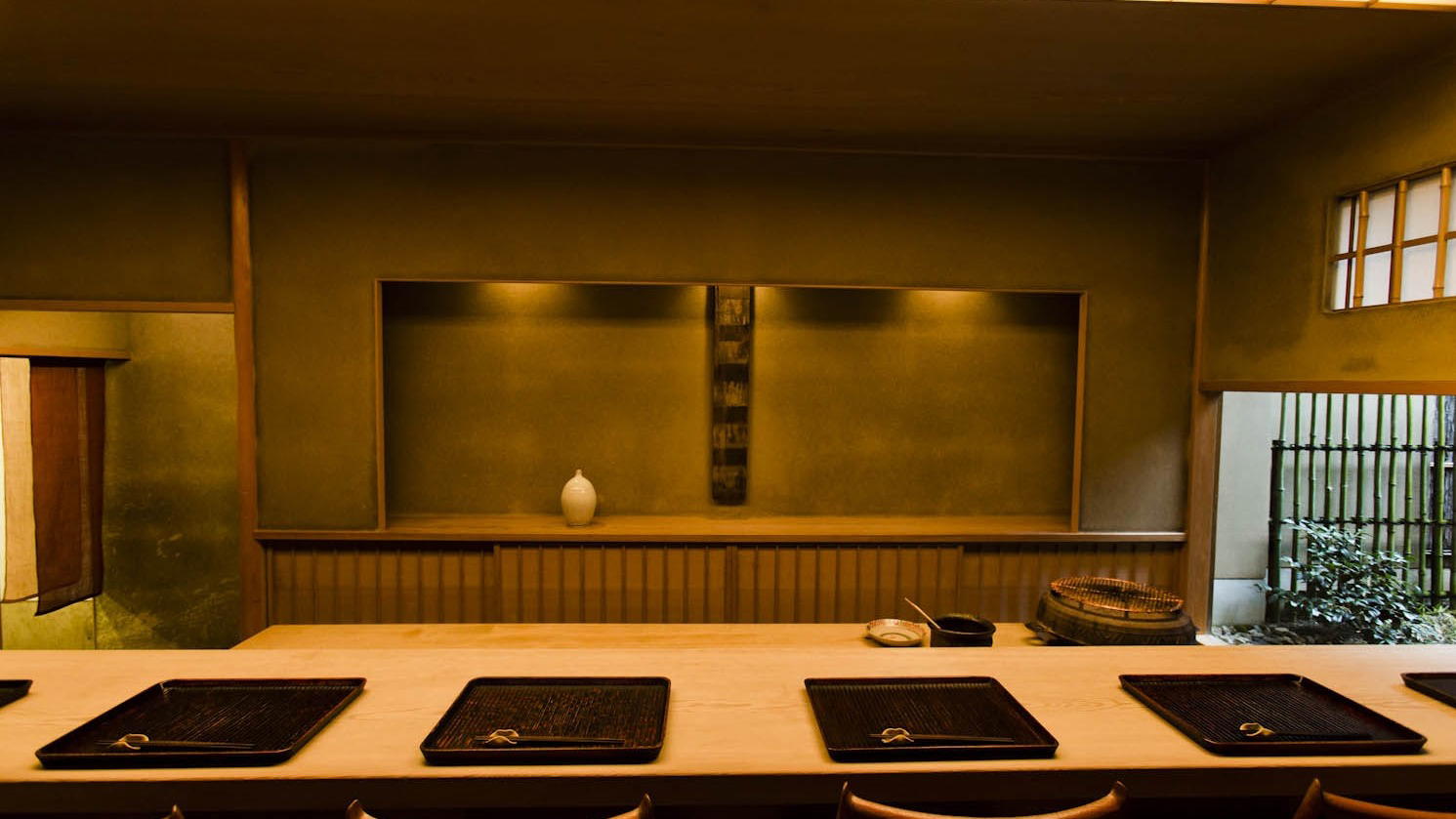
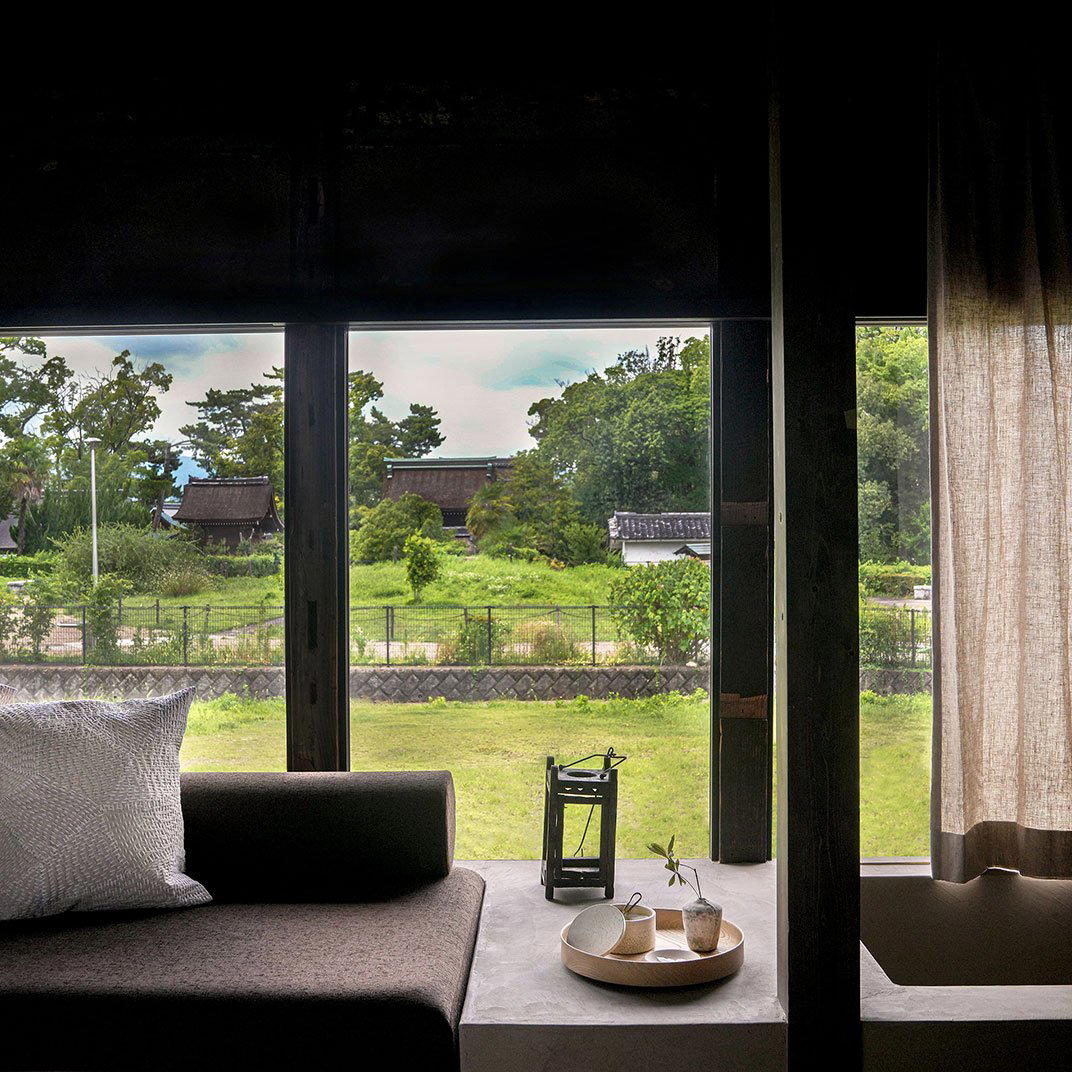
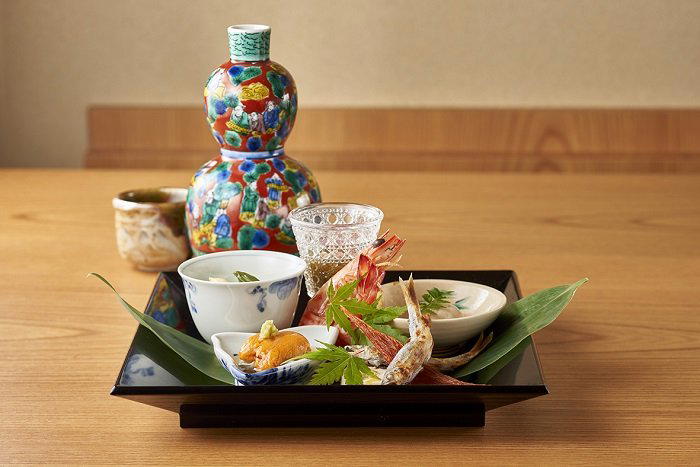
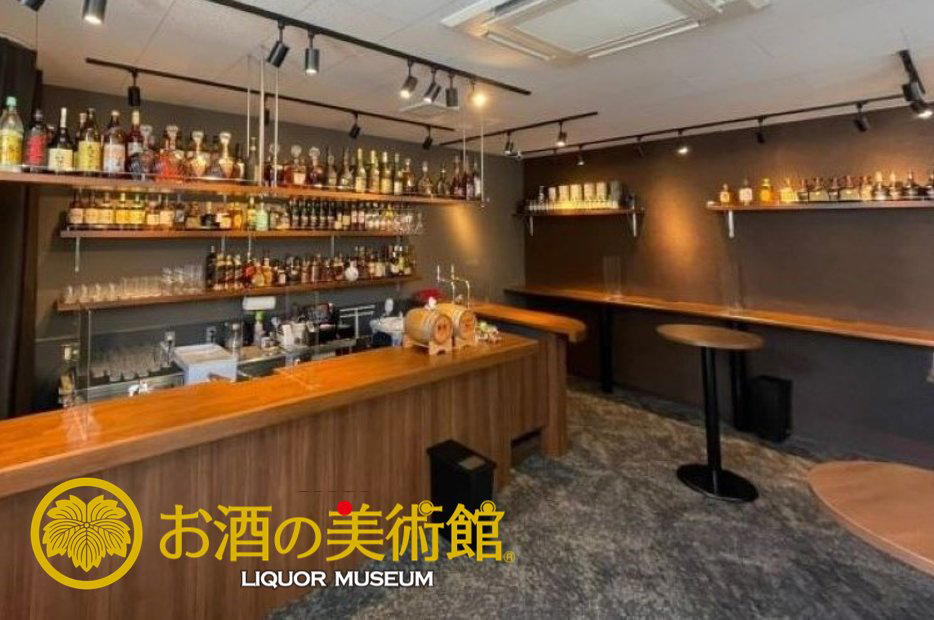
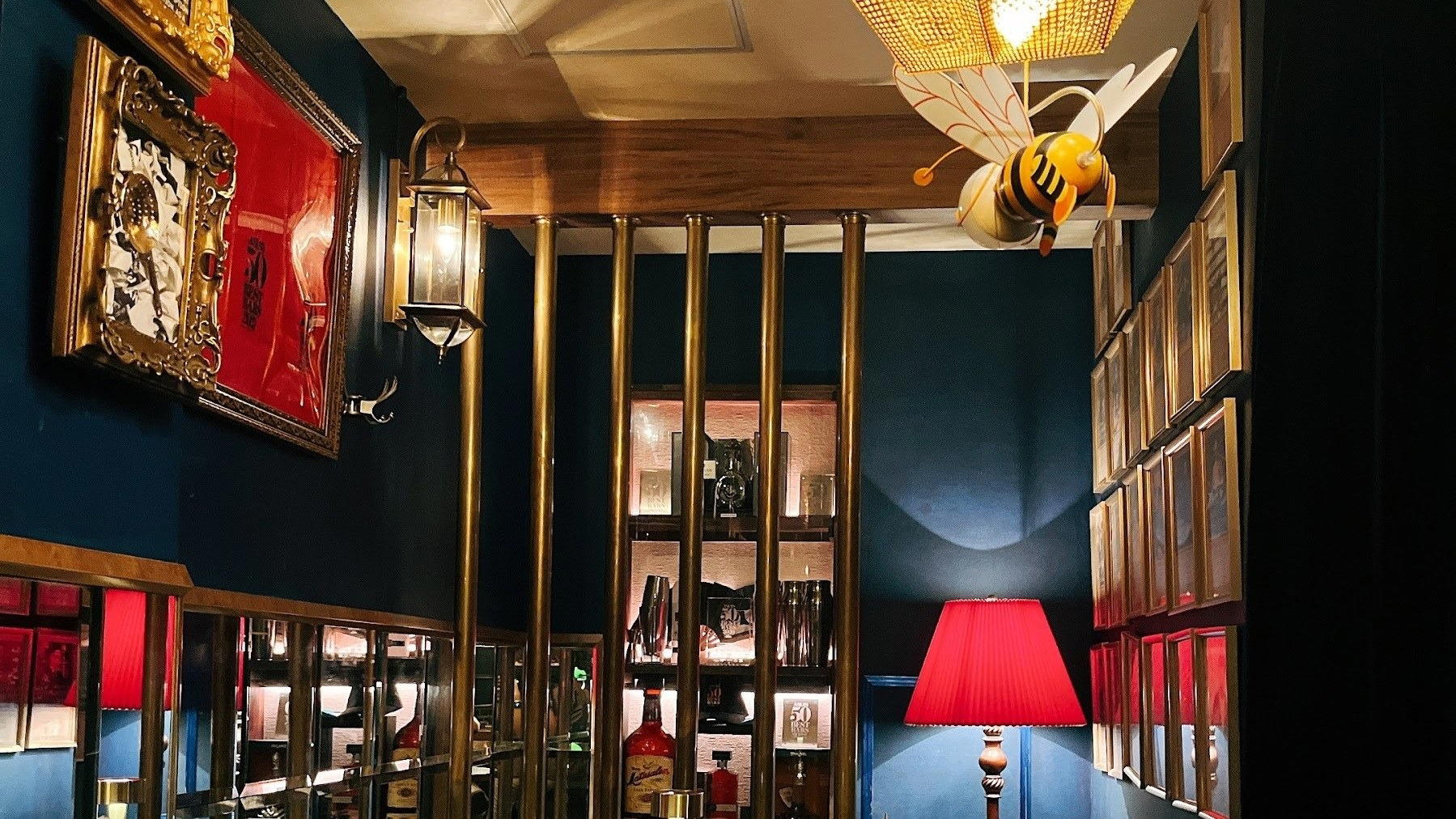
Bars in Kyoto
All bars in Kyoto →
Hotels in Kyoto
All hotels in Kyoto →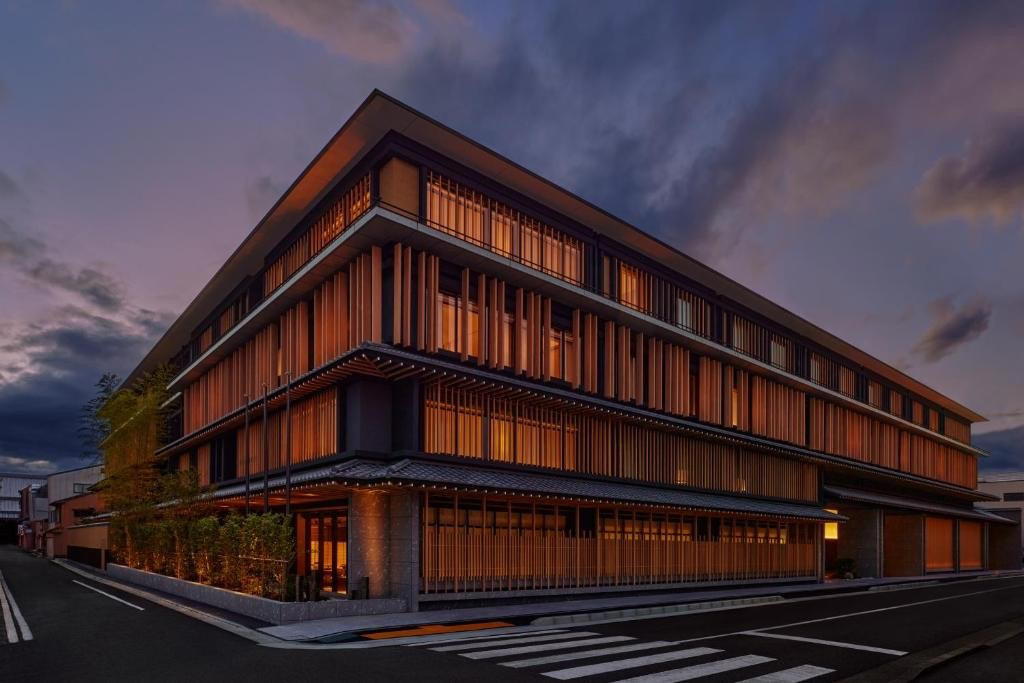
Wineries in Kyoto
Browse all →
Details
- Elegant
- Sophisticated
- Classic
- Business Dinner
- Special Occasion
- Group Dining
- Private Dining
- Sake Program
- Set Menu
- A La Carte
- Sake Program
- Vegetarian Friendly
- Vegan Options
Current opening hours
- Monday
- 11:30 AM–2 PM, 5:30–11 PM
- Tuesday
- 11:30 AM–2 PM, 5:30–11 PM
- Wednesday
- 11:30 AM–2 PM, 5:30–11 PM
- Thursday
- 11:30 AM–2 PM, 5:30–11 PM
- Friday
- 11:30 AM–2 PM, 5:30–11 PM
- Saturday
- 11:30 AM–3 PM, 5:30–11 PM
- Sunday
- 11:30 AM–3 PM, 5:30–11 PM
Hours can change for holidays and private events. Hours as of .
Cozy and elegant atmosphere blending modern and traditional Japanese influences with table-side cooking.