Our verdict
KUROKI Restaurant sits in Itoshima, a coastal farming and fishing district west of Fukuoka that has quietly become one of Kyushu's most ingredient-focused dining destinations. The restaurant draws on the peninsula's rare concentration of agricultural and maritime produce, positioning itself within a regional fine-dining movement that prizes provenance over spectacle. For those already exploring Fukuoka's serious restaurant scene, Itoshima represents a logical and rewarding extension.

Pearl is the En Primeur Club membership app, where members save venues, book tables and use the concierge.
The menu
What to order
- Sea urchin chawanmushi
- Homemade roll cake
The Peninsula That Feeds Fukuoka's Finest Tables
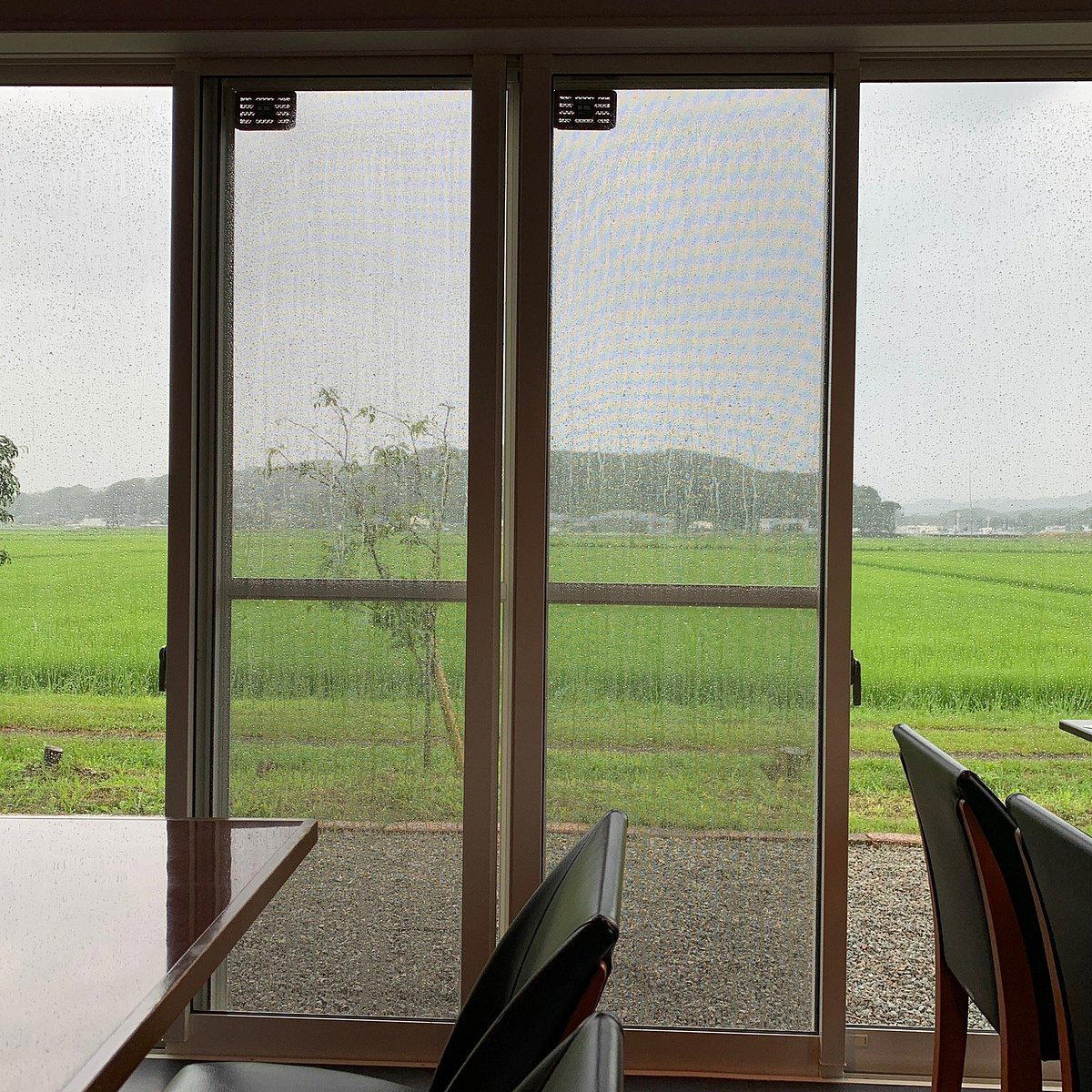
Itoshima sits roughly forty kilometres west of Fukuoka city, a peninsula where rice paddies push up against the Genkai Sea and where the distance between a fisherman's boat and a chef's pass can be measured in minutes rather than days. This geography is not incidental to the dining culture here, it is the dining culture. The Itoshima brand, well established among Fukuoka residents and increasingly recognised across Japan, signals produce of a specific provenance: oysters grown in clean, cold inshore waters; vegetables cultivated in mineral-rich red clay soils; pork, poultry, and dairy from small-scale farms that supply restaurants rather than wholesale markets. Ingredient sourcing in this part of Kyushu is less a philosophy than a practical fact of proximity, and restaurants that take root here tend to build their identity around that fact.
KUROKI Restaurant, addressed at 459-3 Nijoishizaki in Itoshima's coastal fringe, occupies that territory. The location alone places it within a culinary tradition that is worth understanding before you arrive. Nijoishizaki sits near the water's edge, and the approach, through rice fields and low hills, with the sea appearing as you near the address, sets a register that the interior, by all accounts, continues. This is not Fukuoka's urban dining circuit, where venues like Goh in Fukuoka operate inside the city's high-density restaurant ecosystem. KUROKI asks for a deliberate journey, and that journey is part of the proposition.
Where the Produce Comes From, and Why That Shapes Everything
To understand what a restaurant like KUROKI is doing in Itoshima, it helps to understand what Itoshima has become as a sourcing region. Over the past decade, the peninsula has shifted from a supplier role, sending its produce to Fukuoka city kitchens, to a destination role, where the produce itself draws chefs and diners to the source. This mirrors a pattern visible across Japan's regional fine-dining circuit, from the farms and fishing ports of Hokkaido's interior to the vegetable-forward kaiseki tradition in Kyoto's surrounding countryside. The logic is consistent: when sourcing distance collapses to near-zero, seasonal precision becomes possible at a level that urban restaurants, however well connected, cannot fully replicate.
Itoshima's oysters are perhaps its most documented product, farmed in Shingu and Futamata inlets, consumed raw at waterside shacks or served cooked at more formal tables. But the peninsula also produces strawberries, tomatoes, and leafy vegetables under conditions that Fukuoka Prefecture has actively promoted, and its proximity to the Genkai Sea means access to a fish market supply that shifts week by week with the season. A kitchen positioned here, and committed to working with what is immediately available, is cooking on a fundamentally different timeline than a city restaurant ordering through a distributor. That temporal discipline, what to cook is dictated by what arrived this morning, produces a menu logic that no amount of sourcing effort can fully simulate from a distance.
This connects KUROKI to a broader category of Japanese fine dining that operates outside the major urban recognition systems while still engaging seriously with culinary craft. Compare the approach to what drives recognition at venues like HAJIME in Osaka, where a tightly controlled kitchen vocabulary meets Michelin's urban scrutiny, or Gion Sasaki in Kyoto, where kaiseki tradition and seasonal sourcing from the Kyoto basin define the framework. The Itoshima model is different in scale and setting but operates from a comparable premise: the ingredient as the primary argument.
Arriving in Itoshima
Getting to Itoshima from Fukuoka city takes approximately forty to fifty minutes by the JR Chikuhi Line, which runs from Meinohama Station to Chikuzen-Maebaru and points west along the peninsula. By car, the drive from central Fukuoka follows National Route 202, with the landscape opening up past Itoshima city proper into the agricultural and coastal zones where restaurants like KUROKI are found. The address at Nijoishizaki is on the peninsula's southern coastal side, and for visitors without a car, local taxi services from Chikuzen-Maebaru Station cover the remaining distance. This is a route worth planning in advance; Itoshima's dining destinations are spread across a wide area, and combining a meal at KUROKI with exploration of the peninsula's coastal stretches and farm-direct markets makes the journey more coherent.
For those building a wider Kyushu or western Japan itinerary, Itoshima functions as a half-day or full-day extension from Fukuoka, and the city itself connects efficiently to Osaka, Kyoto, and further afield via Shinkansen from Hakata Station. Restaurants across the broader region worth placing in context include akordu in Nara, which similarly occupies a setting where agricultural regionalism shapes the menu, and Harutaka in Tokyo, which anchors the other end of Japan's fine-dining spectrum with its urban omakase precision.
How KUROKI Sits in Its Competitive Set
Japan's regional fine-dining circuit has grown considerably in the past decade, partly driven by a generation of chefs choosing to leave major city kitchens for settings where sourcing relationships are more direct and rents are lower. The trade-off is visibility: venues outside Tokyo, Osaka, and Kyoto receive less international press attention, even when their cooking is operating at a comparable level. This creates an asymmetry that informed travellers have begun to exploit deliberately, seeking out tables in smaller cities and rural settings precisely because the discovery-to-effort ratio is more favourable than at heavily trafficked urban destinations.
Within this regional tier, Itoshima has a structural advantage over many comparable locations: it sits within easy reach of a major international airport (Fukuoka International), which means the destination is accessible without a multi-leg domestic journey. For reference on how that circuit operates at its upper end, Atomix in New York City and Le Bernardin in New York City illustrate the scale of recognition that major-market venues accumulate; the Itoshima model operates at a different register, where the argument is provenance and access rather than awards accumulation.
Our full Itoshima restaurants guide maps the peninsula's dining options in more detail, including venues across different price points and formats. Other regional Japanese destinations worth cross-referencing include a restaurant in Nanao on the Noto Peninsula, where seafood sourcing operates on a similar hyper-local logic, and a venue in Takashima, near Lake Biwa, where regional produce and seasonal cooking converge in a comparable rural-fine-dining format.
Frequently asked questions
Is KUROKI Restaurant a family-friendly restaurant?
KUROKI sits in Itoshima, a peninsula whose dining culture runs toward quiet, produce-focused meals rather than casual, high-energy formats. Families with older children who are comfortable with a considered dining pace will find it more natural here than those expecting a flexible, menu-swap environment. The address, 459-3 Nijoishizaki, puts the restaurant in a rural setting that rewards visitors who arrive with a specific interest in the food itself.
What's the vibe at KUROKI Restaurant?
The setting reflects Itoshima's character: a peninsula where rice paddies meet the Genkai Sea and where agricultural proximity shapes what ends up on the plate. Expect an unhurried register, the kind of room where the sourcing of ingredients is part of the conversation rather than background detail. This is not a loud, celebratory dining room, it sits closer to the contemplative end of the spectrum that defines serious regional cooking in western Japan.
Is KUROKI Restaurant worth a day trip from Fukuoka city?
The JR Chikuhi Line connects Fukuoka's Meinohama Station to the Itoshima peninsula in approximately forty to fifty minutes, making KUROKI accessible as a dedicated half-day or full-day excursion. The case for the journey rests on Itoshima's status as an active sourcing region, Genkai Sea seafood, peninsula farms, rather than on Fukuoka city overflow alone. Visitors treating Itoshima as a destination in its own right, rather than a suburb, tend to leave with a more accurate read of what the cooking here is actually doing.
What do regulars order at KUROKI Restaurant?
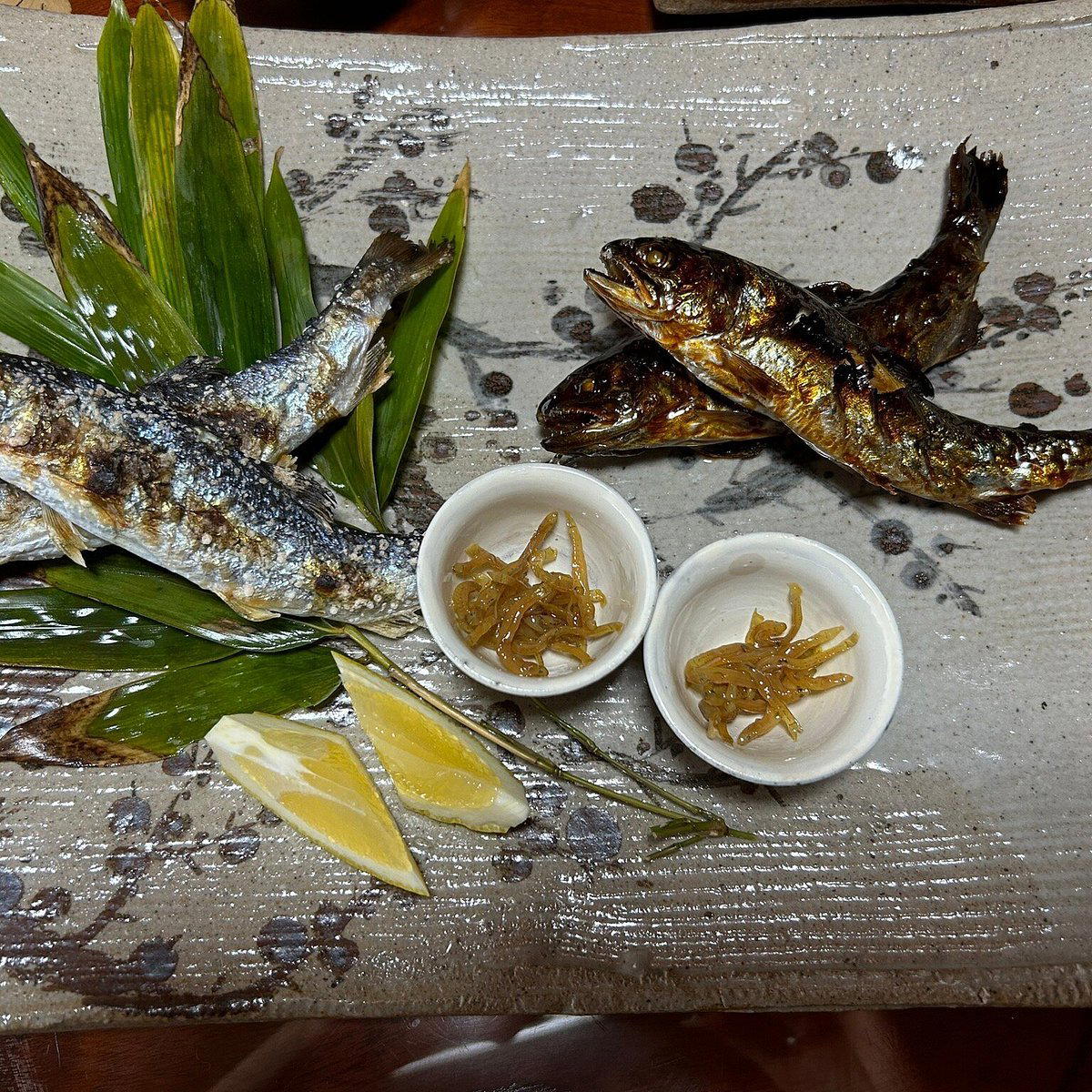
In kitchens operating at this level of intention in Itoshima, the menu turns with the peninsula's farms and fishing operations, meaning regulars order whatever the season has produced rather than a fixed signature dish. Itoshima's documented produce identity, coastal seafood from the Genkai Sea alongside cultivated vegetables from inland farms, gives the kitchen a sourcing range that shifts meaningfully across the year. Repeat visitors typically arrive knowing the season rather than the specific dish.
What part of town is KUROKI Restaurant in?
KUROKI Restaurant is located at î459-3 Nijoishizaki, Itoshima, Fukuoka 819-1623, Japan, Itoshima.
Is KUROKI Restaurant reservation-only?
Regional restaurants in Japan operating at this level of intentionality are almost universally reservation-based. KUROKI is located at 459-3 Nijoishizaki in rural Itoshima, a forty-to-fifty-minute journey from Fukuoka city, which makes an unconfirmed visit a significant logistical risk. Contact ahead to confirm availability before making the trip.
What's the standout thing about KUROKI Restaurant?
The location in Itoshima is the primary argument: a peninsula with a coherent produce identity built around the Genkai Sea and the agricultural land behind it, forty kilometres from Fukuoka city's restaurant density. Restaurants here work with sourcing proximity that city kitchens cannot replicate, the distance between farm or boat and kitchen is measurable in minutes rather than hours. That geographic specificity is what separates Itoshima's serious dining from comparable regional cooking elsewhere in Fukuoka prefecture.
In Context: Similar Options
Comparable venues nearby, for context on price, style, and recognition.
| Venue | Cuisine | Price | Awards | Notes |
|---|---|---|---|---|
| KUROKI RestaurantThis venue (the venue you are viewing) | French with Itoshima Ingredients | Not listed | Not listed | Not listed |
| Duangjan | Authentic Seaside Thai Restaurant | $20–30 | Tabelog 100 #23 | Nijo Fukae |
| Auberge Akadama | French seafood auberge restaurant | $50–100 | Tabelog 100 #83 | Saikai, Nagasaki Prefecture |
| Restaurant Hiramatsu Hakata | French Fine Dining | $100–150 | Tabelog 100 #10 | Hakata |
| The Barn by Odin | French Bistro with Hokkaido Ingredients | $100–150 | Not listed | Hirafu |
| Anis | Modern French Bistro | Not listed | Not listed | Hatsudai |
Continue exploring
More in Itoshima
Restaurants in Itoshima
All restaurants in Itoshima →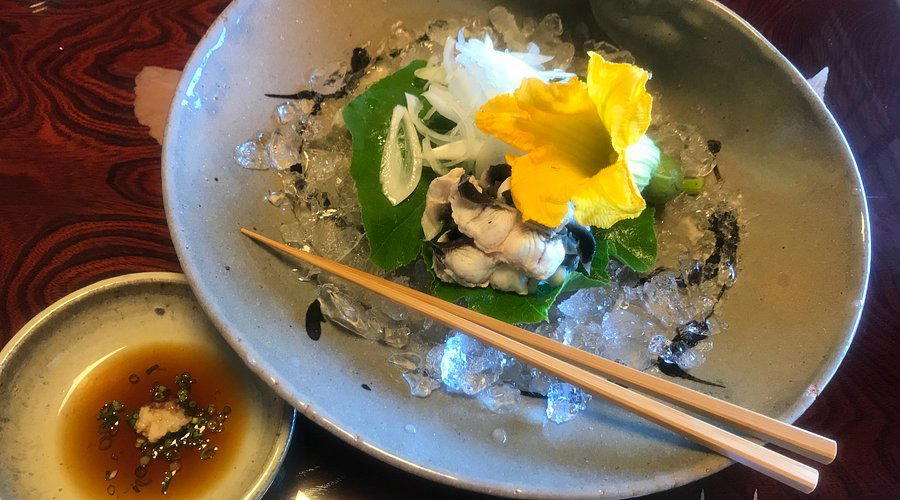
Details
- Sophisticated
- Elegant
- Special Occasion
- Standalone
- Local Sourcing
- Tasting Menu
Current opening hours
- Monday
- Closed
- Tuesday
- 12–3 PM, 6:30–10 PM
- Wednesday
- 12–3 PM, 6:30–10 PM
- Thursday
- 12–3 PM, 6:30–10 PM
- Friday
- 12–3 PM, 6:30–10 PM
- Saturday
- 12–3 PM, 6:30–10 PM
- Sunday
- Closed
Hours can change for holidays and private events. Hours as of .
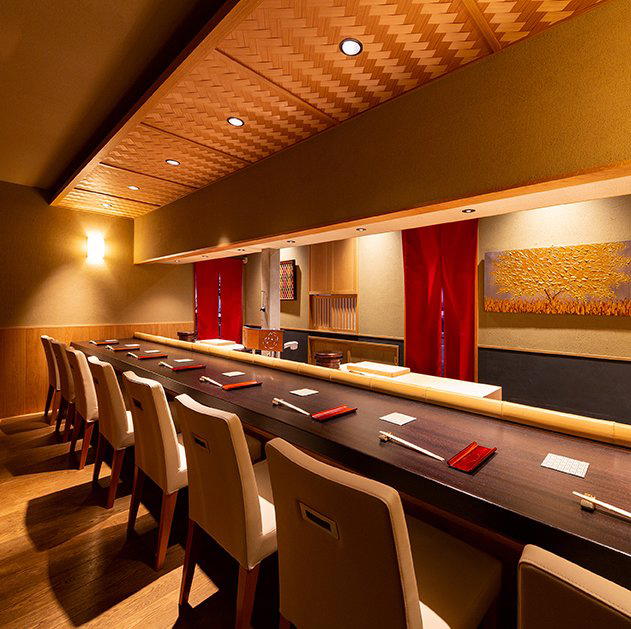
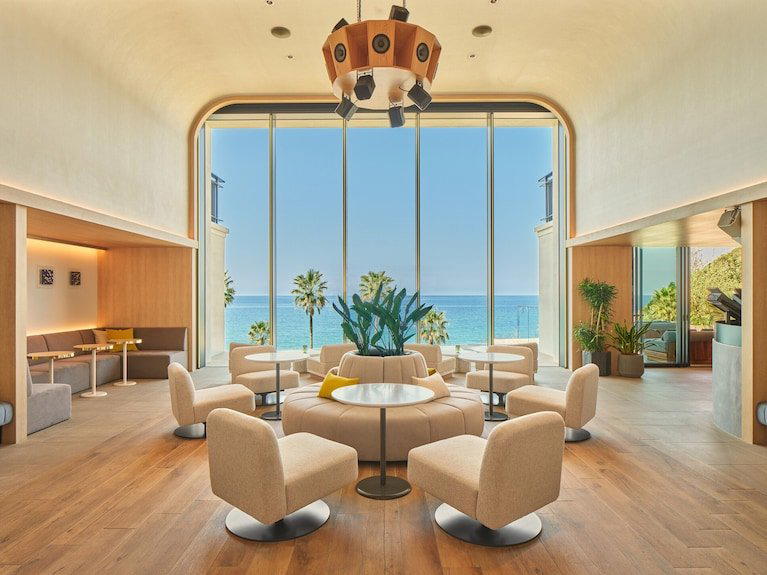
Sophisticated space with an elegant atmosphere as described in guest reviews.