Auberge Akadama

Auberge Akadama puts French technique in conversation with Saikai’s coastal larder, with fish at the centre of the meal rather than as a decorative luxury cue. Its Tabelog French WEST 100 selection in 2025 places it in a serious regional category, but the stronger reason to pay attention is the auberge format: a small, destination-led dining room built around place, sourcing, and a slower rhythm than city French.
Pearl is the En Primeur Club membership app — saves, bookings, and concierge access live there. Same editors, same standards.
- Address
- 1383-4 Oshimacho, Saikai, Nagasaki 857-2427, Japan
- Phone
- +81 959-34-2003
- Website
- auberge-akadama.com
 Saves & bookings on Pearl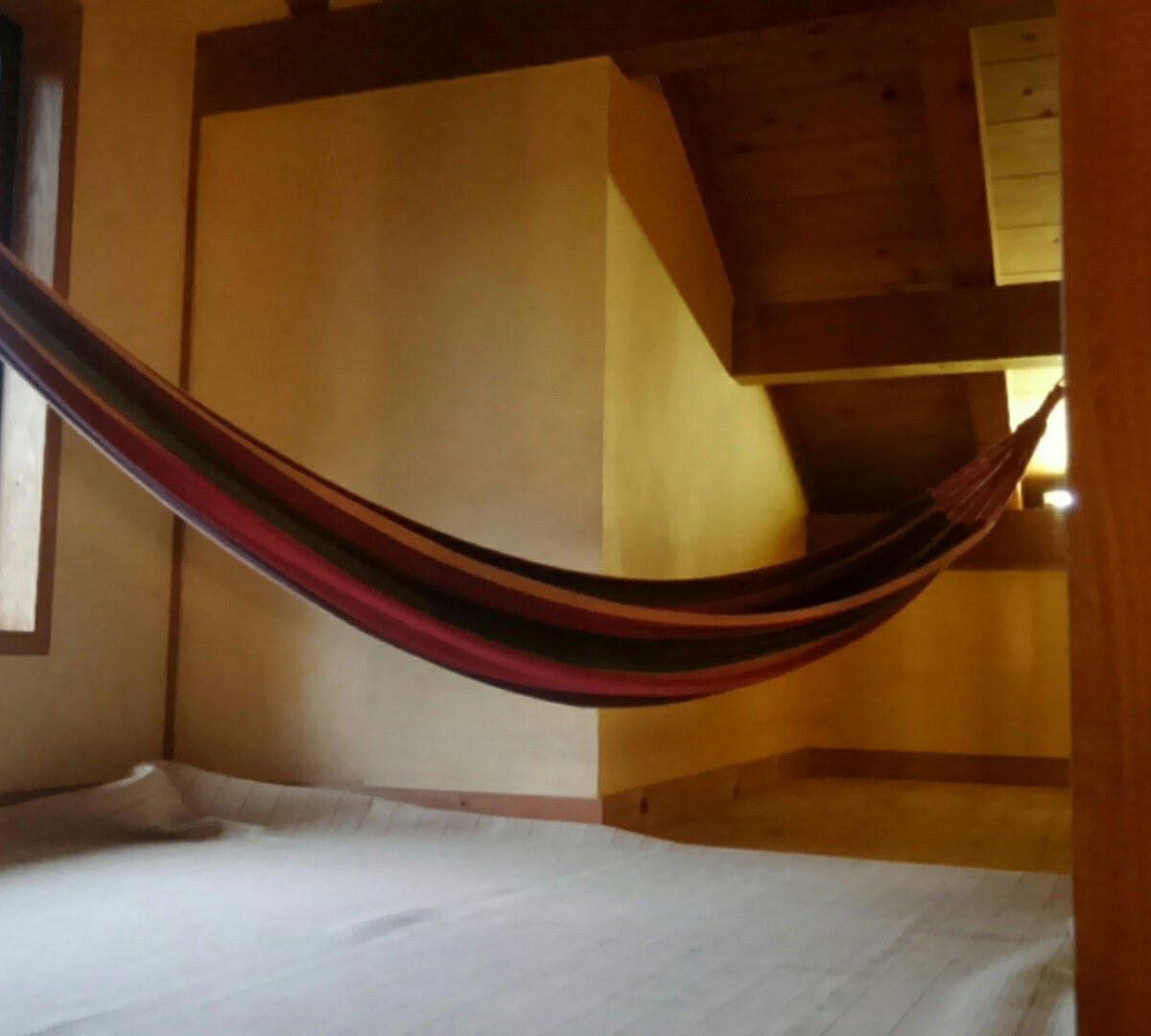
The approach to a coastal auberge changes the appetite before the first course. In Saikai, the visual grammar is not urban polish but water, distance, and a sense of leaving the main restaurant circuit behind. That matters for French cooking in western Japan, where the stronger tables increasingly read less like imported Parisian theatre and more like local-product kitchens with French structure. Auberge Akadama belongs to that school: fish-led, small-scale, and shaped by the geography around Nagasaki rather than by the habits of a big-city hotel dining room.
For a wider read on the area, start with Our full ooshimachouterashima restaurants guide, then cross-check the trip against Our full ooshimachouterashima hotels guide, Our full ooshimachouterashima bars guide, Our full ooshimachouterashima wineries guide, and Our full ooshimachouterashima experiences guide. The appeal here is not a checklist meal; it is the way a rural coastal room can make French technique feel accountable to nearby waters.
French cooking filtered through Saikai's fish culture
Nagasaki’s food identity has always been unusually outward-facing by Japanese standards, shaped by port trade, maritime traffic, and a long habit of absorbing outside technique. French cooking fits that history neatly when it avoids copy-paste formality. The more persuasive version uses sauce work, pacing, and wine logic to frame local seafood, rather than treating imported luxury ingredients as proof of seriousness.
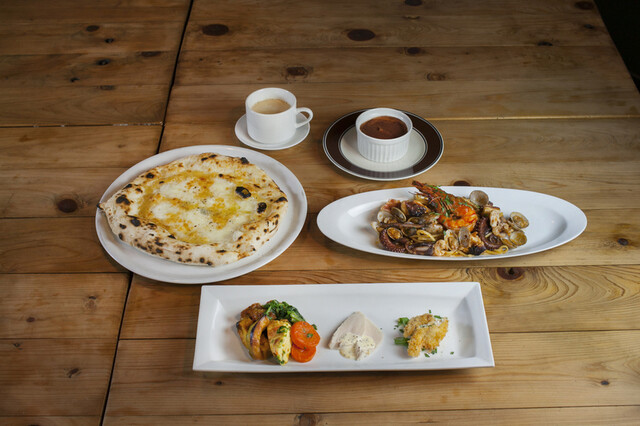
Auberge Akadama is listed in the French and auberge categories, with an explicit emphasis on fish. That positioning is the important clue. In a city-centre French restaurant, seafood can become a course among many; in a coastal auberge, it becomes the organising principle. The kitchen’s credibility rests on how well French methods support the catch, not on how loudly the room announces luxury. The drinks register follows the same hybrid logic, spanning sake, shochu, and wine, which is often the smarter pairing language for Japanese coastal French than wine alone.
The 2025 Tabelog French WEST 100 selection gives the restaurant a useful external marker in a category that stretches across western Japan. It was also selected in 2023, which signals repeat recognition rather than a single-season spike. Tabelog’s score of 3.73 sits in a band where Japanese diners tend to read consistency and specialist appeal, especially outside Tokyo and Osaka, where review density can distort comparisons.
A destination auberge, not a city dining-room substitute
The auberge format changes the critical lens. This is not the same decision as booking a metropolitan counter, a hotel dining room, or a casual seafood tavern. A small rural restaurant with 16 seats asks diners to treat the meal as the centre of the outing. Private rooms and private-use availability point to a room built for deliberate occasions rather than quick turnover. Non-smoking service and spacious seating reinforce that the experience is structured, even if the setting is far from urban formality.
Compared with nearby out-of-metro options, the bracket is clear. Omura Wan sits below it in spend, while Asakura, Sasebo Burger BigMan Kyomachi honten, and Stamina Honpo Kaya operate in far more casual price territory. Kissuitei belongs in the broader regional conversation but does not define the same fish-focused French-auberge niche. The useful comparison is not cuisine label alone; it is commitment level. Auberge Akadama asks for a dedicated meal, with sourcing and setting doing as much work as service style.
That distinction also explains why the restaurant is better understood through ingredient sourcing than chef biography. The available public signals point to fish, coastal location, and auberge structure. Those are more revealing than a personality-led origin story. In Japan’s regional French scene, the strongest rural rooms often succeed by narrowing the field of attention: fewer seats, closer relationship to local produce, and a menu logic that would make less sense if transplanted to a central station district.
How to place it within a Japan itinerary
A meal here suits travellers building a Nagasaki or Saikai itinerary around coast, craft, and slower regional dining rather than a rapid run of famous city tables. It belongs with trips where the restaurant is planned as a destination in itself. The practical decision is less about chasing status and more about whether the auberge rhythm fits the day: arrive with time, expect the meal to carry the schedule, and treat the surrounding area as part of the reason for going.
Within EP Club’s broader Japan coverage, the contrast is useful. A beef-focused stop such as -Grilled beef Sukiyaki- KAMAKURA TANUKIAN 鎌倉 たぬき庵 in Kamakura speaks to another Japanese luxury grammar, while . 鮪と炭火焼き うお炭 秋葉原店 in Tokyo reads through a capital-city lens. Casual and specialist formats such as .cafe in Osaka, .know in Kumamoto, (Shoku) Vietnam in Kawasaki, [Curry Senmon Ten] Maruyama Kyoju. in Sapporo, and [ki:] in Kyoto show how sharply Japan’s dining categories can diverge by city, format, and ingredient focus.
Readers comparing across regions can also set this against meat, burger, mountain, sake-bar, and onigiri formats: #肉といえば松田 奈良本店 in Kashihara, 1/3 HAMBURGER FACTORY in Kanazawa, 1000 in Yokohama, 1000mヒュッテ 1000m Hut in Kutchan, Jōdo Saké Bar in Los Angeles, and Onigiri Time in Pasadena. Those links are not peers; they clarify the point. The restaurant is for diners who want regional French to answer a local question: what does the surrounding water make possible?
Quick Comparison
Comparable venues by cuisine and price in the same metro.
| Venue | Cuisine | Price | Notes |
|---|---|---|---|
| Auberge AkadamaThis venue — the venue you are viewing | French seafood auberge restaurant | $$$ | Not listed |
| MOONBOW | Western Seasonal Cuisine with Teppanyaki | $$$ | 富士河口湖町 |
| à nu Shohei Shimano | French Fine Dining | $$$ | Hiroo |
| restaurant mamagoto | Innovative Seasonal French Counter Dining | $$$ | Higashi |
| The Barn by Odin | French Bistro with Hokkaido Ingredients | $$$ | Hirafu |
| Mauvaise herbe | Okinawan Terroir-Driven French Omakase | $$$$ | Uruma |
Recognition history
Dated appearances from independent guides and award organizations, with the underlying list record or original source where available.
Tabelog 100 #83 · No. 83
Tabelog · Tabelog 100 - French - WEST - 2025
Continue exploring
More in ooshimachouterashima
Restaurants in ooshimachouterashima
Browse all →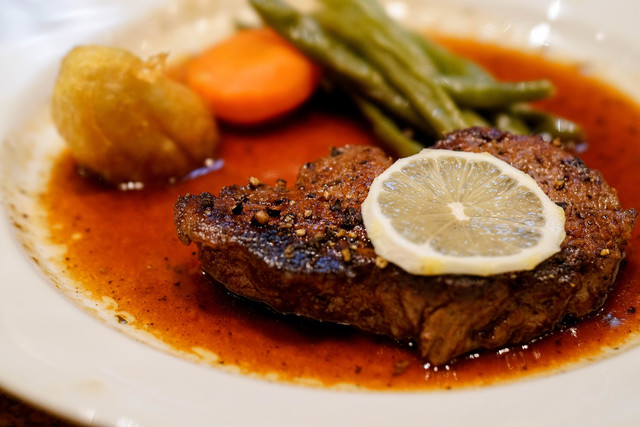
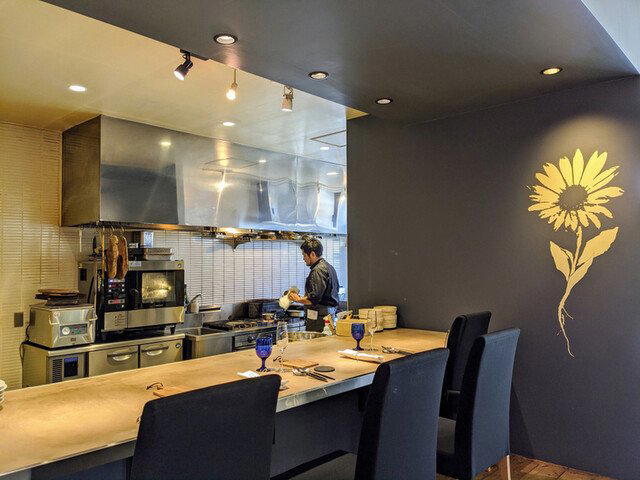
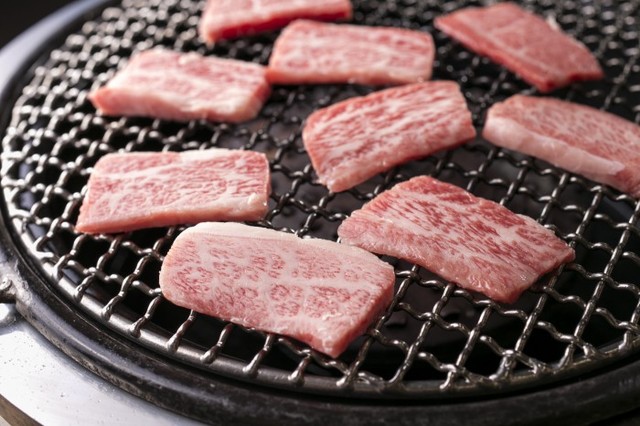
Hotels in ooshimachouterashima
Browse all →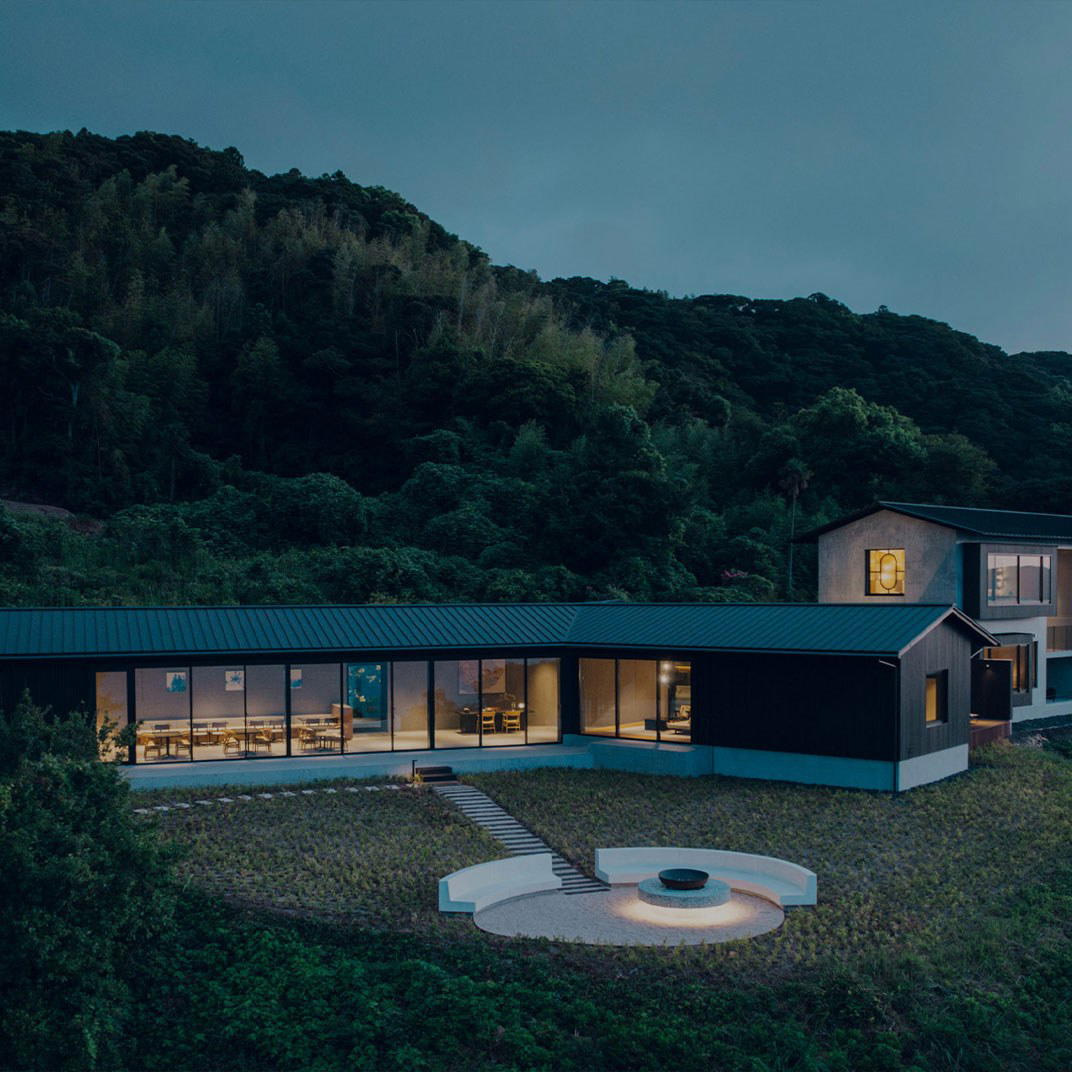
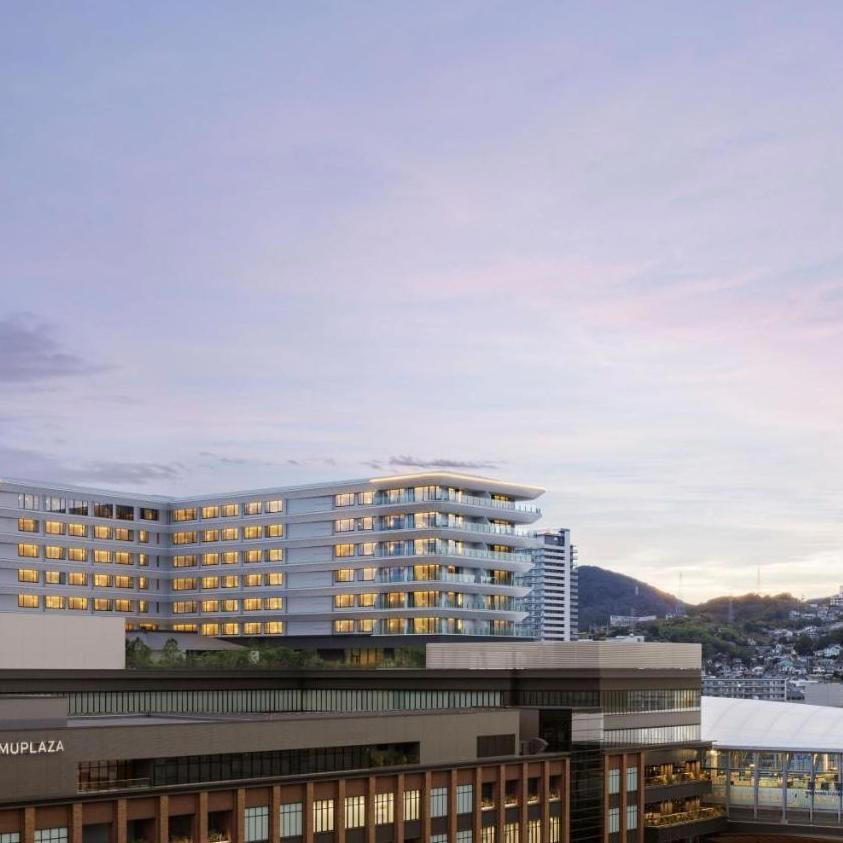
Wineries in ooshimachouterashima
Browse all →
At a Glance
- Scenic
- Cozy
- Romantic
- Rustic
- Intimate
- Date Night
- Special Occasion
- Business Dinner
- Group Dining
- Hotel Restaurant
- Waterfront
- Design Destination
- Extensive Wine List
- Local Sourcing
- Sustainable Seafood
- Waterfront
- Mountain
- Garden
Calm and homey with spacious seating, soft lighting, and a relaxed island atmosphere that feels more like a countryside inn dining room than a formal city restaurant.