Kürnachtalstuben Bei Vasili sits at the quieter western edge of Würzburg, where the city gives way to the Kürnach valley. The address alone signals a departure from the Old Town dining circuit. For those willing to travel a few kilometres beyond the Residenz, this is a neighbourhood-rooted address worth the detour.
Pearl is the En Primeur Club membership app — saves, bookings, and concierge access live there. Same editors, same standards.
- Address
- Weg zum Sportpl. 8, 97076 Würzburg, Germany
- Phone
- +4949931272154
- Website
- speisekartenweb.de
- Directions
- Get directions
 Saves & bookings on Pearl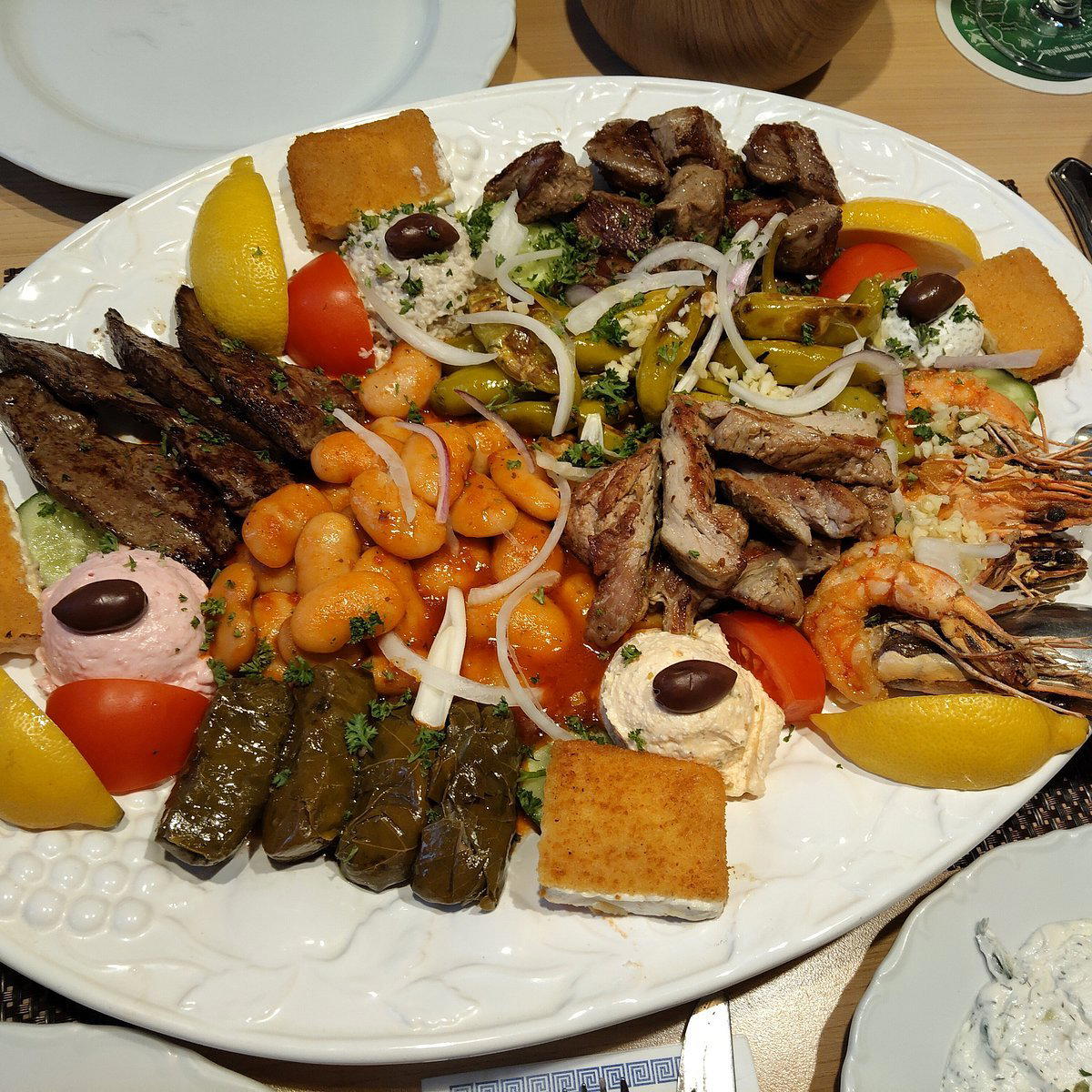
Where the City Ends and the Valley Begins
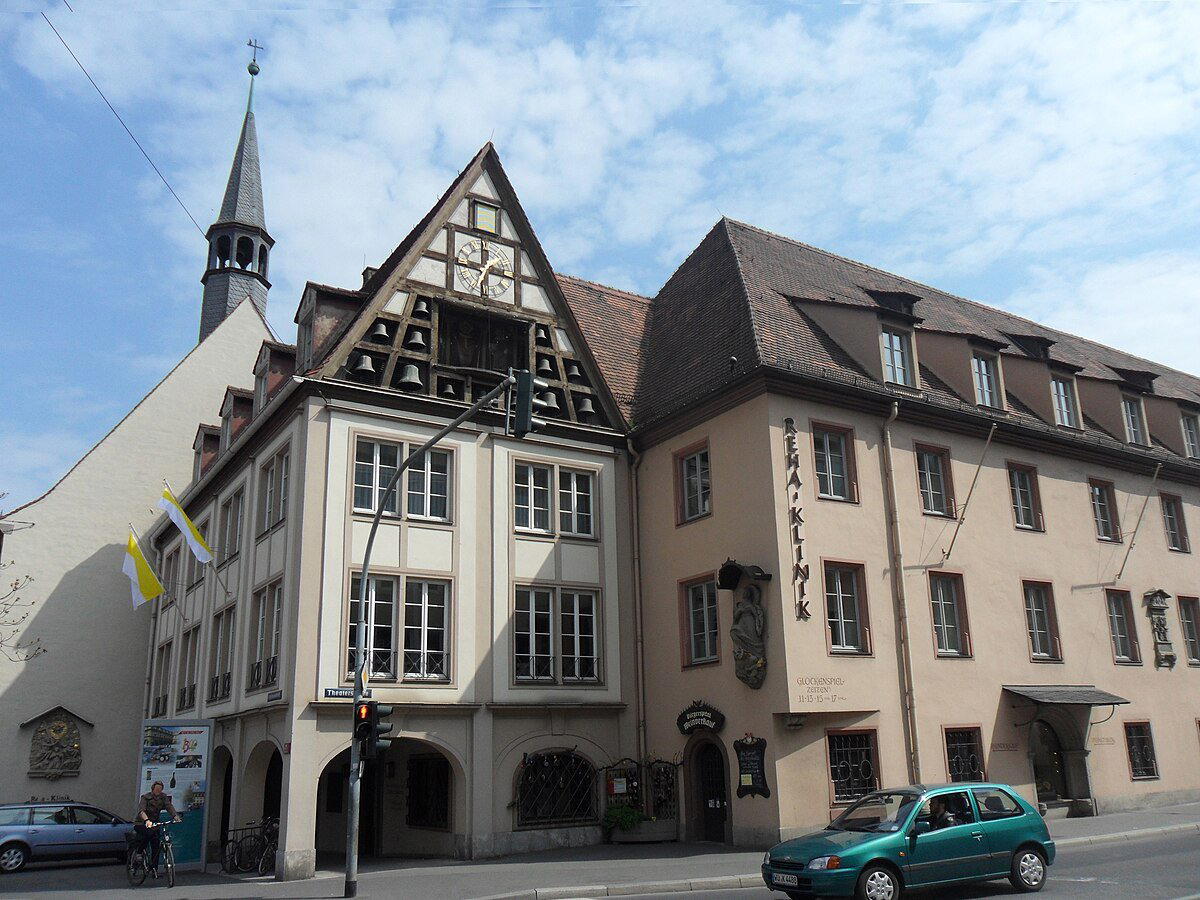
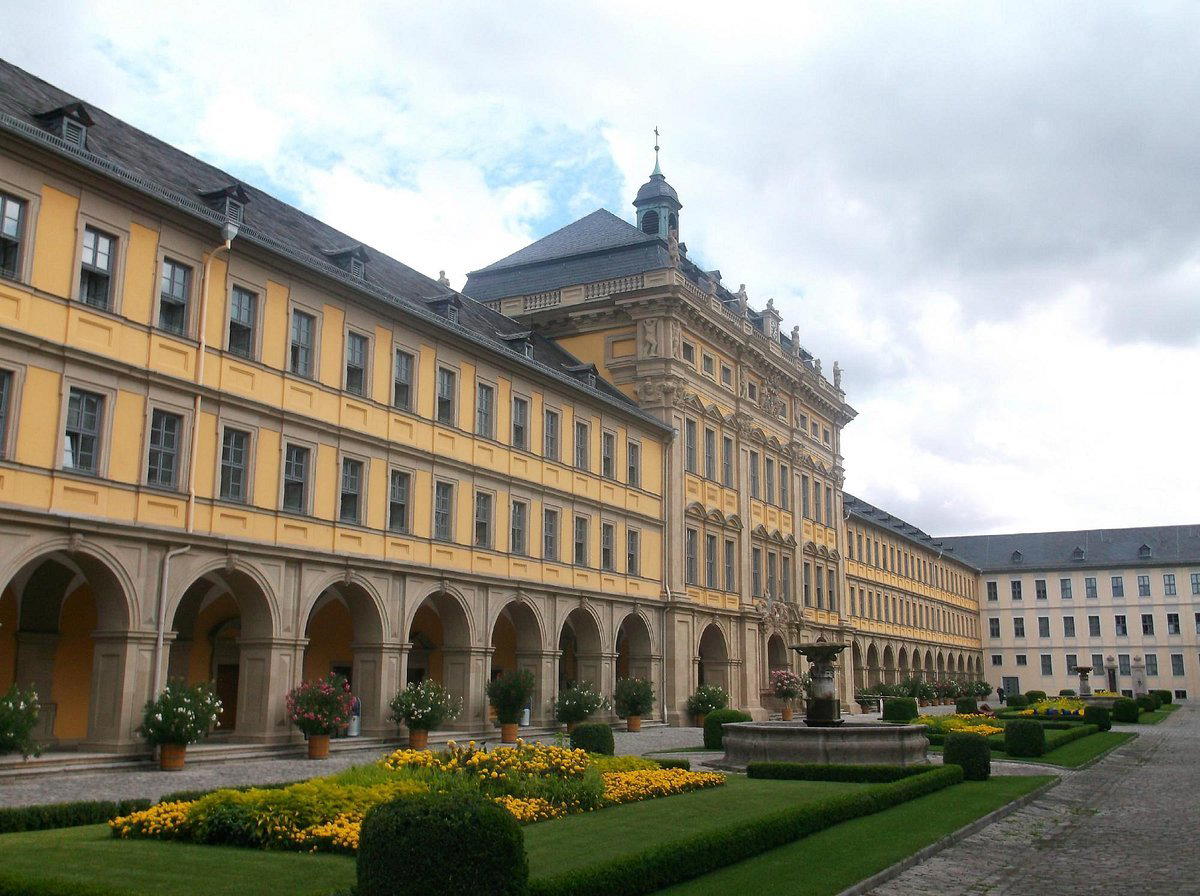
Würzburg's dining identity is shaped almost entirely by its baroque centre, the Residenz quarter, and the riverfront along the Main. Most visitors stay within that gravitational pull, moving between the wine-focused Weinstuben of the Juliuspromenade and the Central European brasseries that cluster around the old market. The western districts, where residential streets dissolve into agricultural land and the Kürnach tributary carves its own quiet corridor, occupy a different register entirely. Kürnachtalstuben Bei Vasili is a Greek-German restaurant in Würzburg, Germany, located on Weg zum Sportpl. It sits firmly outside the tourist-facing centre and inside the kind of neighbourhood where regulars, not visitors, set the tone.
That geography matters when framing what this venue is and who it serves. Restaurants in this peripheral ring of German provincial cities tend to operate on a logic of sustained local loyalty rather than foot traffic. The dining room has to earn its repeat visits through consistency and a sense of place, because the address itself does not market on its owner's behalf. The name references both the Kürnach valley setting and a personal designation, Vasili, suggesting a proprietorial kitchen rather than a corporate concept.
Sourcing in the Shadow of Franconian Wine Country
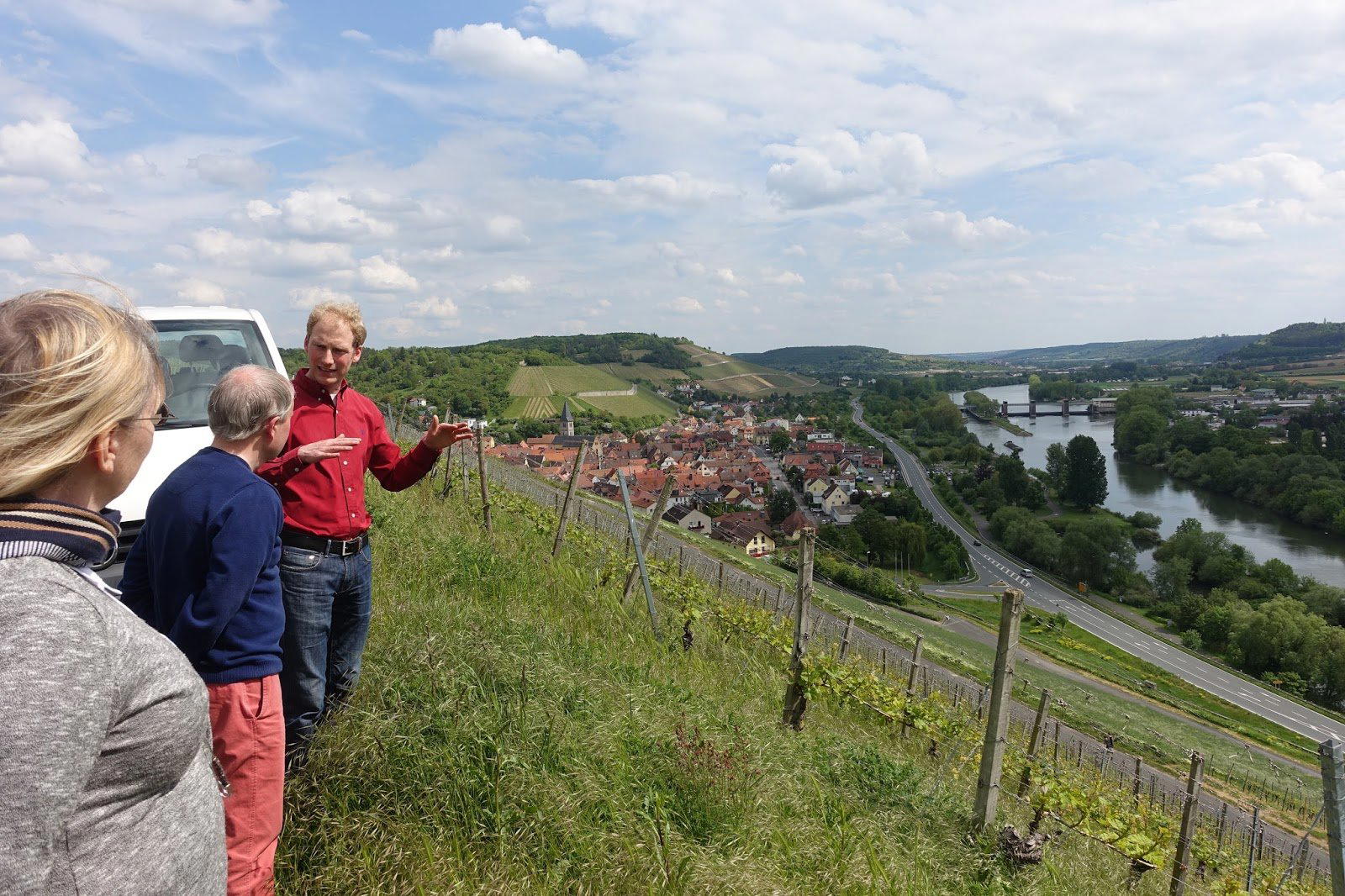
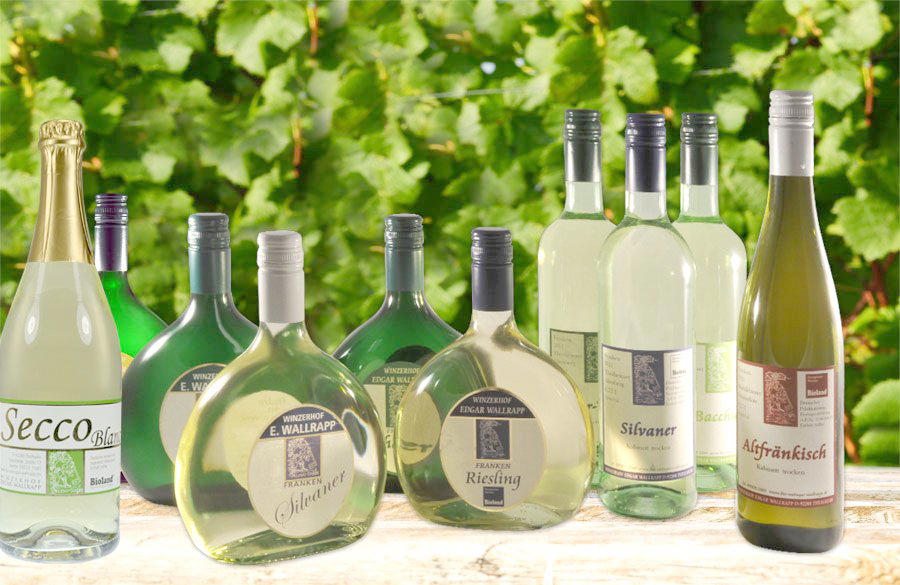
Würzburg sits at the northern edge of Franconia's wine corridor, one of the few German regions where Silvaner holds genuine prestige alongside Riesling. The agricultural hinterland around the city, particularly the villages stretching toward the Steigerwald and the Rhön hills to the north, has historically supplied urban kitchens with root vegetables, game, freshwater fish from the Main and its tributaries, and pork from small-scale producers. For a restaurant positioned at the valley edge, proximity to that supply network is structural rather than aspirational: the logistics of sourcing from nearby farms and butchers are simply shorter here than they would be for a venue in the city centre.
Franconian cuisine in this tradition tends to organise itself around preservation techniques, braised meats, cured preparations, and dishes that evolved to use every part of an animal or a seasonal harvest. The stuben format, a term denoting a warm, panelled dining room more intimate than a full Gasthof, historically supported this kind of cooking: portions calibrated for returning guests, preparations that reward unhurried eating, wine lists weighted toward local producers. The address, the format signal in the name, and the neighbourhood context all point in that direction. For German regional cooking rooted in Franconian sourcing traditions, venues like Steinburgs Restaurant in the city centre represent one end of the spectrum, while addresses like this one suggest a more grounded, locality-first approach.
Würzburg's Dining Spread: What the Comparison Set Tells You
The Würzburg restaurant scene covers a range of formats without reaching the density of Munich or Frankfurt. The city's size, around 130,000 residents, supports a viable independent dining culture without generating the competition pressure that drives rapid evolution in larger markets. That means the good addresses tend to be stable rather than trend-chasing, which suits a city whose identity is bound to its wine, its university, and its architecture rather than to any particular culinary movement.
Within that context, the comparison set is instructive. Bistro Mars and Kokono Restaurant Würzburg represent the more contemporary, centre-facing end of the local offer. Mera Tapas occupies a different category entirely, working a southern European format that sits outside the Franconian tradition. Steakhaus in der Bachgasse addresses a specific appetite for premium grilled proteins. Kürnachtalstuben Bei Vasili, positioned by name and address in the stuben register, would sit closest to the traditional Franconian end of the spectrum, the kind of address that German cities of this size often sustain quietly at their margins, serving a loyal constituency that values familiarity over novelty.
How This Fits into Germany's Regional Dining Picture
Germany's most decorated regional kitchens are concentrated in the southwest and in a handful of destination properties. Schwarzwaldstube in Baiersbronn and Waldhotel Sonnora in Dreis represent the formal, award-bearing tier of German regional cooking. Vendôme in Bergisch Gladbach, Victor's Fine Dining by Christian Bau in Perl, and ES:SENZ in Grassau operate in similarly high-recognition territory. Restaurant Haerlin in Hamburg and Schanz in Piesport illustrate how different German regions anchor prestige dining to local wine identity. Further afield, Aqua in Wolfsburg and JAN in Munich show what the country's highest-recognition urban rooms look like at the moment.
Kürnachtalstuben Bei Vasili does not occupy that tier. The stuben format exists for a different purpose: to serve its immediate community with cooking that reflects the surrounding landscape and its seasonal supply, at a pace and price point accessible to the people who live nearby. Germany has lost a significant share of these addresses over the past two decades as rural dining economics tightened, which makes the surviving examples worth acknowledging.
For comparison on the format innovation side of the German spectrum, CODA Dessert Dining in Berlin shows how far the country's metropolitan kitchens have moved from the stuben tradition. And internationally, the tasting-menu precision of Le Bernardin in New York City or the course-by-course rigour of Atomix in New York City illustrate how different the ambitions and resources of formal fine dining are from what a neighbourhood stuben is designed to deliver.
Planning Your Visit
The restaurant is located at Weg zum Sportpl. 8 in the 97076 district of Würzburg, a postal area covering the western residential periphery of the city. Visitors arriving from the main railway station or the historic centre should expect a journey of several kilometres, most practically managed by car or taxi rather than on foot. Opening hours are Monday 5 to 11 PM, Tuesday closed, Wednesday 5 to 11 PM, Thursday through Sunday 11 AM to 2 PM and 5 to 11 PM. Reservations are recommended. Booking ahead is recommended for any visit.
How It Stacks Up
Comparable venues nearby, for context on price, style, and recognition.
| Venue | Cuisine | Price | Awards | Notes |
|---|---|---|---|---|
| Kürnachtalstuben Bei VasiliThis venue — the venue you are viewing | Greek-German | $$ | Not listed | Not listed |
| Mera Tapas | Authentic Spanish Tapas | $$ | Not listed | Altstadt |
| Kokono Restaurant Würzburg | Pan-Asian Sushi & Wok | $$ | Not listed | City Center |
| Alte Mainmühle | Franconian German | $$$ | Not listed | Alte Mainbrücke |
| Aifach Reisers | Modern Seasonal European | $$$ | Michelin Plate | Marktplatz |
| Steinburgs Restaurant | Modern German Fine Dining | $$$ | Not listed | Würzburger Stein |

At a Glance
- Cozy
- Rustic
- Family
- Group Dining
- Casual Hangout
- Terrace
Current opening hours
- Monday
- 5–11 PM
- Tuesday
- Closed
- Wednesday
- 5–11 PM
- Thursday
- 11 AM–2 PM, 5–11 PM
- Friday
- 11 AM–2 PM, 5–11 PM
- Saturday
- 11 AM–2 PM, 5–11 PM
- Sunday
- 11 AM–2 PM, 5–11 PM
Hours can change for holidays and private events. Last verified .
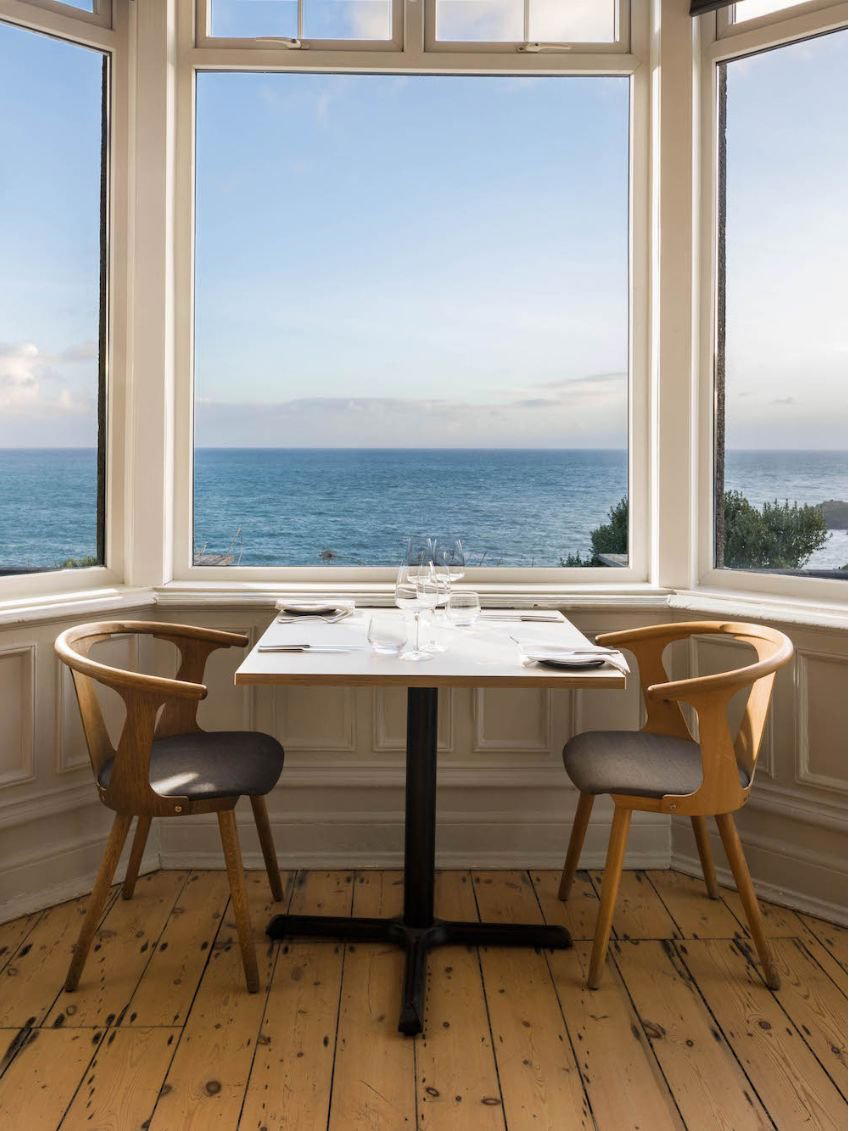
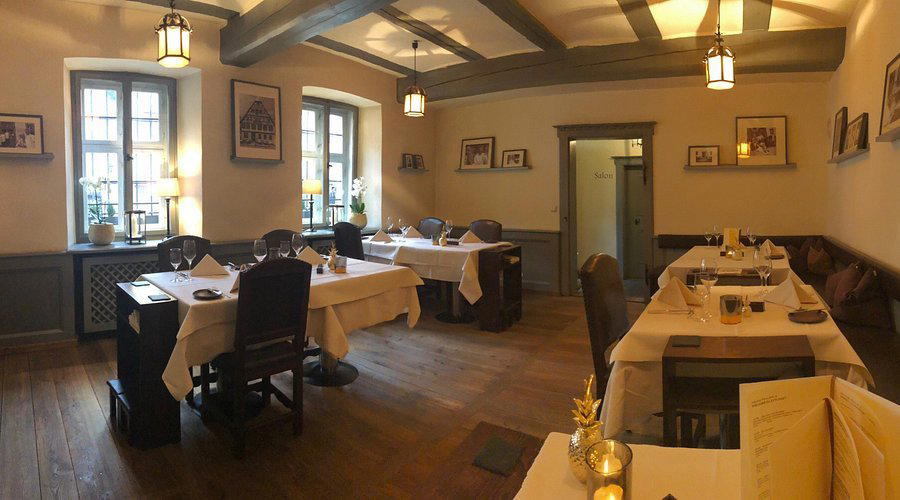
Gemütlich (cozy) with hearty, heartfelt service and terrace seating.