
Alte Mainmühle occupies a historic mill building on the banks of the Main in Würzburg, recognised by Star Wine List with a White Star for the depth of its wine program. The restaurant sits within a city whose vineyards, classified under Franconian wine tradition, run almost to the old town walls, making provenance a live consideration rather than a marketing footnote. For wine-driven dining on the Main, it earns serious attention.
Pearl is the En Primeur Club membership app — saves, bookings, and concierge access live there. Same editors, same standards.
- Address
- Mainkai 1, 97070 Würzburg, Germany
- Phone
- +49 931 16777
- Website
- alte-mainmuehle.de
- Directions
- Get directions
 Saves & bookings on Pearl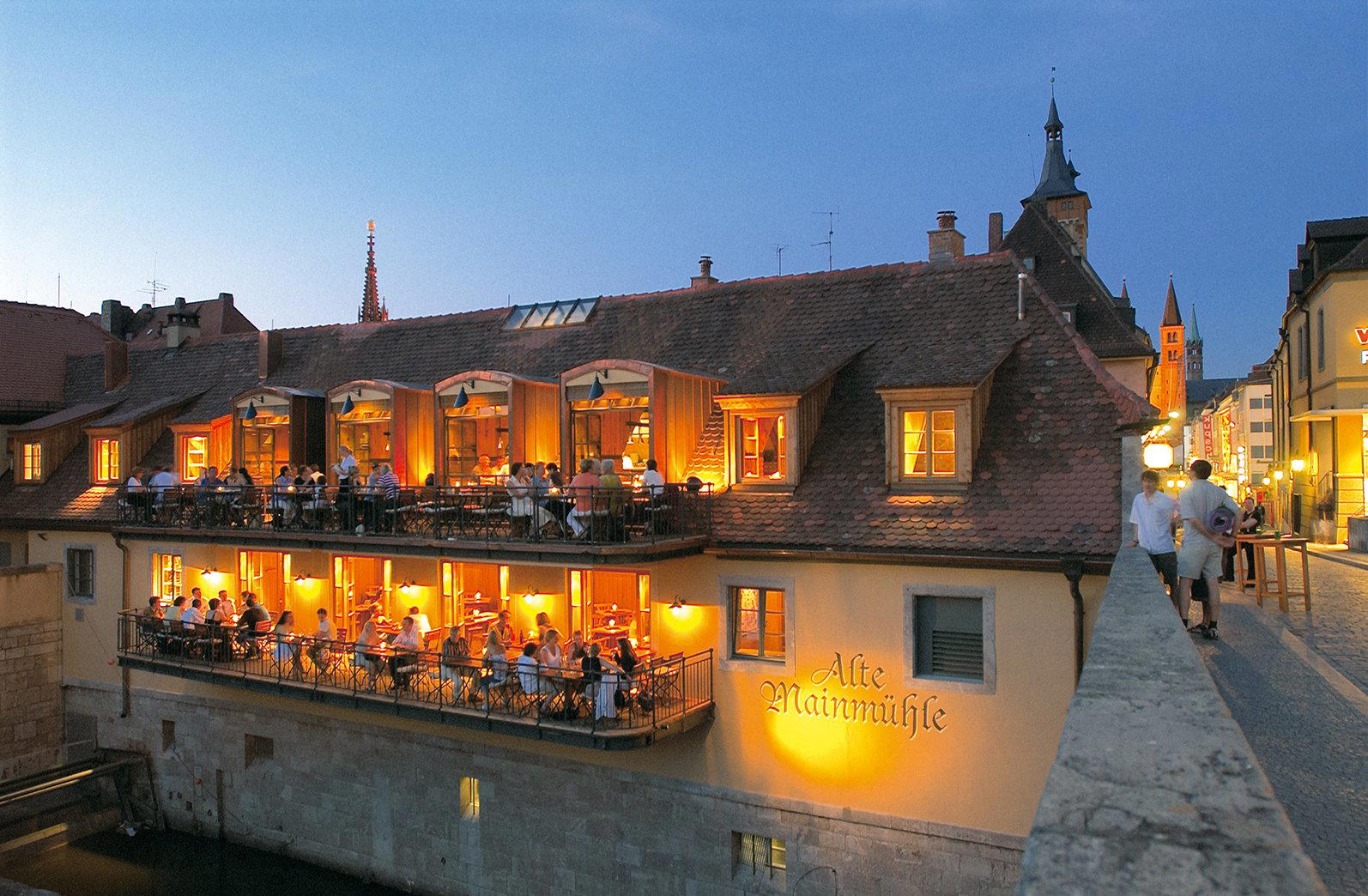
Where the River and the Vineyard Meet the Plate
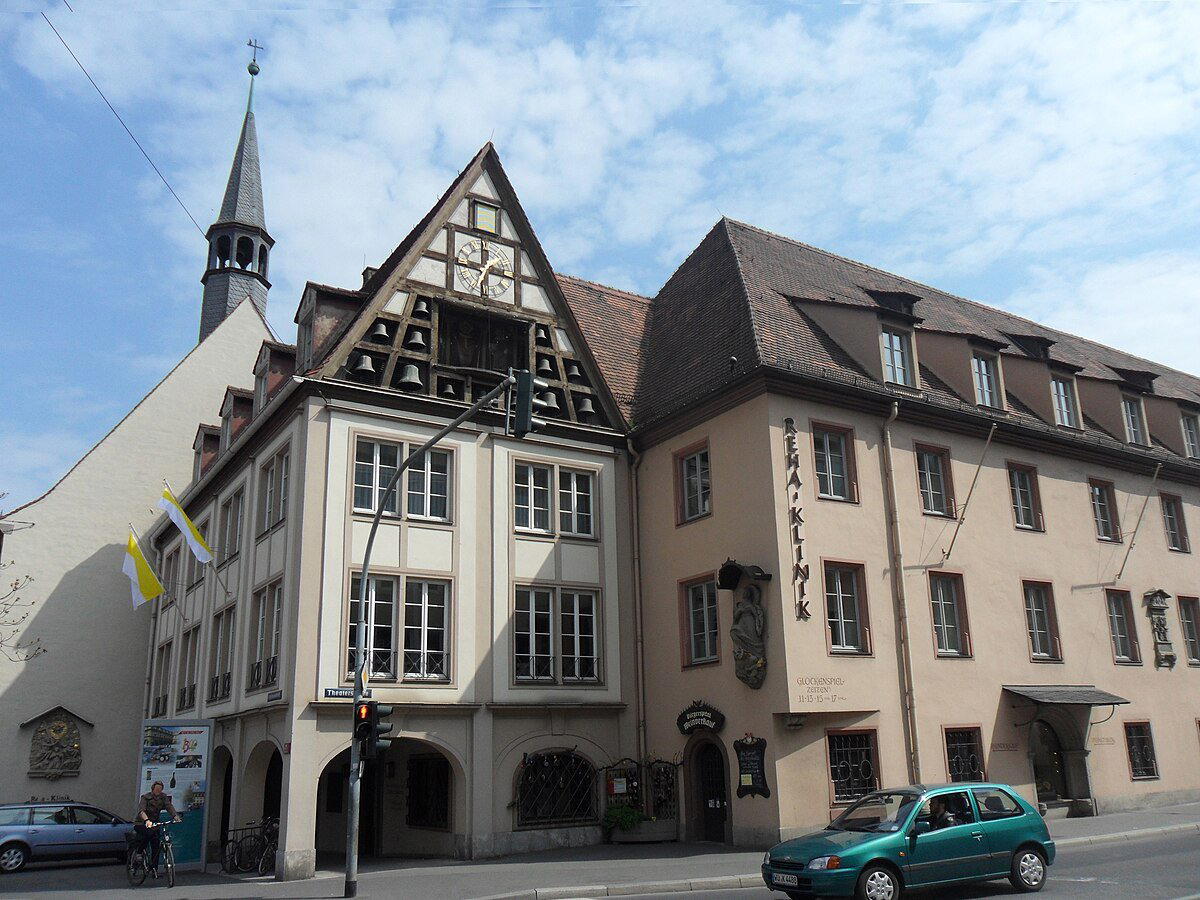
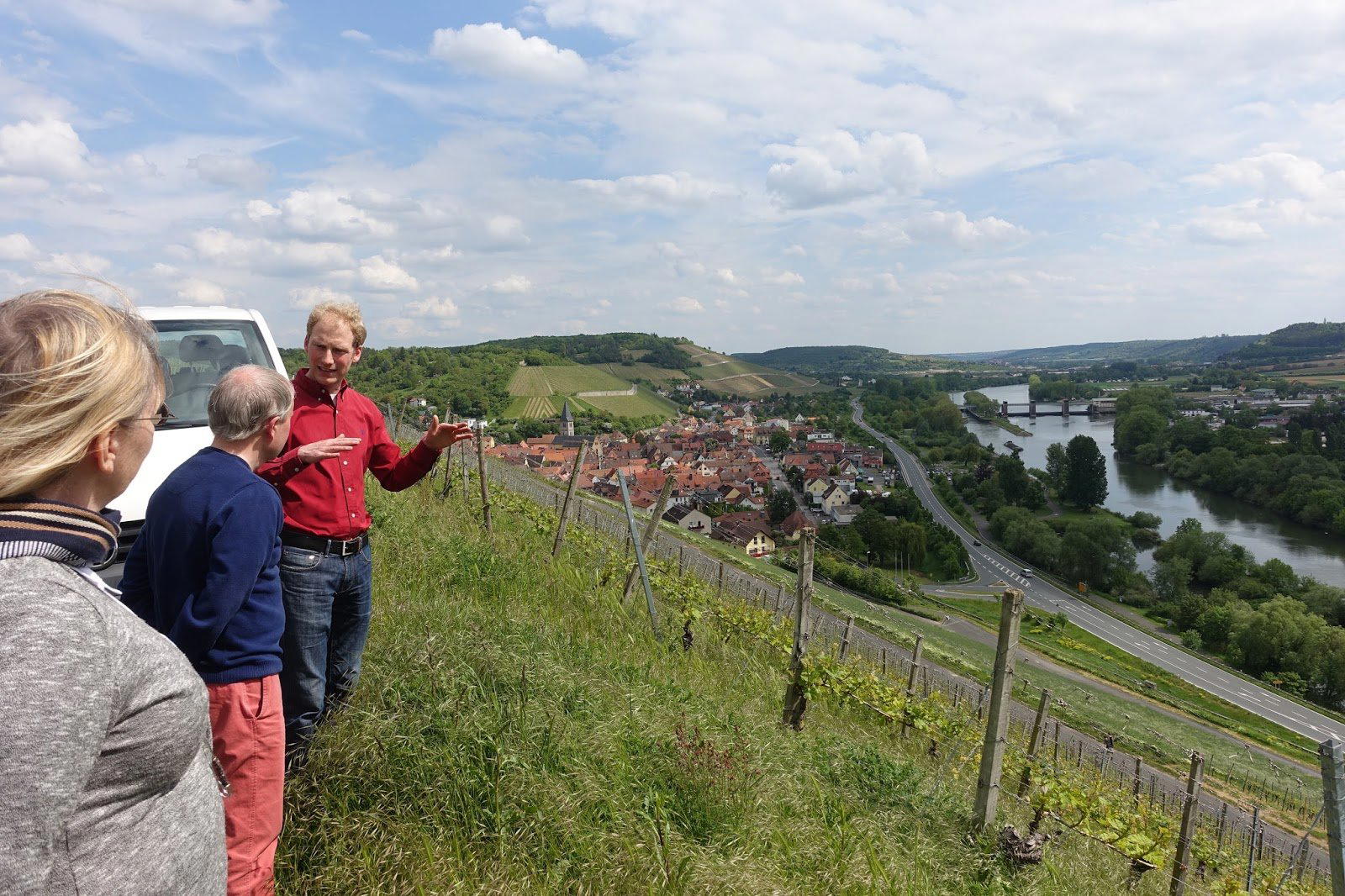
Würzburg is a city where the relationship between food, wine, and geography is compressed into an unusually small radius. The Main river divides the old town from the Marienberg fortress; the Würzburger Stein vineyard, one of Germany's most historically significant single sites, rises directly above the western bank. A restaurant on the Mainkai is not simply well-positioned for views. It sits at the intersection of two logistical realities: river trade that historically defined the city's pantry, and vineyard proximity that makes Franconian Silvaner and Müller-Thurgau less a regional curiosity and more the obvious table wine. Alte Mainmühle, occupying a converted mill at Mainkai 1, inherits that geography directly.
Star Wine List awarded Alte Mainmühle a White Star in December 2021. That recognition signals a wine list of genuine quality and curation. In Würzburg, where the wine context is as serious as anywhere in Germany, that credential carries weight.
Franconian Provenance as the Underlying Logic
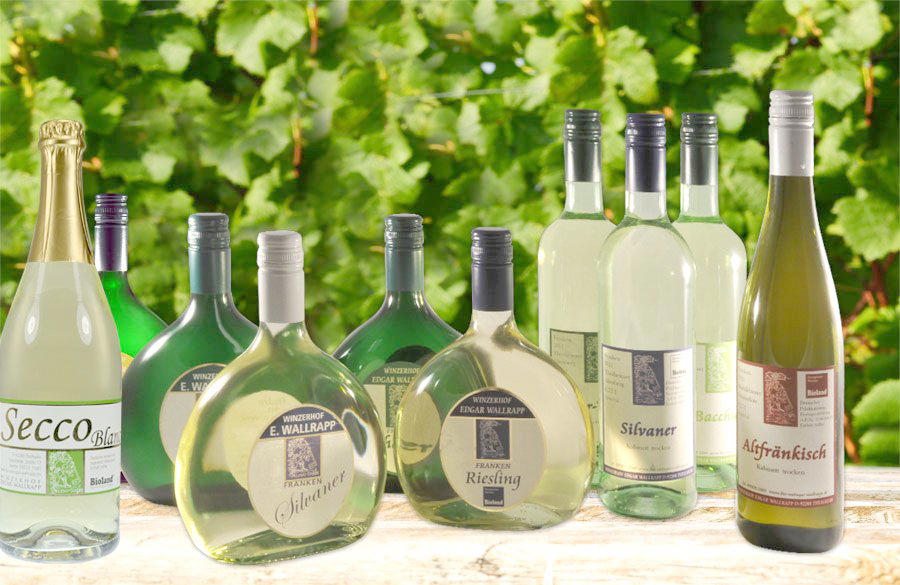
German wine geography shapes what ends up on the table in ways that rarely apply elsewhere in Europe. Franconia, the region surrounding Würzburg, is a cool continental climate producing wines with a mineral austerity that pairs differently from Rhenish or Baden styles. The characteristic Bocksbeutel bottle, legally protected for most Franconian Qualitätswein, is one signal of regional identity; the dry, earthy Silvaner that dominates the better sites is another. A restaurant on the Main riverbank that holds a Star Wine List White Star is, by implication, taking that local wine tradition seriously as a pairing framework rather than treating it as an afterthought.
The same logic applies to food sourcing in this part of Germany. Franconia's agricultural hinterland, the Main valley, the Steigerwald, and the Rhön uplands to the north, supplies a larder distinct from Bavaria to the south or Rhineland-Palatinate to the west. Carp from Main-adjacent fisheries, asparagus from the sandy soils around the valley, game from the Steigerwald forests: these are the ingredients that define what regional cooking in this corridor has historically meant. Restaurants that take sourcing seriously in Würzburg work from this pantry as a baseline. That editorial angle, ingredient origin as the organising principle of a menu, is the frame through which Alte Mainmühle's Star Wine List recognition becomes most legible: the wine list and the kitchen are, at their most coherent, expressions of the same geography.
Among Würzburg's current restaurant set, the price and ambition spectrum runs from tightly seasonal, mid-range operations like Aifach Reisers to high-end creative formats like KUNO 1408 and MiZAR. Alte Mainmühle's positioning within that set is informed by its wine credentials and its mill-building setting, both of which point toward a dining experience rooted in place rather than contemporary technique for its own sake. Across Germany, the restaurants that have built durable reputations on sourcing and regional specificity, from Schanz in Piesport along the Moselle to ES:SENZ in Grassau in the Chiemgau foothills, tend to share a willingness to let geography set the agenda. Alte Mainmühle's riverside address makes that kind of rootedness a structural given rather than a stylistic choice.
The Mill Setting and What It Signals
Converted historic buildings carry a particular editorial risk: the architecture becomes the story and the food becomes a prop. The better version of that proposition inverts the relationship, treating the building's age and materiality as evidence of continuity with the landscape rather than as decoration. A mill on the Main river existed to process grain from the surrounding agricultural region. That functional history, when a restaurant occupies the space with any seriousness about sourcing, creates a legible through-line between past and present use of the building.
The physical approach from the Mainkai promenade puts the Main at your back and the old town ahead. The mill structure itself sits between river and city, which is precisely where a Franconian kitchen operating with regional intent should be: between the water-sourced ingredients of the valley and the cellars of a wine city that has been trading its bottles across Europe since the medieval period.
Würzburg in the Broader German Dining Conversation
Germany's most-discussed restaurant tables have long concentrated in Munich, Berlin, Hamburg, and the spa-town corridor of Baden-Württemberg. Operations like Aqua in Wolfsburg, JAN in Munich, Schwarzwaldstube in Baiersbronn, CODA Dessert Dining in Berlin, Vendôme in Bergisch Gladbach, and Restaurant Haerlin in Hamburg occupy the award-dense upper tier. Würzburg has historically sat outside that concentrated spotlight, which has kept its dining culture more focused on Franconian identity than on chasing broader recognition. That insularity, where it exists, tends to produce restaurants with cleaner provenance logic and less pressure to perform for an international audience.
The Star Wine List White Star designation for Alte Mainmühle is known to serious wine travelers and relevant to the wine-pairing conversation. For visitors arriving in Würzburg from further afield, whether wine-focused or simply oriented toward regional food traditions, Alte Mainmühle's position on the Mainkai, inside a building with direct historical ties to the valley's agricultural economy, makes it a logical starting point for understanding what Franconian dining at its most grounded actually tastes like.
Reservations are recommended. Würzburg itself is manageable on foot within the old town, and the Mainkai runs along the river edge as a natural approach route from the old town centre.
Side-by-Side Snapshot
Comparable venues nearby, for context on price, style, and recognition.
| Venue | Cuisine | Price | Awards | Notes |
|---|---|---|---|---|
| Alte MainmühleThis venue — the venue you are viewing | Franconian German | $$$ | Not listed | Not listed |
| Bistro Mars | Seasonal German Bistro | $$$ | Not listed | Mainviertel |
| Steinburgs Restaurant | Modern German Fine Dining | $$$ | Not listed | Würzburger Stein |
| Kokono Restaurant Würzburg | Pan-Asian Sushi & Wok | $$ | Not listed | City Center |
| Aifach Reisers | Modern Seasonal European | $$$ | Michelin Plate | Marktplatz |
| Steakhaus in der Bachgasse | Classic German Steakhouse | $$$$ | Not listed | Altstadt |
Recognition history
Dated appearances from independent guides and award organizations, with the underlying list record or original source where available.
Star Wine List
Star Wine List

At a Glance
- Classic
- Rustic
- Scenic
- Elegant
- Date Night
- Special Occasion
- Business Dinner
- Historic Building
- Waterfront
- Terrace
- Open Kitchen
- Extensive Wine List
- Local Sourcing
- Waterfront
- Street Scene
Current opening hours
- Monday
- 11 AM–11 PM
- Tuesday
- 11 AM–11 PM
- Wednesday
- 11 AM–11 PM
- Thursday
- 11 AM–11 PM
- Friday
- 11 AM–11 PM
- Saturday
- 11 AM–11 PM
- Sunday
- 11 AM–11 PM
Hours can change for holidays and private events. Last verified .
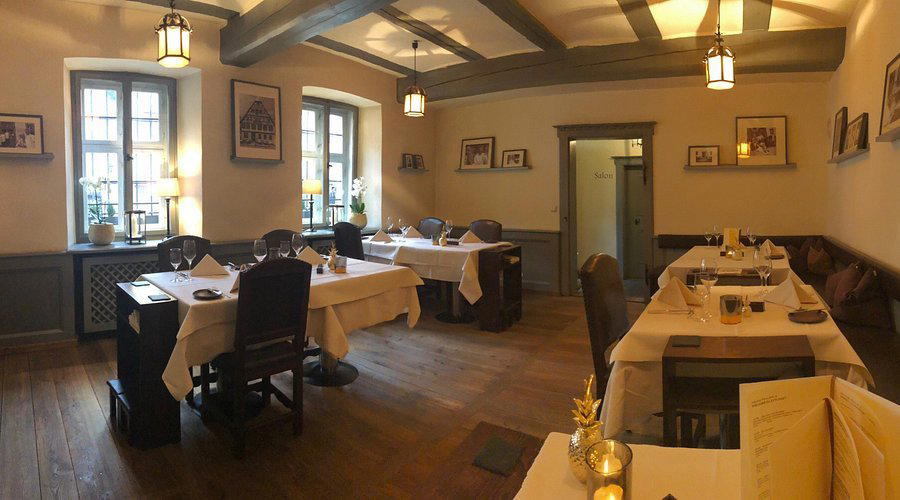
Restored historic building with attention to detail, scenic terrace overlooking the Main River and fortress, cozy interior marred occasionally by grill smoke.