On a quiet lane running off Würzburg's medieval core, Steakhaus in der Bachgasse occupies the kind of address that rewards those who know the city's side streets. The kitchen centres on grilled meat, placing it within a small but consistent tier of dedicated steakhouses that operate apart from Franconia's wine-tavern majority. For visitors working through Würzburg's dining options, it offers a direct counterpoint to the region's pork-and-schnitzel defaults.
Pearl is the En Primeur Club membership app — saves, bookings, and concierge access live there. Same editors, same standards.
- Address
- Bachgasse 6, 97070 Würzburg, Germany
- Phone
- +494993155050
- Website
- steakhaus-bachgasse.com
- Directions
- Get directions
 Saves & bookings on Pearl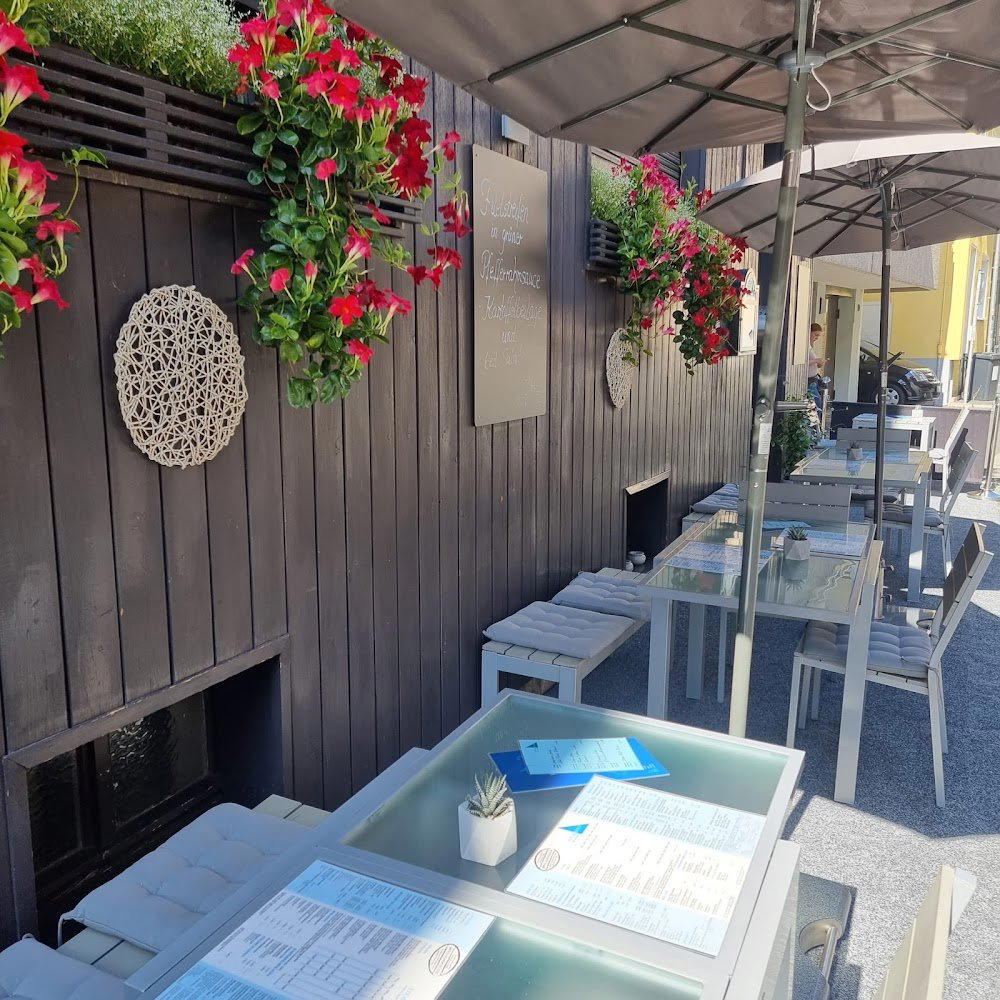
A Lane, a City, and the Case for Meat-Forward Dining in Franconia
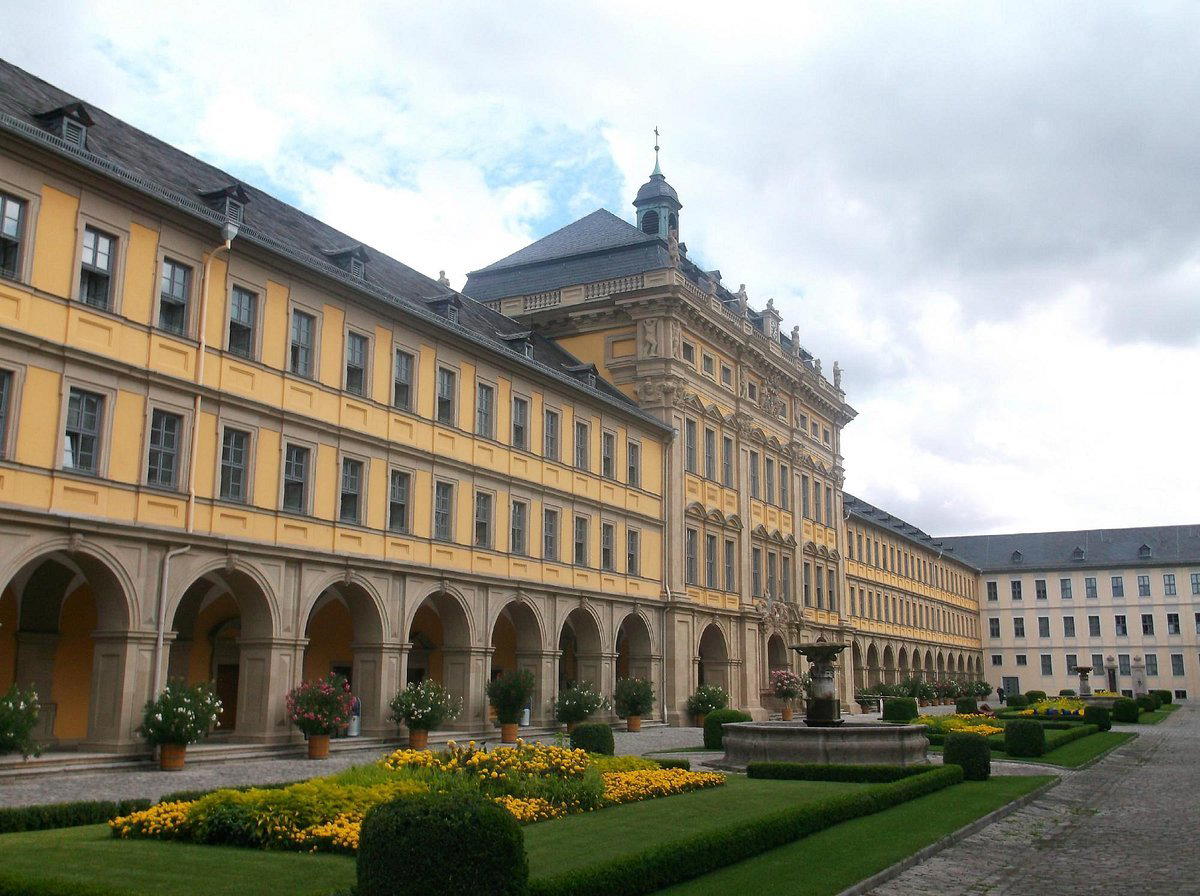
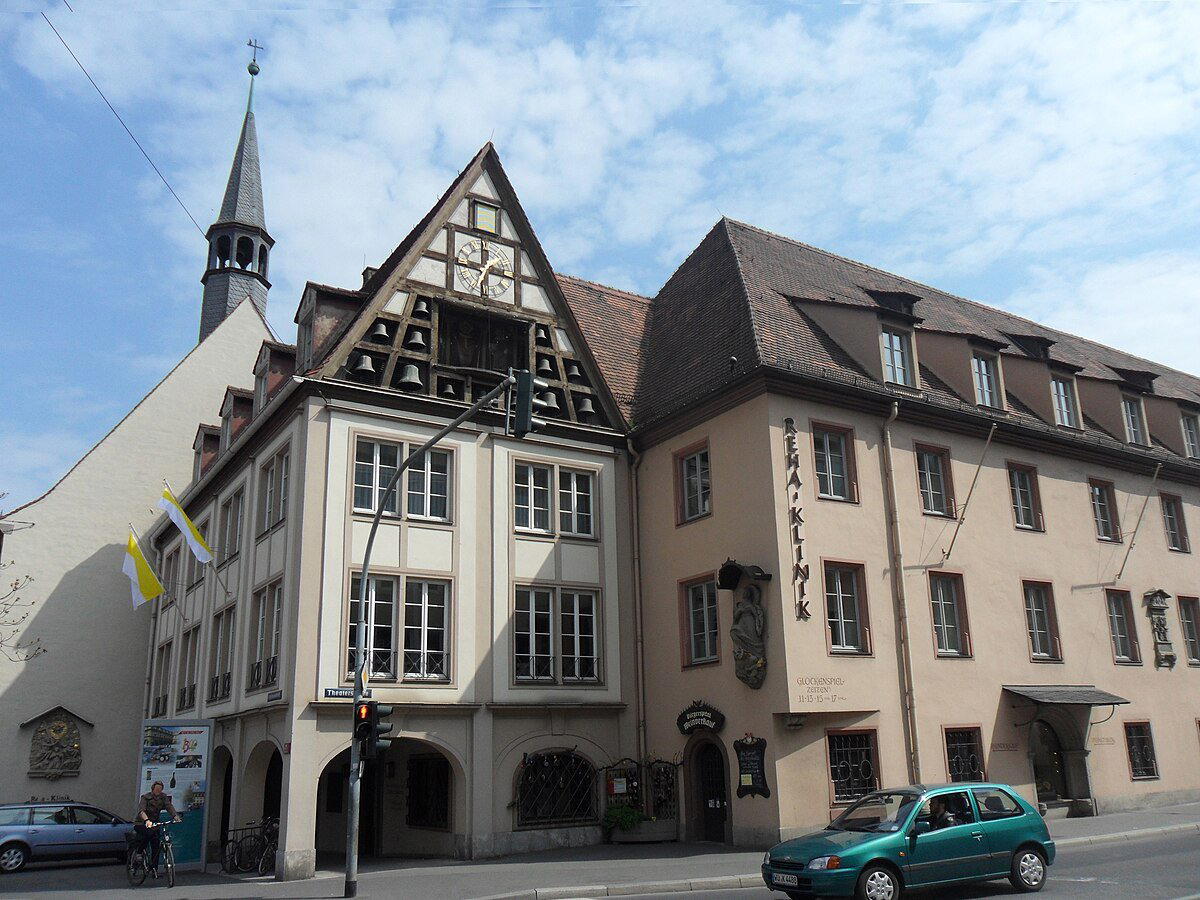
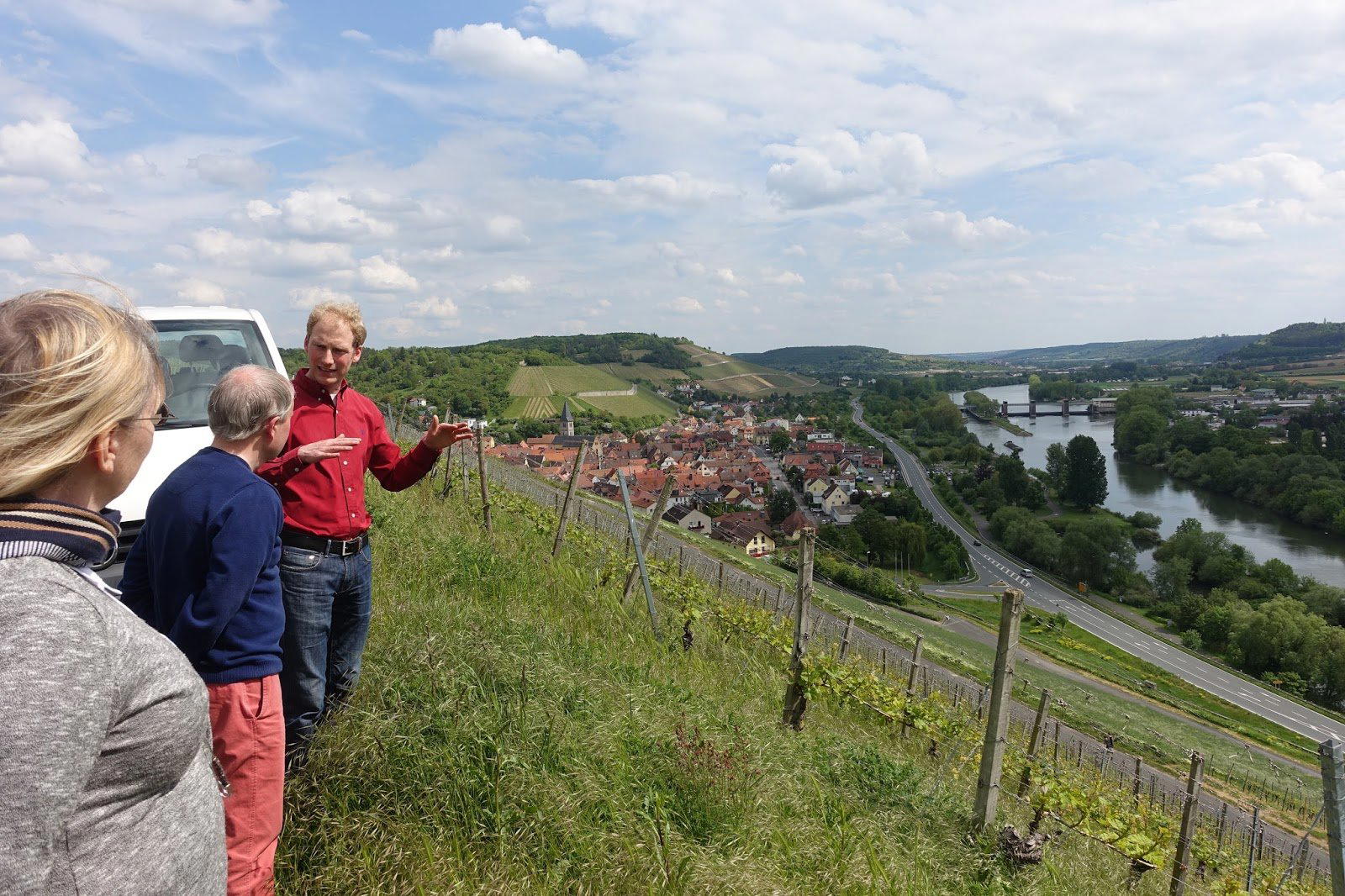
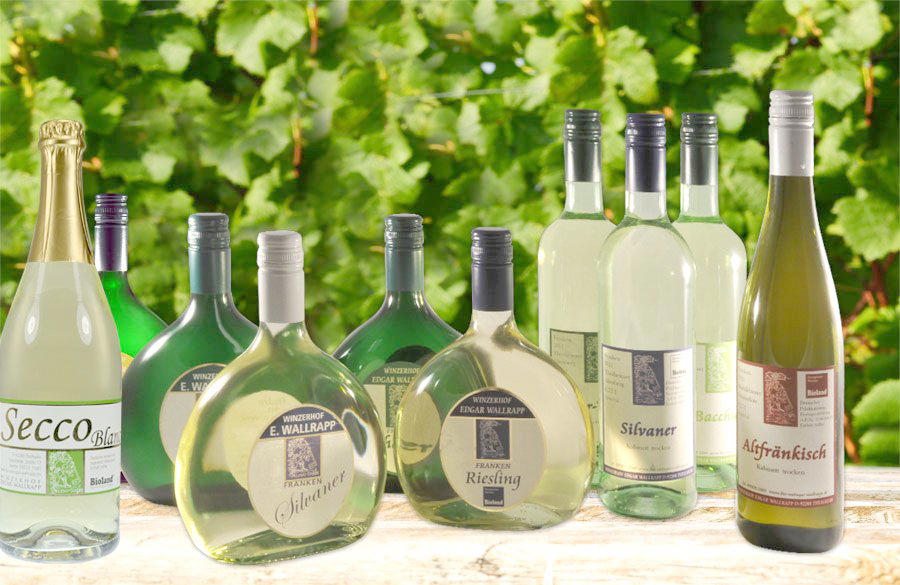
Würzburg is a wine city first. The Juliusspital and Bürgerspital estates press Silvaner and Riesling from steep Main Valley vineyards, and the dining culture that has grown around those wines leans toward Franconian classics: braised meats, dumplings, cold-cut boards served under the stone vaults of old hospital cellars. Against that dominant mode, a dedicated steakhouse occupying a medieval lane in the Altstadt represents a deliberate departure. Bachgasse 6 sits within walking distance of the Alte Mainbrücke, the bridge that has served as Würzburg's social centre for centuries, and the address places Steakhaus in der Bachgasse inside the city's most historically dense quarter, where restaurant foot traffic runs high and competition for attention is correspondingly intense.
The geography matters more than it might in a larger city. Würzburg's old town is compact enough that a five-minute walk separates most of its significant restaurants, which means the dining population concentrates rather than disperses. A steakhouse in the Bachgasse is not competing with venues in a different neighbourhood; it is competing with everything the inner city offers, from the wine-forward formats at Kürnachtalstuben Bei Vasili to the broader European range at Bistro Mars. Within that field, a focused meat programme occupies a specific and not overcrowded position.
Where Steakhouses Fit in Germany's Mid-City Dining Order
Across German cities of comparable size to Würzburg, the steakhouse category tends to split between two operational models. The first is the international chain or chain-adjacent format, where consistency and throughput take priority. The second is the independent address with a tighter focus, often built around sourcing relationships with regional or European producers and a menu that changes less by season than by availability. The latter format works well in cities where the dining public has developed enough literacy around provenance and cut to make the conversation around meat worth having. Würzburg, as a university city with a relatively mobile and outward-looking population, represents reasonable ground for that second model.
For context on what high-commitment meat cooking looks like at the upper end of the German market, it is worth noting how differently the category plays at starred level. Operations like Aqua in Wolfsburg or JAN in Munich embed animal protein within tasting-menu frameworks that bear little resemblance to a steakhouse format. At the other pole, venues like Schwarzwaldstube in Baiersbronn and Waldhotel Sonnora in Dreis operate in the Michelin-weighted fine dining tier where the steak is one element within a larger seasonal argument. A dedicated steakhouse sits in neither of those spaces; it occupies a more direct, less conceptually mediated position where the protein and its preparation are the explicit point rather than a component in a broader editorial statement.
That distinction is not a criticism. The steakhouse format at its leading offers something the tasting-menu circuit does not: legibility. The diner knows what they are ordering, the kitchen knows what it is being judged on, and the transaction is clear on both sides. Germany's most talked-about fine dining addresses, from Vendôme in Bergisch Gladbach to CODA Dessert Dining in Berlin, operate on the opposite principle, where narrative and surprise are part of the offer. The steakhouse trades those qualities for directness, which suits a portion of the dining public that approaches restaurants as a place to eat well rather than to be educated.
The Bachgasse Address and What It Signals
In Würzburg's inner city, address carries meaning. The lanes running between the market square and the Main riverfront contain some of the city's longest-operating restaurants, venues that have survived the various pressures on mid-city dining by maintaining local regulars alongside visitor trade. A steakhouse on Bachgasse positions itself within that fabric, drawing on the foot traffic generated by proximity to the river and the tourist circuit while also serving the local population that lives and works in the old town.
That dual audience creates a specific kind of operating pressure. Visitor trade rewards name recognition and accessibility; local regulars reward consistency and value. The venues that manage both successfully in Würzburg tend to maintain a clear identity rather than trying to be many things at once. Compared with the tapas-inflected international format at Mera Tapas or the more broadly European approach at Kokono Restaurant Würzburg, a steakhouse that commits to a single protein focus represents a deliberate narrowing of scope that, when executed with consistency, generates its own loyalty.
For anyone building a multi-night itinerary around Würzburg's dining options, the complete picture is available through our full Würzburg restaurants guide, which maps the city's options across format, price tier, and neighbourhood. Steakhaus in der Bachgasse fits within that map as the clearest dedicated meat option in the Altstadt, relevant for evenings when the wine-tavern circuit feels too familiar or when the table wants protein rather than Franconian tradition.
Planning Your Visit
The Bachgasse address is accessible on foot from most of Würzburg's central accommodation, with the Alte Mainbrücke a short walk in one direction and the market square in the other. Reservations are recommended, particularly on weekend evenings when the old town's combined visitor and local population fills the available covers quickly. Current hours, booking contacts, and any seasonal changes to the menu are best confirmed directly with the venue before arrival. Those visiting Würzburg as part of a wider Franconian or Bavarian itinerary may find it useful to calibrate expectations against starred options elsewhere in the region before or after: ES:SENZ in Grassau, Schanz in Piesport, and Steinburgs Restaurant within Würzburg itself offer reference points at different price levels.
The Quick Read
Comparable venues nearby, for context on price, style, and recognition.
| Venue | Cuisine | Price | Notes |
|---|---|---|---|
| Steakhaus in der BachgasseThis venue — the venue you are viewing | Altstadt, Classic German Steakhouse | $$$$ | Not listed |
| Alte Mainmühle | Alte Mainbrücke, Franconian German | $$$ | Not listed |
| Mera Tapas | Altstadt, Authentic Spanish Tapas | $$ | Not listed |
| Kokono Restaurant Würzburg | City Center, Pan-Asian Sushi & Wok | $$ | Not listed |
| Steinburgs Restaurant | Not listed | $$$ | Würzburger Stein, Modern German Fine Dining |
| Bistro Mars | Mainviertel, Seasonal German Bistro | $$$ | Not listed |
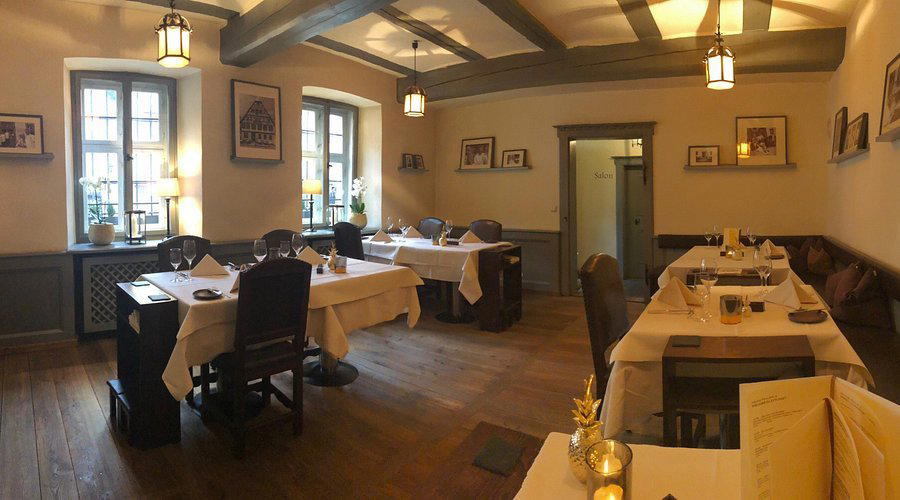
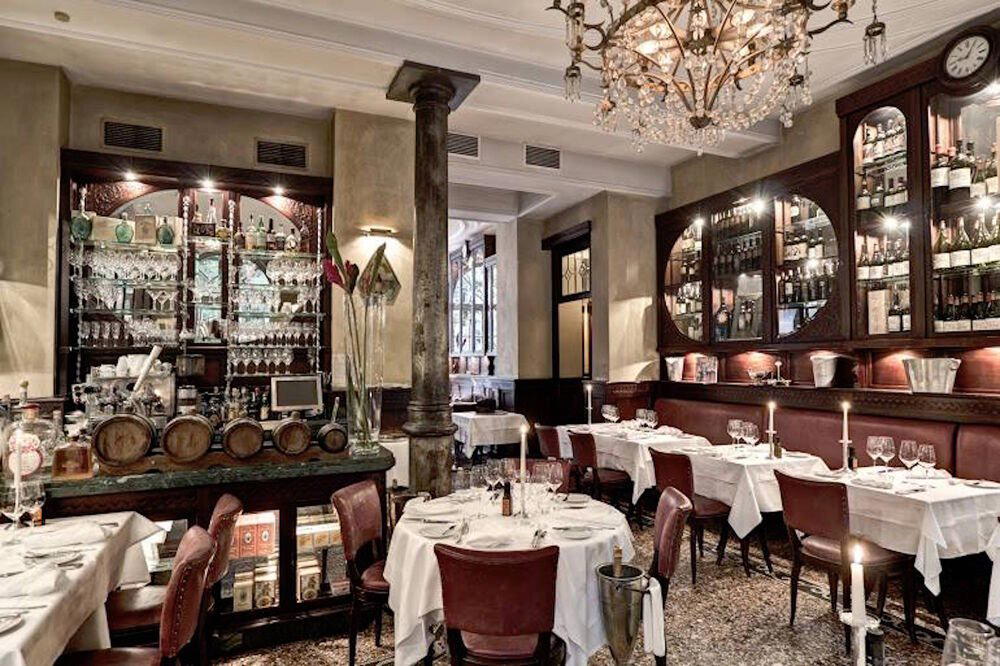
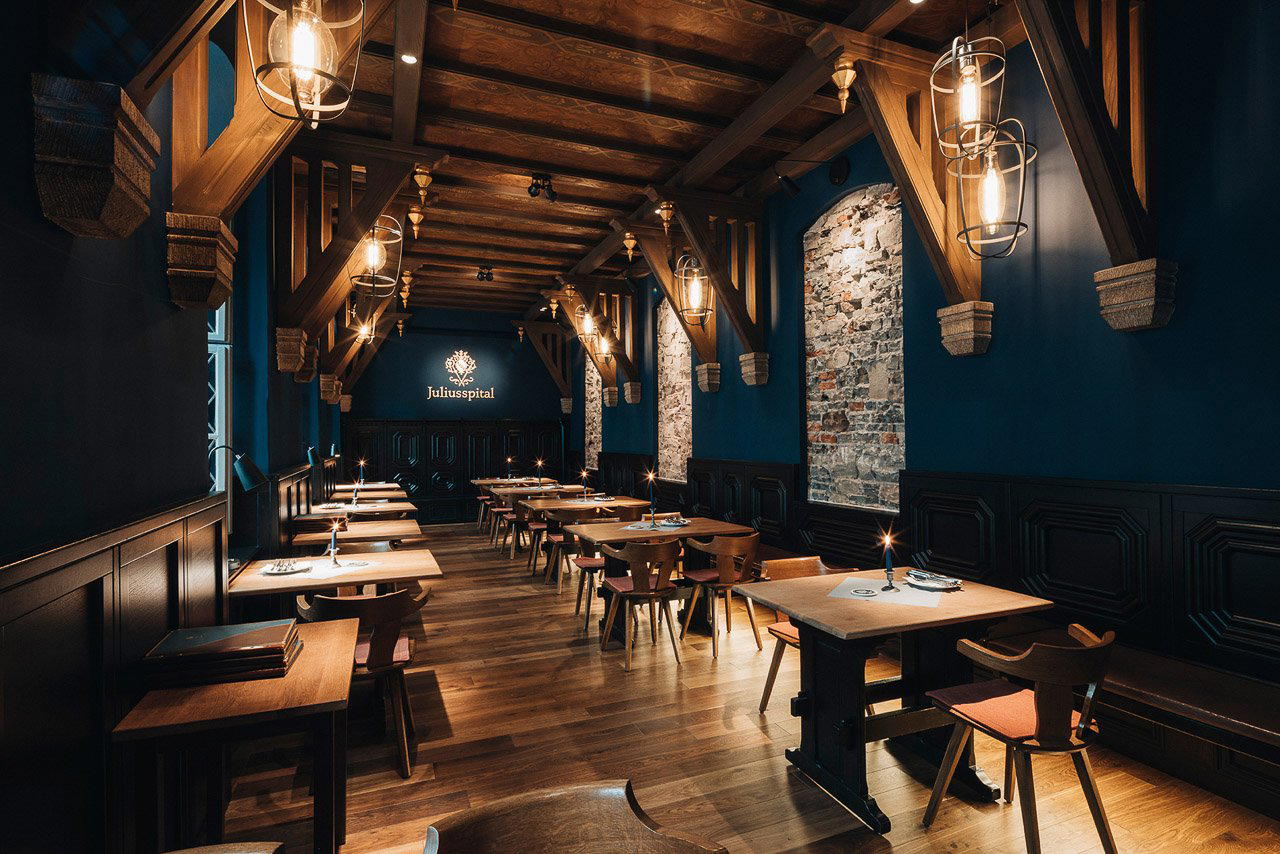
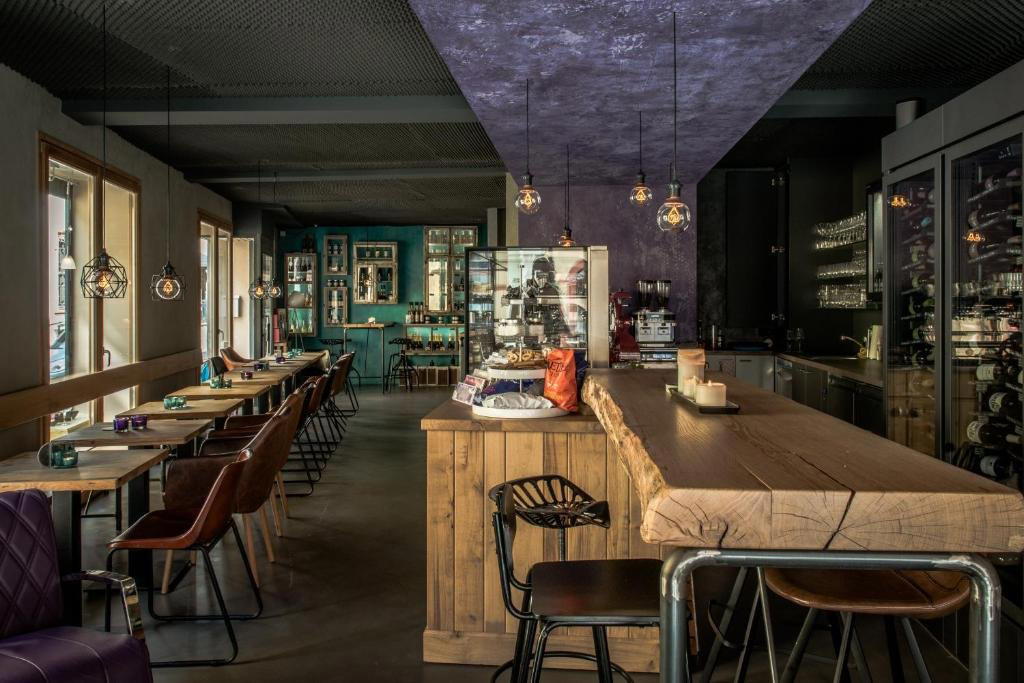

At a Glance
- Cozy
- Classic
- Intimate
- Date Night
- Special Occasion
- Historic Building
- Extensive Wine List
Current opening hours
- Monday
- Closed
- Tuesday
- Closed
- Wednesday
- 5–11 PM
- Thursday
- 5–11 PM
- Friday
- 5–11 PM
- Saturday
- 5–11 PM
- Sunday
- 5–11 PM
Hours can change for holidays and private events. Last verified .
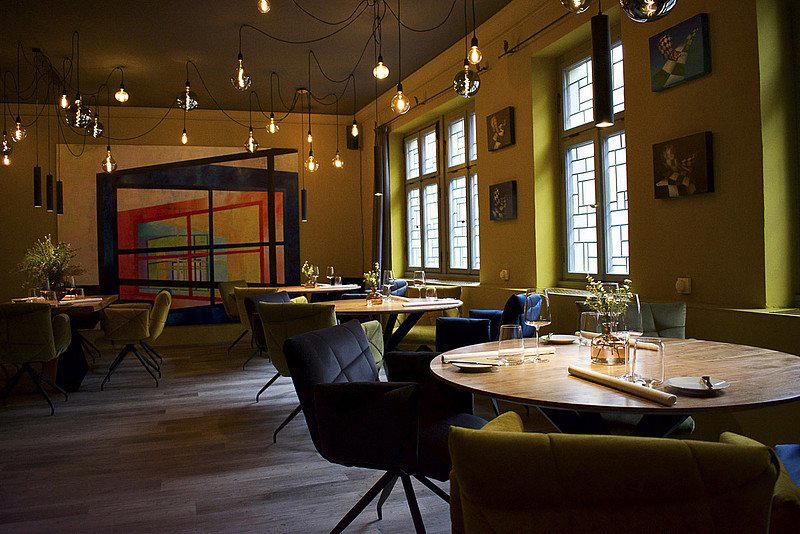
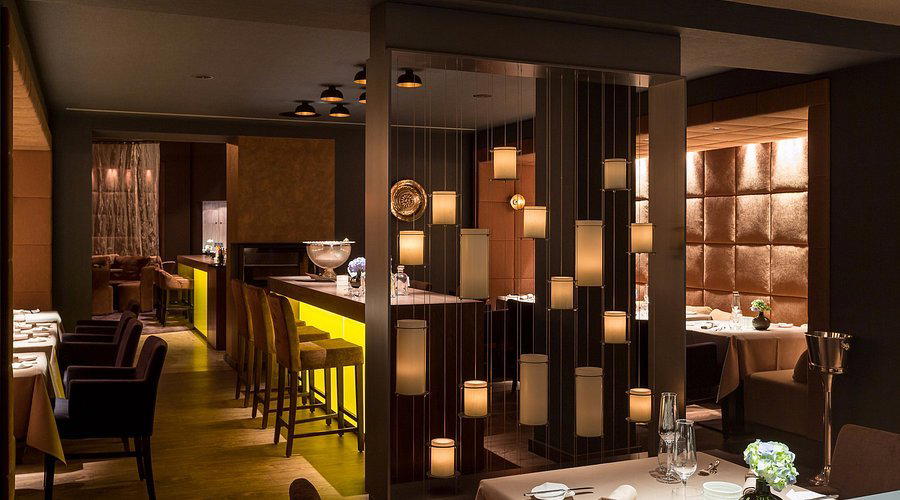
Warm and modern setting praised for its cozy atmosphere and efficient service.