On Würzburg's Juliuspromenade, Mera Tapas brings the Spanish small-plates format to a city better known for Franconian wine and hearty regional cooking. The address places it within easy reach of the Residenz quarter, making it a natural stop for visitors and locals who want something lighter and more convivial than the area's traditional restaurant offer.
Pearl is the En Primeur Club membership app — saves, bookings, and concierge access live there. Same editors, same standards.
- Address
- Juliuspromenade 7, 97070 Würzburg, Germany
- Phone
- +4993168085289
- Directions
- Get directions
 Saves & bookings on Pearl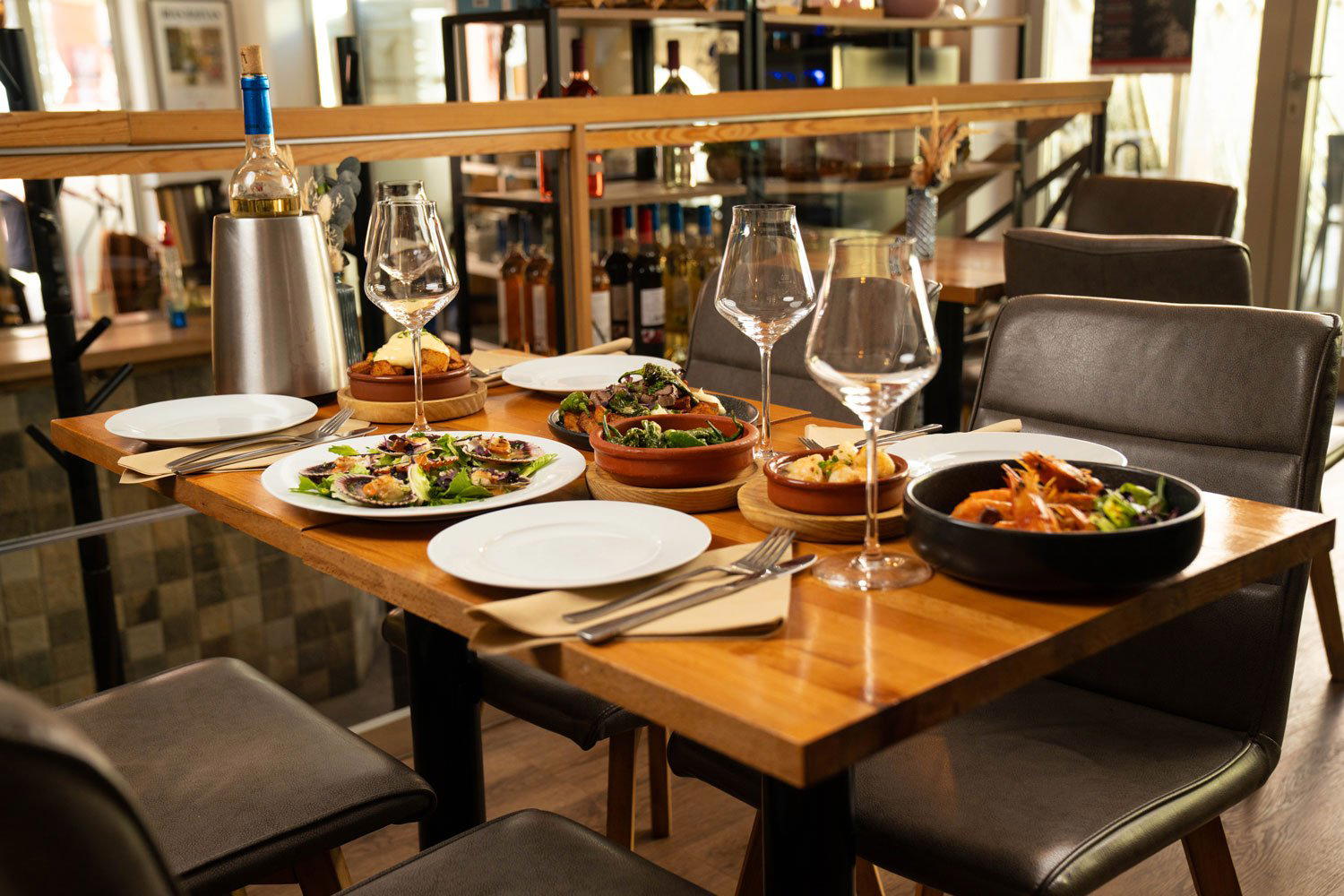
Small Plates on the Promenade
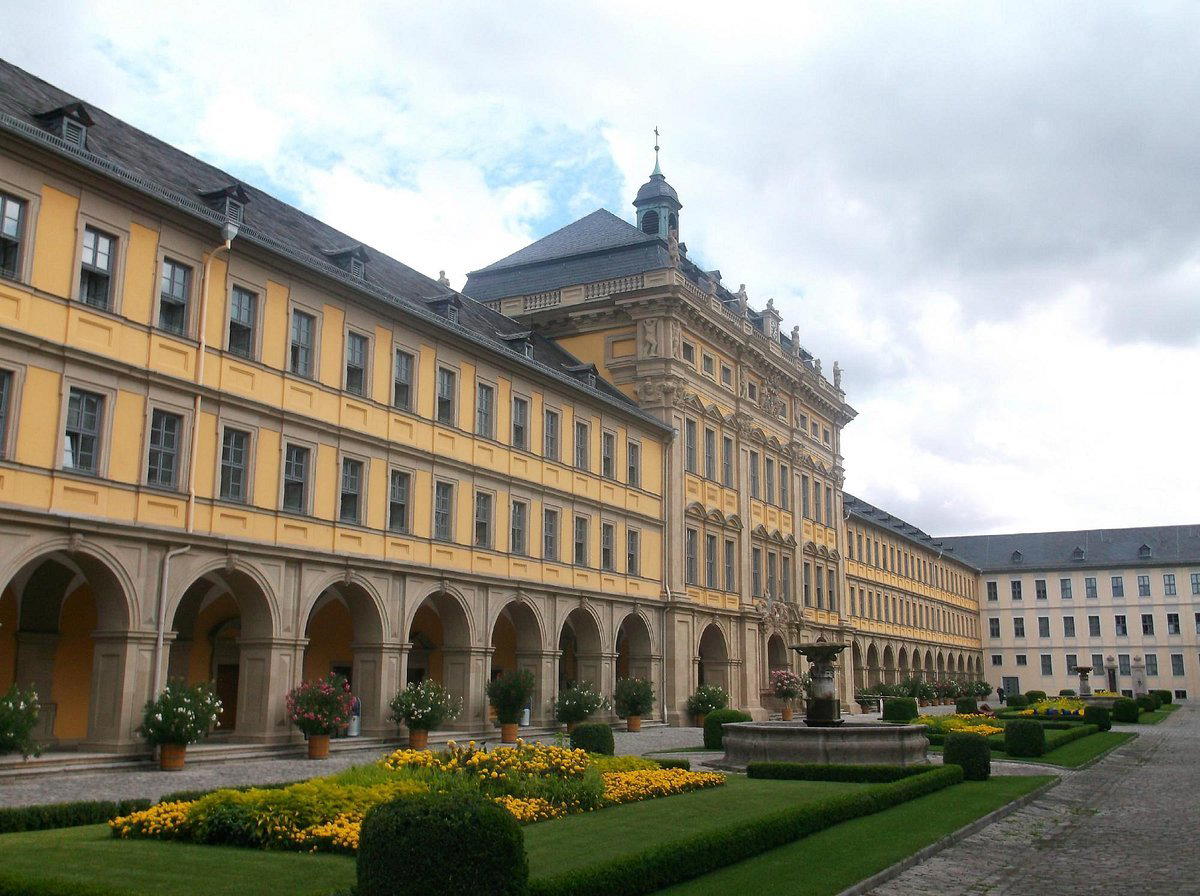
Würzburg's dining scene has long been anchored by Franconian tradition: Schäufele, Bratwurst, and the kind of substantial plate that pairs naturally with a Silvaner from the surrounding vineyards. Against that backdrop, the Spanish tapas format occupies a distinct position on the city's eating spectrum. Mera Tapas is a restaurant serving authentic Spanish tapas at Juliuspromenade 7 in Würzburg, Germany, with a casual dress code and recommended reservations. It sits on one of Würzburg's more recognisable central boulevards, a tree-lined stretch that connects the commercial core with the approaches to the Residenz, the Baroque palace complex that defines the city's skyline. Arriving in that setting, the proposition is clear before you walk through the door: this is a different kind of eating to what the neighbourhood otherwise offers.
The tapas format, however familiar it may feel in Barcelona or Madrid, carries particular weight in a mid-sized German city like Würzburg. Sharing plates restructure the pace of a meal in ways that a single main course does not. The ritual involves arriving with enough time to let the table fill gradually, ordering in rounds rather than all at once, and treating each dish as a conversational prompt as much as a nutritional event. That rhythm suits the Juliuspromenade setting, where the evening pedestrian traffic and the relative openness of the boulevard create the right ambient backdrop for a meal that is meant to extend rather than conclude.
The Format as Frame
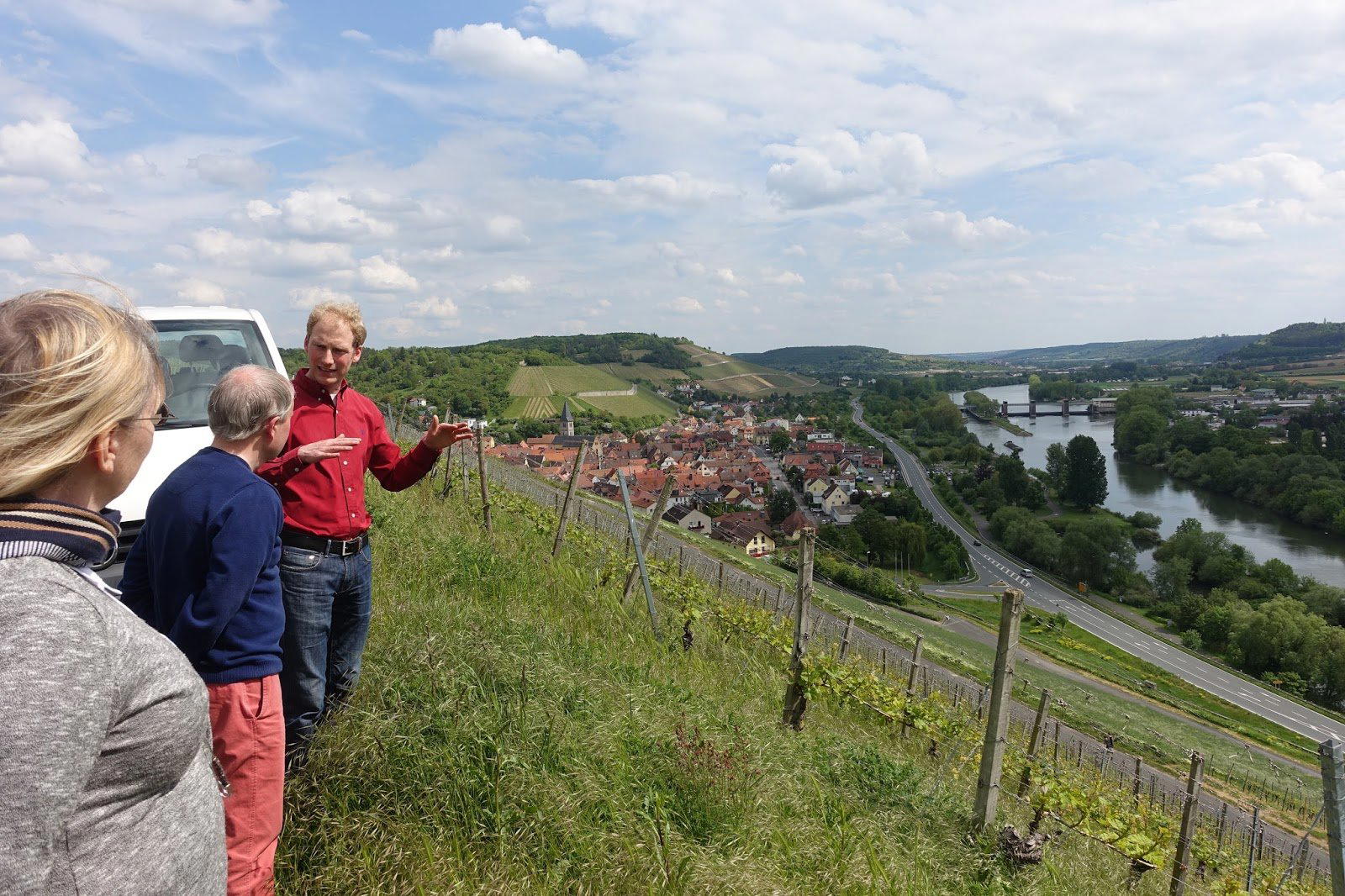
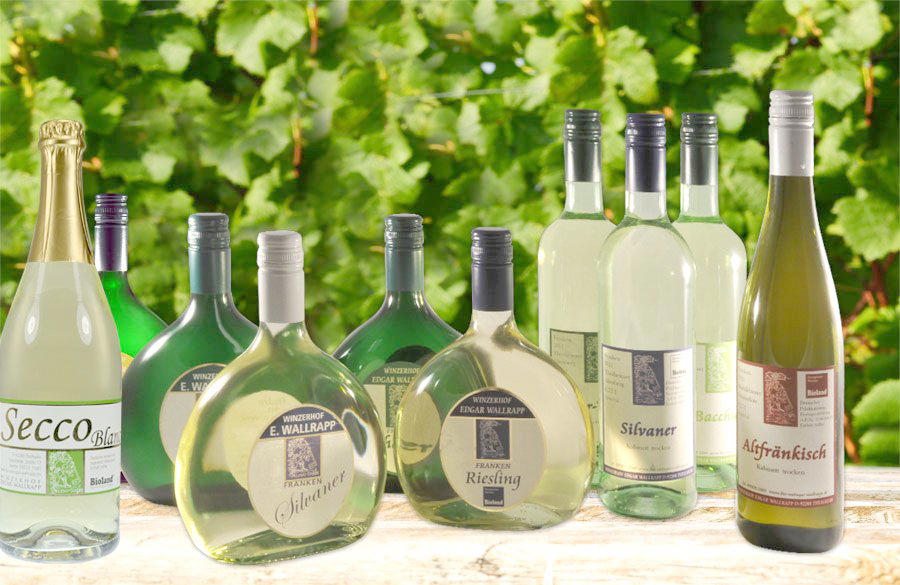
In German cities that have absorbed Spanish small-plates dining over the past two decades, the format has split into two broad modes. One strand stays close to Iberian tradition, using cured meats, salt cod preparations, and sherry-adjacent pairings as structural elements. The other adapts the small-plates logic to local ingredients and preferences, producing something that reads as tapas in pacing and portion size but draws on a wider pantry. The Spanish naming conventions and the Würzburg address both provide useful framing. A city with as strong a wine culture as this one, sitting inside the Franken wine region with its distinctive bocksbeutel bottles and mineral-driven whites, is well-positioned to support a restaurant that understands the relationship between small plates and the glass.
For diners who approach the meal with some intention, the tapas format rewards a particular kind of attention. The tendency in unfamiliar settings is to order defensively, choosing the dishes that sound most recognisable. In a small-plates context, that approach misses the structural point. The meal works well when the table is willing to commit to a sequence, starting with lighter preparations before moving toward richer or more substantial options, and allowing the rounds to overlap slightly rather than arriving in strict succession. This is the etiquette that separates a tapas dinner from a shared-appetiser dinner, and it is a distinction worth holding onto when the menu arrives.
Würzburg's Dining Spread
The city's restaurant range is varied for its size. The Franconian tradition dominates at the traditional end, with wine taverns and historic Weinstuben providing the cultural baseline. At the other end of the spectrum, places like Kokono Restaurant Würzburg and Bistro Mars represent a more international approach to the city's dining offer. Kürnachtalstuben Bei Vasili anchors the neighbourhood tavern end of the market, while Steakhaus in der Bachgasse and Steinburgs Restaurant cover the meat-focused mainstream. Mera Tapas sits in a gap that none of those directly occupies: the convivial, format-led, sharing-plate restaurant with a southern European identity.
That positioning matters more in a city like Würzburg than it would in Berlin or Hamburg, where the dining ecology is dense enough to absorb multiple versions of any format. Here, a Spanish tapas restaurant at a central boulevard address is more structurally significant to the scene. It broadens the range of occasions the city can serve, particularly for groups that want a lighter, more participatory evening than a conventional German restaurant provides.
Germany's Fine Dining Tier, for Reference
For visitors to Germany whose dining ambitions extend beyond Würzburg, the country's upper tier is worth mapping. Michelin-starred destinations are spread unevenly across the country, with notable concentrations in Bavaria, Baden-Württemberg, and along the Moselle. Aqua in Wolfsburg and JAN in Munich represent the kind of formal, high-investment dining that operates at a different scale of occasion. Schwarzwaldstube in Baiersbronn and Waldhotel Sonnora in Dreis anchor the Black Forest and Eifel ends of the country's regional fine dining spread, while Vendôme in Bergisch Gladbach and Victor's Fine Dining by Christian Bau in Perl represent the kind of multi-starred formality that requires advance planning of a different order. On the more experimental side, CODA Dessert Dining in Berlin and ES:SENZ in Grassau show how the country's dining scene has absorbed contemporary formats. Restaurant Haerlin in Hamburg and Schanz in Piesport round out the geographic spread of serious dining across the north and west. Internationally, anyone thinking about small-plates formats at a higher price tier might consider Atomix in New York City as a benchmark for how the multi-course sharing format can be pushed at the leading end, or Le Bernardin in New York City for the kind of technical precision that defines a different category of restaurant altogether.
Planning a Visit
Mera Tapas is at Juliuspromenade 7, in the central part of Würzburg, within walking distance of the main station and the Residenz. The boulevard is well-connected by foot and public transport, and the central location means that pre- or post-dinner options, including the city's wine bars and the old town, are close at hand. The restaurant is open Monday through Saturday from 5 to 11 PM and is closed on Sunday, so planning an evening visit is direct.
What It’s Closest To
Comparable venues nearby, for context on price, style, and recognition.
| Venue | Cuisine | Price | Notes |
|---|---|---|---|
| Mera TapasThis venue — the venue you are viewing | Authentic Spanish Tapas | $$ | Not listed |
| Kokono Restaurant Würzburg | Pan-Asian Sushi & Wok | $$ | City Center |
| Bistro Mars | Seasonal German Bistro | $$$ | Mainviertel |
| Steakhaus in der Bachgasse | Classic German Steakhouse | $$$$ | Altstadt |
| Steinburgs Restaurant | Modern German Fine Dining | $$$ | Würzburger Stein |
| Kürnachtalstuben Bei Vasili | Greek-German | $$ | Lengfeld |

At a Glance
- Cozy
- Intimate
- Date Night
- Casual Hangout
- Late Night
- Standalone
- Extensive Wine List
- Street Scene
Current opening hours
- Monday
- 5–11 PM
- Tuesday
- 5–11 PM
- Wednesday
- 5–11 PM
- Thursday
- 5–11 PM
- Friday
- 5–11 PM
- Saturday
- 5–11 PM
- Sunday
- Closed
Hours can change for holidays and private events. Last verified .
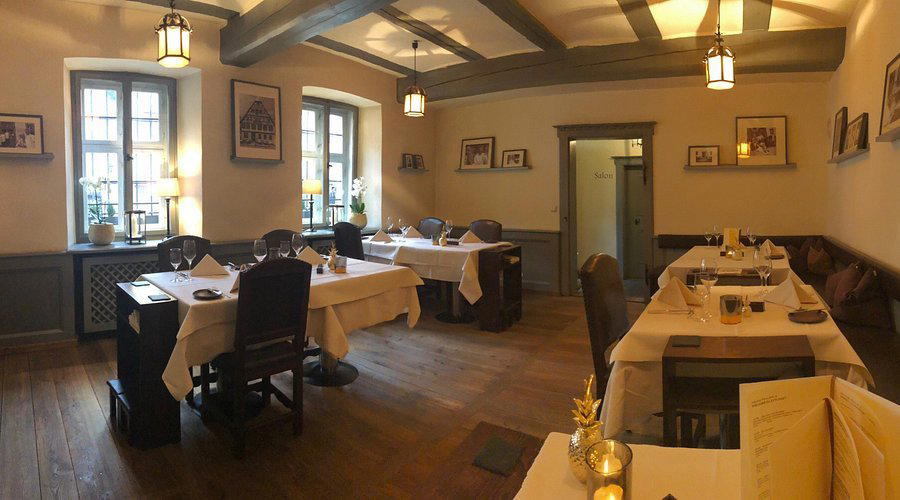
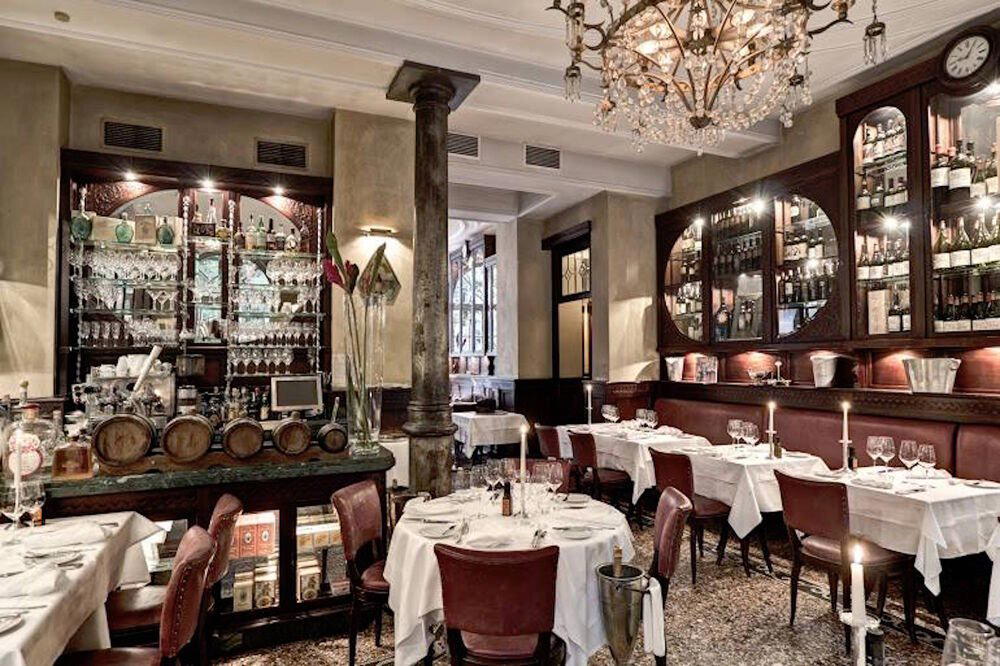
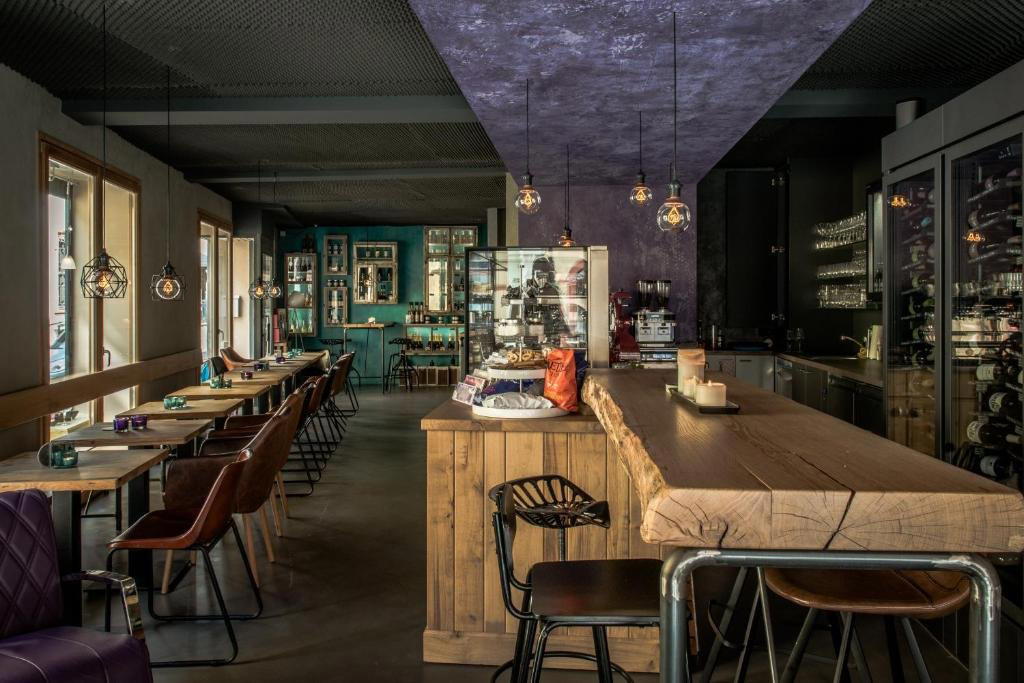
Cozy and friendly atmosphere praised for its welcoming vibe and authentic Spanish charm.