Kunnai occupies a address on Strada Copilului in Bucharest's northern residential belt, operating in a city where a new generation of dining rooms is rewriting what Romanian hospitality looks like. The venue sits within a dining scene that has moved decisively away from tourist-facing folk kitchens toward formats with considered atmospheres and tighter, more deliberate menus.
Pearl is the En Primeur Club membership app — saves, bookings, and concierge access live there. Same editors, same standards.
- Address
- Strada Copilului 6-12, București 012178, Romania
- Phone
- +40722687454
- Website
- kunnai.ro
- Directions
- Get directions
 Saves & bookings on Pearl
A Street, a Room, a Signal
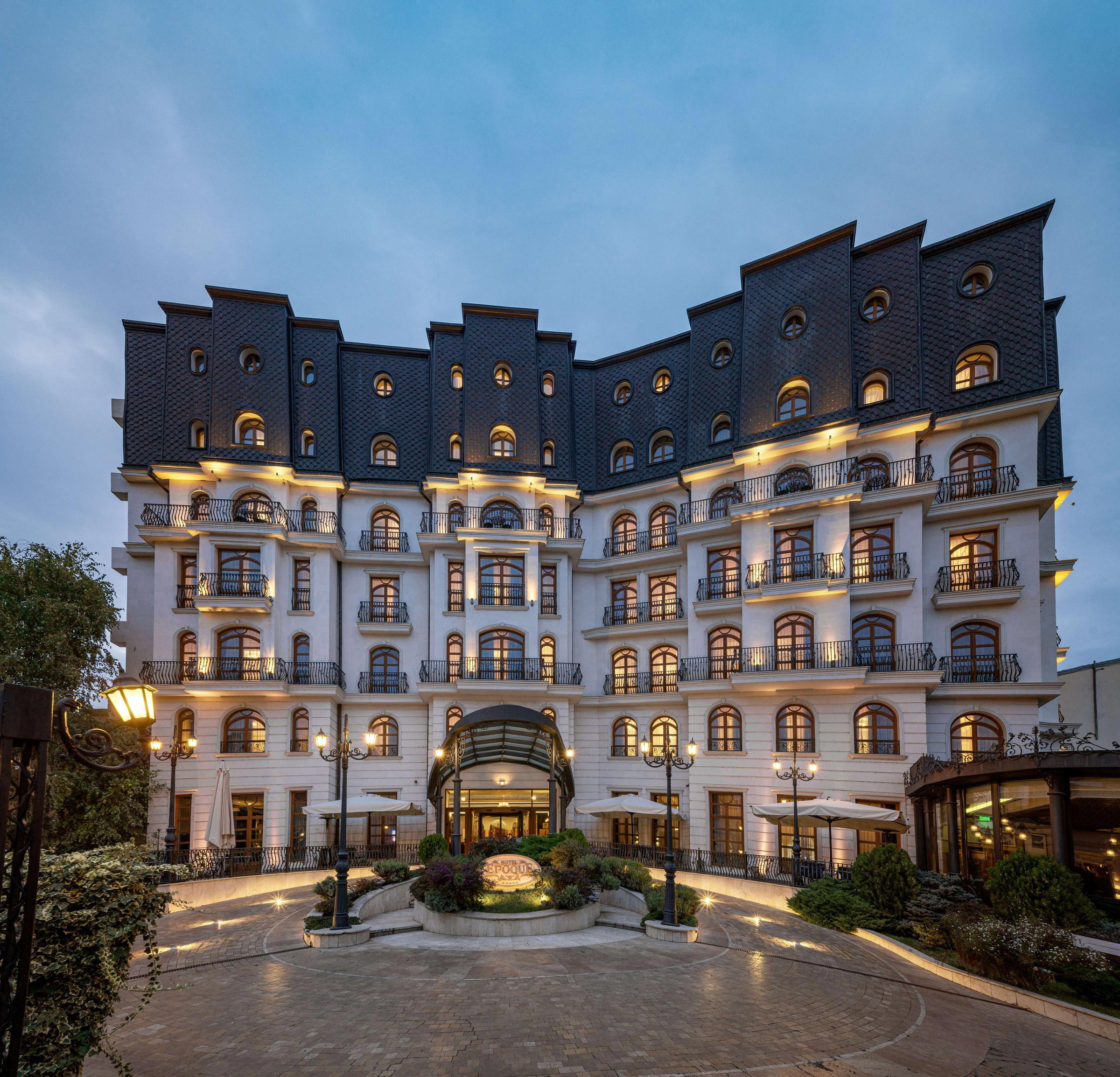
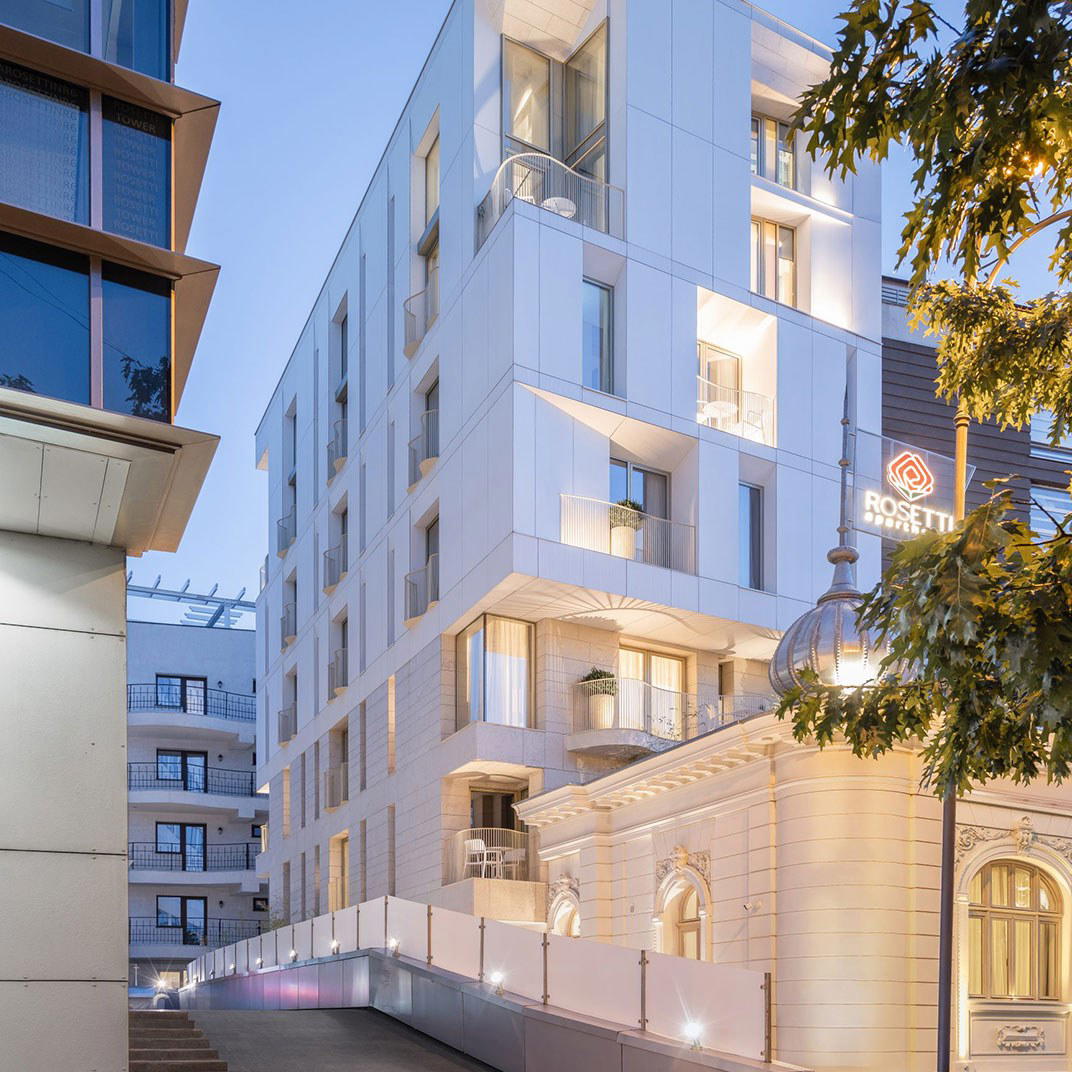
Strada Copilului runs through one of Bucharest's quieter northern neighbourhoods, away from the Grand Boulevard theatrics of Caru' cu Bere and the polished terraces of the city centre. Arriving at number 6-12, the surrounding residential scale sets an immediate register: this is not a destination planted inside a landmark building or a converted factory floor. The architecture of the street is modest, which means whatever atmosphere exists inside Kunnai has been constructed rather than inherited. In Bucharest, that distinction matters. The city's dining scene has spent the past decade sorting itself into two broad categories: rooms that trade on inherited grandeur, and rooms that have had to build their own identity from scratch. Kunnai belongs to the second group.
That positioning places it alongside a cohort of Bucharest restaurants — including Alouette and Aubergine — that have chosen neighbourhood settings over central visibility, betting that the dining room itself, rather than the postcode, will carry the experience. It is a format that has worked across European cities from Lisbon to Warsaw, and Bucharest has proven a receptive city for it.
The Atmosphere Bucharest Has Been Building Toward
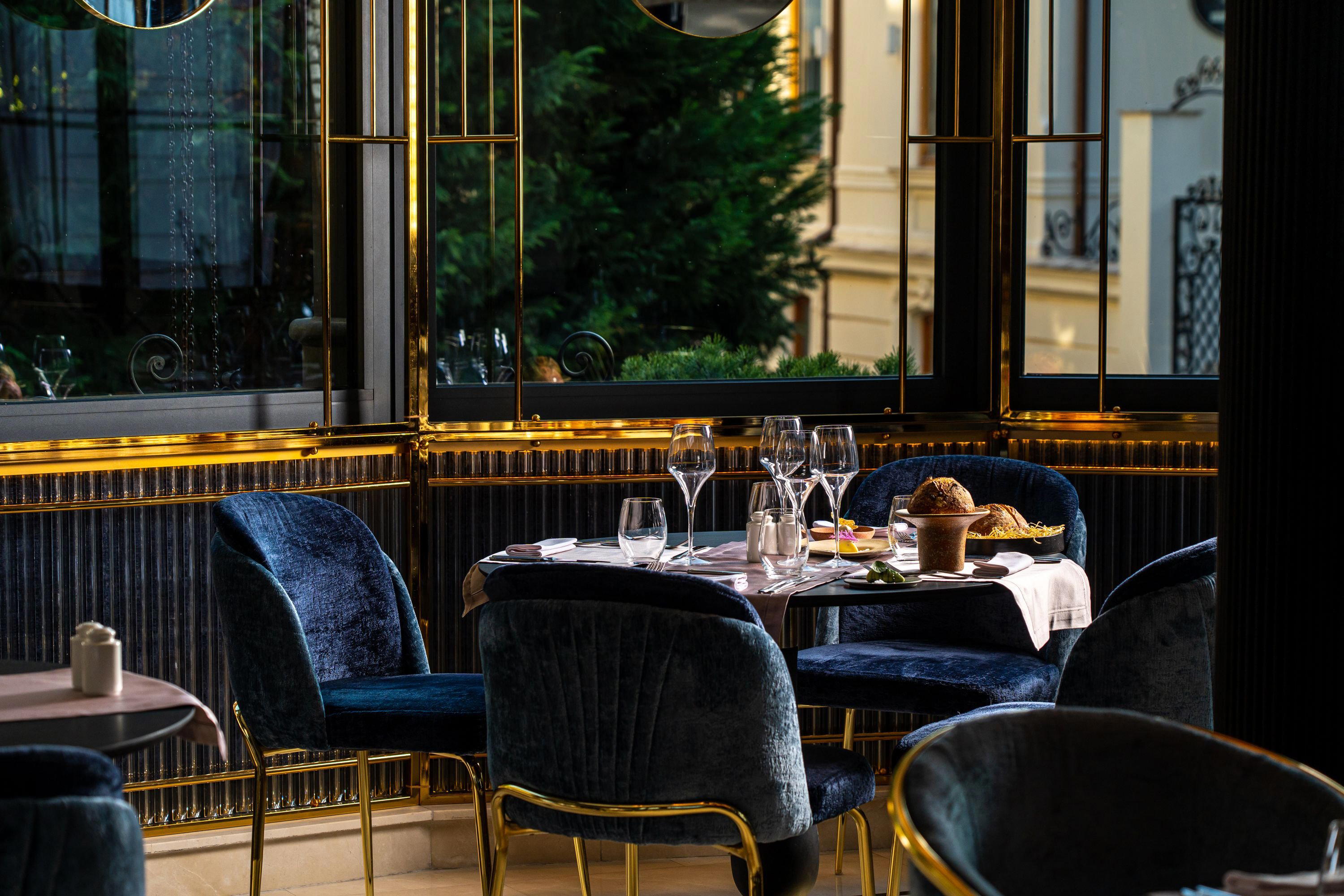
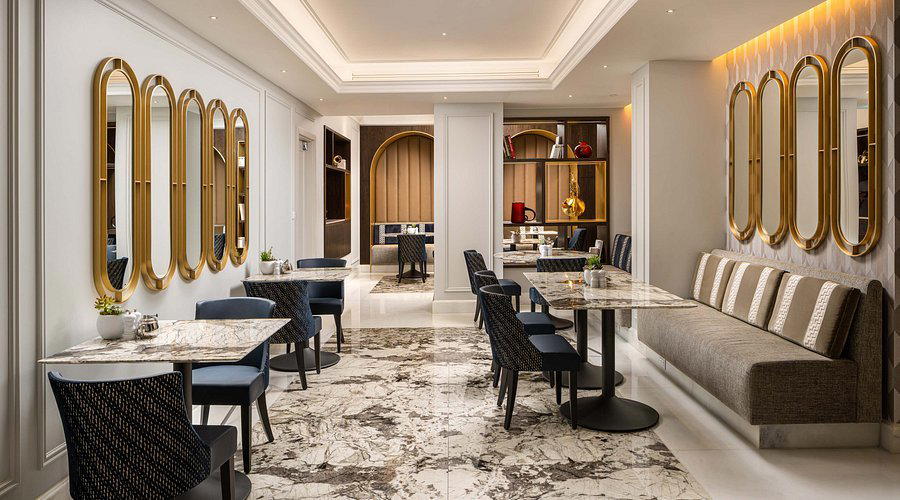
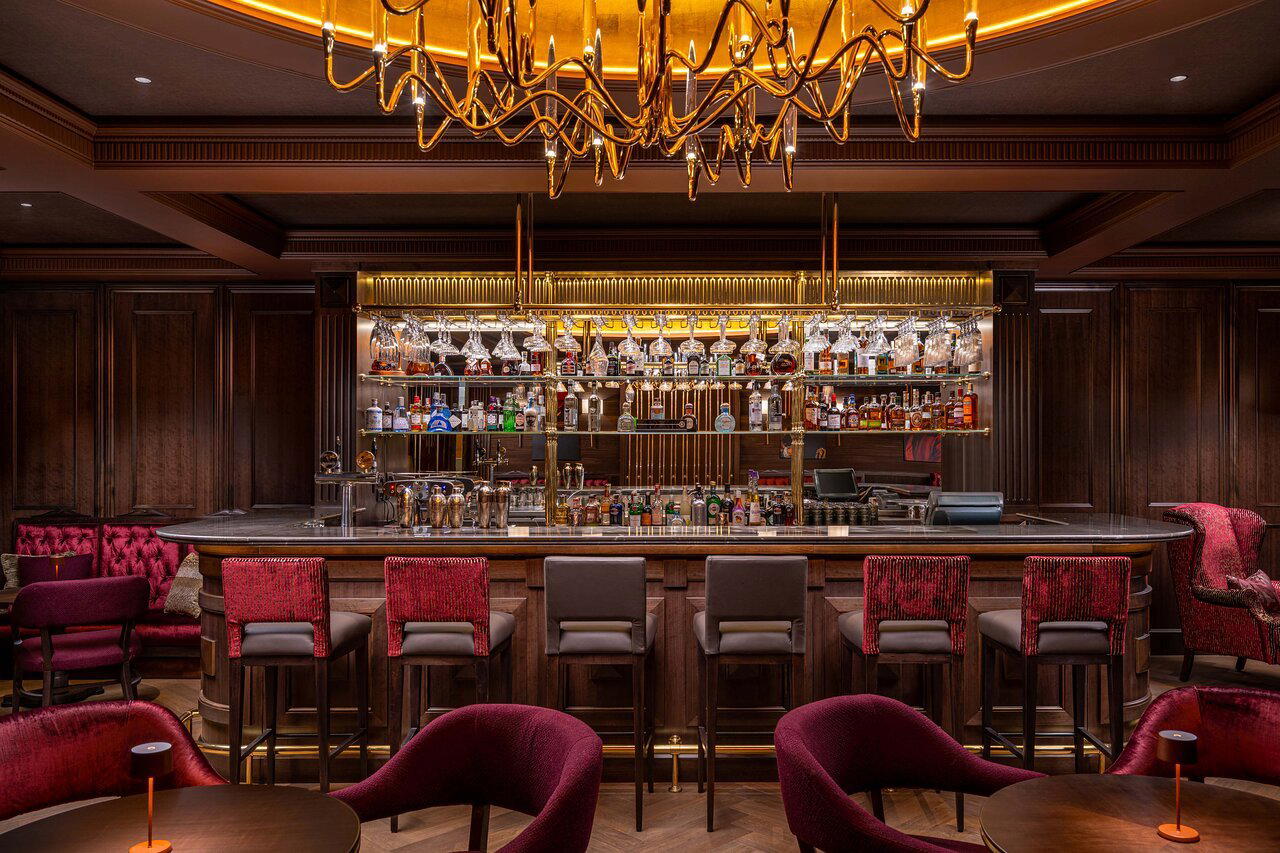
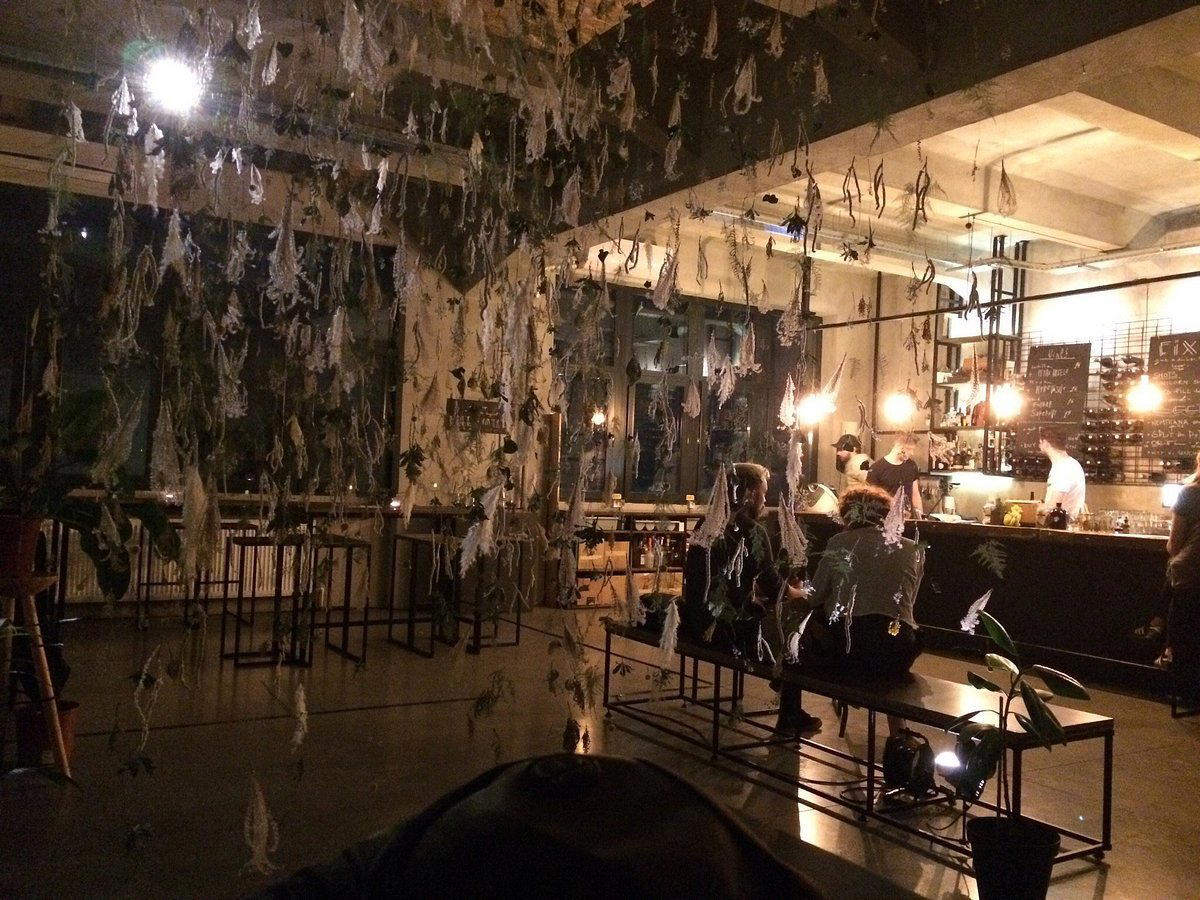
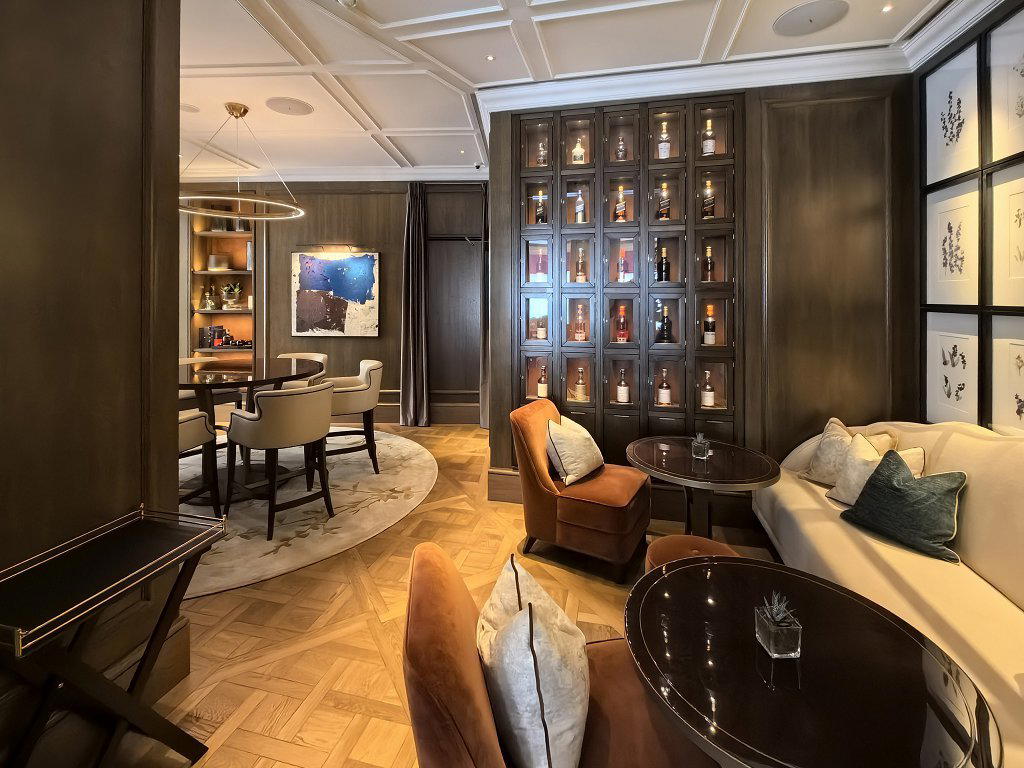
Romanian dining has undergone a structural shift over the past five to seven years. The dominant format through the 2000s and early 2010s was the folk-inflected restaurant: heavy wood, embroidered textiles, a menu built around sarmale and mici, pitched equally at tourists and nostalgic locals. That format has not disappeared, but it has lost its grip on the city's more attentive diners. What replaced it, in Bucharest as in Tbilisi or Belgrade before it, was a quieter, more material-conscious sensibility: stripped surfaces, considered lighting, menus that treat Romanian and regional ingredients as a starting point rather than a costume.
The sensory logic of this newer generation of Bucharest rooms tends toward restraint. Sound levels that allow conversation. Lighting calibrated to flattery rather than visibility. A smell that announces the kitchen without announcing every dish on the pass. Whether Kunnai executes precisely within that register is something a visit confirms; what the address on Strada Copilului signals is that the venue is operating in that direction, away from the tourist circuit and toward the city's maturing dining public.
For international visitors calibrating against a wider reference frame, the shift Bucharest is currently experiencing is comparable in spirit, if not yet in institutional recognition, to what happened in cities like New York's Korean fine dining scene or the quieter evolution of European neighbourhood restaurants that preceded their first awards recognition. The venues that define a city's next chapter rarely arrive with credentials already in place.
Where Kunnai Sits in the Bucharest Dining Order
Bucharest's restaurant taxonomy has become more granular. At one end, heritage institutions like Caru' cu Bere în București anchor the city's architectural dining tradition. At the other, newer formats from venues like Bogdania Bistro and Casa di David represent the city's growing appetite for ingredient-led, format-conscious dining. Kunnai's Strada Copilului address places it geographically and conceptually outside the central cluster, in territory where the dining room has to work harder to earn repeat visits from locals who are under no obligation to return.
That competitive pressure, invisible to a first-time visitor, tends to sharpen venues. Bucharest's northern residential dining rooms are not running on tourist footfall. They are running on neighbourhood loyalty and word of mouth, which in a city of Bucharest's size and social velocity, is a reliable proving ground. Venues that survive and build reputations in that environment, as opposed to those that rely on central location to generate volume, tend to develop more consistent kitchen discipline and more considered service cadence.
Romania's broader dining geography offers useful context. The country's secondary cities, from the casual-gourmet format developing in Oradea (see Eat IT casual gourmet kitchen) to the cocktail culture taking shape in Florești (see Cocteleria Urban Garden) and the Italian-influenced rooms in Târgu Mureș at Lo Sfizio, are all participating in the same broader recalibration. Bucharest leads that shift, and Kunnai operates within it.
Planning a Visit
Strada Copilului 6-12 sits in the northern residential belt of Bucharest, accessible by taxi or rideshare from the city centre in under fifteen minutes depending on traffic. For visitors based in central Bucharest, the neighbourhood offers a different register than the Floreasca or Dorobanți dining corridors: quieter streets, less ambient noise, and an atmosphere shaped by the local residential community rather than passing tourist traffic. Booking ahead is advisable for evening visits, particularly on weekends, when Bucharest's neighbourhood restaurants tend to operate at capacity with locals who have reserved in advance. For a fuller picture of where Kunnai sits within the city's dining offer, the EP Club Bucharest restaurants guide maps the scene across neighbourhoods and categories.
Visitors planning a wider Romanian itinerary may find useful reference points in the dining culture developing along the Black Sea coast at Vatos Restaurant in Agigea, the event-format dining emerging in Chișcani at Butterfly Events, and the café culture in Ploiești at Cafeneaua Nației. For those moving between Romanian cities, Cartofisserie in Timișoara, Cartofisserie in Suceava, and Cofeels in Cluj-Napoca offer a cross-section of the formats currently defining Romanian dining outside the capital. For reference against international fine dining benchmarks, Le Bernardin in New York City illustrates the institutional end of that spectrum.
Continue exploring
More in Bucharest
Restaurants in Bucharest
Browse all →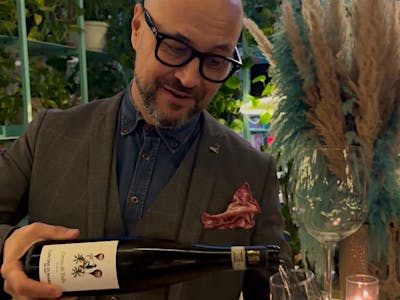
Bars in Bucharest
Browse all →



At a Glance
- Modern
- Cozy
- Date Night
- Casual Hangout
- Garden
- Extensive Wine List
- Garden
- Street Scene
Current opening hours
- Monday
- Closed
- Tuesday
- Closed
- Wednesday
- 12–10 PM
- Thursday
- 12–10 PM
- Friday
- 12–10 PM
- Saturday
- 12–10 PM
- Sunday
- 12–10 PM
Hours can change for holidays and private events. Last verified .
Warm and lively atmosphere in a retreat-like setting next to a peaceful park, praised for its welcoming service.
Know Before You Go
- Getting there
- Strada Copilului 6-12, București 012178, Romania