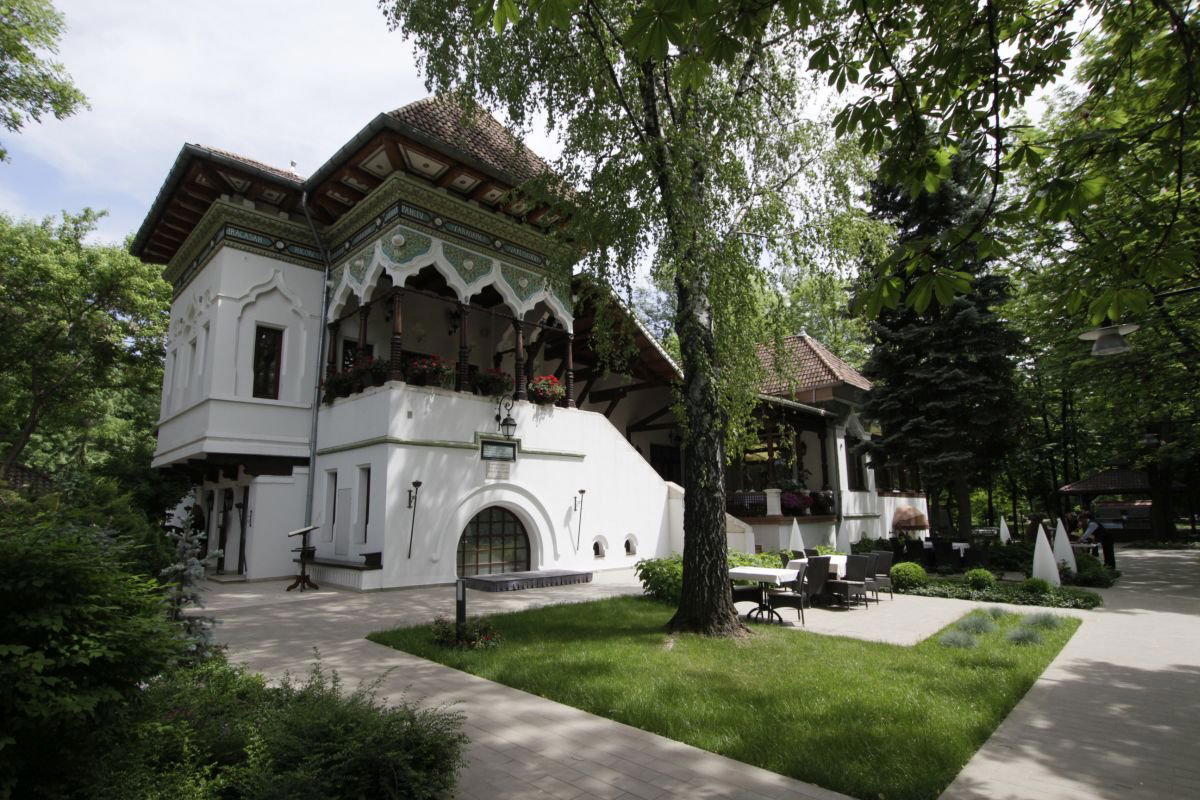
Casa di David occupies a residential address on Șoseaua Nordului, one of Bucharest's quieter northern corridors, positioning it at a remove from the city centre's more crowded restaurant strip. The address alone signals a certain kind of restaurant: one that draws on repeat custom rather than foot traffic, and where the menu structure tends to reward familiarity over first-visit novelty.
Pearl is the En Primeur Club membership app — saves, bookings, and concierge access live there. Same editors, same standards.
- Address
- Șoseaua Nordului 7-9, București 014101, Romania
- Phone
- +40212324715
- Website
- casadidavid.ro
- Directions
- Get directions
 Saves & bookings on Pearl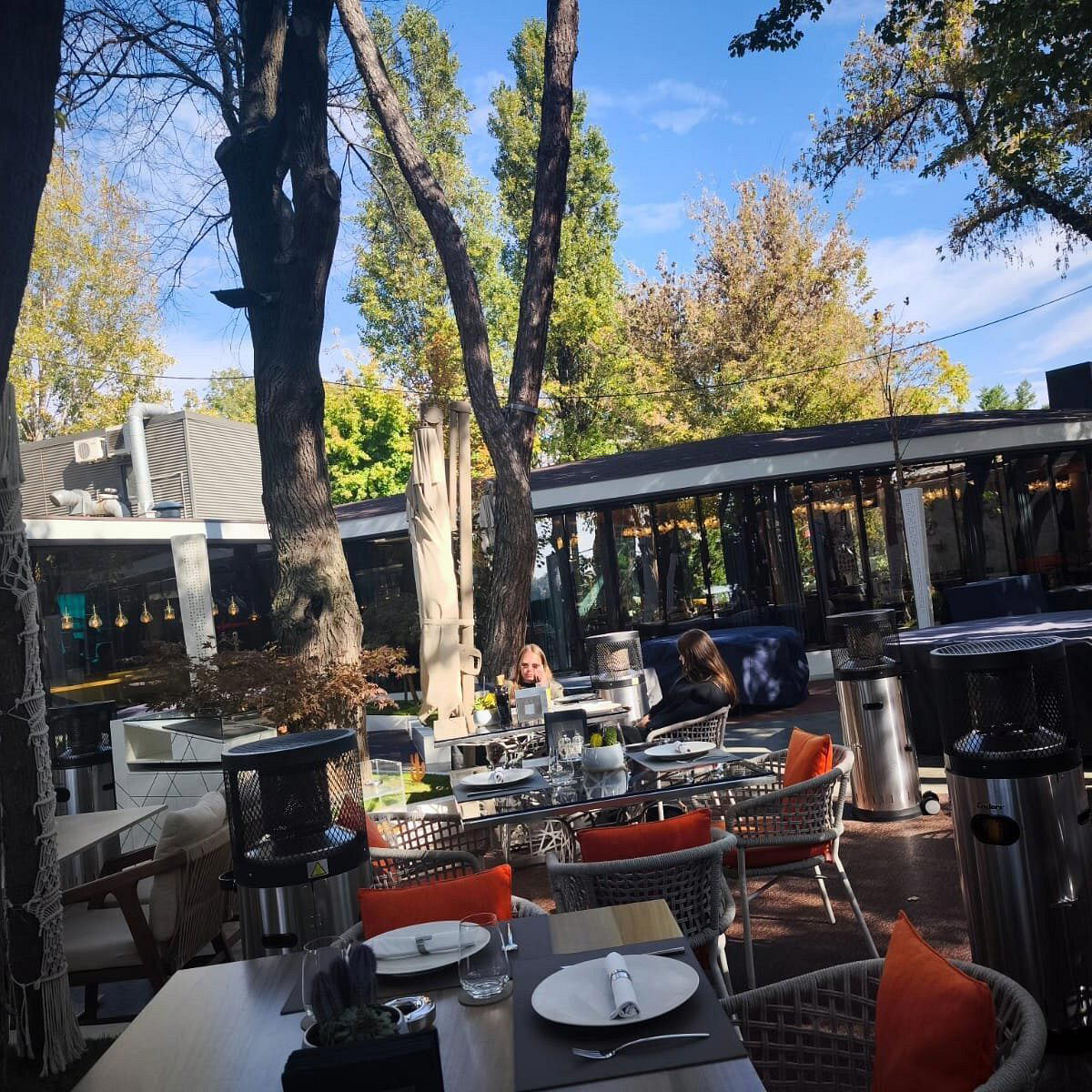
The Northern Quarter and What It Signals
Bucharest's restaurant geography has a logic to it. The centre, around Floreasca and the old town, attracts volume. The northern residential corridors, by contrast, produce a different category of dining room: quieter, more consistent, and oriented toward a clientele that returns rather than discovers. Șoseaua Nordului, where Casa di David sits at numbers 7-9, belongs to this second pattern. Casa di David is a Bucharest restaurant serving Italian, seafood, and Mediterranean cuisine, with a recommended reservation policy and a smart casual dress code. The address places the restaurant in a zone more associated with embassy residences and tree-lined boulevards than with tourist circuits, which shapes both the pace of service and the expectations guests bring through the door.
This northern positioning is not incidental. Across Bucharest's better dining addresses, geography often functions as a soft editorial statement about who the restaurant is for. Casa Doina, further along the northern arc, operates on a similar principle: the distance from the centre filters for intent. Guests at these addresses tend to know what they want before they arrive. Casa di David fits that pattern.
Menu Architecture as the Governing Logic
At restaurants operating in Bucharest's mid-to-upper tier, menu structure increasingly reflects a negotiation between Romanian hospitality tradition, which prizes generosity and breadth, and a more focused European approach that edits down to signature technique.
The restaurant's name and address suggest an Italian inflection, a reading consistent with the broader pattern of Italian-influenced restaurants that have performed well in Bucharest over the past decade. Romanian diners have shown sustained appetite for Italian formats, partly because the cuisines share an underlying grammar of preserved meats, slow-cooked pulses, and aged cheeses, and partly because Italian dining rooms offer a register of formality that feels accessible rather than intimidating. Where a French format like Alouette signals one kind of occasion dining, and a contemporary Romanian approach like Aubergine signals another, an Italian-influenced address tends to position itself as the middle register: celebratory without being ceremonial.
Menu architecture in this category typically organises around antipasti, a pasta or risotto tier that functions as either a bridge course or a standalone, and a secondi section weighted toward protein. The ratio of pasta options to mains is often diagnostic: a kitchen confident in its pasta programme will offer three or four distinct formats rather than two; a kitchen hedging toward the broader market keeps pasta brief and loads the main course section.
Bucharest's Broader Dining Moment
Romanian dining in 2024 and into 2025 has been working through a productive tension. A cohort of restaurants is pushing explicit local identity, fermented and foraged, with menus that read as arguments about what Romanian food should become. Bogdania Bistro and Caru' Cu Bere represent different points on the spectrum between heritage preservation and contemporary reinterpretation. Alongside that movement, European-format restaurants continue to hold ground, particularly with a Bucharest clientele that travels frequently and calibrates its expectations against cities like Milan, Vienna, and Paris.
The restaurant operates in that second current. It is rated 4.2 on Google from 1,659 reviews and sits in the mid-range price tier, with an estimated spend of about $60 per person. It is the kind of address that Bucharest's frequent-flier professional class uses as a reference point, somewhere that can be recommended to visiting colleagues without requiring contextual explanation. That social function is not trivial. In a city where dining choices carry significant signalling weight, a restaurant that reads clearly across cultural contexts earns a particular kind of loyalty.
For context on how this plays out across Romania's restaurant cities, it is worth noting the range: Kupaj Fine Wines and Gourmet Tapas in Cluj-Napoca occupies a similar positioning in that city's dining hierarchy, while Andalu Gastrobar in Iasi demonstrates how the gastrobar format has translated to secondary cities. The European-inflected dining room remains the format of choice for a specific tier of Romanian professional hospitality.
The Competitive Set
Within Bucharest, the relevant comparison set for an address like Casa di David includes the French-format bistros, the contemporary European rooms, and the handful of Italian-leaning restaurants that have built consistent followings. L'Atelier and Le Bistrot Français define the French corner of this bracket. At the more experimental end, NOUA has established a different reference point entirely, one that restaurant does not appear to be competing against directly.
The more useful peer comparison is with places like Artegianale in Brasov, which operates a European-craft format in a different city context. The restaurant's longevity in a specific Bucharest neighbourhood suggests a similar discipline at work, even if the scale and ambition differ substantially.
Other Romanian addresses worth mapping for those building a broader picture of the country's dining range include STUP in Simon, Epoca Steak House in Craiova, Bistro Caffe Moțu in Baia Sprie, Butterfly Events in Chiscani, Cafeneaua Nației in Ploiesti, Cartofisserie in Suceava, and Cartofisserie in Timisoara. The country's dining geography is more varied than its international profile suggests.
Planning a Visit
The restaurant is located at Șoseaua Nordului 7-9, in Bucharest's northern residential zone. Reservations are recommended, and the restaurant is open daily from 1 PM to 12 AM.
A Credentials Check
Comparable venues nearby, for context on price, style, and recognition.
| Venue | Cuisine | Price | Notes |
|---|---|---|---|
| Casa di DavidThis venue — the venue you are viewing | Italian Seafood Mediterranean | $$$ | Not listed |
| Restaurant Trattoria Garibaldi - CAROL | Authentic Italian Trattoria | $$ | Carol |
| Locanta Jaristea | Traditional Romanian | $$$ | :null |
| Isoletta | Italian Seafood Fine Dining | $$$ | Herăstrău |
| Kaiamo | Experimental Modern Romanian | $$$$ | Dorobanți |
| Caru'Cu Bere | Traditional Romanian | $$ | Lipscani |
Continue exploring
More in Bucharest
Restaurants in Bucharest
Browse all →
Bars in Bucharest
Browse all →
At a Glance
- Elegant
- Modern
- Romantic
- Cozy
- Sophisticated
- Date Night
- Special Occasion
- Waterfront
- Terrace
- Open Kitchen
- Extensive Wine List
- Waterfront
Current opening hours
- Monday
- 1 PM–12 AM
- Tuesday
- 1 PM–12 AM
- Wednesday
- 1 PM–12 AM
- Thursday
- 1 PM–12 AM
- Friday
- 1 PM–12 AM
- Saturday
- 1 PM–12 AM
- Sunday
- 1 PM–12 AM
Hours can change for holidays and private events. Last verified .
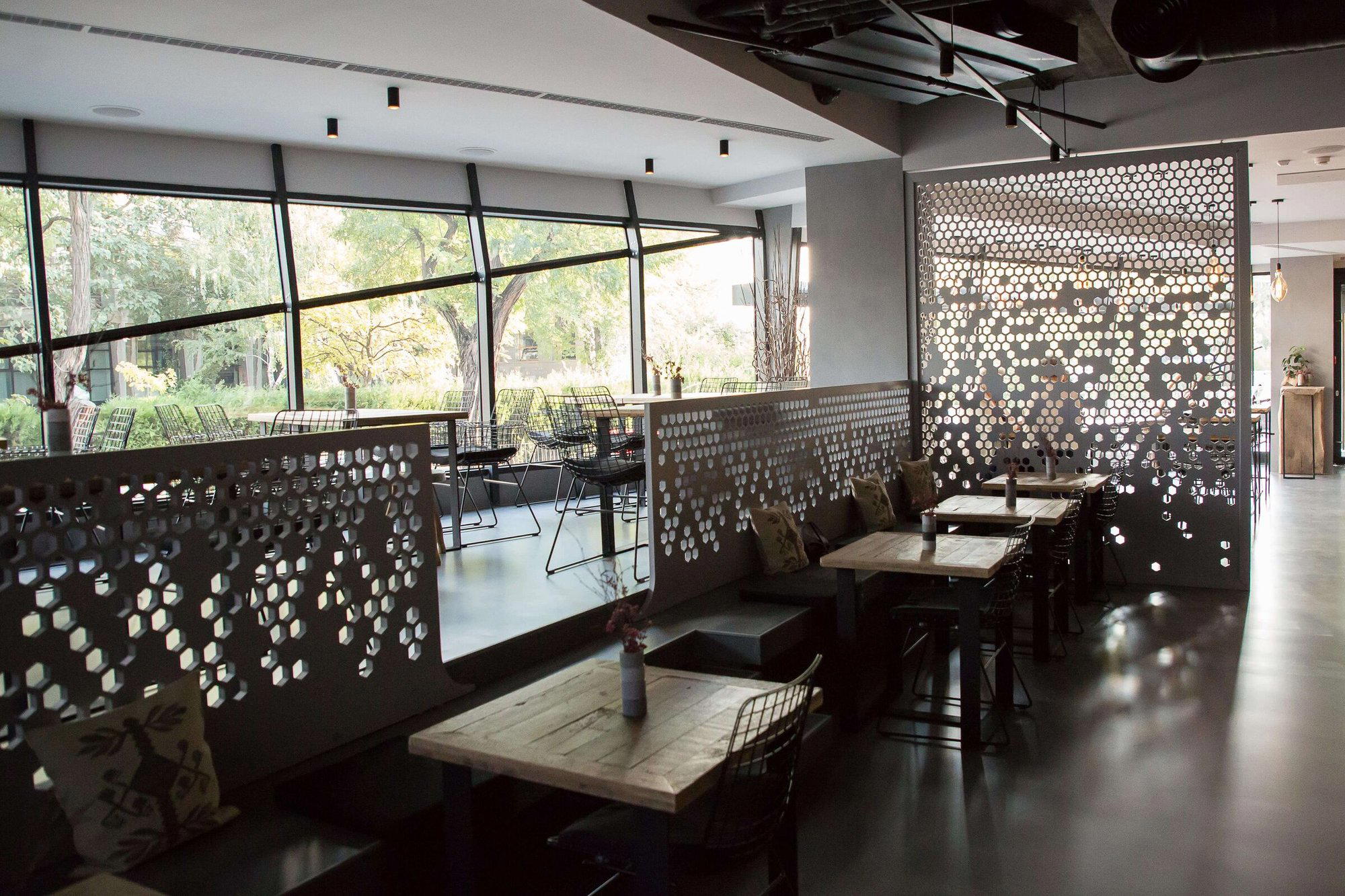
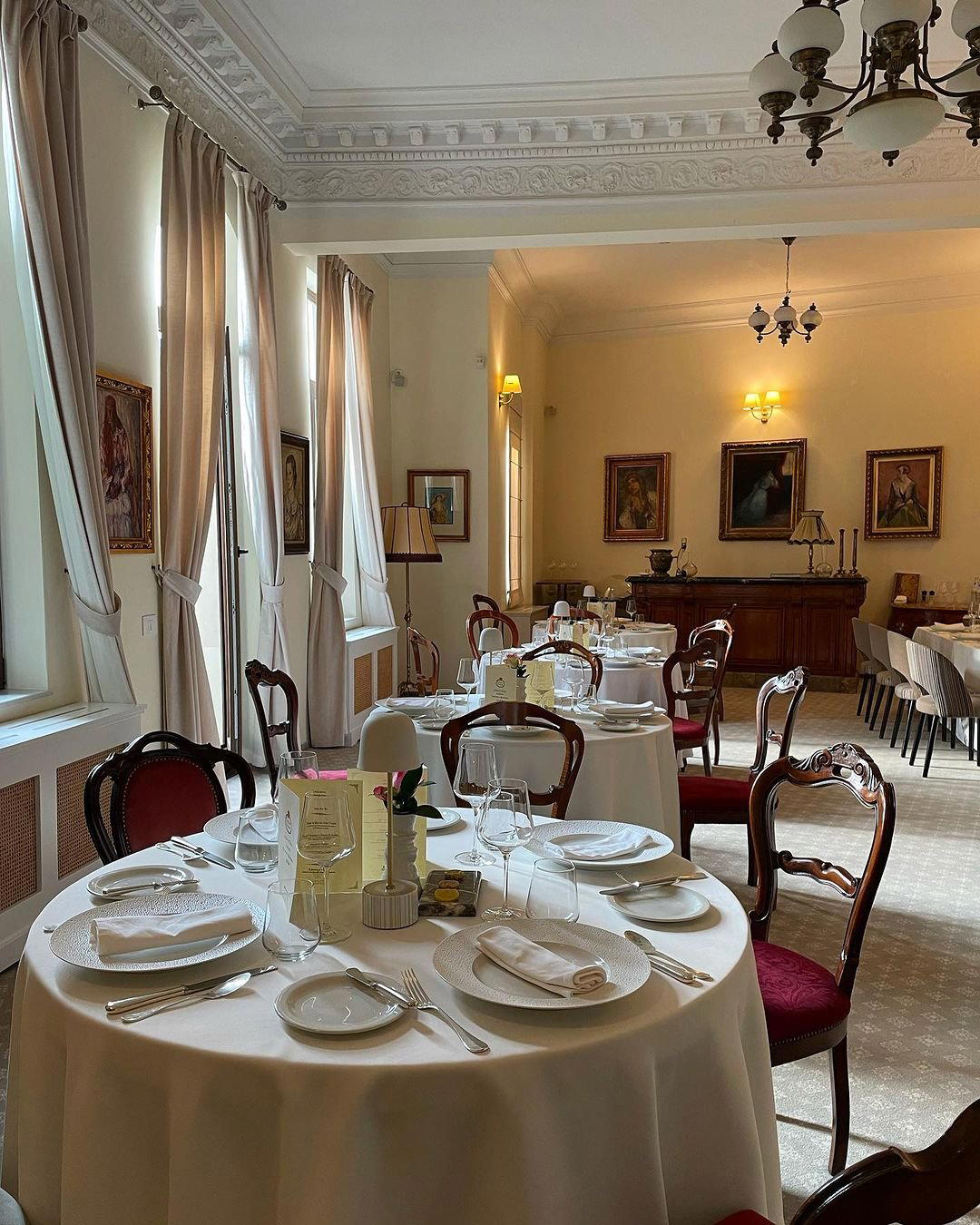
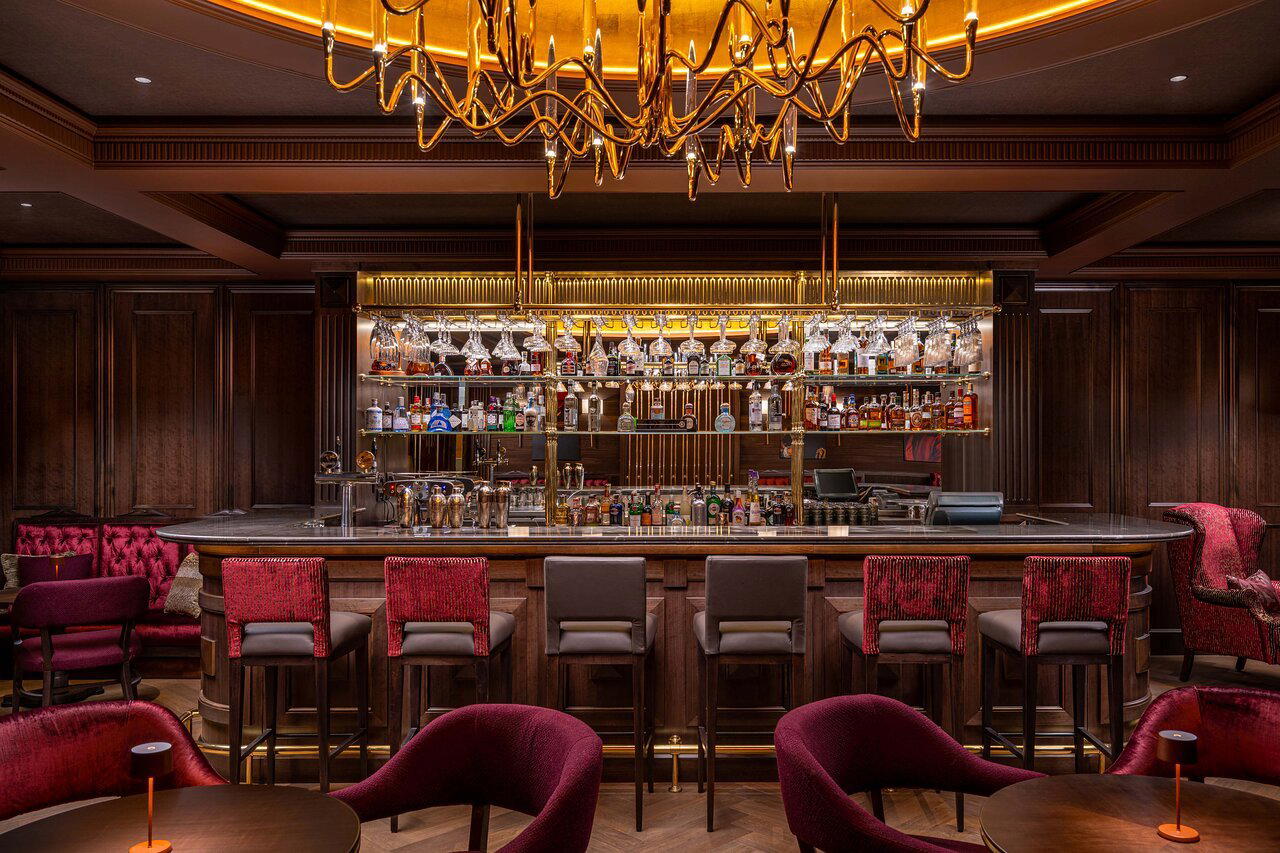
Modern chic interior with dynamic design and terrace overlooking the lake.