Our verdict
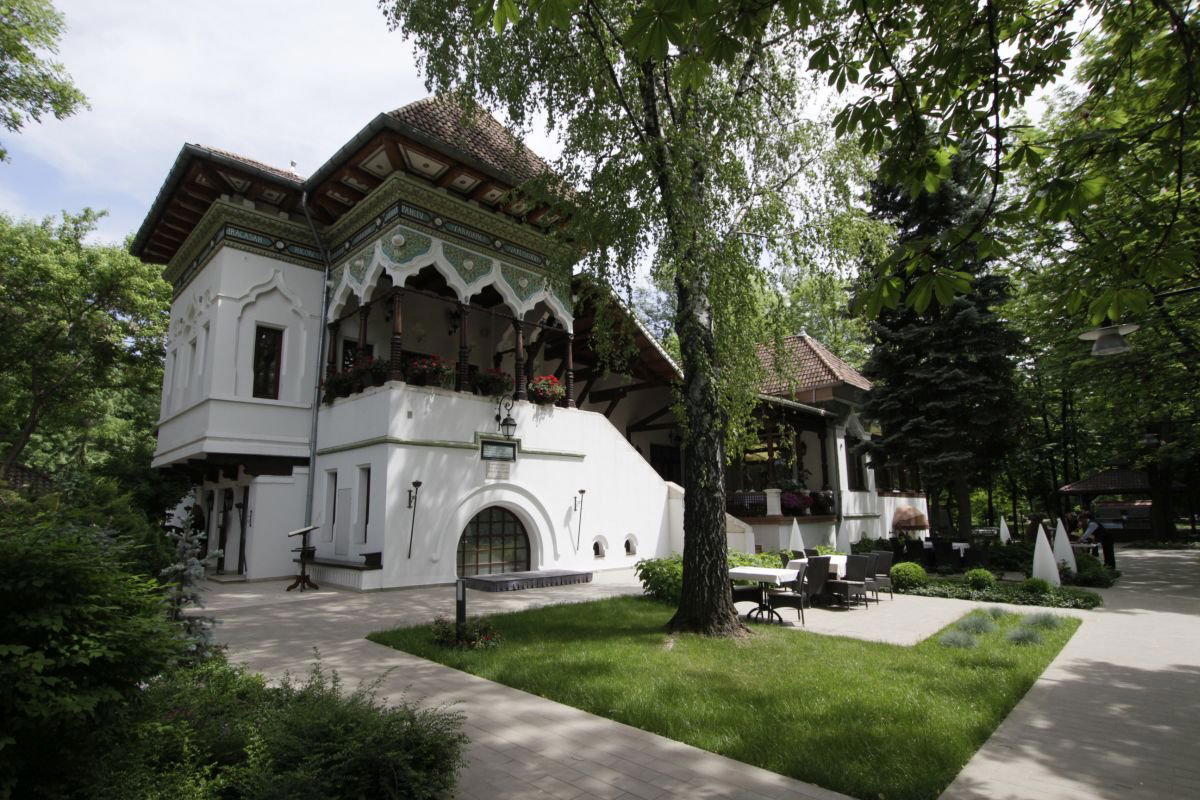
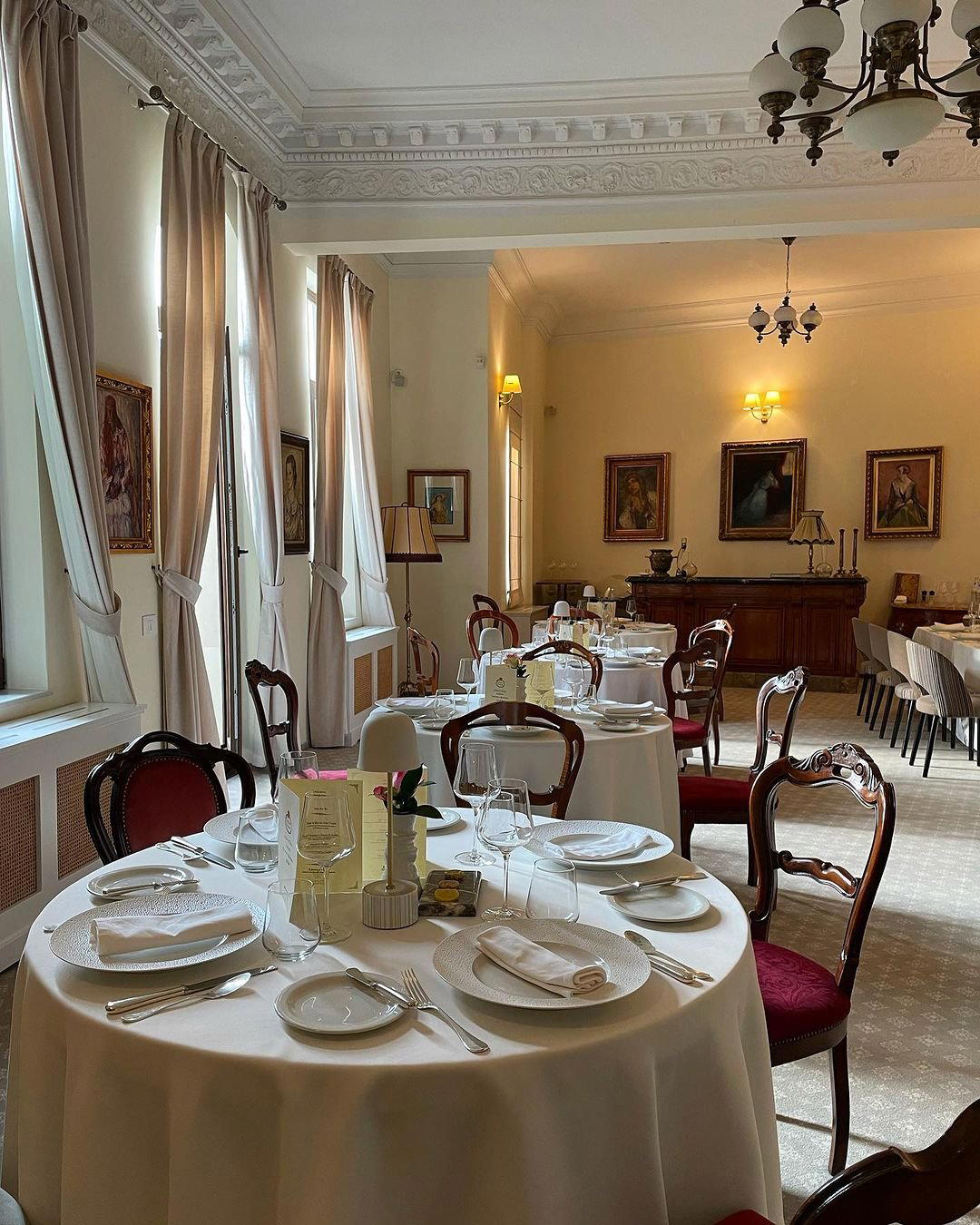
Casa Doina occupies a 19th-century villa on Şoseaua Kiseleff, Bucharest's tree-lined ceremonial boulevard, and has long served as one of the city's most atmospheric addresses for Romanian cuisine. The setting alone — high ceilings, period detail, a garden terrace shaded by mature trees — positions it apart from the newer wave of modern Romanian restaurants that define the current Bucharest dining conversation.

Pearl is the En Primeur Club membership app — saves, bookings, and concierge access live there. Same editors, same standards.
- Address
- Şoseaua Pavel D. Kiseleff 4, 011354 București, Romania
- Phone
- +40312296688
- Hours
- Daily 11 AM–11 PM
- Website
- casadoina.ro
- Directions
- Get directions
- Booking
- Book on the venue's website
The menu
What to order
- Sarmale
- Mititei
- Ciorbă de burtă
- Papanași
- Mămăligă
A Boulevard Address That Carries Its Own History
Şoseaua Pavel D. Kiseleff is not a street that apologises for itself. Modelled on the Champs-Élysées in the 19th century and lined with embassies, villa-residences, and the triumphal arch that anchors the northern end of the city, it is Bucharest's most architecturally considered thoroughfare — a setting that instantly contextualises wherever you are eating or drinking. Casa Doina sits at number 4, in a period villa that announces its intentions before you reach the door: wrought-iron gate, mature garden, a building that reads as domestic rather than commercial. This is not a converted warehouse or a sleek modern fit-out. The physical approach primes a different kind of dining expectation entirely.
That atmospheric contrast matters more in Bucharest right now than it might in other cities. The Romanian capital's restaurant scene has spent the past decade developing a confident modern identity, with venues like Alouette and Aubergine pushing the conversation toward contemporary technique, and addresses like Bogdania Bistro signalling a broader popular appetite for Romanian ingredients done with care. Against that backdrop, a villa address on Kiseleff with a long-standing presence in the city occupies a specific and somewhat separate position: it is neither the avant-garde nor the casual neighbourhood option, but something closer to an institution with a physical setting that most newer entrants cannot replicate.
The Garden, the Terrace, and What the Season Does to Both
The seasonal argument for Casa Doina is direct and worth stating directly. Bucharest summers are warm enough, and the Kiseleff garden mature enough, that eating outdoors here in June through September sits in a different register from a rooftop terrace or a pavement café. The shade is genuine rather than engineered, the surrounding greenery dense rather than ornamental, and the boulevard beyond quiet enough by the standards of a capital city to make the experience feel removed from urban noise in a way that central Bucharest rarely allows.
Romanian dining culture has always carried a strong seasonal orientation — the country's culinary traditions are rooted in agricultural cycles that dictated what was available and when, and that logic still shows up in how the better kitchens in Bucharest structure their menus across the year. A garden setting like Casa Doina's amplifies that seasonality physically: what you see around you reinforces what should be on the plate, even before a menu arrives. Whether the kitchen is fully exploiting that alignment is a question the food itself must answer, but the setting creates the expectation and the frame.
For visitors timing a Bucharest trip around dining specifically, the spring-to-autumn window is the obvious target. The city's other year-round addresses, including Caru' Cu Bere, make a strong case for winter visits given their interior grandeur, but the Kiseleff villa category is at its most coherent when the garden is in use.
Where Casa Doina Sits in the Bucharest Dining Order
Romanian cuisine at the city's more established addresses tends toward a different tempo than the modern wave. Where venues like Casa di David or the contemporary Romanian format reflect the current generation's appetite for reinterpretation and technique-forward cooking, the older villa-restaurant model that Casa Doina represents is more concerned with generous portions, traditional preparation, and an experience shaped as much by the physical environment as by what arrives on the plate.
This is a pattern visible across Eastern European capitals. Budapest, Krakow, and Bucharest all have a layer of dining that takes place in preserved or sympathetically restored period architecture, where the building itself functions as a primary draw, and where the cuisine tends to be read through the lens of tradition rather than innovation. The risk in this format is that the setting does the heavy lifting and the kitchen coasts. The opportunity is that the combination of physical authenticity and culinary continuity creates something that no amount of contemporary fit-out budget can manufacture.
Bucharest's dining conversation increasingly positions itself on an international axis. Le Bernardin in New York City or Lazy Bear in San Francisco represent the kind of benchmark-setting ambition that the city's newer generation looks toward. The villa-restaurant format sits outside that reference system deliberately, drawing its authority from local continuity rather than international alignment.
Planning a Visit: What to Know Before You Go
Casa Doina is located at Şoseaua Pavel D. Kiseleff 4, within direct reach of Piaţa Victoriei and the northern arc of the city centre. The boulevard itself is pedestrian-friendly by Bucharest standards, and the address is legible without specialist local knowledge. Visitors coming from the old city or from hotels around Calea Victoriei should budget roughly fifteen to twenty minutes by taxi or rideshare, depending on traffic through the central corridors.
Specific booking information, current hours, and pricing were not available at the time of writing, and visitors should verify directly before planning around a specific meal. For a broader orientation to eating well in Bucharest, our full Bucharest restaurants guide covers the current field across price points and neighbourhoods.
Romania's dining scene beyond the capital also merits attention for those travelling more widely. Artegianale in Brasov and STUP in Simon represent what is happening in Transylvania's more food-forward addresses, while Andalu Gastrobar in Iasi and Kupaj Fine Wines and Gourmet Tapas in Cluj-Napoca give a sense of how the country's secondary cities are developing their own dining identities. For those extending a trip further, Epoca Steak house in Craiova, Cafeneaua Nației in Ploiesti, Cartofisserie in Suceava, Cartofisserie in Timisoara, Bistro Caffe Moțu in Baia Sprie, and Butterfly Events in Chiscani illustrate the range of what Romanian dining looks like outside the capital.
Frequently asked questions
How do I find Casa Doina?
Casa Doina is located at Şoseaua Pavel D. Kiseleff 4, 011354 București, Romania, Bucharest.
Is Casa Doina suitable for a summer outdoor dining experience in Bucharest?
Casa Doina occupies a mature garden on Şoseaua Pavel D. Kiseleff, one of Bucharest's most architecturally significant boulevards, making it one of the city's more considered settings for warm-weather dining. The terrace operates seasonally, and Bucharest's long summers mean the garden is in active use for a substantial portion of the year. It sits in the northern arc of the city centre, within reach of Piaţa Victoriei.
What dish is Casa Doina famous for?
Casa Doina's kitchen focuses on Romanian culinary tradition, and the venue is widely associated with classic preparations rooted in that canon.
What's the best way to book Casa Doina?
Kiseleff 4, Bucharest, is the most reliable approach. For summer visits especially, securing a table in advance is advisable given the garden terrace's popularity during the warmer months.
Peers Worth Knowing
Comparable venues nearby, for context on price, style, and recognition.
| Venue | Cuisine | Price | Notes |
|---|---|---|---|
| Casa DoinaThis venue — the venue you are viewing | Traditional Romanian | $30–50 | Not listed |
| Alouette | Modern European Bistro | $20–30 | Old Town |
| Locanta Jaristea | Traditional Romanian | $20–30 | Not listed |
| Studio 80 | Asian-Mediterranean Fusion | $30–50 | Pipera |
| Casa di David | Italian Seafood Mediterranean | $50–100 | Herăstrău |
| trickSHOT | International with Italian & Mediterranean influences | $20–30 | Floreasca |
Continue exploring
More in Bucharest
Restaurants in Bucharest
Browse all →
Bars in Bucharest
Browse all →


Casa Doina
The wine
- Wine program
- Curated wine list
- Extensive wine list
Details
- Classic
- Elegant
- Romantic
- Cozy
- Historic
- Date Night
- Business Dinner
- Celebration
- Special Occasion
- Garden
- Terrace
- Historic Building
- Live Music
- Extensive Wine List
- Local Sourcing
- Garden
- A La Carte
- Wine
- Vegetarian Friendly
- Vegan Options
- Gluten Free Options
Current opening hours
- Monday
- 11 AM–11 PM
- Tuesday
- 11 AM–11 PM
- Wednesday
- 11 AM–11 PM
- Thursday
- 11 AM–11 PM
- Friday
- 11 AM–11 PM
- Saturday
- 11 AM–11 PM
- Sunday
- 11 AM–11 PM
Hours can change for holidays and private events. Last verified .
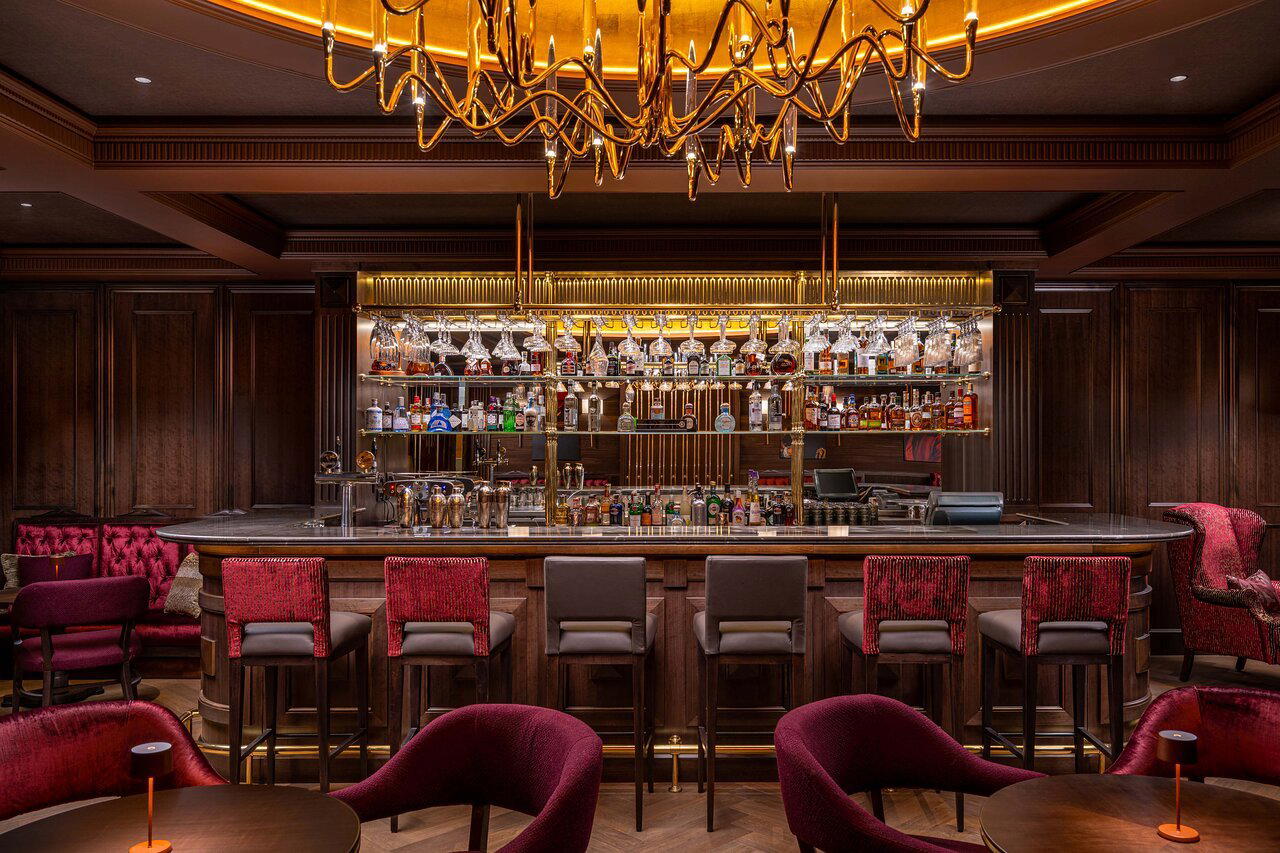
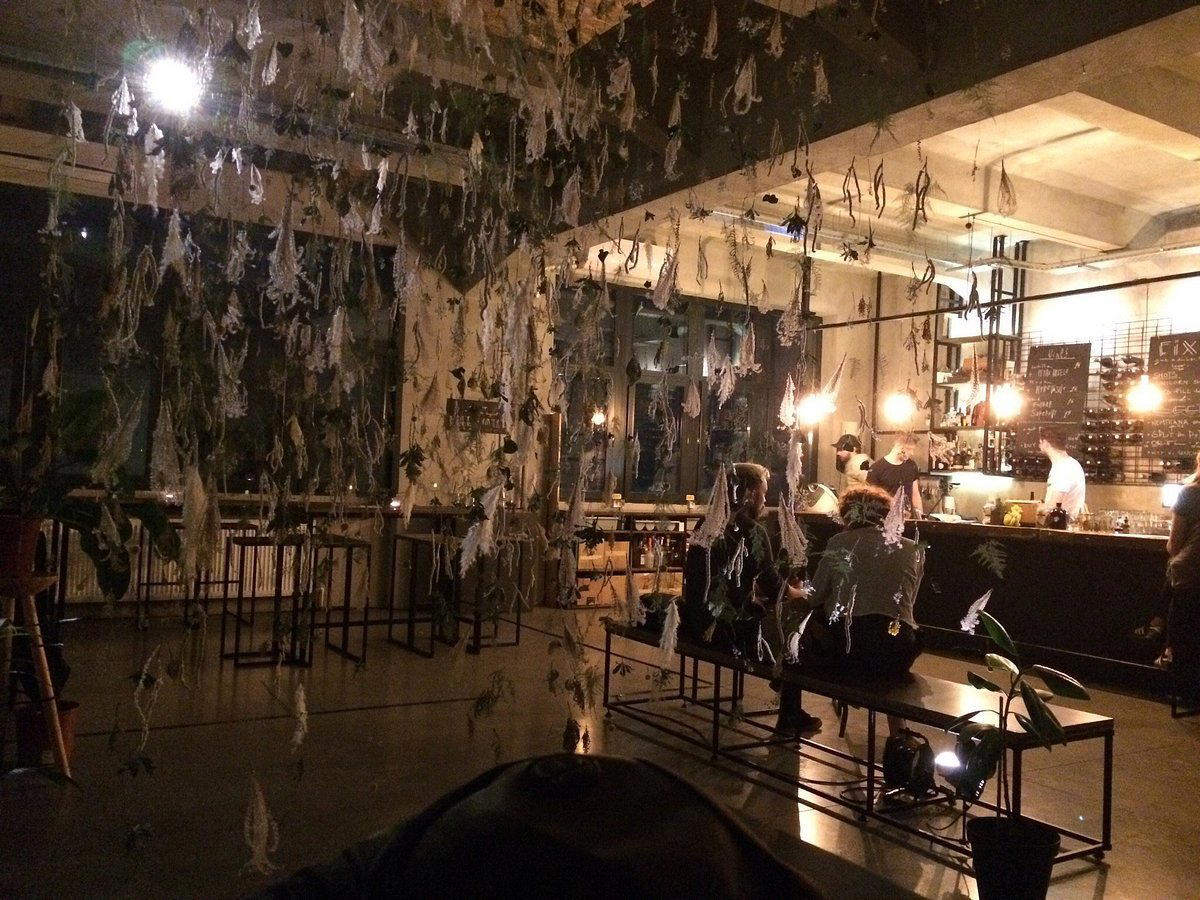
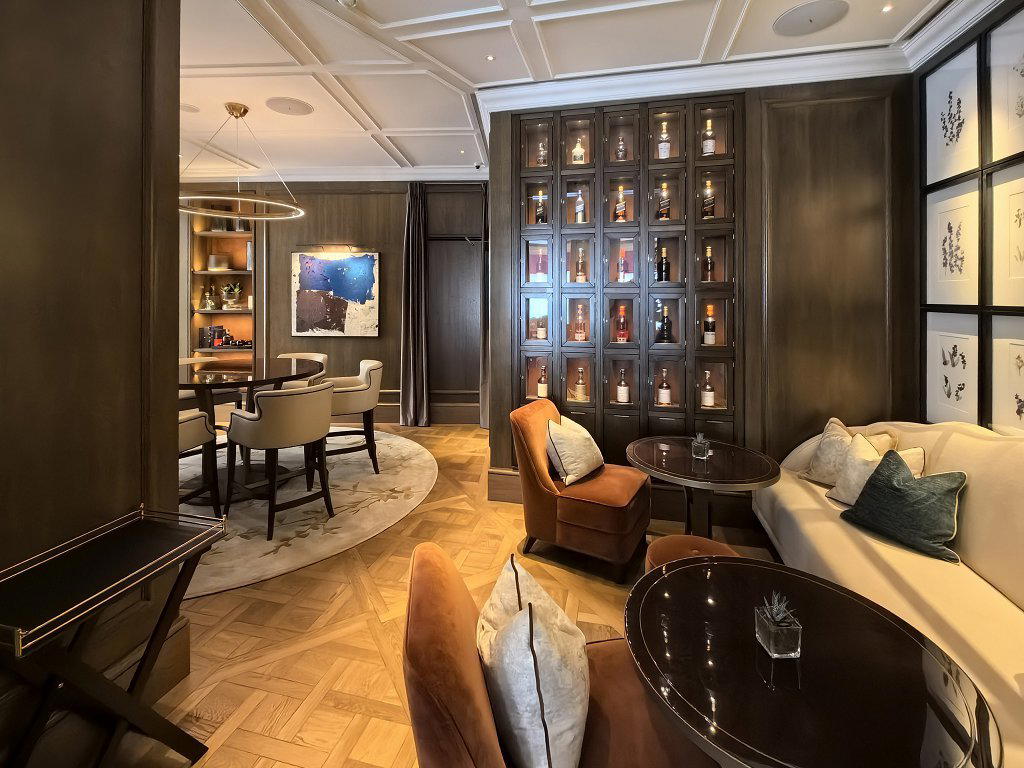
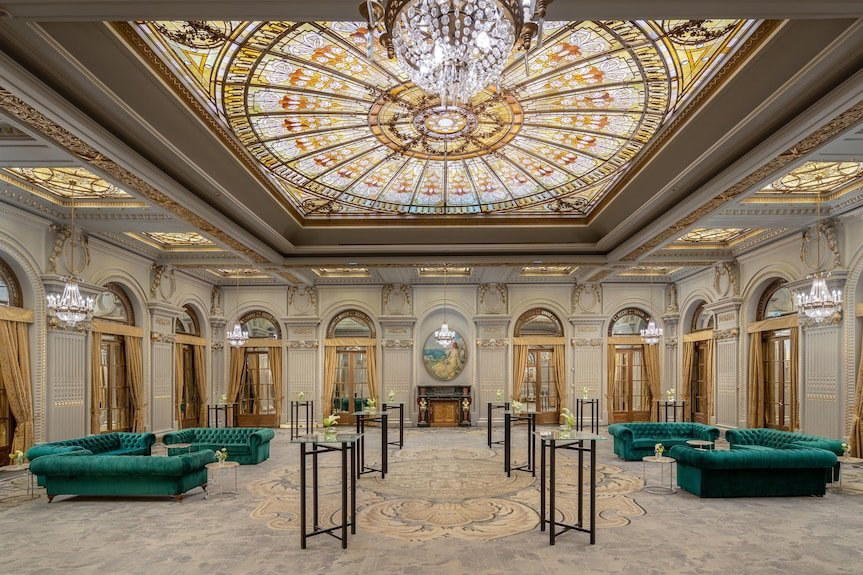
Elegant historic villa ambiance with charming garden terrace, live music, and aristocratic atmosphere.