Our verdict
Korean BBQ has found a foothold in Bucharest's increasingly international dining scene, and Jeonjuu on Strada Sfântul Dumitru sits at the center of that shift. The restaurant brings the communal, smoke-and-char tradition of Korean table grilling to a city more accustomed to French bistros and Romanian classics, offering a format that is as much social ritual as it is a meal.

Pearl is the En Primeur Club membership app, where members save venues, book tables and use the concierge.

The menu
What to order
- LA Galbi
- Bulgogi
- Pork Belly
- Kimchi Fried Rice
- Korean Fried Chicken
Korean BBQ in Bucharest: A Tradition That Travels
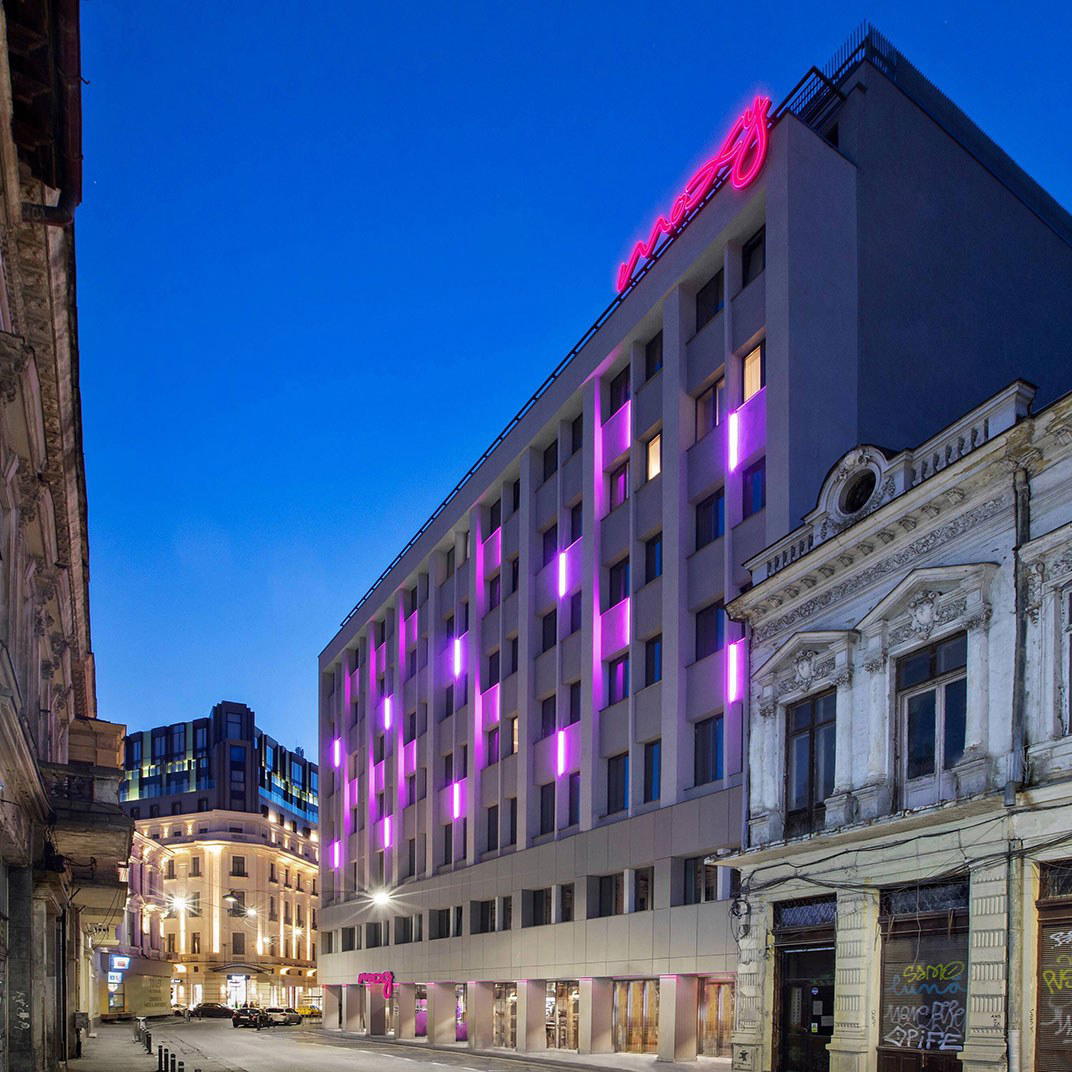
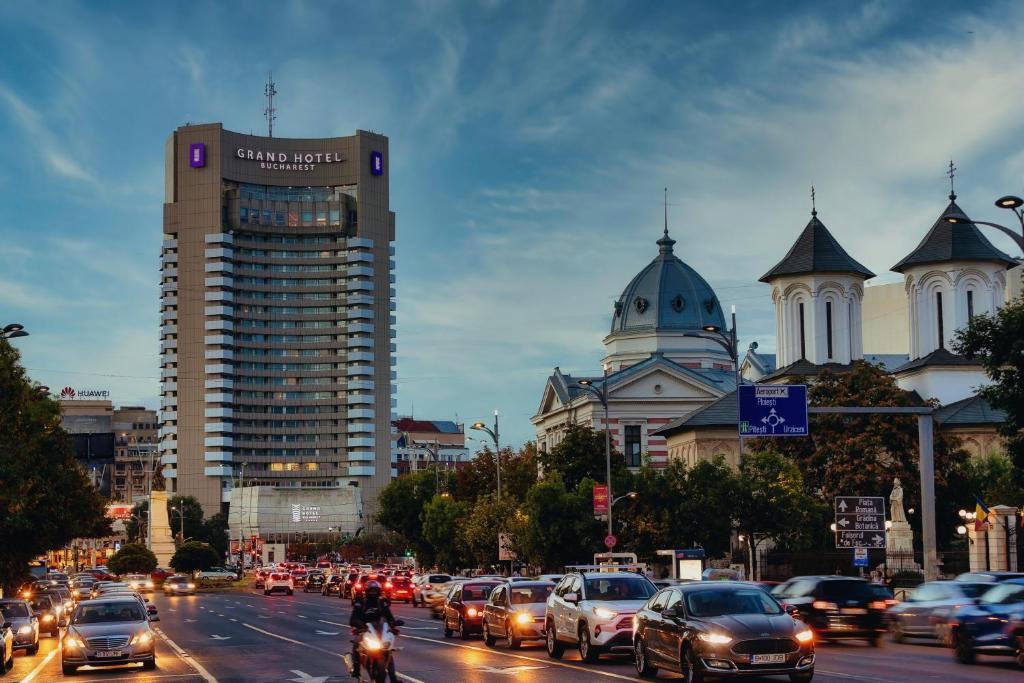
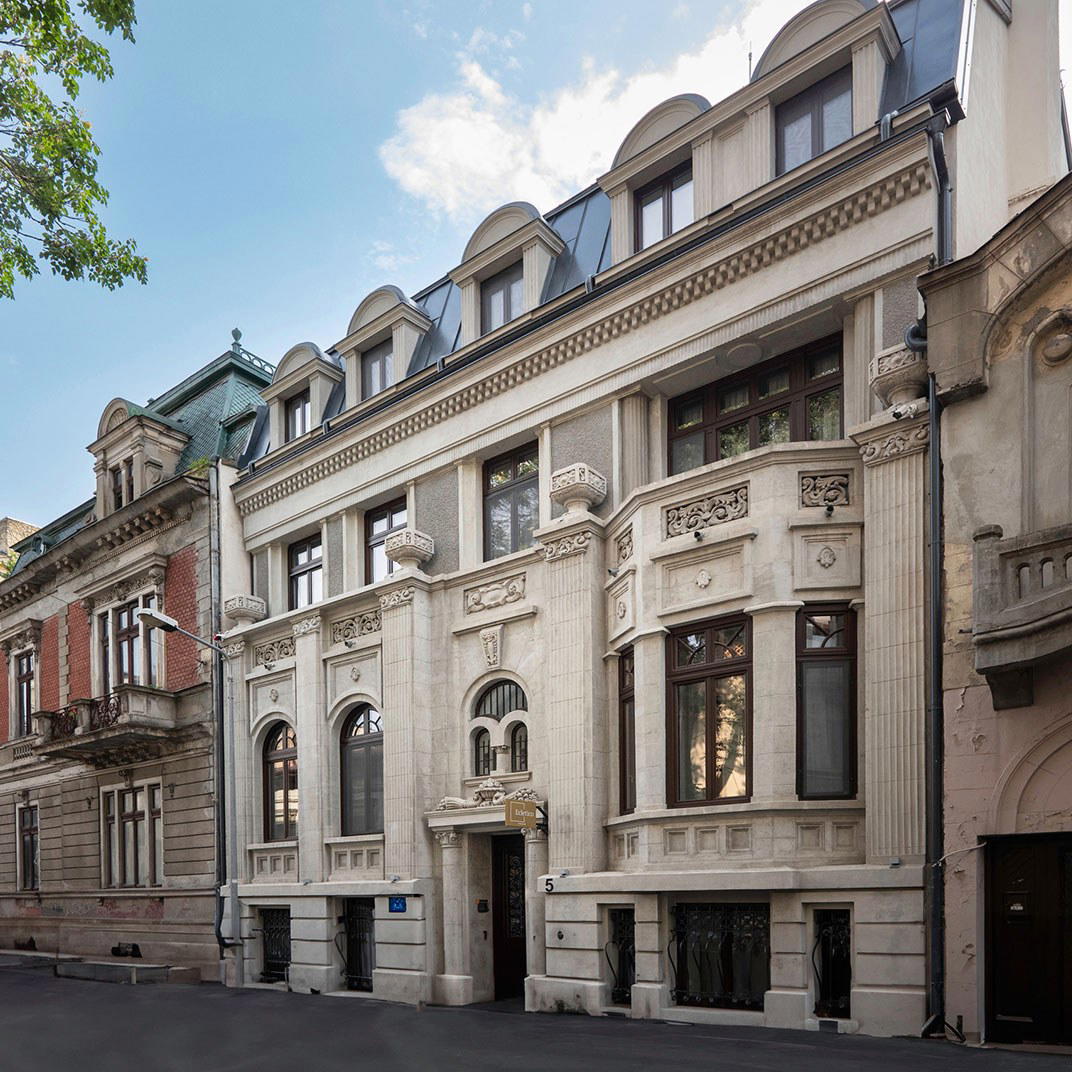
Strada Sfântul Dumitru cuts through one of Bucharest's older central quarters, where 19th-century facades share blocks with contemporary cafes and a growing cluster of restaurants that signal the city's expanding culinary ambitions. It is in this context that Jeonjuu Korean BBQ occupies its address at number 3, not as an anomaly, but as part of a broader pattern in which Bucharest's dining scene has begun absorbing formats from further afield than Western Europe. Korean BBQ, in particular, is a format that travels well: its social structure, its reliance on live fire, and its interactive table format give it an immediacy that transcends language barriers and culinary unfamiliarity.
Korean barbecue as a dining tradition has deep roots in the Korean peninsula, with regional variations that span centuries. The version most familiar to international audiences, table-leading grilling of marinated and unmarinated meats over charcoal or gas, accompanied by an array of banchan side dishes, emerged as a popular urban format through the mid-20th century. What distinguishes it from other grilled-meat traditions is the communal architecture: diners cook their own food at the table, the meal unfolds over an extended period, and the side dishes serve as a constant backdrop rather than a sequential course structure. This is a format built for groups, for conversation, and for a particular kind of slow, participatory eating that sits at the opposite end of the spectrum from a tasting menu.
Where Jeonjuu Sits in Bucharest's International Dining Tier
Bucharest has developed a recognizable international dining tier over the past decade, concentrated largely in the centre and the Floreasca-Dorobanți corridor. French and Italian references dominate that tier: venues like Alouette and Aubergine occupy the more formal end, while Casa di David represents the Italian casual-fine bracket. Romanian modern restaurants like Bogdania Bistro have added local identity to the mix. Against that backdrop, Korean BBQ represents a genuine category addition rather than another variation on a familiar theme. The format is interactive in a way that most European restaurant traditions are not, and it requires a level of operational specificity, ventilation systems, table-leading grills, the logistics of banchan service, that signals genuine investment in getting the format right rather than grafting Korean labels onto an otherwise conventional restaurant structure.
Jeonjuu takes its name from Jeonju, a city in South Korea's North Jeolla province that holds a significant position in Korean culinary culture. Jeonju is widely regarded within Korea as a reference point for Korean cuisine, particularly for bibimbap and the quality of its banchan traditions. The name is not incidental; it signals an alignment with a specific regional culinary identity, which places Jeonjuu Korean BBQ in a different conceptual register from generic Korean restaurant formats. Whether that alignment extends to sourcing, menu design, or cooking approach is something visitors will observe directly, but the reference point itself is meaningful for anyone familiar with Korean food culture.
The BBQ Format and What It Demands of the Diner
Korean BBQ rewards a certain kind of engagement. The meal is not passive. Diners manage cooking times, rotate cuts across the grill surface, and assemble their own combinations of meat, rice, vegetables, and fermented accompaniments. The banchan, typically a rotating selection that might include kimchi in several forms, namul (seasoned vegetable preparations), pickled radish, and various sauced preparations, arrive at the table before the main grilling begins and remain throughout. The interplay between the char and fat of grilled meat and the acidity and ferment of the side dishes is central to the experience; neither element makes full sense without the other.
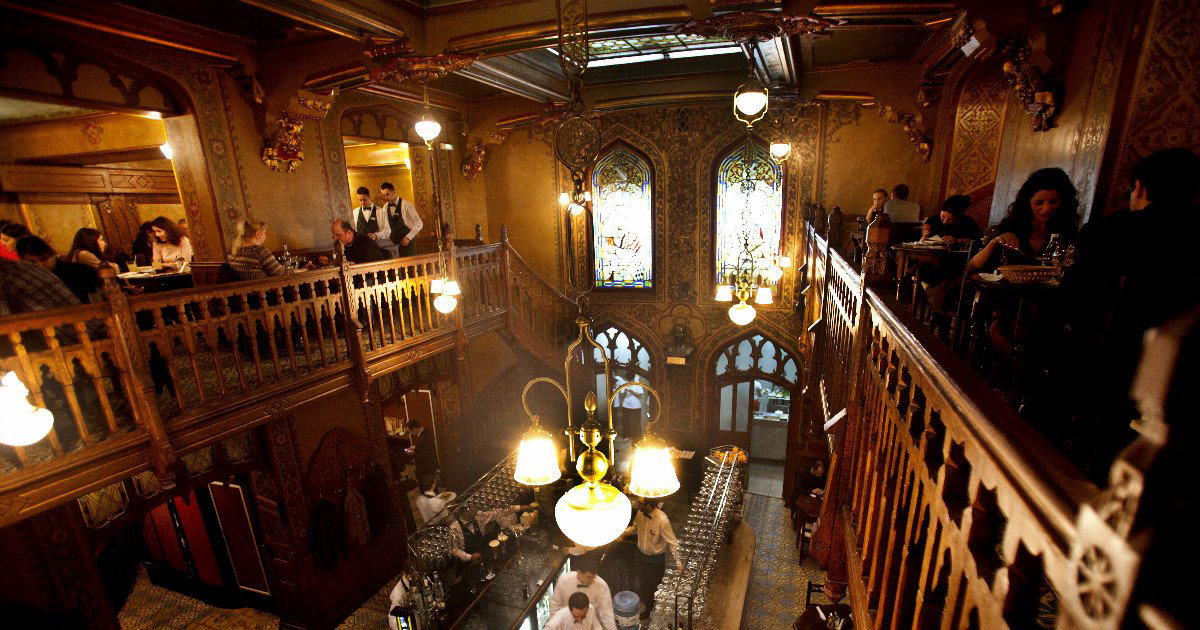
For Bucharest diners encountering the format for the first time, this level of interaction can take adjustment. The city's more established dining traditions, including the grand historic register of venues like Caru' cu Bere or its closely related sibling, are built around a more conventional service structure. Korean BBQ asks more of the table while delivering a correspondingly more participatory evening. Groups of four or more tend to get the most from the format, both logistically, more cuts can be ordered and compared simultaneously, and socially, since the shared cooking activity accelerates a certain kind of ease between diners.
Korean BBQ in a Wider Romanian Context
Bucharest tends to absorb international dining formats before Romania's other cities, but the gap is narrowing. Venues like Eat IT casual gourmet kitchen in Oradea and Cofeels in Cluj-Napoca reflect a growing appetite across the country for formats that sit outside the traditional Romanian-French axis. Korean cuisine has been slower to reach Romanian cities than Japanese or pan-Asian concepts, which makes Jeonjuu's presence in Bucharest an early-mover position in a category that has significant room to develop. Cartofisserie in Timisoara and Cartofisserie in Suceava illustrate how format-specific concepts are gaining traction even outside the capital, though Korean BBQ remains rare enough outside Bucharest to be notable.
At the international level, Korean cuisine has undergone a significant repositioning over the past decade. Venues like Atomix in New York City, a two-Michelin-star Korean fine dining restaurant, have demonstrated the range of what Korean culinary tradition can produce at the upper end of the market, while the BBQ format has simultaneously expanded into mainstream international dining through its social appeal. The two movements are not in competition; they reflect different aspects of a cuisine substantial enough to support multiple serious expressions. Jeonjuu operates in the casual-communal register of that spectrum, which is where Korean BBQ has always had its broadest cultural resonance.
Planning Your Visit
Jeonjuu Korean BBQ is located at Strada Sfântul Dumitru 3 in central Bucharest, within walking distance of the city's historic core. For current hours, reservation availability, and menu details, visiting the restaurant directly is advisable, booking ahead is recommended for groups, particularly on weekend evenings when the format's social appeal tends to fill tables early. Those building a broader Bucharest itinerary will find additional context in our full Bucharest restaurants guide, which maps the city's dining scene across neighbourhood and price tier. For reference points in how Korean cuisine operates at international fine dining level, Atomix and Le Bernardin in New York City represent the upper bracket of the category, useful context for understanding how far the Korean culinary tradition extends beyond the BBQ format.
Frequently asked questions
Where is Jeonjuu Korean BBQ located?
Jeonjuu Korean BBQ is located at Strada Sfântul Dumitru 3, București 030077, Romania, Bucharest.
How does Jeonjuu Korean BBQ compare to other Korean restaurants in Bucharest?
Bucharest has a limited but growing Korean dining presence, and Jeonjuu's position on Strada Sfântul Dumitru 3 in the historic centre places it among the few venues in the city dedicated specifically to the table-grill format rather than Korean cuisine more broadly. Most Korean restaurants in Romania's capital lean toward casual lunch formats or mixed Asian menus, making a venue focused on the interactive BBQ experience a narrower category within Bucharest's international dining tier.
What do people recommend at Jeonjuu Korean BBQ?
Jeonjuu follows the core Korean BBQ format, meaning the emphasis falls on marinated and unmarinated cuts cooked at the table rather than a single signature dish. Regulars at Korean BBQ venues in this format typically prioritise the marinated beef and pork belly cuts alongside the banchan spread.
Is Jeonjuu Korean BBQ reservation-only?
Korean BBQ venues operating in smaller international markets like Bucharest often accept walk-ins during off-peak hours but fill quickly on weekends. Contacting the venue at Strada Sfântul Dumitru 3 directly before visiting is advisable, particularly for groups.
What is Jeonjuu Korean BBQ known for?
Jeonjuu is among the small number of venues in Bucharest dedicated to the Korean BBQ format, where diners cook their own meat on in-table grills and assemble bites alongside banchan side dishes. The venue sits in one of Bucharest's older central quarters, placing it within easy reach of the historic core. It represents a relatively specialised offer within the city's international dining tier.
Is Jeonjuu Korean BBQ good for vegetarians?
Korean BBQ is a meat-centred format, and Jeonjuu is positioned within that tradition. Banchan side dishes, which accompany most Korean BBQ meals, are often vegetable-based and can provide substance for vegetarians, but the core cooking format revolves around meat cuts. Those with strict dietary requirements should confirm the current menu directly with the restaurant before visiting.
Does Jeonjuu Korean BBQ justify its prices?
As a general reference point, Korean BBQ venues in central European cities typically sit in the mid-range bracket relative to local dining costs, partly because the in-table grill setup carries higher operational costs than standard table service. Verifying current pricing with the venue at Strada Sfântul Dumitru 3 is recommended.
Pricing, Compared
Comparable venues nearby, for context on price, style, and recognition.
| Venue | Cuisine | Price | Notes |
|---|---|---|---|
| Jeonjuu Korean BBQThis venue (the venue you are viewing) | Authentic Korean BBQ | $30–50 | Not listed |
| Trattoria Mezzaluna | Authentic Italian Trattoria | $20–30 | Sala Floreasca, Authentic Italian Trattoria |
| trickSHOT | International with Italian & Mediterranean influences | $20–30 | Floreasca, International with Italian & Mediterranean influences |
| Namaste Restaurant Indian | Authentic Indian Restaurant | $20–30 | Old Town, Authentic Indian Restaurant |
| Aubergine | Mediterranean with Israeli and Egyptian influences | Not listed | Old Town, Mediterranean with Israeli and Egyptian influences |
| Bogdania Bistro | Balkan Bistro | $20–30 | Lipscani/Old Town, Balkan Bistro |
Continue exploring
More in Bucharest
Restaurants in Bucharest
All restaurants in Bucharest →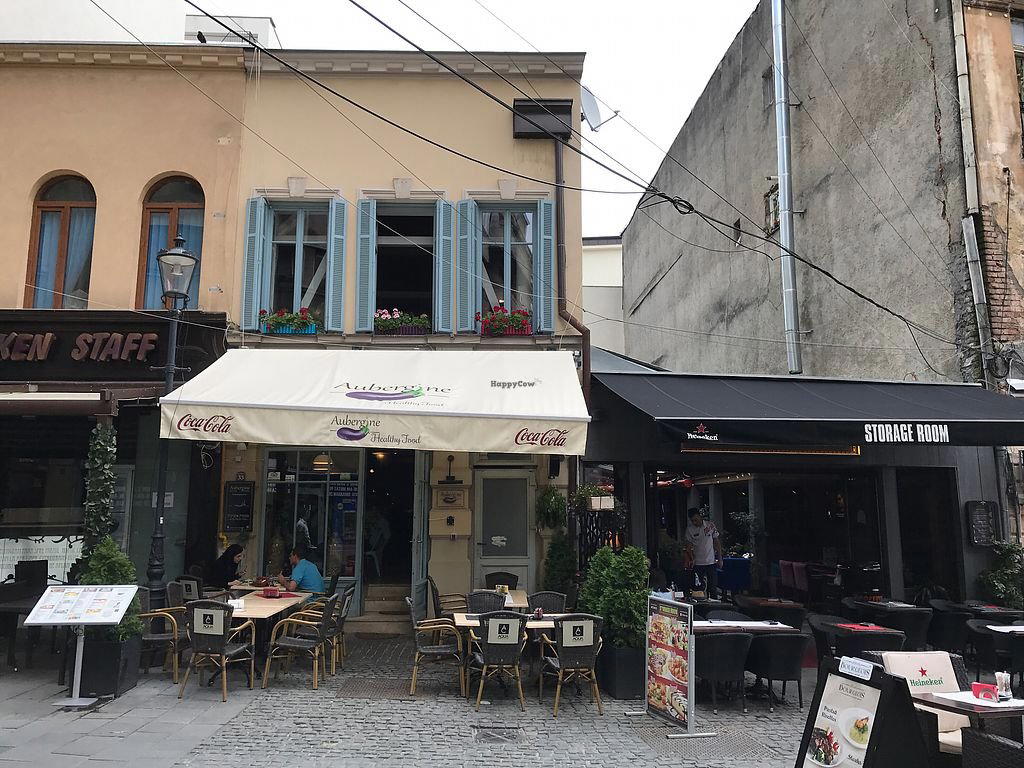
Bars in Bucharest
All bars in Bucharest →

Details
- Modern
- Cozy
- Warm
- Lively
- Group Dining
- Casual Hangout
- Celebration
- Date Night
- Open Kitchen
- Standalone
- Beer Program
- Craft Cocktails
- A La Carte
- Family Style
- Beer
- Cocktails
- Wine
- Vegetarian Friendly
- Vegan Options
- Allergy Accommodating
Current opening hours
- Monday
- 5 PM–12 AM
- Tuesday
- 12 PM–12 AM
- Wednesday
- 12 PM–12 AM
- Thursday
- 12 PM–12 AM
- Friday
- 12 PM–12 AM
- Saturday
- 11 AM–12 AM
- Sunday
- 11 AM–12 AM
Hours can change for holidays and private events. Hours as of .
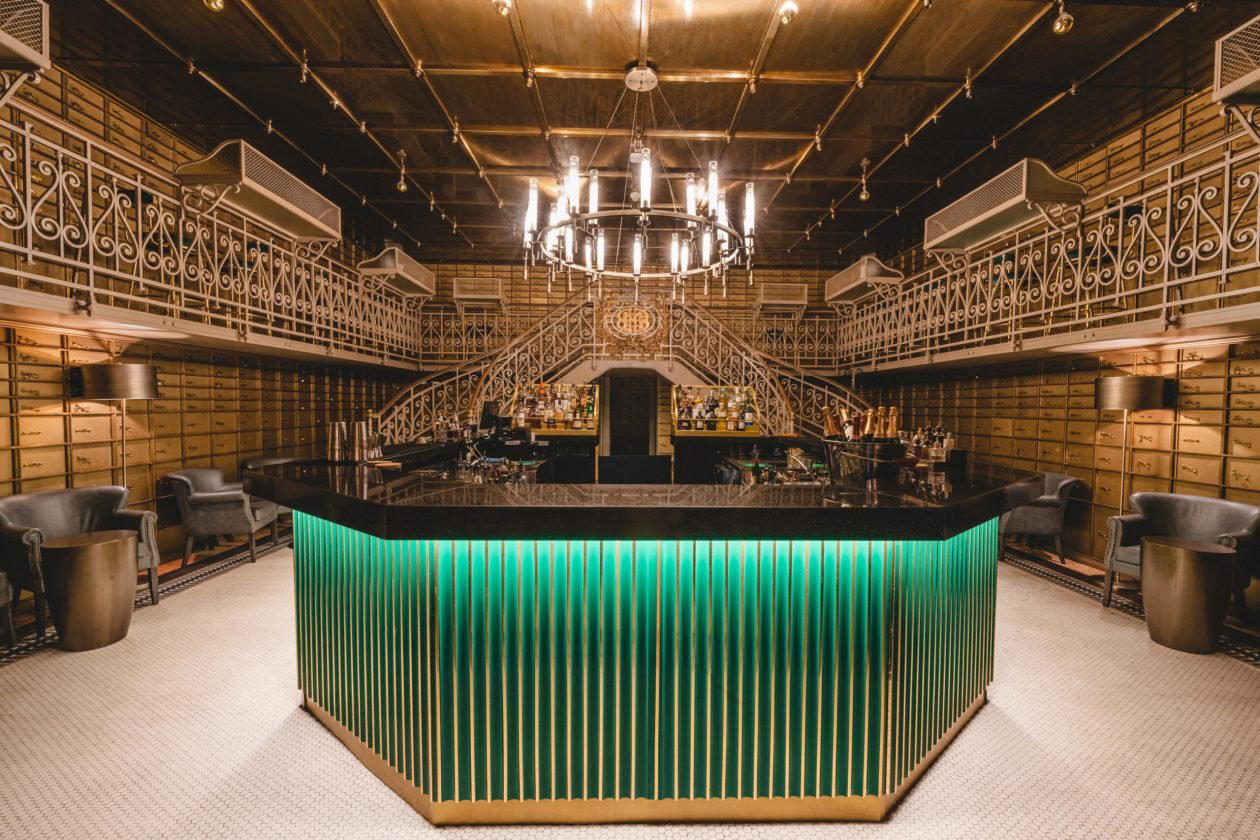
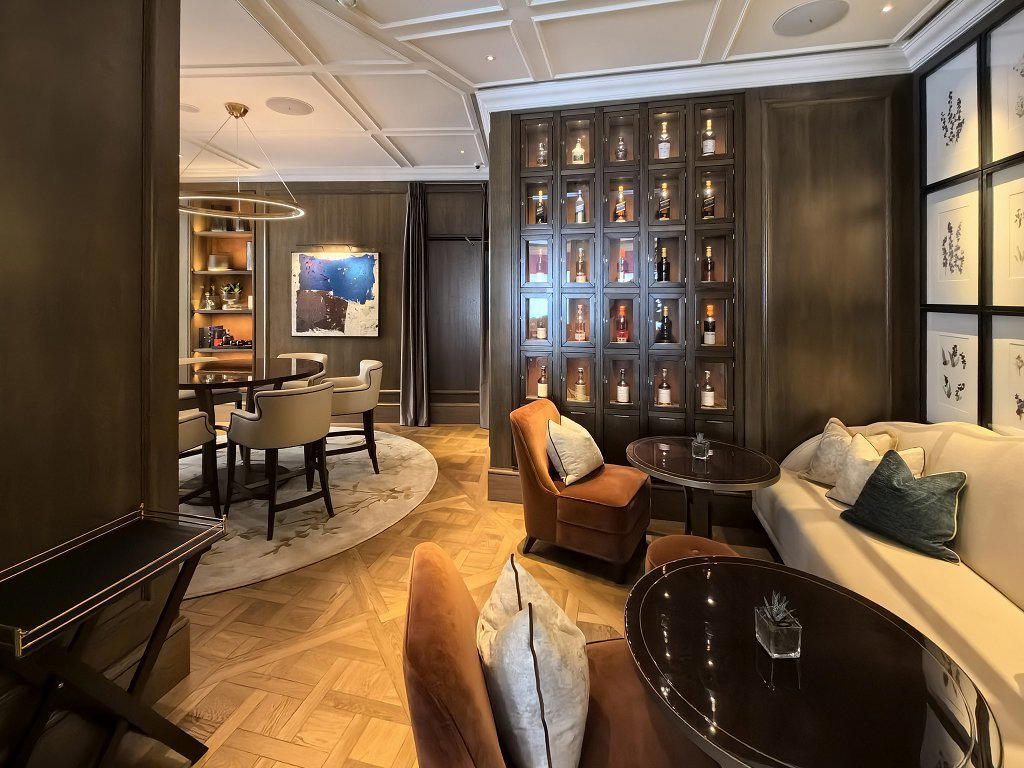
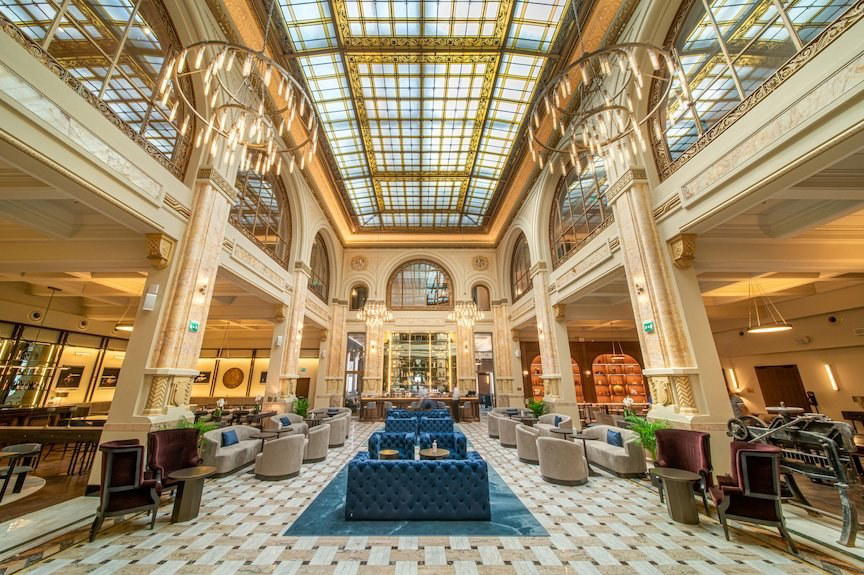
Sleek and modern yet cozy atmosphere with warm lighting and the rich scents of sizzling meats and marinades; inviting and welcoming with contemporary decor.