Kaiamo operates on Strada Ermil Pangrati in Bucharest's quieter residential fringe, where Romanian modern dining has found room to develop away from the city-centre circuit. The kitchen works within a collaborative format that integrates cooking, service, and wine into a single coordinated program, placing it in a small comparable set of Bucharest addresses where the front-of-house dynamic is as considered as the food.
Pearl is the En Primeur Club membership app — saves, bookings, and concierge access live there. Same editors, same standards.
- Address
- 30A, Strada Ermil Pangrati Street, București 011884, Romania
- Phone
- +40722202204
- Website
- kaiamo.com
 Saves & bookings on Pearl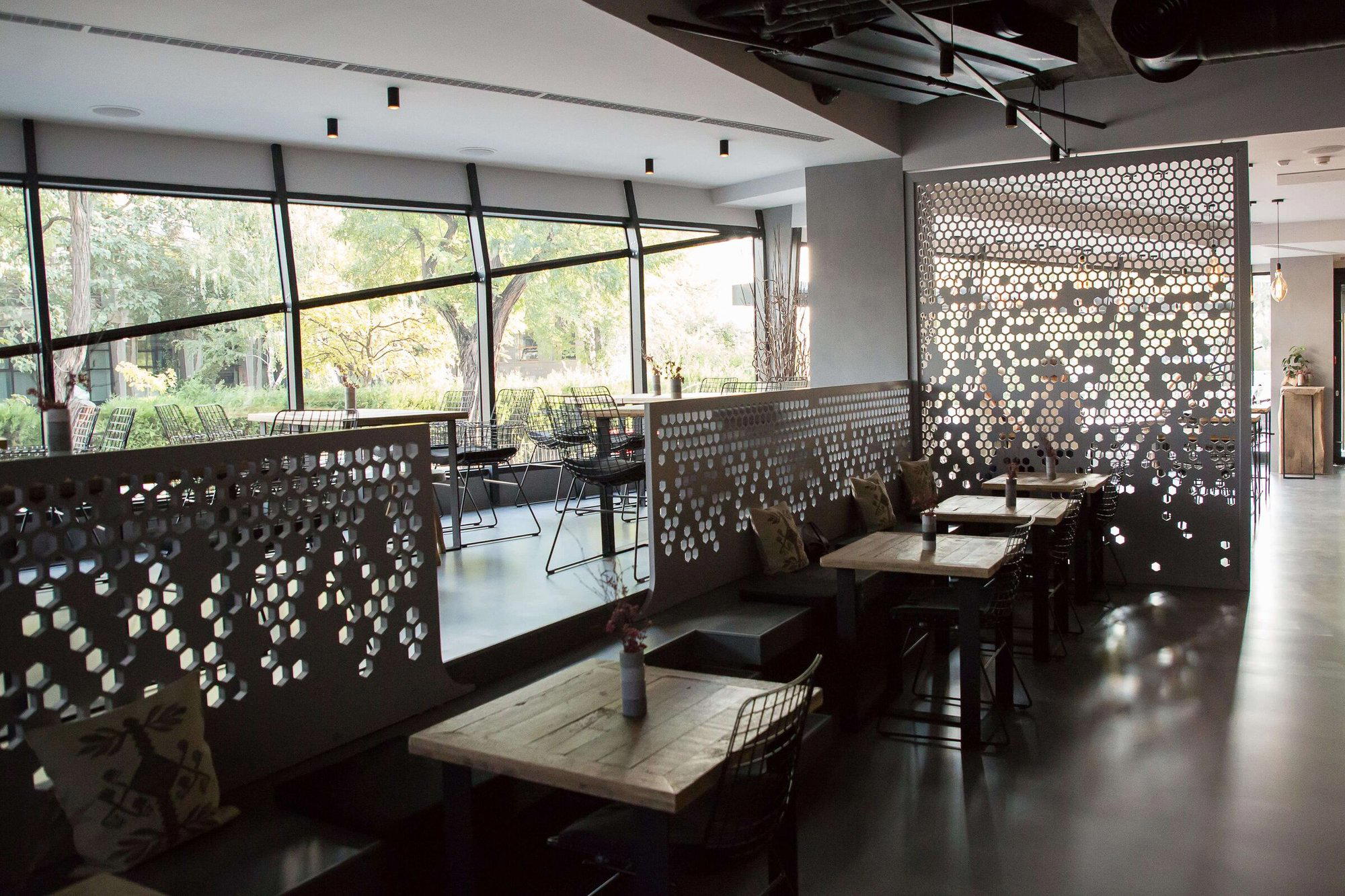
A Street That Rewards the Detour
Bucharest's more interesting restaurants have been migrating away from the obvious tourist corridors for years. The area around Strada Ermil Pangrati sits in that intermediate zone between the dense commercial centre and the leafier residential neighbourhoods to the north, where lower rents and quieter surroundings have allowed a different kind of hospitality to take root. Kaiamo, at number 30A on that street, is a Bucharest restaurant serving Experimental Modern Romanian cuisine at a price point of about $30 per person. In a city where dining out often means choosing between heritage spectacle (the kind offered by Caru'Cu Bere and Caru' cu bere in Bucuresti) and stripped-back bistro formats, this address occupies a more considered middle ground.
The Collaborative Model Behind the Counter
Across the upper tier of European dining, particularly coherent restaurant experiences tend to be built on tight collaboration between kitchen, floor, and cellar. The chef who cooks in isolation from their sommelier, or a front-of-house team that operates as a separate department from the kitchen, produces a divided experience that diners sense even when they cannot name it. Bucharest's emerging modern-Romanian restaurants have been absorbing this lesson, and Kaiamo represents that shift in the local context.
The team-as-unit model is not new globally. At multi-awarded counters in New York, formats like Atomix have shown how thoroughly integrated front-of-house and kitchen teams can be, with service staff narrating dish context, wine selections calibrated to each course, and the overall arc of an evening feeling authored rather than assembled. In Paris and at seafood-focused destinations like Le Bernardin in New York City, the same philosophy operates at scale. What Bucharest venues like Kaiamo are developing is a local version of that discipline, adapted to a dining culture still finding its footing in the premium tier.
Within Bucharest's modern-Romanian peer group, which includes addresses like Alouette and Aubergine, the question of how kitchen ambition translates into the full dining experience is the distinguishing variable. A kitchen can produce technically accomplished plates and still feel disconnected from the room if the floor team is narrating rather than co-authoring the evening. Kaiamo's positioning within the Pangrati neighbourhood suggests a deliberate choice to build an experience that is contained, focused, and dependent on the interaction between every element of service.
Romanian Modern Dining and Where It Sits Now
Romania's fine-dining scene has been consolidating around a recognisable set of reference points over the past decade. Chefs with training from Western European kitchens have returned or been recruited, Romanian ingredients have been reframed as premium rather than rustic, and a small cluster of Bucharest addresses has begun competing with the mid-tier of Central European restaurant culture rather than simply serving a local clientele with limited alternatives.
The comparison set matters here. Bucharest's upper-end restaurants now benchmark against venues in Budapest, Prague, and Warsaw rather than against each other alone, which has raised technical standards and wine program ambition across the sector. Bogdania Bistro and Casa di David represent different points on Bucharest's hospitality spectrum, from bistro to more formal Italian-influenced formats. Kaiamo fits within the modern-Romanian current that is attempting to articulate a specifically local identity through seasonal ingredients and kitchen discipline, rather than defaulting to Franco-Italian frameworks.
Across Romania more broadly, that identity-building project takes different forms depending on city and context. Eat IT casual gourmet kitchen in Oradea and Cartofisserie in Timisoara suggest how regional cities are developing their own hospitality characters, while Cofeels in Cluj-Napoca and Lo Sfizio in Targu Mures point to the diversity of approaches across the country. Bucharest, as the capital and the highest-density market, remains the proving ground for particularly ambitious formats.
Service as Authorship
The editorial angle that matters most when assessing a venue built around team dynamics is not the menu or the room in isolation, but the degree to which the floor team functions as an extension of the kitchen's intent. In formats where this works, the sommelier's selections do not simply pair with dishes but actively participate in the argument the kitchen is making about Romanian produce or contemporary technique. Front-of-house staff who understand what the kitchen is attempting can guide a diner through a meal in a way that adds interpretive value rather than simply managing logistics.
This is the model that Bucharest's most considered addresses are reaching toward, and it is the frame through which Kaiamo is best understood. The address on Strada Ermil Pangrati is not in the city's tourist triangle, which means its clientele is largely self-selecting: diners who have made the effort to find it and who arrive with some expectation of engagement rather than passive consumption. That self-selection tends to produce a different room dynamic, one where the team's collaborative effort lands differently than it would in a high-turnover city-centre venue.
Planning a Visit
Kaiamo is located at 30A Strada Ermil Pangrati in Bucharest.
Those building a broader Romanian dining tour can cross-reference with regional options: Cafeneaua Nației in Ploiesti, Cartofisserie in Suceava, Cocteleria Urban Garden in Floresti, Vatos Restaurant in Agigea, and Butterfly Events in Chiscani each represent different facets of Romanian hospitality outside the capital.
Price and Recognition
Comparable venues nearby, for context on price, style, and recognition.
| Venue | Cuisine | Price | Notes |
|---|---|---|---|
| KaiamoThis venue — the venue you are viewing | Dorobanți, Experimental Modern Romanian | $$$$ | Not listed |
| Osho | Primăverii, Premium Steakhouse | $$$$ | Not listed |
| NOUA | Iancului, Neo-Romanian Fine Dining | $$$$ | Not listed |
| Casa di David | Herăstrău, Italian Seafood Mediterranean | $$$ | Not listed |
| Le Bistrot Français | Not listed | $$$$ | City Center, Modern French Bistro with Basque Influences |
| Locanta Jaristea | Not listed | $$$ | :null, Traditional Romanian |
Continue exploring
More in Bucharest
Restaurants in Bucharest
Browse all →
Bars in Bucharest
Browse all →
At a Glance
- Modern
- Elegant
- Sophisticated
- Cozy
- Date Night
- Special Occasion
- Open Kitchen
- Extensive Wine List
- Local Sourcing
Current opening hours
- Monday
- Closed
- Tuesday
- 6–11 PM
- Wednesday
- 6–11 PM
- Thursday
- 6–11 PM
- Friday
- 6–11 PM
- Saturday
- 6–11 PM
- Sunday
- Closed
Hours can change for holidays and private events. Last verified .
Warm wood accents, soft lighting, cozy modern chalet atmosphere blending rustic charm with elegant sophistication and artistic design elements.