Our verdict
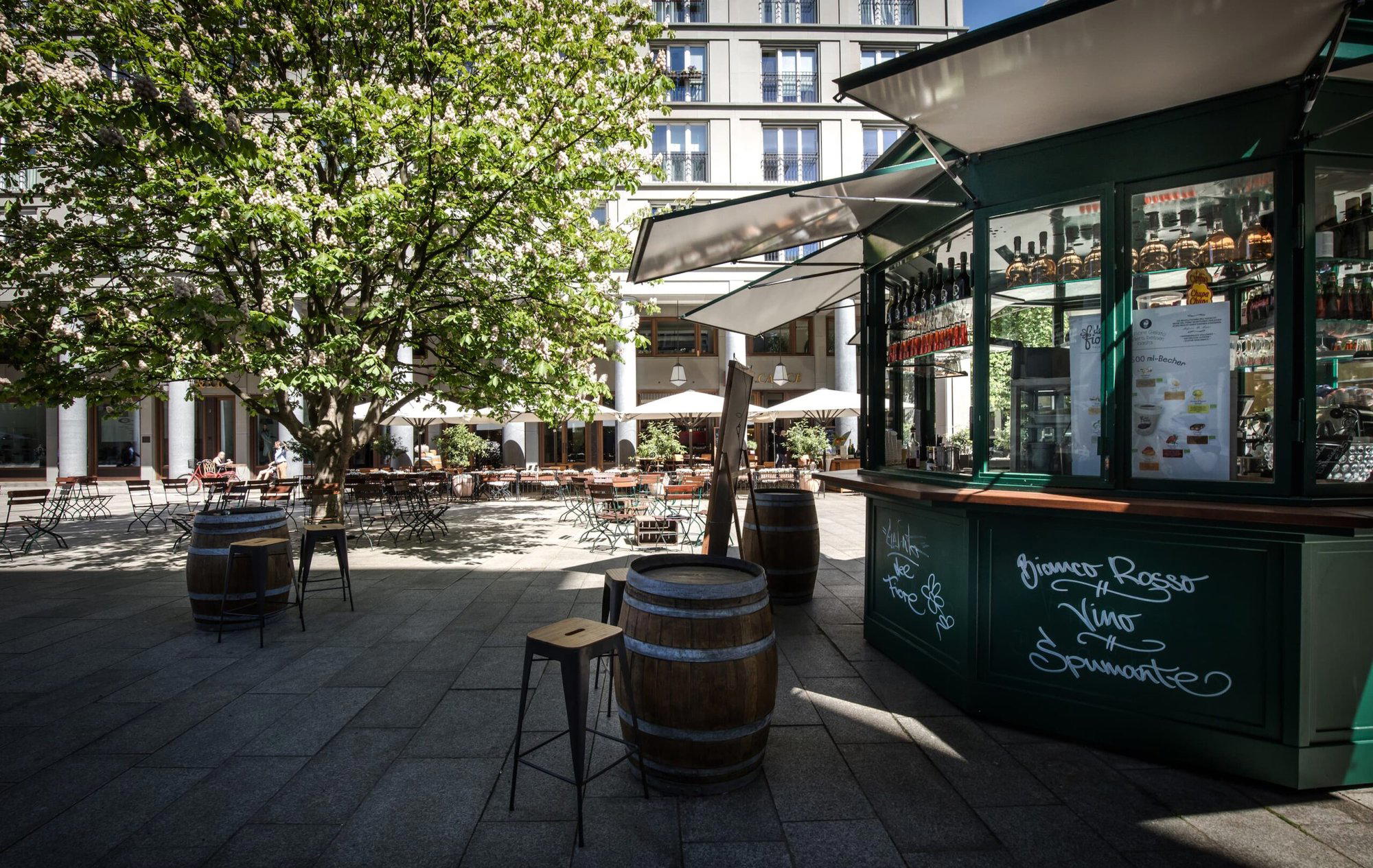
On Yorckstraße in Kreuzberg, Kreuzberger Himmel occupies a stretch of the neighbourhood where the drinking and dining cultures are harder to separate than elsewhere in Berlin. The address puts it inside a district that has long run on an informal register, where wine lists tend to matter more than dress codes and the room operates at a pace set by the guests rather than the kitchen.

Pearl is the En Primeur Club membership app, where members save venues, book tables and use the concierge.

The menu
What to order
- Fatteh
- Kibbeh
- Kabse
- Makdoush
- Sanbousak
- Hummus Bzet
Yorckstraße and the Kreuzberg Wine Moment
Kreuzberg's dining scene has undergone a quiet but legible shift over the past decade. The neighbourhood that built its reputation on cheap kebabs and all-night bars now holds a cluster of serious wine-focused addresses that sit somewhere between wine bar and restaurant without fully committing to either category. This is not an accident. The same audiences that made Prenzlauer Berg a design-hotel destination in the 2000s have migrated south and west, bringing with them an appetite for natural wine, mid-format eating, and rooms that feel lived-in rather than designed. Kreuzberger Himmel, at Yorckstraße 89, sits inside that shift. The address alone says something: Yorckstraße is not the tourist corridor of Bergmannstraße, nor the gallery-crowd stretch near Schlesisches Tor. It is a working residential street with tram lines and corner shops, and a wine-focused address here reads as a neighbourhood proposition rather than a destination play.
What the Room Tells You Before You Order
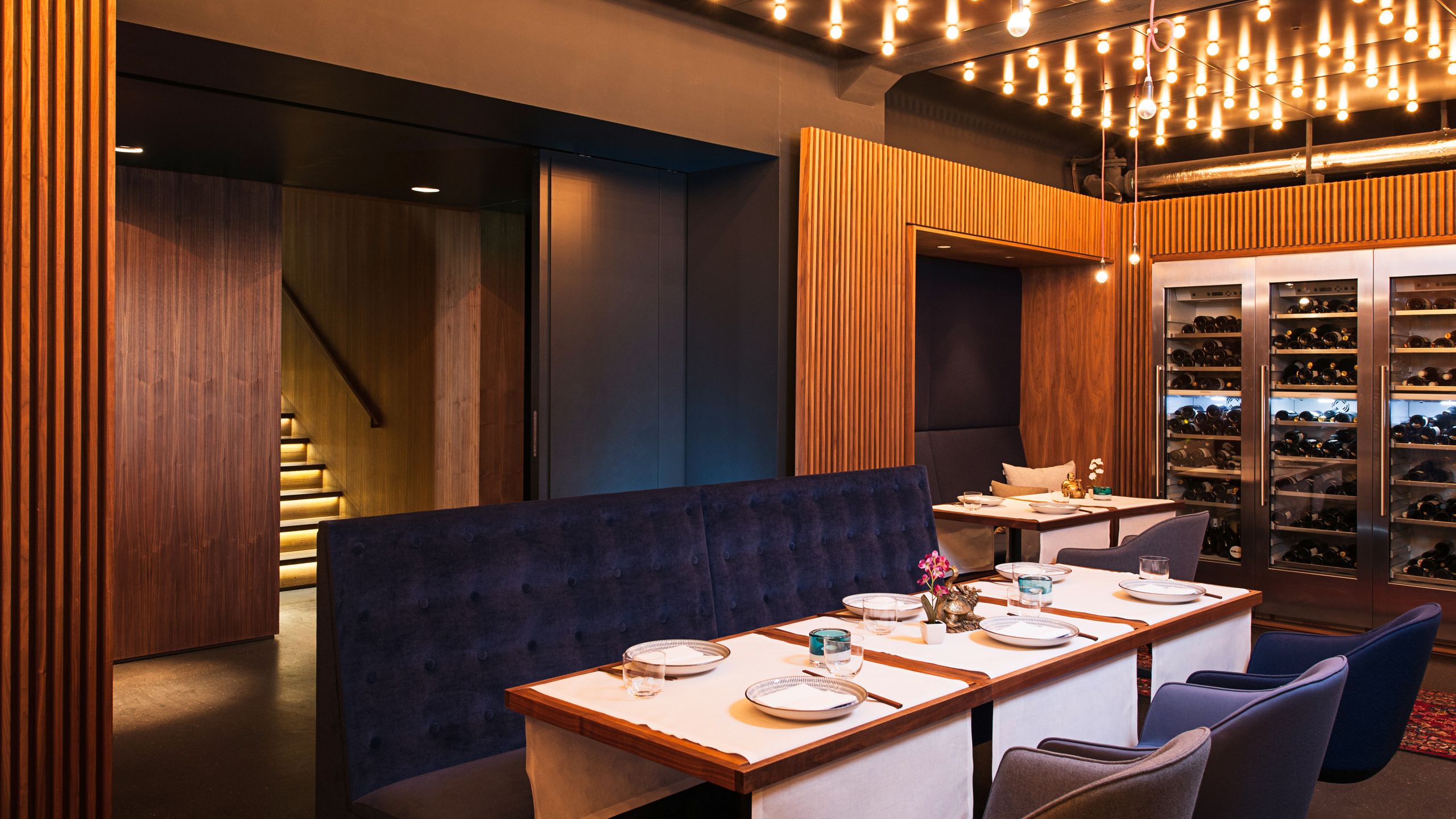
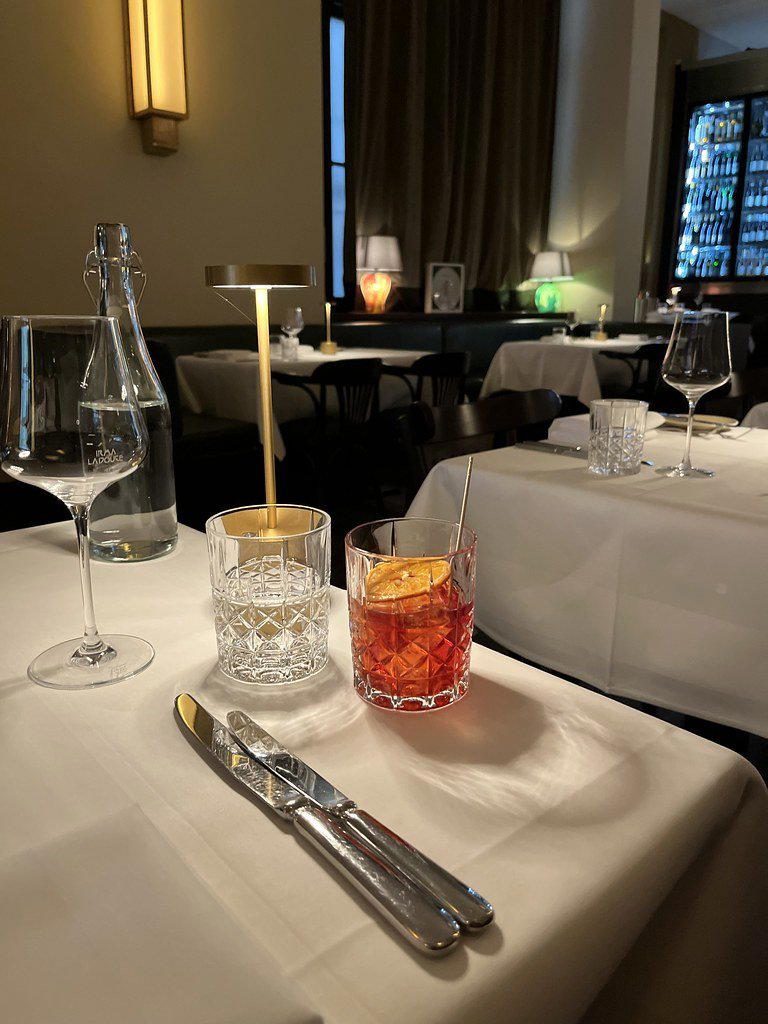
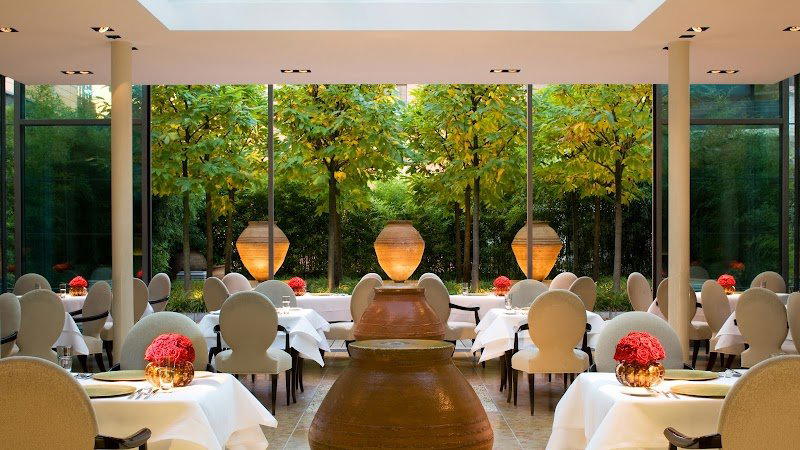
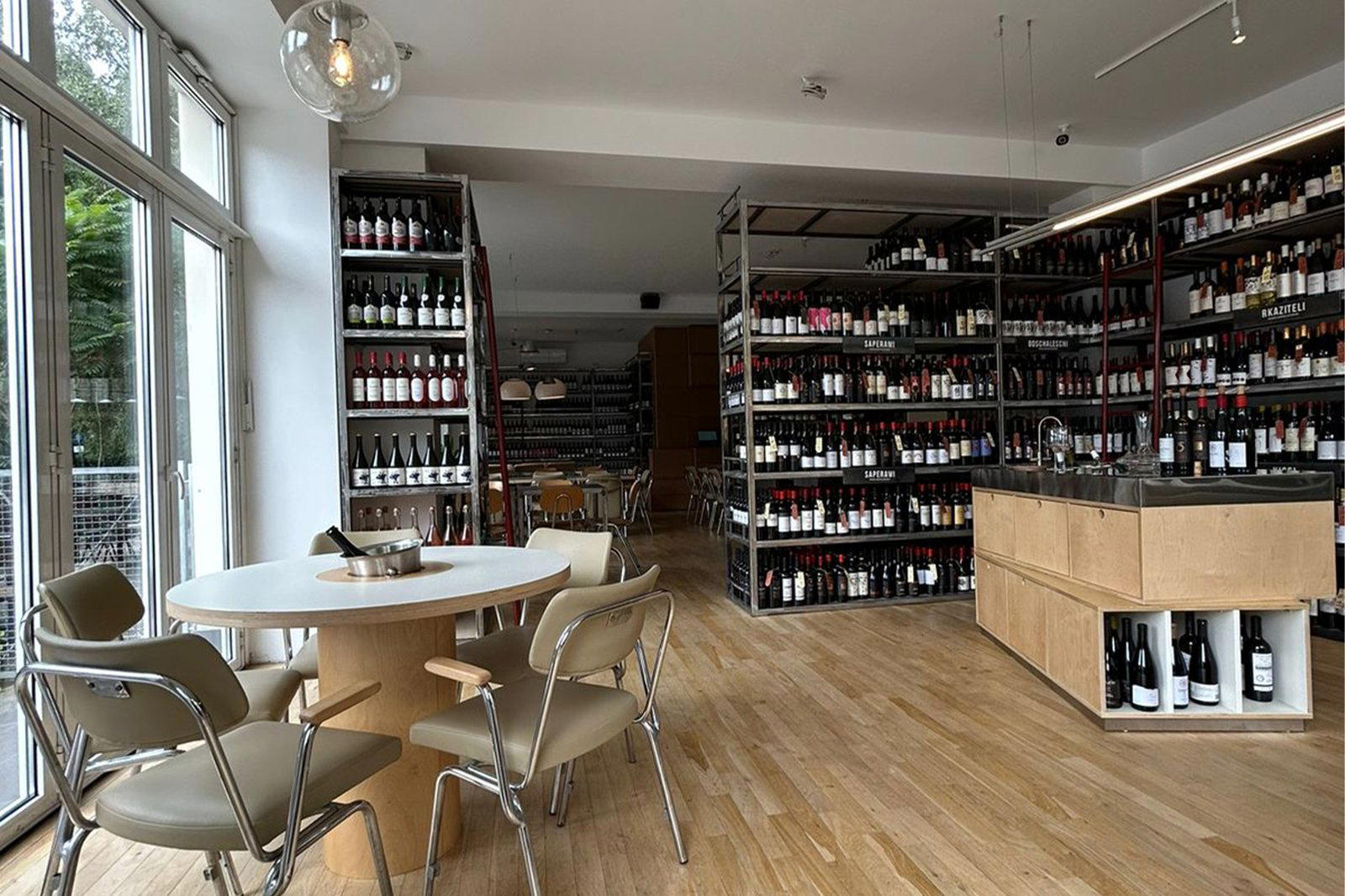
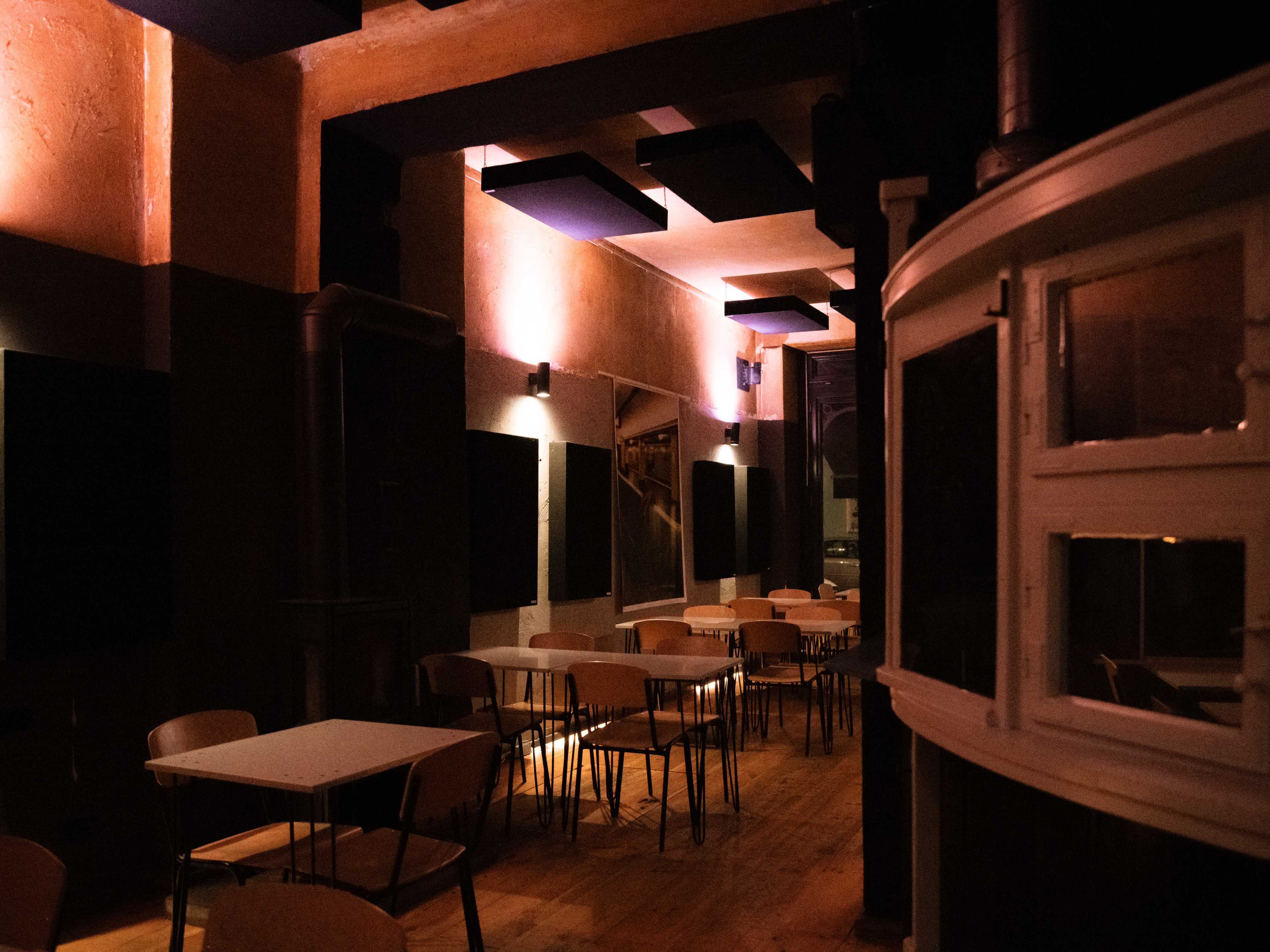
The approach to a venue on this stretch of Yorckstraße sets expectations quickly. The street is wide, the buildings run to late-nineteenth-century Berlin residential scale, and the light in the early evening has that particular northern European quality where amber and grey compete. Inside, Kreuzberger Himmel occupies a format common to the better Kreuzberg wine addresses: a room that reads casual without being careless, where the glassware tends to be the most considered object on the table. This matters because it signals a cellar-led operation. In Berlin's current wine bar tier, the room's register is often inversely proportional to the seriousness of what's in the bottle. The more relaxed the aesthetic, the more considered the list tends to be. That pattern holds here.
The Wine Framework: How Kreuzberg Pours
Berlin's wine culture has developed along different lines than Hamburg or Munich. Where Restaurant Haerlin in Hamburg or JAN in Munich operate formal cellar programs anchored to classic European appellations, Berlin's leading wine addresses have tended toward curation over comprehensiveness. The lists are shorter, the producers less obvious, and the markup philosophy more transparent. This is partly cultural and partly economic: Berlin's dining public is price-sensitive in a way that Frankfurt or Düsseldorf diners are not, and the wine bars that have survived and grown are the ones that built trust through value rather than prestige. At the serious end of Berlin's wine-focused restaurants, represented by addresses like Rutz with its two Michelin stars, the cellar operates as a formal department. At the informal end, the list is handwritten and changes weekly. Kreuzberger Himmel occupies the space between those poles, where the curation is deliberate but the format stays accessible.
The broader German wine conversation has also evolved in ways that benefit a neighbourhood address like this one. German Pinot Noir, particularly from Baden and the Ahr, has moved from afterthought to serious category over the past fifteen years. Riesling from the Mosel continues to hold global reference status, as the work coming out of estates near Piesport demonstrates. A wine list in Kreuzberg that reads these shifts correctly and stocks accordingly is doing something editorially useful, not just commercially sensible.
Food as the Supporting Argument
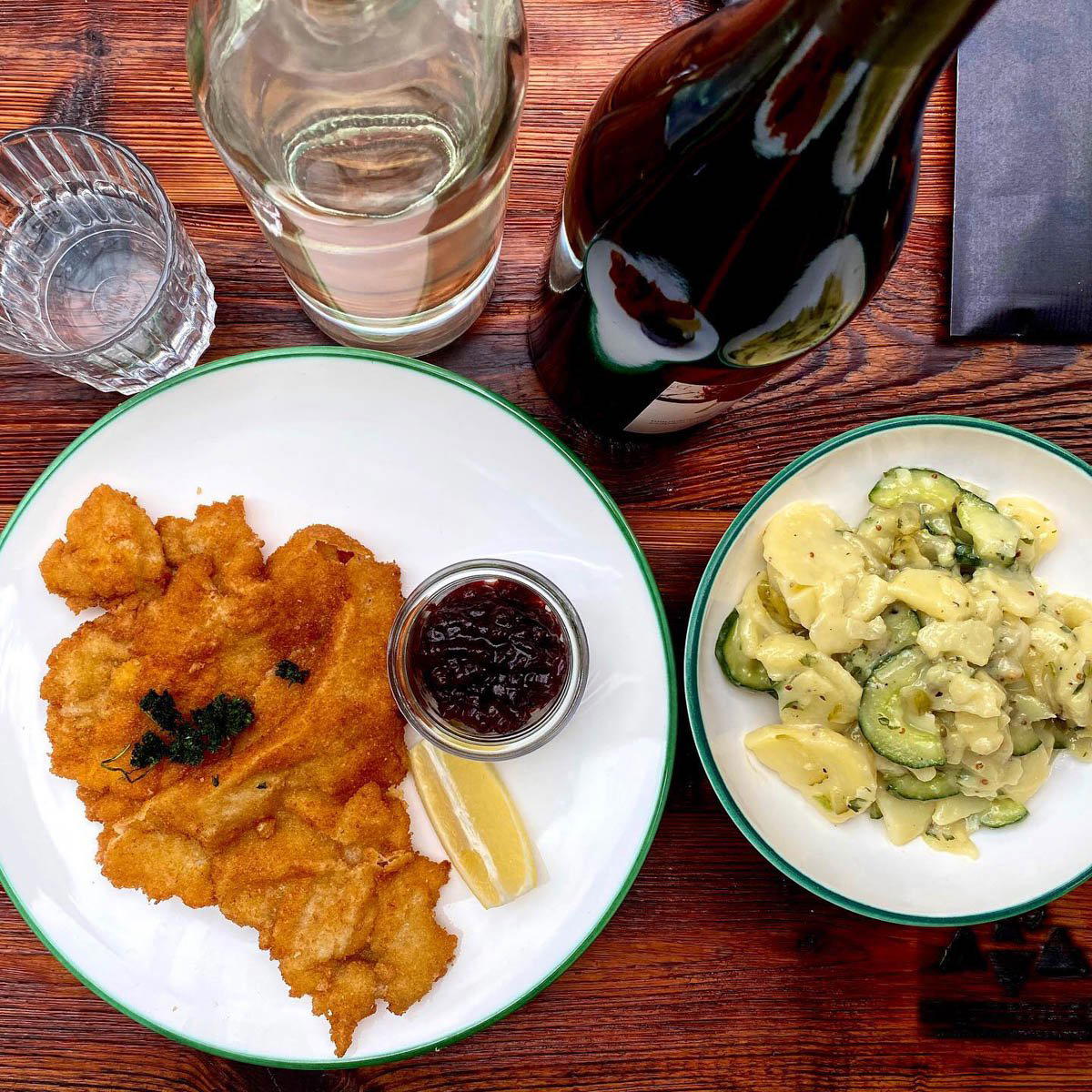
In the wine-bar format that dominates this tier of Berlin dining, food functions as a complement to the glass rather than the other way around. This is the inverse of the structure at Nobelhart and Schmutzig on Friedrichstraße, where a strict regional sourcing philosophy governs every plate and the wine list exists in service of that agenda. It is also a different proposition from FACIL at the Mandala Hotel, where the kitchen carries three Michelin stars and food is emphatically the point. At Kreuzberger Himmel, the kitchen likely runs a shorter, seasonal menu where the sourcing is honest and the cooking is direct. Small plates, charcuterie, and dishes built for sharing tend to dominate this format across Berlin's wine-focused middle tier. The seasonal rhythm matters more than the individual dish, and the menu in autumn will look substantially different from what arrives in spring.
For those tracking Berlin's more technically ambitious kitchens, CODA in Neukölln runs an entirely dessert-anchored tasting format with two Michelin stars, while Restaurant Tim Raue in Mitte delivers a Chinese-influenced tasting menu at the same award level. Kreuzberger Himmel is not competing in that tier. It is competing for the evening when a long tasting menu is not the agenda, but drinking well and eating honestly is.
Kreuzberg in European Context
The neighbourhood wine bar has become a serious format across European capitals, and comparing Berlin's version to those in London, Paris, or Copenhagen is instructive. In Paris, the natural wine bar tradition carries ideological weight that sometimes overrides flavour. In London, the format has been absorbed into the premium casual tier and priced accordingly. In Copenhagen, sourcing credentials dominate the conversation. Berlin's version, at its most coherent, tends to sit between Copenhagen's sourcing rigour and Paris's informal register, with pricing that reflects a city where rents are lower and the expectation of value is structurally embedded. Yorckstraße 89 sits in that local tradition. Germany's broader fine-dining circuit, represented by addresses like Waldhotel Sonnora in Dreis, Vendôme in Bergisch Gladbach, or Victor's Fine Dining by Christian Bau in Perl, operates in a different register entirely. Those are destination restaurants built around multi-course ambition. Kreuzberger Himmel belongs to the city's daily life rather than its occasion dining.
Planning Your Visit
Kreuzberger Himmel is reachable via the U7 line with Yorckstraße station a short walk from the address. The venue sits between Schöneberg and Kreuzberg proper, which means it draws from both neighbourhoods and tends to fill early on weekends. For comparable seasonal wine-focused programs elsewhere in Germany, Bagatelle in Trier and ES:SENZ in Grassau take different approaches to the same question of how kitchen and cellar should speak to each other. For those planning a wider Berlin dining trip, the EP Club Berlin restaurant guide maps the full range from neighbourhood wine bars to three-Michelin-star kitchens. For international comparison, the wine-led format at Le Bernardin in New York or the precision of Atomix show where cellar curation sits in global fine-dining terms. Schwarzwaldstube in Baiersbronn and Aqua in Wolfsburg anchor the German end of that comparison.
Questions About Kreuzberger Himmel
- Q: What should I eat at Kreuzberger Himmel?
A: The kitchen at a wine-bar format like this typically runs a short, market-driven menu where small plates and charcuterie are the backbone. Given the Kreuzberg context and the neighbourhood's seasonal eating culture, dishes are likely to shift with the calendar rather than anchor to a fixed signature. - Q: Can I walk in to Kreuzberger Himmel?
A: Walk-ins are possible at many Berlin wine bars in this format, particularly earlier in the evening on weekdays. On weekends and during autumn and winter when Kreuzberg's indoor dining season peaks, the room tends to fill by mid-evening. If the date matters, contact the venue in advance; if you're flexible, arriving before 7pm gives you better odds without a reservation. - Q: What is the signature at Kreuzberger Himmel?
A: In a cellar-led operation on Yorckstraße, the signature is more likely to be found in the glass than on the plate. Wine-bar addresses in this tier of Berlin dining build their reputations on curation and value rather than a single dish. Ask the person pouring what they're most interested in that week; that answer will tell you more about the venue than any fixed menu description. - Q: Is Kreuzberger Himmel good for vegetarians?
A: Berlin's wine-bar tier has broadly moved toward vegetable-forward small plates over the past several years, and the city's dining public is more vegetarian-aware than most German cities. - Q: Is Kreuzberger Himmel worth it?
A: For a neighbourhood wine evening in Kreuzberg where the drinking leads and the food supports, the format offers good value relative to Berlin's more formal dining tier. The city's wine bars at this address level typically sit well below the €€€€ pricing of Michelin-recognised kitchens like Rutz or FACIL, making them the more sensible choice when the goal is a long, unhurried evening over interesting bottles rather than a tasting-menu occasion. - Q: How does Kreuzberger Himmel fit into Berlin's broader wine-bar scene, and what makes the Yorckstraße location significant?
A: The wine-bar format has proliferated across Berlin in the past decade, but the more credible addresses have clustered in Kreuzberg and Neukölln rather than the tourist-facing neighbourhoods of Mitte or Prenzlauer Berg. Yorckstraße specifically sits at the edge of a residential grid that supports daily-use dining rather than destination tourism, which tends to produce more honest pricing and a more local crowd. For visitors, that distinction matters: the room will feel different from a wine bar on Unter den Linden, and the list is more likely to reflect a curator's point of view than a calculated crowd-pleaser.
Frequently asked questions
Where do I go for Kreuzberger Himmel?
Kreuzberger Himmel is located at Yorckstraße 89, 10965 Berlin, Germany, Berlin.
How does Kreuzberger Himmel fit into the broader Berlin wine bar scene?
Kreuzberger Himmel occupies the stretch of Yorckstraße 89 that sits between Kreuzberg and Schöneberg, a corridor that has attracted wine-led venues as Berlin's drinking culture matured beyond beer halls and cocktail bars. The format mirrors developments in London, Paris, and Copenhagen, where neighbourhood wine bars have become a serious dining category in their own right. Within Berlin specifically, Kreuzberg has led this shift, and Kreuzberger Himmel is positioned squarely within that movement.
What should I eat at Kreuzberger Himmel?
Kreuzberger Himmel operates in the wine-bar format where food serves the glass rather than competing with it. Expect small plates and seasonal accompaniments built to extend a pour rather than anchor a full dinner. If you're arriving hungry, plan around multiple rounds rather than a single main course.
Can I walk in to Kreuzberger Himmel?
Walk-in availability on Yorckstraße 89 depends heavily on the evening and the season. Kreuzberg venues in this format tend to fill mid-week through the weekend without advance booking. Arriving early in the evening gives you the best chance at a seat without a reservation.
What's the signature at Kreuzberger Himmel?
The defining feature is the wine-first approach that characterises Berlin's Kreuzberg tier of bar dining, distinct from the more formal programmes at venues like Restaurant Haerlin in Hamburg. The room and the pour are the point; the food list is built to match rather than lead.
Is Kreuzberger Himmel good for vegetarians?
Wine-bar formats across Kreuzberg and comparable European neighbourhoods routinely skew toward produce-driven small plates, which tend to accommodate vegetarians well. Without a confirmed menu on record, the safest approach is to confirm current offerings directly via the address at Yorckstraße 89 before visiting.
Is Kreuzberger Himmel worth it?
For anyone tracking Berlin's shift away from its cheap-eats-only reputation toward a more considered drinking and eating culture, Kreuzberger Himmel on Yorckstraße is a legible data point in that transition. The value proposition sits in the neighbourhood experience rather than destination gastronomy, which makes it a credible local-format option rather than a special-occasion venue.
Nearby-ish Comparables
Comparable venues nearby, for context on price, style, and recognition.
| Venue | Cuisine | Price | Notes |
|---|---|---|---|
| Kreuzberger HimmelThis venue (the venue you are viewing) | Authentic Syrian & Arabic | $20–30 | Not listed |
| Yarok | Authentic Syrian | $10–20 | Mitte |
| Al Rabuah | Authentic Middle Eastern Grill | $10–20 | Gesundbrunnen |
| Bobbe Speisesalon | Kosher Israeli-Mediterranean | $30–50 | Wilmersdorf |
| Salsabil 2. | Lebanese | $10–20 | Prenzlauer Berg |
| Sama Beirut | Authentic Lebanese Street Food | $10–20 | Kreuzberg |