On Reykjavik's old harbour front, Kopar occupies a converted warehouse where the sourcing logic runs from local fishing boats to plate with unusual directness. The restaurant sits inside the city's broader shift toward ingredient-led cooking that treats Icelandic waters and volcanic terrain as the menu's organizing principle, a position that places it in serious company among the capital's most considered dining addresses.
 Discover on Pearl
Pearl is the En Primeur Club membership app — saves, bookings, and concierge access live there. Same editors, same standards.
- Address
- Geirsgata 3, 101 Reykjavík, Iceland
- Phone
- +3545672700
- Website
- koparrestaurant.is
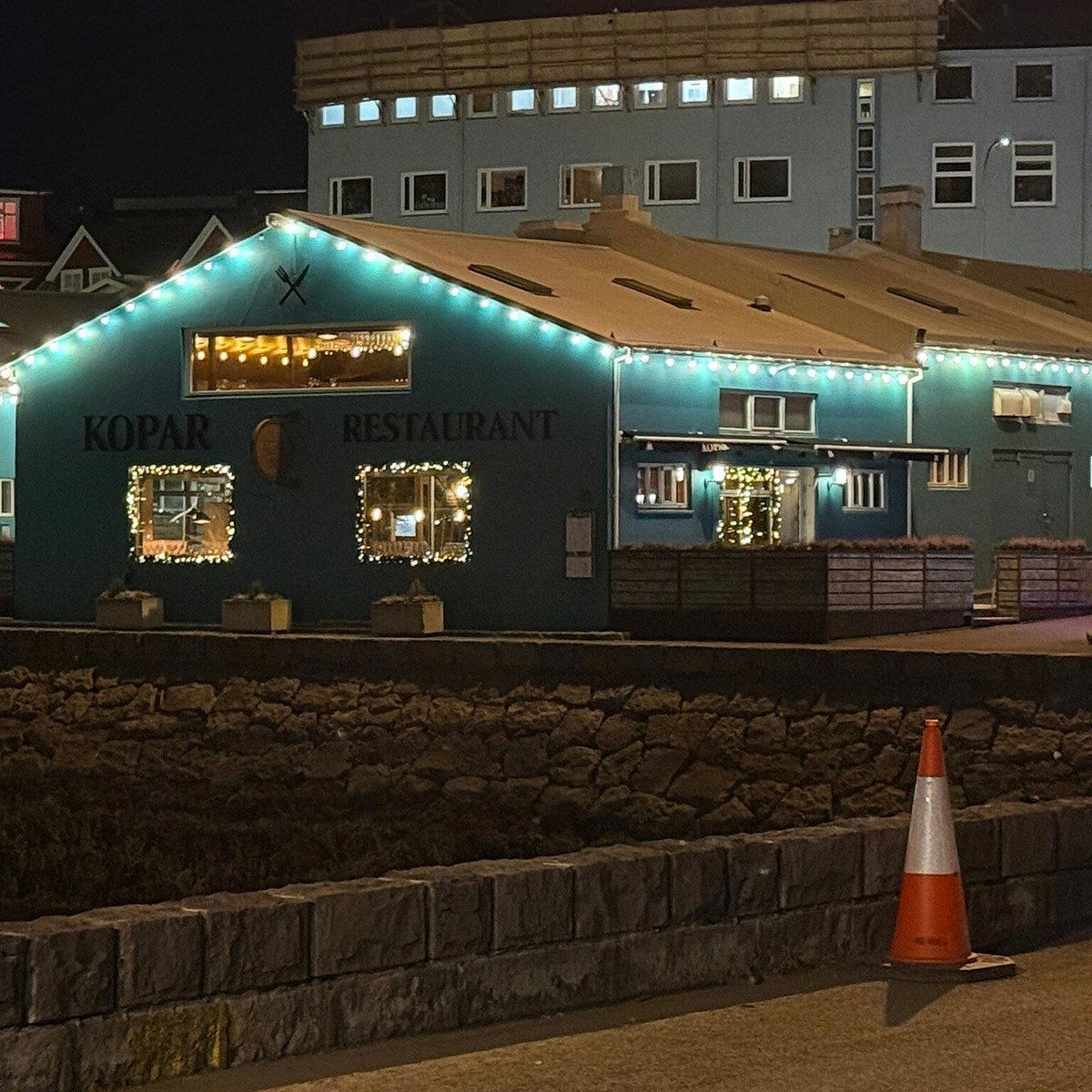
Old Harbour, New Seriousness
Reykjavik's old harbour district has undergone a slow but decisive transformation over the past decade. What was once a working industrial waterfront, trawlers, fish processing, the utilitarian infrastructure of a nation built on cod, has become the city's most credible dining corridor. The conversion follows a pattern visible in port cities from Copenhagen to Lisbon: industrial bones, sea-facing light, and a short supply chain from water to kitchen that serious restaurants find difficult to replicate elsewhere. Kopar is a restaurant in Reykjavík serving Modern Icelandic Seafood at Geirsgata 3, with dinner priced at about $95 per person. Kopar, at Geirsgata 3, sits directly inside that geography. The address matters not as a postcode but as a statement of intent about where ingredients originate and how far they travel before reaching the table.
The building's harbour-side position means arriving with the smell of salt air and, depending on the season, the low Arctic light that turns the water a particular shade of pewter. This is not ambient theatre manufactured for visitors. It is a working relationship between a restaurant's location and the provenance story its kitchen tells, a relationship that only holds when the sourcing is genuine rather than decorative.
Iceland as Kitchen Logic
To understand what Kopar is doing, it helps to understand what Iceland offers a serious kitchen. The country's cold, clean waters produce some of the North Atlantic's most sought-after fish, Arctic char, cod, haddock, langoustine, and skyr-fed lamb that grazes on unfertilised highland pasture. Geothermal energy heats greenhouses year-round, making tomatoes and herbs domestically viable even through the polar winter. Icelandic salt, harvested from geothermal brine, has found its way onto European fine-dining tables with enough consistency to be taken seriously as a finishing ingredient. The supply chain, in short, is not a constraint to work around. It is an asset to work with.
This is where Kopar's positioning connects to a broader trend in Nordic dining. The movement that began in Copenhagen in the mid-2000s, treating northern latitude not as a culinary limitation but as a defined set of flavours and textures worth exploring on their own terms, has taken meaningful root in Reykjavik. DILL in Reykjavík, the city's Michelin-starred anchor, established that framework at the top of the market. What followed was a wider cohort of restaurants applying similar sourcing discipline at different price points and formats. Kopar occupies a position in that cohort where the harbour location reinforces rather than merely decorates the sourcing argument.
How the Sourcing Logic Works at the Table
Ingredient-led cooking at this level requires a kitchen that knows when to step back. The temptation, particularly for restaurants leaning on provenance as a marketing signal, is to over-process ingredients in ways that obscure rather than reveal their origin. The more disciplined approach, and the one that distinguishes restaurants in this tier from those simply trading on the label, is to let the quality of the raw material carry the dish, with technique applied selectively rather than reflexively.
Iceland's langoustine is a useful test case for any kitchen claiming this philosophy. The crustacean pulled from Icelandic waters has a sweetness and texture that rewards restraint; elaborate preparation tends to compete with rather than complement what the ingredient already offers. The same logic applies to Arctic char, whose flesh is delicate enough that aggressive heat or heavy sauce work reads as a failure of confidence rather than a demonstration of skill. Whether a kitchen actually applies this discipline is something only the plate can confirm, but the geographic and supply-chain conditions at Kopar make it one of the addresses in Reykjavik where the argument is structurally coherent.
Kopar in the Reykjavik Dining Context
Reykjavik's dining scene has compressed into a relatively small geographic area. The old harbour, Laugavegur, and the streets radiating from Ingólfstorg together contain the majority of the city's serious restaurants. This density makes comparison-shopping easy and also raises standards through competition. Within that compressed field, restaurants have differentiated along several lines: price tier, format (à la carte versus tasting menu), sourcing philosophy, and the degree to which they are oriented toward visiting travellers versus the local professional population.
Kopar's harbour-front address places it naturally in the tourism-adjacent tier, but the sourcing seriousness pulls it toward the more considered end of that category. Compare this with Bergsson Mathús, which operates as a daytime café-dining format with its own ingredient integrity, or Amma Don, which takes a different cultural reference point entirely. Each represents a distinct lane in the city's current dining architecture. Bon Restaurant and Brút each occupy their own positions in the capital's more ambitious tier.
Beyond the capital, Iceland's ingredient-sourcing story extends further. Friðheimar in Reykholt operates inside a geothermal greenhouse, making provenance literal in a way few restaurants anywhere can match. Fjöruborðið in Stokkseyri has built a decades-long reputation around langoustine pulled from the nearby coast, a single-ingredient focus that makes the sourcing argument with unusual directness. Moss in Grindavík and its Chef's Table at Moss Restaurant in Iceland bring fine-dining ambition to a volcanic landscape forty minutes from Reykjavik. Taken together, these addresses demonstrate that Iceland's sourcing advantage is not confined to the capital, it is a nationwide condition that the leading kitchens across the country have learned to articulate in different registers.
Practical Notes for Planning a Visit
Geirsgata 3 is a short walk from the central Reykjavik hotel district, with the harbour visible from the approach. For travellers building an Iceland itinerary around the dining programme, Kopar works well for dinner or lunch. Reservations are recommended, particularly in summer. For those extending beyond the capital, Von Mathús-Bar in Hafnarfjörður and Bautinn in Akureyri offer further reference points across the country. If you arrive via Keflavik and have time before the drive north, Malai-Thai in Keflavik is a useful detour, while Bæjarins Beztu Pylsur remains a quick lunch stop on the way to anywhere.
At-a-Glance Comparison
Comparable venues nearby, for context on price, style, and recognition.
| Venue | Cuisine | Price | Awards | Notes |
|---|---|---|---|---|
| KoparThis venue — the venue you are viewing | Modern Icelandic Seafood | $$$ | , | |
| Fiskmarkaðurinn / Fish Market | Modern Icelandic Seafood with Asian Fusion | $$$$ | , | Reykjavíkurborg |
| Brút | Modern Icelandic Seafood | $$$$ | , | Reykjavíkurborg |
| Hjá Jóni | Contemporary Icelandic with International Influences | $$$ | Reykjavíkurborg | |
| Eiriksson Brasserie | European Brasserie with Italian Emphasis | $$$ | Reykjavíkurborg | |
| Hverfisgata 12 | Modern Icelandic Cuisine | $$$ | , | Reykjavíkurborg |
Continue exploring
More in Reykjavík
Restaurants in Reykjavík
Browse all →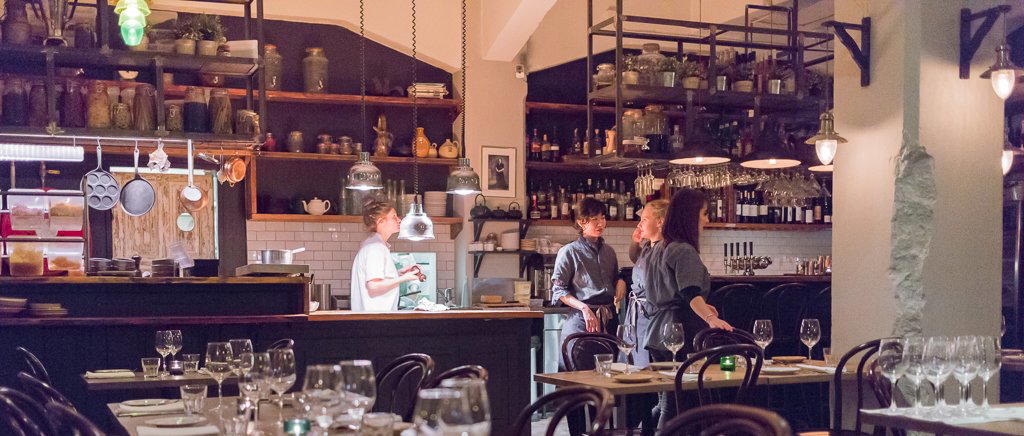
Bars in Reykjavík
Browse all →
Hotels in Reykjavík
Browse all →
Wineries in Reykjavík
Browse all →
At a Glance
- Cozy
- Scenic
- Intimate
- Elegant
- Date Night
- Special Occasion
- Group Dining
- Waterfront
- Terrace
- Panoramic View
- Craft Cocktails
- Local Sourcing
- Sustainable Seafood
- Waterfront
- Mountain
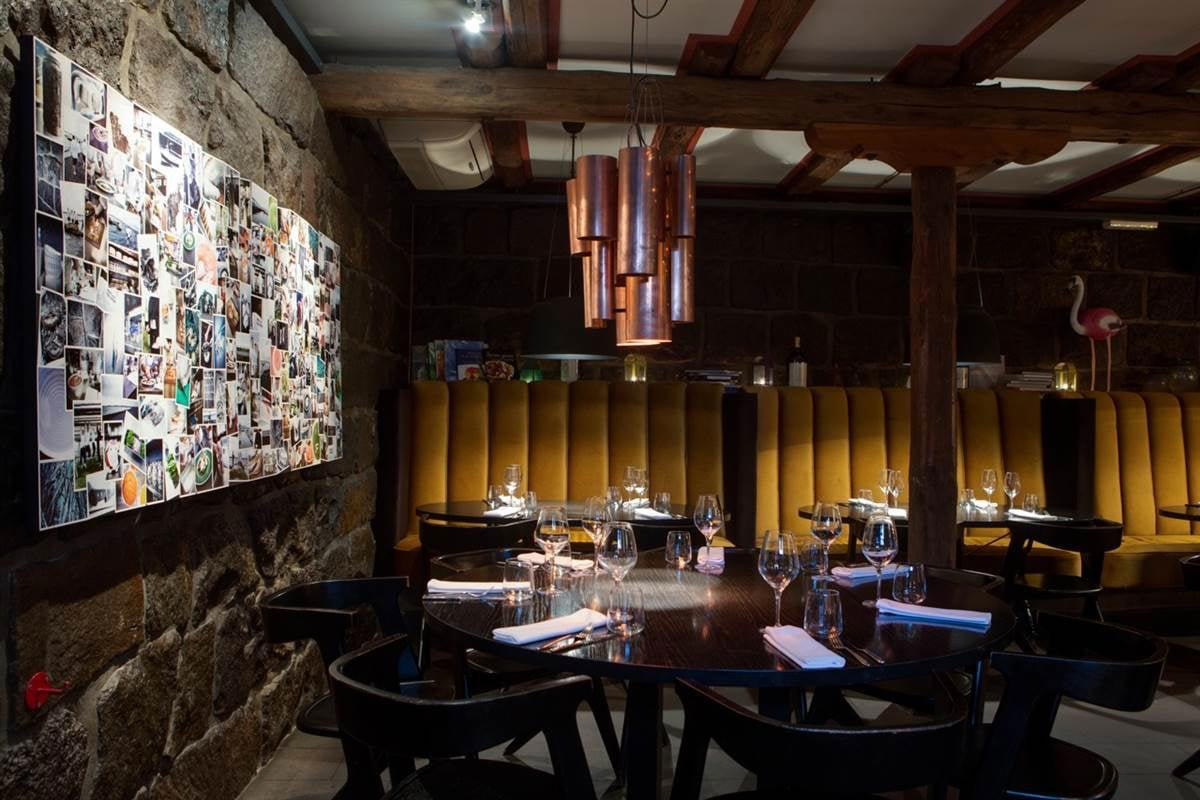
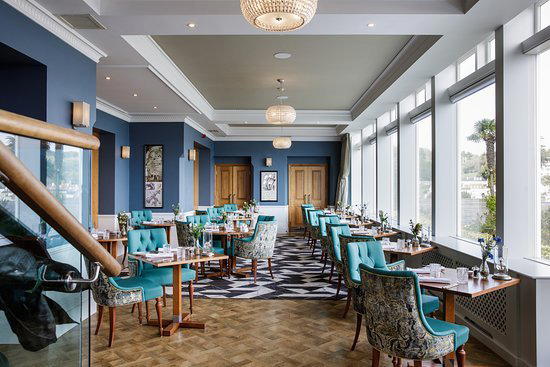
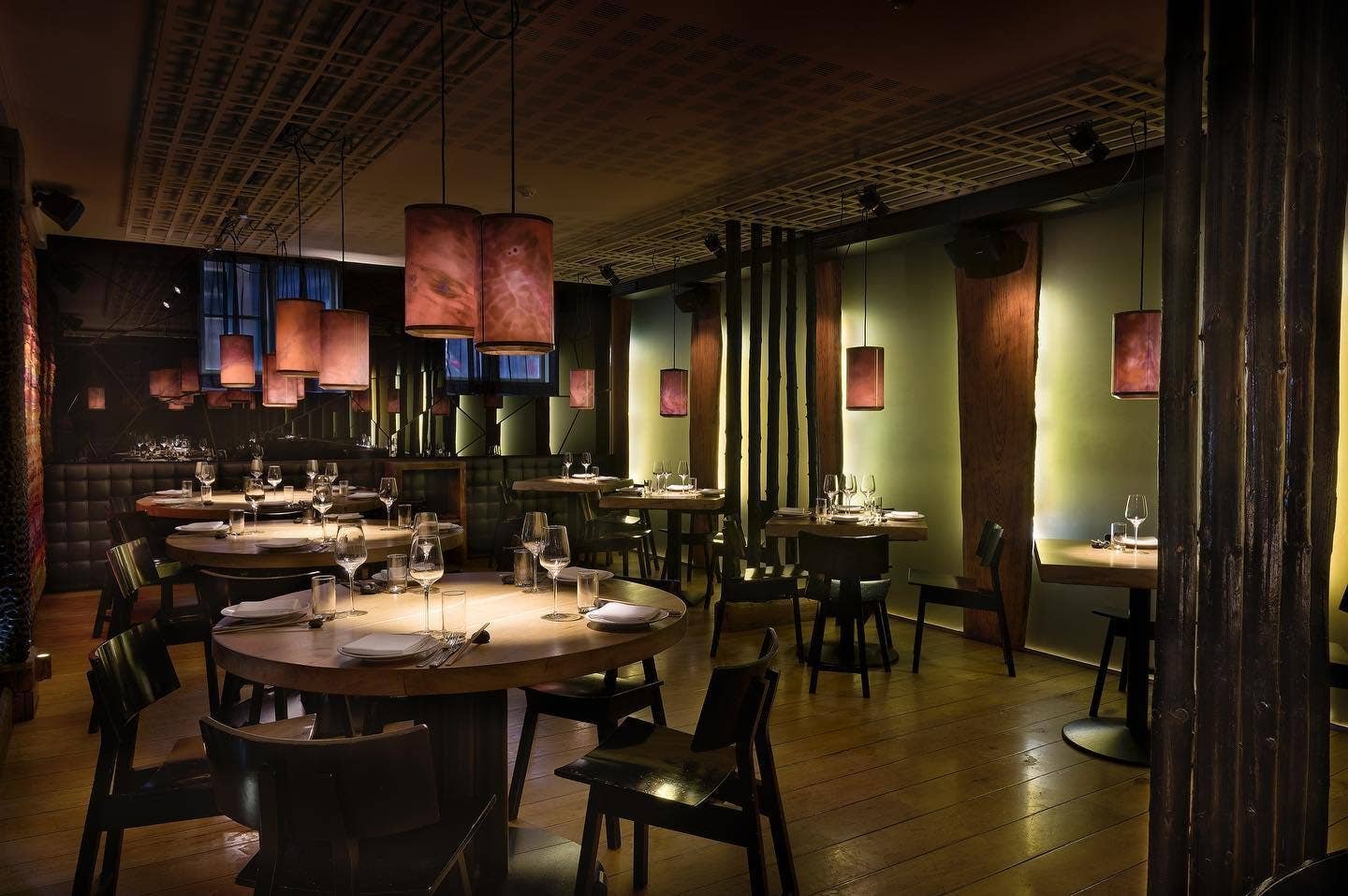
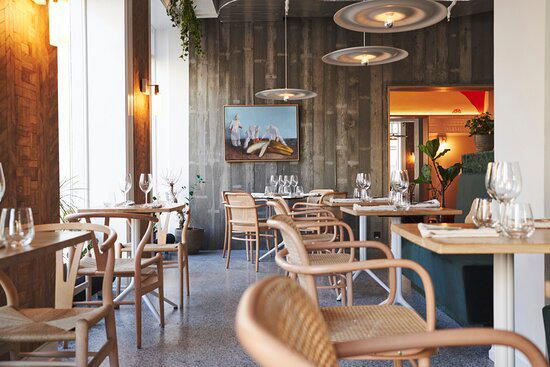
Warm and cozy with wood floors and muted colors, intimate even when full, overlooking the Atlantic with a buzzing but not loud atmosphere.