Our verdict
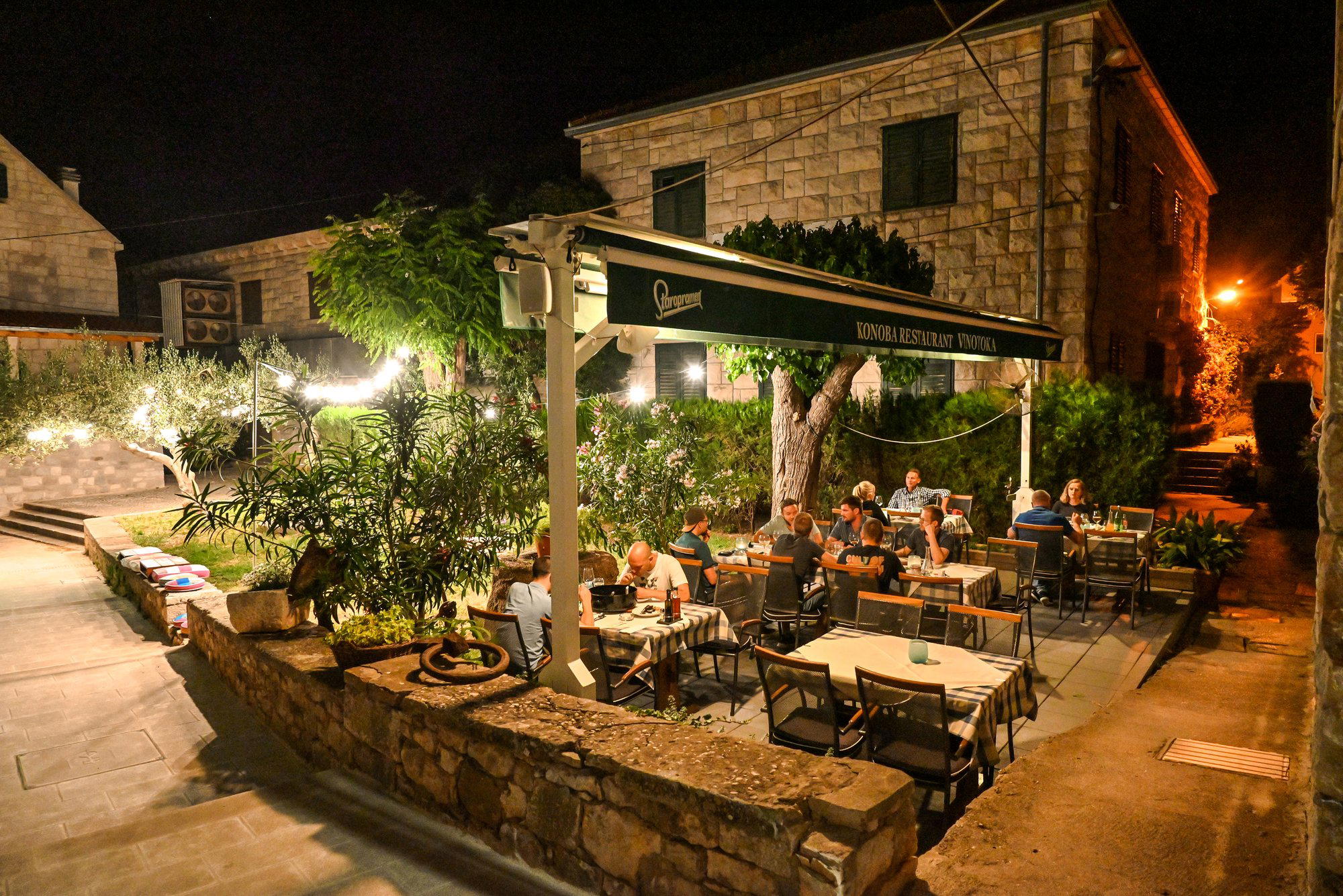
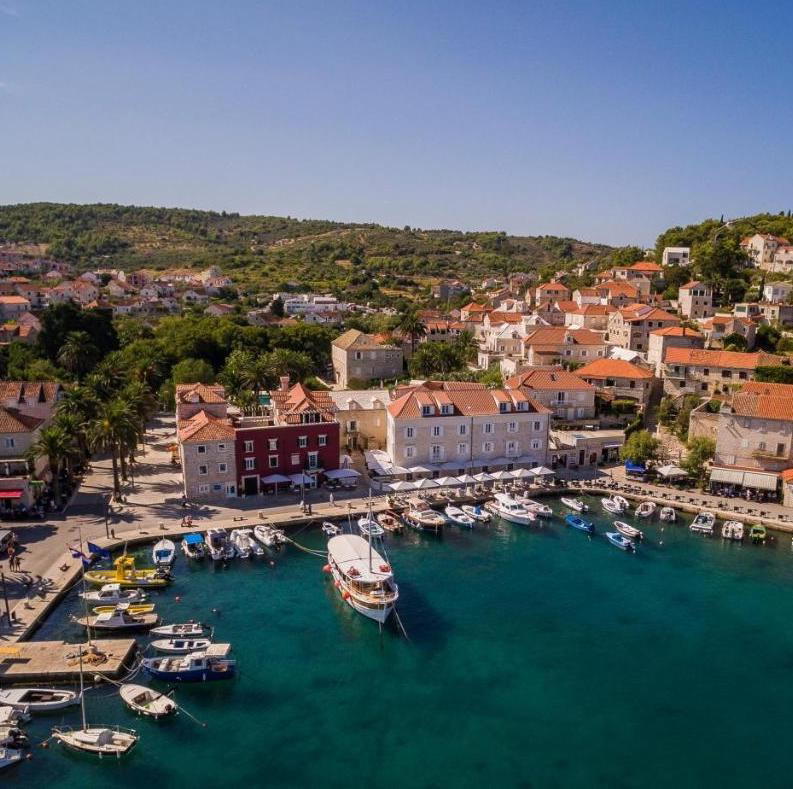
A konoba in the traditional Dalmatian sense, Konoba Vinotoka sits on Ul. Ignjata Joba in Supetar, the principal town on the island of Brač. The kitchen draws on the sourcing logic that defines the island's cooking: local stone, local olive oil, local fish. For visitors moving through the Dalmatian island circuit, it represents the mid-tier konoba format at its most honest.

Pearl is the En Primeur Club membership app — saves, bookings, and concierge access live there. Same editors, same standards.
- Address
- Ul. Ignjata Joba 6, 21400, Supetar, Croatia
- Phone
- +385994631984
- Hours
- Daily 12–10 PM
- Directions
- Get directions
The menu
What to order
- Mix Buzara
- Grilled lamb chops
- Whole grilled bream
- Lamb under baking sheet
- Seafood platter
What a Dalmatian Konoba Actually Means
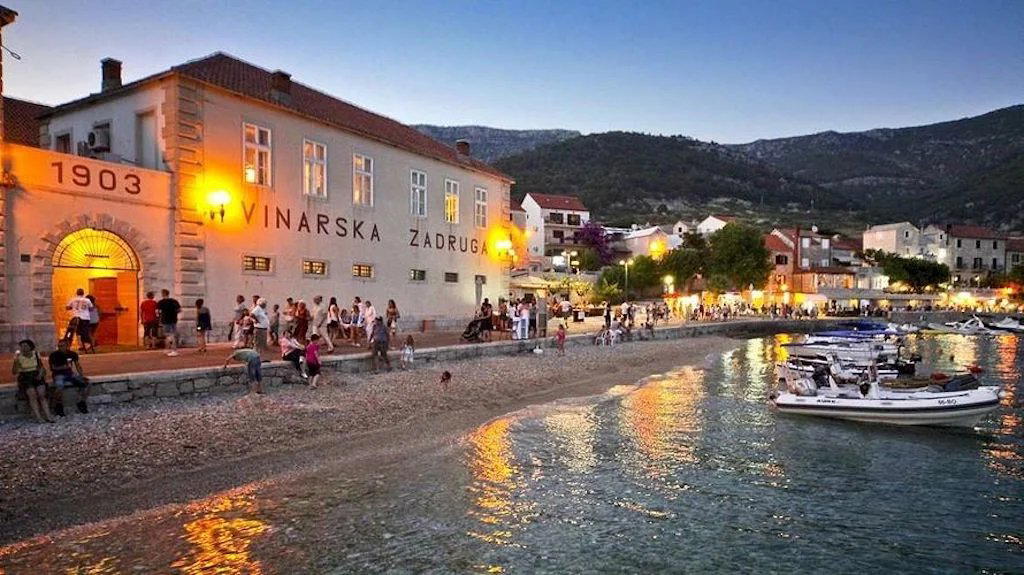
The word konoba gets used loosely across Croatia, applied to everything from harbour-view fine dining to plastic-chair taverns. The useful distinction is not price or setting but sourcing logic: a konoba in the Dalmatian tradition is built around what the island or immediate coastline produces, cooked without much elaboration, and served in a room that does not try to distract from the food. Supetar, as the ferry port and administrative centre of Brač, has a concentration of restaurants aimed at day-trippers rotating off the Split–Supetar line. Konoba Vinotoka, on Ul. Ignjata Joba, sits inside this town rather than performing for the harbour crowd, which tends to separate it from the more tourist-facing operations along the waterfront.
Brač itself provides the sourcing foundation that Dalmatian konoba cooking has always relied on. The island's olive oil has protected designation of origin status, with production concentrated in the interior. Lamb raised on the rocky inland terrain carries a mineral quality that distinguishes it from mainland animals. The surrounding Adriatic delivers the white fish, octopus, and shellfish that form the core of any serious Dalmatian kitchen. Konobas operating in this format succeed or fail on access to that supply chain rather than on kitchen technique, which is why the island address matters as much as anything else.
The Ingredient Logic of Island Cooking
Croatia's Adriatic islands operate in a food sourcing hierarchy that runs roughly as follows: the leading producers sell to restaurants first, then to local markets, then to the mainland. A kitchen on Brač that has maintained relationships with olive growers in Škrip or Nerežišća, lamb suppliers from the island's interior villages, or fishermen working the waters between Brač and Hvar, has access to ingredients that restaurants in Split or Dubrovnik have to work harder and pay more to obtain. This is not a minor detail. The flavour difference between oil pressed on Brač and distributed oil purchased through a wholesaler is audible in the food, particularly in dishes where olive oil is the primary fat and seasoning agent rather than a finishing accent.
The same logic applies to fish. Dalmatian cooking at the konoba level does not attempt the precision-sourced, variety-specific approach that defines tables like Pelegrini in Sibenik or Restaurant 360 in Dubrovnik. What it does instead is work with whatever came off the boat that morning, grilled or roasted simply, with oil, garlic, and Dalmatian herbs. The lack of menu specificity is not a weakness in this format — it is how the format is supposed to work. A konoba that prints a fixed menu promising specific species twelve months of the year is, almost by definition, not buying locally.
Supetar in Context
Supetar is the first thing most visitors see of Brač: the ferry from Split takes around fifty minutes, and the arrival is into a small working port with a mix of year-round residents and seasonal accommodation. The restaurant offer divides broadly between places oriented toward the ferry crowd, with wide menus and summer pricing, and the smaller, less prominent operations that retain local trade through the winter. The latter category tends to produce more reliable food, because the kitchen is accountable to a customer who will return rather than one who arrives once and leaves on the 6pm boat.
For visitors spending more than a day on the island, Brač rewards movement inland toward Škrip, the oldest settlement on the island, or east toward Bol, where the pebble spit of Zlatni Rat puts a different kind of pressure on restaurant pricing and ambition. BioMania Bistro Bol in Bol represents the island's more produce-driven end of the spectrum. Supetar's konoba offer, including Vinotoka, occupies the honest middle ground of the island dining range. Elsewhere on Brač, Konoba Kala and Otok represent the local competition most directly, and together these three define what the town's mid-market dining looks like.
The Broader Croatian Island Dining Pattern
Croatia's Adriatic coast has developed two distinct restaurant registers in the decade since the country joined the EU. The first is a fine-dining tier anchored in Croatia's larger towns and the better-known islands, represented by places like Agli Amici Rovinj, Boskinac in Novalja, and LD Restaurant in Korčula. The second is the traditional konoba format, which has held its ground on islands where the supply chains remain intact and the local clientele provides a check against full tourist-season drift. Brač sits in a position where both registers coexist, and understanding which format you are booking into matters for setting expectations correctly.
For context on what the Croatian fine-dining register looks like at its highest pitch, Nebo by Deni Srdoč in Rijeka, Dubravkin Put in Zagreb, and Krug in Split set the reference point on the mainland. Korak in Jastrebarsko and Burin in Crikvenica extend that map further. Alfred Keller in Mali Lošinj and Bodulo in Pag show what the island fine-dining tier looks like elsewhere. The konoba format that Vinotoka represents is not in competition with any of these tables; it serves a different function, which is to give visitors direct access to island ingredients without the refined pricing or booking complexity that the fine-dining tier requires. For comparison across a very different food culture, the gap between konoba dining and Croatian fine dining is roughly analogous to the distance between a neighbourhood bistro and a tasting-menu table at Le Bernardin or Atomix in New York — different registers entirely, different promises made.
Planning a Visit
Frequently asked questions
What should I expect atmosphere-wise at Konoba Vinotoka?
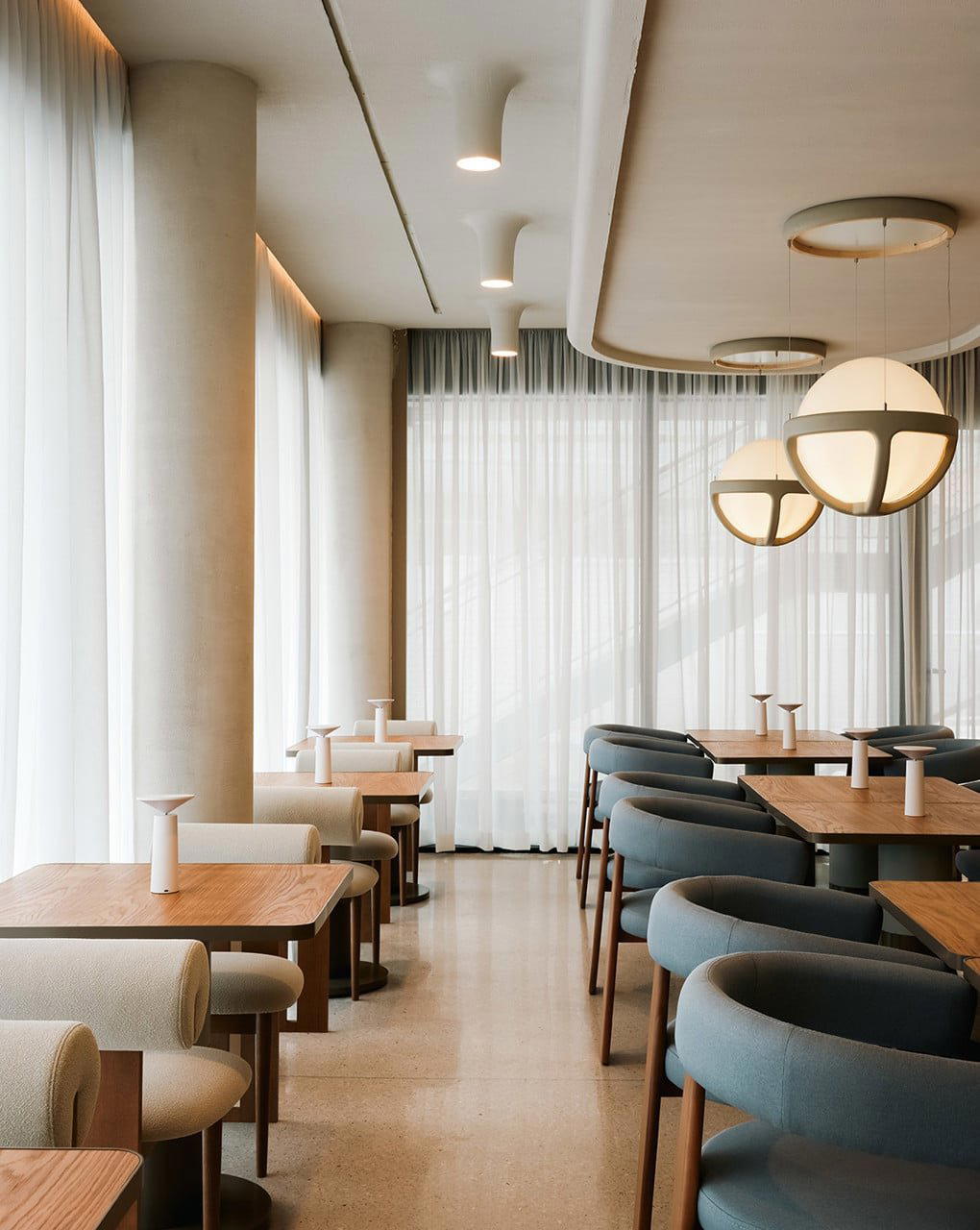
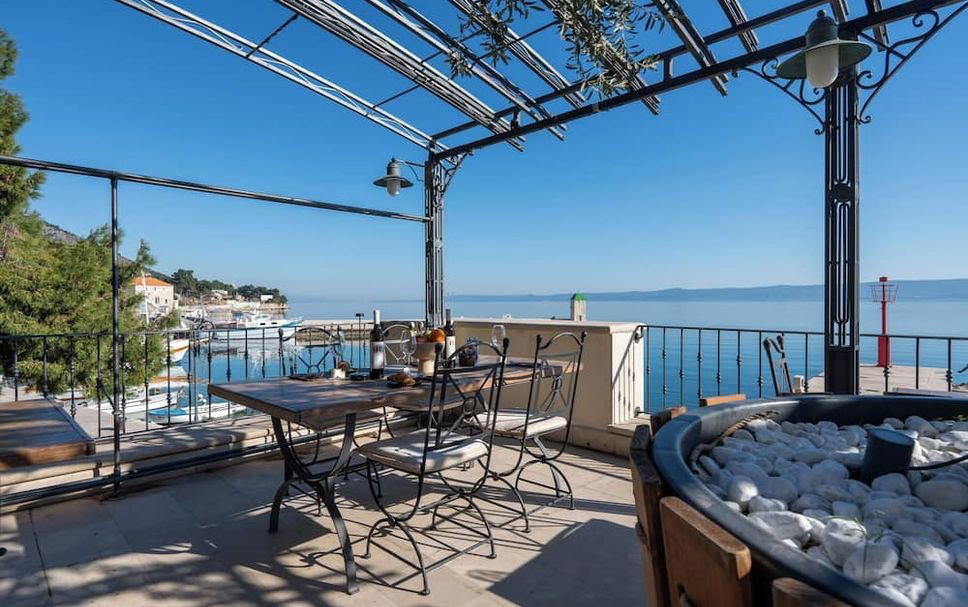
Sitting on Ul. Ignjata Joba rather than the waterfront strip means Vinotoka draws more locals than ferry-day tourists, and the atmosphere reflects that — unhurried, conversational, oriented toward the meal rather than the view. The name Vinotoka (roughly 'wine flow' in Croatian) suggests the wine side of the operation is treated with some seriousness, which tends to pull a slightly more deliberate crowd than the average harbour tavern. Expect a setting that prioritises the food and the bottle over the Instagram angle.
How do I find Konoba Vinotoka?
Konoba Vinotoka is located at Ul. Ignjata Joba 6, 21400, Supetar, Croatia, Supetar.
What's the signature at Konoba Vinotoka?
Across the Dalmatian konoba tradition on islands like Brač, what functions as a house signature is typically the combination of that day's catch prepared simply — grilled over wood, dressed with local olive oil — alongside the wine the owner has chosen to pour. The name Vinotoka implies the wine selection is a considered part of the offer, not a supporting element.
Fast Comparison
Comparable venues nearby, for context on price, style, and recognition.
| Venue | Cuisine | Price | Awards | Notes |
|---|---|---|---|---|
| Konoba VinotokaThis venue — the venue you are viewing | Traditional Dalmatian Mediterranean Seafood | $30–50 | Not listed | Not listed |
| Otok | Rustic Croatian Seafood | Not listed | Michelin Plate | Supetar |
| Konoba Kala | Modern Dalmatian Fine Dining | $50–100 | Michelin Plate | Supetar |
| Dalmatino | Dalmatian Steak & Fish House | $30–50 | Not listed | Hvar town |
| Makarun | Dalmatian Mediterranean Seafood | $30–50 | Not listed | Diocletian's Palace |
| Štorija | Modern Dalmatian Fine Dining | $50–100 | Not listed | Old Town |
Continue exploring
More in Supetar
Restaurants in Supetar
Browse all →
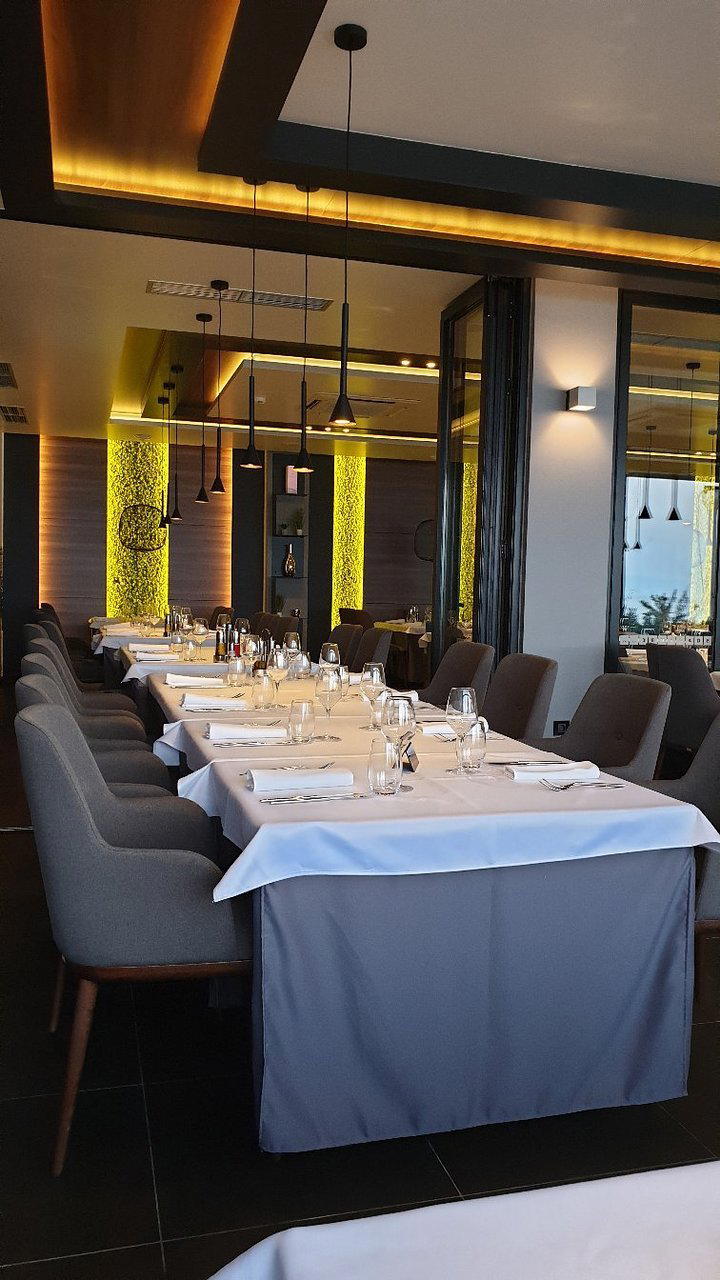
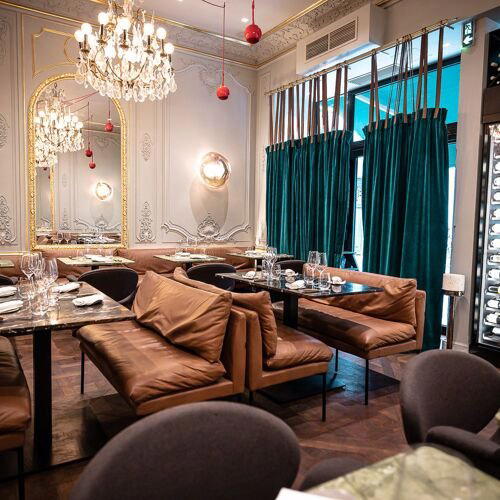
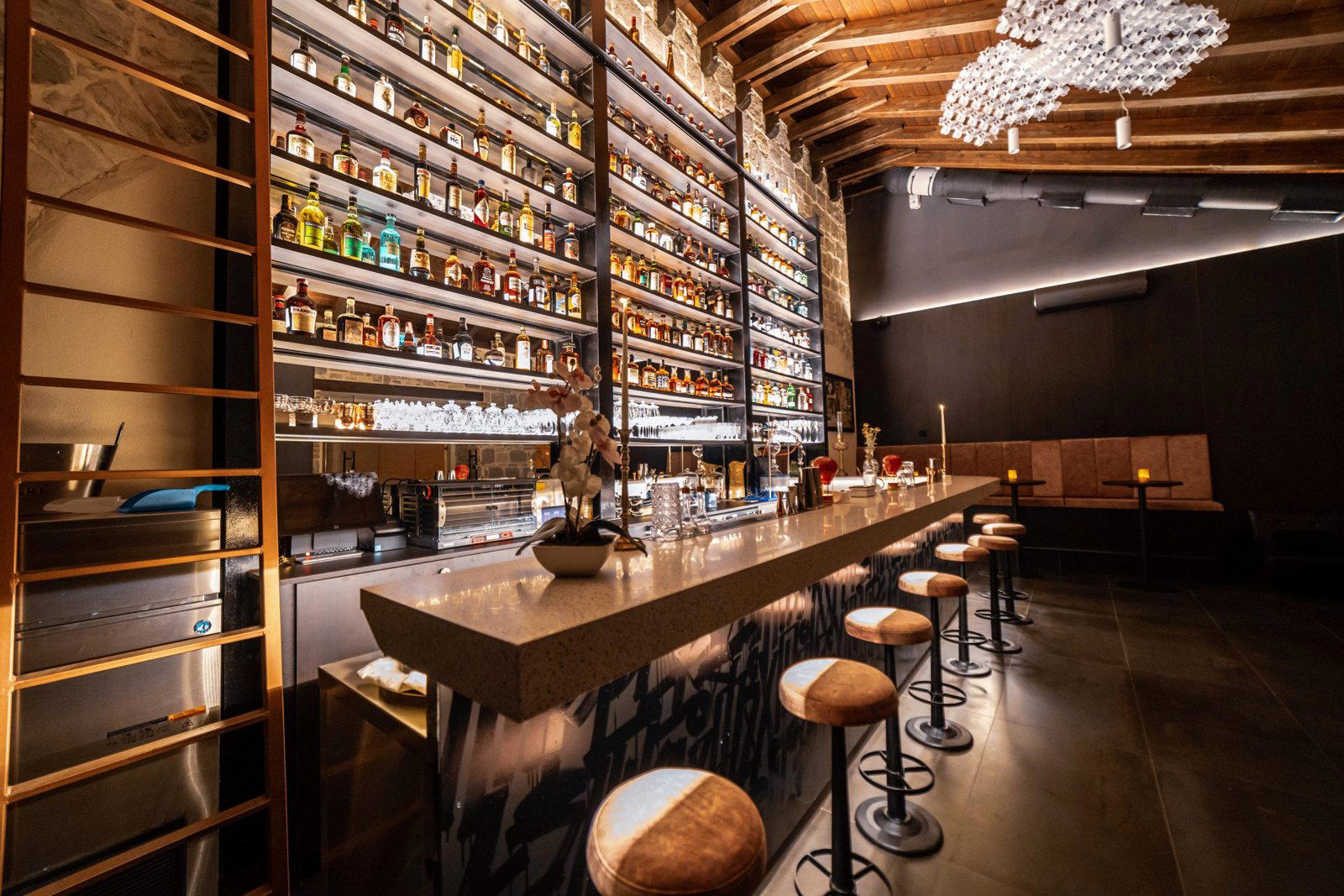
Bars in Supetar
Browse all →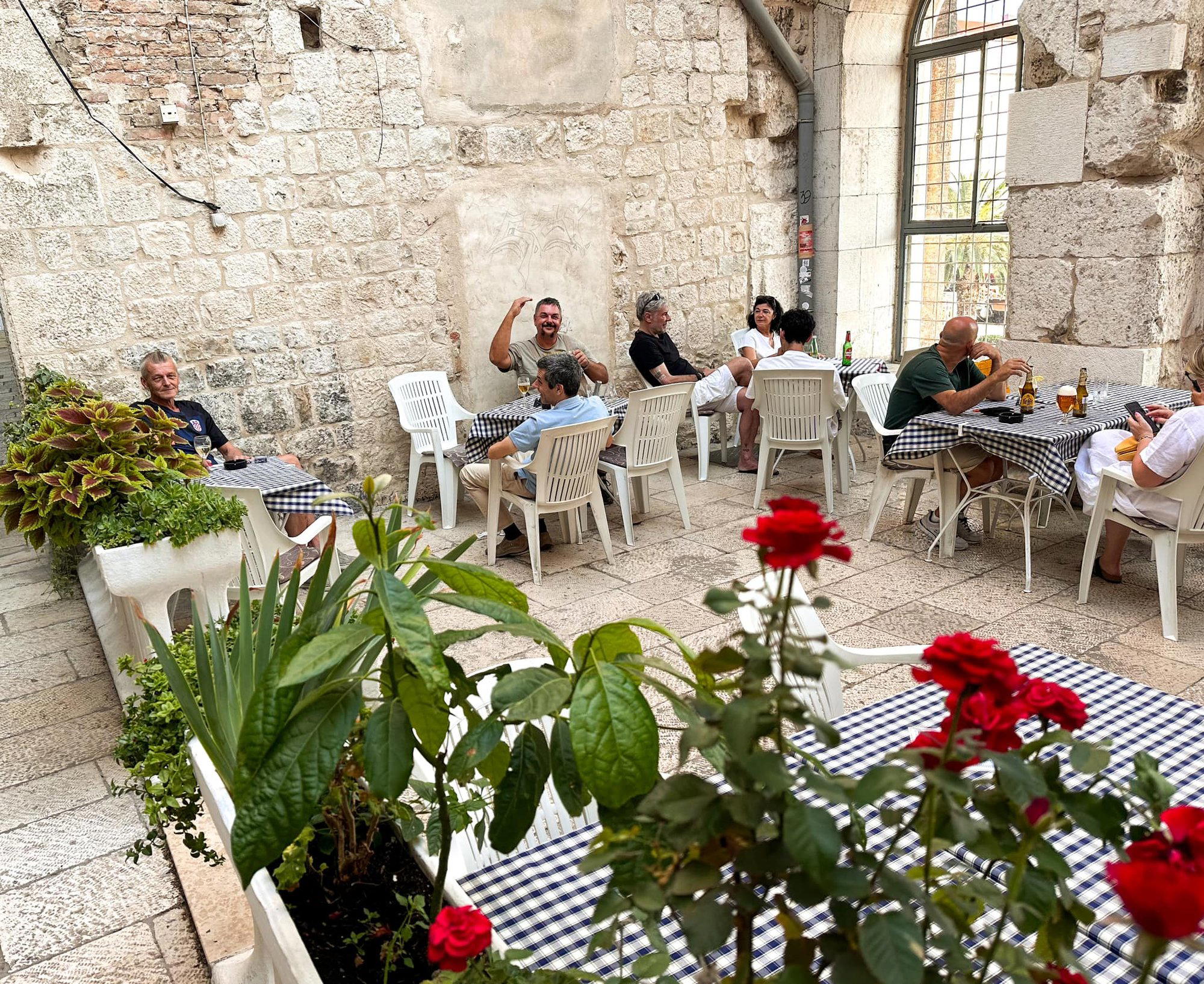
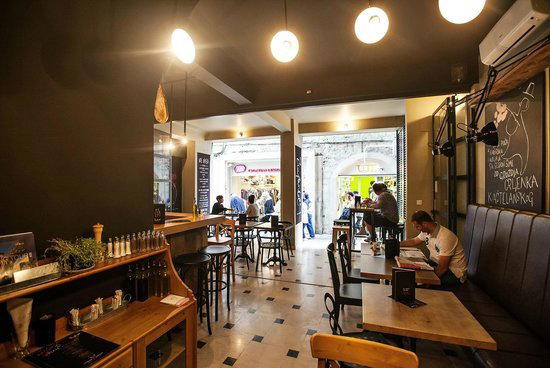
Hotels in Supetar
Browse all →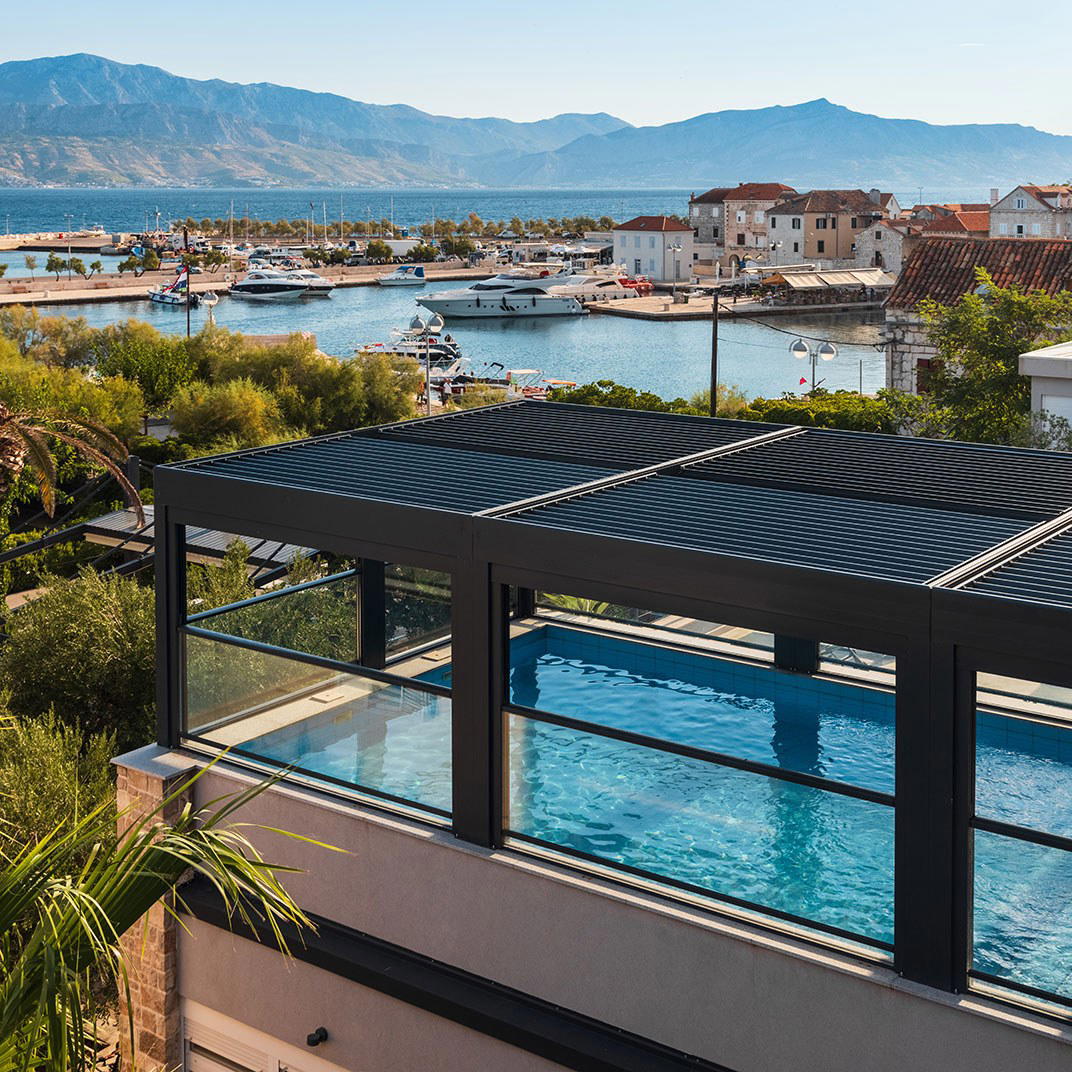


Konoba Vinotoka
The wine
- Wine program
- Curated wine list
- Extensive wine list
Details
- Romantic
- Cozy
- Rustic
- Scenic
- Intimate
- Date Night
- Group Dining
- Special Occasion
- Terrace
- Standalone
- Extensive Wine List
- Local Sourcing
- Sustainable Seafood
- Street Scene
- A La Carte
- Family Style
- Local Wine
- Regional Wine
- Vegetarian Friendly
- Vegan Options
- Gluten Free Options
Current opening hours
- Monday
- 12–10 PM
- Tuesday
- 12–10 PM
- Wednesday
- 12–10 PM
- Thursday
- 12–10 PM
- Friday
- 12–10 PM
- Saturday
- 12–10 PM
- Sunday
- 12–10 PM
Hours can change for holidays and private events. Last verified .