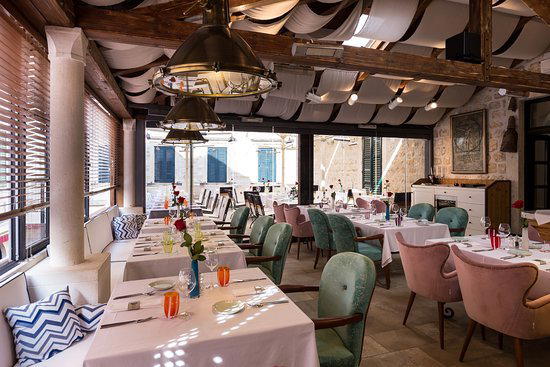
Posat sits on one of the Old Town's quieter approach streets, a short walk from the Pile Gate, where Dubrovnik's dining scene compresses between the wall and the sea. The restaurant positions itself within the city's tradition of Adriatic ingredients handled with considered technique, making it a reference point for visitors tracking the intersection of Dalmatian produce and contemporary kitchen method.
Pearl is the En Primeur Club membership app — saves, bookings, and concierge access live there. Same editors, same standards.
- Address
- Ul. uz Posat 1, 20000, Dubrovnik, Croatia
- Phone
- +38520421194
- Website
- posat-dubrovnik.com
- Directions
- Get directions
 Saves & bookings on Pearl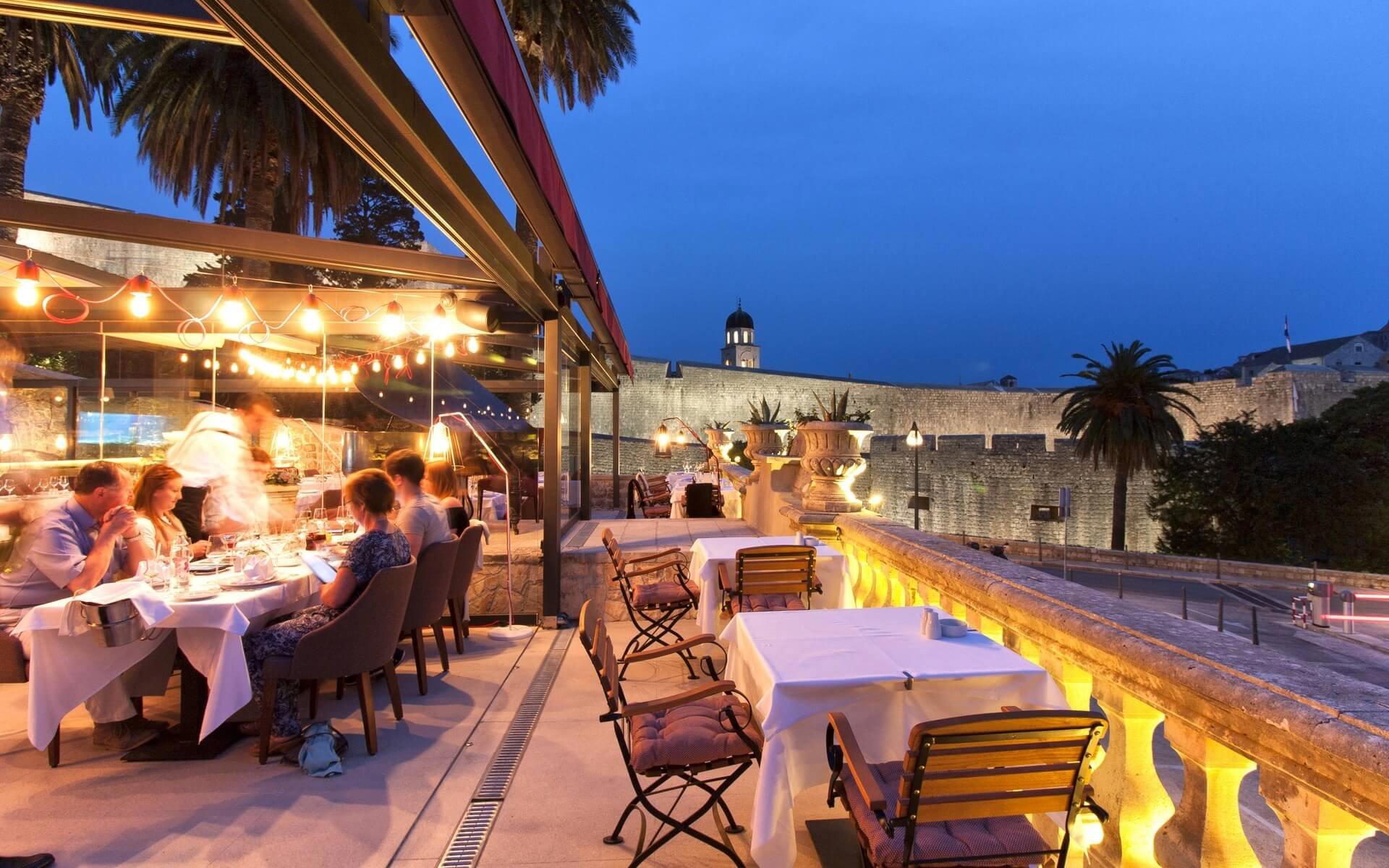
Stone, Salt Air, and the Approach to the Old Town
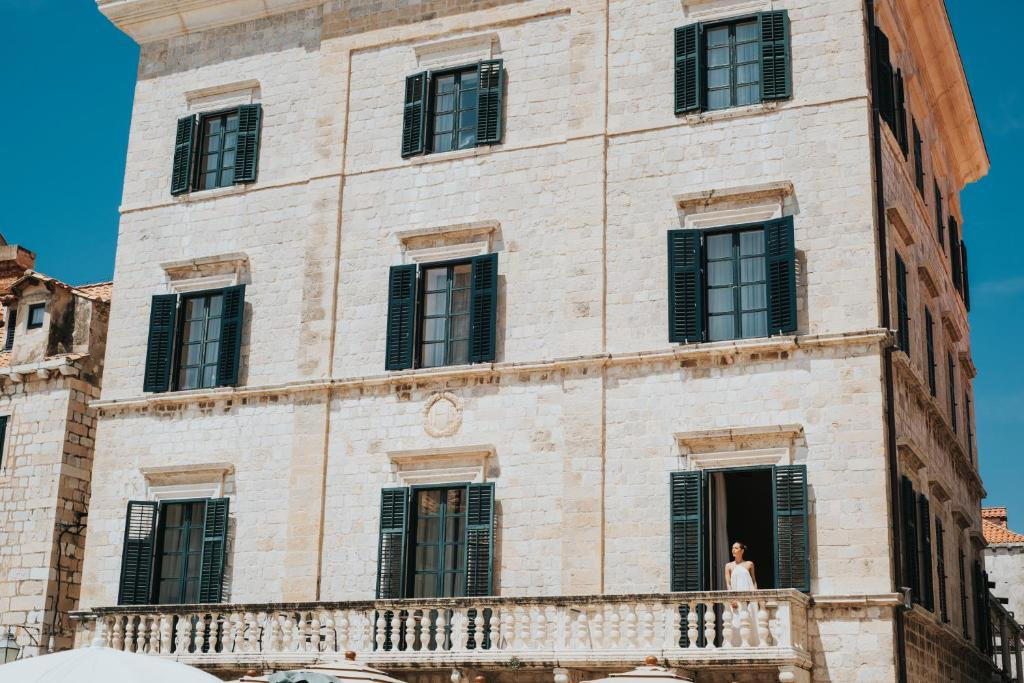
The streets that lead to Dubrovnik's Pile Gate tend to shed tourists as you move away from the main promenade. Ul. uz Posat sits in that quieter register, where the limestone underfoot is worn smooth from centuries of foot traffic rather than recent footfall, and where the architecture belongs to the city rather than to its visitor economy. Posat occupies this address with a certain advantage: the physical setting does a great deal of work before any food arrives. Dubrovnik's dining scene is bifurcated sharply between venues that have learned to price against cruise-ship traffic and those that hold a more considered position. The address here suggests the latter category.
Posat sits within a competitive set that includes Restaurant 360, which operates at the summit of the city's price bracket with international modern cuisine framed by wall-leading views, and Bistro Tavulin, which anchors the traditional end at a lower price point.
Dalmatian Ingredients in the Context of Technique
Croatia's Adriatic coast has always produced ingredients that require little intervention: the fish pulled from cold-water channels between islands, the olive oils pressed in groves that date back to Roman occupation, the lamb that feeds on aromatic scrub above the waterline. What has shifted over the past decade across Croatian dining, from Pelegrini in Sibenik to LD Restaurant in Korčula, is the ambition applied to those ingredients. Chefs trained in European kitchens have returned to the coast and applied precision-cooking methods, fermentation programs, and structured tasting formats to produce that previously went straight from boat to grill.
This intersection of imported method and indigenous product is where the more serious Dalmatian restaurants now operate, and it defines how Posat should be read. The Adriatic seafood tradition runs deep in Dubrovnik, but the question for kitchens at this address is how much technique to layer before the product starts to disappear beneath it. The Croatian venues that have earned regional recognition, among them Agli Amici Rovinj and Nebo by Deni Srdoč in Rijeka, have tended to find their own answer to that question: enough structure to demonstrate intent, not so much that the sourcing becomes a footnote.
At the more ambitious end of the global spectrum, that calibration is something places like Le Bernardin in New York City have spent decades refining around seafood. The approach is not directly comparable to a Dalmatian context, but the underlying discipline, letting notable fish determine the limits of what technique can add, still translates. Croatian coastal cooking is at its most persuasive when it follows that same logic.
The City as Competition
Dubrovnik is among the more frequently visited small cities in the Mediterranean, and that density creates a particular pressure on its restaurant market. Tables fill quickly across spring and summer, with peak season running from late May through early September when the combination of cruise arrivals and long-stay visitors compresses demand into a relatively small geographic area. The Old Town, where Posat's address places it, has the highest concentration of that demand and the highest prices to match. Venues at the €€€ and €€€€ tier here are pricing against a captive audience rather than a competitive local market, which creates a real distinction between those that earn their position and those that rely on location.
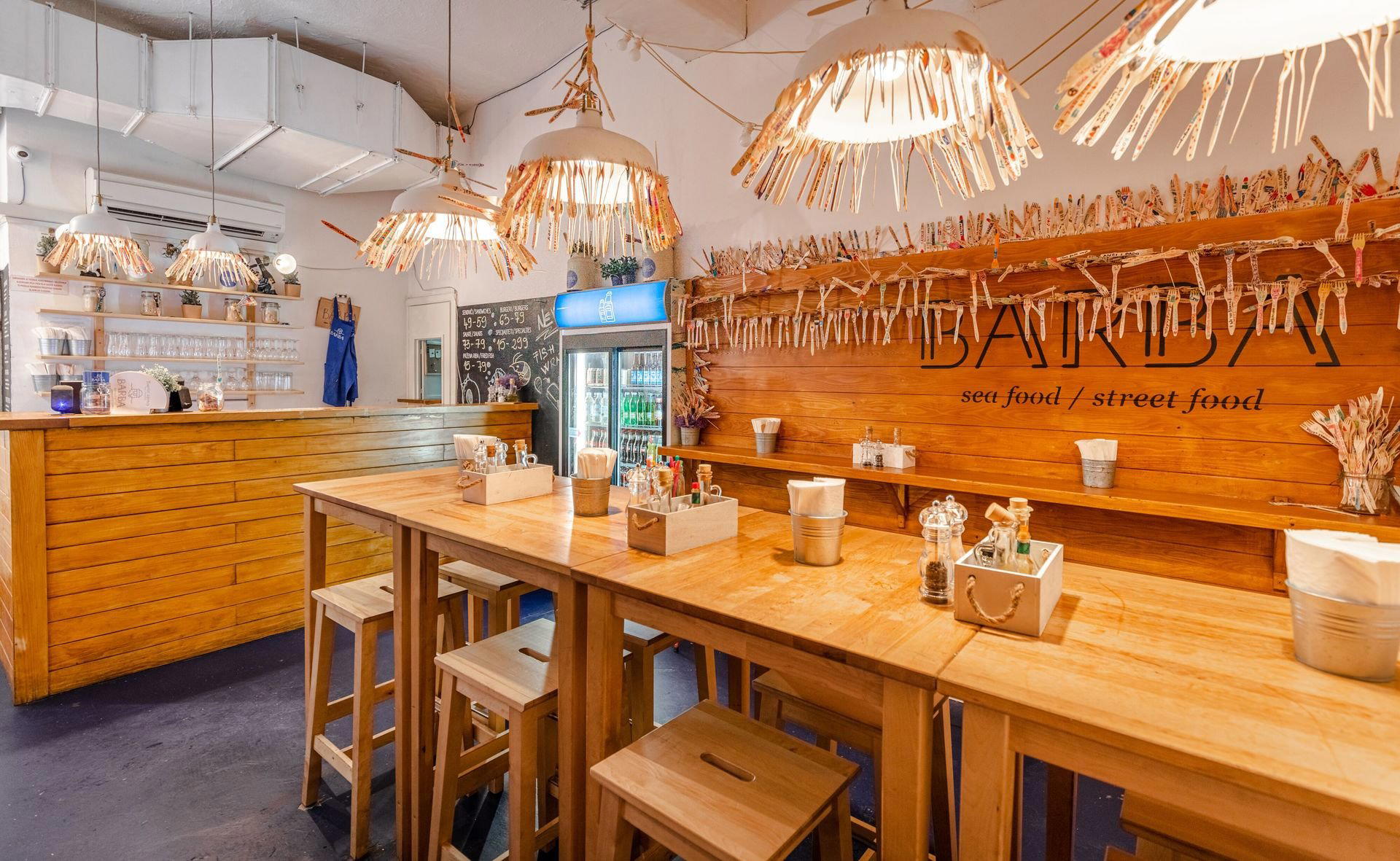
Above 5 and Barba both occupy that space with distinct approaches. Bistro 49 adds another data point at the casual end.
Away from Dubrovnik, Croatia's dining scene has developed serious nodes worth tracking. Krug in Split handles the local-technique intersection with more urban confidence than most coastal venues. Boskinac in Novalja combines estate wine production with kitchen ambition in a way that has no real Dubrovnik equivalent. Dubravkin Put in Zagreb and Korak in Jastrebarsko show how the continental interior is developing its own serious dining identity, distinct from the coastal tradition. Alfred Keller in Mali Lošinj and BioMania Bistro Bol in Bol represent island dining at different price points and formats.
Planning Your Visit
Peers Worth Knowing
Comparable venues nearby, for context on price, style, and recognition.
| Venue | Cuisine | Price | Notes |
|---|---|---|---|
| PosatThis venue — the venue you are viewing | Modern Mediterranean Seafood | $$$$ | Not listed |
| Restaurant Kopun | Traditional Croatian with Modern Twist | $$$$ | Old Town |
| Above 5 | Modern Mediterranean Fine Dining | $$$$ | Old Town |
| Bowa | Traditional Mediterranean Seafood | $$$$ | Šipan Island |
| Stara Loza | Modern Mediterranean Seafood | $$$ | Old Town |
| Orsan | Dalmatian Seafood | $$$ | Lapad |
Continue exploring
More in Dubrovnik
Restaurants in Dubrovnik
Browse all →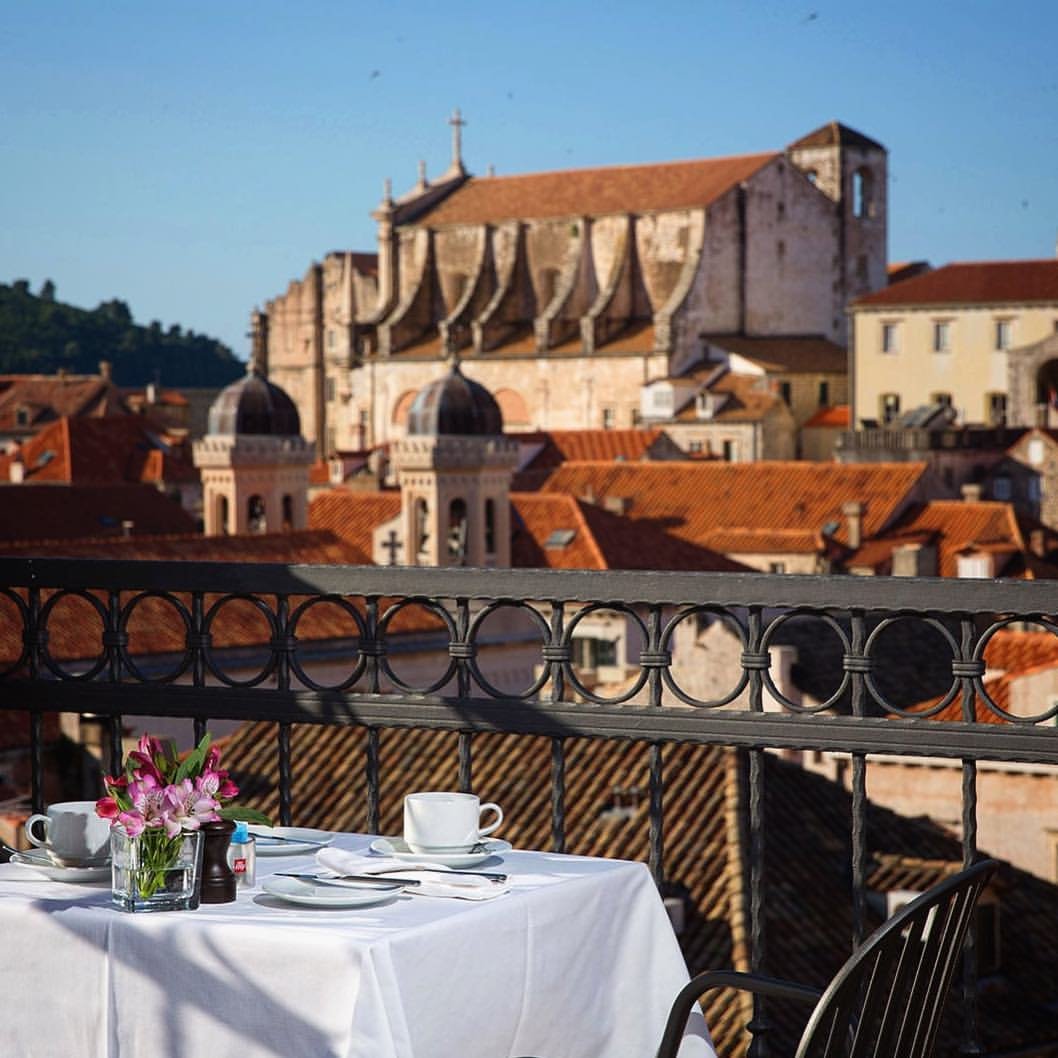
Bars in Dubrovnik
Browse all →


At a Glance
- Romantic
- Elegant
- Scenic
- Sophisticated
- Date Night
- Special Occasion
- Terrace
- Rooftop
- Panoramic View
- Waterfront
- Extensive Wine List
- Local Sourcing
- Waterfront
- Skyline
Current opening hours
- Monday
- 12–11 PM
- Tuesday
- 12–11 PM
- Wednesday
- 12–11 PM
- Thursday
- 12–11 PM
- Friday
- 12–11 PM
- Saturday
- 12–11 PM
- Sunday
- 12–11 PM
Hours can change for holidays and private events. Last verified .
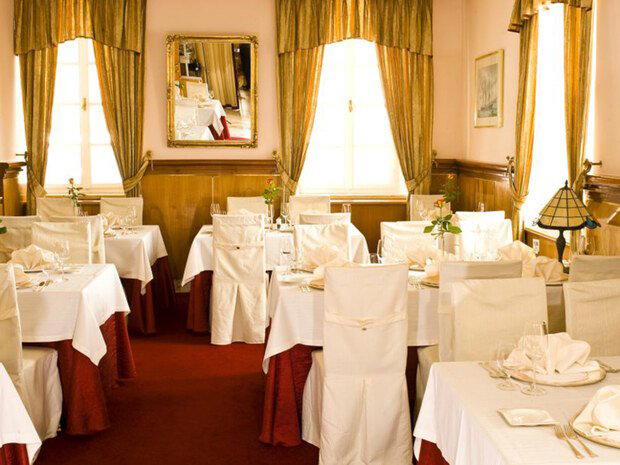
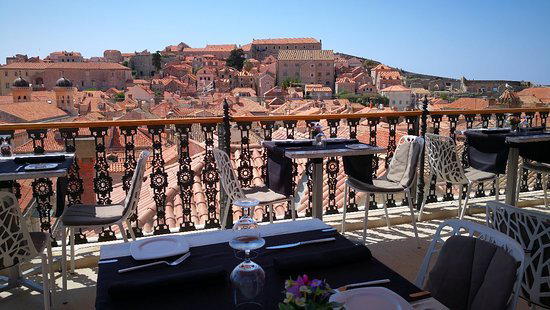
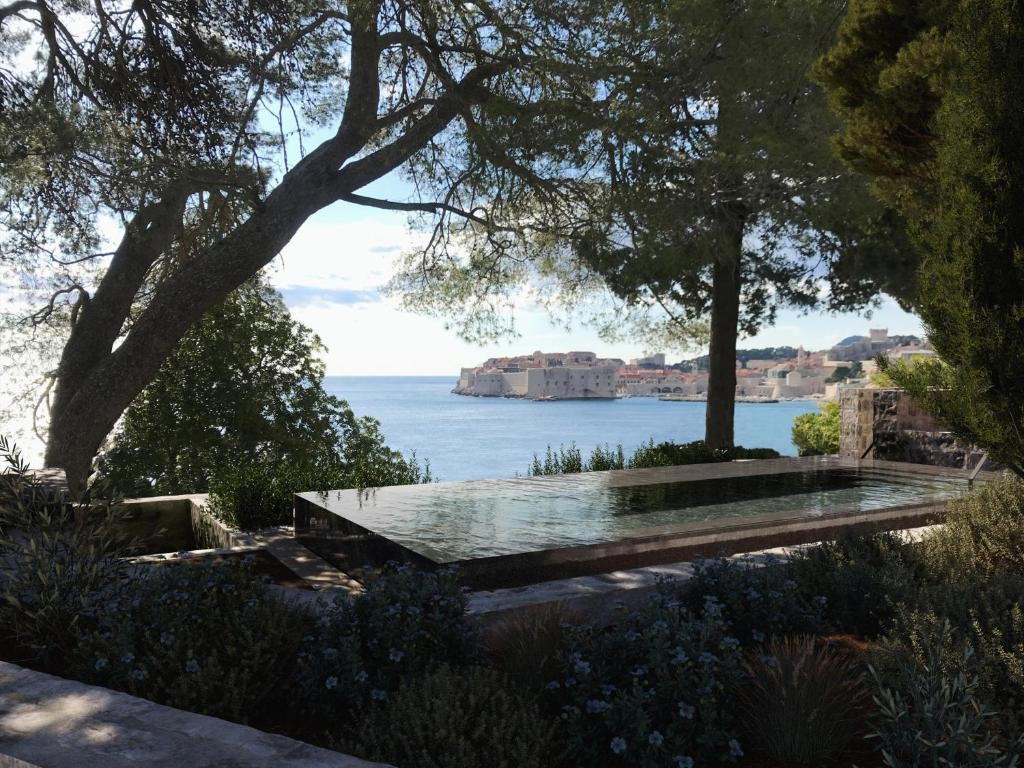
Fine dining atmosphere with elegant terrace seating overlooking landmarks, praised for polished service and impressive presentation.