On the Pelješac peninsula's quieter western tip, Konoba Barsa operates within a dining tradition where the sourcing of ingredients, local fish, seasonal vegetables, the olive oil pressed nearby, carries more weight than formal credentials. It sits in the category of Dalmatian konobas that remain oriented toward the sea and the land around them, making it a practical and honest choice for visitors to Lovište.
Pearl is the En Primeur Club membership app — saves, bookings, and concierge access live there. Same editors, same standards.
- Address
- Lovište, Croatia
- Phone
- +385989386131
- Website
- restaurantbarsa.com
- Directions
- Get directions
 Saves & bookings on Pearl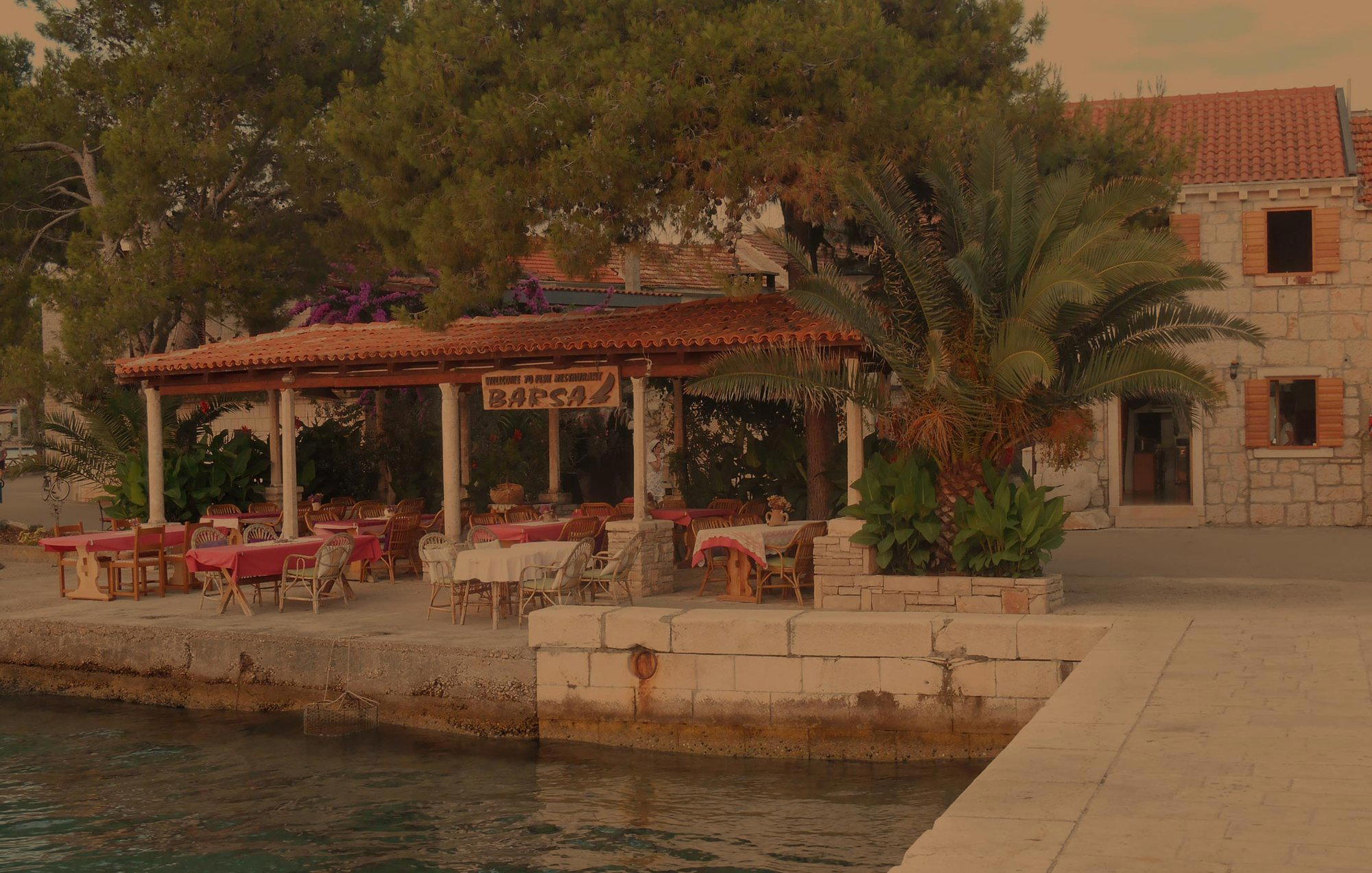
Where the Pelješac Coast Sets the Table
The western tip of the Pelješac peninsula is among the least trafficked stretches of the Dalmatian coast. Lovište, a village that faces the open sea toward the island of Korčula, receives a fraction of the visitors who crowd Orebić or make the crossing to Korčula Town. That quietness shapes everything about how a place like Konoba Barsa operates. In villages of this scale, a konoba is not a concept or a brand, it is simply where people eat, and where the food comes from the water and the hillsides within immediate reach.
Across Dalmatia, the konoba format has remained among the more durable in Croatian dining. At its most grounded, it means a kitchen working with whatever the day's catch and the season's produce allow, without the fixed tasting structures that define higher-budget addresses like Pelegrini in Sibenik or the international frameworks of Restaurant 360 in Dubrovnik. The konoba's authority comes not from a chef's formal biography but from proximity, to the fisherman, to the olive grove, to the garden behind the kitchen. That is the tradition Konoba Barsa operates within.
The Logic of Sourcing on Pelješac
Pelješac has a distinct agricultural and maritime identity that directly determines what ends up on a plate in Lovište. The peninsula is one of Croatia's most productive wine corridors, with Dingač and Postup designations built around Plavac Mali on its southern slopes. It is also bordered by the Neretva delta to the east, waters that supply some of the Adriatic's most respected shellfish, particularly oysters from the Ston Bay, among the oldest continuously farmed oyster beds in Europe, documented since Roman times. Any konoba on Pelješac that is paying attention to its sourcing has direct access to those oysters without a logistics chain.
Fish from the channel between Pelješac and Korčula, sea bream, sea bass, dentex, octopus, represent the standard working inventory of coastal kitchens in this area. Preparation in the konoba tradition leans toward restraint: grilling over wood, slow braising in local wine, or cooking under a peka, the cast-iron bell used throughout Dalmatia for slow-cooked meat and seafood. These are not techniques invented for a market; they are the product of a cooking culture that predates restaurant dining as a category.
For context on how ingredient-led approaches play out at different budget tiers across Croatia, BioMania Bistro Bol in Bol takes a more explicitly organic and certified approach, while Boskinac in Novalja on the island of Pag connects sourcing to a broader estate operation. Konoba Barsa sits in a different register, less structured, more directly tied to what the immediate geography makes available on a given day.
The Setting and What It Signals
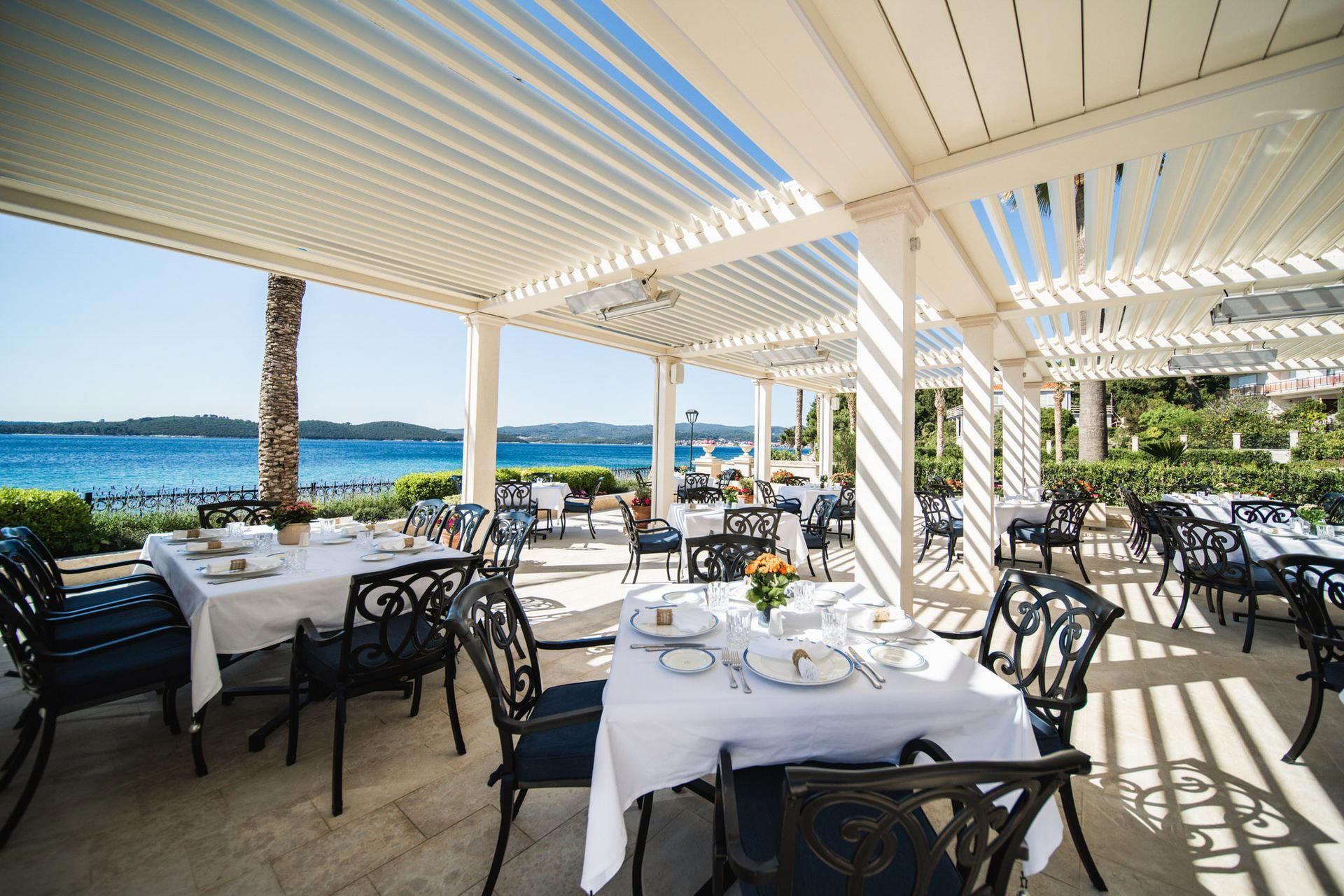
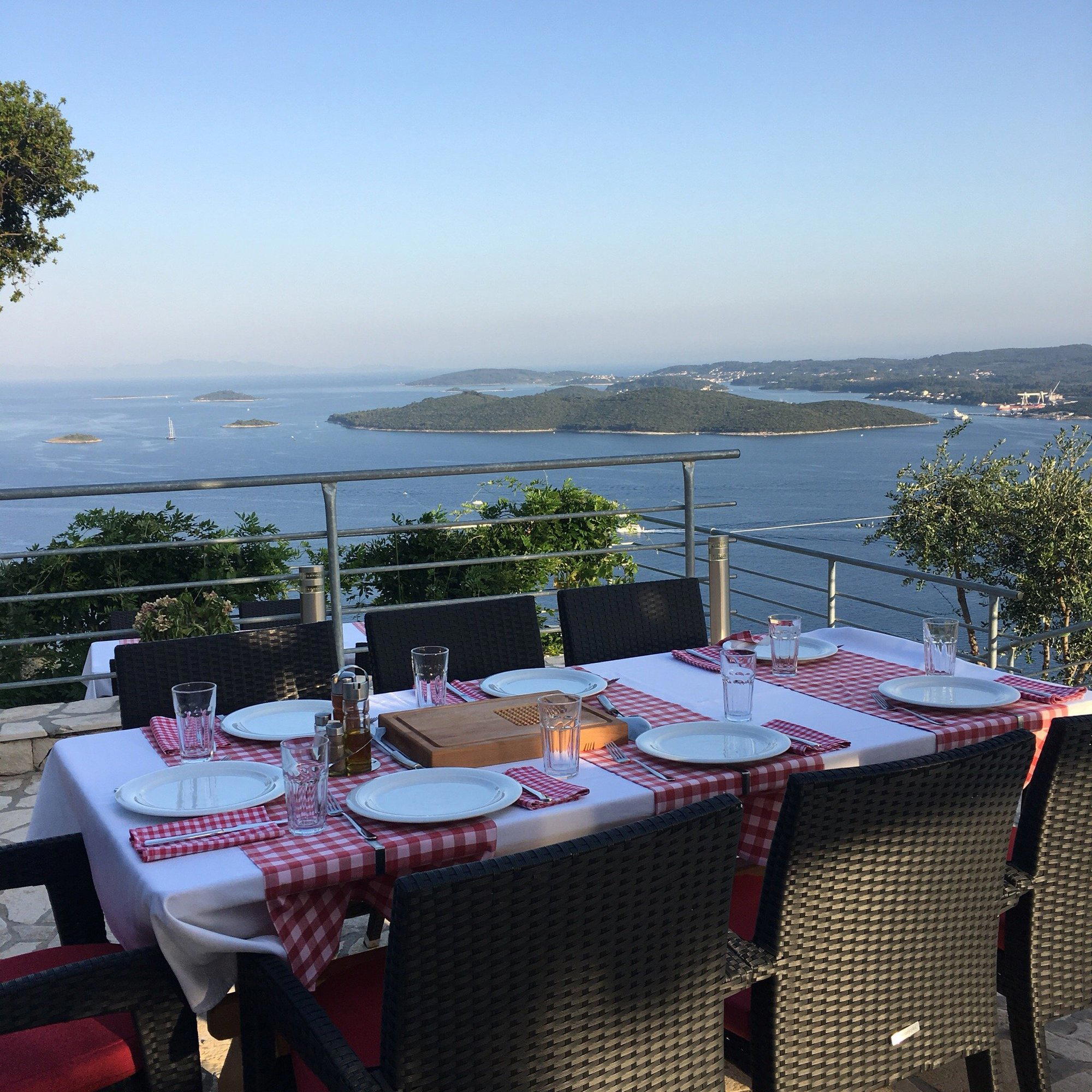
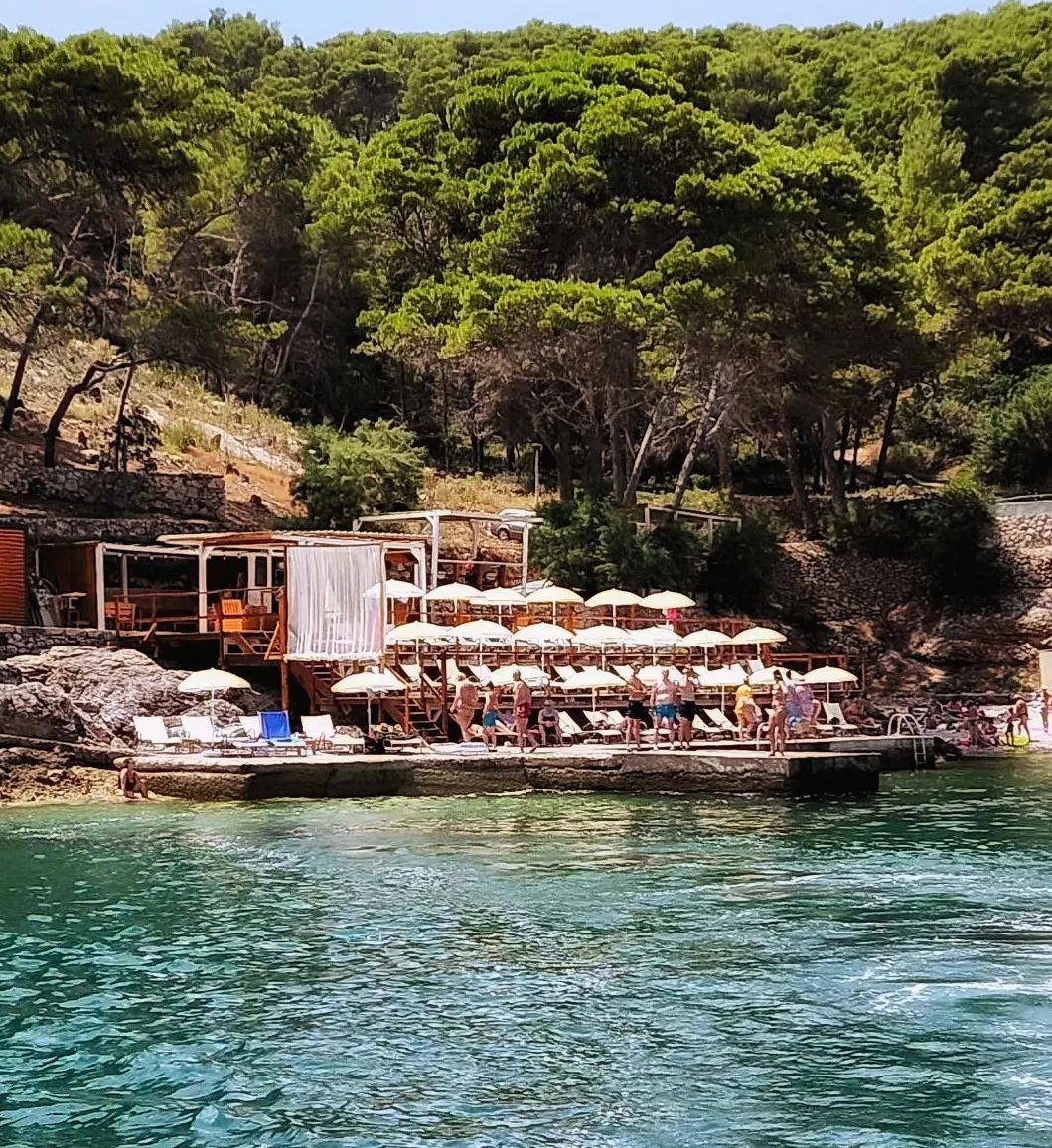
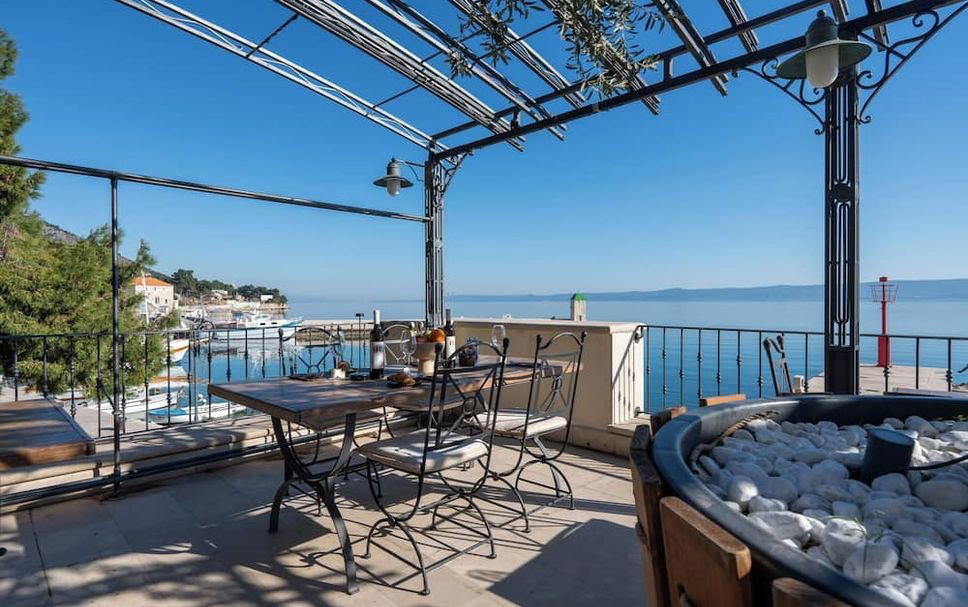
Arriving in Lovište along the peninsula road, the scale of the place clarifies expectations. This is a village with a modest harbour, a shaded waterfront, and the kind of quiet that becomes rare on the Adriatic in July and August. A konoba in this context is operating for both locals and the visitors, mostly sailing crews, holidaymakers with private accommodation, and the occasional traveller who has deliberately sought out the less-developed end of Pelješac, who find their way here.
The atmosphere a place like this generates is less about designed hospitality and more about the rhythm of the coast: meals that stretch, wine served in carafes from local producers, the sound of the water nearby. That setting places the restaurant in a different peer group from the urban dining addresses that have driven Croatia's recent critical recognition, such as Krug in Split or Nebo by Deni Srdoč in Rijeka. The comparison is not a ranking, it is a map of what you are choosing between.
Across the water on Korčula, LD Restaurant represents the more structured end of island dining. Lovište offers something different: a less mediated version of the same coastline and its produce.
Planning a Visit
Lovište is accessible by road along the Pelješac peninsula, the drive from Orebić takes roughly 30 minutes on a coastal road that narrows in places. Ferries from Korčula Town to Dominče, then the road north, offer an alternative approach for those coming from the island. The village has no large hotel infrastructure, so most visitors are either staying in private accommodation locally or arriving by boat. The Adriatic sailing season runs from May through September, and the waterfront tends to be at its busiest in July and August; shoulder season visits in June or September allow the place to function more as it does for those who live here year-round.
For those building a broader Croatian itinerary that moves between this kind of coastal simplicity and more formally structured dining, Dubravkin Put in Zagreb, Agli Amici Rovinj in Rovinj, Alfred Keller in Mali Lošinj, Korak in Jastrebarsko, Bodulo in Pag, Burin in Crikvenica, Cantilly Garden Restaurant in Samobor, and Cubo in Opatija represent the full range of what Croatian dining looks like across its different coastal and inland contexts.
At-a-Glance Comparison
Comparable venues nearby, for context on price, style, and recognition.
| Venue | Cuisine | Price | Notes |
|---|---|---|---|
| Konoba BarsaThis venue — the venue you are viewing | Traditional Croatian Seafood Konoba | $$ | Not listed |
| Orsan Gverović | Traditional Dalmatian Seafood | $$ | Zaton Mali |
| Galija | Croatian Seafood Grill | $$ | Cavtat |
| Đuđa&Mate | Neretvian Fish Restaurant | $$ | Metkovic |
| Mandrac | Traditional Croatian Seafood | $$ | Lopud |
| Konoba Kantun | Traditional Croatian Seafood Grill | $$ | Vis waterfront |
At a Glance
- Rustic
- Cozy
- Date Night
- Special Occasion
- Waterfront
- Terrace
- Local Sourcing
- Waterfront
Current opening hours
- Monday
- 12–11 PM
- Tuesday
- 12–11 PM
- Wednesday
- 12–11 PM
- Thursday
- 12–11 PM
- Friday
- 12–11 PM
- Saturday
- 12–11 PM
- Sunday
- 12–11 PM
Hours can change for holidays and private events. Last verified .
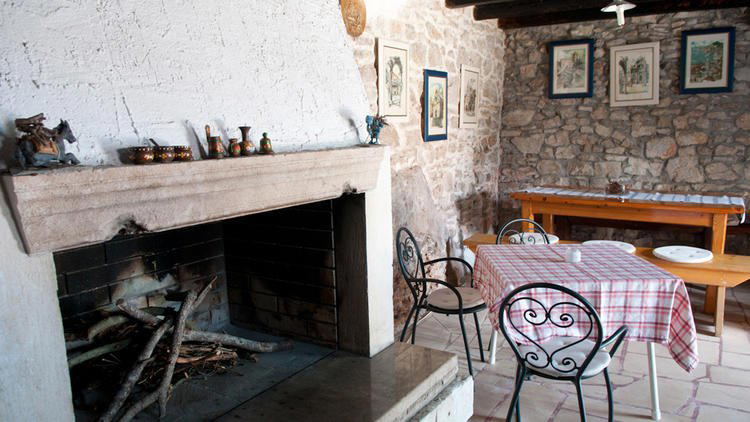
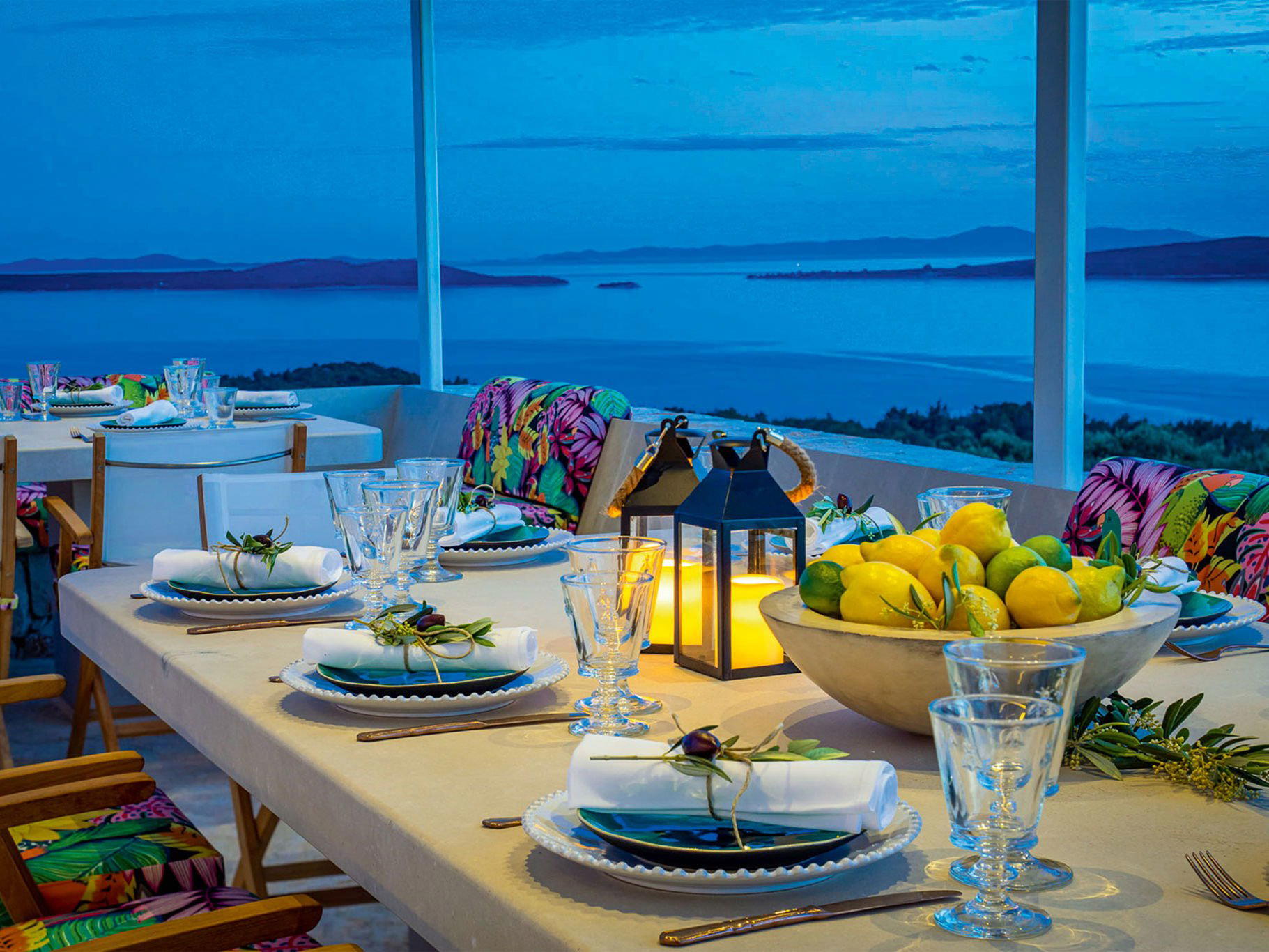
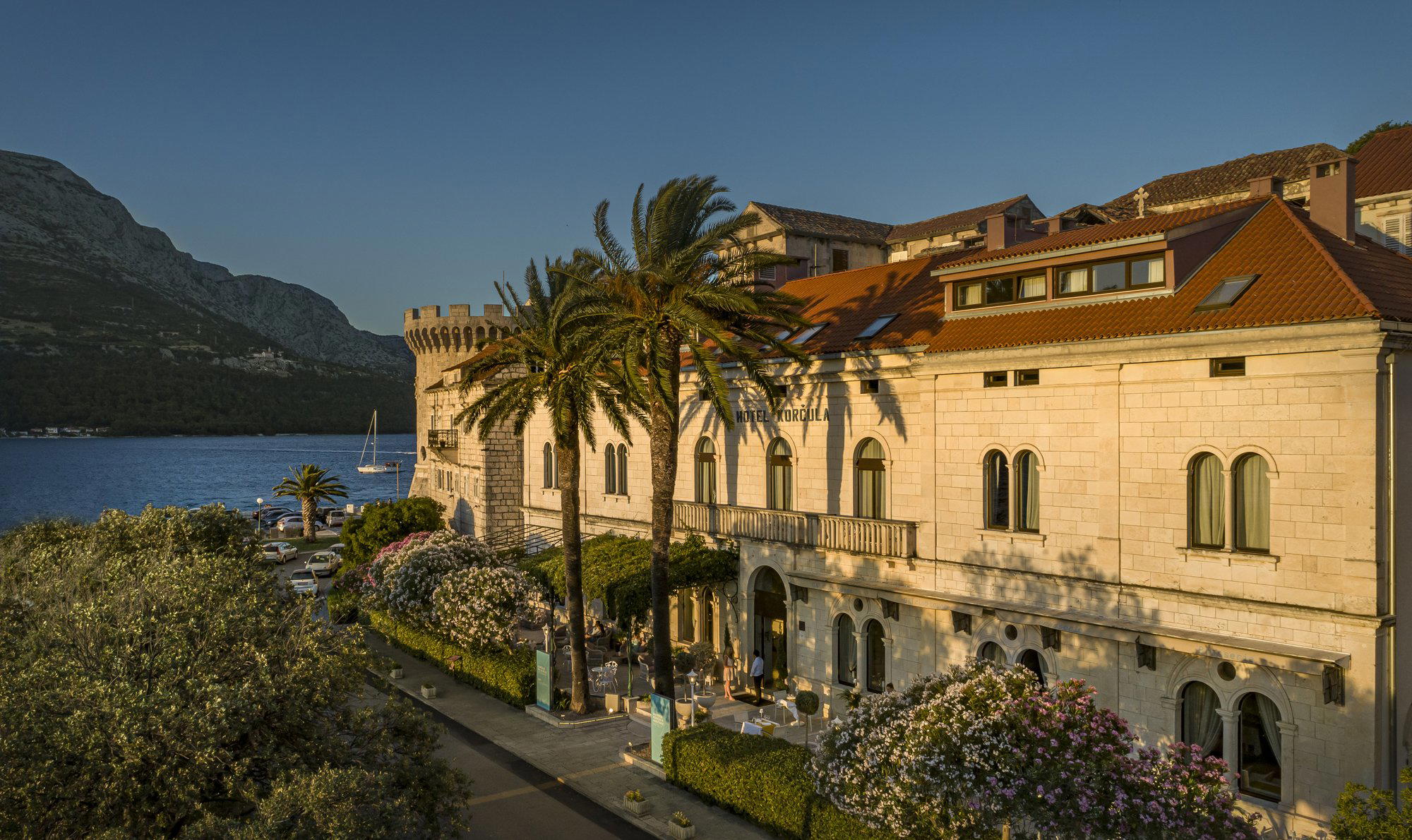
Charming rustic terrace atmosphere with sea views, relaxed seaside dining under sunset shades.