Galija sits on the Cavtat waterfront at Vuličevićeva 1, where the Adriatic fishing tradition that shapes this coastline's kitchens remains close to the surface. The restaurant draws on the Dalmatian premise that proximity to source is the primary measure of quality, positioning it within a town that operates at a quieter register than nearby Dubrovnik. For visitors working through Croatia's serious dining scene, Cavtat offers an instructive counterpoint to the city-hotel formality a short drive north.
Pearl is the En Primeur Club membership app — saves, bookings, and concierge access live there. Same editors, same standards.
- Address
- Vuličevićeva ul. 1, 20210, Dubrovnik, Croatia
- Phone
- +38520478566
- Website
- galija.hr
- Directions
- Get directions
 Saves & bookings on Pearl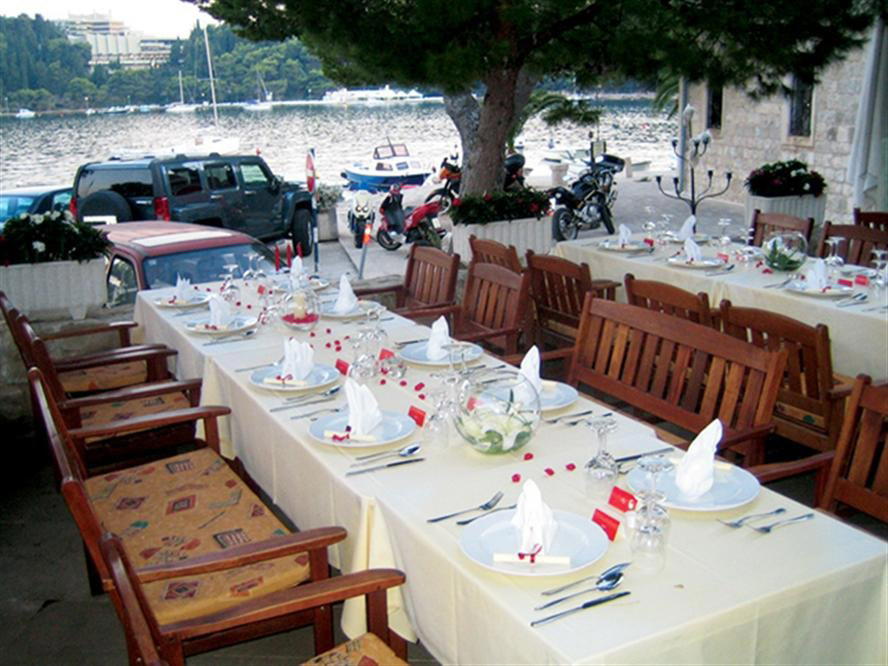
Where the Waterfront Does the Work
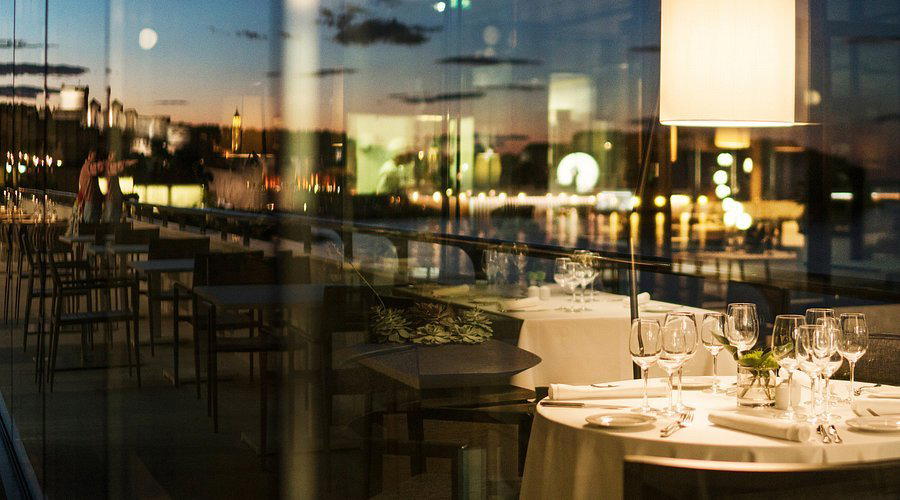
Cavtat sits roughly 17 kilometres south of Dubrovnik's Old Town, connected by both road and a regular boat service that takes around 45 minutes across the bay. Galija is a Croatian Seafood Grill in Dubrovnik, with a casual dress code and recommended reservations. The distinction matters for dining: where Dubrovnik has developed a restaurant scene that largely prices and presents itself for international tourism, Cavtat retains a more embedded local character. The waterfront promenade curves around a small harbour, fishing boats tie up alongside pleasure craft, and the restaurants along it are oriented less toward spectacle and more toward the water itself. Galija occupies a position on Vuličevićeva in that harbour district, and the physical setting is the first argument the restaurant makes. Arriving on foot along the seafront, you are already inside the logic of what is about to be served: Dalmatian coastal cooking, which has always treated the Adriatic as larder rather than backdrop.
Sourcing as Structure: The Dalmatian Coastal Premise
One instructive frame for understanding a restaurant like Galija is not the menu but the supply chain that precedes it. Dalmatian coastal kitchens have operated for centuries on a principle of radical proximity: fish caught within sight of the kitchen, olive oil pressed from groves visible from the terrace, vegetables grown in the stone-walled plots that climb the hillsides behind each town. This is not a recent marketing position adopted to follow European farm-to-table trends. It is the structural condition under which cooking developed in this part of the Adriatic, where refrigerated logistics arrived late and local sourcing was not a choice but a necessity. That legacy shapes what is credible to put on a plate in a place like Cavtat.
The regional tradition divides broadly between brodetto, the wine-and-tomato fish stew that appears in various forms along the eastern Adriatic coast, peka, the slow-cooked meat and vegetable preparation sealed under a bell-shaped lid and buried in embers, and simpler preparations that let a single fresh fish carry an entire course. At the higher end of the Croatian dining scene, venues like Pelegrini in Sibenik and LD Restaurant in Korčula have formalised these traditions into tasting formats with significant technical investment. Galija operates at a different register: the Cavtat waterfront is not where you come for modernist reinterpretation. It is where the baseline quality of the source ingredient is expected to carry the weight of the meal.
Cavtat in the Croatian Dining Hierarchy
Croatian fine dining has consolidated around a relatively small number of addresses that have attracted international attention, most of them associated with Michelin recognition or the World's 50 Best infrastructure. Agli Amici Rovinj in Rovinj and Nebo by Deni Srdoč in Rijeka represent one tier of that ambition, while Dubrovnik's Restaurant 360 pitches its pricing and presentation squarely at the international premium market. Cavtat does not compete in that framework. What it offers instead is access to the same Adriatic supply base without the markup that accompanies a Dubrovnik Old Town address or a hotel dining room with panoramic walls.
The southern Dalmatian coast produces some of the Adriatic's most consistent seafood, and proximity to Dubrovnik has not diluted Cavtat's fishing economy. Visitors who have already eaten along the Croatian coast, at Boskinac in Novalja or further north at Alfred Keller in Mali Lošinj, will recognise the throughline: the Adriatic's clear, relatively cold waters produce fish with a particular texture and salinity that requires less intervention in the kitchen, and the leading Dalmatian restaurants understand that. Compared to Bugenvila, Cavtat's other well-regarded waterfront address, Galija sits in similar territory on the harbour, and the two together define what serious dining in this small town looks like.
The Adriatic Larder and What It Implies for the Plate
Understanding what to expect at Galija requires some knowledge of the southern Dalmatian catch cycle. The warmer months, roughly May through October, bring the broadest variety to harbour markets: dentex, sea bass, bream, John Dory, and cephalopods in volume. Winter narrows the offer but concentrates quality; colder water fish tend to carry more flavour, and the reduction in tourist footfall means the leading catch is not being distributed across dozens of competing covers. The olive harvest in October and November produces the fresh-pressed oil that defines the flavour register of the season's cooking. These are the rhythms that determine what a kitchen in Cavtat has to work with, and they are a more reliable guide to what will be on the table than any static menu description.
For reference points outside Croatia, the closest analogue in ambition and sourcing philosophy sits somewhere between a serious Provençal fish restaurant and the simpler end of Greek island seafood dining, where technique is in service of the ingredient rather than ahead of it. The difference from French coastal fine dining, represented at its most technically accomplished by venues like Le Bernardin in New York City, is one of register and intent, not of underlying quality of produce. The Adriatic and the Mediterranean produce fish of comparable quality; the cooking traditions around them simply have different relationships with elaboration.
Planning a Visit
The practical logistics of eating in Cavtat are tied to Dubrovnik's seasonal compression. The town is reachable by car in under 30 minutes from Dubrovnik Airport, and the boat service from the Old Town harbour provides an alternative arrival that allows you to approach the promenade from the water, which is the appropriate orientation. Reservations for waterfront restaurants in the peak season, July and August, are advisable several days in advance given the limited total covers across the town's better addresses. Shoulder season, particularly May to early June and September to October, offers better availability and more representative cooking, since the kitchen is not running at capacity pressure. Galija sits at Vuličevićeva ul. 1; the address places it on the inner harbour rather than the outer seafront, which affects both the view and the ambient noise level.
From Dubrovnik north to Split, Krug represents the contemporary urban end of Dalmatian cooking. Inland, Dubravkin Put in Zagreb and Korak in Jastrebarsko anchor a different, continental tradition. Istria has its own chapter, anchored by San Rocco in Brtonigla, EatIstria in Pluj, and Humska Konoba in Hum. On the islands, Restaurant Filippi in Curzola extends the southern Dalmatian seafood tradition. Galija belongs to the coastal, ingredient-first tier of this national picture, and its value is best understood in that comparative context.
Fast Comparison
Comparable venues nearby, for context on price, style, and recognition.
| Venue | Cuisine | Price | Awards | Notes |
|---|---|---|---|---|
| GalijaThis venue — the venue you are viewing | Croatian Seafood Grill | $$ | Not listed | Not listed |
| Bugenvila | Modern Mediterranean | $$$ | Michelin Plate | Cavtat |
| Orsan Gverović | Traditional Dalmatian Seafood | $$ | Not listed | Zaton Mali |
| Porat | Modern Croatian Seafood Grill | $$ | Not listed | Gruž |
| Gastro Mare | Modern Dalmatian Seafood | $$$ | Not listed | Kobaš |
| Konoba Barba | Traditional Dalmatian Seafood & Grill | $$ | Not listed | Komiza |
Continue exploring
More in Cavtat
Restaurants in Cavtat
Browse all →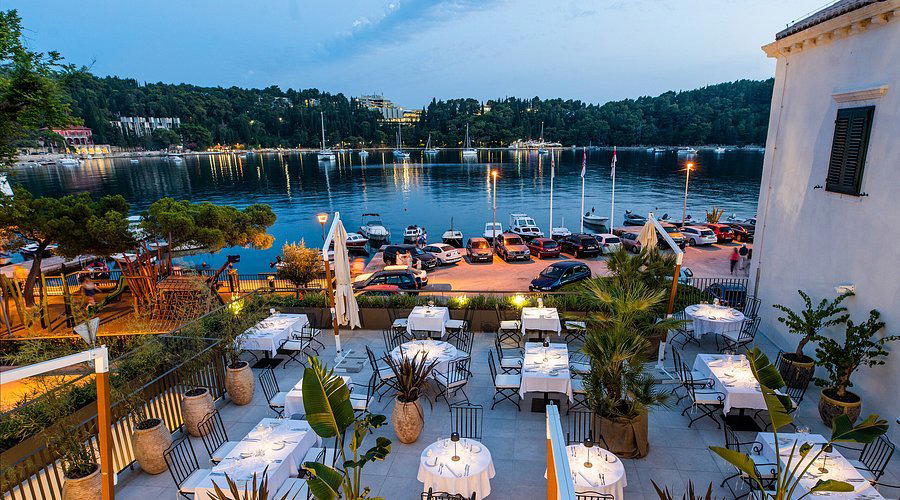
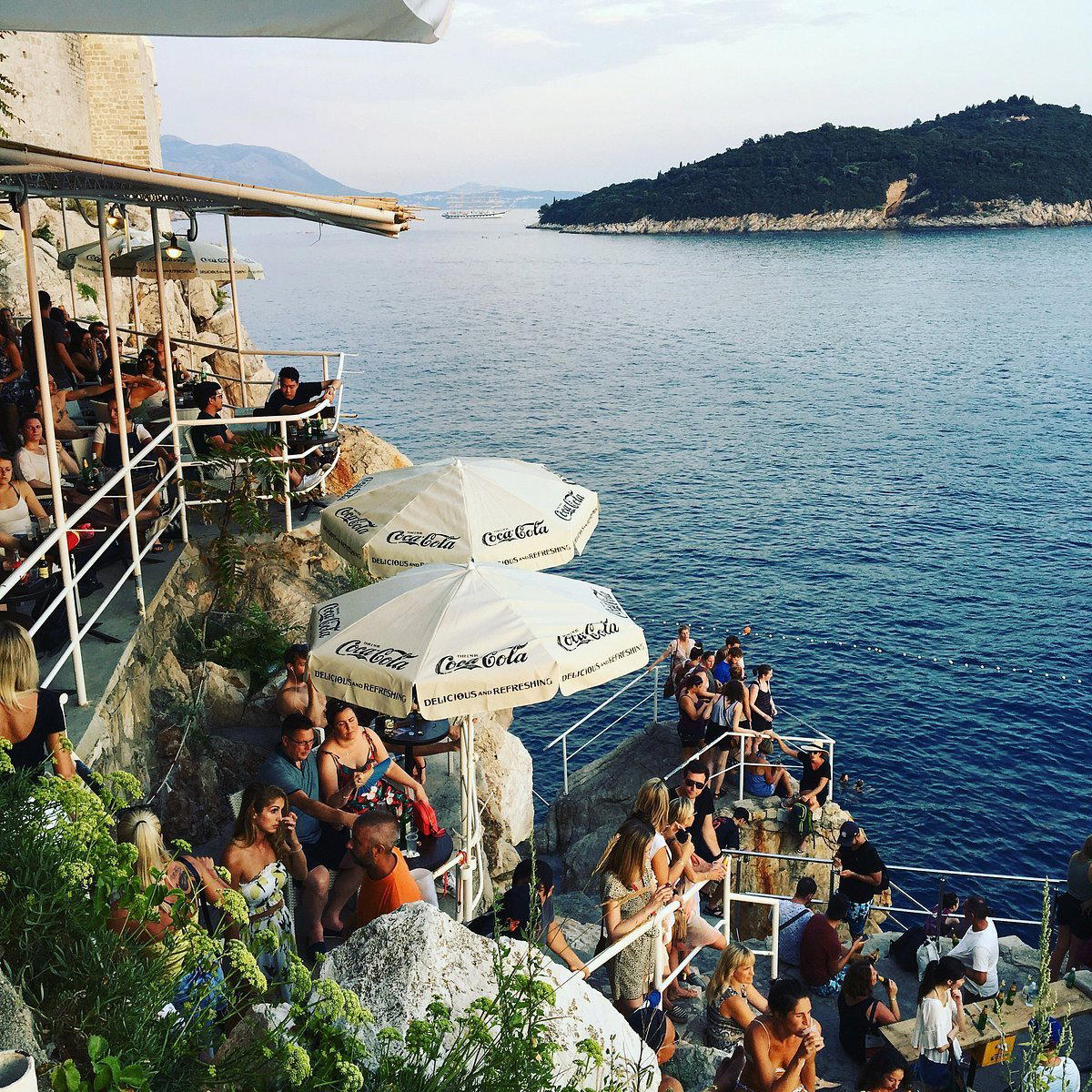
Bars in Cavtat
Browse all →
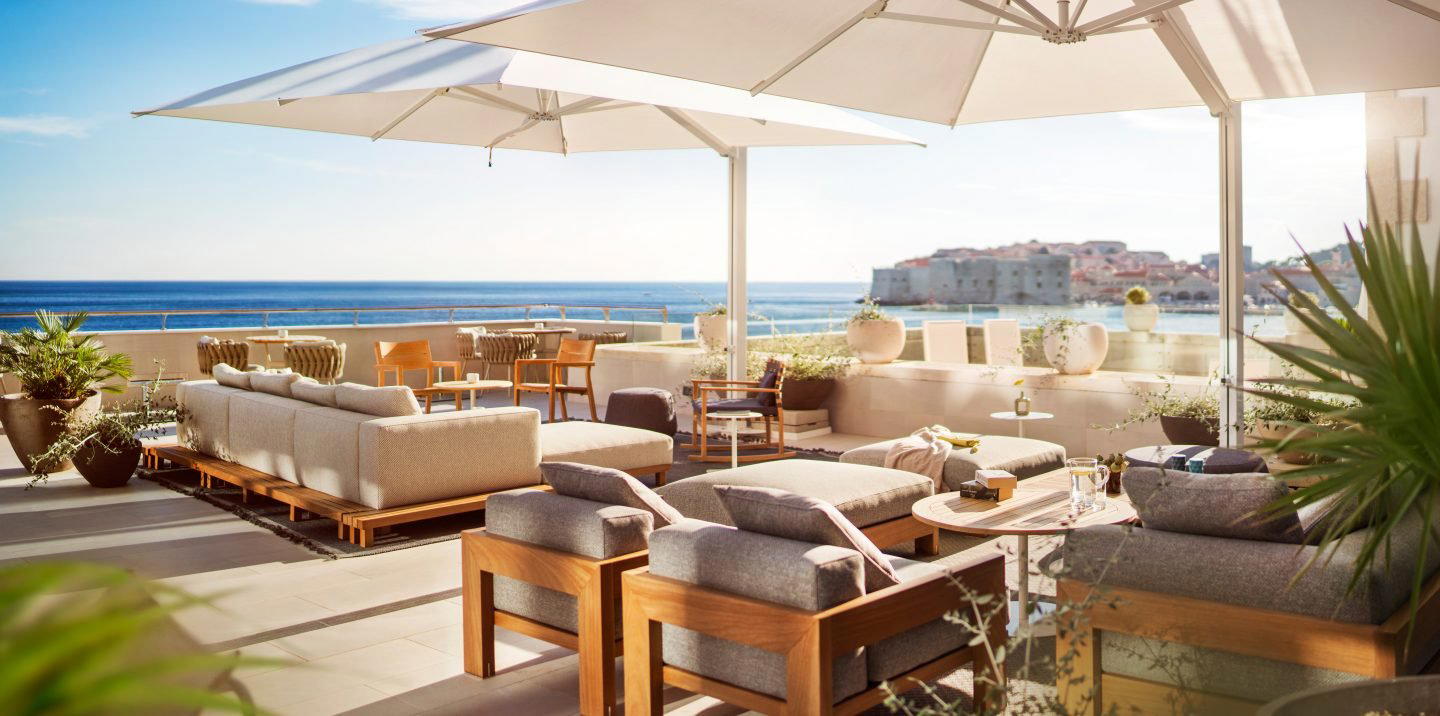
Hotels in Cavtat
Browse all →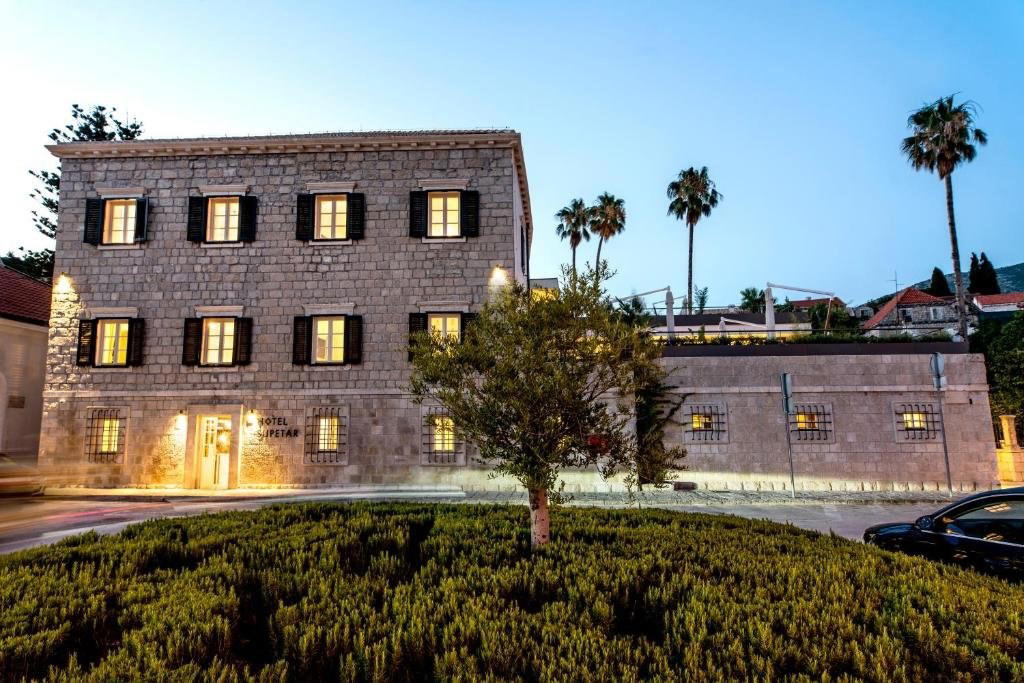
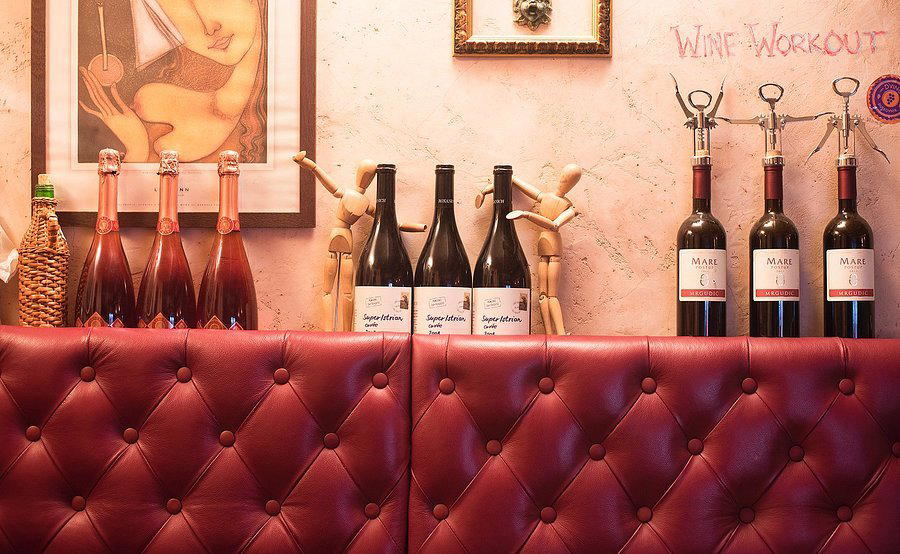
Wineries in Cavtat
Browse all →
At a Glance
- Scenic
- Cozy
- Romantic
- Date Night
- Casual Hangout
- Family
- Waterfront
- Terrace
- Open Kitchen
- Extensive Wine List
- Local Sourcing
- Waterfront
- Street Scene
Current opening hours
- Monday
- 12 PM–12 AM
- Tuesday
- 12–11 PM
- Wednesday
- 12–11 PM
- Thursday
- 12–11 PM
- Friday
- 12–11 PM
- Saturday
- 12–11 PM
- Sunday
- 12–11 PM
Hours can change for holidays and private events. Last verified .
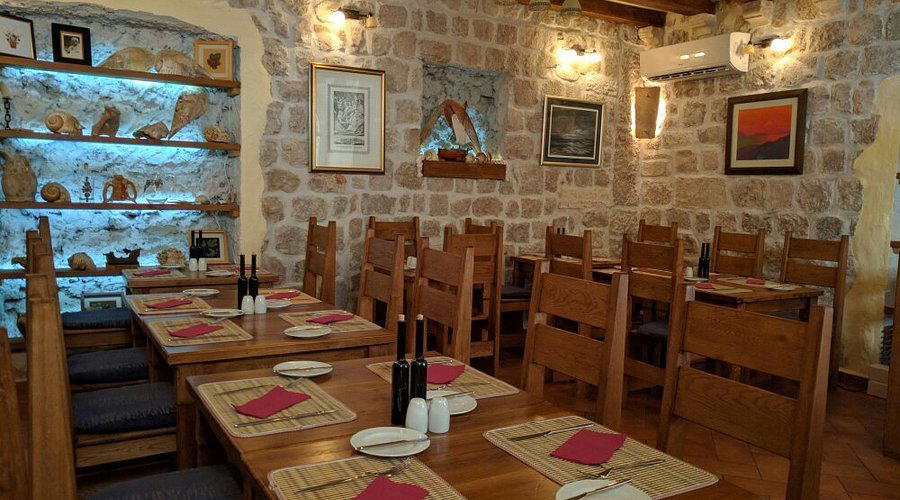
Quiet high terrace under pine trees providing generous shade with a warm, neat setting and sea views.